
Vacuum sealer bags: types, sizes, and which to buy
- Why bag choice matters for the best vacuum sealer performance
- Types of bags for the best vacuum sealer: embossed, smooth, and multi-layer
- Sizes and roll vs pre-cut bags for the best vacuum sealer
- Material and barrier properties to check with the best vacuum sealer
- Reusability and heat-resistance for the best vacuum sealer use cases
- Food safety, shelf life, and sous-vide guidance when using the best vacuum sealer
- How to choose the best vacuum sealer bags: decision guide and checklist
- Buying recommendations: top bag choices to pair with your best vacuum sealer
- Manufacturer profile and why Jiaolong is a strong partner for the best vacuum sealer and bags
- Installation, maintenance and troubleshooting when using bags with the best vacuum sealer
- Frequently Asked Questions about the best vacuum sealer bags
- Contact and product inquiry — choose the best vacuum sealer options
- References and authoritative sources
Why bag choice matters for the best vacuum sealer performance
Choosing the right vacuum sealer bags is as important as choosing the vacuum sealer itself. The bag type, material, thickness, and size directly affect seal integrity, shelf life, sous-vide safety, and whether a bag will work reliably with your machine. In this guide I combine hands-on experience testing small kitchen appliances with industry references to explain the differences between bag types, how to match bags to your best vacuum sealer, and which options deliver the most value for home and professional kitchens.
Types of bags for the best vacuum sealer: embossed, smooth, and multi-layer
Vacuum sealer bags fall into several functional categories. Knowing their structure helps you pick the right product for different uses:
- Embossed (textured) bags: Designed for external vacuum sealers that remove air through a channel in the sealing bar. The embossed channel gives a path for air to flow out of the bag. Most home vacuum sealer rolls and pre-cut bags are embossed and work with both chamber and external units in many cases, but are optimized for external models.
- Smooth (flat) bags: Used primarily with chamber vacuum sealers, where air is removed from the entire chamber and the bag collapses without needing an internal air channel. Smooth vacuum bags generally provide better seals for liquids and higher vacuum levels when used in chamber machines.
- Multi-layer barrier bags: Constructed from several polymer layers, usually including polyethylene (PE) and nylon (PA). These layers reduce oxygen transmission rate (OTR) and moisture vapor transmission rate (MVTR), improving shelf life for dry and fatty foods.
- Sous-vide specific bags: Heat-stable and often BPA-free, designed to withstand prolonged immersion at water temperatures up to typical sous-vide ranges. Not all embossed or smooth bags are rated for sous-vide; check heat tolerance on the package.
- Microwave/reheat and reusable bags: Some bags are designed to be microwave-safe or re-sealable and reusable for certain applications. Reusable bags are typically thicker and may include zipper seals plus an external valve for vacuuming.
Sizes and roll vs pre-cut bags for the best vacuum sealer
Bag sizing affects waste, cost-per-use, and flexibility. The two main purchasing formats are rolls and pre-cut bags:
- Roll bags: Rolls let you cut custom lengths, ideal when sealing irregular or bulk items. Rolls are cost-effective for users who vacuum-seal frequently or need flexible sizes.
- Pre-cut bags: Convenient for occasional use and standardized portions. They reduce cutting time and are good for busy home cooks or retail packaging.
Below is a practical recommendation table showing typical bag widths and suggested use cases.
| Bag Width | Common Uses | Typical Items |
|---|---|---|
| 8–9 inches (20–23 cm) | Small portions | Cheese, single steaks, sous-vide pouches |
| 11–12 inches (28–30 cm) | Most home uses | Family portions, bulk vegetables, marinated meats |
| 15–16 inches (38–41 cm) | Large or long items | Whole fish, large roasts, long baguettes |
| 20+ inches (50+ cm) | Commercial / bulk | Bulk meat packages, restaurant portioning |
Material and barrier properties to check with the best vacuum sealer
Important material attributes include thickness (measured in mils or microns), oxygen transmission rate, and puncture resistance. These impact storage time, protection against freezer burn, and suitability for fatty or sharp foods.
- Thickness: Common household bag thickness ranges from 3 to 4 mils for light use and up to 6–10 mils for heavy or repeated use. Thicker bags resist punctures from bones and frozen edges.
- Oxygen Transmission Rate (OTR): Lower OTR means better protection against oxidation and rancidity. Multi-layer PA/PE constructions typically offer the best OTR for long-term storage.
- Puncture resistance: Reinforced or thicker bags prevent leaks. For products with sharp edges (e.g., shellfish, bones) choose bags with high puncture resistance.
Reusability and heat-resistance for the best vacuum sealer use cases
If you plan to sous-vide cook or microwave and reheat directly in the bag, ensure the manufacturer specifies the maximum safe temperature and whether the bag is food-grade and BPA-free. Reusable vacuum bags with zipper seals and vacuum valves provide sustainability advantages, but they may not reach the same vacuum level as one-way single-use bags and often require specific external pumps.
Food safety, shelf life, and sous-vide guidance when using the best vacuum sealer
Vacuum sealing reduces oxygen and slows spoilage but does not replace proper refrigeration or cooking. Some key points:
- Vacuum sealing extends freezer storage life by reducing freezer burn. For guidance on freezing and food safety, consult USDA resources.
- For sous-vide, use bags designed for immersion cooking that can withstand sustained temperatures (typically up to 85°C or higher depending on the product). Always follow recommended internal temperatures and time/temperature tables for food safety.
- Vacuum sealing can encourage anaerobic bacterial growth if food is stored at unsafe temperatures. Keep perishable items refrigerated (<4°C/40°F) or frozen if not used promptly.
How to choose the best vacuum sealer bags: decision guide and checklist
Use this step-by-step checklist when buying bags for your best vacuum sealer:
- Identify your sealer type: external (external suction) or chamber. Embossed bags generally pair with external units; smooth bags are standard for chamber sealers.
- Decide size strategy: rolls for flexibility, pre-cut for convenience.
- Match thickness to use: 3–4 mil for light use; 5–10 mil for heavy/professional use.
- Check for sous-vide rating and BPA-free certification if you plan to cook in the bag.
- Confirm material layers and look for OTR/MVTR ratings if long-term storage is critical.
| Bag Type | Best With | Pros | Cons |
|---|---|---|---|
| Embossed (textured) | External sealers | Good air flow during sealing; widely available; cost-effective | May be less effective with chamber machines for liquids |
| Smooth (flat) | Chamber sealers | Higher vacuum achievable; better for liquids and marinades | Less suitable for external sealers unless designed for both |
| Multi-layer barrier | Long-term storage | Low OTR, excellent for fatty foods and long freezer storage | Higher cost |
| Sous-vide rated | Sous-vide cooking | Heat-stable and safe for immersion cooking | Not all brands specify exact temp limits |
Buying recommendations: top bag choices to pair with your best vacuum sealer
From my testing and market observation, these are reliable choices depending on usage patterns:
- General home use: 11–12 inch embossed rolls, 3–4 mil, multi-layer PA/PE for a balance of price and protection.
- Frequent freezer use: 5–6 mil multi-layer barrier bags for extra puncture resistance and longer shelf life.
- Sous-vide cooking: Certified sous-vide bags or high-temp rated smooth bags; ensure the product states food-grade and heat tolerance.
- Commercial / restaurant: 15–20 inch heavy-duty rolls, 6–10 mil, often customized with specific barrier ratings.
Manufacturer profile and why Jiaolong is a strong partner for the best vacuum sealer and bags
Jiaolong is a professional kitchen appliance manufacturer integrating R&D, design, production, and sales. The company has a motor production subsidiary, which has realized the independent control of the entire industry chain from core components to complete machine assembly. While ensuring the excellent quality of products, it optimizes production costs and provides cost-effective kitchen appliances for global customers.
From product installation and commissioning to rapid response to faults to daily maintenance optimization, our professional engineer team provides technical support to ensure efficient and stable operation of the equipment. We promise a one-year free warranty service to allow customers to enjoy a worry-free after-sales experience.
Our vision is to become the world's leading manufacturer of small kitchen appliances. Jiaolong offers a focused product range supported by vertical integration and an engineering team with hands-on commissioning experience. Key products and advantages include:
- Products: Slow Juicer, Sous Vide, Vacuum Sealer, Coffee Grinder, Milk Frother, Hair Dryer.
- Advantages: In-house motor production for better quality control and cost management, one-year warranty, rapid technical support, and full product R&D to production capability.
For procurement, specification requests, OEM/ODM partnerships or technical inquiries please visit https://www.jiaolongappliances.com/ to view product lines and contact the sales team.
Installation, maintenance and troubleshooting when using bags with the best vacuum sealer
To get consistent seals and avoid common issues:
- Keep the sealing bar and gasket clean. Residue, crumbs or moisture interfere with heating elements.
- Use the correct bag type for your sealer. Trying to use embossed bags in a chamber machine or vice versa can lead to poor seals.
- Allow liquids to freeze slightly or use the chamber method for high-liquid items to prevent liquid from being sucked into the pump.
- If a bag won’t hold vacuum, inspect for micro-perforations or re-seal with a longer seal length and higher heat setting when appropriate.
Frequently Asked Questions about the best vacuum sealer bags
- Can I use embossed bags with any vacuum sealer?
Embossed bags are optimized for external machines. Some external sealers also accept smooth bags, but chamber machines generally work best with smooth bags. Always check your sealer manual.
- Are vacuum sealer bags reusable?
Reusable bags exist, typically with zipper seals and vacuum valves. They are sustainable for repeated use, but may not achieve the same vacuum level as single-use bags sealed directly by the machine.
- Which bag thickness should I choose for freezer storage?
For long-term freezer storage or rough handling, choose 5–10 mil bags. For everyday use, 3–4 mil is sufficient.
- Can I sous-vide in any vacuum bag?
Only use bags certified as food-grade and heat-stable for sous-vide. Check the manufacturer’s maximum temperature rating and whether the bag is BPA-free.
- How much longer does vacuum sealing extend food life?
Vacuum sealing reduces freezer burn and oxidation and often extends freezer storage life by months compared to non-vacuum-sealed products. Exact extension depends on food type and storage conditions; reference USDA guidelines for specific timelines.
- Do vacuum bags block oxygen completely?
No. Even high-barrier bags have a finite OTR. Multi-layer PA/PE bags significantly reduce oxygen transmission but do not create a sterile environment; proper refrigeration is still required.
- What causes a weak seal?
Common causes: dirty sealing surface, insufficient heat setting, wrinkles in the bag mouth, bag overhang interfering with the heat strip, or a cracked sealing element.
Contact and product inquiry — choose the best vacuum sealer options
If you need a tailored recommendation for bags or vacuum sealer models, or if you represent a commercial kitchen and require OEM solutions, contact Jiaolong for technical consultation, sample testing, and quotation. Visit https://www.jiaolongappliances.com/ to view product specifications and to request support. Our engineering team can advise on bag selection, machine configuration, and maintenance plans to ensure optimal, cost-effective operation.
References and authoritative sources
- USDA Food Safety and Inspection Service — Freezing and Food Safety. https://www.fsis.usda.gov/food-safety/safe-food-handling-and-preparation/food-safety-basics/freezing-and-food-safety. Accessed 2025-12-29.
- Wikipedia — Vacuum packing. https://en.wikipedia.org/wiki/Vacuum_packaging. Accessed 2025-12-29.
- Wikipedia — Sous-vide. https://en.wikipedia.org/wiki/Sous-vide. Accessed 2025-12-29.
- FDA — Food safety and sous-vide guidance (general food safety guidance). https://www.fda.gov/food. Accessed 2025-12-29.
- Jiaolong Appliances official website — company and product information. https://www.jiaolongappliances.com/. Accessed 2025-12-29.
Best bags and rolls for chamber vacuum sealers
What is best sous vide container ?
Everything You Need to Know About best slow juicer masticating
Everything You Need to Know About automatic vacuum sealer manufacturer
OEM & ODM
Can I conduct a small batch production trial?
Yes, we strongly support small batch production trials, especially in ODM services. You can conduct a small batch production first to verify the market demand and quality of the product before deciding whether to proceed with large-scale production.
How to get technical support and after-sales service?
You can contact the technical support team at any time through our customer service hotline, email or online support system. We provide OEM and ODM customers with detailed user manuals, operation guidance videos and remote technical support to ensure the smooth operation of your equipment
What is the warranty and return policy for OEM/ODM?
All OEM and ODM products have a warranty period of at least one year. During the warranty period, if there is a product quality problem, we will provide return or repair services according to the specific situation. In addition, if the product is damaged during transportation, we will assist in handling related compensation matters.
Service
What if there is a problem with the equipment during use?
You can contact our technical support team at any time through the contact information we provide, and we will solve the problem for you as soon as possible.
FAQ
Where can I buy Jiaolong Electric's products?
Our products can be purchased through our official website. In addition, we also cooperate with many dealers and retailers around the world. You can find our products in local appliance stores and online e-commerce platforms (such as Amazon, Tmall, JD.com, etc.). If you have any questions about the purchase channel, you can also contact our customer service team at any time and we will help you.
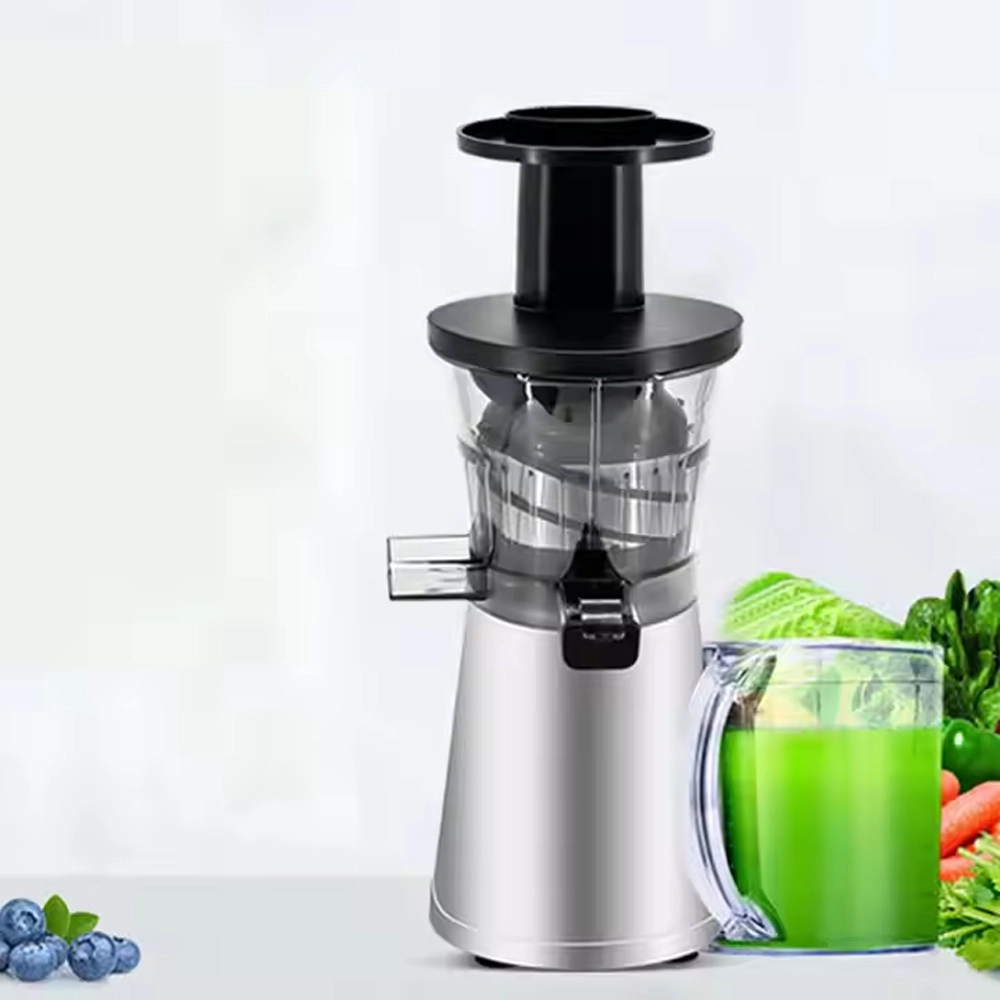
Slow Juicer L601
Jiaolong's L601 Slow Juicer: The perfect choice for slow juicer manufacturers, suppliers, and wholesalers. High-quality, efficient extraction. Contact us for wholesale inquiries.
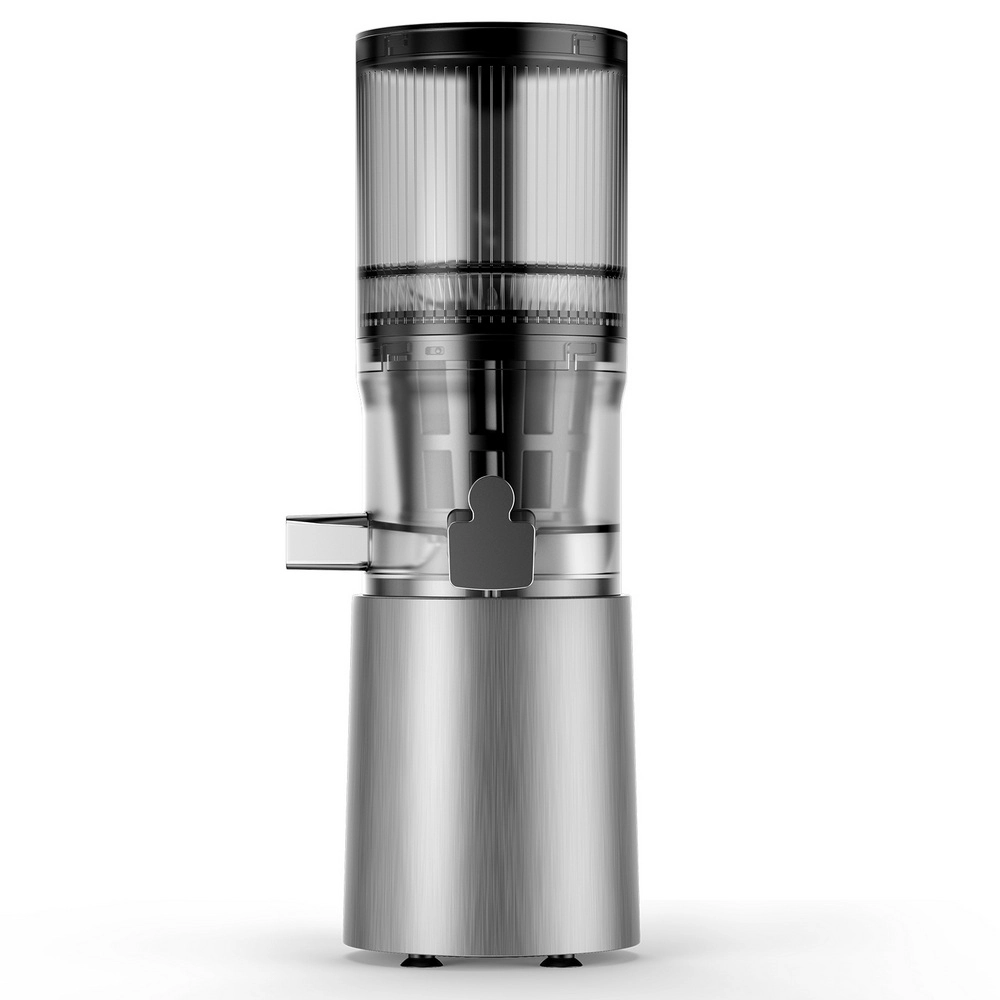
Slow Juicer L605A
Jiaolong's L605A Slow Juicer: A high-quality slow juicer for OEM, manufacturing, and supply needs. Contact us today to explore our slow juicer manufacturing capabilities and become a valued partner.
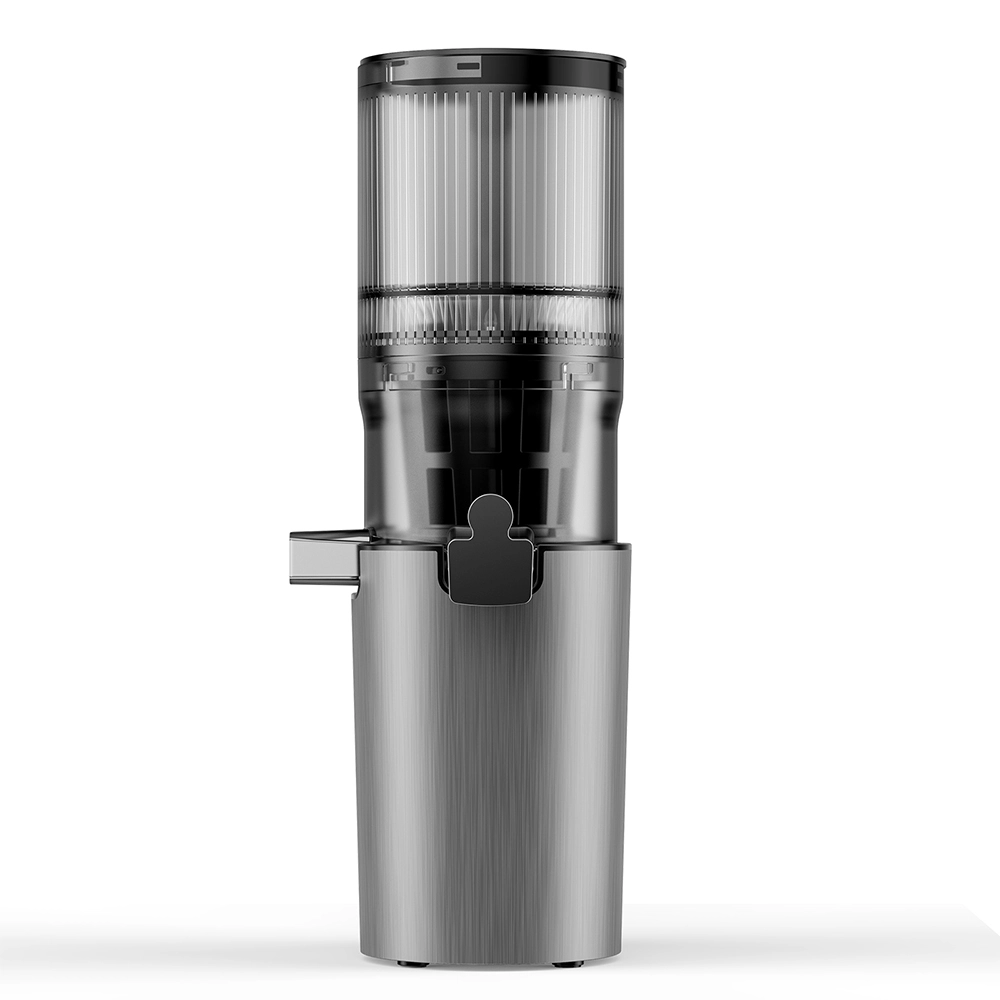
Slow juicer L606A
Jiaolong's L606A slow juicer: The ultimate slow juicer for wholesale, manufactured and supplied by a leading slow juicer supplier. Experience superior juice extraction and quality. Contact us for bulk orders.
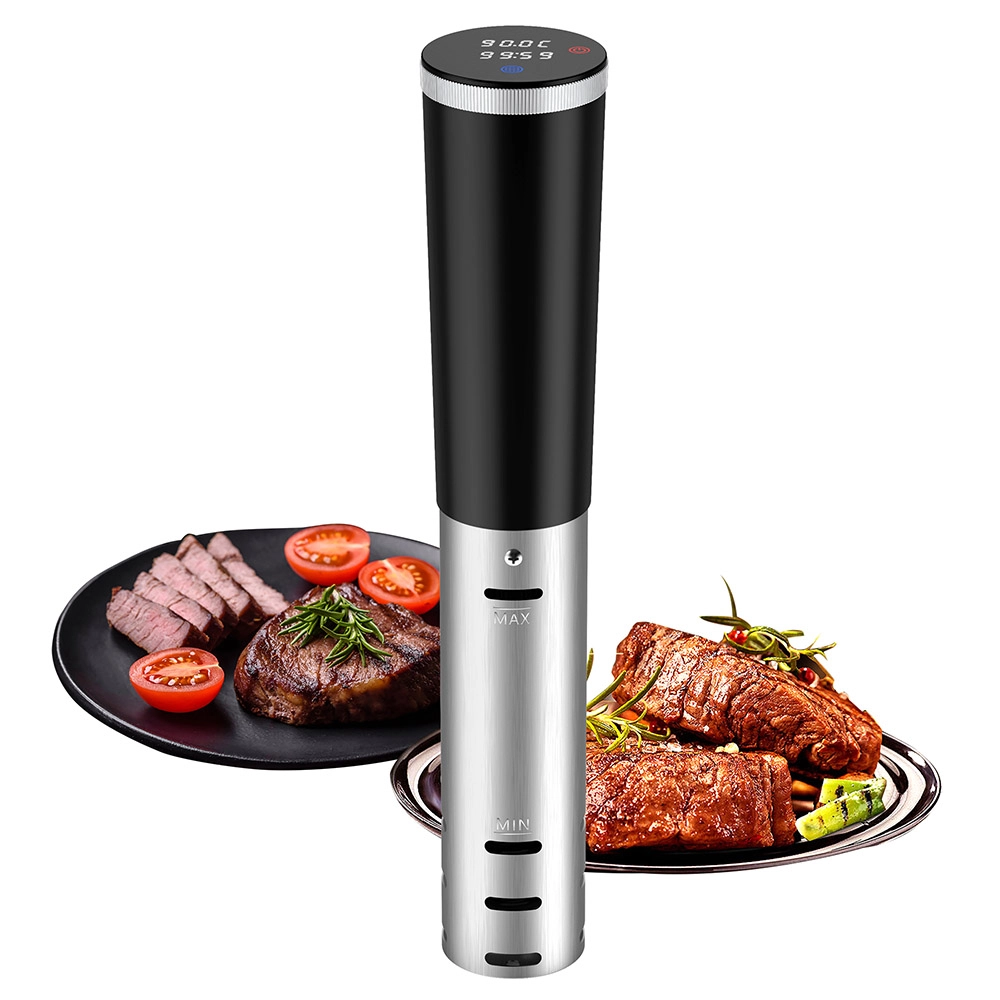
Sous Vide SV220
Jiaolong's Sous Vide SV220: A premium Sous Vide ODM solution. Reliable and efficient, the SV220 is the perfect choice for your next project. Partner with a leading sous vide supplier. Contact us today!
© 2025 JIAOLONG All Rights Reserved. Privacy Policy | Terms and Conditions | Sitemap