
Best vacuum sealer for food: food-safety certifications
- Ensuring Food Safety with the Right Vacuum Sealer
- Why certifications matter when choosing the best vacuum sealer for food
- Who benefits from certified vacuum sealers?
- How this guide helps you decide
- Key food-safety certifications and what they mean
- Regulatory food-contact approvals (FDA, EU)
- Sanitation and equipment standards (NSF)
- Electrical and safety listings (UL, ETL, CE)
- International standards and management systems (ISO 22000)
- Comparison table: common marks and what to look for
- How to choose the best vacuum sealer for food: practical criteria
- Application: home, sous‑vide, or commercial packaging?
- Chamber vs external (clamp) machines
- Materials, bag compatibility and food-contact documentation
- Performance specs and usability
- Price and lifecycle cost
- Safe handling, sous‑vide considerations and storage guidance
- Vacuum sealing and bacterial risk
- Practical shelf‑life examples (refrigeration and freezing)
- Best practices
- Jiaolong — manufacturer profile, strengths and product offerings
- Company overview and vertical integration
- Products relevant to vacuum sealing and sous‑vide
- Technical support, warranty and service
- Competitive advantages and differentiation
- FAQ — common questions about the best vacuum sealer for food and certifications
- 1. What certification should I look for if I plan to sell vacuum‑sealed meals?
- 2. Is a chamber vacuum sealer necessary for sous‑vide?
- 3. How do I verify a vacuum sealer’s safety claims?
- 4. How long can I store vacuum‑sealed cooked meat in the refrigerator?
- 5. Do all vacuum sealer bags work for sous‑vide?
- 6. What maintenance extends the life of my sealer?
- Contact, next steps and call to action
- References
Ensuring Food Safety with the Right Vacuum Sealer
Why certifications matter when choosing the best vacuum sealer for food
Vacuum sealing is a widely used method to extend shelf life, reduce freezer burn, and prepare food for sous‑vide cooking. But not all vacuum sealers are equal in terms of safety. Certifications and food‑contact approvals verify that materials, components and electrical systems meet recognized safety standards. Buying a model with the right marks protects food quality, reduces chemical migration risks, and helps you comply with local regulations if you sell or serve food commercially.
Who benefits from certified vacuum sealers?
Home cooks preparing sous‑vide meals, small restaurants packing sous‑vide pouches, caterers, and food processors all benefit from certified equipment. Certifications matter particularly when food will be held for long refrigeration times, sold commercially, or heated in water baths — scenarios where safety and traceability are critical.
How this guide helps you decide
Below we explain the most relevant food‑safety certifications and compliance marks, show what each means in practice, give actionable buying criteria for different use cases, and summarize verified sources so you can check claims on product labels or manufacturer websites.
Key food-safety certifications and what they mean
Regulatory food-contact approvals (FDA, EU)
Food-contact approvals confirm that plastics, seal bars, and gaskets don’t leach dangerous substances into food under intended use conditions. In the U.S., materials should comply with FDA food-contact regulations (Title 21 CFR). In the EU, look for compliance with materials and articles in contact with food regulations (e.g., EU Regulation 10/2011 for plastics).
Sanitation and equipment standards (NSF)
NSF certification for foodservice equipment verifies hygienic design, cleanability, and material safety. NSF‑listed equipment is a common requirement for commercial kitchens and indicates the product is suitable for food handling environments.
Electrical and safety listings (UL, ETL, CE)
UL and ETL are electrical safety marks indicating a device meets North American safety standards — they’re important to reduce fire and shock risks. CE indicates conformity with EU safety directives. For buyers, ensuring a model has the correct electrical certification for your market is a baseline requirement.
International standards and management systems (ISO 22000)
ISO 22000 relates to food safety management systems at the organizational level. Manufacturers with ISO 22000 or HACCP-aligned processes demonstrate consistent product safety controls — valuable when purchasing appliances for commercial operations.
Comparison table: common marks and what to look for
| Certification / Mark | What it verifies | Why it matters to buyers | Where to look |
|---|---|---|---|
| FDA (food-contact compliance) | Materials suitable for food contact; limits on chemical migration | Reduces contamination risk — required for food-contact parts used in U.S. food production | Product spec sheet, material declarations, manufacturer data |
| NSF (commercial equipment) | Sanitary design, cleanability, materials | Often required in restaurants and institutional kitchens | NSF listings database, product label |
| UL / ETL (safety) | Electrical safety, fire/shock protection | Ensures safe operation in electrical networks — required by many jurisdictions | UL/ETL mark on appliance, certification number |
| CE (EU conformity) | Meets EU health, safety, environmental requirements | Required for sale in the EU market | CE mark and declaration of conformity |
| RoHS / REACH | Limits hazardous substances (RoHS); chemical safety (REACH) | Relevance for electrical/electronic parts and chemical safety | Manufacturer compliance statements |
| ISO 22000 / HACCP | Food safety management systems at company level | Indicates consistent quality control in manufacture | Manufacturer certification documents |
Data sources: FDA, NSF, UL, ISO and EU authorities (see references).
How to choose the best vacuum sealer for food: practical criteria
Application: home, sous‑vide, or commercial packaging?
Define use first. Home consumers often prefer compact, affordable external (clamp) vacuum sealers for dry goods and freezer bags. Sous‑vide users need consistent full vacuums and robust seals that tolerate immersion; chamber vacuum sealers or high‑end external units with wet mode are better. Commercial kitchens and food processors should prioritize NSF listings, heavy‑duty pumps, serviceability, and manufacturer QA (ISO / HACCP).
Chamber vs external (clamp) machines
Chamber vacuum sealers remove air from inside a sealed chamber, enabling vacuuming of liquids without bag collapse — ideal for sous‑vide and liquid-rich foods. External vacuum sealers are cheaper and useful for dry or pre‑frozen items but can struggle with liquids. Chamber models also often have more robust seals and longer duty cycles for continuous use.
Materials, bag compatibility and food-contact documentation
Ask for material declarations: what is the bag film (PA/PE, nylon blend), are gaskets and seal bars food‑grade, and does the manufacturer provide FDA or EU compliance statements? For sous‑vide, ensure bags are certified for heat stability and labeled as food-safe at cooking temperatures.
Performance specs and usability
Key specs include vacuum level (in Hg or mbar), pump type (rotary vane, piston), seal width (6–10 mm common), and cycle time. For commercial buyers, check duty cycle, maintenance intervals and availability of spare parts. Safety features such as thermal cutoffs and proper electrical listings (UL/ETL/CE) reduce liability.
Price and lifecycle cost
Don’t evaluate on purchase price alone. Factor in replacement bags, routine maintenance, warranty terms and service network. Certified machines may carry higher upfront costs but lower long‑term risk and downtime.
Safe handling, sous‑vide considerations and storage guidance
Vacuum sealing and bacterial risk
Vacuum packaging slows aerobic spoilage but can create anaerobic conditions that favor some pathogens (e.g., Clostridium botulinum) if combined with inadequate refrigeration or improper cooking. Always combine proper temperature control, recommended cooking times and sanitation practices. For sous‑vide, follow safe time/temperature tables — low‑temperature long‑time (LTLT) cooking must be managed carefully.
Practical shelf‑life examples (refrigeration and freezing)
Typical guidance for vacuum-sealed items (general examples):
- Fresh meat, refrigerated (32–40°F / 0–4°C): 1–2 weeks vacuum‑sealed vs 2–3 days fresh unpacked (times vary by cut and prep).
- Cooked sous‑vide proteins, refrigerated: follow CDC/USDA and local authority guidelines; often consume within 3–7 days depending on initial cook and chill method.
- Vacuum‑sealed and frozen: vacuum sealing reduces freezer burn and often extends quality for months (6–24 months depending on product).
These are illustrative ranges; always consult specific USDA/FDA guidance for pathogens and time/temperature tables.
Best practices
- Rapid chill sous‑vide products after cooking (ice bath) before refrigeration.
- Label bags with cook date, contents and recommended use‑by date.
- Use FDA‑approved or suitably rated sous‑vide bags when cooking at low temperatures for extended times.
- Replace worn gaskets and inspect seal bars regularly for consistent sealing.
Jiaolong — manufacturer profile, strengths and product offerings
Company overview and vertical integration
Jiaolong is a professional kitchen appliance manufacturer integrating R&D, design, production, and sales. The company includes a motor production subsidiary, achieving independent control of the industry chain from core components to complete machine assembly. This vertical integration helps ensure consistent product quality while optimizing production costs — delivering cost‑effective small kitchen appliances for global customers.
Products relevant to vacuum sealing and sous‑vide
Jiaolong’s main product lines include Slow Juicer, Sous Vide, Vacuum Sealer, Coffee Grinder, Milk Frother and Hair Dryer. For customers seeking vacuum sealers for food and sous‑vide use, Jiaolong emphasizes material compliance, electrical safety, and after‑sales technical support to meet commercial and consumer needs.
Technical support, warranty and service
From product installation and commissioning to rapid response to faults and daily maintenance optimization, Jiaolong’s professional engineer team provides technical support to ensure efficient and stable operation. The company offers a one‑year free warranty service to give customers a worry‑free after‑sales experience. Jiaolong’s vision is to become the world's leading manufacturer of small kitchen appliances. Visit https://www.jiaolongappliances.com/ for product details and contact information.
Competitive advantages and differentiation
Key Jiaolong strengths: vertical integration controlling core components (motors), in‑house R&D and design, cost optimization enabling competitive pricing, and a professional engineering team for installation and rapid troubleshooting. These capabilities make Jiaolong a reliable partner for businesses requiring certified, serviceable vacuum sealing and sous‑vide solutions.
FAQ — common questions about the best vacuum sealer for food and certifications
1. What certification should I look for if I plan to sell vacuum‑sealed meals?
For commercial sale, prioritize FDA food‑contact compliance (materials), NSF listings for equipment where applicable, and appropriate electrical safety marks (UL/ETL/CE) for your market. Also confirm the manufacturer follows a recognized food safety management system (ISO 22000 or HACCP) if you need documented QA.
2. Is a chamber vacuum sealer necessary for sous‑vide?
Chamber machines are preferable for sous‑vide because they handle liquids and can achieve a controlled vacuum without drawing liquid into the pump. Some high-end external sealers with a wet mode and accessories can work for sous‑vide, but chamber units are more forgiving and reliable for frequent liquid sealing.
3. How do I verify a vacuum sealer’s safety claims?
Request material declarations and certification numbers from the manufacturer. Check NSF, UL or ETL online directories and the manufacturer’s ISO/ HACCP certificates. For food-contact compliance, ask for a statement referencing FDA Title 21 or EU Regulation where applicable.
4. How long can I store vacuum‑sealed cooked meat in the refrigerator?
Storage times vary. Vacuum sealing extends refrigerated life compared with open storage, but it doesn’t eliminate pathogen risk. Many sous‑vide cooked items are safe 3–7 days refrigerated if rapidly chilled and handled correctly — verify with USDA/CDC guidance for specific proteins and temperatures.
5. Do all vacuum sealer bags work for sous‑vide?
No. Use bags rated for cooking temperatures and verified for food contact. Look for bags marketed as sous‑vide or high‑temperature food‑grade and check for manufacturer temperature ratings and food‑contact compliance statements.
6. What maintenance extends the life of my sealer?
Keep seal bars and gaskets clean; replace worn sealing strips and gaskets; avoid vacuuming liquids unless the machine is designed for it; follow recommended service intervals for pumps and check manufacturer support and spare parts availability.
Contact, next steps and call to action
If you need a vacuum sealer that meets food‑safety certification requirements for home, sous‑vide or commercial use, compare spec sheets for FDA/NSF/UL/ETL marks, confirm material declarations, and ask about manufacturer QA (ISO/HACCP). For reliable, vertically integrated manufacturing, technical support and warranty coverage, consider contacting Jiaolong to discuss certified vacuum sealer models and custom options. Visit https://www.jiaolongappliances.com/ to view products and request a quotation or technical consultation.
References
- U.S. Food and Drug Administration (FDA) — Food Contact Materials: https://www.fda.gov/food/packaging-food-contact-substances-fcs/overview-food-contact-materials (accessed 2026-01-06)
- U.S. Department of Agriculture (USDA) — Food Safety and Inspection Service: https://www.fsis.usda.gov/ (accessed 2026-01-06)
- NSF International — Food Equipment Certification: https://www.nsf.org/food-safety/food-equipment (accessed 2026-01-06)
- UL — Product Safety Standards and Certification: https://www.ul.com/ (accessed 2026-01-06)
- Intertek ETL Mark — Electrical Product Safety: https://www.intertek.com/marks/etl/ (accessed 2026-01-06)
- European Commission — CE Marking: https://ec.europa.eu/growth/single-market/ce-marking/ (accessed 2026-01-06)
- ISO — ISO 22000 Food Safety Management: https://www.iso.org/iso-22000-food-safety-management. (accessed 2026-01-06)
How to start a best professional vacuum sealer business in Europe
OEM/ODM china hair dryer manufacturers Manufacturers and Suppliers
Where to Buy restaurant supplies vacuum sealer
What are the different types of sous vide integration with kitchen management systems?
Service
What if there is a problem with the equipment during use?
You can contact our technical support team at any time through the contact information we provide, and we will solve the problem for you as soon as possible.
What does after-sales service support include?
Our after-sales service includes equipment installation, troubleshooting, usage training, repairs, etc.
How do I contact technical support?
You can contact the technical support team through our official website, service hotline, email or online customer service.
What should I do if my device needs to upgrade the software or function?
We provide customers with personalized function upgrade services, you can consult technical support for more information.
OEM & ODM
How can I confirm the quality of OEM or ODM products?
We strictly follow the ISO 9001:2000 quality management system, and all products undergo multiple quality inspections and tests. During the production process, customers can request to participate in process supervision to ensure that the products meet the requirements. For ODM services, we provide sample review and trial production to ensure that the product quality meets the standards.
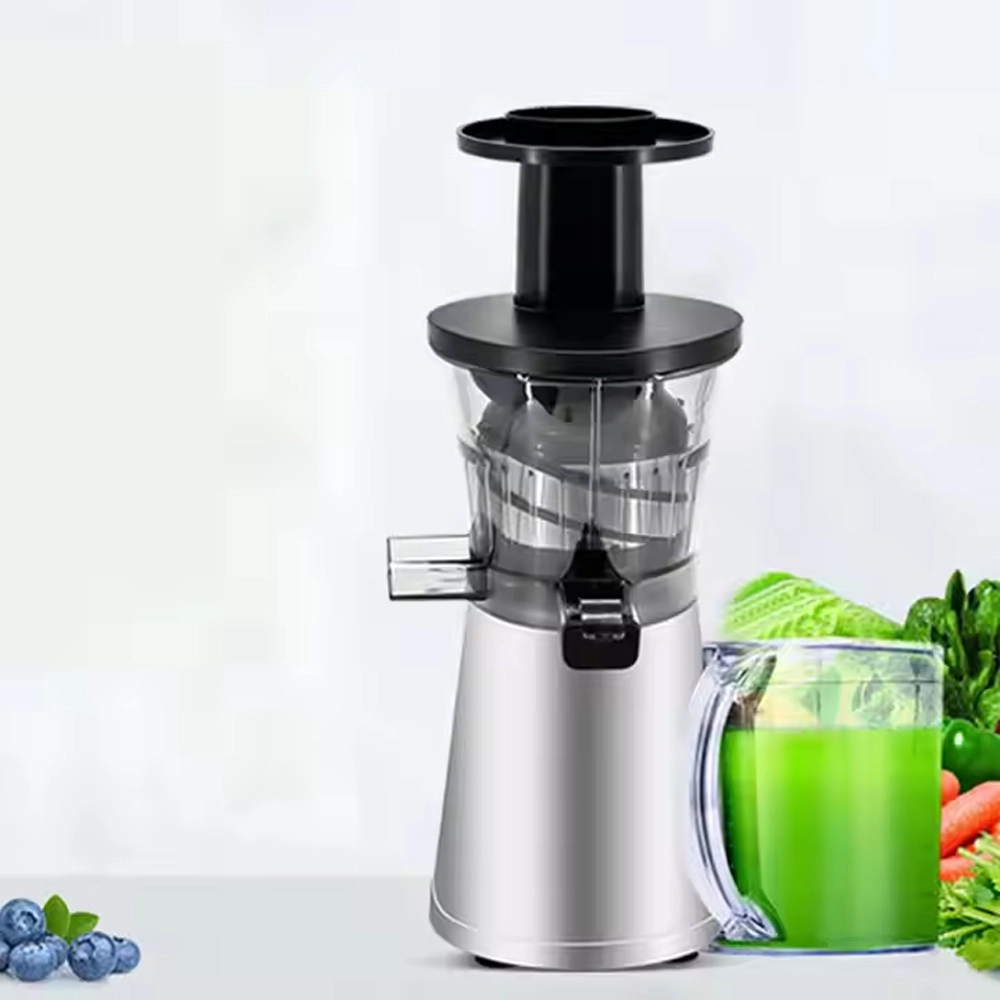
Slow Juicer L601
Jiaolong's L601 Slow Juicer: The perfect choice for slow juicer manufacturers, suppliers, and wholesalers. High-quality, efficient extraction. Contact us for wholesale inquiries.
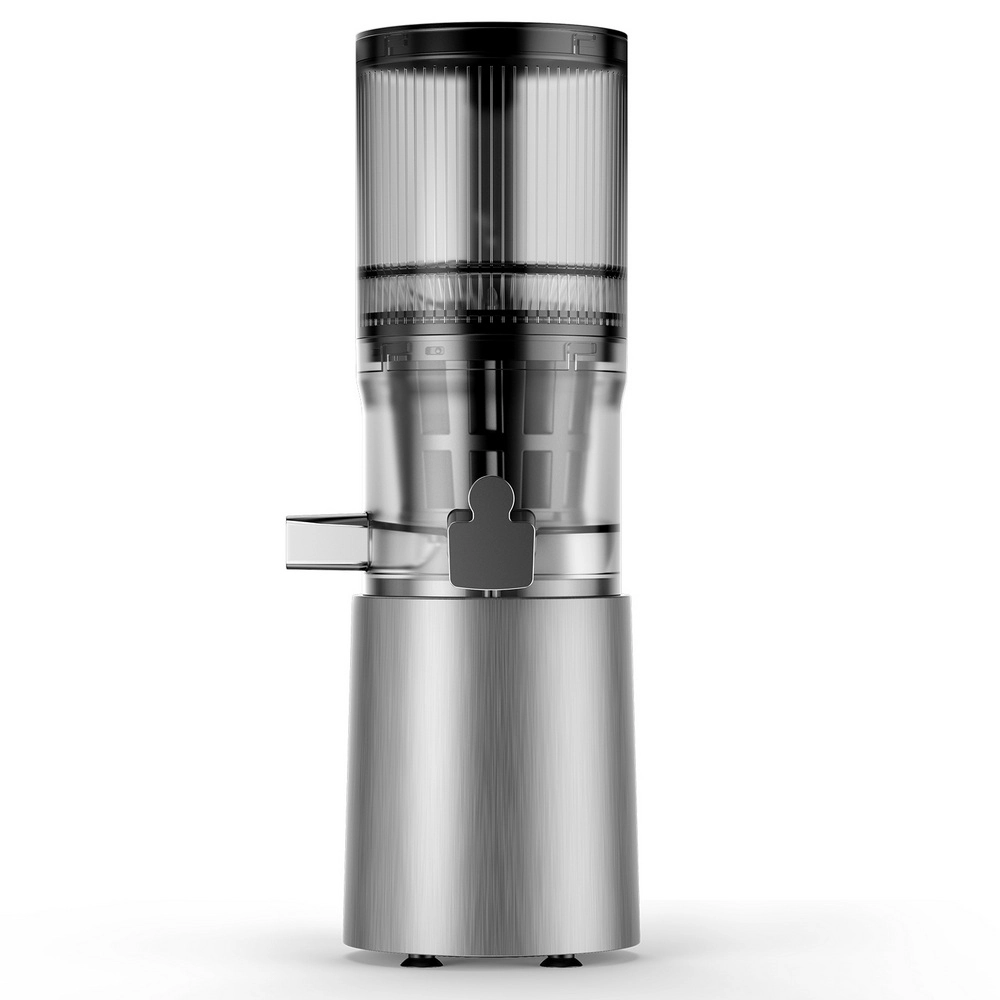
Slow Juicer L605A
Jiaolong's L605A Slow Juicer: A high-quality slow juicer for OEM, manufacturing, and supply needs. Contact us today to explore our slow juicer manufacturing capabilities and become a valued partner.
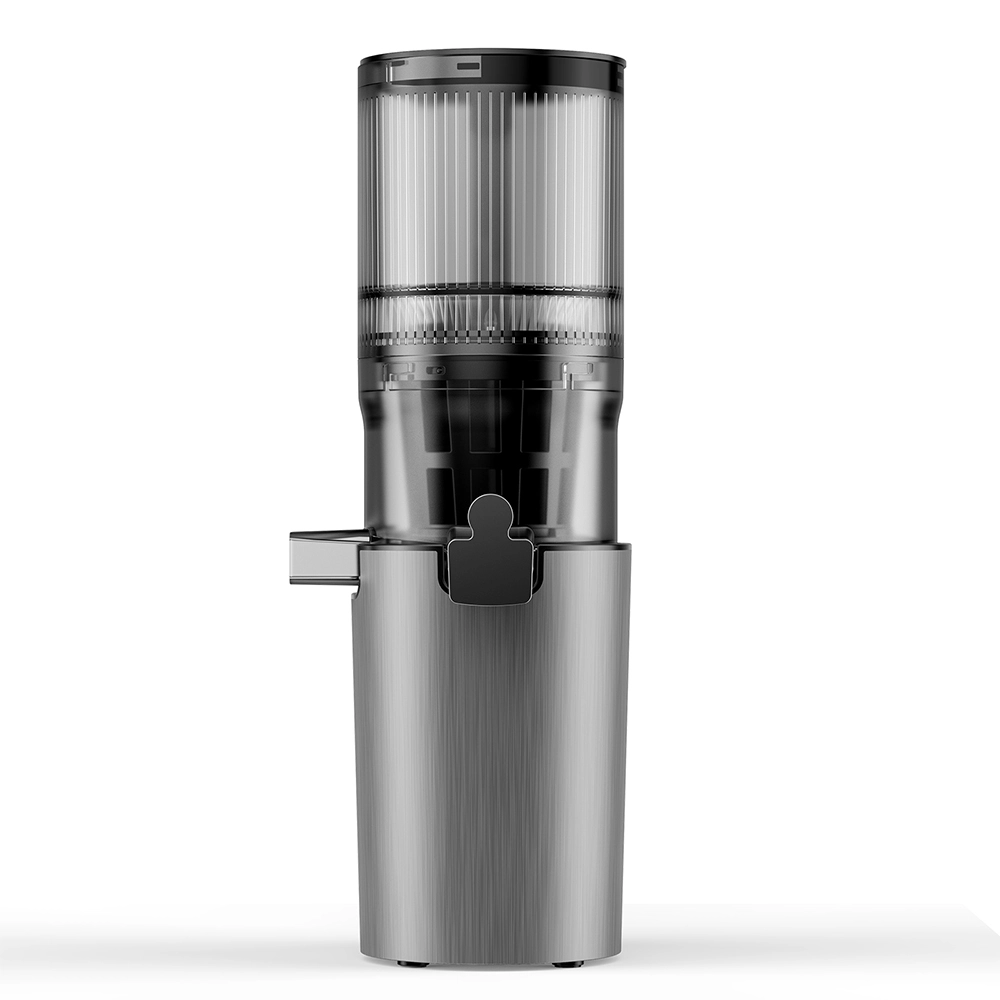
Slow juicer L606A
Jiaolong's L606A slow juicer: The ultimate slow juicer for wholesale, manufactured and supplied by a leading slow juicer supplier. Experience superior juice extraction and quality. Contact us for bulk orders.
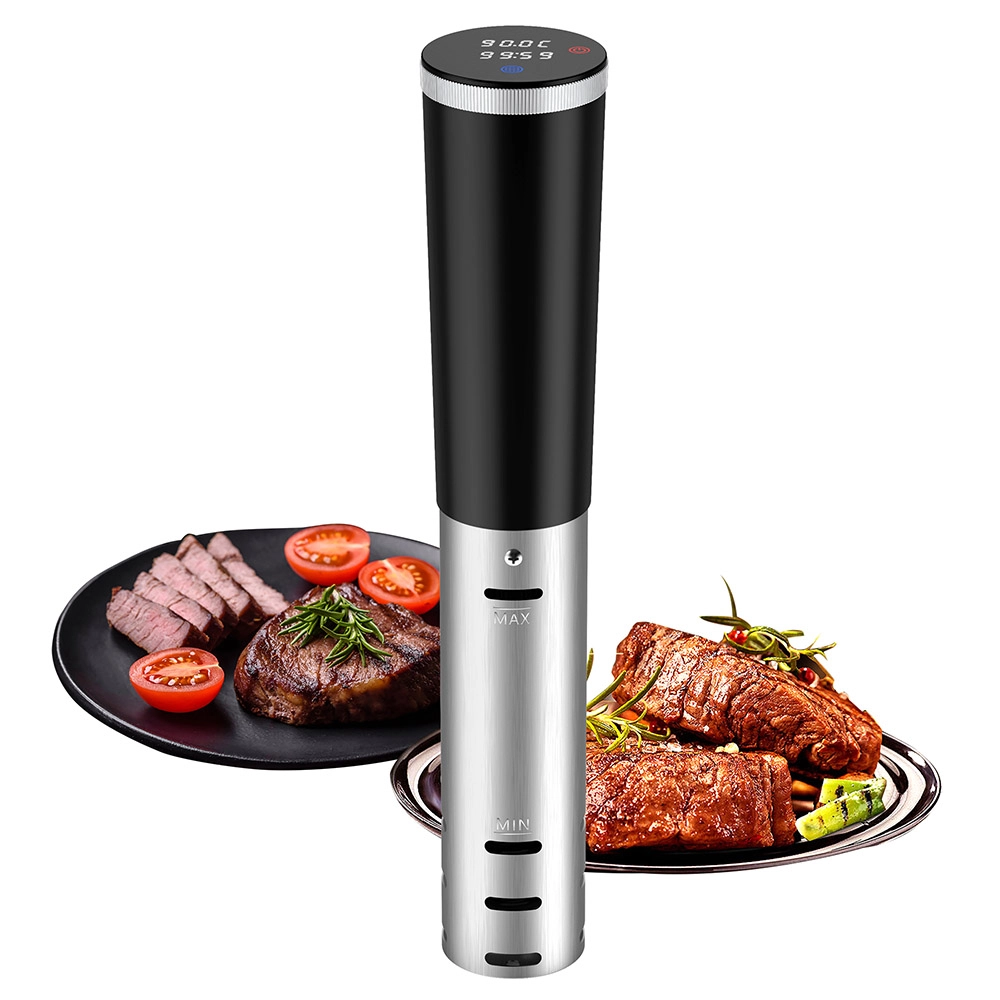
Sous Vide SV220
Jiaolong's Sous Vide SV220: A premium Sous Vide ODM solution. Reliable and efficient, the SV220 is the perfect choice for your next project. Partner with a leading sous vide supplier. Contact us today!
© 2025 JIAOLONG All Rights Reserved. Privacy Policy | Terms and Conditions | Sitemap