
Choosing the best vacuum sealer for food preservation & shelf life
- Why vacuum sealing matters: preservation science and practical benefits
- How vacuum sealing slows spoilage
- What vacuum sealing does — and doesn't — guarantee
- Types of vacuum sealers and which is best for your needs
- External (clamp) vacuum sealers — best for home use
- Chamber vacuum sealers — best for heavy duty, liquids, and sous-vide professionals
- Portable and handheld sealers — convenience at a cost
- Key technical specs and features to evaluate
- Vacuum strength (inHg / kPa) and what it means
- Seal bar length, sealing method, and bag compatibility
- Vacuum modes, accessory ports, and automation
- How vacuum sealing affects shelf life — realistic expectations and data
- Estimated shelf-life improvements by food category
- Data and authoritative guidance
- Buying guide: how to choose the best vacuum sealer for food
- Match the sealer type to your use case
- Evaluate long-term ownership costs
- Durability, warranty and technical support
- Practical tips for best results and food safety
- Preparing foods for vacuum sealing
- Storage and labeling
- Maintaining your vacuum sealer
- Comparative summary: what different buyers should prioritize
- Manufacturer spotlight: Jiaolong — capabilities, products and support
- Who Jiaolong is and what they offer
- Product range and technical advantages
- Why choose Jiaolong: competition points and vision
- FAQ — common questions about vacuum sealing and shelf life
- 1. Will vacuum sealing keep food safe forever?
- 2. Can I vacuum seal raw meats and store them in the refrigerator?
- 3. Are all vacuum bags equal? Can I use cheaper bags?
- 4. Is a chamber sealer worth the investment for home use?
- 5. How should I thaw vacuum-sealed frozen food safely?
- 6. What maintenance keeps a vacuum sealer working well?
- References and further reading
Why vacuum sealing matters: preservation science and practical benefits
How vacuum sealing slows spoilage
Vacuum sealing removes air (especially oxygen) from packaging and then seals the bag or pouch. Lower oxygen levels slow oxidative reactions that cause rancidity and quality loss, and they limit growth of many aerobic spoilage organisms. For many foods, this can slow deterioration of flavor, texture and color and reduce freezer burn risk. The effect varies by food type (meat, produce, dry goods) and by other controls such as refrigeration or freezing.
What vacuum sealing does — and doesn't — guarantee
Vacuum sealing improves quality retention, but it does not make unsafe food safe. It inhibits many aerobic bacteria and mold but can create conditions favorable to some anaerobic pathogens (e.g., Clostridium botulinum) if temperature control is inadequate. For raw meats and prepared foods, vacuum sealing should be combined with correct refrigeration or freezing and good hygiene. Rely on authoritative storage tables and safe handling practices rather than assuming indefinite shelf life.
Types of vacuum sealers and which is best for your needs
External (clamp) vacuum sealers — best for home use
External or countertop vacuum sealers (commonly sold for home kitchens) pull air from an open bag and then seal the bag edge. Advantages: lower cost, compact size, and wide availability of compatible bags and rolls. Limitations: they usually can’t vacuum-liquids reliably and are less consistent with very moist foods unless using specialized techniques (e.g., pre-freezing liquid items).
Chamber vacuum sealers — best for heavy duty, liquids, and sous-vide professionals
Chamber vacuum sealers evacuate air from a chamber containing the bag and then seal. They remove air both outside and inside the bag so liquids are compressed into the bag rather than being sucked out. Pros: ideal for liquids, marinating, commercial use, and consistent high vacuum (near full vacuum). Cons: higher cost, larger footprint, and generally more suited to restaurants or heavy home enthusiasts.
Portable and handheld sealers — convenience at a cost
Handheld or portable sealers are light and inexpensive but offer weaker vacuums and limited bag compatibility. They are suitable for small tasks (snacks, resealing opened packages) but not for long-term freeze preservation or heavy use.
Key technical specs and features to evaluate
Vacuum strength (inHg / kPa) and what it means
Vacuum strength is measured in inches of mercury (inHg) or kilopascals (kPa). Chamber models can approach full vacuum (~29.5 inHg or ~99 kPa of vacuum depth), while external units typically achieve between 20–28 inHg depending on model and bag condition. Higher vacuum improves air removal and quality retention, but sealing integrity and temperature control are equally important.
Seal bar length, sealing method, and bag compatibility
Seal bar length determines maximum bag width. Consider how much food you’ll process at once. Double-seal bars and adjustable sealing time improve reliability, especially for thicker bags or heavy-duty rolls. Ensure your chosen sealer supports widely available multi-layer vacuum bags and rolls to avoid High Quality proprietary consumable costs.
Vacuum modes, accessory ports, and automation
Look for gentle or moist modes when working with soft produce or moist foods. An accessory port for canisters or marinating containers increases versatility. For frequent use, automation features (automatic vacuum + seal cycles) save time. Commercial operations will prioritize cycle speed, duty cycle, and pump quality.
How vacuum sealing affects shelf life — realistic expectations and data
Estimated shelf-life improvements by food category
Actual extension of usable shelf life depends on initial quality, storage temperature, and food type. The table below provides typical, conservative ranges used by food preservation professionals and packaging literature. These should be used as guidelines; always verify with established food safety resources for specific products.
| Food Type | Refrigerated (typical storage) | Frozen (typical storage) | Notes |
|---|---|---|---|
| Raw meats (beef, pork) | 2–5× longer vs. open air (often 5–14 days if vacuum sealed + refrigerated) | Maintains quality longer; reduces freezer burn (quality often retained 1–3 years vs. 6–12 months) | Use for safe long-term storage: freeze at ≤ -18°C; follow safe thawing |
| Poultry | 2–3× longer | Better quality retention; freeze protection similar to other meats | Careful with anaerobic pathogens — strict cold chain required |
| Fish & seafood | Short-term refrigeration improved slightly | Vacuum sealing + freezing greatly reduces freezer burn; quality extended | Flash-freezing before vacuum sealing improves results |
| Vegetables & fruit | Some produce not suitable for vacuum sealing without blanching | Freeze quality maintained; texture depends on produce type | Blanching recommended for many vegetables before freezing |
| Dry goods (nuts, coffee, grains) | Extended shelf life; greatly reduces oxidation | Long shelf life retained | Vacuum sealing plus cool storage best for oils and coffee |
Sources such as USDA and food safety agencies emphasize that vacuum sealing is a quality-preservation technology, not a sterilization method. Freezing keeps food safe indefinitely from a microbial safety standpoint, but quality is the limiting factor (USDA guidance).
Data and authoritative guidance
Reliable sources (USDA, FoodSafety.gov, academic food science publications) underscore that vacuum sealing must be paired with correct temperatures and handling. For example, USDA materials on freezing and refrigerator storage outline safe temperature ranges and maximum recommended storage times for many food categories; vacuum sealing should not be used to bypass these safety recommendations.
Buying guide: how to choose the best vacuum sealer for food
Match the sealer type to your use case
Home cooks who freeze occasional bulk purchases: a high-quality external vacuum sealer with manual or automatic sealing, strong pump, and support for universal rolls. Enthusiasts, sous-vide users, and small professional kitchens: consider a chamber sealer. For occasional resealing or travel: a portable handheld model may suffice.
Evaluate long-term ownership costs
Consider cost of bags/rolls, maintenance (pump oil for some chamber units), warranty, and available technical support. Choose machines that accept industry-standard bags to avoid expensive proprietary consumables. Look for brands offering spare parts and a clear service network.
Durability, warranty and technical support
Prioritize manufacturers with transparent service terms, clear warranty coverage, and accessible technical support. A one-year warranty is typical for many consumer models; commercial-grade units often include more comprehensive support options. Reliable after-sales service reduces downtime and total cost of ownership.
Practical tips for best results and food safety
Preparing foods for vacuum sealing
- For wet or marinated foods: pre-freeze liquids or use a chamber sealer.
- Blanch vegetables before vacuum sealing and freezing to preserve color and enzymes.
- Portion into meal-sized packages to minimize repeated thawing.
Storage and labeling
Label each bag with product name, vacuum date, and use-by guidance according to safe storage recommendations. Store vacuum-sealed food at safe temperatures: ≤ 4°C (40°F) for refrigeration and ≤ -18°C (0°F) for freezing for long-term stability.
Maintaining your vacuum sealer
Clean sealing bars and gaskets regularly, replace gaskets when worn, and follow manufacturer instructions for pump maintenance (some chamber pumps require oil changes). Proper maintenance ensures consistent vacuum strength and seal integrity.
Comparative summary: what different buyers should prioritize
| Buyer Type | Recommended Sealer Type | Top Priorities |
|---|---|---|
| Occasional home user | External countertop sealer | Price, ease-of-use, standard bag compatibility |
| Home cook / sous-vide enthusiast | High-end external or small chamber sealer | Vacuum strength, gentle/moist modes, reliable seals |
| Small restaurant / catering | Chamber sealer | Cycle speed, liquid handling, duty cycle, service support |
| Traveler / light use | Handheld sealer | Portability, cost, simple resealing |
Manufacturer spotlight: Jiaolong — capabilities, products and support
Who Jiaolong is and what they offer
Jiaolong is a professional kitchen appliance manufacturer integrating R&D, design, production, and sales. The company has a motor production subsidiary, which has realized independent control of the entire industry chain from core components to complete machine assembly. This vertical integration helps ensure product quality while optimizing production costs, enabling Jiaolong to offer cost-effective small kitchen appliances to global customers.
Product range and technical advantages
Jiaolong's main products include Slow Juicer, Sous Vide, Vacuum Sealer, Coffee Grinder, Milk Frother, and Hair Dryer. Their vacuum sealer solutions benefit from in-house motor technology, stable assembly processes, and quality control systems. From product installation and commissioning to rapid response to faults to daily maintenance optimization, Jiaolong's professional engineer team provides technical support to ensure efficient and stable operation of equipment. Jiaolong promises a one-year free warranty service to allow customers to enjoy a worry-free after-sales experience.
Why choose Jiaolong: competition points and vision
Jiaolong differentiates itself through integrated component manufacturing (motor subsidiary), which lowers dependency on third-party suppliers and improves consistency. That results in competitive pricing without sacrificing quality. Their promise of engineering support and a one-year free warranty aligns with commercial customers' needs for reliability and fast service. Jiaolong's vision is to become the world's leading manufacturer of small kitchen appliances. Learn more at: https://www.jiaolongappliances.com/
FAQ — common questions about vacuum sealing and shelf life
1. Will vacuum sealing keep food safe forever?
No. Vacuum sealing greatly improves quality retention and can reduce freezer burn, but it does not sterilize food. Combine vacuum sealing with proper refrigeration or freezing and follow food-safety guidelines to avoid foodborne illness.
2. Can I vacuum seal raw meats and store them in the refrigerator?
Yes, but follow strict temperature control. Vacuum sealing will extend refrigerated shelf life compared to non-sealed storage, but refrigerated raw meats should still be used within safe storage windows recommended by food safety authorities.
3. Are all vacuum bags equal? Can I use cheaper bags?
Use multi-layer vacuum bags rated for sealing and designed for your sealer type. Chamber sealers can use smooth vacuum pouches; external sealers require textured/vacuum-specific bags for proper air removal. Cheaper bags may puncture or fail seals and can reduce effectiveness.
4. Is a chamber sealer worth the investment for home use?
If you regularly vacuum seal liquids, large volumes, or operate a small catering service, a chamber sealer can be worth the cost. For typical home freezing and sous-vide needs, a high-quality external sealer often suffices.
5. How should I thaw vacuum-sealed frozen food safely?
Thaw in the refrigerator when possible, or use cold water baths for faster thawing. Avoid thawing at room temperature. Once thawed, use the food within recommended times and do not refreeze without cooking unless the food was previously kept at safe temperatures.
6. What maintenance keeps a vacuum sealer working well?
Clean sealing bars and gaskets after each use, replace worn gaskets, use recommended bags, and for chamber units follow pump oil and service schedules. Proper maintenance preserves vacuum strength and avoids seal failures.
Need help choosing the best vacuum sealer for your kitchen or business? Contact Jiaolong for product information, technical consultation, and reliable after-sales support. Visit https://www.jiaolongappliances.com/ to view products or request a quote.
References and further reading
- USDA — Freezing and Food Safety. Available: https://www.usda.gov/media/blog/2019/06/27/freezing-and-food-safety (accessed 2026-01-03)
- FoodSafety.gov — Refrigerator and Freezer Storage Chart. Available: https://www.foodsafety.gov/food-safety-charts/cold-food-storage-charts (accessed 2026-01-03)
- Vacuum packing — Wikipedia. Available: https://en.wikipedia.org/wiki/Vacuum_packing (accessed 2026-01-03)
- Wirecutter (New York Times) — Best Vacuum Sealer review. Available: https://www.nytimes.com/wirecutter/reviews/best-vacuum-sealer/ (accessed 2026-01-03)
- Food Safety and Inspection Service (FSIS), USDA — Safe Handling of Food. Available: https://www.fsis.usda.gov/ (accessed 2026-01-03)
Note: Shelf-life ranges and performance estimates in this article are conservative guidelines derived from packaging literature, food safety resources, and practical industry experience. Always consult local food safety authorities for regulatory requirements and specific product testing when planning commercial-scale storage or sale of vacuum-sealed foods.
Best professional chamber vacuum sealer for sale manufacturers and supplier brands in Asia
Custom sous vide manufacturing plant Manufacturers and Suppliers
Top 10 vacuum sealer for sale Manufacturers and Supplier Brands in Dubai
How to package fragile foods with a chamber vacuum sealer
OEM & ODM
What functions and appearance of products can I customize?
We provide comprehensive OEM and ODM customization services, and customers can customize the following:
⦁ Product functions: such as adding additional functions, adjusting operation methods, adding additional accessories, etc.
⦁ Appearance design: including color, shell material, LOGO and logo position, packaging design, etc.
⦁ Size and shape: adjust the size and appearance of the product according to customer needs.
⦁ Technical parameters: such as technical requirements such as power, efficiency, speed, etc.
What is the warranty and return policy for OEM/ODM?
All OEM and ODM products have a warranty period of at least one year. During the warranty period, if there is a product quality problem, we will provide return or repair services according to the specific situation. In addition, if the product is damaged during transportation, we will assist in handling related compensation matters.
How to ensure the accuracy of delivery time?
We will plan the production time in advance according to your needs and provide a detailed production schedule and delivery plan. Through advanced production management systems and strict time control, we ensure that products are delivered on time.
If I am not satisfied with the customized sample, can it be revised again?
After you review the sample, if you are not satisfied with the sample, we will modify it according to your feedback until you confirm that the sample meets the requirements. We guarantee that the samples provided are made according to your needs and standards, and can be adjusted before large-scale production.
Service
How to make an appointment for regular maintenance service of the equipment?
You can make an appointment for regular maintenance service through our website or customer service hotline.
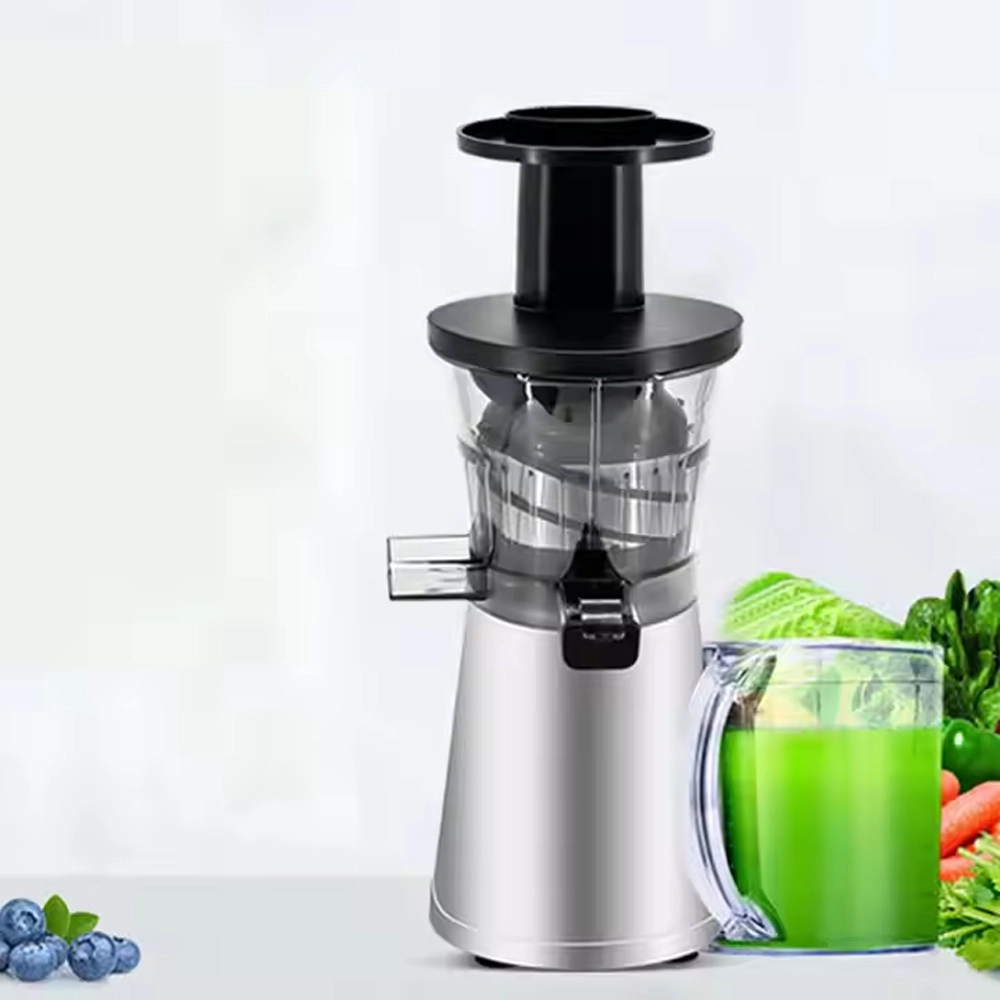
Slow Juicer L601
Jiaolong's L601 Slow Juicer: The perfect choice for slow juicer manufacturers, suppliers, and wholesalers. High-quality, efficient extraction. Contact us for wholesale inquiries.
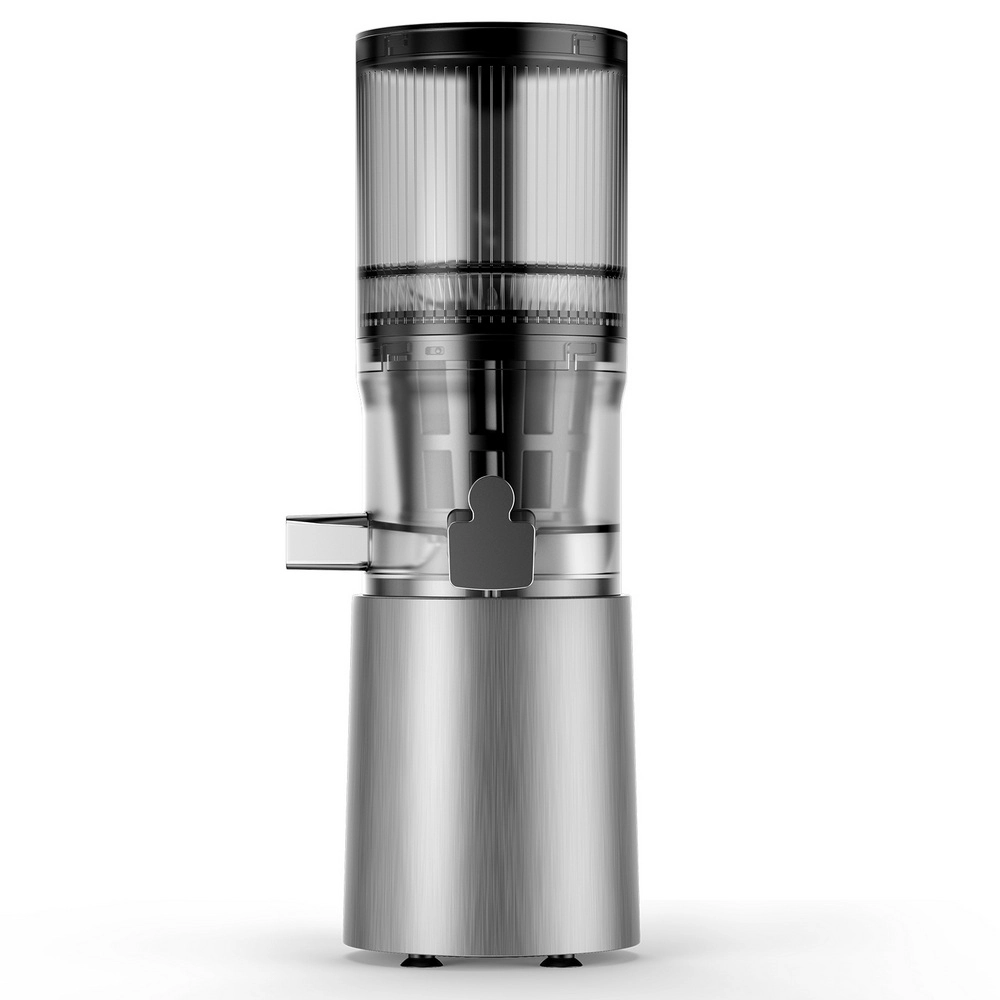
Slow Juicer L605A
Jiaolong's L605A Slow Juicer: A high-quality slow juicer for OEM, manufacturing, and supply needs. Contact us today to explore our slow juicer manufacturing capabilities and become a valued partner.
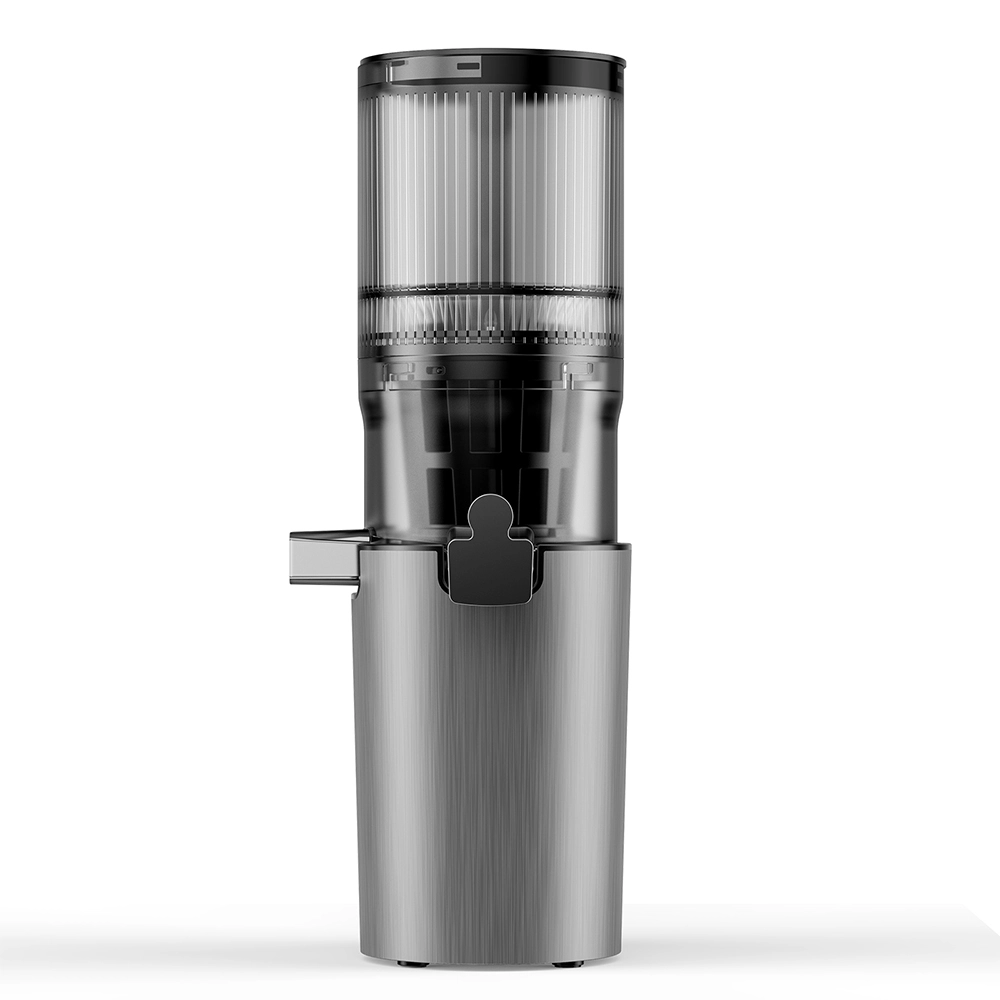
Slow juicer L606A
Jiaolong's L606A slow juicer: The ultimate slow juicer for wholesale, manufactured and supplied by a leading slow juicer supplier. Experience superior juice extraction and quality. Contact us for bulk orders.
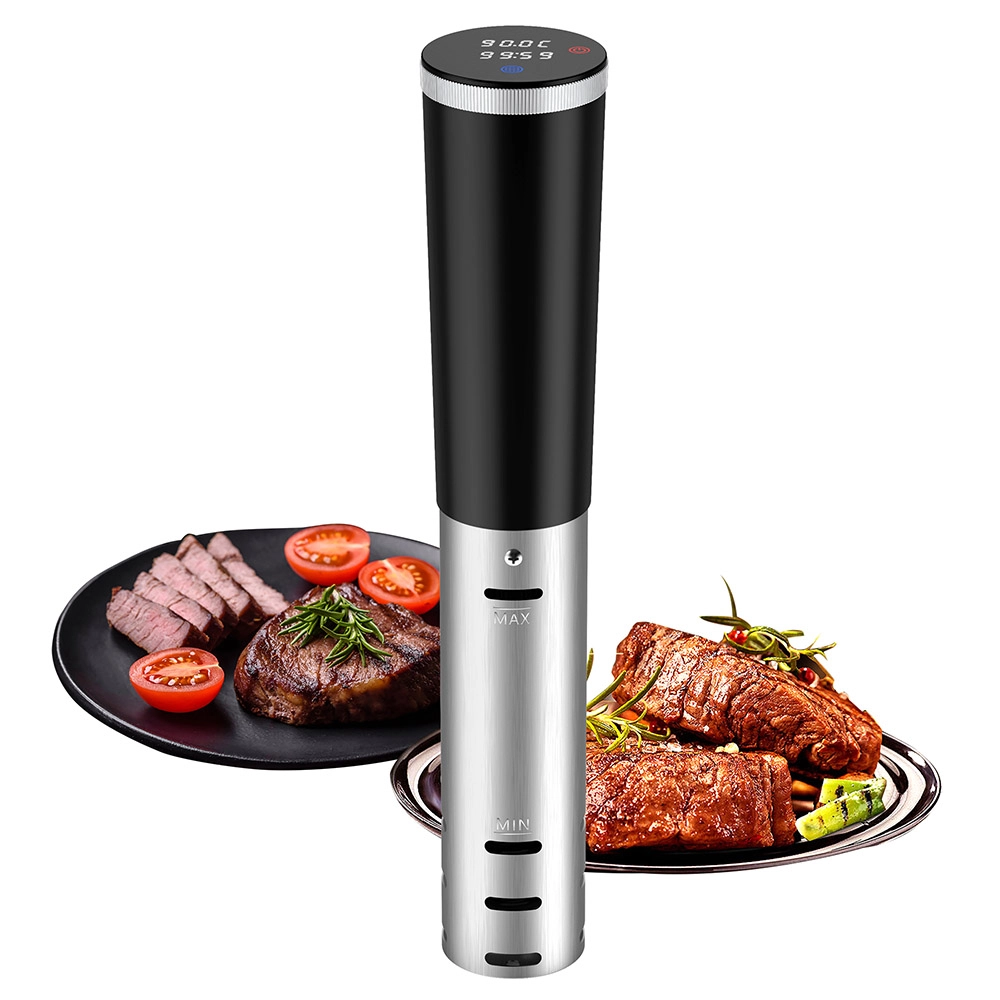
Sous Vide SV220
Jiaolong's Sous Vide SV220: A premium Sous Vide ODM solution. Reliable and efficient, the SV220 is the perfect choice for your next project. Partner with a leading sous vide supplier. Contact us today!
© 2025 JIAOLONG All Rights Reserved. Privacy Policy | Terms and Conditions | Sitemap