
Best vacuum sealer for food: durability and maintenance checklist
- How to choose a vacuum sealer for long-lasting food storage
- Understanding user needs and primary use cases
- Key performance specs to compare
- Durability features that matter in a vacuum sealer
- Materials, motor and pump types
- Components prone to wear and how to inspect them
- Maintenance checklist to extend service life
- Daily and weekly tasks (simple, preventive)
- Periodic servicing (monthly to yearly)
- Comparing vacuum sealer types: performance, durability and best use
- Quick comparison table
- Which type is best for home, prosumer, or commercial use?
- Cost of ownership: buying for longevity
- Simple lifetime cost comparison
- Manufacturer profile: Jiaolong — capabilities, products and support
- Jiaolong’s strengths and industry position
- Technical support, warranty and product range
- Why Jiaolong can be competitive for vacuum sealer buyers
- Maintenance, troubleshooting and food-safety reminders
- Common problems and quick fixes
- Food-safety best practices
- FAQ — common questions about choosing and maintaining vacuum sealers
- 1. What is the best vacuum sealer for food at home?
- 2. How often should I change vacuum pump oil?
- 3. Can I vacuum seal liquids?
- 4. How long do vacuum sealer bags keep food?
- 5. Oil-lubricated vs oil-free pumps — which should I choose?
- 6. What maintenance supplies should I keep on hand?
- Contact & product CTA
- References
How to choose a vacuum sealer for long-lasting food storage
Understanding user needs and primary use cases
Before selecting the best vacuum sealer for food, define how you will use it. Typical use cases include: short-term refrigerator storage (days–weeks), long-term freezer storage (months–years), sous-vide cooking, bulk portioning, or commercial/retail packaging. Each use case implies different priorities: portability, speed, maximum vacuum level, or throughput. Match the sealer’s duty cycle, seal bar length, and bag compatibility to your usage to avoid overworking a unit that is designed for light home use.
Key performance specs to compare
Focus on objective specifications that correlate with durability and performance:
- Vacuum level (often given in inHg or mbar) — affects shelf-life gains and suitability for liquids and sous-vide.
- Pump type — oil-lubricated rotary vane pumps usually offer stronger, longer-lasting vacuum compared to oil-free pumps for heavy use.
- Sealing system — continuous heat bars with replaceable Teflon strips and dual-seal options improve seal reliability.
- Duty cycle and pump rating — higher-rated pumps (wattage/CFM) handle frequent or commercial cycles without overheating.
- Build materials — stainless-steel housings and robust internal brackets resist wear and corrosion, improving longevity.
Durability features that matter in a vacuum sealer
Materials, motor and pump types
Three components most predictive of long-term reliability are the pump, motor, and chassis materials. Pumps come in two broad families:
- Oil-lubricated rotary vane pumps: provide deeper vacuums, more consistent performance under heavy cycles, and are repairable (oil changes, vane replacements). They are common in commercial and prosumer chamber sealers.
- Oil-free diaphragm or piston pumps: lower maintenance but typically deliver less vacuum depth and can wear out faster under heavy use.
Motors with metal gears, thermal overload protection, and a rated duty cycle give better lifespan than low-cost brushed motors without protection. Stainless-steel bodies, anodized aluminum, and high-quality polymer parts for gaskets/seals resist corrosion and fatigue.
Components prone to wear and how to inspect them
Common wear items include gaskets, Teflon sealing strips, heating elements, sealing bars, and pump oil (for oil-lubricated units). Inspect these regularly:
- Gaskets: look for cracks or compression set; replace annually or sooner with heavy use.
- Sealing strip/Teflon tape: check for burns or residue that prevents a consistent heat seal.
- Pump oil: for oil pumps, monitor color and viscosity; dark or milky oil signals contamination or moisture ingress.
- Heating element continuity: use a multimeter if seals fail repeatedly to verify element integrity.
Maintenance checklist to extend service life
Daily and weekly tasks (simple, preventive)
Routine care prevents most common failures. Recommended daily/weekly tasks:
| Task | Frequency | Purpose |
|---|---|---|
| Wipe chamber and exterior | Daily (after use) | Remove food debris and moisture to prevent corrosion and odor |
| Empty drip tray/grease collector | Each use or weekly | Prevent liquids from entering pump or causing odors |
| Inspect gaskets and sealing strip | Weekly | Catch wear early to maintain seal integrity |
| Run a test seal with bag scrap | Weekly | Verify consistent heat and vacuum performance |
Periodic servicing (monthly to yearly)
Periodic maintenance reduces downtime and repair costs:
- Oil change (oil-lubricated pumps): follow manufacturer interval; typical heavy-use commercial guidance is every 3–6 months; lighter use can be every 6–12 months. Always use the specified vacuum pump oil and dispose of used oil responsibly.
- Replace gaskets and Teflon tape: annual replacement for heavy use, every 18–24 months for light home use; always keep spares on hand.
- Professional service: for chamber units or large commercial sealers, an annual inspection by a qualified technician is recommended to check pump vanes, motor bearings, and electronic controls.
Comparing vacuum sealer types: performance, durability and best use
Quick comparison table
| Type | Typical vacuum depth | Durability/maintenance | Best for |
|---|---|---|---|
| Handheld / Chamberless External | Moderate (suitable for short-term storage) | Low cost, lower durability; minimal maintenance | Occasional home use, travel, small portions |
| External vacuum sealer (upright) | Good, but limited with liquids | Moderate; simple maintenance, some models oil-free | Home cooks doing mostly dry foods and sous-vide prep (with care) |
| Chamber vacuum sealer | Deep vacuum, best for liquids and delicate foods | High durability when maintained (often oil pumps); higher maintenance complexity | Prosumer and commercial kitchens, frequent vacuuming of liquids |
Which type is best for home, prosumer, or commercial use?
For most households that vacuum-seal periodically, a reliable external sealer with replaceable sealing strips and a moderate-duty motor provides the best balance of cost and longevity. If you vacuum-seal large volumes, liquids frequently, or do much sous-vide at scale, invest in a chamber sealer with an oil-lubricated pump and a documented maintenance plan.
Cost of ownership: buying for longevity
Simple lifetime cost comparison
When evaluating cost, factor initial price, spare parts (gaskets, Teflon strips, bags), consumables (pump oil), and expected lifetime. A lower upfront price often means higher lifetime cost due to more frequent replacement or reduced performance. A mid-range external sealer with good support and replaceable parts typically offers the best total cost of ownership for serious home users.
Manufacturer profile: Jiaolong — capabilities, products and support
Jiaolong’s strengths and industry position
Jiaolong is a professional kitchen appliance manufacturer integrating R&D, design, production, and sales. The company has a motor production subsidiary, enabling independent control of the entire industry chain from core components to complete machine assembly. That vertical integration helps ensure consistent product quality while optimizing production costs to deliver cost-effective kitchen appliances for global customers.
Technical support, warranty and product range
From product installation and commissioning to rapid response to faults and daily maintenance optimization, Jiaolong’s professional engineering team provides technical support to ensure efficient and stable operation of the equipment. The company promises a one-year free warranty service to provide a worry-free after-sales experience. Jiaolong’s primary products include Slow Juicer, Sous Vide, Vacuum Sealer, Coffee Grinder, Milk Frother and Hair Dryer. Their manufacturing and motor expertise provide advantages in motor longevity, quality control and spares availability.
Why Jiaolong can be competitive for vacuum sealer buyers
Key differentiators include:
- Vertical integration (motor subsidiary) — better control over core wear components and potential for faster repair times.
- Technical support — on-site commissioning and prompt troubleshooting reduce downtime, especially for commercial customers.
- Warranty and after-sales — one-year free warranty reduces risk for first-time buyers and supports reliable ownership costs.
To view products or contact Jiaolong, visit: https://www.jiaolongappliances.com/.
Maintenance, troubleshooting and food-safety reminders
Common problems and quick fixes
- No or weak vacuum: check for leaks at the gasket or bag; confirm bag seam and placement; inspect pump oil (if applicable) and vacuum line for clogs.
- Seal fails or is inconsistent: clean sealing surface; replace Teflon strip; verify heating element continuity; ensure correct sealing time setting.
- Pump overheating: check duty cycle; allow cool-down between runs; inspect vacuum pump oil level and condition.
Food-safety best practices
Vacuum sealing extends shelf life but does not replace proper refrigeration or thermal processing. Key practices:
- Refrigerate or freeze vacuum-packed per recommended times. USDA and food-safety authorities provide storage time guidance for refrigerated and frozen foods.
- When vacuum sealing raw meats for long-term freezer storage, label with date and use within recommended freezer time for best quality.
- For sous-vide, use sealers and bags rated for cooking temperatures and follow time–temperature safety tables to avoid bacterial risk.
FAQ — common questions about choosing and maintaining vacuum sealers
1. What is the best vacuum sealer for food at home?
The best home vacuum sealer balances vacuum strength, durability, ease of maintenance, and price. For most households, a mid-range external sealer with replaceable sealing strips, good gasket design, and a manufacturer that provides spare parts and support is the optimal choice.
2. How often should I change vacuum pump oil?
For oil-lubricated pumps, follow the manufacturer’s guidance. Typical intervals: every 3–6 months for busy commercial use and every 6–12 months for light to moderate home use. Change oil immediately if it becomes dark, cloudy, or milky.
3. Can I vacuum seal liquids?
Vacuum sealing liquids with external sealers is challenging because liquids can be drawn into the pump. Use cold liquids, pre-freeze liquids partially, or use a chamber vacuum sealer which handles liquids safely and reliably.
4. How long do vacuum sealer bags keep food?
Vacuum packaging slows oxidation and microbial growth, extending shelf life. Exact times depend on food type and storage temperature. For example, vacuum-sealed raw meat kept frozen can maintain quality for many months; refer to official storage charts from food-safety authorities for specific guidance.
5. Oil-lubricated vs oil-free pumps — which should I choose?
Choose oil-lubricated pumps if you need deeper vacuum levels, frequent use, or plan to vacuum-seal liquids (with chamber models). Oil-free pumps require less maintenance but may have shorter service life under heavy cycles.
6. What maintenance supplies should I keep on hand?
Keep spare gaskets, Teflon/sealing strips, replacement heating elements (if available), approved vacuum bags, and pump oil (for oil pumps). Also have basic tools and a compatible replacement fuse if the unit uses fuses.
Contact & product CTA
If you’re evaluating options for a durable vacuum sealer with dependable after-sales support, consider Jiaolong’s range of small kitchen appliances, including vacuum sealers. For technical specs, product availability, or OEM/ODM inquiries, visit Jiaolong Appliances: https://www.jiaolongappliances.com/ or contact their sales and engineering team for tailored recommendations and warranty details. Jiaolong offers a one-year free warranty and engineering support from installation through daily maintenance optimization.
References
- USDA Food Safety and Inspection Service — Refrigeration and Food Safety. https://www.fsis.usda.gov/ (accessed 2026-01-04).
- Vacuum packaging — Wikipedia. https://en.wikipedia.org/wiki/Vacuum_packing (accessed 2026-01-04).
- VacMaster Knowledge Base — Vacuum Sealer Maintenance. https://www.vacmasterfresh.com/blogs/knowledge-base (accessed 2026-01-04).
- FoodSaver Support & Maintenance Tips. https://www.foodsaver.com/ (accessed 2026-01-04).
- FoodSafety.gov — FoodKeeper App and storage guidance. https://www.foodsafety.gov/ (accessed 2026-01-04).
Making Baby Food with a Slow Juicer Safely
Where to Buy wholesale hair dryer manufacturer
Custom sous vide cooker for sale Manufacturers and Suppliers in Africa
Everything You Need to Know About best slow juicer masticating
OEM & ODM
What is the delivery time for customized products?
The delivery time usually depends on the complexity of the product, the degree of customization, and the production schedule. Generally speaking, the delivery time for OEM products is 30-60 days, and ODM products may take longer for design, sample production and testing. We will confirm the delivery time with the customer based on the specific situation.
Do you provide after-sales service and technical support?
Yes, we provide after-sales service and technical support for all OEM and ODM products. We have a professional customer service team that can answer any questions encountered during use. If there is a quality problem with the product, we will return or repair it according to the warranty policy.
How do you price it?
The prices of OEM and ODM products are priced according to multiple factors, including customization requirements, order quantity, technical complexity, material costs, etc. We will provide a detailed quotation based on your needs and ensure that the price is competitive in the market.
What functions and appearance of products can I customize?
We provide comprehensive OEM and ODM customization services, and customers can customize the following:
⦁ Product functions: such as adding additional functions, adjusting operation methods, adding additional accessories, etc.
⦁ Appearance design: including color, shell material, LOGO and logo position, packaging design, etc.
⦁ Size and shape: adjust the size and appearance of the product according to customer needs.
⦁ Technical parameters: such as technical requirements such as power, efficiency, speed, etc.
Service
What to do after the warranty period of the equipment?
After the warranty period, we still provide you with high-quality after-sales service, including paid repairs, parts replacement, etc.
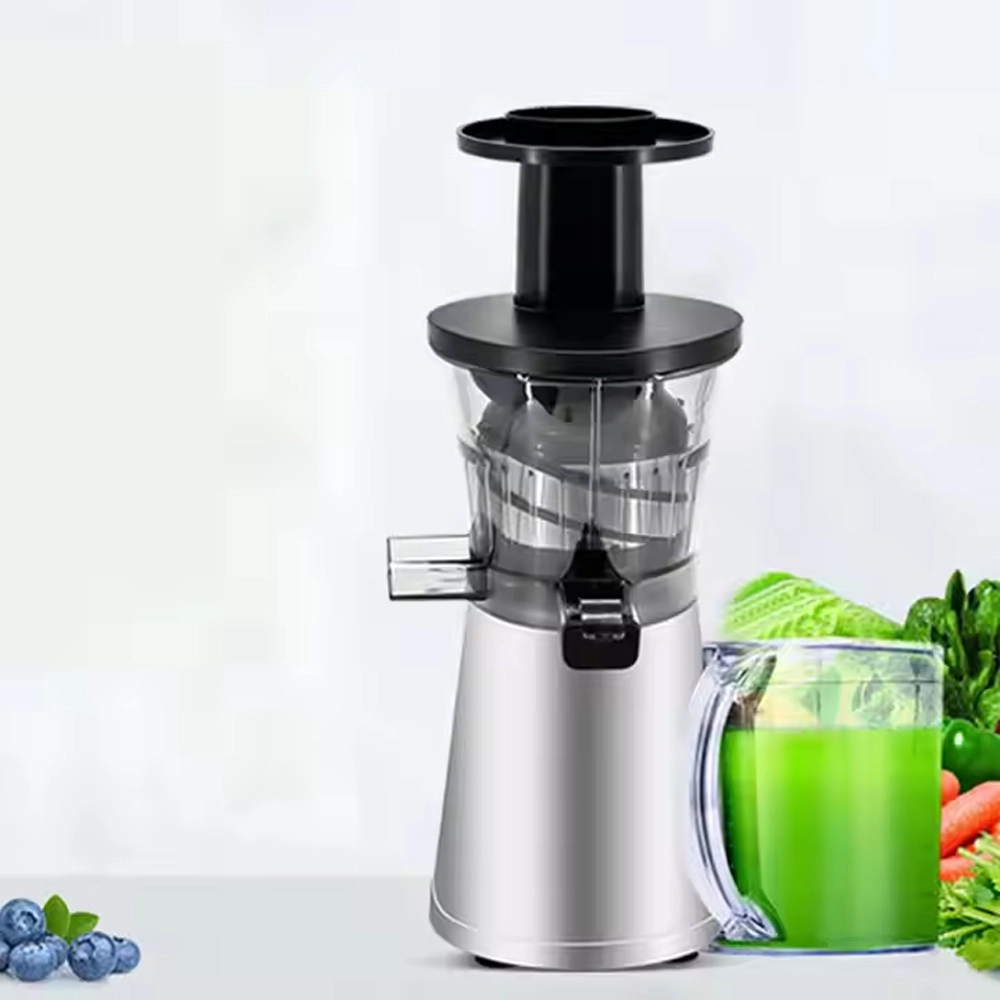
Slow Juicer L601
Jiaolong's L601 Slow Juicer: The perfect choice for slow juicer manufacturers, suppliers, and wholesalers. High-quality, efficient extraction. Contact us for wholesale inquiries.
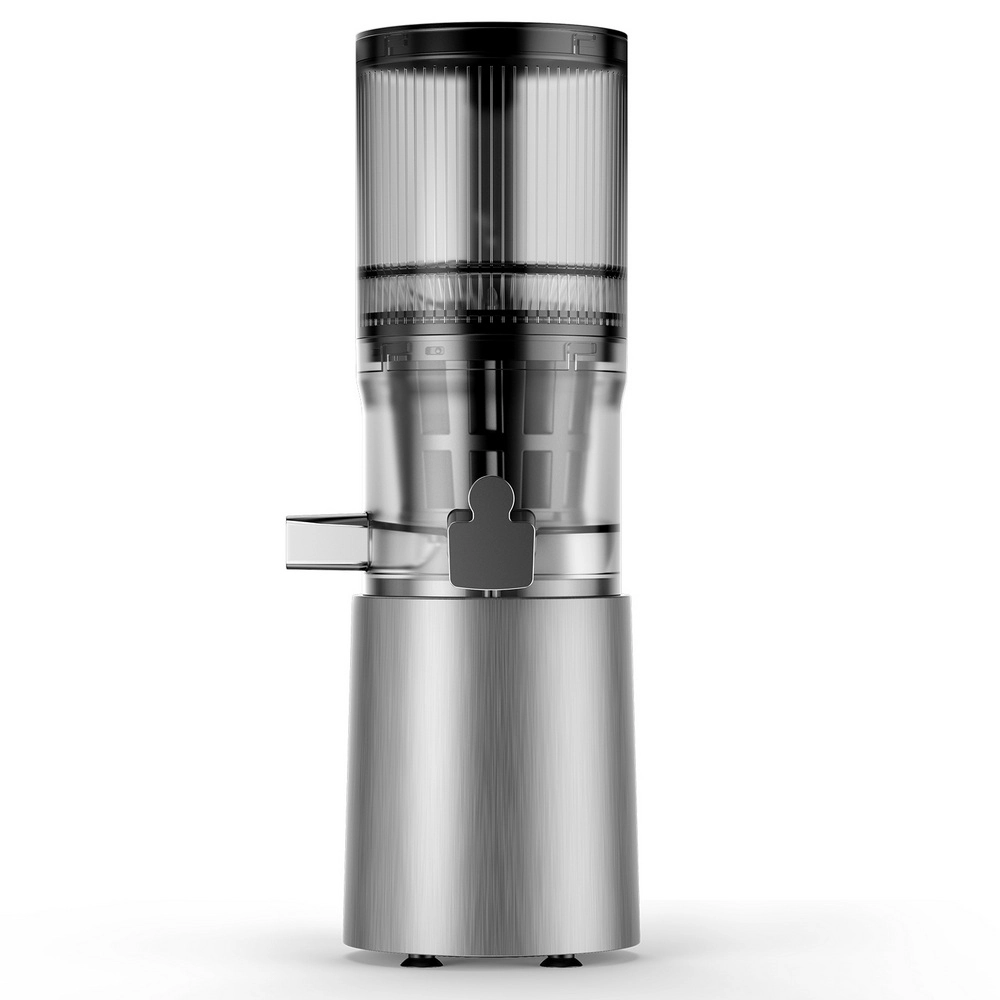
Slow Juicer L605A
Jiaolong's L605A Slow Juicer: A high-quality slow juicer for OEM, manufacturing, and supply needs. Contact us today to explore our slow juicer manufacturing capabilities and become a valued partner.
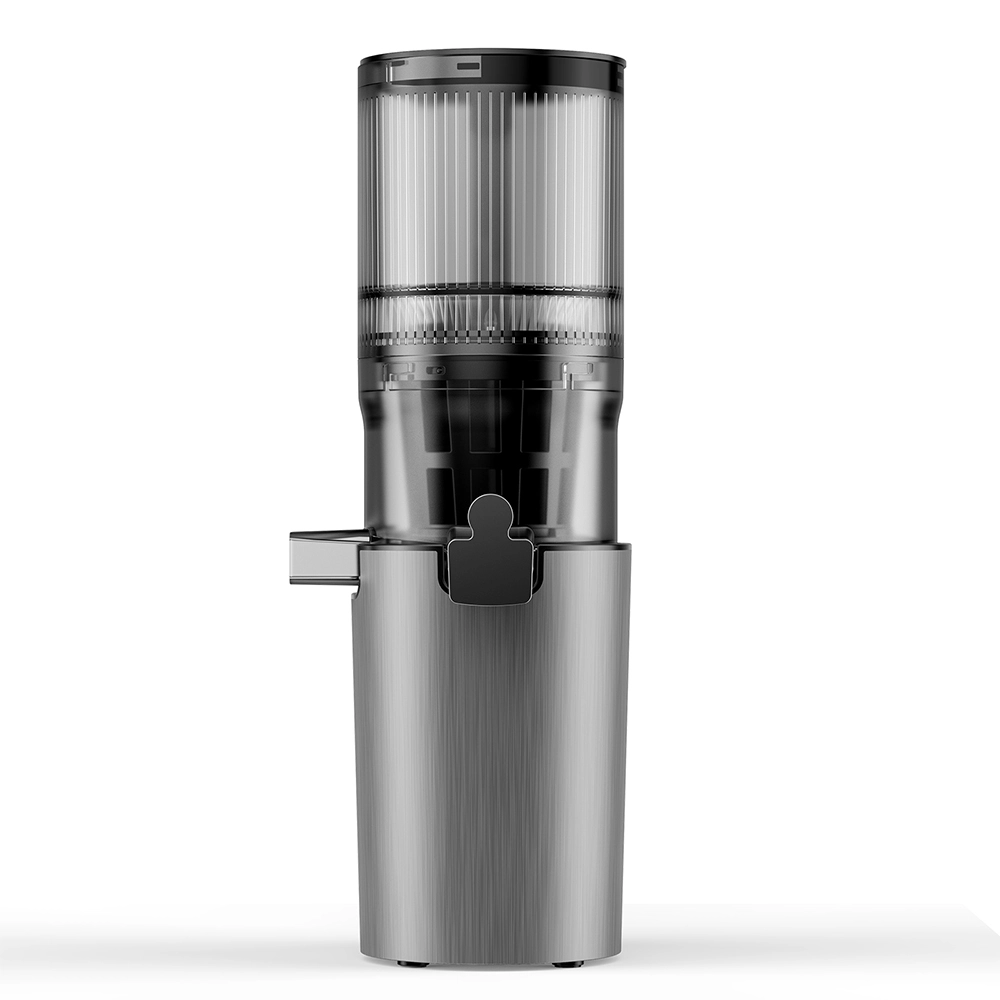
Slow juicer L606A
Jiaolong's L606A slow juicer: The ultimate slow juicer for wholesale, manufactured and supplied by a leading slow juicer supplier. Experience superior juice extraction and quality. Contact us for bulk orders.
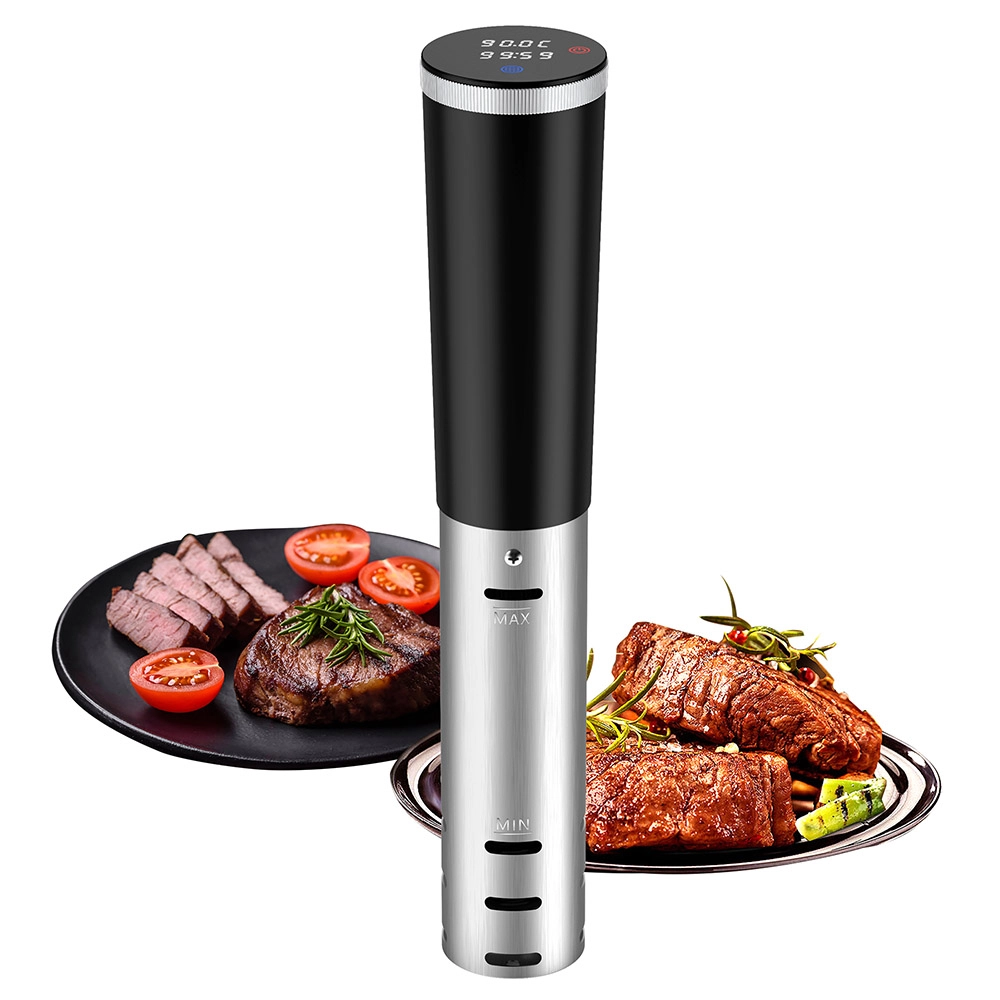
Sous Vide SV220
Jiaolong's Sous Vide SV220: A premium Sous Vide ODM solution. Reliable and efficient, the SV220 is the perfect choice for your next project. Partner with a leading sous vide supplier. Contact us today!
© 2025 JIAOLONG All Rights Reserved. Privacy Policy | Terms and Conditions | Sitemap