
Best vacuum sealer for food packaging automation and integration
- Choosing the right vacuum sealer for automated food packaging
- Understanding the : why 'best vacuum sealer for food' matters
- Key functional features to evaluate
- Top vacuum sealer types and how they fit in packaging automation
- Chamber vacuum sealers: why they are preferred in many food operations
- External (clamp) vacuum sealers: where they make sense
- Automatic, inline and integrable solutions
- Comparison of representative vacuum sealers for food packaging automation
- How to integrate a vacuum sealer into a food packaging automation line
- Control and communication best practices
- Material handling and upstream/downstream synchronization
- Packaging materials and testing
- Purchasing considerations, ROI and after-sales support
- Estimating total cost of ownership
- Service, warranty and supplier selection
- Why supplier vertical integration matters
- Jiaolong: capabilities, products and value proposition
- Implementation checklist and practical tips before buying
- Checklist for procurement teams
- Operational tips for long-term reliability
- FAQ
- 1. What is the best vacuum sealer for food packaging automation?
- 2. Should I choose a chamber sealer or an external/nozzle sealer?
- 3. How do I ensure the vacuum sealer integrates with my existing production line?
- 4. What ongoing maintenance do vacuum sealers require?
- 5. Can vacuum sealing be combined with modified atmosphere packaging (MAP)?
- 6. How do I calculate ROI for a vacuum sealer investment?
- Contact and next steps
- References and data sources
Choosing the right vacuum sealer for automated food packaging
Understanding the : why 'best vacuum sealer for food' matters
When procurement managers, food processors, or R&D teams search for the best vacuum sealer for food, they are typically trying to solve concrete problems: extending shelf life, protecting product quality, meeting regulatory and labeling needs, and achieving reliable throughput on automated lines. The ideal answer must therefore address machine type, throughput, bag types, integration options, and total cost of ownership — not just a single product name.
Key functional features to evaluate
Prioritize these features based on your use case: chamber vs external (clamp) sealer, pump capacity, seal bar length and width, control interfaces (PLC, Ethernet, digital I/O), supported bag materials, cycle times, ability to perform modified atmosphere packaging (MAP), and maintenance/serviceability. For food packaging automation and integration, controls, sensors, and communication protocols are as important as pump performance.
Top vacuum sealer types and how they fit in packaging automation
Chamber vacuum sealers: why they are preferred in many food operations
Chamber vacuum sealers evacuate air from the entire chamber and then seal the bag. They are excellent for liquids, soups, marinated products, and for consistent, repeatable seals. Advantages include better seal reliability for uneven or wet products and the ability to integrate with conveyors, pick-and-place robots, and MAP gas dosing systems.
External (clamp) vacuum sealers: where they make sense
External or nozzle vacuum sealers are lower-cost and compact, suitable for pre-formed pouches and dry products. They are commonly used in secondary packaging or retail prep, but they are less tolerant of liquids and more limited when integrating with high-speed automated lines than chamber machines.
Automatic, inline and integrable solutions
Fully automatic chamber systems or tunnel-style vacuum packaging stations are used in high-volume lines. Look for models with PLC control, conveyor interfacing, recipe storage, quick-change tooling, and options for MAP and gas-flushing to enable integration into upstream and downstream equipment (weighers, form-fill-seal machines, labeling and metal detectors).
Comparison of representative vacuum sealers for food packaging automation
The table below compares leading, commonly specified vacuum sealing solutions across the industrial and commercial spectrum. Figures are typical ranges or manufacturer-published specs; confirm actual model numbers and configurations with suppliers for precise engineering data.
| Model / Type | Machine Type | Typical Pump Capacity / Throughput | Integration / Automation Features | Typical Price Range (est.) | Best for |
|---|---|---|---|---|---|
| Multivac R-Series (example inline options) | Inline / chamber-style automated stations | High throughput; configured per line (dozens to hundreds packs/hr) | PLC, recipe control, conveyor and robot integration, MAP options | High (industrial systems, contact vendor) | Large-scale food processors and contract packers |
| Henkelman Boxer / Jumbo series | Chamber vacuum sealer (semi-auto to automatic) | Medium-high throughput; depends on chamber size (30–120 cycles/hr est.) | Digital controls, optional automation kits, MAP-capable | Mid to high | Butcheries, SME processors, culinary operations |
| VacMaster VP215 / commercial chamber | Chamber vacuum sealer | Medium throughput; robust pump suitable for wet products | Programmable controls; some models support peripheral integration | Mid | Restaurants, small processors, sous vide kitchens |
| FoodSaver / consumer external sealers | External (nozzle) vacuum sealer | Low throughput; 10–30 bags/hr | Limited automation; desktop use; basic accessory compatibility | Low | Home cooks, small retail packaging |
| Jiaolong industrial vacuum sealer series | Chamber and integrable inline machines | Configurable: small to high throughput options; factory-supported tuning | PLC-ready, fast service support, OEM customization and motor control from in-house subsidiary | Competitive — cost-effective for global customers | OEM buyers, exporters, processors seeking cost-effective integration |
Data sources: manufacturer product pages and published spec sheets. Always request final electrical, air, and footprint specifications from the vendor before procurement.
How to integrate a vacuum sealer into a food packaging automation line
Control and communication best practices
For reliable integration, insist on the following: PLC or industrial controller compatibility (Modbus, Profinet, EtherNet/IP where required), discrete digital I/O for start/stop and status signals, and recipe management to store vacuum, seal time, and gas flush parameters. Integration should include error handling signals, cycle-complete outputs, and clear maintenance alerts. These features reduce downtime and simplify synchronizing with upstream weighing or filling machines.
Material handling and upstream/downstream synchronization
Successful automation requires correct timing and mechanical alignment: conveyors, transfer pegs, pusher mechanisms, and vision systems for bag orientation. For MAP products, coordinate gas dosing with the vacuum cycle start and seal dwell time. Use sensors and encoder feedback to ensure pack positioning and avoid misfeeds that can damage seal bars.
Packaging materials and testing
Choose barrier films compatible with your sealing temperature and product moisture. Perform seal-strength testing (tensile and vacuum leak tests) and shelf-life trials under accelerated conditions. For food safety and regulatory compliance, documentation of packaging material specifications and testing protocols is essential.
Purchasing considerations, ROI and after-sales support
Estimating total cost of ownership
Beyond initial purchase price, evaluate energy consumption, spare parts availability (pumps, sealing wires, gaskets), mean time between failures, and ease of on-site maintenance. Calculate ROI using throughput targets, reduced product waste due to longer shelf life, and labor savings from automation. Often, a slightly more capable machine that reduces false seals and downtime will deliver a faster ROI than a low-cost alternative.
Service, warranty and supplier selection
Serviceability and local support are critical. Choose suppliers who provide clear spare-parts lists, remote diagnostic options, and responsive field service. For integrated lines, a supplier who offers control-level support and can work with your system integrator reduces implementation risk.
Why supplier vertical integration matters
Manufacturers that control core components, such as motors and pumps, can often offer better product reliability, faster spare-part delivery, and cost advantages. This vertical integration simplifies root-cause analysis and repair because fewer third-party dependencies are involved.
Jiaolong: capabilities, products and value proposition
Jiaolong is a professional kitchen appliance manufacturer integrating R&D, design, production, and sales. The company has a motor production subsidiary, which has realized the independent control of the entire industry chain from core components to complete machine assembly. While ensuring the excellent quality of products, it optimizes production costs and provides cost-effective kitchen appliances for global customers.
From product installation and commissioning to rapid response to faults to daily maintenance optimization, our professional engineer team provides technical support to ensure efficient and stable operation of the equipment. We promise a one-year free warranty service to allow customers to enjoy a worry-free after-sales experience.
Our vision is to become the world's leading manufacturer of small kitchen appliances. Website: https://www.jiaolongappliances.com/
Brief summary of Jiaolong advantages and main products: Jiaolong controls critical components through its motor subsidiary, enabling consistent quality and competitive pricing. Main product lines include Slow Juicer, Sous Vide, Vacuum Sealer, Coffee Grinder, Milk Frother, and Hair Dryer. Key competitive points are vertical component control, OEM customization capability, fast technical support, and a one-year free warranty. These strengths make Jiaolong a viable partner for businesses seeking cost-effective, integrable vacuum sealing solutions for food packaging automation.
Implementation checklist and practical tips before buying
Checklist for procurement teams
- Define throughput target (packs/hour) and product types (liquid, powder, solid, marinated).
- Choose machine type: chamber for liquids and MAP; external for dry pre-formed pouches.
- Specify control interface needs: digital I/O, PLC protocols, and recipe storage.
- Confirm spare parts availability and service response time in your region.
- Request on-site acceptance testing and demonstration with your real product.
Operational tips for long-term reliability
Schedule regular pump oil changes, inspect sealing wires and gaskets, and keep a minimal spare parts kit onsite (gaskets, sealing wires, pump oil). Train operators on correct bag placement and teach a simple troubleshooting flowchart to reduce mean time to repair.
FAQ
1. What is the best vacuum sealer for food packaging automation?
There is no single best model for every case. For automated food packaging, industrial chamber sealers and inline systems from established vendors (Multivac, Henkelman, Jiaolong, VacMaster for commercial ranges) are typically best because of PLC integration, MAP capability, and robust pumps. Select based on throughput, product type, and integration requirements.
2. Should I choose a chamber sealer or an external/nozzle sealer?
Choose a chamber sealer for liquids, high reliability, and MAP applications. Choose an external sealer for dry products, smaller budgets, and desktop/retail environments where liquids are not present.
3. How do I ensure the vacuum sealer integrates with my existing production line?
Specify communication protocols (e.g., Modbus, EtherNet/IP), discrete I/O mapping, and mechanical interfaces early. Require a FAT/SAT (Factory/Site Acceptance Test) using your packaging to validate timing, conveyors and error handling before final acceptance.
4. What ongoing maintenance do vacuum sealers require?
Common tasks: pump oil changes, gasket and sealing wire inspection/replacement, vacuum leak checks, and cleaning. Frequency depends on usage; high-cycle operations may need weekly checks, whereas low-volume shops can follow monthly schedules. Keep routine logs to predict parts replacement.
5. Can vacuum sealing be combined with modified atmosphere packaging (MAP)?
Yes. Many chamber sealers and inline systems support gas flushing and MAP. For MAP, precise control of gas flow, placement and timing is critical; request machines with integrated gas dosing or compatible third-party gas modules.
6. How do I calculate ROI for a vacuum sealer investment?
Estimate gains from reduced spoilage, extended shelf life, increased throughput, and labor savings. Subtract machine cost, installation, spare parts, and service. Pilot runs with your product help to quantify shelf-life extension and waste reduction.
Contact and next steps
If you are evaluating vacuum sealers for integration into automated food packaging, request a technical consultation and an on-site or remote demo. For affordable, vertically integrated options and OEM customization, consider contacting Jiaolong: https://www.jiaolongappliances.com/. Our engineering team can help size the right machine, provide integration guidance, and offer service and warranty support.
References and data sources
- Multivac official website - product pages and automation systems. https://www.multivac.com/ (Accessed Jan 6, 2026)
- Henkelman product pages - chamber vacuum sealers and specifications. https://henkelman.com/ (Accessed Jan 6, 2026)
- VacMaster - commercial vacuum packaging equipment information. https://www.vacmasterfresh.com/ (Accessed Jan 6, 2026)
- FoodSaver - consumer vacuum sealers and usage guidance. https://www.foodsaver.com/ (Accessed Jan 6, 2026)
- Wikipedia - Vacuum packing overview and principles. https://en.wikipedia.org/wiki/Vacuum_packing (Accessed Jan 6, 2026)
- Jiaolong Appliances official website - company information and product offerings. https://www.jiaolongappliances.com/ (Accessed Jan 6, 2026)
Best vacuum sealer for food: warranty, service and spare parts
Premium vacuum sealers: worth the investment?
Cold-Pressed Juice Business: Starting with a Slow Juicer
Best Slow Juicers 2026: Top Models Compared
Service
What does after-sales service support include?
Our after-sales service includes equipment installation, troubleshooting, usage training, repairs, etc.
FAQ
What should I do if my product fails?
We provide a full range of after-sales services. If your product fails, please first check the common troubleshooting methods in the product manual. If the problem is not solved, you can contact us through our after-sales support channels, provide purchase information and fault description, and we will handle it for you as soon as possible and provide repair or replacement services.
Where can I buy Jiaolong Electric's products?
Our products can be purchased through our official website. In addition, we also cooperate with many dealers and retailers around the world. You can find our products in local appliance stores and online e-commerce platforms (such as Amazon, Tmall, JD.com, etc.). If you have any questions about the purchase channel, you can also contact our customer service team at any time and we will help you.
OEM & ODM
How can I confirm the quality of OEM or ODM products?
We strictly follow the ISO 9001:2000 quality management system, and all products undergo multiple quality inspections and tests. During the production process, customers can request to participate in process supervision to ensure that the products meet the requirements. For ODM services, we provide sample review and trial production to ensure that the product quality meets the standards.
How to ensure the accuracy of delivery time?
We will plan the production time in advance according to your needs and provide a detailed production schedule and delivery plan. Through advanced production management systems and strict time control, we ensure that products are delivered on time.
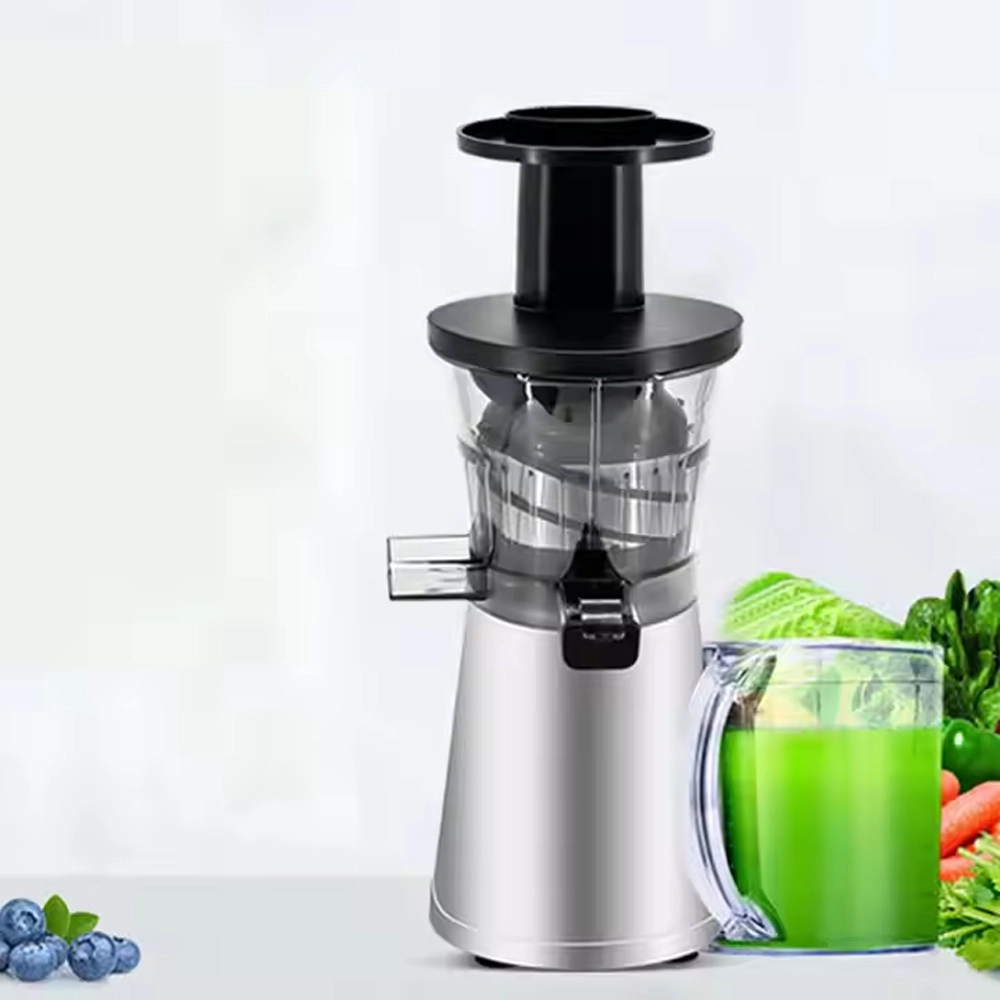
Slow Juicer L601
Jiaolong's L601 Slow Juicer: The perfect choice for slow juicer manufacturers, suppliers, and wholesalers. High-quality, efficient extraction. Contact us for wholesale inquiries.
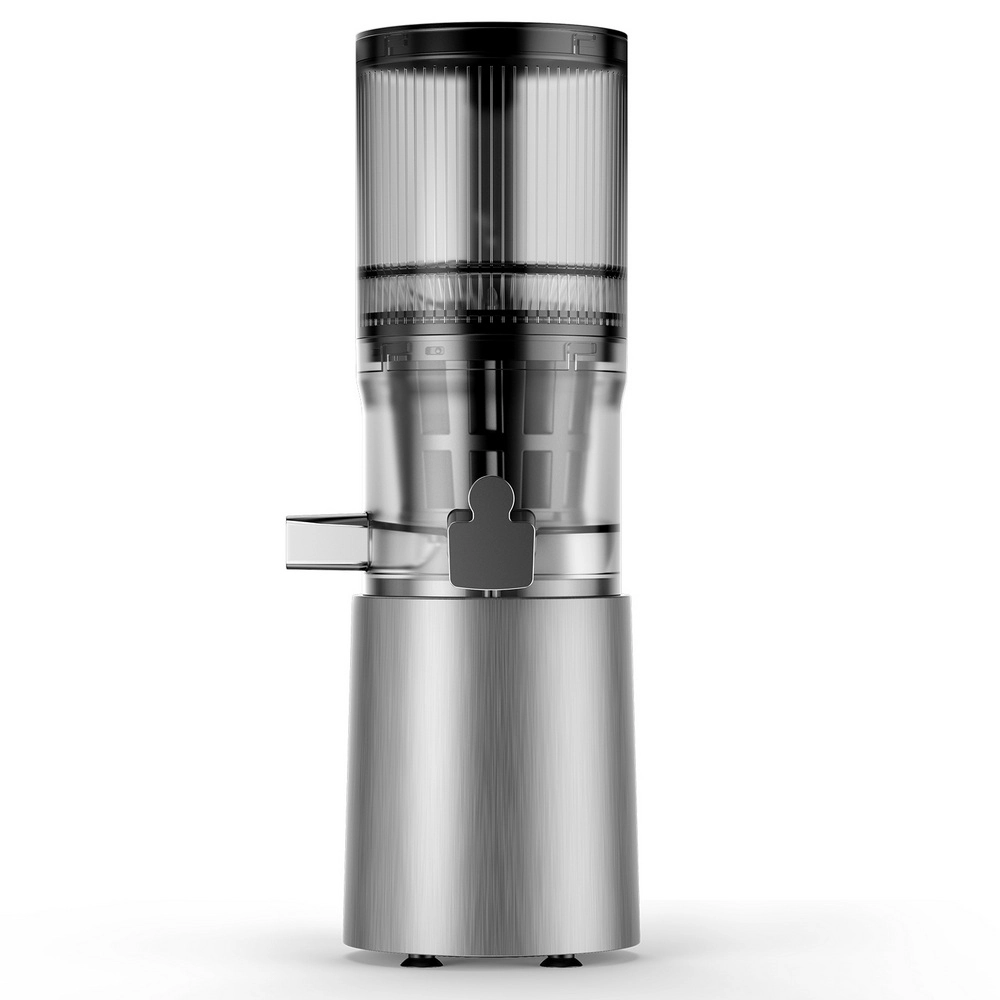
Slow Juicer L605A
Jiaolong's L605A Slow Juicer: A high-quality slow juicer for OEM, manufacturing, and supply needs. Contact us today to explore our slow juicer manufacturing capabilities and become a valued partner.
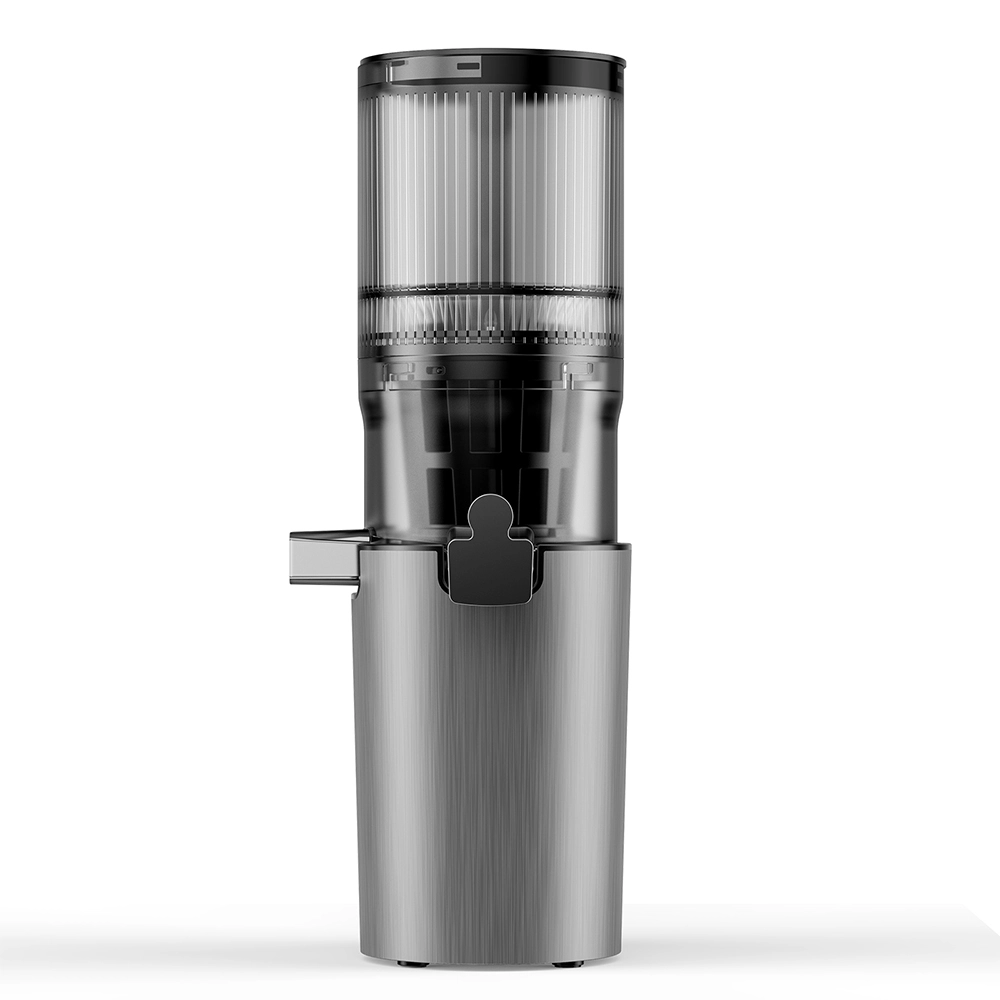
Slow juicer L606A
Jiaolong's L606A slow juicer: The ultimate slow juicer for wholesale, manufactured and supplied by a leading slow juicer supplier. Experience superior juice extraction and quality. Contact us for bulk orders.
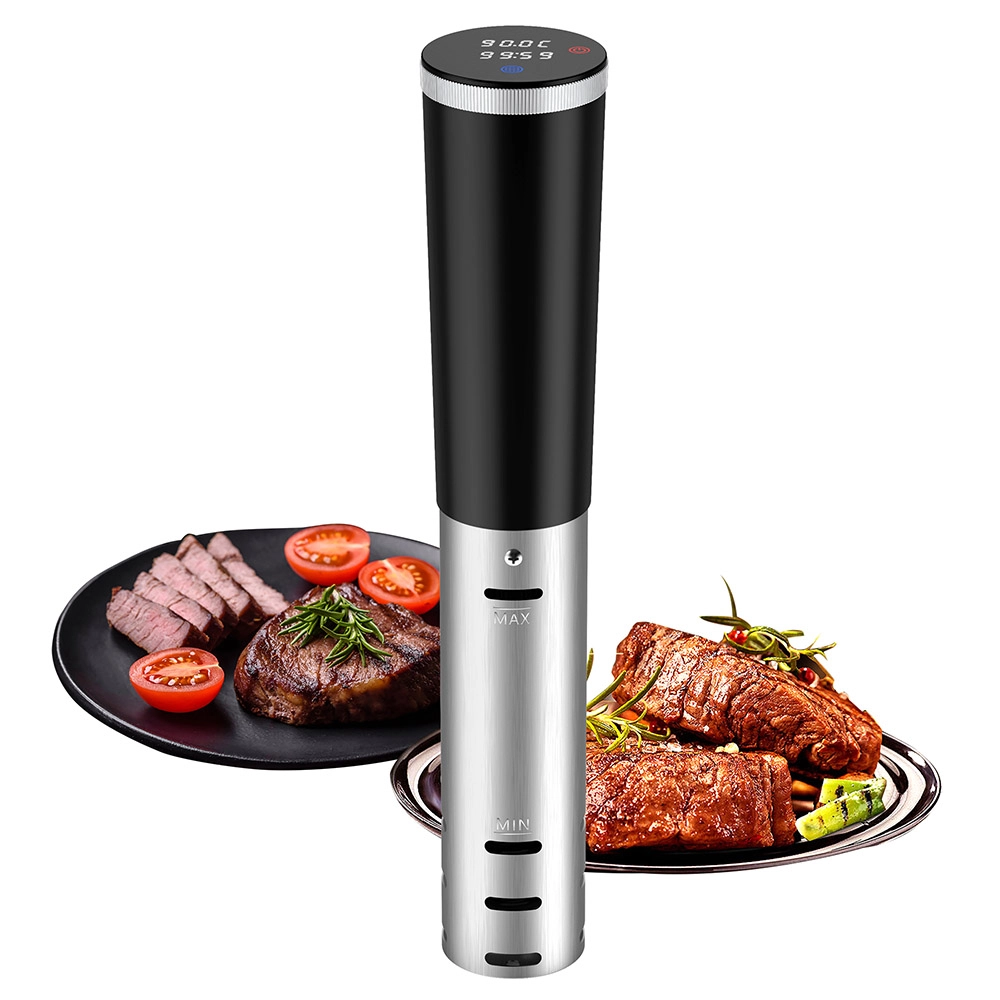
Sous Vide SV220
Jiaolong's Sous Vide SV220: A premium Sous Vide ODM solution. Reliable and efficient, the SV220 is the perfect choice for your next project. Partner with a leading sous vide supplier. Contact us today!
© 2025 JIAOLONG All Rights Reserved. Privacy Policy | Terms and Conditions | Sitemap