
Best vacuum sealer for food: energy efficiency and sustainability
- Why energy-efficient vacuum sealing matters for food and the planet
- Food waste, carbon footprint and household savings
- How vacuum sealing reduces waste and where energy fits in
- How to choose the best vacuum sealer for food: features that balance performance, energy and sustainability
- Identify your use profile: frequency, food types, and storage method
- Key technical features to prioritize for energy efficiency and sustainability
- : where to buy and warranty considerations
- Comparing categories and typical energy use: estimated consumption and sustainability implications
- Category comparison: handheld, external (clamp) and chamber sealers
- What the numbers mean for household energy and emissions
- Sources and verifiability of the estimates
- Practical selection and sustainable usage: tips, lifecycle thinking and Jiaolong's solutions
- Operational best practices to maximize sustainability
- Packaging materials and circularity
- Jiaolong: manufacturing strength, service and how we help customers choose the best vacuum sealer for food
- Model selection checklist, comparison table and recommended approach
- Checklist: ask these before you buy
- Simple comparison of representative model categories (purchase guidance)
- Recommended approach
- FAQ — common questions about vacuum sealers, energy and sustainability
- 1. Does vacuum sealing really save energy overall?
- 2. Which type of vacuum sealer is the most energy-efficient?
- 3. Are there eco-friendly vacuum bag options?
- 4. How much longer does vacuum sealing extend shelf life?
- 5. Is a chamber sealer necessary for sous-vide cooking?
- 6. What maintenance keeps a vacuum sealer energy-efficient?
- Call to action — get expert help and products
- References and sources (accessed 2026-01-05)
Why energy-efficient vacuum sealing matters for food and the planet
Food waste, carbon footprint and household savings
Food waste is a major contributor to greenhouse gas emissions and avoidable household expense. Using a vacuum sealer for food can extend shelf life, reduce spoilage, and therefore lower the environmental impact of discarded food. For consumers who want to buy a vacuum sealer or compare models, energy efficiency matters because it affects operating costs and the net environmental benefit of using the device. A machine that consumes more electricity than necessary can erode some sustainability gains from food-savings.
How vacuum sealing reduces waste and where energy fits in
Vacuum packaging slows oxidation and aerobic microbial growth, extending the usable life of many foods (meat, cheese, grains, and prepared meals). The key sustainability question becomes: does the energy consumed by sealing and any changed storage conditions (e.g., more freezer space) outweigh the emissions saved by preventing food waste? In most residential use-cases, properly chosen and used vacuum sealing systems produce net environmental benefits; selecting an energy-efficient model maximizes those benefits.
How to choose the best vacuum sealer for food: features that balance performance, energy and sustainability
Identify your use profile: frequency, food types, and storage method
Start by asking: will you seal vegetables, sous-vide portions, raw meat, or bulk items for long-term freezing? Do you plan daily vacuum sealing or occasional batch work? Handheld sealers are ideal for occasional use and resealing bags, countertop external (clamp) models suit regular home use and are generally energy-frugal for short cycles, while chamber vacuum sealers are better for professional or frequent heavy use and wet foods (but usually consume more energy per cycle). Targeting the best vacuum sealer for food means matching device category to your workflow.
Key technical features to prioritize for energy efficiency and sustainability
Look for: efficient motor and pump design, variable pressure control (avoid over-pumping), adjustable seal time (prevents wasted energy), low standby power, and durable construction for long product life. Materials and replaceable parts (like gaskets and heating strips) are sustainability features — longer service life and easy repairability reduce lifecycle environmental impacts compared to disposable or short-lived units.
: where to buy and warranty considerations
When ready to buy a vacuum sealer, compare not only price but warranty, service access, and spare part availability. Energy-efficient units with strong manufacturer support deliver better total value. OEMs that control the supply chain can often offer better pricing and consistent component quality — an important point when you consider long-term sustainability and repairability.
Comparing categories and typical energy use: estimated consumption and sustainability implications
Category comparison: handheld, external (clamp) and chamber sealers
Below is a practical comparison of the three common consumer/prosumer categories with estimated energy use per seal and typical strengths/limitations. These are category-level estimates to help consumers choose the best vacuum sealer for food based on energy and sustainability priorities.
| Category | Typical power rating | Estimated energy per seal (assumptions) | Best use-case | Sustainability pros/cons |
|---|---|---|---|---|
| Handheld / portable | ~20–50 W | ~0.0001–0.0003 kWh per short seal (20s) | Quick reseals, occasional use | Very low energy; limited vacuum level, less durable in heavy use |
| External / countertop (home) | ~100–200 W | ~0.001–0.002 kWh per seal (30s) | Daily home sealing, dry and many wet items (with proper bags) | Low total energy at normal home use; good balance of performance and cost |
| Chamber (pro / high-volume) | ~500–1500 W | ~0.01–0.03 kWh per seal (60s) | Frequent sealing, wet foods, commercial use | Higher energy per cycle but faster throughput and best for wet/vacuum stability; lifecycle impact depends on volume |
What the numbers mean for household energy and emissions
Even conservative estimates show vacuum sealing consumes relatively little electricity compared with major household appliances. Example calculation (transparent assumptions): a countertop sealer rated 140 W running 30 seconds per bag, with 4 seals/day produces ~1.7 kWh/year. By comparison, home refrigerators typically consume 300+ kWh/year (ENERGY STAR ranges); thus vacuum sealers represent only a small fraction of household appliance energy use. Choosing the best vacuum sealer for food therefore largely improves sustainability through waste reduction rather than substantial electricity savings alone.
Sources and verifiability of the estimates
The per-seal energy estimates use typical power ratings and realistic cycle times (manufacturers' specs and product manuals). Energy comparisons reference appliance energy use benchmarks from authoritative sources (ENERGY STAR, EPA). For specifics on food safety and shelf-life extension from vacuum packaging, consult university extension centers and food safety authorities — these show clear shelf-life benefits when vacuum sealing is combined with proper refrigeration or freezing.
Practical selection and sustainable usage: tips, lifecycle thinking and Jiaolong's solutions
Operational best practices to maximize sustainability
To get the biggest environmental and economic gains from your vacuum sealer: 1) batch-pack to reduce number of seals per unit of food; 2) select the smallest practical bag to minimize plastic use; 3) use reusable vacuum-friendly containers where possible; 4) label and date packages to avoid forgotten food; 5) maintain gaskets and sealing strips to extend machine life and efficiency; 6) combine vacuum sealing with correct refrigeration/freezing temperatures (vacuum doesn't replace cold-chain). These practices maximize food-saving benefits while minimizing material and energy waste.
Packaging materials and circularity
Vacuum sealing traditionally uses multi-layer plastic bags, which pose recycling challenges. To enhance sustainability, consider: recyclable mono-material vacuum bags (when available), compostable options verified for food-contact and long-term storage, or durable reusable containers designed for vacuum use. Reducing bag size, avoiding single-use overpackaging, and choosing suppliers with take-back or recycling programs will lower lifecycle impacts.
Jiaolong: manufacturing strength, service and how we help customers choose the best vacuum sealer for food
Jiaolong is a professional kitchen appliance manufacturer integrating R&D, design, production, and sales. The company has a motor production subsidiary, which has realized independent control of the entire industry chain from core components to complete machine assembly. This vertical integration ensures consistent component quality and cost-optimized products, delivering high value to global customers.
Key advantages of Jiaolong for buyers who prioritize energy efficiency and sustainability:
- End-to-end control of motor and pump components for optimized energy performance and longevity.
- Professional engineering support — from product installation and commissioning to fast fault response and maintenance optimization.
- One-year free warranty for worry-free after-sales experience.
- Product portfolio aligned with modern kitchen sustainability: Slow Juicer, Sous Vide, Vacuum Sealer, Coffee Grinder, Milk Frother, Hair Dryer.
These strengths make Jiaolong a strong partner for buyers seeking the best vacuum sealer for food that balances energy efficiency, durable build, and competitive cost. For technical support, product configurations, or OEM/ODM inquiries, visit https://www.jiaolongappliances.com/ and contact our engineering team.
Model selection checklist, comparison table and recommended approach
Checklist: ask these before you buy
- What foods will you seal and how often?
- Do you need wet-food capability or sous-vide sealing?
- Is repairability and parts availability important?
- What is the warranty and service policy?
- Are there recyclable or reusable bag options compatible with the model?
Simple comparison of representative model categories (purchase guidance)
| Feature / Category | Handheld | Countertop (external) | Chamber |
|---|---|---|---|
| Typical price range | Low ($20–$80) | Mid ($80–$350) | High ($800+) |
| Energy per seal | Very low | Low | Moderate–high |
| Best for | Occasional reseal | Home cooks, bulk freezing | Frequent/semi-pro & wet foods |
| Sustainability note | Low energy but limited functionality | Best balance for most households | High throughput, choose only if volume justifies energy |
Recommended approach
For most households seeking the best vacuum sealer for food with energy- and sustainability-conscious choices: start with a quality countertop external sealer (good energy profile, durability, and versatility). For light occasional use, a handheld option works. For high-volume or professional needs, choose a chamber model but perform a lifecycle check — higher upfront and operational energy may be justified only if it replaces multiple short-lived devices or supports a business-scale waste-reduction program.
FAQ — common questions about vacuum sealers, energy and sustainability
1. Does vacuum sealing really save energy overall?
Yes — in the sense that the small amount of electricity used by a consumer-grade vacuum sealer is typically much lower than the energy and emissions associated with producing and transporting food that would otherwise be wasted. The primary energy-saving and emissions benefit is from preventing food waste, not from reducing appliance energy use.
2. Which type of vacuum sealer is the most energy-efficient?
Handheld and countertop (external) models generally consume the least energy per seal. Chamber machines consume more energy per cycle but are more efficient at scale for commercial use. Choose based on your sealing frequency and food types.
3. Are there eco-friendly vacuum bag options?
Options include recyclable mono-material bags (where local recycling admits them), certified compostable bags for specific uses, and reusable vacuum containers. Availability varies by region. Minimizing bag size and reusing containers where possible improves sustainability.
4. How much longer does vacuum sealing extend shelf life?
Extension varies by food: many perishable foods (meat, cheese, prepared meals) can see their refrigerated shelf life double or triple under vacuum packaging when combined with proper cold storage. Always follow food safety guidance for storage times and temperatures.
5. Is a chamber sealer necessary for sous-vide cooking?
Not necessarily. Many home countertop external sealers can create acceptable seals for sous-vide. Chamber sealers provide stronger, consistent vacuums for wet foods and are preferred in professional kitchens, but they are higher-cost and higher-power devices.
6. What maintenance keeps a vacuum sealer energy-efficient?
Clean sealing surfaces, replace worn gaskets and heating elements, store the machine properly, and avoid unnecessary cycles. Regular maintenance reduces motor strain and prolongs machine life, improving overall sustainability.
Call to action — get expert help and products
If you need help choosing the best vacuum sealer for food for your home or business, or if you want OEM/ODM solutions that combine energy efficiency with cost-effectiveness, Jiaolong can help. Visit our site for product details, technical specifications, and to contact our engineering team: https://www.jiaolongappliances.com/. For inquiries, installation support, or warranty service (one-year free warranty provided), reach out through our contact page to arrange a consultation.
References and sources (accessed 2026-01-05)
- EPA — Facts and Figures about Food Waste (United States Environmental Protection Agency). https://www.epa.gov/sustainable-management-food/facts-and-figures-food-loss-and-waste (accessed 2026-01-05)
- National Center for Home Food Preservation — Vacuum Packaging Basics. https://nchfp.uga.edu/how/store/vacuum_pack. (accessed 2026-01-05)
- University of Nebraska–Lincoln Food — Vacuum Packaging overview. https://food.unl.edu/article/vacuum-packaging (accessed 2026-01-05)
- EPA — Greenhouse Gas Equivalencies Calculator. https://www.epa.gov/energy/greenhouse-gas-equivalencies-calculator (accessed 2026-01-05)
- ENERGY STAR — Refrigerator energy consumption and comparisons. https://www.energystar.gov/products/appliances/refrigerators (accessed 2026-01-05)
- FAO — Global food loss and waste statistics and reports. http://www.fao.org/food-loss-and-food-waste/en/ (accessed 2026-01-05)
For technical product details, warranty information, and to learn more about Jiaolong’s small kitchen appliance offerings (Slow Juicer, Sous Vide, Vacuum Sealer, Coffee Grinder, Milk Frother, Hair Dryer), visit https://www.jiaolongappliances.com/.
Top 10 best price sous vide Manufacturers and Supplier Brands in Europe
Custom milk frother cost Manufacturers and Suppliers in America
Top best slow juicer machine Manufacturers and Suppliers in France
Top 10 best coffee machine milk frother Manufacturers and Supplier Brands in Asia
OEM & ODM
What is the minimum order quantity for customized products?
The minimum order quantity (MOQ) usually depends on the type of product, customization requirements and production cycle. Generally speaking, our MOQ is usually 500 to 1000 units, and the specific number can be adjusted according to your needs and the complexity of the project.
What functions and appearance of products can I customize?
We provide comprehensive OEM and ODM customization services, and customers can customize the following:
⦁ Product functions: such as adding additional functions, adjusting operation methods, adding additional accessories, etc.
⦁ Appearance design: including color, shell material, LOGO and logo position, packaging design, etc.
⦁ Size and shape: adjust the size and appearance of the product according to customer needs.
⦁ Technical parameters: such as technical requirements such as power, efficiency, speed, etc.
FAQ
Do Jiaolong Electric's products meet international certification standards?
Yes, all Jiaolong Electric's products meet international quality and safety certification standards, such as CE, RoHS, ISO9001, etc. We strictly comply with various safety and environmental protection requirements to ensure that each product is of high quality and safety to meet the needs of the global market.
How do I choose the right kitchen appliance for my needs?
Our kitchen appliance series is categorized according to different needs. You can choose the right product according to your cooking habits, the number of family members, and the frequency of use. For example, if you like healthy drinks, you can choose our slow juicer; if you need a multi-functional kitchen assistant, we recommend our 3-in-1 blender or 4-in-1 juicer. You can also contact our customer service team, and we will provide you with professional advice based on your needs.
Service
Is there a charge for installation service?
We provide free installation and commissioning services.
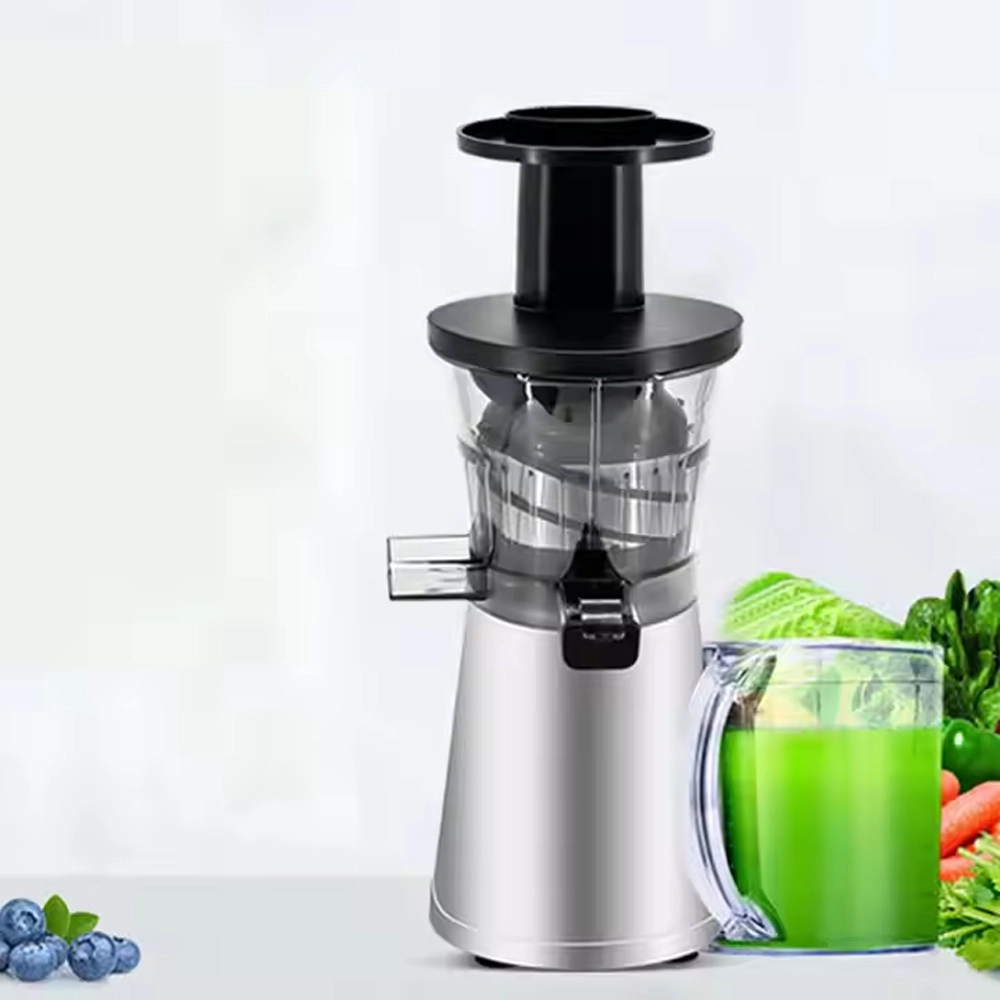
Slow Juicer L601
Jiaolong's L601 Slow Juicer: The perfect choice for slow juicer manufacturers, suppliers, and wholesalers. High-quality, efficient extraction. Contact us for wholesale inquiries.
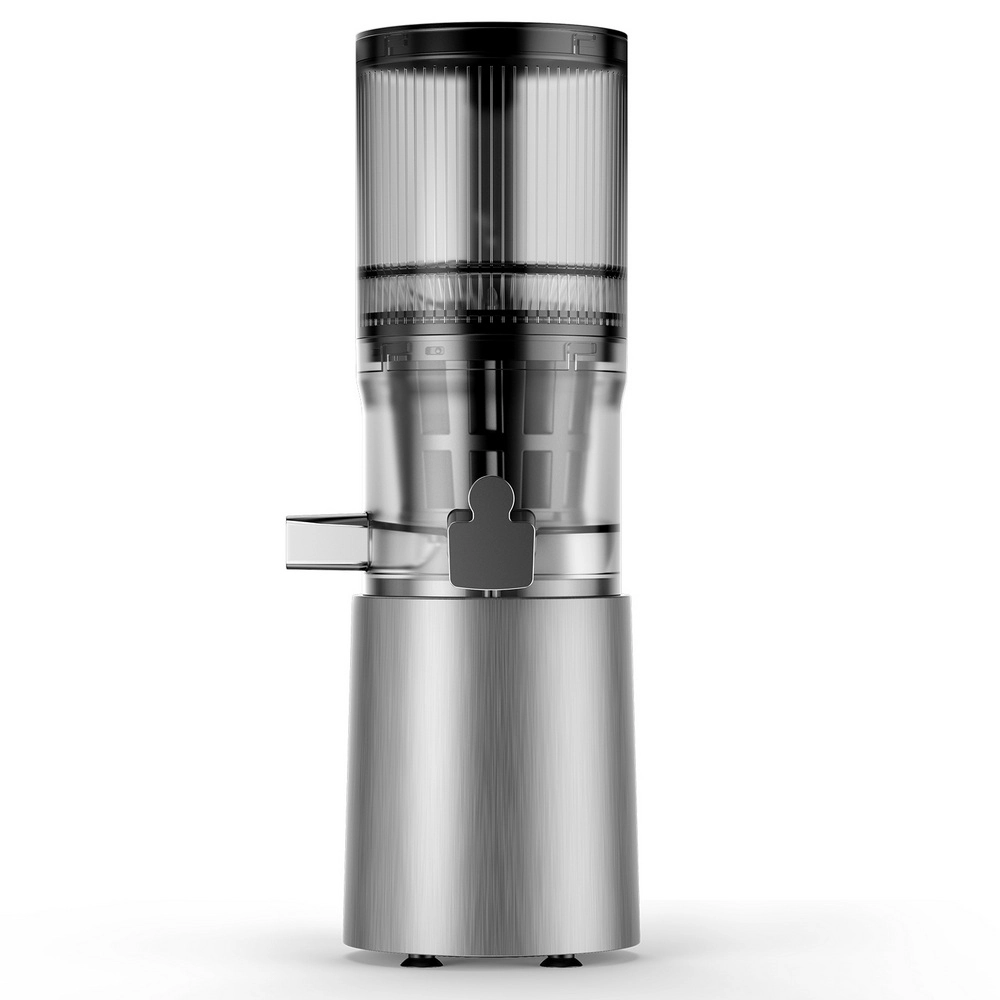
Slow Juicer L605A
Jiaolong's L605A Slow Juicer: A high-quality slow juicer for OEM, manufacturing, and supply needs. Contact us today to explore our slow juicer manufacturing capabilities and become a valued partner.
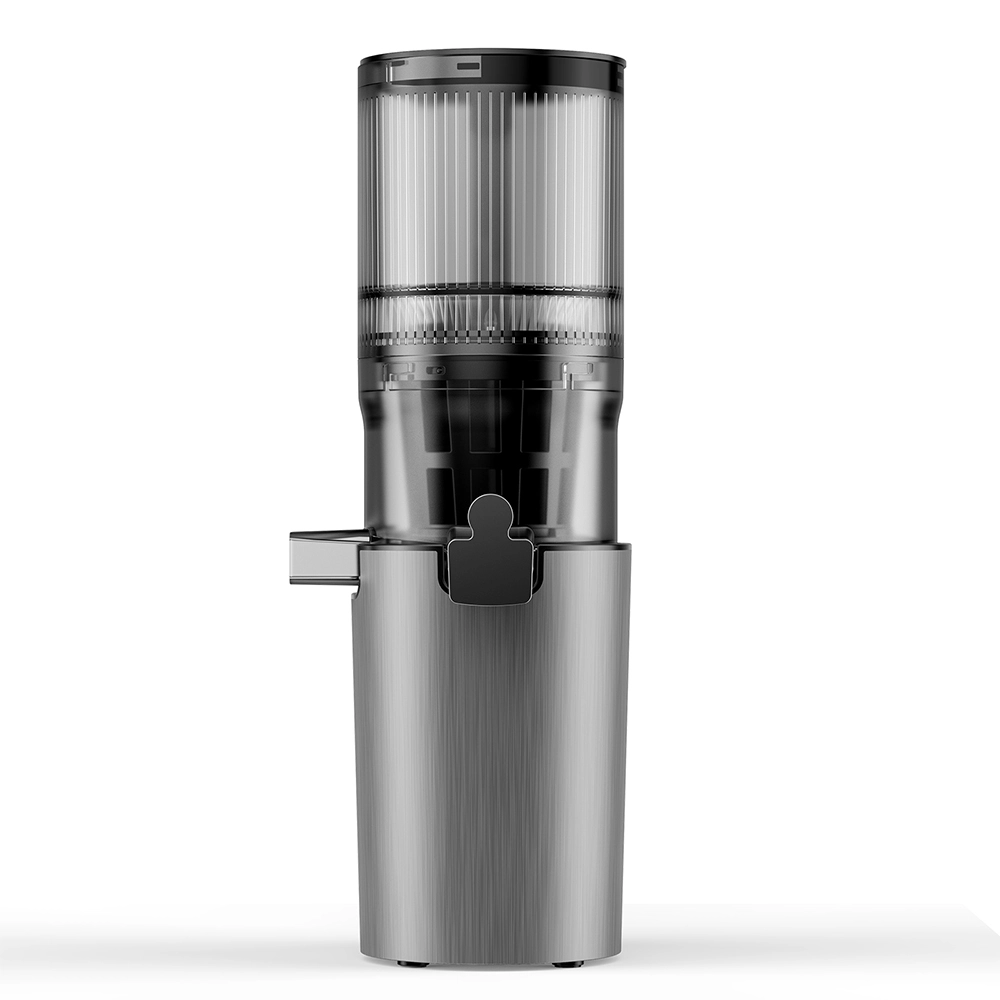
Slow juicer L606A
Jiaolong's L606A slow juicer: The ultimate slow juicer for wholesale, manufactured and supplied by a leading slow juicer supplier. Experience superior juice extraction and quality. Contact us for bulk orders.
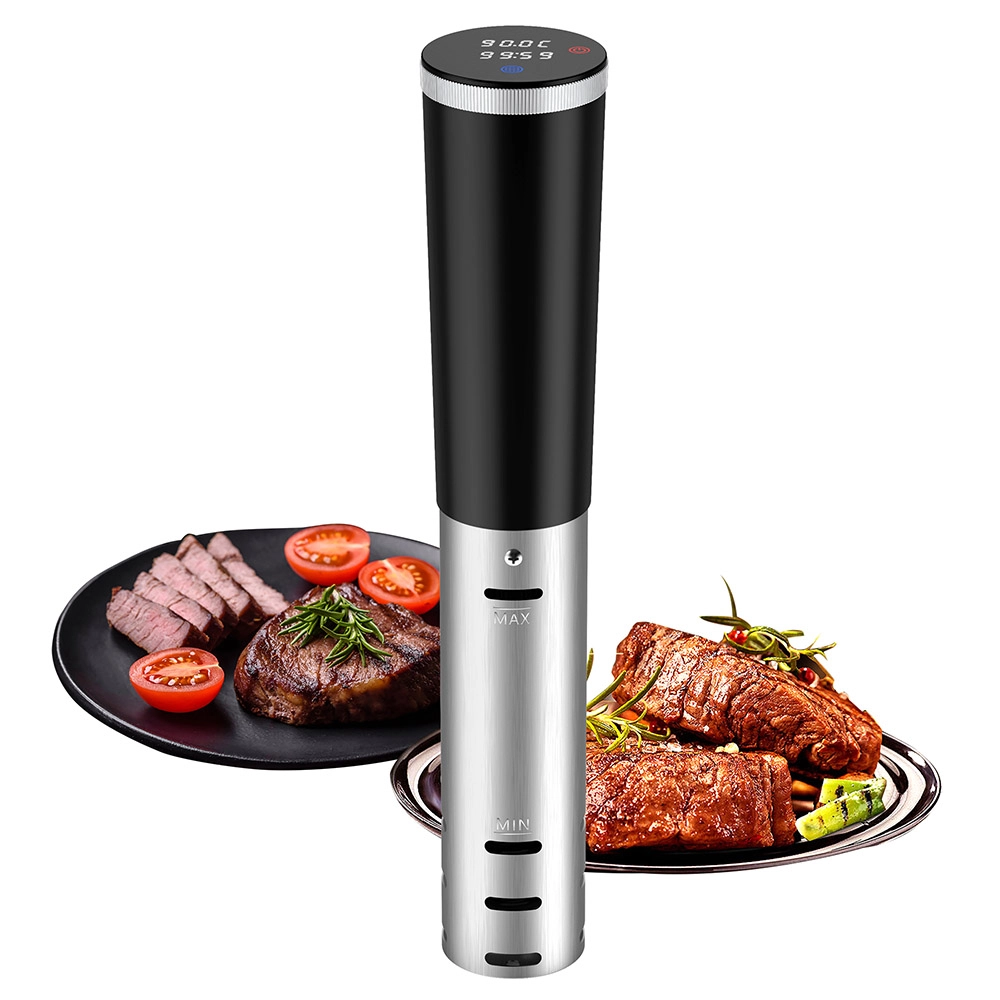
Sous Vide SV220
Jiaolong's Sous Vide SV220: A premium Sous Vide ODM solution. Reliable and efficient, the SV220 is the perfect choice for your next project. Partner with a leading sous vide supplier. Contact us today!
© 2025 JIAOLONG All Rights Reserved. Privacy Policy | Terms and Conditions | Sitemap