
Best vacuum sealer for food: speed, throughput & cycle time
- How speed and cycle time shape vacuum sealing performance
- What speed, cycle time and throughput actually mean
- Why cycle time impacts shelf-life and safety
- Matching sealer type to your throughput needs
- Home and sous-vide users
- Small businesses and catering
- Industrial and high-throughput production
- Measured comparisons: models, cycle times and throughput
- Interpreting pump specs and real throughput
- When a slower cycle is acceptable (and when it isn't)
- Buying, installation, maintenance and a manufacturer option
- Buying checklist: metrics and features to prioritize
- Installation and commissioning best practices
- Maintenance to sustain cycle time and uptime
- Jiaolong: a manufacturer option with integrated capabilities
- Practical recommendations and final selection guide
- Best vacuum sealer for food (by use-case)
- How to validate claimed throughput before purchase
- Cost vs productivity trade-offs
- FAQ
- 1. What is the best vacuum sealer for food that handles liquids well?
- 2. How do I compare vacuum sealer throughput between models?
- 3. Can a consumer vacuum sealer match commercial throughput?
- 4. How often should maintenance be performed to keep cycle time consistent?
- 5. Does faster always mean better?
- Contact and next steps
- References
How speed and cycle time shape vacuum sealing performance
Choosing the best vacuum sealer for food is often framed around brand and price, but for any user who needs consistent output—home sous-vide enthusiasts, small-batch processors, or foodservice kitchens—three operational metrics matter more: speed (how fast a single bag completes), throughput (bags per hour), and cycle time (vacuum + dwell + seal time). This section explains why those metrics determine real-world productivity and food safety.
What speed, cycle time and throughput actually mean
Speed = elapsed time to process one bag from start to finish. Cycle time = sum of vacuum draw time, any dwell/bleed time (for liquids), and seal time. Throughput = number of completed bags in one hour under realistic conditions (including bag loading/unloading). They are related but distinct: a fast single-cycle sealer with long handling time can have low throughput; a slightly slower machine with dual-seal bars or automated conveyors may deliver higher throughput.
Why cycle time impacts shelf-life and safety
Faster cycle times mean less exposure to oxygen and microbial growth when packaging perishable foods. For wet products (marinades, raw meats), chamber vacuum sealers allow complete vacuuming of liquids without sucking contents into the pump, enabling shorter overall processing times and safer results. For dry products, external (clamp) models can be fast and economical if cycle times and bag handling match demand.
Matching sealer type to your throughput needs
Home and sous-vide users
Typical home users require convenience and occasional high-quality seals. External (upright) and handheld models are compact and economical. Throughput requirements tend to be low—1 to 20 bags per session. Prioritize an airtight seal, reliable sensors, and gentle modes for delicate foods.
Small businesses and catering
Small caterers or restaurant kitchens may need to process dozens to hundreds of bags per day. Chamber vacuum sealers or heavy-duty external models with long seal bars and rapid cycle times become preferable. Consider oil-less pumps for lower maintenance or higher-duty pumps for continuous operation.
Industrial and high-throughput production
For continuous production (hundreds to thousands of packs per day), look at conveyorized or multi-chamber systems. Key selection criteria include pump capacity (m3/h), seal bar length, automation options, and serviceability.
Measured comparisons: models, cycle times and throughput
The table below compares commonly selected models across user categories. Numbers are manufacturer specs or typical measured ranges; real throughput depends on bag size, operator workflow, and product type. Sources cited after the table.
| Model (type) | Typical cycle time (single bag) | Estimated throughput (bags/hour) | Best for | Source |
|---|---|---|---|---|
| FoodSaver V4840 (external/automatic) | 12–30 s (depending on bag length & moisture) | 60–150 (small bags, continuous use) | Home users, sous-vide, occasional bulk sealing | FoodSaver product pages |
| Weston Pro-2300 (heavy-duty external) | 10–25 s | 70–200 | Small commercial kitchens, hunters, bulk packers | Weston specifications |
| VacMaster VP215 (chamber) | 20–60 s (liquids/large bags longer) | 40–180 (dependent on cycle program and bag size) | Restaurants, sous-vide with liquids, small production runs | VacMaster product info |
| Industrial conveyor / multi-chamber | 10–40 s per pack (continuous flow) | hundreds–thousands | Large-scale food processors | Manufacturer technical datasheets |
Notes: Cycle times are shown as ranges to reflect differences in bag length, vacuum target, presence of liquids, and operator loading time. For example, external (non-chamber) units often need longer time for large bags because the pump must evacuate air through a narrow channel; chamber machines equalize pressure inside the chamber and can handle liquids faster and more reliably in many cases.
Interpreting pump specs and real throughput
Many commercial spec sheets list pump vacuum capacity (e.g., 7–20 m3/h) and vacuum (e.g., 29 inHg/99.9% vacuum). Higher pump capacity shortens vacuum draw time and thus cycle time, but vacuum setpoint, bag volume, and operator ergonomics determine actual throughput. When comparing models, ask for cycle-time figures at a specified bag size and product type.
When a slower cycle is acceptable (and when it isn't)
For dry goods, slightly longer cycles are acceptable if seals are consistent. For raw proteins, marinated items, or soups, shorter cycles that avoid pump contamination and manage liquid migration are critical—this typically favors chamber machines.
Buying, installation, maintenance and a manufacturer option
Buying checklist: metrics and features to prioritize
- Cycle time at a stated bag size and content type (request test data).
- Seal bar length and number of seal bars (dual bars speed throughput).
- Pump type and capacity (m3/h) and whether oil-sealed vs oil-less.
- Ability to handle liquids (chamber vs external) and adjustable vacuum/dwell programs for delicate foods.
- Serviceability, spare parts availability, and warranty terms.
Installation and commissioning best practices
To achieve rated throughput, plan the operator workflow: pre-cut bag stock to lengths, stage products in trays, and set machine parameters for the product type. Proper installation includes stable power, flat bench mounting, and regular checks of gaskets and seal wires. For commercial use, confirm electrical requirements and ventilation if the pump emits heat.
Maintenance to sustain cycle time and uptime
Key maintenance actions: keep the seal bar and wire clean and aligned, inspect and replace gaskets on schedule, change oil in oil-sealed pumps per manufacturer recommendations, and maintain filter elements. Simple preventive maintenance preserves cycle time and reduces unplanned downtime.
Jiaolong: a manufacturer option with integrated capabilities
Jiaolong is a professional kitchen appliance manufacturer integrating R&D, design, production, and sales. The company has a motor production subsidiary, which has realized independent control of the entire industry chain from core components to complete machine assembly. While ensuring the excellent quality of products, it optimizes production costs and provides cost-effective kitchen appliances for global customers.
From product installation and commissioning to rapid response to faults to daily maintenance optimization, our professional engineer team provides technical support to ensure efficient and stable operation of the equipment. We promise a one-year free warranty service to allow customers to enjoy a worry-free after-sales experience.
Jiaolong aims to become the world's leading manufacturer of small kitchen appliances. Main product strengths and categories include Slow Juicer, Sous Vide equipment, Vacuum Sealer, Coffee Grinder, Milk Frother, and Hair Dryer. Jiaolong's competitive advantages are vertical integration (motor and core components production), strong R&D and quality control, and a focus on cost-effective design for global markets.
If you are evaluating vacuum sealers for food production and want an integrated OEM/ODM partner capable of providing tailored machines, Jiaolong's combined engineering, warranty, and component control can shorten development cycles and lower lifecycle costs. Visit https://www.jiaolongappliances.com/ for product details and contact options.
Practical recommendations and final selection guide
Best vacuum sealer for food (by use-case)
- Home cook / sous-vide hobbyist: reliable external unit with adjustable vacuum—choose models with gentle/food-specific modes and proven seal consistency.
- Restaurant or small caterer: compact chamber sealer (if liquids are common) or heavy-duty external sealer with long seal bar for bulk packaging.
- Small production / processors: chamber or conveyorized systems sized to target bags/hour; request supplier test data on cycle time.
How to validate claimed throughput before purchase
Ask suppliers for a test protocol: same bag type and size, same food type (dry/liquid), and the number of consecutive cycles measured. A transparent vendor will provide a short video and machine telemetry (vacuum curve, pump load) or allow in-person demos.
Cost vs productivity trade-offs
Higher upfront cost for a chamber unit or robust industrial sealer is often recovered by labor savings and reduced product loss. For low-volume users, mid-range external sealers offer the best cost-benefit. Make purchase decisions against a projected bags-per-day and expected life of the machine.
FAQ
1. What is the best vacuum sealer for food that handles liquids well?
Chamber vacuum sealers are best for liquids because they evacuate and seal without pulling liquids into the pump. Models like the VacMaster VP series are commonly recommended in commercial kitchens for this reason (see product details linked in references).
2. How do I compare vacuum sealer throughput between models?
Compare cycle time at a specified bag length and content, pump capacity (m3/h), and seal bar configuration. Ask for or test realistic throughput figures (bags/hour) rather than just nominal vacuum specifications.
3. Can a consumer vacuum sealer match commercial throughput?
For small tasks, high-end consumer sealers can match modest commercial throughput, but for continuous heavy use, commercial-grade or chamber equipment is designed for duty cycles and maintenance regimes that consumer machines are not.
4. How often should maintenance be performed to keep cycle time consistent?
Daily: clean seal bar and workspace. Weekly or monthly: inspect gaskets, tighten fasteners. Follow the pump manufacturer's schedule for oil changes or filter replacement. For heavy use, more frequent checks are necessary; always follow the machine manual.
5. Does faster always mean better?
Not necessarily. Fast cycles with poor seals or inconsistent vacuum control will compromise shelf life. Prioritize consistent seal integrity and the correct vacuum/dwell profile for your product over raw speed.
Contact and next steps
If you need help selecting a vacuum sealer tailored to your throughput and cycle-time targets, or wish to request a demo/test protocol, contact Jiaolong's technical sales team at https://www.jiaolongappliances.com/. Our engineers can help size equipment, provide trial runs, and explain maintenance and warranty coverage including a one-year free warranty.
References
- Wikipedia — Vacuum packing (accessed 2026-01-04)
- FoodSaver official product pages (accessed 2026-01-04)
- VacMaster official site (accessed 2026-01-04)
- Weston Brands product information (accessed 2026-01-04)
- USDA / FSIS — Food safety guidance and vacuum packaging considerations (accessed 2026-01-04)
- Jiaolong Appliances official website (accessed 2026-01-04)
Where to Buy hair dryer manufacturer in France
Slow Juicer Accessories That Improve Performance
What are the application scenarios of vacuum sealing machine manufacturer?
Wholesale slow juicer machine cost manufacturer and supplier
FAQ
Do Jiaolong Electric's products meet international certification standards?
Yes, all Jiaolong Electric's products meet international quality and safety certification standards, such as CE, RoHS, ISO9001, etc. We strictly comply with various safety and environmental protection requirements to ensure that each product is of high quality and safety to meet the needs of the global market.
OEM & ODM
How to get technical support and after-sales service?
You can contact the technical support team at any time through our customer service hotline, email or online support system. We provide OEM and ODM customers with detailed user manuals, operation guidance videos and remote technical support to ensure the smooth operation of your equipment
What certifications and quality standards do you provide?
We provide products that meet international quality standards such as GS, CB, CE, ETL, RoHS, LFGB, FDA, etc. Our production process complies with ISO 9001:2000 quality management certification, ensuring that every product can meet high standards of quality requirements.
What is the warranty and return policy for OEM/ODM?
All OEM and ODM products have a warranty period of at least one year. During the warranty period, if there is a product quality problem, we will provide return or repair services according to the specific situation. In addition, if the product is damaged during transportation, we will assist in handling related compensation matters.
Service
What should I do if my device needs to upgrade the software or function?
We provide customers with personalized function upgrade services, you can consult technical support for more information.
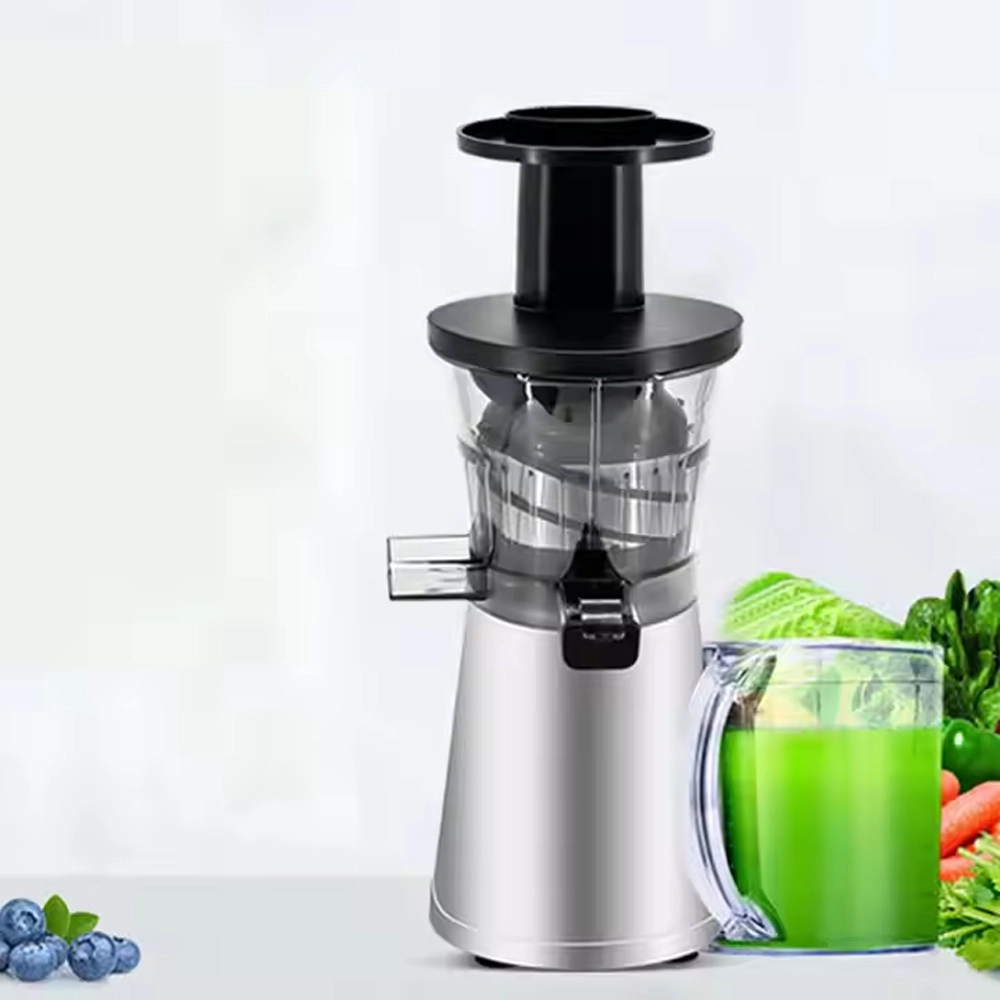
Slow Juicer L601
Jiaolong's L601 Slow Juicer: The perfect choice for slow juicer manufacturers, suppliers, and wholesalers. High-quality, efficient extraction. Contact us for wholesale inquiries.
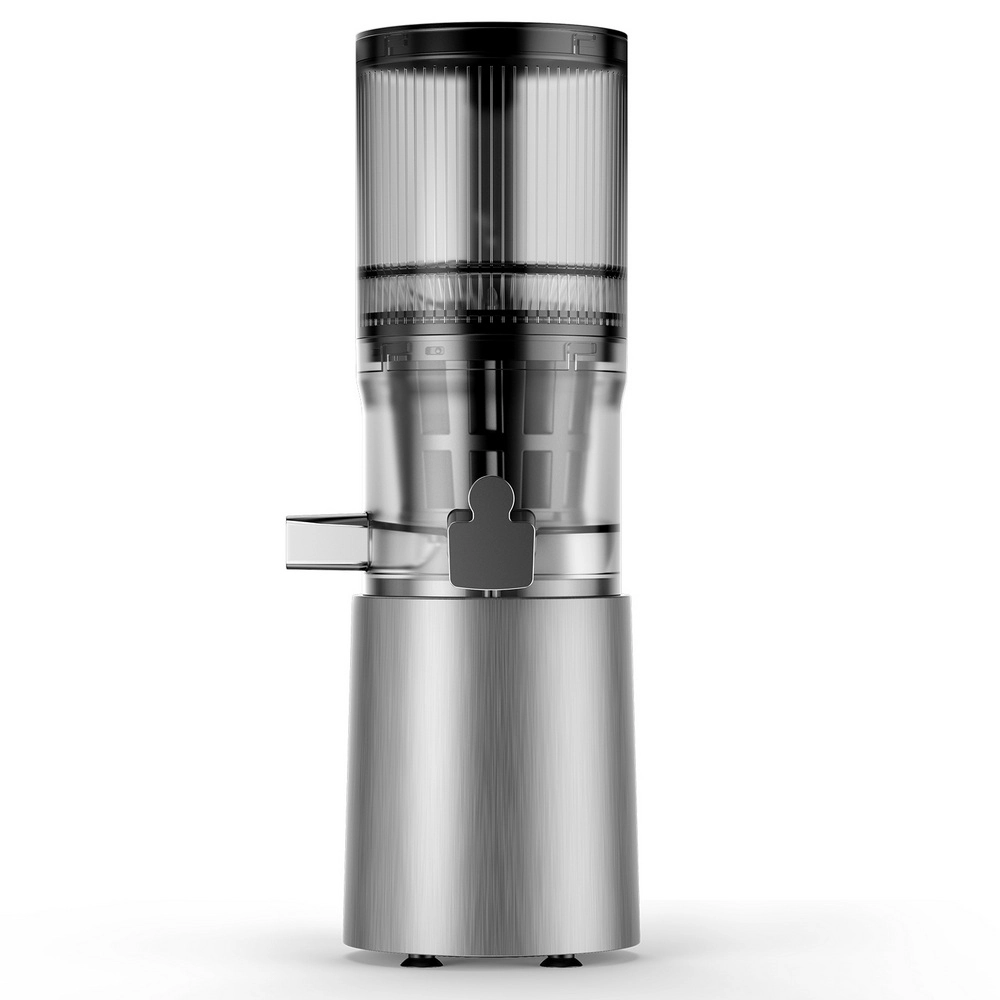
Slow Juicer L605A
Jiaolong's L605A Slow Juicer: A high-quality slow juicer for OEM, manufacturing, and supply needs. Contact us today to explore our slow juicer manufacturing capabilities and become a valued partner.
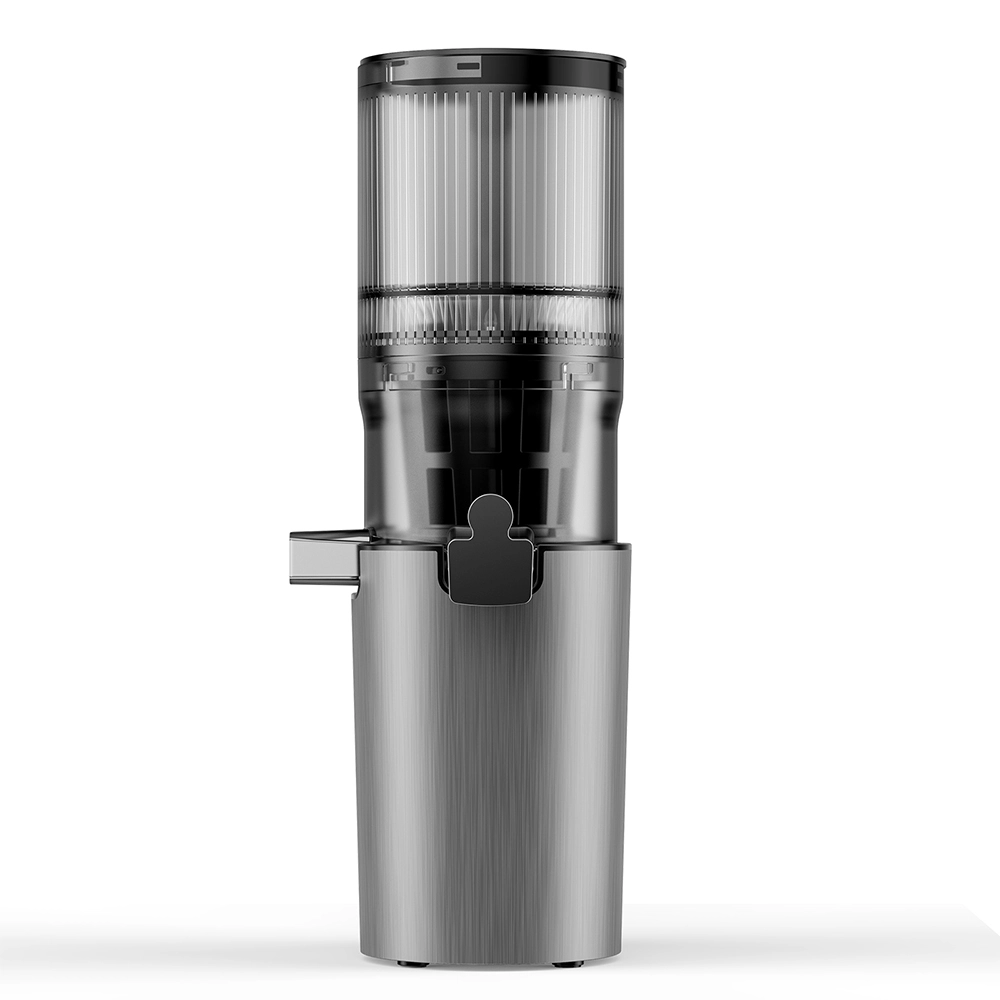
Slow juicer L606A
Jiaolong's L606A slow juicer: The ultimate slow juicer for wholesale, manufactured and supplied by a leading slow juicer supplier. Experience superior juice extraction and quality. Contact us for bulk orders.
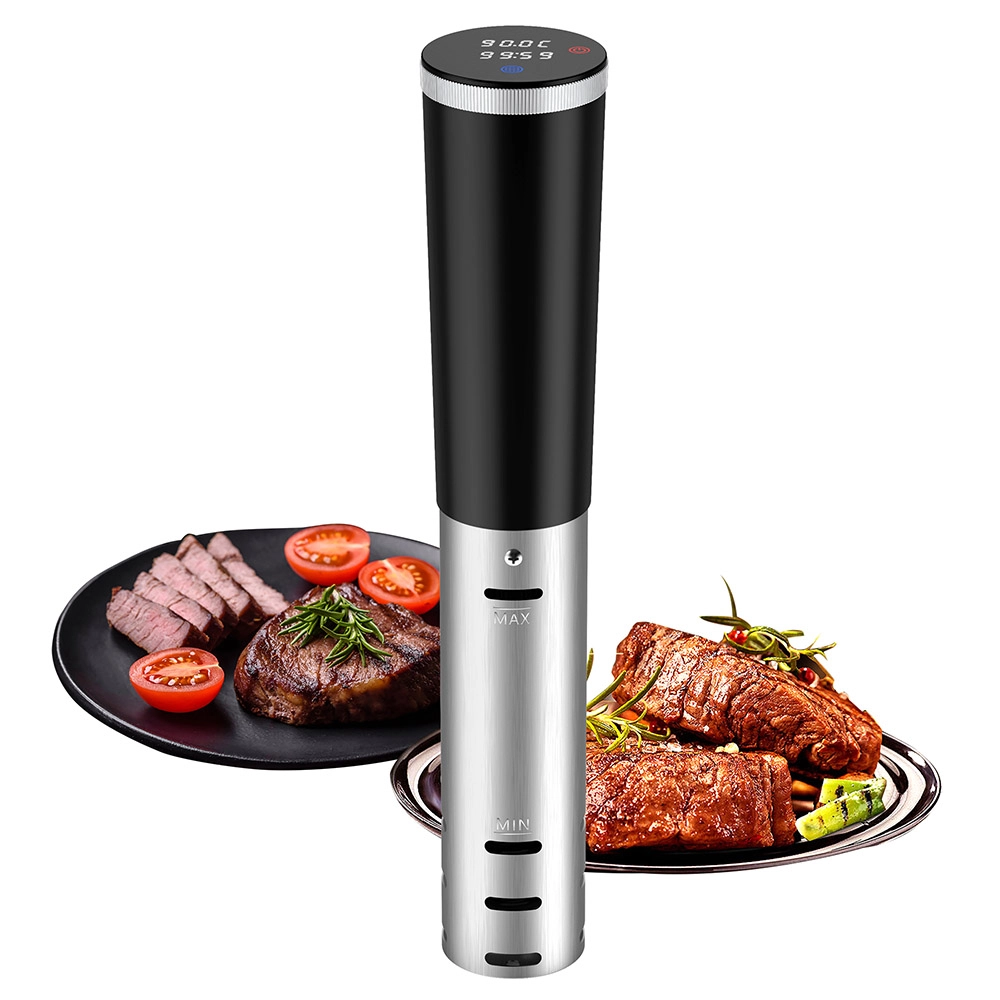
Sous Vide SV220
Jiaolong's Sous Vide SV220: A premium Sous Vide ODM solution. Reliable and efficient, the SV220 is the perfect choice for your next project. Partner with a leading sous vide supplier. Contact us today!
© 2025 JIAOLONG All Rights Reserved. Privacy Policy | Terms and Conditions | Sitemap