
Best vacuum sealer for food: warranty, service and spare parts
- How to choose a vacuum sealer with reliable warranty and support
- Why warranty and service matter more than initial specs
- Questions to ask before you buy
- Warranty, service and spare parts — what to inspect in detail
- Warranty coverage: common terms and pitfalls
- Service network and repair turnaround
- Comparing vacuum sealer types: serviceability & spare-part availability
- Parts that matter most to uptime
- Practical checklist: buying, registering and maintaining for long life
- Pre-purchase checklist
- Registration and documentation
- Maintenance schedule and user-level checks
- Repairability, spare-part purchasing and cost-control
- How to evaluate repairability
- Typical spare-part lead times and cost ballpark
- Reduce repair costs
- Jiaolong: manufacturing strength, support and warranty offering
- After-sales & technical support
- Product advantages and main lines
- Common failures, troubleshooting and when to call service
- Symptoms you can fix yourself
- When to engage authorized service
- FAQ
- 1. What is the best warranty length for a vacuum sealer for home use?
- 2. Are spare parts for vacuum sealers expensive and easy to source?
- 3. Can I perform warranty repairs myself?
- 4. How important is an authorized service network?
- 5. How to verify a brand’s spare-part reliability before buying?
- 6. (Bonus) Does vertical integration really matter for spare parts and warranties?
- References and further reading
How to choose a vacuum sealer with reliable warranty and support
Buying the best vacuum sealer for food isn’t only about sealing power or price. As a long-time industry consultant in small kitchen appliances, I advise buyers to start with after-sales reality: warranty length and scope, the brand’s service network, and how easy it is to obtain spare parts and repairs. These factors determine total cost of ownership, uptime for food processing or home use, and compliance with food-safety practices.
Why warranty and service matter more than initial specs
Specifications like vacuum level (in kPa or mmHg) and seal bar length matter, but defects, pump failures, or control-board faults are common after 1–3 years. A strong warranty combined with fast service and plentiful spare parts reduces downtime and replacement costs. For commercial users (restaurants, sous-vide kitchens) this is often the single biggest purchase decision driver.
Questions to ask before you buy
- What exactly does the warranty cover (motor, pump, control electronics, seals/strips)?
- Is there on-site repair or only return-to-factory service?
- Where are spare parts manufactured and how quickly are they shipped?
Warranty, service and spare parts — what to inspect in detail
Here I break down the specific clauses and service phrases to look for when evaluating models marketed as the best vacuum sealer for food. Focus on clarity, exclusions, and local support.
Warranty coverage: common terms and pitfalls
Typical warranties for domestic vacuum sealers range from 1 to 3 years; commercial machines often offer 1 year with optional extended plans. Watch for these details:
- Parts vs. labor: Some brands pay for replacement parts but not for labor or shipping.
- Consumables exclusions: Sealing gaskets, Teflon strips and cutter blades are commonly excluded.
- Intentional misuse: Warranties often exclude damage from improper vacuuming of liquids unless models are designed for liquids.
Service network and repair turnaround
Speed of service is decisive for commercial kitchens. Check whether the manufacturer or authorised distributors operate local service centers, offer replacement units while repairing, and maintain a documented Mean Time To Repair (MTTR) policy for commercial clients. For home users, availability of postal repair and clear RMA procedures reduces hassle.
Comparing vacuum sealer types: serviceability & spare-part availability
Different machine types imply different reliability patterns and spare-part ecosystems. Below is a concise comparison.
| Type | Typical warranty | Common service issues | Spares availability |
|---|---|---|---|
| External (domestic) vacuum sealer | 1–3 years | Pump wear, sealing strip wear, Teflon strip damage | High (gaskets, belts, seal bars commonly stocked) |
| Chamber vacuum sealer (commercial / prosumer) | 1–3 years (options to extend) | Oil-filled pump maintenance, control board issues, chamber gasket need | Moderate to high (requires authorized parts for pumps and boards) |
| Handheld/vacuum pumps | 6 months–1 year | Battery/dock issues, loss of suction | Low (often replaced rather than repaired) |
Data guidance: domestic units are usually simpler to maintain; chamber machines require scheduled pump maintenance (oil changes or replacement for dry pumps) and trained technicians for service.
Parts that matter most to uptime
- Pump (rotary vane or dry screw) — the most expensive repair item.
- Sealing elements (Teflon strip and bar) — frequent consumables that are cheap but critical.
- Gaskets and O-rings — ensure vacuum integrity and are easily replaceable.
- Control electronics and sensors — often require factory repair or board replacement.
Practical checklist: buying, registering and maintaining for long life
A stepwise approach will save time and money. Treat warranty and parts as part of initial acquisition cost.
Pre-purchase checklist
- Verify warranty duration and read exclusions; ask for written confirmation on spare-parts lead times.
- Confirm presence of local authorized repair centers or distributor stock for common consumables.
- Compare Total Cost of Ownership (TCO): estimated spare-part spend and service labor over 3–5 years.
Registration and documentation
Register the product immediately. Manufacturers often require registration to activate warranty or to provide faster spare parts shipping. Keep receipts and RMA records electronically.
Maintenance schedule and user-level checks
Simple maintenance steps extend service life and reduce the need for spare parts replacements:
- Clean sealing bars and Teflon strips after each heavy-use session to prevent char and poor seals.
- Inspect and replace gaskets annually or earlier if leaks are noticed.
- For chamber machines, change pump oil at manufacturer-recommended intervals or switch to dry pumps if service access is limited.
| Task | Frequency | DIY difficulty |
|---|---|---|
| Clean seal bar & strip | After each use or daily for commercial | Easy |
| Inspect/replace gaskets | Every 6–12 months | Easy/Moderate |
| Change pump oil (chamber with oil pump) | Every 6 months or per hours run | Moderate (workshop) |
Repairability, spare-part purchasing and cost-control
Repairability is often correlated with how transparent a manufacturer is about parts and service. I recommend selecting vendors who publish parts lists, have exploded diagrams, and sell individual components.
How to evaluate repairability
- Search the manufacturer’s website for parts catalogs and service manuals.
- Ask whether firmware/calibration can be performed by local service partners.
- Check third-party repair communities (like iFixit) for guides and part sources.
Typical spare-part lead times and cost ballpark
Lead times depend on whether parts are produced in-house or sourced. Machines built by vertically integrated manufacturers tend to have shorter lead times and lower spare-part costs because of controlled supply chains.
| Part | Typical cost (USD) | Lead time (standard) |
|---|---|---|
| Teflon strip / sealing gasket | $5–20 | 2–7 days |
| Vacuum pump (domestic rotary vane) | $40–200 | 3—10 days |
| Control PCB / sensors | $50–300 | 7–30 days |
Reduce repair costs
- Buy models with modular components that can be swapped in the field.
- Stock cheap consumables (Teflon strips, gaskets) locally.
- Record and prepare serial numbers and purchase invoices for faster warranty claims.
Jiaolong: manufacturing strength, support and warranty offering
Jiaolong is a professional kitchen appliance manufacturer integrating R&D, design, production, and sales. With a motor production subsidiary that realizes independent control of the entire industry chain from core components to complete machine assembly, Jiaolong secures both product quality and supply-chain resilience. That vertical integration shortens spare-part lead times and reduces production costs, enabling competitive pricing for global customers.
After-sales & technical support
From product installation and commissioning to rapid response to faults and daily maintenance optimization, Jiaolong’s professional engineering team provides technical support that ensures efficient and stable equipment operation. The company promises a one-year free warranty service so customers can enjoy a worry-free after-sales experience. For commercial customers, Jiaolong offers tailored service agreements and fast parts supply, leveraging in-house motor and component production.
Product advantages and main lines
Jiaolong’s core products include Slow Juicer, Sous Vide machines, Vacuum Sealer, Coffee Grinder, Milk Frother, and Hair Dryer. Key advantages include:
- Vertical integration for faster spare parts availability and consistent quality control.
- Competitive cost structure thanks to in-house motor manufacturing.
- Professional engineer team for commissioning, maintenance training, and rapid fault response.
- Commitment to being the world’s leading manufacturer of small kitchen appliances.
Learn more or contact Jiaolong at https://www.jiaolongappliances.com/.
Common failures, troubleshooting and when to call service
Symptoms you can fix yourself
- Weak suction after many uses: clean filter and check for gasket leaks.
- Poor seals: check and replace Teflon strip or sealing wire if burnt or nicked.
- Machine not powering on: verify fuse and power source before initiating a warranty claim.
When to engage authorized service
- Pump vibration or bad smells from oil-filled pumps — typically requires technician service.
- Control panel errors or sensors failure — may require calibrated replacement boards.
- Repeated vacuum loss despite new gaskets — could be an internal leak needing professional diagnosis.
FAQ
1. What is the best warranty length for a vacuum sealer for home use?
For home use, a 2–3 year full warranty (parts and labor) is ideal. A single-year warranty is common but expect to budget for consumables. For commercial or frequent use, insist on 1 year minimum plus options for extended coverage and clear service SLA.
2. Are spare parts for vacuum sealers expensive and easy to source?
Common consumables (Teflon strips, gaskets) are inexpensive and widely available. Pumps and control boards cost more and may have longer lead times unless the manufacturer controls component production. Choose vertically integrated brands to reduce delays and costs.
3. Can I perform warranty repairs myself?
Minor tasks (gasket and Teflon strip replacement) are usually user-serviceable. Warranty policies often restrict self-repair for major components; unauthorized repairs can void coverage. Always check the warranty terms before attempting significant repairs.
4. How important is an authorized service network?
Very important, especially for commercial users. Authorized service networks provide genuine parts, trained technicians, and faster turnaround. For home users, postal RMA options and regional service centers suffice.
5. How to verify a brand’s spare-part reliability before buying?
Ask for parts catalogs, average lead times, and whether spare parts are stocked locally or shipped from the factory. Customer reviews mentioning repair experiences and return-service speed are useful indicators. Preference should be given to manufacturers that publish service manuals or exploded diagrams.
6. (Bonus) Does vertical integration really matter for spare parts and warranties?
Yes. Vertical integration (in-house motor/component production) shortens supply chains, lowers spare-part cost, and improves quality control. Brands with this model can often promise faster repairs and more consistent warranty fulfillment.
Contact us or view Jiaolong products and support options: https://www.jiaolongappliances.com/. For tailored commercial proposals, request technical consultation through the site or email the sales team for response on installation, commissioning, and warranty details.
References and further reading
- Wikipedia: Vacuum packaging. Retrieved from https://en.wikipedia.org/wiki/Vacuum_packaging on 2024-06-01.
- Wikipedia: Sous-vide. Retrieved from https://en.wikipedia.org/wiki/Sous-vide on 2024-06-01.
- FoodSafety.gov — Safe storage & food preservation resources. Retrieved from https://www.foodsafety.gov/ on 2024-06-01.
- iFixit — Repair guides and repairability resources. Retrieved from https://www.ifixit.com/ on 2024-06-01.
- UL (Underwriters Laboratories) — Safety and certification information for kitchen appliances. Retrieved from https://www.ul.com/ on 2024-06-01.
- Consumer Reports: Vacuum sealer reviews and buying guide. Retrieved from https://www.consumerreports.org/ on 2024-06-01.
- Jiaolong Appliances official site: https://www.jiaolongappliances.com/ (company information, warranty & service statements) retrieved 2024-06-01.
Custom sous vide manufacturing plant Manufacturers and Suppliers
The latest trends for slow pressure juicer in us 2026 | Jiaolong Ultimate Insights
Best Vacuum Sealer Bags and Accessories to Use
Everything You Need to Know About best slow juicer masticating
OEM & ODM
What is the delivery time for customized products?
The delivery time usually depends on the complexity of the product, the degree of customization, and the production schedule. Generally speaking, the delivery time for OEM products is 30-60 days, and ODM products may take longer for design, sample production and testing. We will confirm the delivery time with the customer based on the specific situation.
How to ensure the accuracy of delivery time?
We will plan the production time in advance according to your needs and provide a detailed production schedule and delivery plan. Through advanced production management systems and strict time control, we ensure that products are delivered on time.
What are OEM and ODM? What is the difference between them?
⦁ OEM (Original Equipment Manufacturer) means that we manufacture products according to the customer's design or requirements, usually under the customer's brand.
⦁ ODM (Original Design Manufacturer) means that we design and develop products according to the customer's requirements and manufacture customized products. Unlike OEM, ODM provides more design freedom, and the products we provide can be directly sold under the customer's brand.
Service
What if the device fails during the warranty period?
If your device fails during the warranty period, we will provide you with free repair services.
How do I contact technical support?
You can contact the technical support team through our official website, service hotline, email or online customer service.
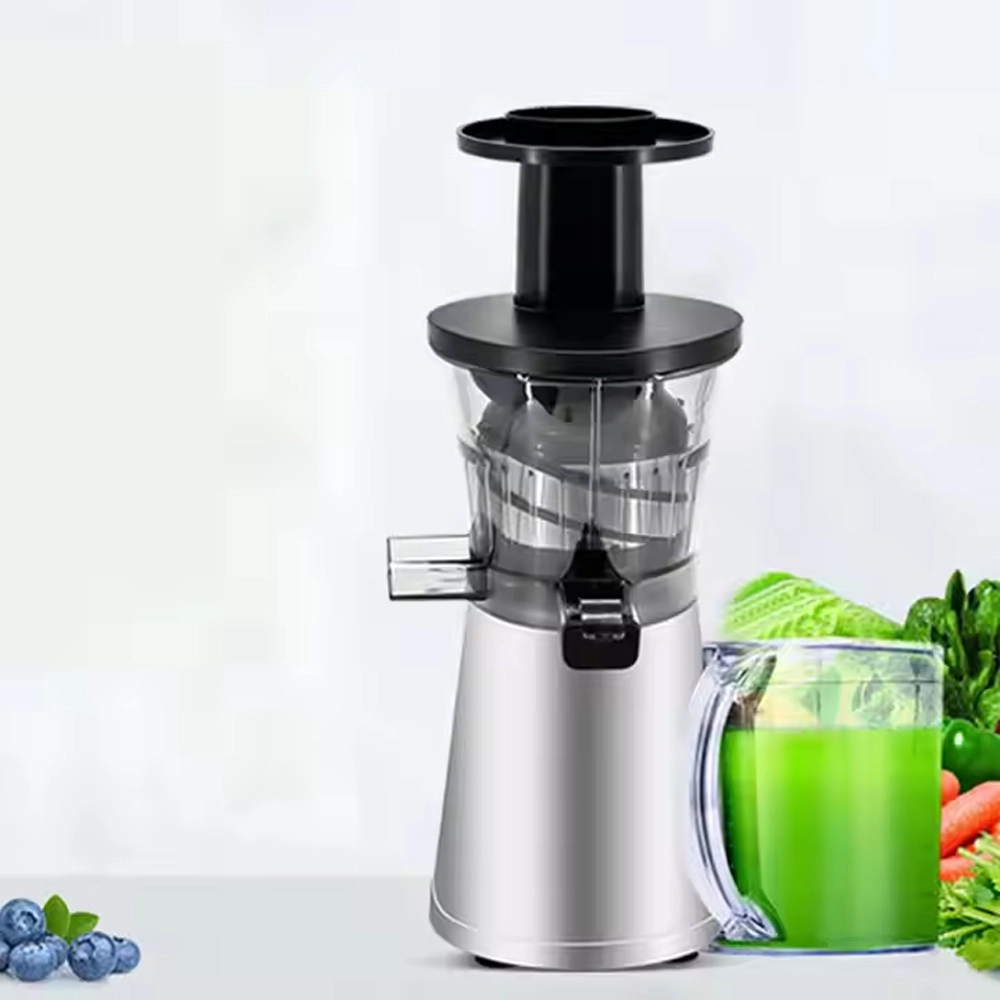
Slow Juicer L601
Jiaolong's L601 Slow Juicer: The perfect choice for slow juicer manufacturers, suppliers, and wholesalers. High-quality, efficient extraction. Contact us for wholesale inquiries.
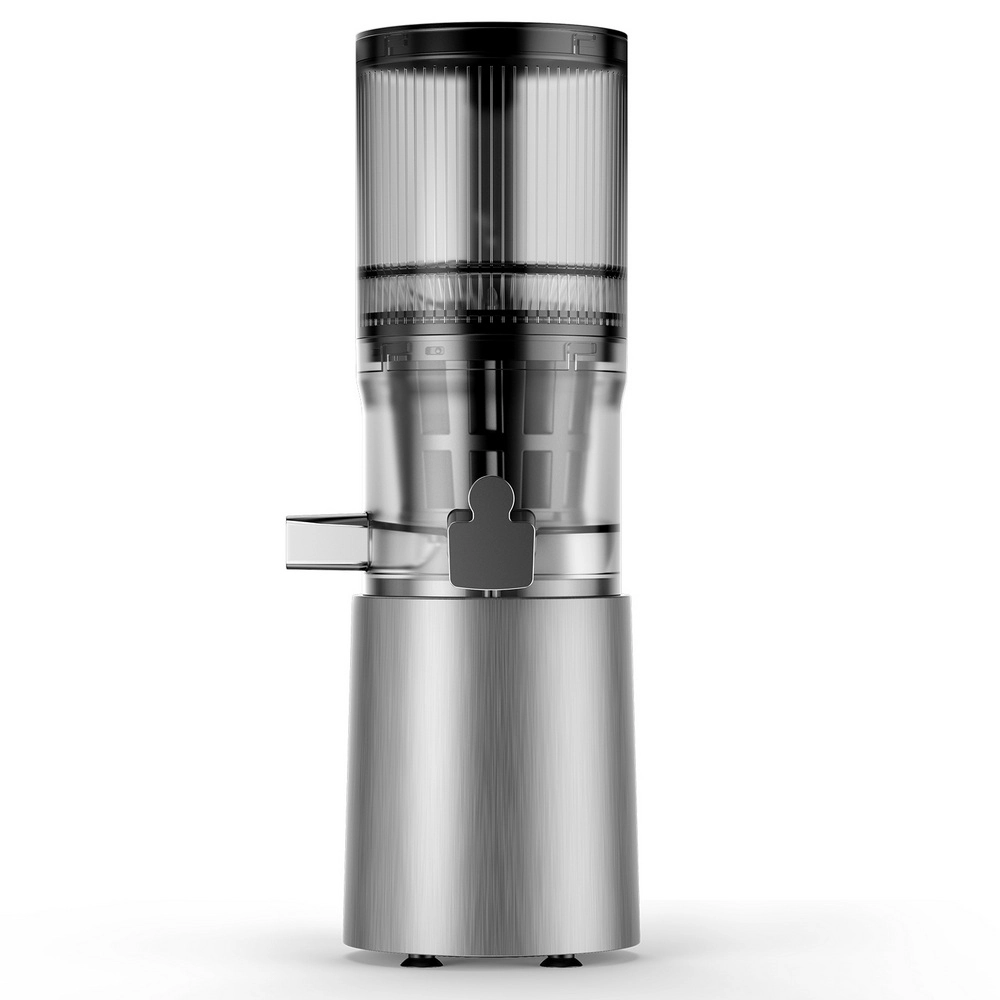
Slow Juicer L605A
Jiaolong's L605A Slow Juicer: A high-quality slow juicer for OEM, manufacturing, and supply needs. Contact us today to explore our slow juicer manufacturing capabilities and become a valued partner.
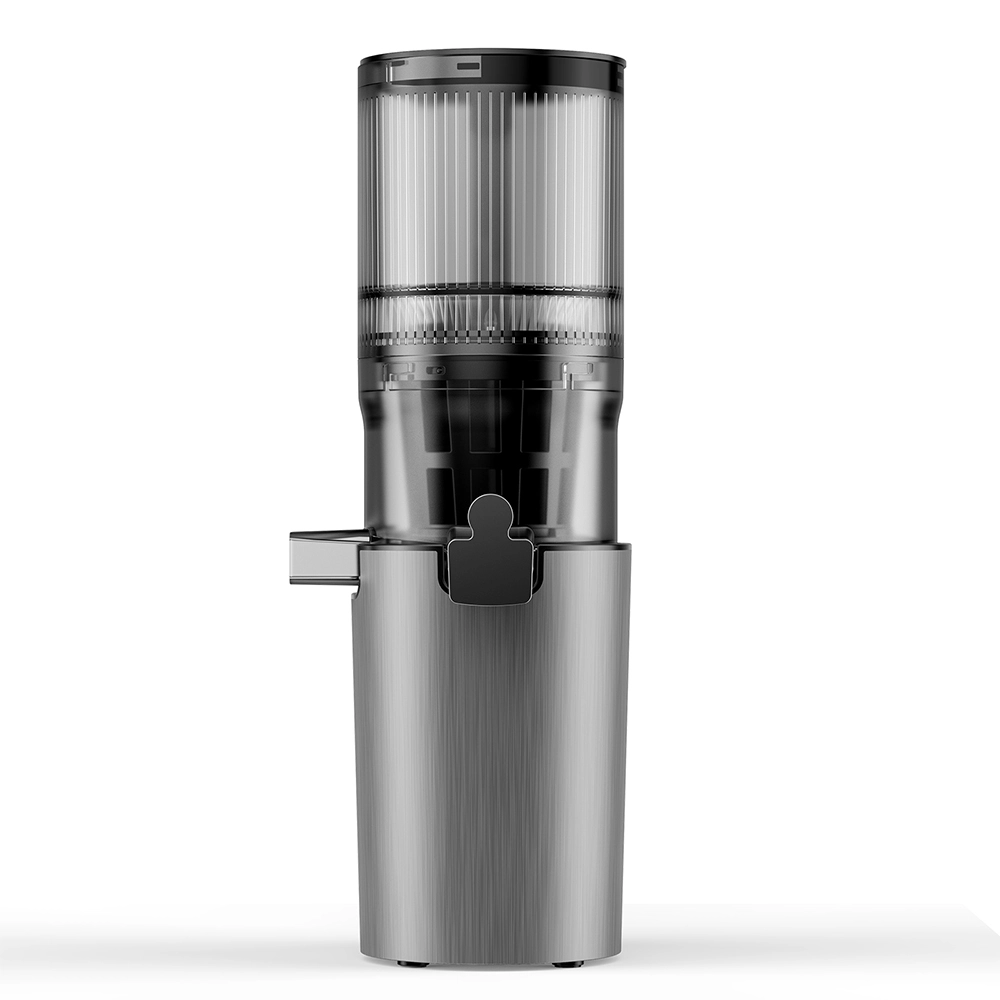
Slow juicer L606A
Jiaolong's L606A slow juicer: The ultimate slow juicer for wholesale, manufactured and supplied by a leading slow juicer supplier. Experience superior juice extraction and quality. Contact us for bulk orders.
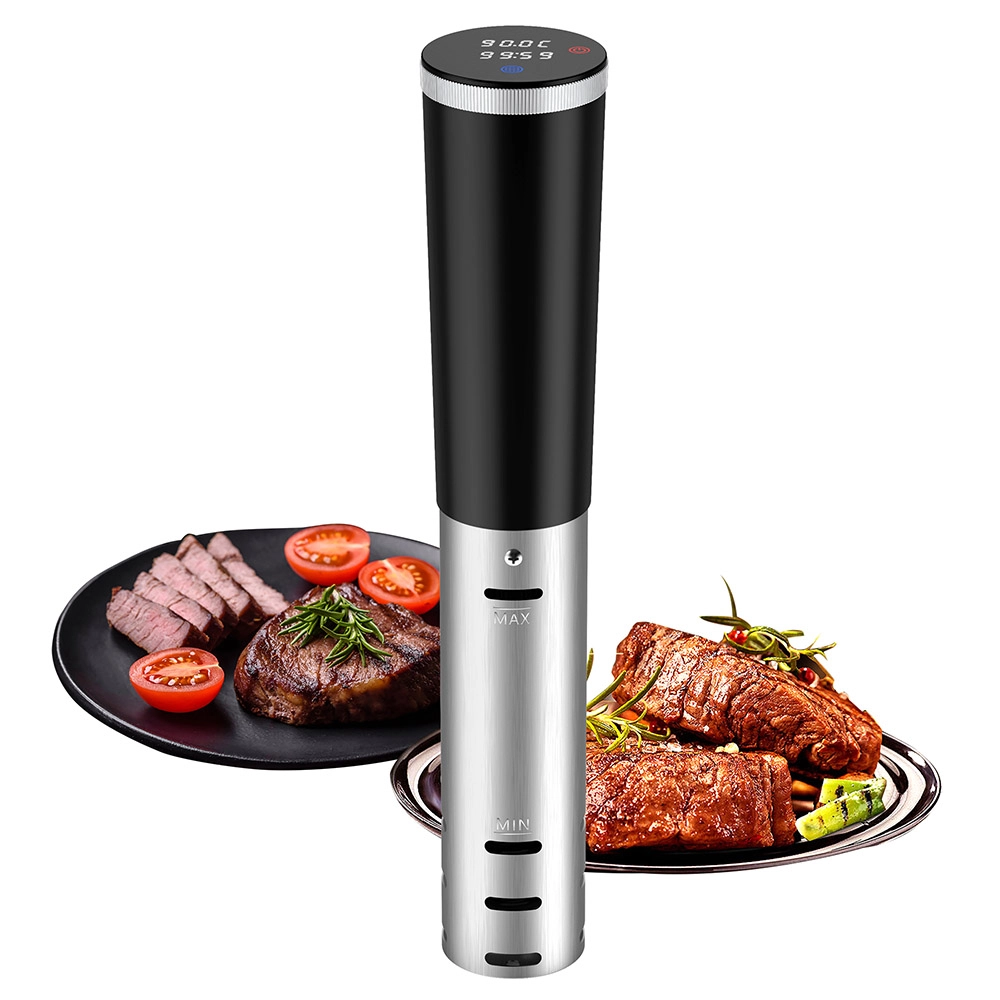
Sous Vide SV220
Jiaolong's Sous Vide SV220: A premium Sous Vide ODM solution. Reliable and efficient, the SV220 is the perfect choice for your next project. Partner with a leading sous vide supplier. Contact us today!
© 2025 JIAOLONG All Rights Reserved. Privacy Policy | Terms and Conditions | Sitemap