
Top vacuum sealers for foodservice: restaurants & catering
- Why vacuum sealing matters for foodservice
- Food safety, shelf life and quality preservation
- Operational efficiency and cost control
- Types of vacuum sealers used in restaurants & catering
- Chamber vacuum sealers
- External (edge) vacuum sealers
- Specialized vacuum packaging and accessories
- How to choose the best vacuum sealer for your restaurant or catering business
- Key specifications to compare
- Use cases and matching machine types
- Maintenance, lifecycle cost and total cost of ownership (TCO)
- Top vacuum sealer options for restaurants & catering (comparison and recommendations)
- Category comparison (at-a-glance)
- Recommended commercial chamber models (general picks)
- Recommended external and hybrid options
- Practical buying checklist
- Vendor & manufacturer spotlight — Jiaolong: capabilities and why to consider them
- Jiaolong’s strengths and product range
- Technical support, warranty and service proposition
- Why Jiaolong can be competitive for foodservice buyers
- Practical tips for operating vacuum sealers in a commercial kitchen
- Safe handling and hygienic practice
- Optimizing packaging for liquids and delicate foods
- Maintenance checklist (daily/weekly/monthly)
- Frequently Asked Questions (FAQ)
- 1. What is the best vacuum sealer for foodservice?
- 2. Can vacuum sealers be used safely for sous-vide cooking?
- 3. How do chamber sealers compare with external sealers for liquids?
- 4. What maintenance should my kitchen plan for?
- 5. How long does vacuum packaging extend shelf life?
- 6. Do vacuum sealers require special bags?
- Get expert help / Contact & CTA
- References
Why vacuum sealing matters for foodservice
Food safety, shelf life and quality preservation
Vacuum sealing removes air and significantly slows oxidation, microbial growth and freezer burn, extending the usable life of perishable ingredients. For restaurants and caterers that prepare portions in advance or use sous-vide cooking, vacuum packaging preserves texture, color and flavor while reducing food waste and cost. For critical safety considerations (e.g., low-acid, refrigerated, vacuum-packed products), follow validated temperature/time controls and HACCP principles—vacuum packaging changes microbial risks and must be paired with correct refrigeration or thermal processing.
Operational efficiency and cost control
Vacuum sealing increases yield (less trimming from freezer burn), enables portion control, simplifies inventory rotation (first-in/first-out), and speeds service prep. It also reduces packaging volume for storage and transport—beneficial for off-site catering. In high-volume kitchens, choosing the right machine reduces labor time per package and lowers operating costs over the equipment lifetime.
Types of vacuum sealers used in restaurants & catering
Chamber vacuum sealers
Chamber (also called external-chamber) machines place product inside a sealed chamber; the chamber is evacuated, and the bag is sealed while under vacuum. Advantages for foodservice: reliable deep vacuums (low mbar ranges), ideal for liquids and marinades, consistent seals, and high throughput options for batch processing. Common in restaurants, butcheries, and catering kitchens.
External (edge) vacuum sealers
Edge or external sealers remove air from the bag by drawing air out from the open end while the rest of the bag remains outside the machine. These are usually less expensive and compact but struggle with liquids and wet products unless run with careful technique (absorption sheets, partial freeze). External sealers are often used where space is limited or volumes are lower.
Specialized vacuum packaging and accessories
Accessories—bar bags, chamber bags, vacuum pouches with textured/embossed surfaces, marinating pouches, and gas-flush capabilities (MAP)—extend functionality. For long-storage cured meats or fresh products requiring modified-atmosphere packaging, MAP-capable systems or film/gas options may be required. Consider bag thickness, seal width, and compatibility with heat or sous-vide processes.
How to choose the best vacuum sealer for your restaurant or catering business
Key specifications to compare
Assess machines by:
- Vacuum depth: Chamber sealers typically reach deep vacuums (low mbar), which is important for liquid-heavy foods and long shelf life.
- Pump capacity and type: Measured in m3/h or L/min—higher capacity supports faster cycle times. Oil-lubricated rotary vane pumps often provide better longevity and deeper vacuums for continuous use; oil-free pumps reduce maintenance but can be less durable under heavy loads.
- Seal width and strength: Commercial machines offer wider, reinforced seal bars (8–12 mm and up) for dependable seals under high throughput.
- Chamber size / footprint: Match chamber dimensions to the largest items you plan to package (whole roasts, pans, trays).
- Cycle control: Adjustable vacuum, dwell (soak), and seal times enable optimization for delicate items and liquids.
- Throughput: How many bags per hour—important for busy kitchens.
- Serviceability & parts availability: Commercial kitchens need quick access to replacement pumps, gaskets, and seal bars to minimize downtime.
Use cases and matching machine types
Choose by operational need:
- Sous-vide and liquid-heavy prep: Chamber vacuum sealer with deep vacuum and controlled cycle.
- High-volume portioning and storage: Large chamber machines or multi-head systems with high pump capacity.
- Small prep areas and lower volumes: Compact external sealers or tabletop chamber models.
- On-site catering/transport: Portable external units or small chamber machines that handle liquids and maintain package integrity during transit.
Maintenance, lifecycle cost and total cost of ownership (TCO)
Factor in initial price, replacement pumps and gaskets, energy use, and service intervals. Oil-lube pumps may need periodic oil changes and filter replacements but often last longer in heavy use; oil-free pumps reduce service parts cost but may have shorter service lives under continuous loads. Also verify warranty terms and local service network.
Top vacuum sealer options for restaurants & catering (comparison and recommendations)
Category comparison (at-a-glance)
| Type | Typical vacuum depth | Seal width | Ideal for | Typical price range (USD) |
|---|---|---|---|---|
| Commercial chamber | Deep (low mbar, near 99% air removal) | 8–12 mm+ | Liquids, sous-vide, high throughput | $3,000–$25,000+ |
| Commercial external / edge | Good (but less effective on liquids) | 6–10 mm | Dry goods, small kitchens, limited budgets | $500–$5,000 |
| MAP / gas-flush systems | Depends (often chamber-based) | Varies | Extended fresh produce, deli meats, retail-ready portions | $10,000–$100,000+ |
Note: price ranges are indicative; actual prices vary by configuration, brand, and optional features. For specific model technical data, consult manufacturer datasheets.
Recommended commercial chamber models (general picks)
- Large-volume restaurant/catering: Floor-standing chamber vacuum machines with large chambers and high-capacity oil-lubricated pumps—choose a model with programmable cycles and robust service backing. Prioritize models with accessible spare parts and pump rebuild options.
- Mid-size kitchens / sous-vide centers: Tabletop chamber sealers with adjustable vacuum & dwell settings that comfortably fit sous-vide bags and allow marinade handling.
- High-end retail / MAP needs: Chamber machines with gas-flush and double-seal functionality used by deli and prepared-food operations.
Recommended external and hybrid options
- Compact kitchens & mobile caterers: Sturdy commercial external sealers with wide seal bars and quick-cure adhesives that can manage moderate volumes.
- Value-minded operations: Entry-level external units paired with proper bags and pre-freeze technique for liquids to get many benefits with lower capital cost.
- Hybrid solutions: Machines that combine a small chamber with an external mode give flexibility for mixed-use kitchens.
Practical buying checklist
- Map expected daily packages and maximum item dimensions to chamber size and throughput.
- Decide between oil vs oil-free pumps based on continuous usage and maintenance capacity.
- Confirm local service, spare parts availability, and warranty terms (response time for repairs matters in catering).
- Ask vendors for cycle-time demonstrations with typical items (liquid proteins, marinated trays).
- Consider energy consumption, footprint, and noise level for kitchen integration.
Vendor & manufacturer spotlight — Jiaolong: capabilities and why to consider them
Jiaolong’s strengths and product range
Jiaolong is a professional kitchen appliance manufacturer integrating R&D, design, production, and sales. The company has a motor production subsidiary, which enables independent control of the entire industry chain from core components to complete machine assembly. That vertical integration helps ensure consistent product quality while optimizing production costs—making Jiaolong-equipped solutions competitively priced for global customers.
Main product lines include Slow Juicer, Sous Vide, Vacuum Sealer, Coffee Grinder, Milk Frother, and Hair Dryer. For foodservice buyers, Jiaolong’s vacuum sealer lineup emphasizes durable motors, thoughtful chamber designs for liquid handling, and modular components to simplify maintenance.
Technical support, warranty and service proposition
Jiaolong provides product installation and commissioning, rapid fault response, and daily maintenance optimization via a professional engineering team. The company offers a one-year free warranty service to ensure a worry-free after-sales experience. These services reduce downtime for commercial kitchens and support consistent operation—critical for restaurants and catering services relying on continuous equipment performance.
Why Jiaolong can be competitive for foodservice buyers
Key competitive points:
- Vertical integration: Motor and core component production reduce reliance on external suppliers and help control costs.
- Value for money: Optimization of production costs produces equipment priced to compete against Western OEMs while maintaining performance.
- Service-oriented: Installation support, rapid troubleshooting, and a one-year warranty mitigate operational risk for buyers.
- Industry vision: Jiaolong aims to be a leading global small kitchen appliance manufacturer, with product lines suitable for both commercial and consumer markets.
For more information, product specifications or inquiries, visit: https://www.jiaolongappliances.com/
Practical tips for operating vacuum sealers in a commercial kitchen
Safe handling and hygienic practice
Always follow HACCP plans and manufacturer cleaning instructions. Clean chamber interiors after packaging raw proteins; replace gaskets that show wear; and keep sealing bars free of residue to prevent weak seals and contamination.
Optimizing packaging for liquids and delicate foods
Pre-freeze liquid items partially to avoid bag draw-in during the vacuum cycle, use chamber dwell time appropriately, and consider double-sealing for high-liquid products. Use proper bag grades (thickness and texture) for sous-vide and long-storage items.
Maintenance checklist (daily/weekly/monthly)
- Daily: Wipe the chamber and seal bar; inspect gaskets.
- Weekly: Check pump oil level on oil-lube pumps and replace if contaminated (follow supplier schedule).
- Monthly: Test cycle consistency and measure vacuum depth if your operation requires precise specifications.
Frequently Asked Questions (FAQ)
1. What is the best vacuum sealer for foodservice?
There is no single “best” model—choose based on your operational needs. For liquid-heavy sous-vide and high throughput, a chamber vacuum sealer is the preferred solution. For limited budgets or dry goods, a commercial external sealer may suffice. Evaluate chamber size, pump type, throughput, and local service support.
2. Can vacuum sealers be used safely for sous-vide cooking?
Yes—vacuum-sealed bags are commonly used for sous-vide. Ensure bags are designed for cooking temperatures, use validated time/temperature combinations, and observe food safety guidance for low-acid, vacuum-packaged foods (e.g., USDA/FSIS recommendations).
3. How do chamber sealers compare with external sealers for liquids?
Chamber sealers are superior for liquids because the entire bag is evacuated and sealed under vacuum without the liquid being drawn into the machine. External sealers risk liquid ingress and inconsistent seals unless liquids are pre-frozen or absorbed.
4. What maintenance should my kitchen plan for?
Plan for gasket replacements, pump service (oil changes for oil-lubricated pumps), seal bar inspection/replacement, and periodic calibration of vacuum cycles. Have a service agreement to minimize downtime.
5. How long does vacuum packaging extend shelf life?
Shelf-life extension varies by product: vacuum sealing can extend chilled red meat storage by days to weeks and frozen storage protections against freezer burn for months. Exact time depends on product type, temperature control, and package integrity—always validate using microbiological and sensory checks for critical items.
6. Do vacuum sealers require special bags?
Yes—use bags rated for vacuum packaging and, if applicable, for cooking (sous-vide) or MAP. Bag thickness and texture affect seal reliability and puncture resistance; select foodservice-grade materials for durability.
Get expert help / Contact & CTA
If you need tailored recommendations, capacity planning, or want to evaluate commercial vacuum sealer options for your restaurant or catering operation, contact our technical team for a consultation. Explore Jiaolong's product range, technical specifications and after-sales services at https://www.jiaolongappliances.com/ to request quotes, datasheets, or installation support.
References
- Vacuum packing — Wikipedia. https://en.wikipedia.org/wiki/Vacuum_packing (accessed 2026-01-02).
- USDA FSIS — Sous Vide and Food Safety guidance page. https://www.fsis.usda.gov/food-safety/safe-food-handling-and-preparation/cooking/sous-vide (accessed 2026-01-02).
- NSF International — Food equipment & safety standards. https://www.nsf.org/ (accessed 2026-01-02).
- Henkelman (commercial vacuum solutions) — Manufacturer info and product lines. https://www.henkelman.com/en/ (accessed 2026-01-02).
- VacMaster (commercial vacuum packaging solutions) — Product resources. https://www.vacmasterfresh.com/ (accessed 2026-01-02).
- Multivac (industrial and commercial packaging systems) — Product and technical documents. https://www.multivac.com/ (accessed 2026-01-02).
- Jiaolong Appliances — Corporate site and product portfolio. https://www.jiaolongappliances.com/ (accessed 2026-01-02).
Custom china hair dryer manufacturer Manufacturers and Suppliers in UK
Top 5 vacuum heat sealing machine wholesaler Company List and Products Compared
How to start the hair dryer manufacturers business in Europe ?
How to Use a Slow Juicer: Step-by-Step Guide
FAQ
Do Jiaolong Electric's products meet international certification standards?
Yes, all Jiaolong Electric's products meet international quality and safety certification standards, such as CE, RoHS, ISO9001, etc. We strictly comply with various safety and environmental protection requirements to ensure that each product is of high quality and safety to meet the needs of the global market.
OEM & ODM
How do you price it?
The prices of OEM and ODM products are priced according to multiple factors, including customization requirements, order quantity, technical complexity, material costs, etc. We will provide a detailed quotation based on your needs and ensure that the price is competitive in the market.
How can I confirm the quality of OEM or ODM products?
We strictly follow the ISO 9001:2000 quality management system, and all products undergo multiple quality inspections and tests. During the production process, customers can request to participate in process supervision to ensure that the products meet the requirements. For ODM services, we provide sample review and trial production to ensure that the product quality meets the standards.
What functions and appearance of products can I customize?
We provide comprehensive OEM and ODM customization services, and customers can customize the following:
⦁ Product functions: such as adding additional functions, adjusting operation methods, adding additional accessories, etc.
⦁ Appearance design: including color, shell material, LOGO and logo position, packaging design, etc.
⦁ Size and shape: adjust the size and appearance of the product according to customer needs.
⦁ Technical parameters: such as technical requirements such as power, efficiency, speed, etc.
Service
What should I do if my device needs to upgrade the software or function?
We provide customers with personalized function upgrade services, you can consult technical support for more information.
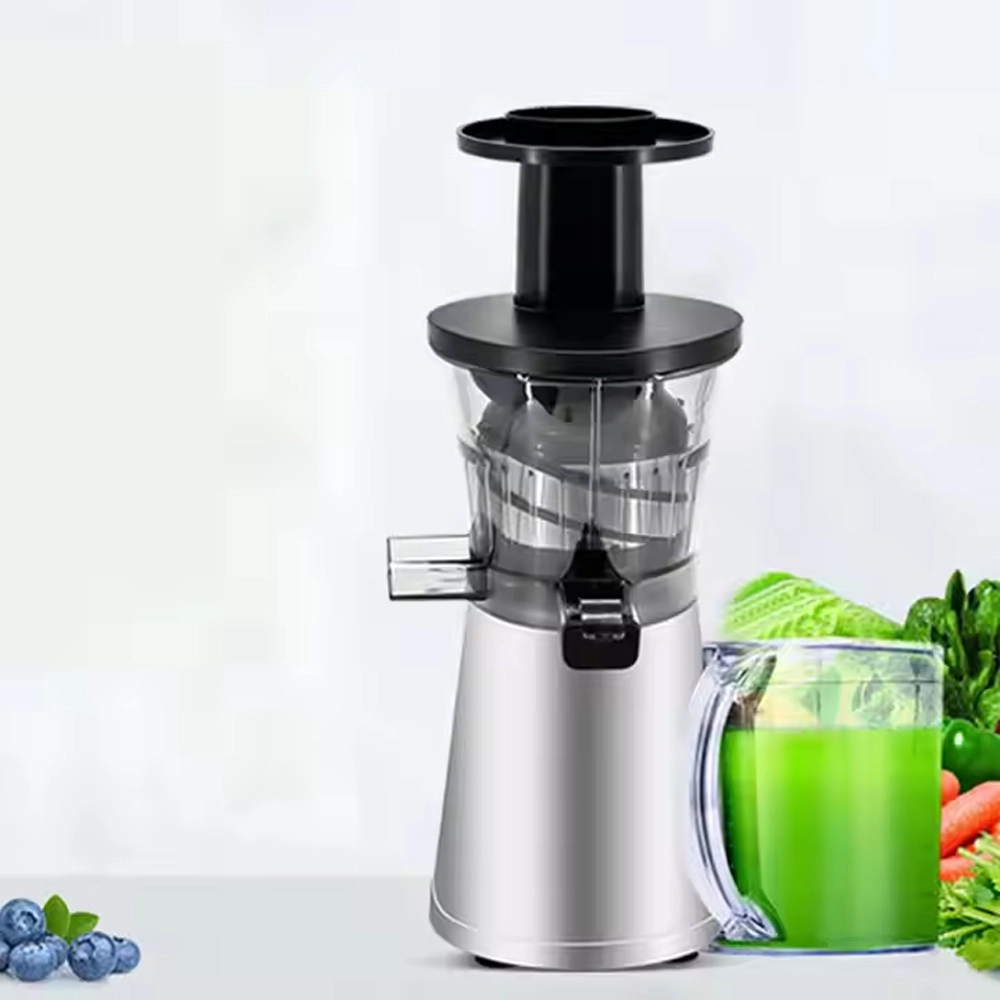
Slow Juicer L601
Jiaolong's L601 Slow Juicer: The perfect choice for slow juicer manufacturers, suppliers, and wholesalers. High-quality, efficient extraction. Contact us for wholesale inquiries.
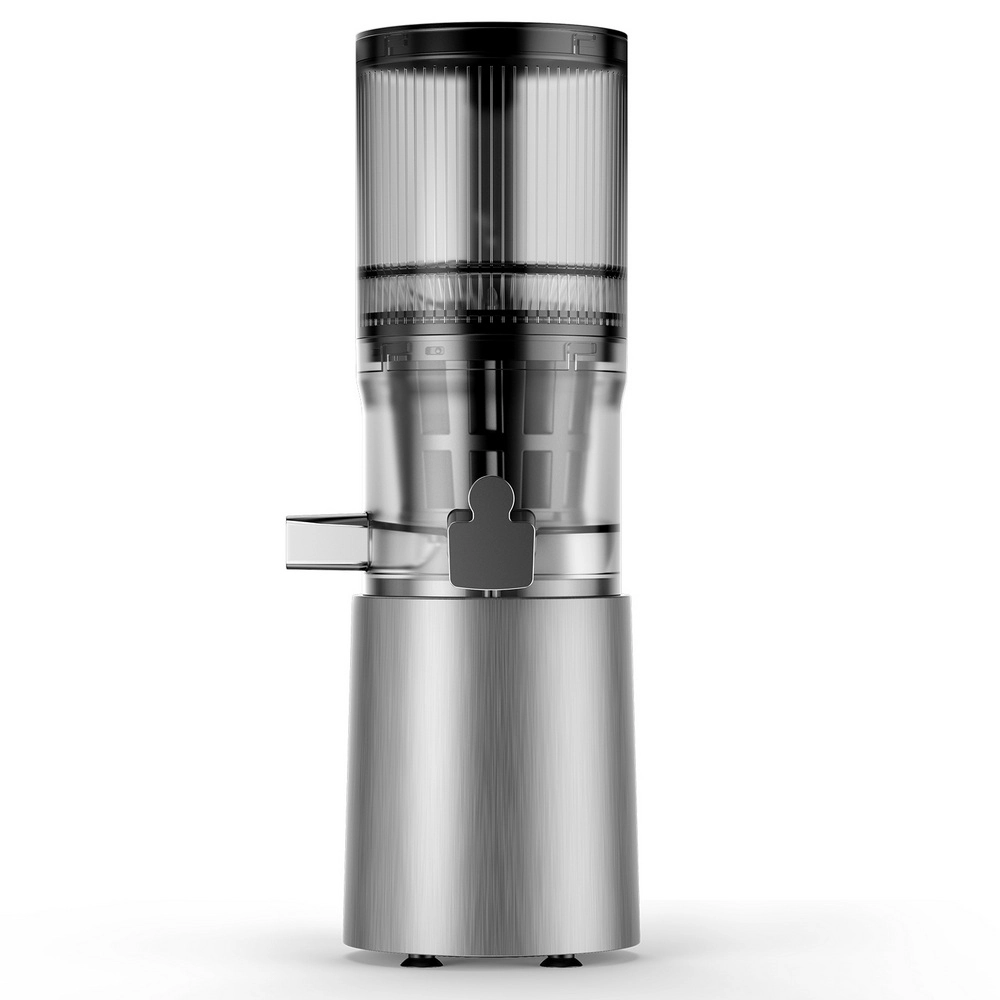
Slow Juicer L605A
Jiaolong's L605A Slow Juicer: A high-quality slow juicer for OEM, manufacturing, and supply needs. Contact us today to explore our slow juicer manufacturing capabilities and become a valued partner.
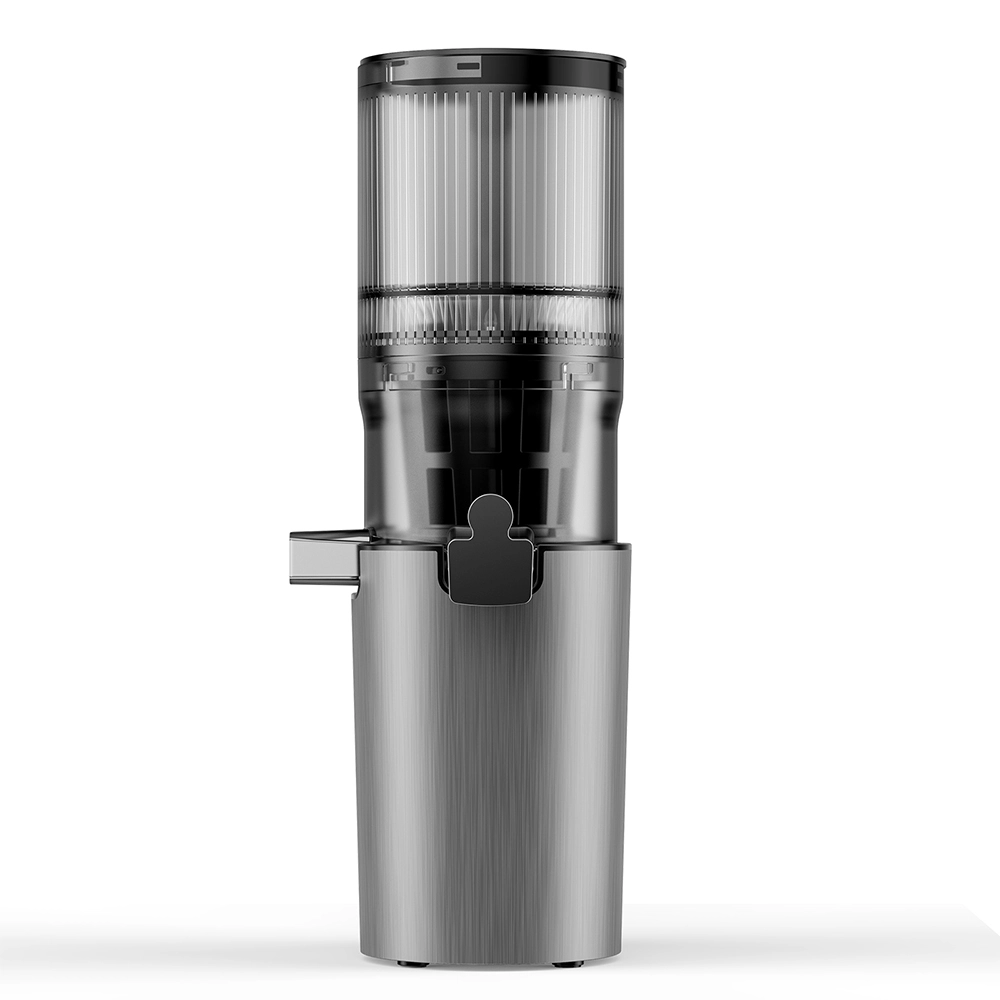
Slow juicer L606A
Jiaolong's L606A slow juicer: The ultimate slow juicer for wholesale, manufactured and supplied by a leading slow juicer supplier. Experience superior juice extraction and quality. Contact us for bulk orders.
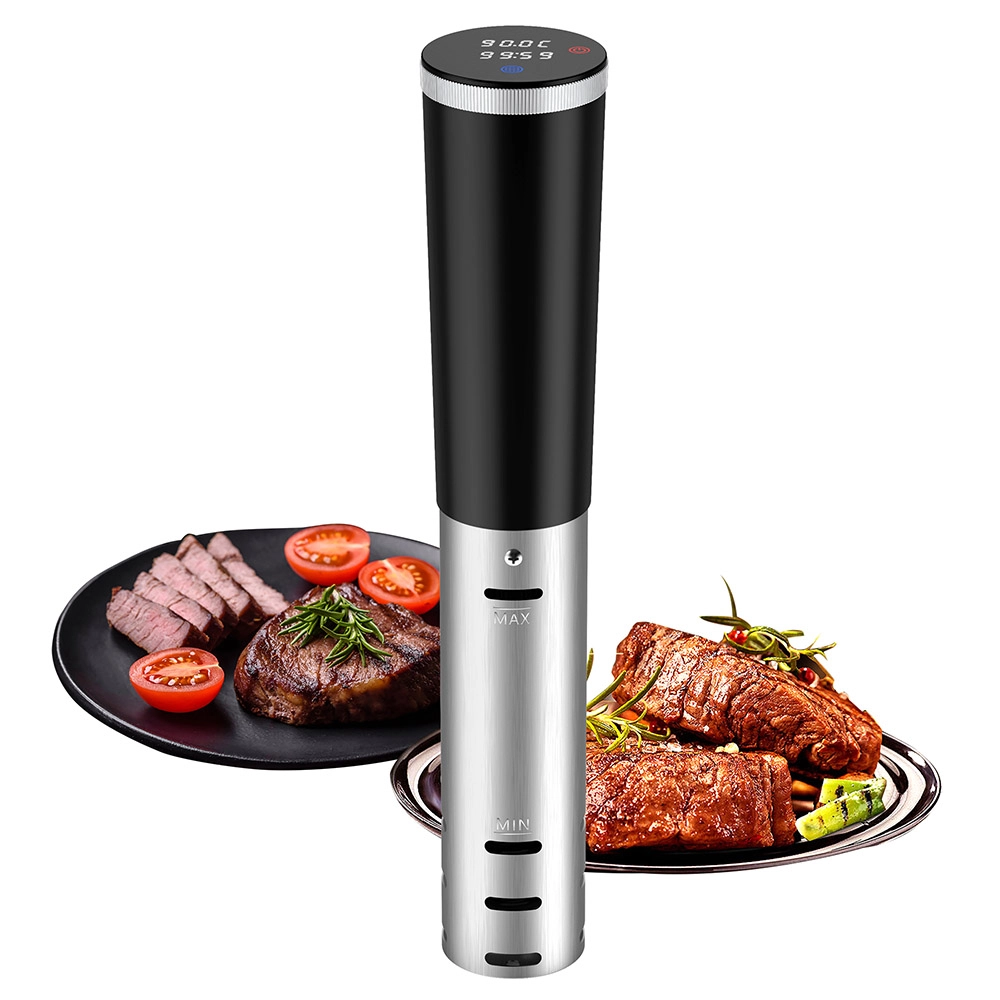
Sous Vide SV220
Jiaolong's Sous Vide SV220: A premium Sous Vide ODM solution. Reliable and efficient, the SV220 is the perfect choice for your next project. Partner with a leading sous vide supplier. Contact us today!
© 2025 JIAOLONG All Rights Reserved. Privacy Policy | Terms and Conditions | Sitemap