
Best vacuum sealer for frozen food: commercial solutions
- Why commercial vacuum sealers matter for frozen food preservation
- and what this guide delivers
- Key preservation benefits backed by food-safety guidance
- Types of commercial vacuum sealers and which is best for frozen food
- Chamber vacuum sealers: the preferred choice for commercial frozen food
- External (edge) vacuum sealers: when they make sense
- Hybrid and automatic systems for high-volume production
- How to choose the best vacuum sealer for frozen food — practical buying criteria
- Throughput and cycle time
- Bag type, material cost and MAP capability
- Serviceability, parts availability and lifecycle cost
- Commercial sealer comparison — when to pick chamber vs external
- Checklist: minimum specs to validate with vendors
- Installation, commissioning and maintenance for reliable frozen-food performance
- Proper site preparation
- Commissioning and staff training
- Routine maintenance and typical lifecycle items
- Commercial buying considerations: warranties, compliance and ROI
- Warranties and technical support
- Food safety and regulatory compliance
- Return on investment (ROI) and cost-saving levers
- Practical recommendations and model selection approach
- Shortlist process for procurement teams
- Common pitfalls and how to avoid them
- When to consider custom or OEM solutions
- Jiaolong — manufacturer capabilities and why it matters for commercial buyers
- How Jiaolong differentiates for commercial vacuum sealer buyers
- FAQs — Frequently asked questions about vacuum sealing frozen food
- 1. Can vacuum sealing replace freezing? How long does vacuum-sealed frozen food last?
- 2. Should I choose a chamber or external vacuum sealer for frozen items?
- 3. Is MAP (modified atmosphere packaging) necessary for frozen food?
- 4. What maintenance do commercial vacuum sealers need?
- 5. How do I validate seal integrity in production?
- 6. What safety or regulatory considerations should I be aware of?
- Contact and next steps — consult Jiaolong for tailored commercial solutions
- References
Why commercial vacuum sealers matter for frozen food preservation
Freezing is one of the most widely used preservation methods across restaurants, food processors, and cold-chain logistics. However, freezing alone does not prevent freezer burn, oxidation, or moisture loss that degrade food quality and lead to product waste. Commercial vacuum sealers remove air and create a tight, protective barrier around food — extending shelf life, preserving texture and flavor, and improving inventory efficiency. This article helps foodservice and commercial buyers choose the best vacuum sealer for food specifically focused on frozen applications and high-throughput environments.
and what this guide delivers
Readers are typically searching to: (1) compare chamber vs external (edge) sealers for frozen items; (2) identify commercial models that balance throughput, reliability and cost; (3) learn installation, maintenance, and performance metrics relevant to batch freezing and sous-vide prep. This guide provides practical buying criteria, a comparative table of commercial solutions, maintenance recommendations, and vendor-level considerations for procurement.
Key preservation benefits backed by food-safety guidance
Vacuum packaging reduces oxygen exposure and moisture migration — two drivers of freezer burn and fat oxidation. U.S. and food-safety bodies recommend reducing oxygen contact to preserve quality in frozen foods and to safely extend shelf life when combined with proper freezing temperatures. For food processors and foodservice operators, vacuum sealing is a core control point for quality and cost management (see References).
Types of commercial vacuum sealers and which is best for frozen food
Chamber vacuum sealers: the preferred choice for commercial frozen food
Chamber sealers evacuate the entire working chamber before sealing the bag. This approach allows packaging of liquids, marinades and moist products without leakage, and achieves uniform high vacuum levels. For frozen-food applications, chamber units minimize the risk of bag collapse or product crushing and enable batch processing with consistent seals — critical for restaurants, commissaries and processors.
External (edge) vacuum sealers: when they make sense
External sealers are cost-effective and compact: the open bag is placed outside the machine and air is drawn out through a nozzle. For pre-frozen, dry, rigid-pack items in smaller volumes they can be adequate. However, they struggle with liquid-rich items and high-throughput commercial tasks, and typically offer lower vacuum consistency for frozen-food protection.
Hybrid and automatic systems for high-volume production
Automated vacuum packaging lines, rollstock solutions, and continuous band sealers integrate vacuum, gas flush (MAP), and automated bag handling. These are best for industrial-scale frozen-food manufacturing where cycle time, traceability and integration with freezing tunnels are crucial. Investment in automation should be justified by throughput and labor-cost reduction calculations.
How to choose the best vacuum sealer for frozen food — practical buying criteria
Throughput and cycle time
Estimate daily/shift volumes and target cycle time (bags per minute). Chamber sealers are rated by chamber size and pump capacity. For commercial kitchens, a medium chamber sealer with rapid cycle time reduces bottlenecks during prep; for production, choose models designed for continuous operation.
Bag type, material cost and MAP capability
Vacuum-compatible barrier bags (multi-layer nylon/PE or barrier roll stock) impact both material cost and product protection. If your product benefits from modified atmosphere packaging (MAP), select a sealer or inline system that supports gas flush to displace residual oxygen with nitrogen or CO2.
Serviceability, parts availability and lifecycle cost
Commercial use demands easy access to spare parts (sealing strips, gaskets, vacuum pumps) and on-site service. Evaluate total cost of ownership, including energy, spare parts, and expected pump replacement intervals. Buy from manufacturers with clear service networks or with in-house motor/pump capabilities to shorten MTTR (mean time to repair).
Commercial sealer comparison — when to pick chamber vs external
Below is a practical comparison summarizing what typical commercial buyers need to know. Use this as a shortlist filter before validating model specifications with vendors.
| Category | Best for | Typical pros | Typical cons | Recommended use case |
|---|---|---|---|---|
| Chamber vacuum sealer | Frozen, liquid, marinated items; medium–high throughput | Handles liquids; consistent seals; higher vacuum levels; durable | Higher upfront cost; larger footprint; requires trained operators | Restaurants prepping portions, meal-prep kitchens, small processors |
| External (edge) vacuum sealer | Dry, solid items; low-volume commercial use | Lower cost; compact; easy to operate | Cannot process liquids; less uniform vacuum; limited bag sizes | Retail packaging of dry goods, small bakery items |
| Automated vacuum/MAP line | High-volume frozen food manufacturing | High throughput; integrates with conveyor/freezer lines; programmable | Significant capital expenditure; requires engineering integration | Frozen ready-meals, large-scale sous-vide producers |
Data sources: general product categorization and industry best practices (see References).
Checklist: minimum specs to validate with vendors
- Chamber dimensions and bag size compatibility
- Pump type and rated vacuum level (and service life for oil-sealed pumps)
- Sealing bar length and adjustable seal time
- Cycle time at target load and duty rating (continuous vs intermittent use)
- Availability of MAP/gas flush option, if needed
- Warranty terms and on-site service options
Installation, commissioning and maintenance for reliable frozen-food performance
Proper site preparation
Install vacuum sealers in a clean, temperature-controlled area away from direct freezer condensation or heavy steam. Ensure stable 110/220V power with appropriate surge protection. For chamber units, leave clearance for lid operation and service access to pumps and electrical panels.
Commissioning and staff training
Commissioning should include leak tests, validation of seal integrity with test packs, and cycle time benchmarking at operational loads. Train operators on bag loading, correct fill levels (to avoid product disturbing seals), and steps for handling liquids (use separators or freeze partially if necessary).
Routine maintenance and typical lifecycle items
Maintain vacuum pumps per manufacturer intervals (oil changes for oil-sealed pumps), inspect and replace sealing strips and gaskets as they show wear, and clean chambers regularly. Keep spare consumables on hand to avoid downtime. A proactive maintenance contract reduces unexpected failures during peak production.
Commercial buying considerations: warranties, compliance and ROI
Warranties and technical support
Choose vendors that offer clear warranty coverage for core components (pump, motor, control board) and provide fast technical support. Warranty terms should be paired with available service contracts to manage lifecycle costs.
Food safety and regulatory compliance
Ensure packaging materials are food-grade and compliant with local regulations. Equipment used in commercial food production should meet relevant electrical and safety certifications for your market. For export products, evaluate packaging compatibility with destination-country regulations.
Return on investment (ROI) and cost-saving levers
Calculate ROI from reduced food waste, extended shelf life, labor savings (automation), and improved product throughput. For many operators, a mid-range chamber sealer pays back through waste reduction and higher-quality finished goods within 12–24 months.
Practical recommendations and model selection approach
Shortlist process for procurement teams
- Define volumes, bag sizes and MAP needs;
- Decide chamber vs external based on liquids and throughput;
- Request on-site demonstrations and sample packs processed with your product;
- Compare TCO (purchase price + spare parts + service) and lead times;
- Negotiate spare-parts kit and training as part of the purchase.
Common pitfalls and how to avoid them
Common mistakes include under-sizing the chamber (limiting future growth), ignoring pump maintenance needs, and failing to validate bag/barrier performance under freezing stress. Avoid these by validating model specs with real product samples and securing a service agreement.
When to consider custom or OEM solutions
If your product line uses unusually large packs, requires specialized MAP recipes, or needs full production-line integration, consider custom-engineered solutions or OEM partnerships. Manufacturers with in-house motor and key-component control can often tailor systems faster and more cost-effectively.
Jiaolong — manufacturer capabilities and why it matters for commercial buyers
Jiaolong is a professional kitchen appliance manufacturer integrating R&D, design, production, and sales. The company has a motor production subsidiary, which has realized independent control of the entire industry chain from core components to complete machine assembly. While ensuring the excellent quality of products, it optimizes production costs and provides cost-effective kitchen appliances for global customers.
From product installation and commissioning to rapid response to faults to daily maintenance optimization, our professional engineer team provides technical support to ensure efficient and stable operation of the equipment. We promise a one-year free warranty service to allow customers to enjoy a worry-free after-sales experience.
Our vision is to become the world's leading manufacturer of small kitchen appliances. Jiaolong's product strengths include precision motor control, component-level quality oversight, and integrated production that reduces lead times and improves spare-parts availability. Core products span Slow Juicer, Sous Vide, Vacuum Sealer, Coffee Grinder, Milk Frother, and Hair Dryer — all designed for reliability and commercial downward cost optimization. Learn more at https://www.jiaolongappliances.com/.
How Jiaolong differentiates for commercial vacuum sealer buyers
- Integrated motor and core-component manufacturing reduces dependency on external suppliers and shortens response time for repairs.
- Engineered solutions tailored for foodservice and small-scale processing lines, including reliable chamber units and support for MAP workflows.
- One-year warranty and dedicated engineer support for installation, commissioning and maintenance training.
FAQs — Frequently asked questions about vacuum sealing frozen food
1. Can vacuum sealing replace freezing? How long does vacuum-sealed frozen food last?
Vacuum sealing is a preservation method that complements freezing; it reduces freezer burn and extends quality retention but does not replace the need for proper freezing temperatures. Vacuum-sealed foods can last significantly longer in the freezer compared with non-sealed equivalents — exact duration depends on the food type and storage temperature. Refer to official freezer-storage guidance when deciding storage times.
2. Should I choose a chamber or external vacuum sealer for frozen items?
Choose a chamber sealer if you process liquids, moist or marinated items, or require consistent high-volume throughput. External sealers are suitable only for dry, pre-frozen, and low-volume uses.
3. Is MAP (modified atmosphere packaging) necessary for frozen food?
MAP is not always required for frozen food, but for products sensitive to oxidation (e.g., fatty fish, certain ready meals) MAP using nitrogen or CO2 can further protect quality beyond vacuum alone. Evaluate on a product-by-product basis.
4. What maintenance do commercial vacuum sealers need?
Routine maintenance includes pump oil changes (for oil-sealed pumps), inspection and replacement of sealing strips and gaskets, chamber cleaning, and verification of vacuum levels. Follow the manufacturer's recommended schedule and keep spare consumables on-site.
5. How do I validate seal integrity in production?
Use visual inspection, leak-detection techniques (dye or vacuum-hold tests), and periodic QC sampling. For high-risk products, perform regular microbiological or oxidation testing as part of QA protocols.
6. What safety or regulatory considerations should I be aware of?
Ensure all packaging materials are food-grade and compliant with local regulations. Verify that equipment electrical ratings and safety certifications meet your region's requirements. Maintain hygiene controls to prevent cross-contamination during packaging.
Contact and next steps — consult Jiaolong for tailored commercial solutions
If you are procuring commercial vacuum sealing solutions for frozen-food production or need integrated packaging systems with MAP and automation, contact Jiaolong's sales and engineering team for consultation, sample processing trials, and a quotation. Visit https://www.jiaolongappliances.com/ to view product ranges and request technical support. Our team can assist with system sizing, installation and maintenance plans to ensure reliable long-term operation.
References
- U.S. Department of Agriculture (USDA) — Freezing and Food Safety. https://www.fsis.usda.gov/food-safety/safe-food-handling-and-preparation/food-safety-basics/freezing-and-food-safety (accessed 2026-01-03).
- FoodSafety.gov — Cold Food Storage Charts. https://www.foodsafety.gov/food-safety-charts/cold-food-storage-charts (accessed 2026-01-03).
- Wikipedia — Vacuum packing. https://en.wikipedia.org/wiki/Vacuum_packing (accessed 2026-01-03).
- Good Housekeeping — Best Vacuum Sealers (buying guide and reviews). https://www.goodhousekeeping.com/home-products/gadgets/g22111785/best-vacuum-sealer/ (accessed 2026-01-03).
- Industry white papers and product maintenance best practices (manufacturer service documentation and packaging industry guides; consult vendor datasheets when selecting models) (accessed 2026-01-03).
What are the application scenarios of whall slow juicer?
Reusable vacuum sealer bags: pros and cons
Top 10 best commercial vacuum sealer Manufacturers and Supplier Brands
Custom milk frother cost Manufacturers and Suppliers in America
OEM & ODM
Do you provide after-sales service and technical support?
Yes, we provide after-sales service and technical support for all OEM and ODM products. We have a professional customer service team that can answer any questions encountered during use. If there is a quality problem with the product, we will return or repair it according to the warranty policy.
What are OEM and ODM? What is the difference between them?
⦁ OEM (Original Equipment Manufacturer) means that we manufacture products according to the customer's design or requirements, usually under the customer's brand.
⦁ ODM (Original Design Manufacturer) means that we design and develop products according to the customer's requirements and manufacture customized products. Unlike OEM, ODM provides more design freedom, and the products we provide can be directly sold under the customer's brand.
Service
What should I do if my device needs to upgrade the software or function?
We provide customers with personalized function upgrade services, you can consult technical support for more information.
How do I contact technical support?
You can contact the technical support team through our official website, service hotline, email or online customer service.
FAQ
Do Jiaolong Electric's products meet international certification standards?
Yes, all Jiaolong Electric's products meet international quality and safety certification standards, such as CE, RoHS, ISO9001, etc. We strictly comply with various safety and environmental protection requirements to ensure that each product is of high quality and safety to meet the needs of the global market.
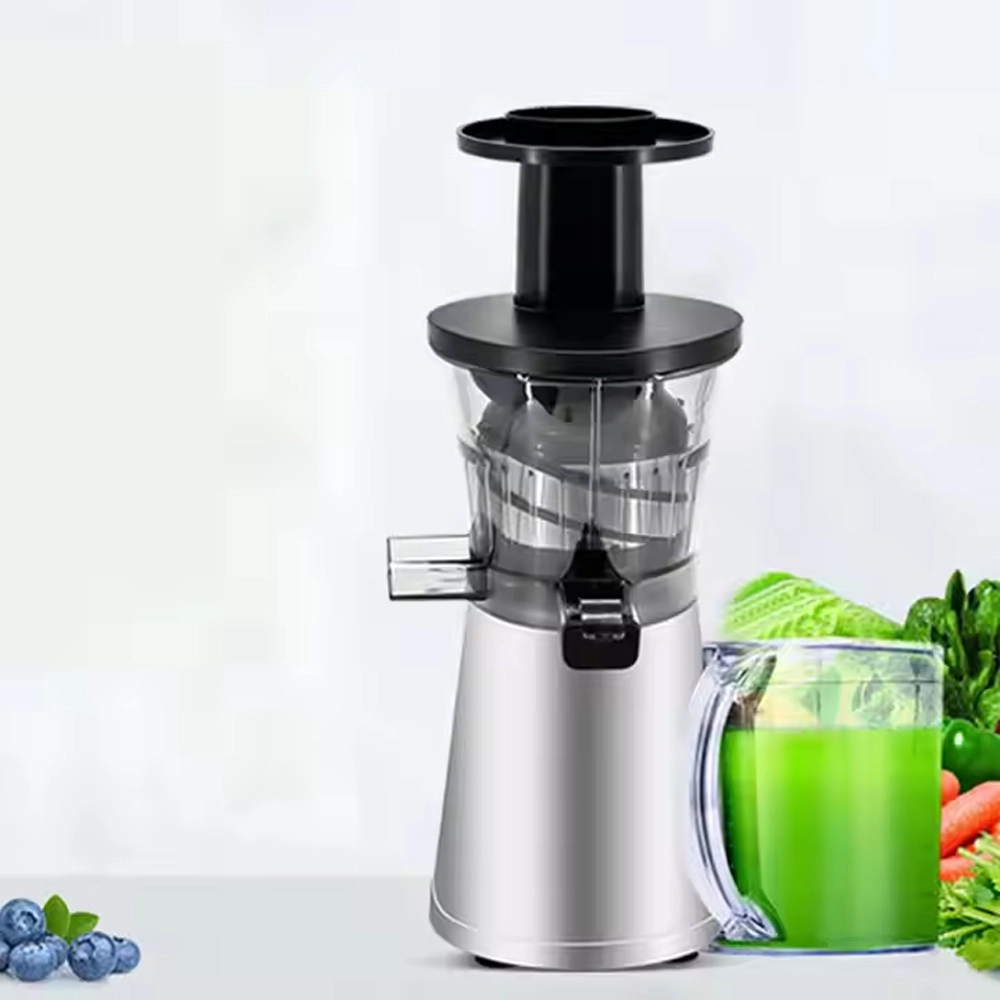
Slow Juicer L601
Jiaolong's L601 Slow Juicer: The perfect choice for slow juicer manufacturers, suppliers, and wholesalers. High-quality, efficient extraction. Contact us for wholesale inquiries.
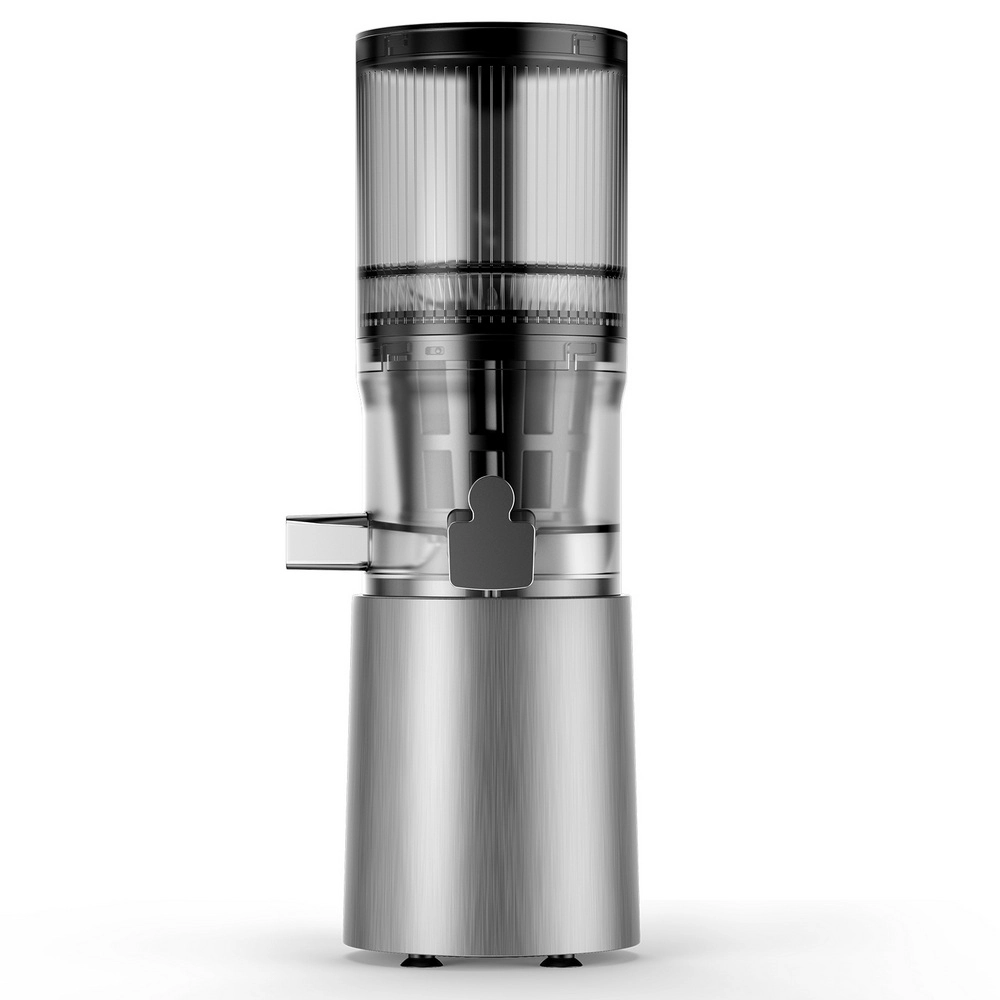
Slow Juicer L605A
Jiaolong's L605A Slow Juicer: A high-quality slow juicer for OEM, manufacturing, and supply needs. Contact us today to explore our slow juicer manufacturing capabilities and become a valued partner.
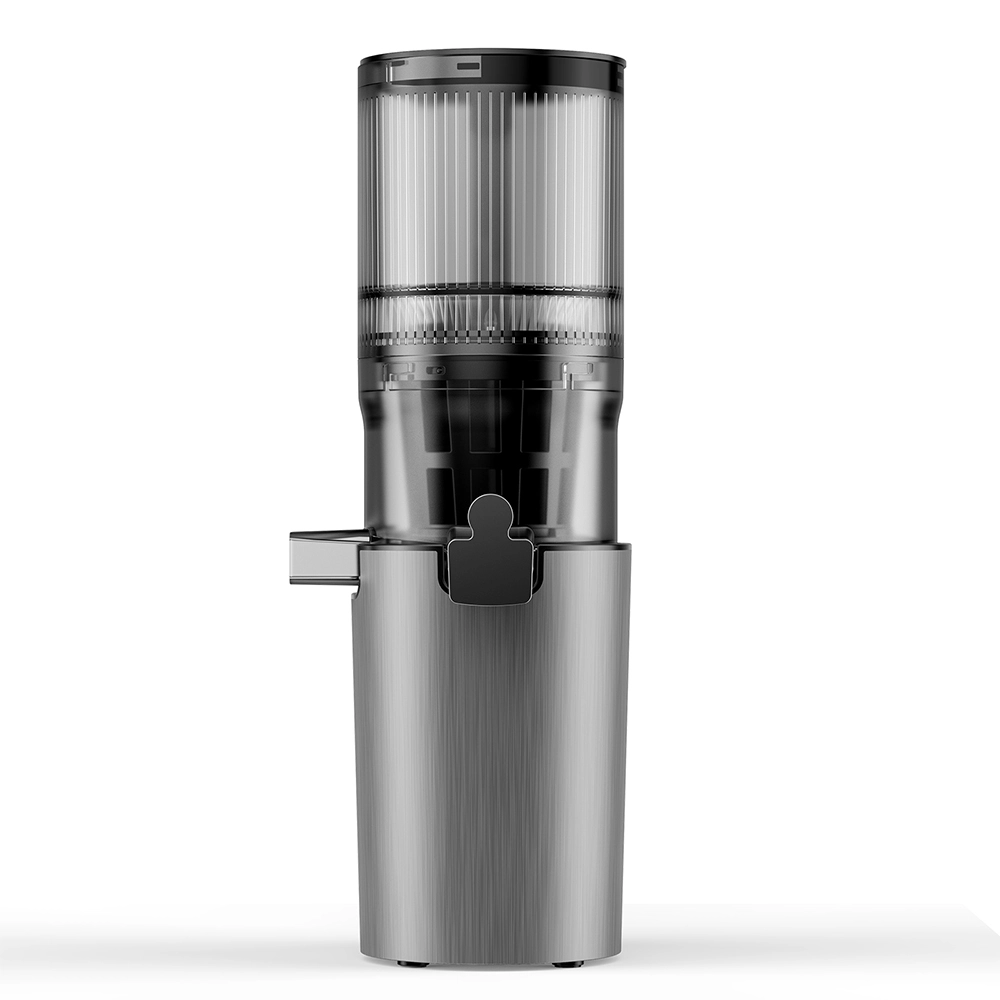
Slow juicer L606A
Jiaolong's L606A slow juicer: The ultimate slow juicer for wholesale, manufactured and supplied by a leading slow juicer supplier. Experience superior juice extraction and quality. Contact us for bulk orders.
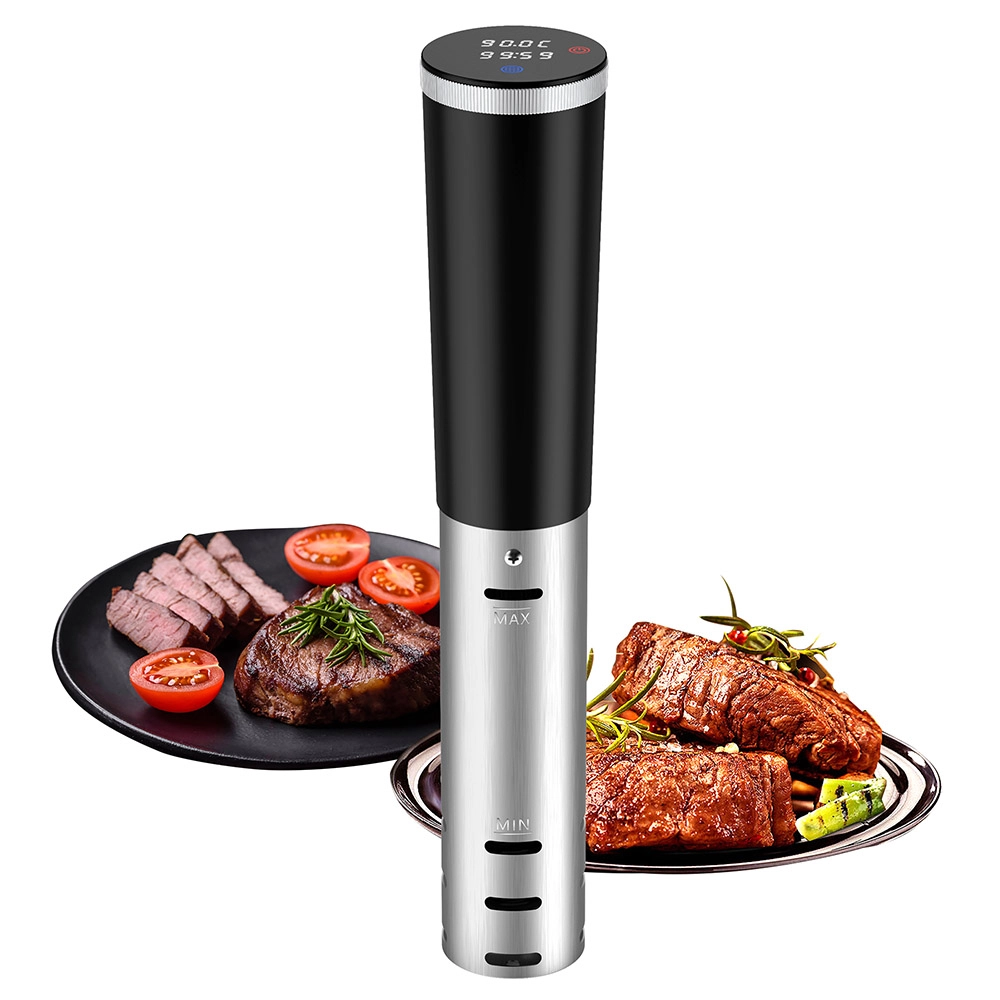
Sous Vide SV220
Jiaolong's Sous Vide SV220: A premium Sous Vide ODM solution. Reliable and efficient, the SV220 is the perfect choice for your next project. Partner with a leading sous vide supplier. Contact us today!
© 2025 JIAOLONG All Rights Reserved. Privacy Policy | Terms and Conditions | Sitemap