
Chamber vacuum sealer maintenance and cleaning tips
- Why Proper Maintenance Extends Chamber Vacuum Sealer Life
- Daily Cleaning Routine for Chamber Vacuum Sealer
- Weekly and Monthly Maintenance Checks for Chamber Vacuum Sealer
- Practical tips
- Gasket and Seal Care: Small Parts, Big Impact on Chamber Vacuum Sealer Performance
- Pump Maintenance: Protect the Heart of Your Chamber Vacuum Sealer
- Descaling and Corrosion Control for Chamber Vacuum Sealer
- Troubleshooting: Diagnosing Common Chamber Vacuum Sealer Problems
- Parts Replacement and When to Call a Technician
- Safety, Sanitation Standards, and Documentation for Chamber Vacuum Sealer Use
- Cost-Benefit: Preventive Maintenance vs. Reactive Repairs
- Jiaolong: Manufacturer Support, Service Strength, and Product Fit for Chamber Vacuum Sealer Users
- Maintenance Checklist: Ready-to-Use Template for Chamber Vacuum Sealer
- FAQ — Frequently Asked Questions About Chamber Vacuum Sealer Maintenance
- 1. How often should I replace the chamber vacuum sealer gasket?
- 2. Can I submerge the vacuum pump or use strong solvents to clean the chamber vacuum sealer?
- 3. What is the best way to prevent liquid ingress into the pump?
- 4. How do I know if my pump needs professional servicing?
- 5. Do I need to keep maintenance logs for regulatory compliance?
- 6. What spare parts should every kitchen keep on hand for a chamber vacuum sealer?
- Contact & Product Inquiry
- References
Why Proper Maintenance Extends Chamber Vacuum Sealer Life
Chamber vacuum sealers are workhorses in commercial kitchens, sous-vide operations, and food production lines. Proper maintenance and cleaning not only prevent downtime and expensive repairs, they preserve vacuum performance, product safety, and seal integrity. This guide explains how to clean, maintain, diagnose, and service a chamber vacuum sealer to maximize uptime and extend service life, using industry best practices and verifiable sources.
Daily Cleaning Routine for Chamber Vacuum Sealer
Regular daily cleaning prevents product buildup, bacterial growth, and premature wear of seals and pumps. A quick, consistent routine at the end of each shift minimizes cross-contamination risk and keeps your chamber vacuum sealer functioning optimally.
- Power down and disconnect the machine before cleaning.
- Remove loose food debris from the chamber, lid, and sealing bar with a soft brush or non-abrasive cloth.
- Wipe surfaces with a food-safe detergent solution (pH neutral) and rinse with potable water.
- Dry all surfaces with a lint-free cloth to prevent rust and residue.
- Check the sealing bar and anti-stick tape for residue; remove gently with isopropyl alcohol if needed.
- Inspect the chamber drain and clear blockages; sanitary drains reduce contamination and prevent pump damage.
Why this matters: moisture and residues left in the chamber can migrate into gaskets and vacuum pumps, accelerating wear and causing microbial risks. NSF and food-safety agencies recommend regular equipment cleaning to control foodborne hazards (see References).
Weekly and Monthly Maintenance Checks for Chamber Vacuum Sealer
Beyond daily cleaning, scheduled checks detect wear before failure. Use the following checklist to establish weekly and monthly maintenance tasks for your chamber vacuum sealer.
| Interval | Task | Why It’s Important |
|---|---|---|
| Daily | Clean chamber, wipe sealing bar, check gasket seating | Prevents contamination and poor seals |
| Weekly | Inspect gaskets for cuts or compression set; clean pump intake filter | Maintains vacuum level and pump efficiency |
| Monthly | Check oil level (if oil-lubricated pump); test vacuum depth and seal strength | Identifies pump wear and seal leaks early |
| Quarterly | Replace anti-stick tape; perform leak test; inspect valve seats | Restores consistent seal quality and prevents product loss |
| Annually | Full preventive maintenance: pump service, gasket replacement, electrical inspection | Extends equipment life and ensures safety compliance |
Practical tips
- Record measurements (vacuum depth in mbar or Torr, cycle time) each month to spot gradual declines.
- Use manufacturer-approved spare parts for gaskets and heating elements to preserve warranty and performance.
Gasket and Seal Care: Small Parts, Big Impact on Chamber Vacuum Sealer Performance
Gaskets are the single most common cause of degraded vacuum performance. Over time gaskets flatten (compression set), crack, or become contaminated by oils and food residues. Improperly seating a gasket also causes incomplete seals.
- Inspect gaskets visually and by touch for elasticity and full contact with the lid flange.
- Clean gaskets using warm water and mild detergent; avoid solvents that swell or harden elastomers.
- Lubricate with a food-grade silicone grease only if recommended by the manufacturer.
- Replace gaskets at first sign of permanent compression, cracks, or tears; typical replacement intervals vary by usage but often fall between 6–24 months in commercial settings.
Documenting gasket condition with photos and dates helps justify replacement decisions and reduces subjective judgment calls during audits.
Pump Maintenance: Protect the Heart of Your Chamber Vacuum Sealer
The vacuum pump is the most service-sensitive component. Two common types are oil-lubricated rotary vane pumps and dry pumps. Each has distinct maintenance needs:
- Oil-lubricated pumps: monitor oil color and level. Dark or milky oil indicates contamination or coolant carry-over; change oil per manufacturer schedule and after liquid ingress events.
- Dry pumps: inspect inlet filters and traps regularly; replace worn parts. Dry pumps avoid oil contamination but can be more sensitive to particulate ingress.
Best practices:
- Install condensate traps and liquid separators when packaging wet or high-moisture products.
- Use inline filters to prevent solids and oil mists from entering the pump.
- For oil pumps, follow an oil-analysis schedule if operating under heavy loads—this can detect wear metals or contaminants early.
Descaling and Corrosion Control for Chamber Vacuum Sealer
If you vacuum-pack acidic foods or liquids, descaling and corrosion control are essential. Stainless steel chambers resist corrosion but are not immune—acidic residues, chloride salts, and prolonged moisture can promote pitting.
- Rinse chambers that contact acidic or saline products immediately after use.
- Use non-chloride-based, food-safe descalers when mineral buildup occurs.
- Apply passivation treatment periodically on stainless steel surfaces in aggressive environments (consult your maintenance provider).
For high-acidity workflows (vacuum marination, fruit processing), consider scheduled passivation and more frequent chamber inspections to prevent long-term damage.
Troubleshooting: Diagnosing Common Chamber Vacuum Sealer Problems
Knowing how to systematically troubleshoot saves time and money. Below are common symptoms and root causes specific to chamber vacuum sealers.
| Symptom | Likely Causes | Recommended Action |
|---|---|---|
| Insufficient vacuum depth | Leaky gasket, worn pump, blocked filters | Check gaskets, test for leaks, service pump |
| Seal not fusing or weak seals | Worn heating element, wrong temperature setting, contaminated seal bar | Clean seal bar, adjust settings, replace element |
| Pump oil foaming or milky oil | Liquid ingress, coolant carry-over | Shut down, change oil, inspect for liquid source |
| Excessive cycle time | Leak in chamber, clogged intake, failing pump | Perform leak test, replace filters, service pump |
Parts Replacement and When to Call a Technician
Replace wearable parts proactively rather than reactively. Typical replacement items include sealing wires, anti-stick tape, gaskets, filter elements, and pump oil. If you observe persistent performance drops after replacing consumables, escalate to a qualified technician.
- Keep spare consumables on-hand to avoid production interruptions.
- Track mean time between failures (MTBF) for critical components—this data helps build a cost-effective spare-parts inventory.
- Engage factory-trained technicians for pump overhauls and electrical diagnostics to preserve equipment warranty and safety compliance.
Safety, Sanitation Standards, and Documentation for Chamber Vacuum Sealer Use
Complying with local food safety codes and documenting cleaning and maintenance are as important as the tasks themselves. Maintain a logbook that records cleaning dates, maintenance actions, vacuum depth readings, and part replacements. This supports HACCP programs and regulatory inspections.
- Label chemicals and follow manufacturer directions for concentrations and contact times.
- Train staff in lockout/tagout procedures before performing maintenance.
- Use PPE when handling cleaning chemicals and servicing pumps.
Cost-Benefit: Preventive Maintenance vs. Reactive Repairs
Planned preventive maintenance (PM) reduces the frequency of catastrophic failures, shortens downtime, and maintains product quality. A conservative estimate from equipment lifecycle studies shows that PM programs can lower repair costs and downtime by 25–40% compared with reactive strategies. Specific savings depend on usage intensity, but in food production environments even a single avoided pump failure can offset annual PM program costs.
Jiaolong: Manufacturer Support, Service Strength, and Product Fit for Chamber Vacuum Sealer Users
Jiaolong is a professional kitchen appliance manufacturer integrating R&D, design, production, and sales. The company has a motor production subsidiary, enabling independent control of the full value chain from core components to complete machine assembly. This vertical integration helps Jiaolong ensure consistent quality while optimizing production costs—delivering cost-effective, high-performance small kitchen appliances to global customers.
Key advantages and services relevant to chamber vacuum sealer operators:
- Comprehensive product line including vacuum sealers with matched motor and pump components to improve reliability.
- Technical support from product installation and commissioning through rapid fault response and ongoing maintenance optimization.
- A professional engineering team providing on-site or remote assistance to ensure efficient and stable equipment operation.
- A one-year free warranty to provide a worry-free after-sales experience.
- Vision to be the world’s leading manufacturer of small kitchen appliances.
Jiaolong’s main products relevant to small commercial kitchens and food processors include Slow Juicer, Sous Vide, Vacuum Sealer, Coffee Grinder, Milk Frother, and Hair Dryer. Their integrated motor production and component control offer a competitive edge in cost, technical reliability, and supply-chain stability.
To explore Jiaolong’s chamber vacuum sealer models, technical specifications, or after-sales service, visit: https://www.jiaolongappliances.com/.
Maintenance Checklist: Ready-to-Use Template for Chamber Vacuum Sealer
- Daily: Clean chamber, wipe seal bar, drain and dry chamber, check gaskets.
- Weekly: Inspect gaskets, clean pump intake filter, verify electrical connections.
- Monthly: Check pump oil (if applicable), test vacuum level, inspect valves and sensors.
- Quarterly: Replace anti-stick tape, perform leak test, service filters.
- Annually: Professional preventive maintenance, pump overhaul (as needed), replace worn components.
FAQ — Frequently Asked Questions About Chamber Vacuum Sealer Maintenance
1. How often should I replace the chamber vacuum sealer gasket?
Replace gaskets at the first sign of permanent compression (loss of elasticity), cracking, or failure to seat properly. For commercial use, many operations replace gaskets every 6–24 months depending on cycle frequency and exposure to aggressive products.
2. Can I submerge the vacuum pump or use strong solvents to clean the chamber vacuum sealer?
No. Never submerge pumps or use solvents that the manufacturer does not approve. Solvents can damage elastomers and electrical parts. Pumps should be serviced per manufacturer instructions; use food-safe detergents for chamber cleaning.
3. What is the best way to prevent liquid ingress into the pump?
Install an appropriate condensate trap or liquid separator and use intake filters. For wet products, run shorter cycles, use drip trays, and ensure chamber drains are cleared regularly.
4. How do I know if my pump needs professional servicing?
If you observe persistent vacuum degradation after replacing filters and gaskets, abnormal noises, elevated oil temperature, or oil contamination (milky or metallic), schedule professional pump service.
5. Do I need to keep maintenance logs for regulatory compliance?
Yes. Maintaining cleaning and maintenance records supports HACCP, local food-safety regulations, and customer audits. Logs should note dates, tasks performed, measurements (vacuum depth, cycle time), and parts replaced.
6. What spare parts should every kitchen keep on hand for a chamber vacuum sealer?
Keep at minimum: a spare gasket, anti-stick tape, seal bar element, intake filters, and an extra bottle of pump oil (for oil-lubricated pumps). Having these ready reduces downtime.
Contact & Product Inquiry
If you need professional installation, preventive maintenance contracts, or spare parts for chamber vacuum sealers, contact Jiaolong’s technical team for rapid response and warranty-supported service. Visit Jiaolong’s website to view products and request a consultation: https://www.jiaolongappliances.com/.
References
- U.S. Food and Drug Administration (FDA), Food Code. https://www.fda.gov/food/fda-food-code (accessed 2024-05-10)
- U.S. Department of Agriculture — Food Safety and Inspection Service (FSIS). https://www.fsis.usda.gov/ (accessed 2024-05-10)
- NSF International — Food equipment cleaning and sanitation guidance. https://www.nsf.org/ (accessed 2024-05-10)
- VacMaster (manufacturer resources) — Chamber vacuum sealer product and maintenance pages. https://www.vacmasterfresh.com/ (accessed 2024-04-22)
- Jiaolong Appliances official website — Company profile and product information. https://www.jiaolongappliances.com/ (accessed 2024-05-15)
Top slow juicer low price Manufacturers and Suppliers in us
Everything You Need to Know About best slow juicer masticating
What are the application scenarios of best budget sous vide cooker?
Tips for buy best vacuum sealer for the money
OEM & ODM
How to ensure the accuracy of delivery time?
We will plan the production time in advance according to your needs and provide a detailed production schedule and delivery plan. Through advanced production management systems and strict time control, we ensure that products are delivered on time.
Can I conduct a small batch production trial?
Yes, we strongly support small batch production trials, especially in ODM services. You can conduct a small batch production first to verify the market demand and quality of the product before deciding whether to proceed with large-scale production.
How can I confirm the quality of OEM or ODM products?
We strictly follow the ISO 9001:2000 quality management system, and all products undergo multiple quality inspections and tests. During the production process, customers can request to participate in process supervision to ensure that the products meet the requirements. For ODM services, we provide sample review and trial production to ensure that the product quality meets the standards.
What are OEM and ODM? What is the difference between them?
⦁ OEM (Original Equipment Manufacturer) means that we manufacture products according to the customer's design or requirements, usually under the customer's brand.
⦁ ODM (Original Design Manufacturer) means that we design and develop products according to the customer's requirements and manufacture customized products. Unlike OEM, ODM provides more design freedom, and the products we provide can be directly sold under the customer's brand.
What is the warranty and return policy for OEM/ODM?
All OEM and ODM products have a warranty period of at least one year. During the warranty period, if there is a product quality problem, we will provide return or repair services according to the specific situation. In addition, if the product is damaged during transportation, we will assist in handling related compensation matters.
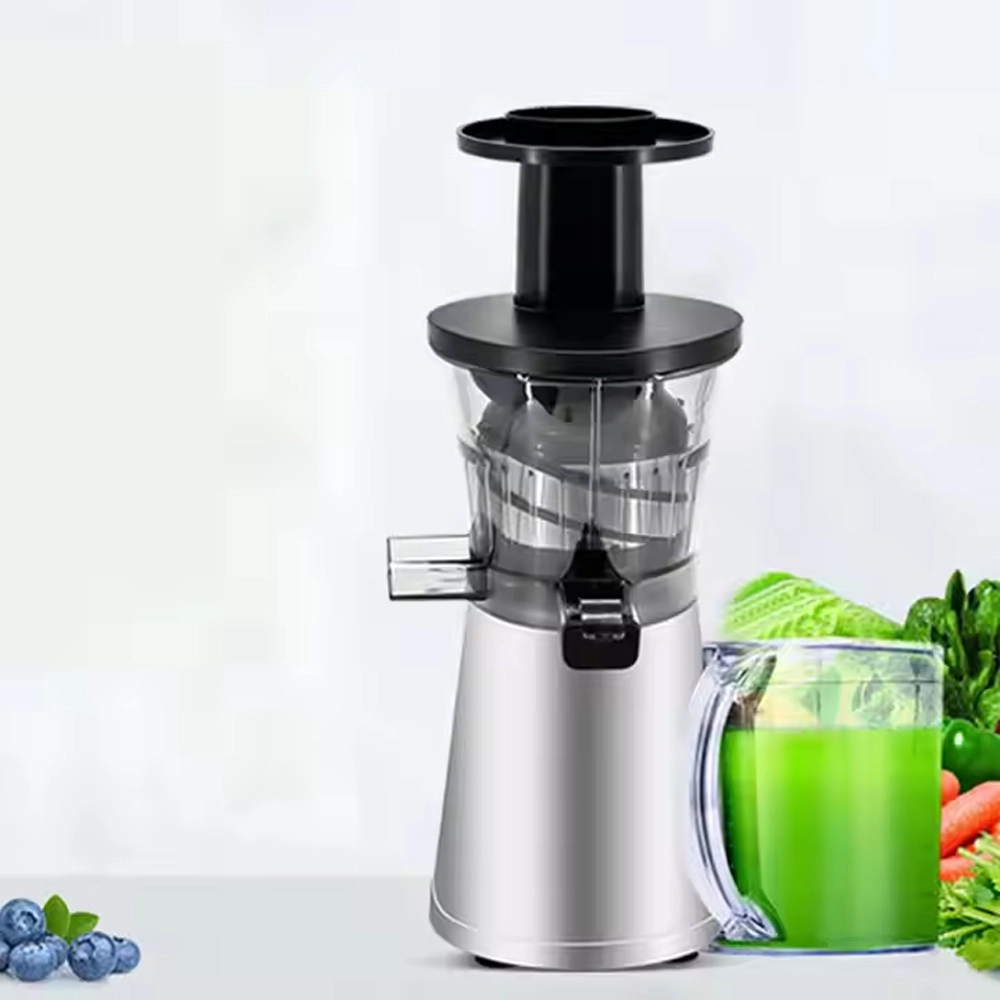
Slow Juicer L601
Jiaolong's L601 Slow Juicer: The perfect choice for slow juicer manufacturers, suppliers, and wholesalers. High-quality, efficient extraction. Contact us for wholesale inquiries.
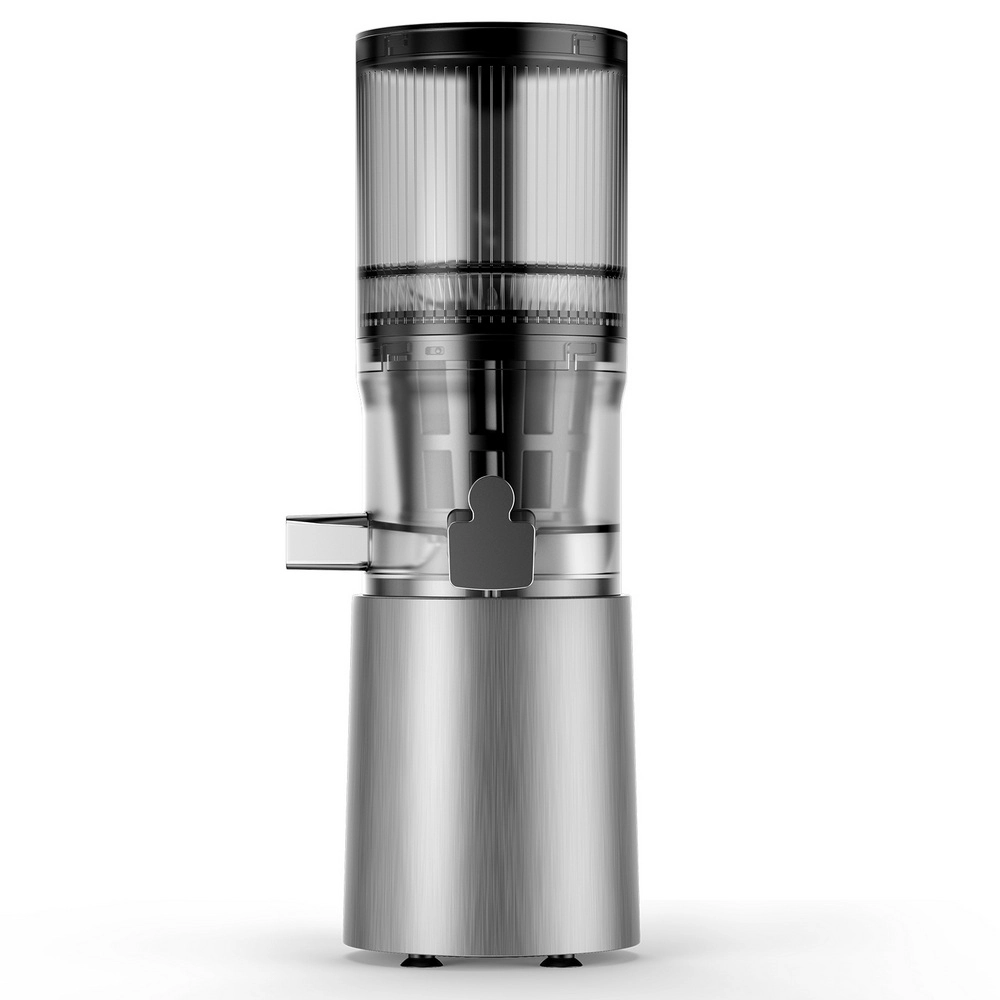
Slow Juicer L605A
Jiaolong's L605A Slow Juicer: A high-quality slow juicer for OEM, manufacturing, and supply needs. Contact us today to explore our slow juicer manufacturing capabilities and become a valued partner.
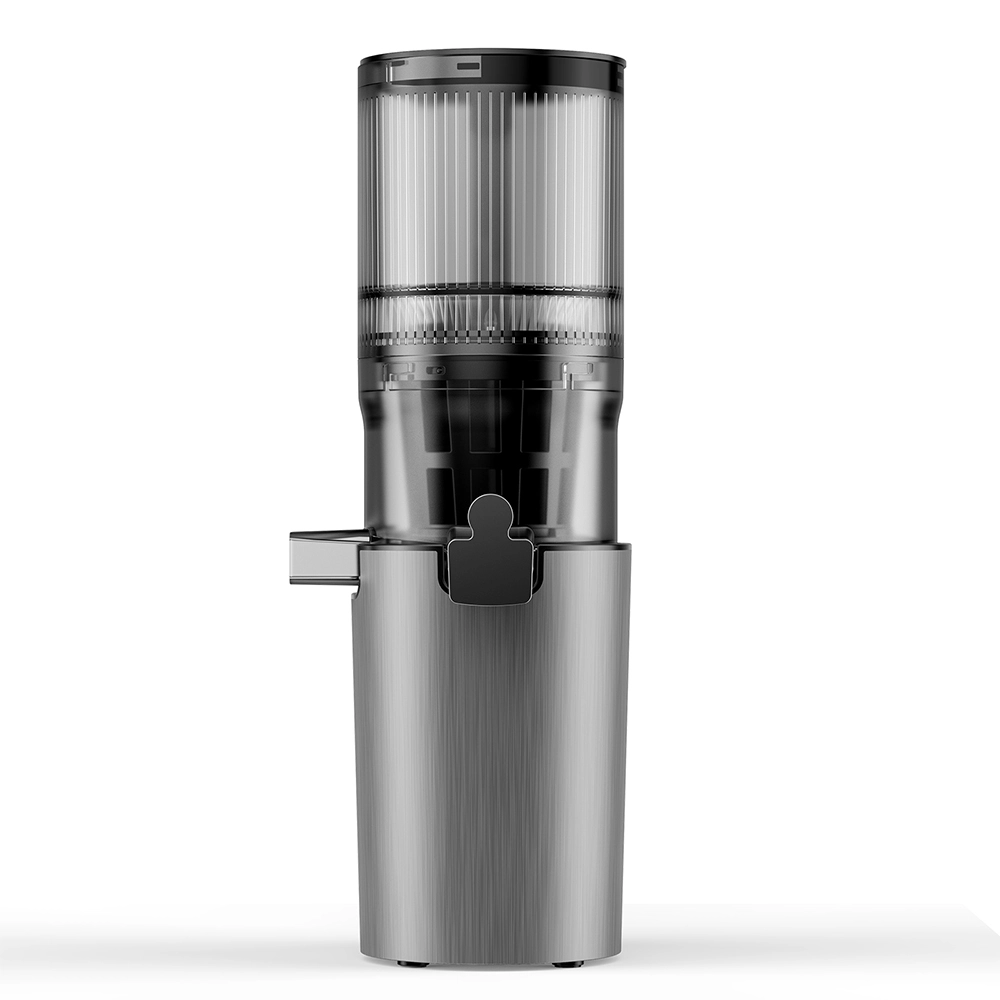
Slow juicer L606A
Jiaolong's L606A slow juicer: The ultimate slow juicer for wholesale, manufactured and supplied by a leading slow juicer supplier. Experience superior juice extraction and quality. Contact us for bulk orders.
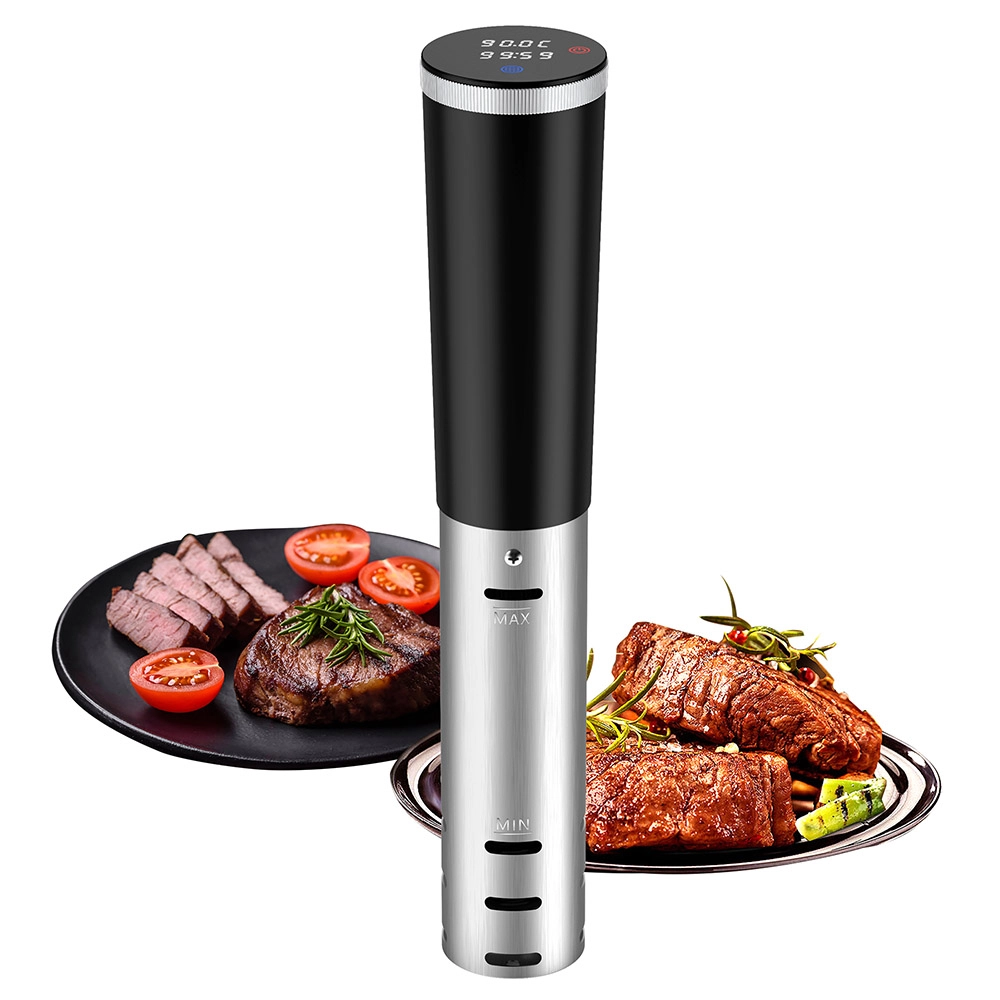
Sous Vide SV220
Jiaolong's Sous Vide SV220: A premium Sous Vide ODM solution. Reliable and efficient, the SV220 is the perfect choice for your next project. Partner with a leading sous vide supplier. Contact us today!
© 2025 JIAOLONG All Rights Reserved. Privacy Policy | Terms and Conditions | Sitemap