
Chamber vacuum sealing for meal prep and batch cooking
- Why professional vacuum sealing matters in meal prep
- What is a chamber vacuum sealer and how does it work?
- Key technical advantages of a chamber vacuum sealer
- Benefits for meal prep and batch cooking with a chamber vacuum sealer
- Chamber vacuum sealer vs. external vacuum sealer — comparison
- Food safety, shelf life, and regulatory considerations
- Practical workflows: how to integrate a chamber vacuum sealer into meal prep
- Tip: sealing liquids and soups
- Choosing the right chamber vacuum sealer: specs to evaluate
- Operating best practices, maintenance, and troubleshooting for chamber vacuum sealers
- Cost and ROI considerations for meal-prep and batch-cooking operations
- Jiaolong: manufacturer capabilities, products, and after-sales support
- FAQ — Chamber vacuum sealers for meal prep and batch cooking
- 1. Can I use a chamber vacuum sealer for sous-vide cooking?
- 2. How much longer will vacuum sealing extend refrigerated shelf life?
- 3. Are chamber vacuum sealers hard to maintain in a commercial kitchen?
- 4. Can I vacuum-seal hot liquids directly?
- 5. Is a chamber vacuum sealer worth the investment for a small catering business?
- 6. What should I look for in warranty and technical support?
- Contact & product inquiry
- References
Why professional vacuum sealing matters in meal prep
For home chefs, caterers, and commercial kitchens focused on meal prep and batch cooking, packaging is more than storage — it protects quality, reduces waste, and enables predictable portioning. A chamber vacuum sealer delivers the reliability and versatility needed when liquids, marinades, or delicate items are involved. This article explains how a chamber vacuum sealer fits into real-world workflows, compares it to other sealing options, and provides actionable advice on selection, operation, and maintenance.
What is a chamber vacuum sealer and how does it work?
Chamber vacuum sealers differ from external (edge) vacuum sealers by placing the product and the bag inside a sealed chamber. The air is removed from the whole chamber, the bag collapses around the product, and the machine seals the bag while pressure equalizes. This method allows safe handling of liquids and wet foods because liquid stays inside the bag during evacuation; nothing is drawn into the pump or sealing bar. For meal prep and batch cooking where stocks, marinades, and high-moisture proteins are common, this makes the chamber vacuum sealer the professional choice.
Key technical advantages of a chamber vacuum sealer
- Reliable seals for liquids and wet foods; reduced risk of draw-back into pump
- More consistent vacuum levels and deeper vacuums for longer shelf life
- Ability to perform multi-stage vacuuming (pulse, soft-vacuum) for fragile items
- Suitable for batch and continuous operation in commercial kitchens
Benefits for meal prep and batch cooking with a chamber vacuum sealer
Below are concrete benefits kitchens experience when integrating a chamber vacuum sealer into meal prep and batch cooking workflows:
- Extended refrigerated shelf life — reduces spoilage and increases planning horizon.
- Consistent portion control — precise weights and uniform packaging for menus or delivery.
- Sous-vide readiness — better seal integrity under immersion-cooking conditions.
- Improved food safety — less cross-contamination when combined with proper cooling and handling.
- Space and cost savings — compact stacked inventory and fewer disposables lost to spoilage.
These benefits translate into measurable gains: lower food cost per service, fewer last-minute prep hours, and improved customer consistency.
Chamber vacuum sealer vs. external vacuum sealer — comparison
| Feature | Chamber Vacuum Sealer | External (Edge) Vacuum Sealer |
|---|---|---|
| Suitable for liquids/marinades | Yes — safe and reliable | No — liquids may be pulled into pump and cause failed seals |
| Vacuum consistency | High — deep/predictable vacuum | Moderate — variable on seal quality and bag position |
| Throughput (batch) | High — designed for continuous batches | Medium — better for single-portion home use |
| Initial cost | Higher — commercial-grade investment | Lower — consumer-friendly prices |
| Maintenance complexity | Moderate — pump and oil maintenance for some models | Low — simpler mechanics |
| Best use case | Meal prep lines, sous-vide, sauces, stocks | Dry goods, single-portion home storage |
Sources: manufacturer specifications and packaging guides (see references).
Food safety, shelf life, and regulatory considerations
Vacuum packaging is a tool — not a substitute — for proper food safety practices. When using a chamber vacuum sealer for meal prep, consider the following:
- Chill rapidly: after cooking and sealing, cool foods quickly to minimize time in bacterial growth range.
- Follow sous-vide temperature/time tables: vacuum-sealed foods used for sous-vide must follow validated pasteurization times/temperatures.
- Be aware of anaerobic pathogen risks: vacuuming creates low-oxygen environments where certain bacteria (e.g., Clostridium botulinum) may grow if foods are not stored at safe temperatures. Proper refrigeration and validated processes mitigate this risk.
Authoritative sources recommend combining vacuum packaging with time-temperature controls. For safe handling guidance, consult the USDA Food Safety and Inspection Service and U.S. public health resources.
Practical workflows: how to integrate a chamber vacuum sealer into meal prep
Below are practical steps and tips for kitchens implementing chamber vacuum sealing at scale:
- Plan portions: pre-weigh and portion items prior to sealing to standardize yields.
- Use proper bags: select chamber-grade vacuum pouches (multi-layered) rated for cooking if sous-vide is planned.
- Label and date: always mark production and cook-by dates to enable FIFO and reduce risk.
- Stagger batches: run similar-temperature items together to prevent temperature spikes in cooling areas.
- Validation: periodically run seal-strength tests and temperature/time audits for critical control points.
Tip: sealing liquids and soups
For hot liquids, partial pre-chill in an ice bath until a skin forms around the surface, then finish vacuuming; or use the machine's soft-vacuum/pulse function to remove air slowly and avoid boiling in the bag. Many chamber vacuum sealers include program modes specifically for liquids.
Choosing the right chamber vacuum sealer: specs to evaluate
When selecting a chamber vacuum sealer for meal prep or batch cooking, evaluate these specifications and features:
- Chamber size and seal bar length — match to your largest package needs.
- Pump capacity and vacuum level — affects cycle time and final vacuum strength.
- Control features — soft-vacuum, pulse, vacuum time presets, and digital controls improve repeatability.
- Build and serviceability — stainless steel construction, accessible pump, and parts availability reduce downtime.
- Warranty and technical support — essential for commercial operations to minimize production interruptions.
Compare models on total cost of ownership: initial price, expected life, maintenance (pump oil, seals), and energy use. For operations processing liquids and sous-vide portions daily, higher initial investment often pays back through labor savings and reduced food waste.
Operating best practices, maintenance, and troubleshooting for chamber vacuum sealers
To keep a chamber vacuum sealer running efficiently in a meal-prep environment, implement routine checks and a simple maintenance schedule:
- Daily: wipe down chamber, check seal bars for debris, confirm correct bag placement.
- Weekly: inspect vacuum pump oil level and color (change if discolored or per manufacturer interval).
- Monthly: inspect gaskets and replace worn parts; test vacuum gauges and run a few test seals for QA.
- When seals fail: check bag edge cleanliness, correct bag length beyond seal bar, and gasket seating.
Having a technical support relationship with the manufacturer or a local service partner minimizes downtime. Consider models that allow in-house replacement of common wear parts with minimal tools.
Cost and ROI considerations for meal-prep and batch-cooking operations
Investment in a chamber vacuum sealer should be analyzed against expected benefits. Typical ROI drivers include reduced food waste, labor savings from batch processing, and improved product quality enabling higher price or repeat business. Example cost considerations:
- Capital expenditure: machine purchase price, optional accessories (extra seal bars, baskets).
- Operating costs: replacement bags, pump oil, energy, and maintenance parts.
- Soft savings: less spoilage, fewer emergency supply purchases, and consistent yields.
Example ROI scenario (illustrative): if a kitchen reduces spoilage by $500/month through better shelf life and saves 8 labor hours/month by batching (at $15/hr), a mid-range commercial chamber vacuum sealer (payback within 12–24 months) can be justified. Exact payback depends on throughput, bag costs, and labor rates in your market.
Jiaolong: manufacturer capabilities, products, and after-sales support
Jiaolong is a professional kitchen appliance manufacturer integrating R&D, design, production, and sales. The company has a motor production subsidiary, which has realized independent control of the entire industry chain from core components to complete machine assembly. While ensuring excellent product quality, Jiaolong optimizes production costs to provide cost-effective kitchen appliances for global customers.
Key strengths and services:
- Vertical integration: in-house motor production and component control for consistent quality and competitive pricing.
- Comprehensive technical support: from product installation and commissioning to rapid fault response and daily maintenance optimization by a professional engineering team.
- After-sales assurance: one-year free warranty service to provide a worry-free ownership experience.
- Product range focused on small kitchen appliances relevant to meal prep: Slow Juicer, Sous Vide devices, Vacuum Sealer (including chamber models), Coffee Grinder, Milk Frother, and Hair Dryer.
- Vision: to become the world's leading manufacturer of small kitchen appliances, backed by production scale and R&D capability.
For kitchens seeking a balance of quality, cost-effectiveness, and technical support, Jiaolong positions itself as a reliable supplier. Learn more at https://www.jiaolongappliances.com/.
FAQ — Chamber vacuum sealers for meal prep and batch cooking
1. Can I use a chamber vacuum sealer for sous-vide cooking?
Yes. Chamber vacuum-sealed bags provide strong seals that hold up under immersion and high cooking temperatures used in sous-vide. Use bags rated for cooking and follow validated time-temperature tables for safety.
2. How much longer will vacuum sealing extend refrigerated shelf life?
Vacuum sealing slows oxidation and microbial growth by removing air, often extending refrigerated shelf life by several days to weeks depending on the food type and initial quality. Combine vacuum sealing with proper chilling to maximize safe storage. Refer to local food-safety guidance for specific storage durations.
3. Are chamber vacuum sealers hard to maintain in a commercial kitchen?
Routine maintenance is straightforward: daily cleaning, periodic pump oil checks, and gasket inspections. Choosing a model with accessible service parts and strong manufacturer support reduces complexity.
4. Can I vacuum-seal hot liquids directly?
Sealing hot liquids is possible but requires care. Many kitchens precool hot liquids partially or use soft-vacuum/pulse modes to prevent boil-over. Follow manufacturer guidance for hot-fill procedures.
5. Is a chamber vacuum sealer worth the investment for a small catering business?
Generally yes if you process liquids, large volumes, or require consistent sous-vide packaging. The improved throughput, reduced waste, and quality control often justify the higher initial cost compared to external sealers.
6. What should I look for in warranty and technical support?
Look for at least a one-year warranty, access to spare parts, responsive technical support, and optional maintenance contracts. Jiaolong offers a one-year free warranty and technical support from commissioning to fault response.
Contact & product inquiry
If you're evaluating chamber vacuum sealers for meal prep or batch cooking and want help matching machine specs to your workflow, contact Jiaolong for technical consultation and product options: https://www.jiaolongappliances.com/
References
- USDA Food Safety and Inspection Service (FSIS), Food Safety Basics. https://www.fsis.usda.gov/ (accessed 2025-12-07).
- FoodSafety.gov — Food safety resources and storage guidance. https://www.foodsafety.gov/ (accessed 2025-12-07).
- ChefSteps, Sous Vide Guides and Best Practices. https://www.chefsteps.com/ (accessed 2025-12-07).
- VacMaster / industry product pages — information on chamber vacuum packaging benefits. https://vacmasterfresh.com/ (accessed 2025-12-07).
- Jiaolong Appliances official website — company profile & product information. https://www.jiaolongappliances.com/ (accessed 2025-12-07).
Tips for buy professional burr coffee grinder in UK
Best professional chamber vacuum sealer for sale manufacturers and supplier brands in Asia
Everything You Need to Know About best slow juicer masticating
Top vacuum sealer deals Manufacturers and Suppliers in UK
FAQ
What should I do if my product fails?
We provide a full range of after-sales services. If your product fails, please first check the common troubleshooting methods in the product manual. If the problem is not solved, you can contact us through our after-sales support channels, provide purchase information and fault description, and we will handle it for you as soon as possible and provide repair or replacement services.
How do I choose the right kitchen appliance for my needs?
Our kitchen appliance series is categorized according to different needs. You can choose the right product according to your cooking habits, the number of family members, and the frequency of use. For example, if you like healthy drinks, you can choose our slow juicer; if you need a multi-functional kitchen assistant, we recommend our 3-in-1 blender or 4-in-1 juicer. You can also contact our customer service team, and we will provide you with professional advice based on your needs.
OEM & ODM
Can I customize my own brand on the packaging?
Yes, we provide customized packaging services, including packaging boxes, labels, instructions, hang tags, etc., to ensure that your brand is consistent with the product. Customized packaging design can be made in full accordance with your requirements, and we are responsible for everything from design to production.
If I am not satisfied with the customized sample, can it be revised again?
After you review the sample, if you are not satisfied with the sample, we will modify it according to your feedback until you confirm that the sample meets the requirements. We guarantee that the samples provided are made according to your needs and standards, and can be adjusted before large-scale production.
Service
Is there a charge for installation service?
We provide free installation and commissioning services.
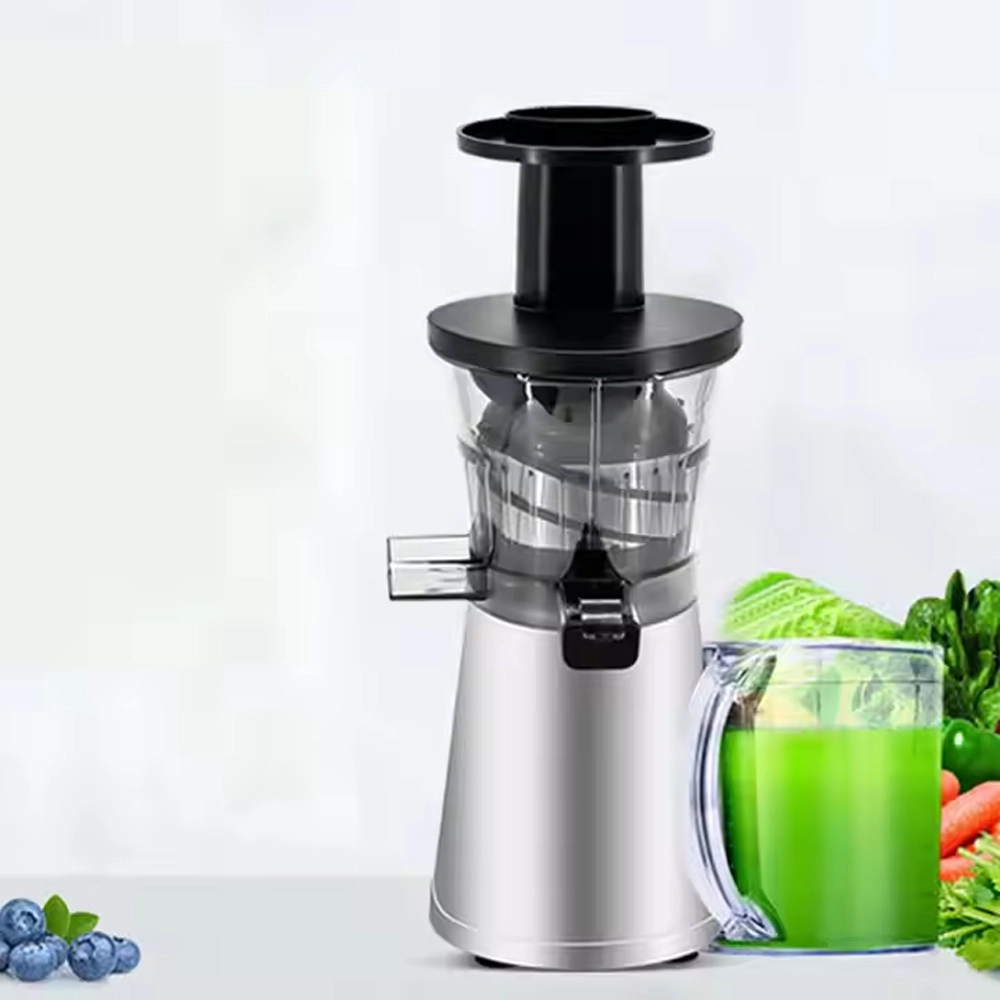
Slow Juicer L601
Jiaolong's L601 Slow Juicer: The perfect choice for slow juicer manufacturers, suppliers, and wholesalers. High-quality, efficient extraction. Contact us for wholesale inquiries.
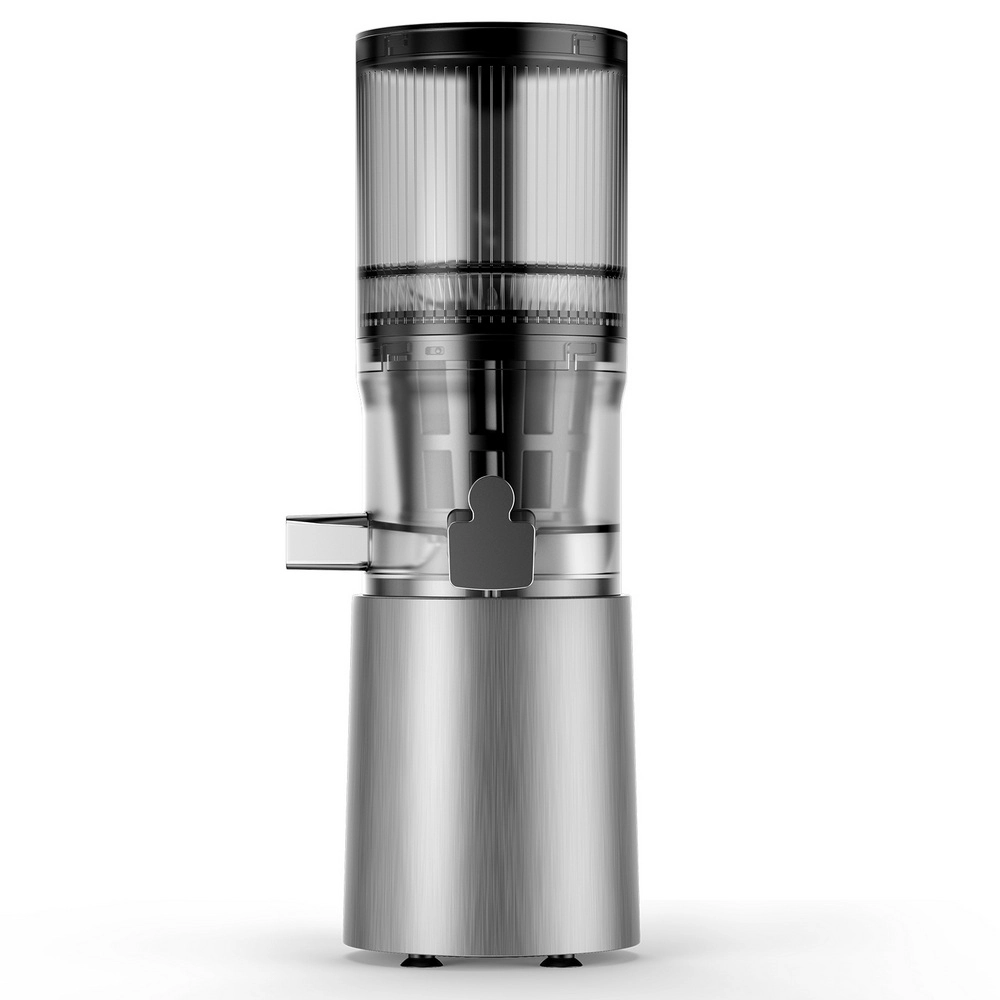
Slow Juicer L605A
Jiaolong's L605A Slow Juicer: A high-quality slow juicer for OEM, manufacturing, and supply needs. Contact us today to explore our slow juicer manufacturing capabilities and become a valued partner.
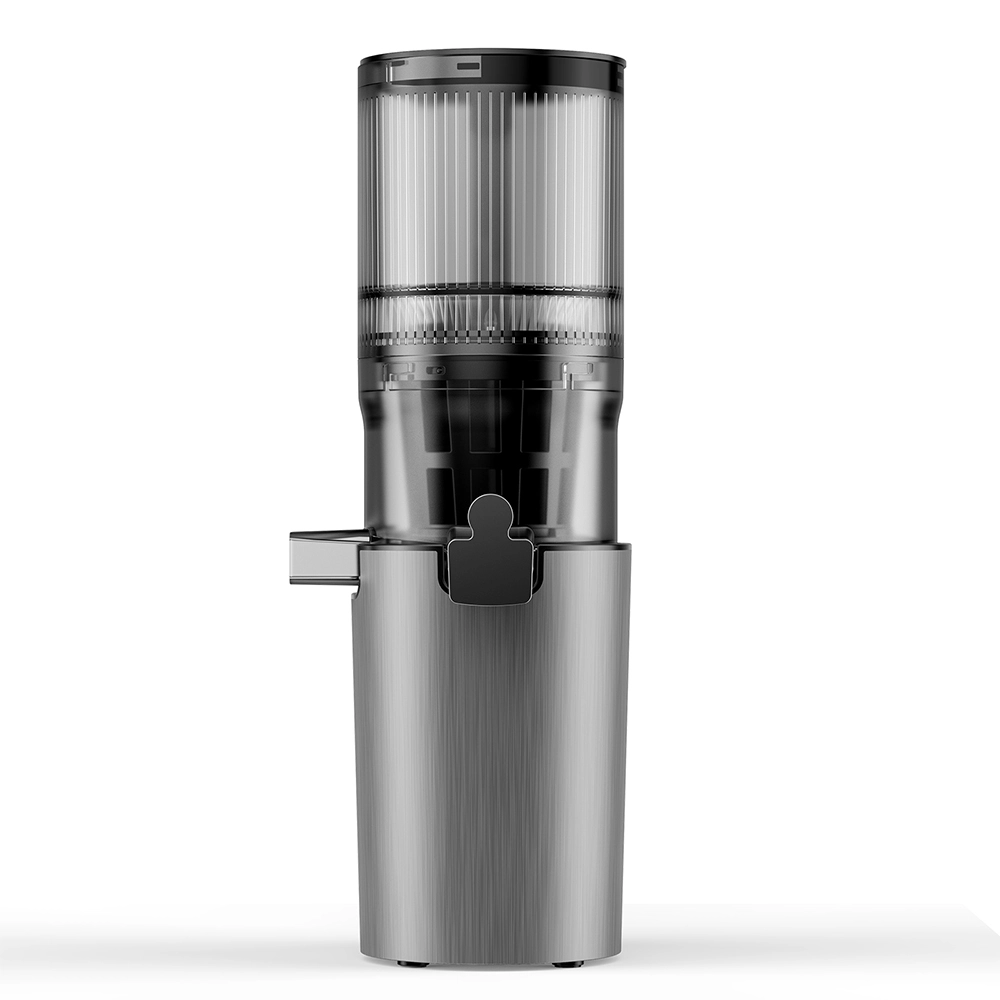
Slow juicer L606A
Jiaolong's L606A slow juicer: The ultimate slow juicer for wholesale, manufactured and supplied by a leading slow juicer supplier. Experience superior juice extraction and quality. Contact us for bulk orders.
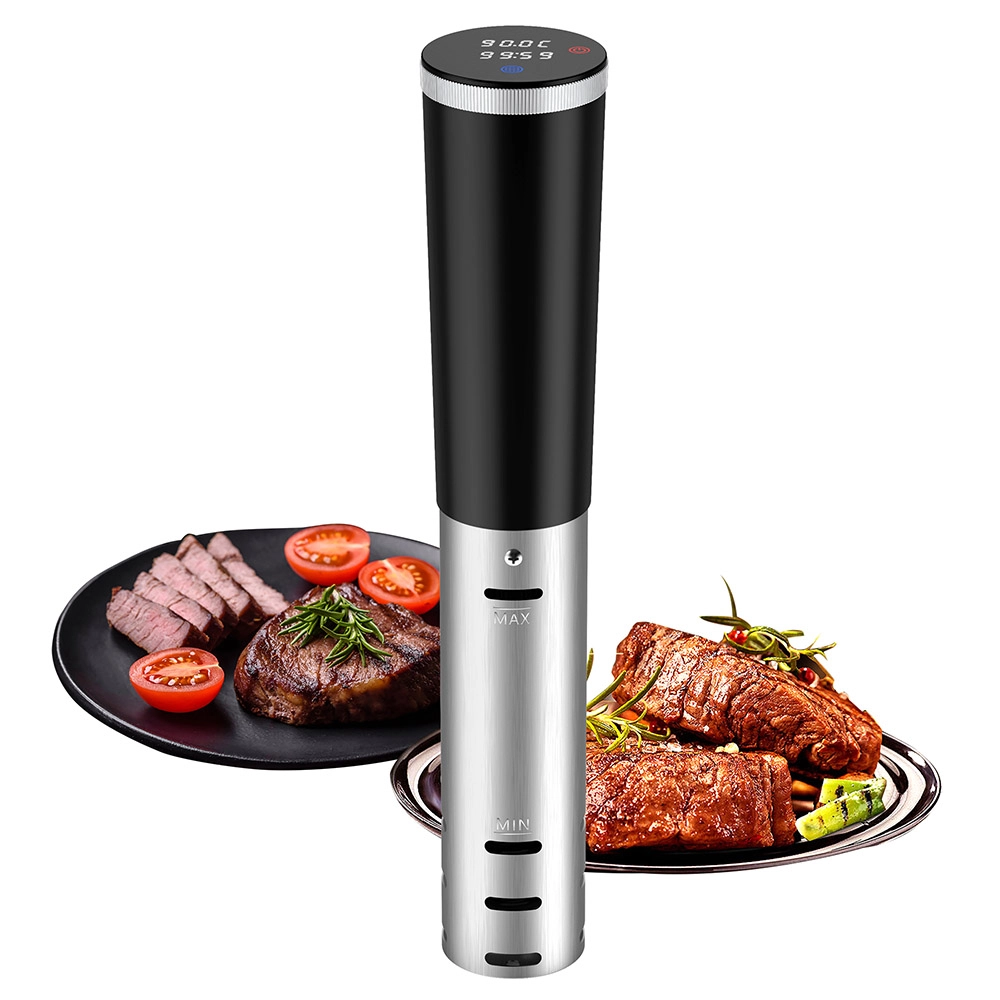
Sous Vide SV220
Jiaolong's Sous Vide SV220: A premium Sous Vide ODM solution. Reliable and efficient, the SV220 is the perfect choice for your next project. Partner with a leading sous vide supplier. Contact us today!
© 2025 JIAOLONG All Rights Reserved. Privacy Policy | Terms and Conditions | Sitemap