
Safety tips and regulations for vacuum packing food
- Essential Safety Practices for Vacuum-Packaging Foods
- How a chamber vacuum sealer works — and why it matters for food safety
- Key parameters for chamber vacuum sealer operators
- Regulations and standards that apply to chamber vacuum sealer operations
- Safe food handling and preparation before using a chamber vacuum sealer
- Recommended storage times and temperatures for vacuum-packed foods (using a chamber vacuum sealer)
- Special risks: Clostridium botulinum and low-acid foods packed with a chamber vacuum sealer
- Best practices for daily operation and maintenance of a chamber vacuum sealer
- Comparison: chamber vacuum sealer vs external vacuum sealer — safety and regulatory implications
- Recordkeeping, labeling, and compliance workflows when using a chamber vacuum sealer
- Training, verification and audit practices for safe vacuum packaging
- Jiaolong: manufacturing support, technical services, and product advantages
- Frequently Asked Questions (FAQ)
- 1. Is vacuum packing with a chamber vacuum sealer safe for home use?
- 2. Can a chamber vacuum sealer prevent botulism?
- 3. How should I label vacuum-packed foods for sale?
- 4. Can I vacuum pack liquids or soups with a chamber vacuum sealer?
- 5. How often should I service my chamber vacuum sealer?
- 6. Are there validation steps required before selling vacuum-packed ready-to-eat products?
- 7. What bag materials should I use with a chamber vacuum sealer?
- References
Essential Safety Practices for Vacuum-Packaging Foods
Vacuum packing is a powerful method to extend shelf life, reduce waste, and enable sous-vide and bulk storage workflows. The chamber vacuum sealer is widely used in professional kitchens and food manufacturing because it achieves deeper vacuums and handles liquids. However, using a chamber vacuum sealer safely requires understanding microbiological risks, regulatory obligations, correct procedures, and equipment maintenance. This article provides evidence-based safety tips, summarizes key regulations, and offers practical, verifiable guidance for both commercial operators and advanced home users.
How a chamber vacuum sealer works — and why it matters for food safety
When you use a chamber vacuum sealer, the product and bag are placed inside a sealed chamber. The machine evacuates air from the chamber and seals the bag before returning to atmospheric pressure. This method differs from external vacuum sealers and is especially suitable for liquids, marinades, and high-throughput commercial use. Understanding the effect of reduced oxygen on microbial growth is essential: while oxygen-dependent spoilage organisms are inhibited, anaerobic pathogens (notably Clostridium botulinum) can survive or grow under vacuum if other controls are not applied.
Key parameters for chamber vacuum sealer operators
- Vacuum level: deeper vacuums remove more oxygen but do not kill spores. Typical chamber vacuum sealers can reach <1 kPa (near full vacuum) depending on pump quality.
- Seal quality: double heat seals and proper bag material are critical to prevent leaks that reintroduce oxygen or moisture.
- Temperature control: chilling food to safe temperatures before and after packing is crucial to prevent anaerobic pathogen growth.
Sources: FDA, USDA food safety guidance (see References).
Regulations and standards that apply to chamber vacuum sealer operations
Operators of chamber vacuum sealer equipment in commercial settings must comply with applicable food safety laws and standards. Key frameworks include the FDA Food Code (U.S.), USDA FSIS directives for meat/poultry, European Union food hygiene regulations (Regulation (EC) No 852/2004), and Codex Alimentarius guidance. Additionally, HACCP-based systems or prerequisite programs (PRPs) like Good Manufacturing Practice (GMP) are required in many jurisdictions to manage hazards associated with vacuum packaging.
- HACCP/PRPs: Identify vacuum packaging as a potential CCP (critical control point) where oxygen removal may create anaerobic conditions.
- Labeling: Many jurisdictions require packaged foods to display pack date, use-by or freeze-by dates, storage instructions and company contact details.
- Inspection: Facilities must maintain records on temperature logs, vacuum cycles, corrective actions, and staff training.
When planning industrial or foodservice vacuum packaging, consult local regulatory authorities for registration, labeling, and sanitary processing requirements.
Safe food handling and preparation before using a chamber vacuum sealer
Pre-sealing practices reduce contamination and lower microbial loads so vacuum packaging does not create a hazard. Best practices include:
- Cooling hot foods: Rapidly cool cooked products to refrigeration temperature (≤4°C / 40°F, ideally ≤3°C for vacuum-packed items) before sealing. Never seal hot foods—trapped heat creates condensation and supports anaerobic growth.
- Portion control: Package in quantities that will be consumed or cooked within safe timeframes to avoid prolonged refrigerated storage.
- Sanitation: Use clean work surfaces, sanitized tools, and operator hygiene to minimize initial microbial load.
- pH and formulation: Low-acid foods (pH >4.6) require extra controls (refrigeration, heat treatment, or preservatives) when vacuum packed.
- Use appropriate bags: Use barrier film designed for vacuum packaging and compatible with intended processing (e.g., sous-vide rated if cooking in-bag).
References: USDA and FDA guidance on cooling and handling (see References).
Recommended storage times and temperatures for vacuum-packed foods (using a chamber vacuum sealer)
Vacuum packing slows oxidation and surface spoilage, but doesn't eliminate pathogens. The table below summarizes typical recommended maximum refrigerated and frozen storage periods for vacuum-packed foods. These are conservative general guidelines; specific product formulation, initial microbial quality, and local regulations can change limits.
| Food Type | Refrigeration (0–3°C / 32–38°F) | Refrigeration (4–8°C / 39–46°F) | Freezer (≤-18°C / 0°F) | Notes / Source Basis |
|---|---|---|---|---|
| Raw red meat (steaks, whole cuts) | 10–14 days | 3–7 days | 12–24 months | Reduced aerobic spoilage; quality-limited. USDA guidance. |
| Ground meat | 3–5 days | 1–2 days | 3–4 months | Higher surface area → higher risk; shorter times recommended. |
| Cooked meats / ready-to-eat | 7–14 days | 3–7 days | 6–12 months | Depends on heat treatment and initial microbial load. |
| Fresh fish / seafood | 3–7 days | 1–3 days | 6–12 months | Highly perishable; quality and safety limits apply. |
| Hard cheeses | 2–3 months | 1–2 months | 12 months+ | Low moisture; vacuum helps prevent mold and drying. |
| Vegetables (blanched) | 7–14 days (fresh); 8–12 months (frozen) | 3–7 days | 8–12 months | Blanching prior to freezing advised to maintain quality. |
Notes: Times are indicative and conservative — always follow local food safety regulations and validated shelf-life studies for commercial products. Sources: USDA, FDA guidance and peer-reviewed studies on vacuum packaging shelf life (see References).
Special risks: Clostridium botulinum and low-acid foods packed with a chamber vacuum sealer
Clostridium botulinum produces a potent neurotoxin under anaerobic, low-acid, moist, low-oxygen conditions — the exact environment created by vacuum packaging if other controls are not in place. Key controls to prevent botulism when using a chamber vacuum sealer:
- Temperature control: Maintain refrigeration at ≤3°C (37°F) for vacuum-packed low-acid foods; many regulators recommend <3°C specifically because some strains of C. botulinum can grow at temperatures up to ~10°C.
- pH control: Acidify to pH <4.6 for shelf-stable low-acid foods or apply validated thermal process (retort) for shelf-stable products.
- Water activity (aw): Lower aw (e.g., with curing/salting/drying) prevents growth.
- Heat treatment: For many RTE vacuum-packed products, pasteurization or validated sous-vide time-temperature profiles are needed to control pathogens before vacuum sealing.
Operators producing vacuum-packed low-acid RTE foods should perform a hazard analysis and, where necessary, a process validation (e.g., thermal process validation) that demonstrates safety against C. botulinum and other pathogens. Consult FDA and local food safety authorities for validation protocols.
Best practices for daily operation and maintenance of a chamber vacuum sealer
Using a chamber vacuum sealer safely and reliably requires routine maintenance and correct operating technique:
- Machine calibration: Verify vacuum pump performance and vacuum levels regularly. Keep a log of performance checks.
- Sealing checks: Inspect seals for continuity and strength; perform dye or pressure tests if needed.
- Pumps and oil: For oil-sealed vacuum pumps, follow manufacturer intervals for oil changes and filter replacement.
- Gaskets and bars: Replace worn gaskets and seal bars to maintain consistent vacuum cycles and avoid leaks.
- Hygiene: Clean the chamber and drain lines daily to prevent cross-contamination; use appropriate sanitizers compatible with the machine materials.
- Operator training: Train staff on wet vs dry cycles, handling liquids, using liquid traps, and emergency stops.
Following manufacturer maintenance schedules and keeping spare seal bars/gaskets on hand prevent downtime and safety incidents.
Comparison: chamber vacuum sealer vs external vacuum sealer — safety and regulatory implications
| Feature | Chamber Vacuum Sealer | External (Clamping) Vacuum Sealer |
|---|---|---|
| Vacuum depth | Deeper, more consistent vacuums; better for professional use | Shallower vacuum; typically adequate for dry foods |
| Liquids and wet foods | Suitable — chamber evacuation prevents liquids from being sucked into pump | Risk of liquids entering pump; requires special settings or pre-freezing |
| Throughput and cycle time | Faster cycles for bulk packaging; industrial options available | Slower for high volumes |
| Initial cost | Higher capital investment; greater durability | Lower upfront cost; lower maintenance complexity |
| Maintenance | More complex (pump oil, gaskets) but designed for heavy use | Simpler; fewer consumables |
| Regulatory suitability | Better suited to regulated commercial HACCP systems and sous-vide processes | Suitable for low-risk applications and home use |
The choice depends on product types, production volume, and required safety controls. For commercial-scale low-acid or liquid products, a chamber vacuum sealer is often the safer and more compliant option.
Recordkeeping, labeling, and compliance workflows when using a chamber vacuum sealer
Good documentation is essential to demonstrate compliance and manage food safety risks. Recommended records include:
- Daily temperature logs (cooling, storage)
- Vacuum cycle records and pump performance checks
- Maintenance and sanitation logs for the chamber vacuum sealer
- Batch records: product, formulation, pack date, lot number, operator
- Shelf-life validation reports and corrective actions
Labeling should clearly indicate pack date, recommended storage temperature, use-by or freeze-by dates, and any allergen information. Where sous-vide or pasteurization is performed, label recommended reheating instructions if required by regulation.
Training, verification and audit practices for safe vacuum packaging
Staff should be trained on microbiology basics, proper use of the chamber vacuum sealer, and corrective actions for failed seals or temperature excursions. Verification includes periodic microbiological testing, ATP surface swabs, and internal audits of HACCP records. External audits (third-party certification) add credibility for B2B customers and retailers.
Jiaolong: manufacturing support, technical services, and product advantages
Jiaolong is a professional kitchen appliance manufacturer integrating R&D, design, production, and sales. The company has a motor production subsidiary, which has realized the independent control of the entire industry chain from core components to complete machine assembly. While ensuring the excellent quality of products, it optimizes production costs and provides cost-effective kitchen appliances for global customers.
From product installation and commissioning to rapid response to faults to daily maintenance optimization, our professional engineer team provides technical support to ensure efficient and stable operation of the equipment. We promise a one-year free warranty service to allow customers to enjoy a worry-free after-sales experience.
Our vision is to become the world's leading manufacturer of small kitchen appliances. Jiaolong's main product lineup includes Slow Juicer, Sous Vide, Vacuum Sealer, Coffee Grinder, Milk Frother, and Hair Dryer. Key competitive advantages:
- Vertical integration of motor and core components improves product reliability and cost-efficiency.
- R&D-driven design focused on commercial-grade performance (e.g., long-life vacuum pumps, robust seal bars).
- Professional after-sales engineering support for installation, maintenance, and rapid troubleshooting.
- One-year free warranty and dedicated service to support HACCP-driven operations.
For more information about Jiaolong products, specifications, and OEM capabilities, visit https://www.jiaolongappliances.com/ or contact our sales team for technical consultations and equipment quotes.
Frequently Asked Questions (FAQ)
1. Is vacuum packing with a chamber vacuum sealer safe for home use?
Yes, when used correctly. Home users should adhere to safe cooling, use chill temperatures, avoid sealing hot foods, and follow recommended refrigerated storage times. For low-acid cooked foods, keep refrigerated and consume within recommended timeframes. For shelf-stable low-acid foods, professional thermal processing is required and should not be attempted at home.
2. Can a chamber vacuum sealer prevent botulism?
Vacuum sealing alone does not prevent botulism. It can create anaerobic conditions that allow C. botulinum to grow if temperature, pH, water activity, or preservatives are not controlled. Use strict refrigeration (≤3°C), acidification (pH <4.6), validated heat treatment, or other controls as applicable.
3. How should I label vacuum-packed foods for sale?
Include pack date, use-by or freeze-by date, storage instructions, ingredients/allergens, and company contact information. For commercially sold products, check local labeling laws that may require nutrition facts, lot codes, and storage temperature statements.
4. Can I vacuum pack liquids or soups with a chamber vacuum sealer?
Yes—chamber vacuum sealers are designed for liquids because the chamber evacuation prevents liquid from being sucked into the pump. Use appropriate settings, trays, and liquid traps as recommended by the manufacturer. Cool hot liquids before sealing.
5. How often should I service my chamber vacuum sealer?
Follow the manufacturer schedule, but common practices include daily cleaning, weekly inspection of gaskets and seal bars, monthly checks of pump oil (for oil-sealed pumps) and filters, and annual professional servicing. Keep maintenance logs for compliance and warranty purposes.
6. Are there validation steps required before selling vacuum-packed ready-to-eat products?
Yes. For commercial RTE products, process validation (such as time-temperature profiles for pasteurization/sous-vide and shelf-life studies) is required by many regulators. Perform microbiological testing and maintain documented HACCP plans identifying vacuum packaging as a CCP if necessary.
7. What bag materials should I use with a chamber vacuum sealer?
Use multi-layer barrier film designed for vacuum packaging; select bags rated for intended use (e.g., sous-vide cooking or freezing). Bags must be puncture-resistant and compatible with sealing temperatures used by the sealer.
For product inquiries, technical support, or to request a quote for commercial chamber vacuum sealer solutions, contact Jiaolong at https://www.jiaolongappliances.com/ or email our sales team via the website contact form. Our engineers can advise on HACCP integration, validation support, installation, and maintenance contracts.
References
- U.S. Food and Drug Administration (FDA) — Food Code. https://www.fda.gov/food/retail-food-protection/fda-food-code (Accessed 2025-12-09)
- United States Department of Agriculture (USDA) — Shelf-life and food storage guidance. https://www.fsis.usda.gov/ (Accessed 2025-12-09)
- Centers for Disease Control and Prevention (CDC) — Botulism: https://www.cdc.gov/botulism/index. (Accessed 2025-12-09)
- Codex Alimentarius — Hazard analysis and critical control point (HACCP) system and guidelines. http://www.fao.org/fao-who-codexalimentarius/en/ (Accessed 2025-12-09)
- European Commission — Food hygiene rules (Regulation (EC) No 852/2004). https://eur-lex.europa.eu/ (Accessed 2025-12-09)
- FDA Center for Food Safety and Applied Nutrition (CFSAN) — Guidance on sous-vide processing and vacuum-packed RTE foods. https://www.fda.gov/food (Accessed 2025-12-09)
Wholesale best sous vide kit manufacturer and supplier in France
Everything You Need to Know About best slow juicer masticating
How to manufacturing professional series coffee grinder in US
Slow Juicer Myths Debunked by Experts
OEM & ODM
How do you price it?
The prices of OEM and ODM products are priced according to multiple factors, including customization requirements, order quantity, technical complexity, material costs, etc. We will provide a detailed quotation based on your needs and ensure that the price is competitive in the market.
What is the warranty and return policy for OEM/ODM?
All OEM and ODM products have a warranty period of at least one year. During the warranty period, if there is a product quality problem, we will provide return or repair services according to the specific situation. In addition, if the product is damaged during transportation, we will assist in handling related compensation matters.
FAQ
How do I clean and maintain my kitchen appliances?
We recommend that you clean your kitchen appliances regularly to ensure their long life. Generally, wipe the exterior with a damp cloth and avoid soaking in water. The cleaning methods for different products vary. You can refer to the cleaning suggestions and precautions provided in the product manual. Some removable parts such as the pulp cup of the juicer and the blades of the blender can be cleaned separately. If you need a detailed maintenance guide, please refer to our official website or contact customer service.
Service
How to make an appointment for regular maintenance service of the equipment?
You can make an appointment for regular maintenance service through our website or customer service hotline.
How do I contact technical support?
You can contact the technical support team through our official website, service hotline, email or online customer service.
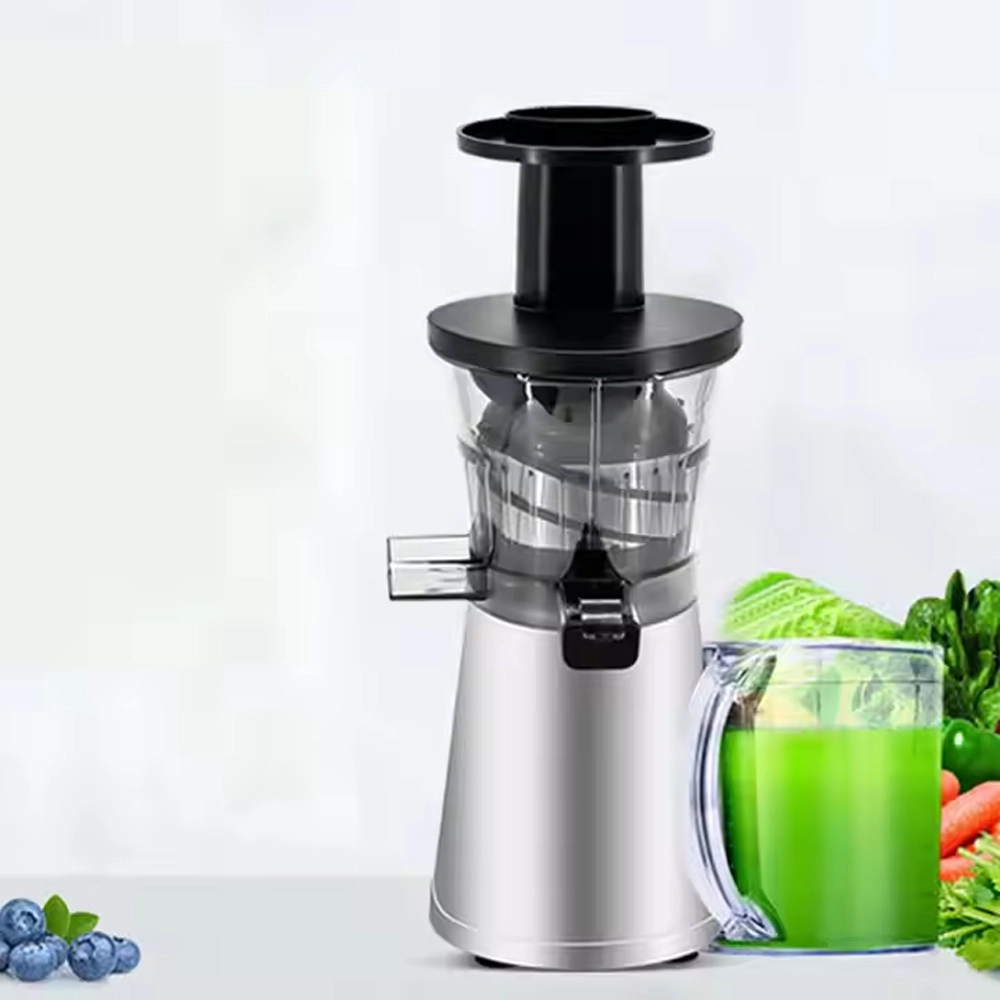
Slow Juicer L601
Jiaolong's L601 Slow Juicer: The perfect choice for slow juicer manufacturers, suppliers, and wholesalers. High-quality, efficient extraction. Contact us for wholesale inquiries.
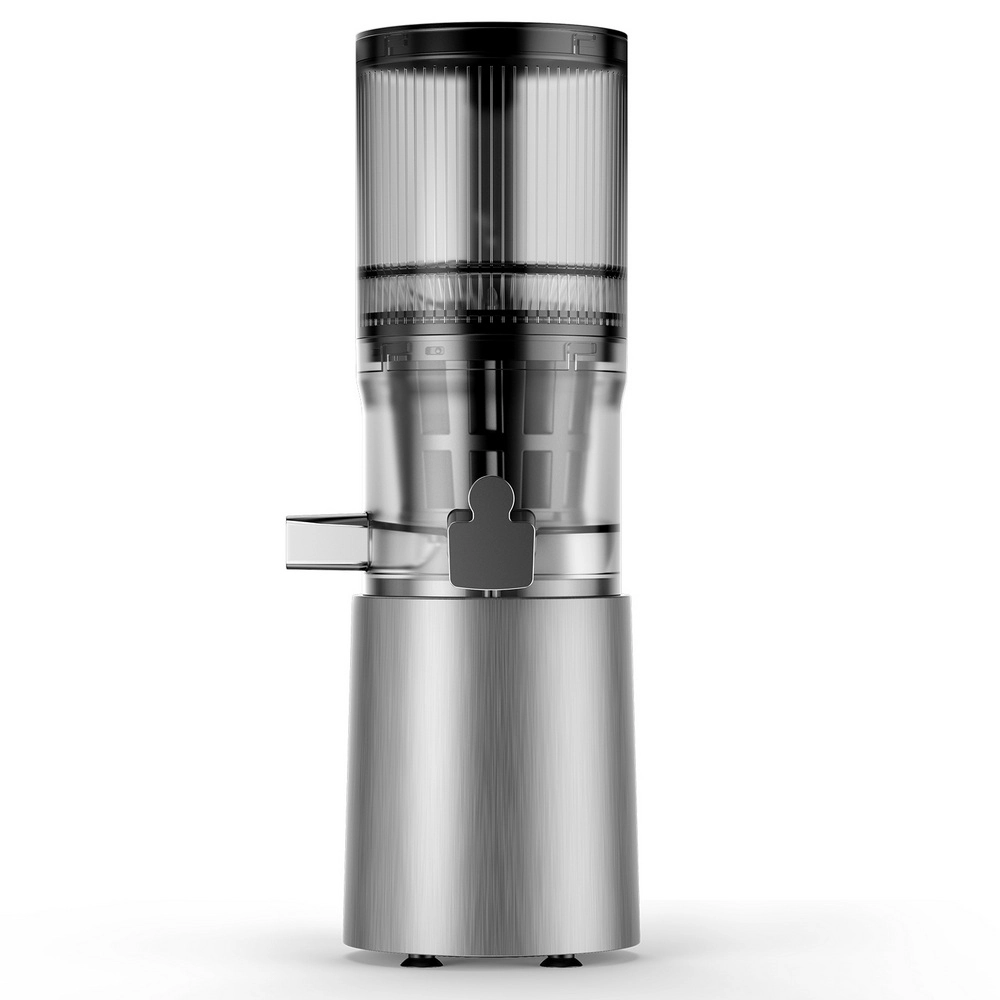
Slow Juicer L605A
Jiaolong's L605A Slow Juicer: A high-quality slow juicer for OEM, manufacturing, and supply needs. Contact us today to explore our slow juicer manufacturing capabilities and become a valued partner.
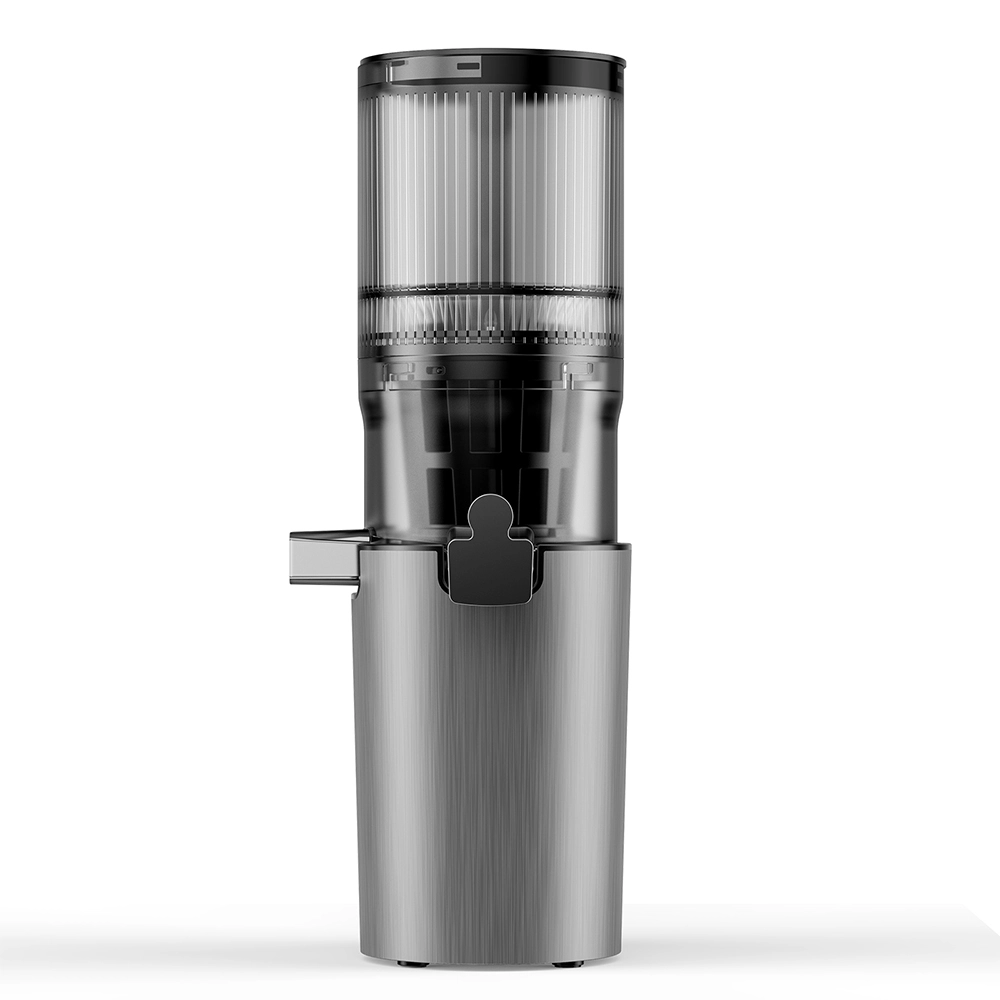
Slow juicer L606A
Jiaolong's L606A slow juicer: The ultimate slow juicer for wholesale, manufactured and supplied by a leading slow juicer supplier. Experience superior juice extraction and quality. Contact us for bulk orders.
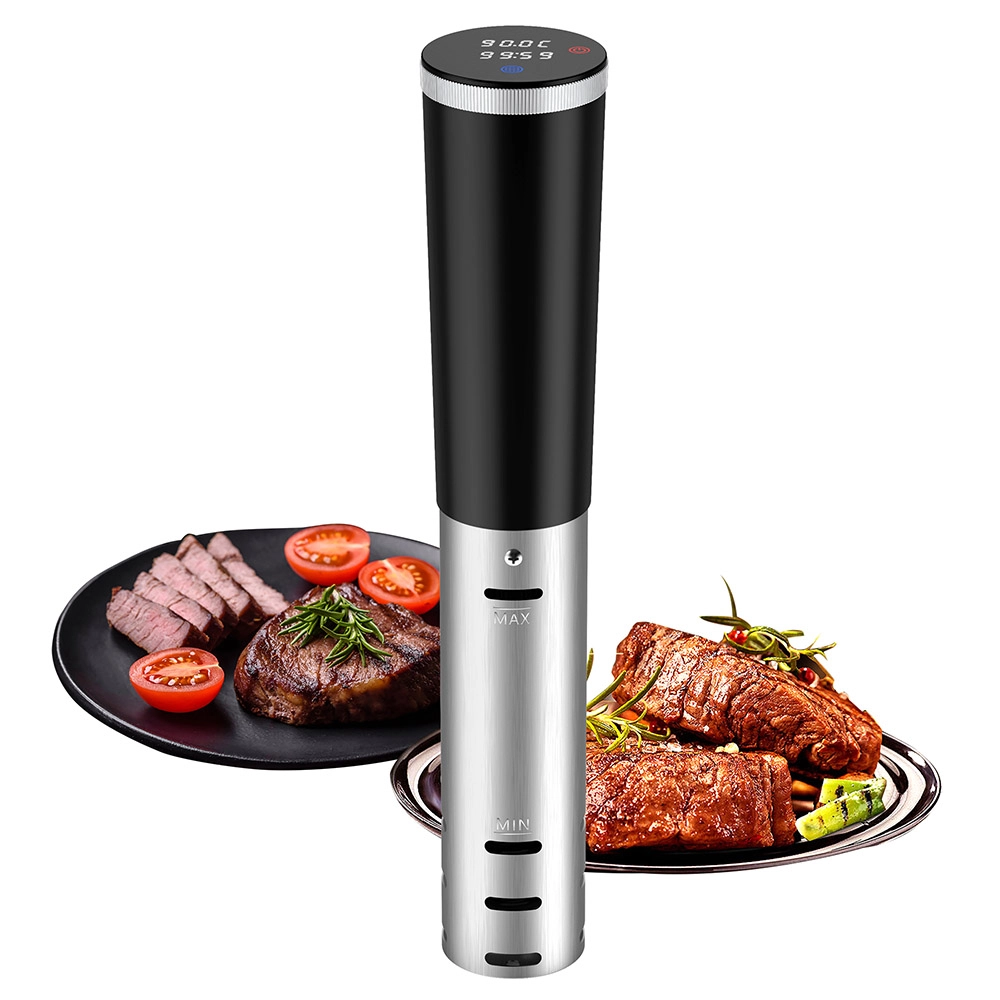
Sous Vide SV220
Jiaolong's Sous Vide SV220: A premium Sous Vide ODM solution. Reliable and efficient, the SV220 is the perfect choice for your next project. Partner with a leading sous vide supplier. Contact us today!
© 2025 JIAOLONG All Rights Reserved. Privacy Policy | Terms and Conditions | Sitemap