
Using a chamber vacuum sealer for sous-vide and canning prep
- Why commercial kitchens favor chamber vacuum sealers
- How a chamber vacuum sealer works and why it matters for sous-vide
- Chamber vacuum sealer vs external vacuum sealer: comparison for sous-vide and canning prep
- Why this matters for sous-vide cooks
- Best practices: vacuum settings, bag selection, and pre-treatment for sous-vide
- Using a chamber vacuum sealer in canning prep: what it does and does not replace
- Workflow example: preparing steak for sous-vide and pre-canning vegetables
- Maintenance, reliability and technical support: what to expect from a professional supplier
- Why choose Jiaolong: manufacturing strength, technical support, and product range
- Selecting the right chamber vacuum sealer: specs and features to prioritize
- Common problems and troubleshooting for chamber vacuum sealing
- Frequently Asked Questions (FAQ)
- 1. Can I use a chamber vacuum sealer instead of canning to make shelf-stable jars?
- 2. What vacuum level should I use for sous-vide meats with a chamber vacuum sealer?
- 3. Are special bags required for chamber vacuum sealers?
- 4. How do I prevent liquids from being pulled into the pump?
- 5. What maintenance is required for a chamber vacuum sealer in a busy kitchen?
- 6. Can vacuum sealing improve shelf life for refrigerated sous-vide-cooked foods?
- Contact and product inquiry
- References
Why commercial kitchens favor chamber vacuum sealers
Chamber vacuum sealer technology is a staple in commercial kitchens, research labs, and serious home cooks who use sous-vide and prepare ingredients for canning. This article explains how and why to use a chamber vacuum sealer for sous-vide and canning prep, practical settings and workflows, safety caveats, and product considerations so you can make informed choices and get repeatable results.
How a chamber vacuum sealer works and why it matters for sous-vide
The key difference between a chamber vacuum sealer and an external suction (clamp) vacuum sealer is how air is removed. A chamber vacuum sealer lowers the pressure inside a sealed chamber containing the bag and the product; the bag is then sealed while under vacuum. This allows you to remove air from liquids, marinades, and wet or delicate foods without crushing them. For sous-vide, that means better contact between food and bag, faster heat transfer, and more accurate, consistent cooks.
Chamber vacuum sealer vs external vacuum sealer: comparison for sous-vide and canning prep
Choosing the right machine depends on volume, type of product, and target result. The table below summarizes key differences relevant to sous-vide and canning prep.
| Feature | Chamber vacuum sealer | External suction vacuum sealer |
|---|---|---|
| Best for liquids and wet foods | Excellent — can remove air from bags containing liquids or brines | Poor — liquids are drawn into pump or seal area, risk of fouling |
| Delicate foods (fish, soft fruits) | Gentle — adjustable vacuum levels allow partial vacuum without crushing | Risk of compression or bag collapse |
| Cycle speed & throughput | High — ideal for high-volume kitchens | Lower — better for occasional household use |
| Cost & footprint | Higher initial cost and larger footprint | Lower cost and compact |
| Use with jars and canning prep | Can work with jar lids and valves designed for vacuuming; degassing and pre-sealing are straightforward | Limited — jar vacuum attachments required and effectiveness varies |
Sources for these differences include manufacturer technical notes and industry guides (see references).
Why this matters for sous-vide cooks
Vacuum sealing for sous-vide is not just about removing air; it’s about ensuring consistent heat transfer and maintaining product quality. A chamber vacuum sealer provides:
- Reliable seals on bags containing marinades, stocks, or high-moisture foods.
- Controlled partial vacuums to keep fragile items intact.
- Faster processing for larger batches — useful in restaurants and batch-cooking at home.
From a safety perspective, vacuum sealing is a packaging step. Food safety during sous-vide depends primarily on correct time-temperature combinations to render pathogens inactive or prevent their growth. Vacuum sealing aids in even cooking and storage stability but does not replace safe cooking temperatures or pasteurization schedules.
Best practices: vacuum settings, bag selection, and pre-treatment for sous-vide
To get consistent sous-vide results using a chamber vacuum sealer, follow these practical steps:
- Use chamber-compatible bags: thicker multilayer bags (3-4 mil or higher, often labeled for chamber sealers) are recommended for repeated heat exposure.
- Control vacuum level for delicate items: set partial vacuum levels (e.g., 50–80% vacuum) or use the machine's soft-vac mode to avoid compressing tender proteins or aerated textures.
- Pre-freeze small or crumbly items for 15–45 minutes if you need the product to retain shape during vacuuming.
- Double-seal high-fat or long-cook items to avoid seal failure — make a primary seal then a second reinforcement seal 1–2 cm away.
- Place liquids on an incline or use a heat-sealable reservoir bag inside the chamber for very liquidy items; chamber vacuum sealers can handle liquids better but work more predictably if partially frozen or stabilized.
These practices result from tested workflows used by professional chefs and food manufacturers to reduce bag failures and maintain product integrity during extended sous-vide cooks.
Using a chamber vacuum sealer in canning prep: what it does and does not replace
Important: vacuum sealing with a chamber vacuum sealer is not an alternative to proper thermal canning methods (water bath canning or pressure canning) for long-term shelf stability. Home canning safety depends on destroying bacteria, yeast, and molds and creating a safe, low-oxygen environment in sealed jars using validated time/temperature processes.
Where a chamber vacuum sealer helps in canning prep:
- Pre-packaging produce or cooked foods for later batch canning — vacuuming reduces oxidation and preserves color and texture before the actual canning run.
- Degassing fermented or freshly cooked products before filling jars — removing excess oxygen improves color and limits surface oxidation.
- Vacuum-sealing jars with compatible lids and accessories for short-term refrigerated storage or transport (not for shelf-stable home canning unless validated by a food safety authority).
Always follow validated canning recipes (USDA or university extension) for processing times and methods. If you vacuum-seal jars for storage, understand that vacuum alone does not inactivate heat-resistant spores (e.g., Clostridium botulinum) — time/temperature processing is required for safety.
Workflow example: preparing steak for sous-vide and pre-canning vegetables
Below is a sample workflow that illustrates how a kitchen might use a chamber vacuum sealer across two tasks.
- Steak for sous-vide:
- Portion steaks, season or add marinade.
- Place in chamber bag, set soft-vac or reduced vacuum (test 50–80% vacuum) to avoid compression.
- Seal and label with cook temperature/time.
- Sous-vide at target temperature; when finished, shock in ice water if storing, or sear and serve.
- Vegetables for canning prep:
- Blanch vegetables per validated recipe to inactivate enzymes.
- Cool and portion into bags; vacuum with chamber vacuum sealer to reduce oxidation and maximize color retention.
- Store refrigerated or frozen until ready to pack into jars for a validated canning process.
Maintenance, reliability and technical support: what to expect from a professional supplier
Professional kitchens rely on uptime. Key maintenance points for a chamber vacuum sealer include pump oil changes (if oil-lubricated), seal bar inspection and replacement, and gasket checks. Reliable suppliers provide documentation for maintenance intervals and troubleshooting guides, and offer prompt technical support when machines are down.
Why choose Jiaolong: manufacturing strength, technical support, and product range
Jiaolong is a professional kitchen appliance manufacturer integrating R&D, design, production, and sales. The company has a motor production subsidiary, enabling independent control of the entire industry chain from core components to complete machine assembly. That vertical integration helps ensure consistent quality and cost-effectiveness.
Key strengths of Jiaolong relevant to buyers of a chamber vacuum sealer:
- Full industry-chain control: in-house motor production reduces dependency on external suppliers and helps stabilize component quality and delivery.
- Comprehensive technical support: from product installation and commissioning to rapid fault response and daily maintenance optimization, Jiaolong’s engineering team supports efficient operation.
- After-sales assurance: a one-year free warranty to let customers enjoy a worry-free ownership period.
- Product range and specialization: Jiaolong produces appliances including Slow Juicer, Sous Vide, Vacuum Sealer, Coffee Grinder, Milk Frother, and Hair Dryer, showing breadth in small kitchen appliance expertise.
- Cost-effectiveness: optimized production processes and vertical integration lower production costs, allowing competitive pricing without compromising quality.
Jiaolong’s vision is to become the world's leading manufacturer of small kitchen appliances. For more product details and inquiries, visit https://www.jiaolongappliances.com/.
Selecting the right chamber vacuum sealer: specs and features to prioritize
When evaluating machines for sous-vide and canning prep, focus on:
- Vacuum pump capacity (m3/h) — larger pumps create vacuum faster and allow higher throughput.
- Adjustable vacuum levels and soft-vac modes for delicate foods.
- Seal bar length and quality — longer bars support larger bags and packaging flexibility.
- Durability features — corrosion-resistant chambers, replaceable seal elements, and easy-access pumps.
- Service network and warranty — one-year warranty is standard for many commercial units; faster local service is valuable in high-throughput environments.
Common problems and troubleshooting for chamber vacuum sealing
Typical issues and quick checks:
- Poor seals: inspect and clean seal bars; check for debris on bag edges and ensure proper bag overlap.
- Pump overheating: confirm ventilation, check oil level/condition (if oil-lubricated), and allow cool-down periods for heavy use.
- Liquid draw into pump despite chamber: ensure correct machine settings, pre-freeze very liquid items slightly, or use reservoirs designed for liquid handling.
- Seal bar wear: replace seal wire or Teflon covering as per manufacturer schedule.
Regular preventive maintenance—oil changes, gasket inspections, and seal checkups—will reduce downtime and extend the machine’s life.
Frequently Asked Questions (FAQ)
1. Can I use a chamber vacuum sealer instead of canning to make shelf-stable jars?
No. Vacuum sealing alone does not substitute for proper thermal canning processes required to inactivate botulinum spores and other pathogens. Use vacuum sealing for short-term refrigerated storage or as a prep step before validated water bath or pressure canning procedures.
2. What vacuum level should I use for sous-vide meats with a chamber vacuum sealer?
For most meats, a full vacuum is acceptable. For very tender cuts or fish, use soft-vac or partial vacuum settings (roughly 50–80% vacuum) to avoid compressing texture. Follow your machine’s manual for exact settings and test on small batches.
3. Are special bags required for chamber vacuum sealers?
Yes. Use thick, chamber-rated bags (multilayer, heat-seal compatible). These bags withstand the lower-pressure environment and high-heat exposure in sous-vide. For canning prep, use bags approved for boiling if you plan to submerge or heat them during processing.
4. How do I prevent liquids from being pulled into the pump?
Chamber vacuum sealers handle liquids much better than external units, but best practice includes partially freezing liquids, using a reservoir bag, or using machines with liquid-handling features and correct settings to avoid pump contamination.
5. What maintenance is required for a chamber vacuum sealer in a busy kitchen?
Typical maintenance includes periodic pump oil changes (if oil-lubricated), cleaning the chamber and seal bars after use, inspecting and replacing seals or Teflon covers, and scheduled service checks. A reliable supplier will provide a maintenance schedule and rapid service support.
6. Can vacuum sealing improve shelf life for refrigerated sous-vide-cooked foods?
Yes. Removing oxygen slows oxidation and growth of aerobic spoilage organisms, extending refrigerated shelf life when combined with proper cooling and pasteurization. Always follow validated time-temperature storage guidelines.
Contact and product inquiry
If you’re evaluating a chamber vacuum sealer for commercial or serious home use, Jiaolong provides integrated manufacturing quality, technical support from installation to maintenance optimization, and a one-year free warranty. Visit https://www.jiaolongappliances.com/ to review product specifications or contact our sales and engineering team for a consultation. Our engineers can advise on model selection, integration into your workflow, and preventive maintenance planning.
References
- National Center for Home Food Preservation, 'Canning Basics and Principles', University of Georgia, accessed 2025-12-09, https://nchfp.uga.edu/.
- VacMaster, 'Chamber vs. External Vacuum Sealers', VacMaster Fresh Knowledge Center, accessed 2025-12-09, https://vacmasterfresh.com/knowledge-center/.
- ChefSteps, 'Sous Vide Safety', accessed 2025-12-09, https://www.chefsteps.com/activities/sous-vide-safety.
- USDA Food Safety and Inspection Service, 'Cooking Temperatures and Food Safety Resources', accessed 2025-12-09, https://www.fsis.usda.gov/.
- Modernist Cuisine, 'Vacuum Sealing and Sous-Vide', blog and technical notes, accessed 2025-12-09, https://modernistcuisine.com/.
For personalized advice on selecting a chamber vacuum sealer for sous-vide and canning prep or to request a quote, contact Jiaolong via https://www.jiaolongappliances.com/. Our team can assist with machine selection, installation, and maintenance planning to ensure efficient, safe operations.
Troubleshooting common chamber vacuum sealer problems
Everything You Need to Know About vacuum sealer manufacture
Vacuum sealing tips to extend food shelf life
What are the application scenarios of whall slow juicer?
FAQ
What should I do if my product fails?
We provide a full range of after-sales services. If your product fails, please first check the common troubleshooting methods in the product manual. If the problem is not solved, you can contact us through our after-sales support channels, provide purchase information and fault description, and we will handle it for you as soon as possible and provide repair or replacement services.
Service
How should I perform regular maintenance of the equipment?
We provide regular maintenance services and can also provide you with specific maintenance suggestions and guidance.
What does after-sales service support include?
Our after-sales service includes equipment installation, troubleshooting, usage training, repairs, etc.
OEM & ODM
What is the delivery time for customized products?
The delivery time usually depends on the complexity of the product, the degree of customization, and the production schedule. Generally speaking, the delivery time for OEM products is 30-60 days, and ODM products may take longer for design, sample production and testing. We will confirm the delivery time with the customer based on the specific situation.
How to start an OEM or ODM project?
It is very simple to start an OEM or ODM project. You only need to:
1. Provide us with your needs or product design requirements;
2. Our team will provide a preliminary technical solution and quotation;
3. After the design is confirmed, we will make samples for your review;
4. After the sample is passed, formal production and delivery will begin.
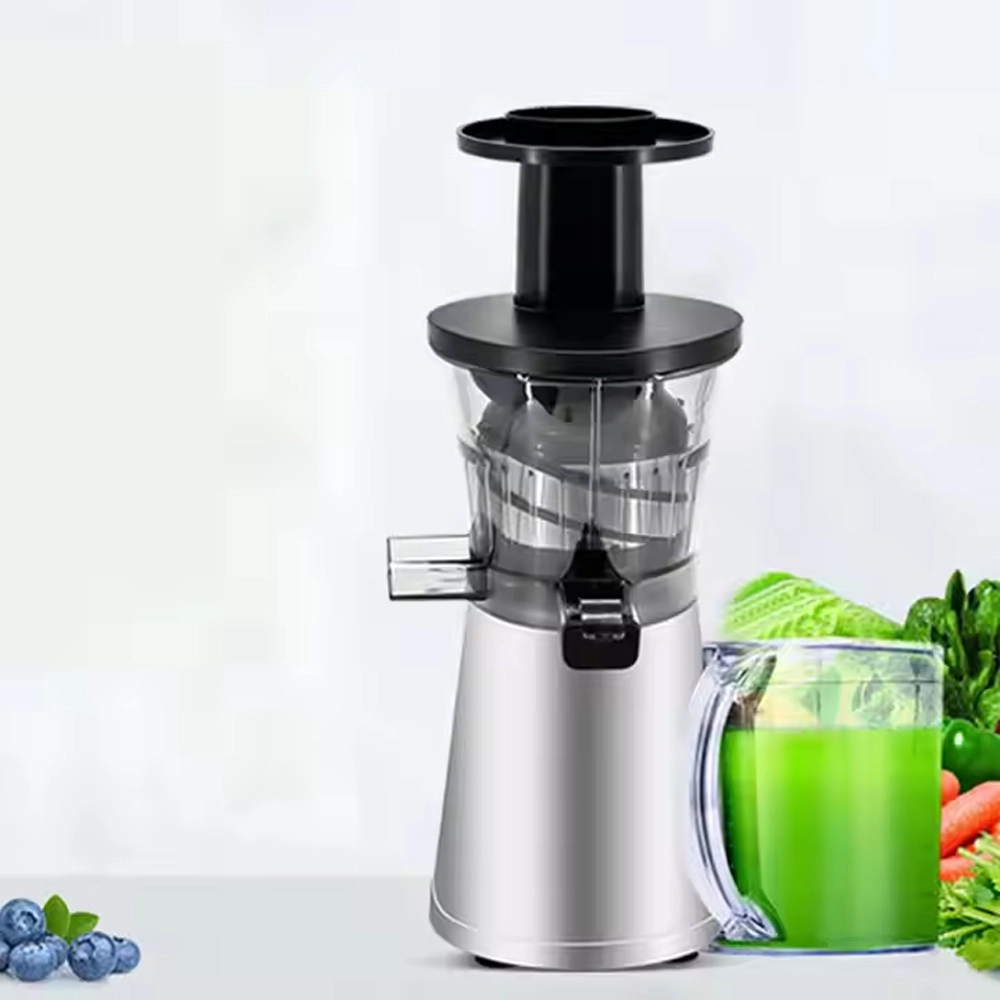
Slow Juicer L601
Jiaolong's L601 Slow Juicer: The perfect choice for slow juicer manufacturers, suppliers, and wholesalers. High-quality, efficient extraction. Contact us for wholesale inquiries.
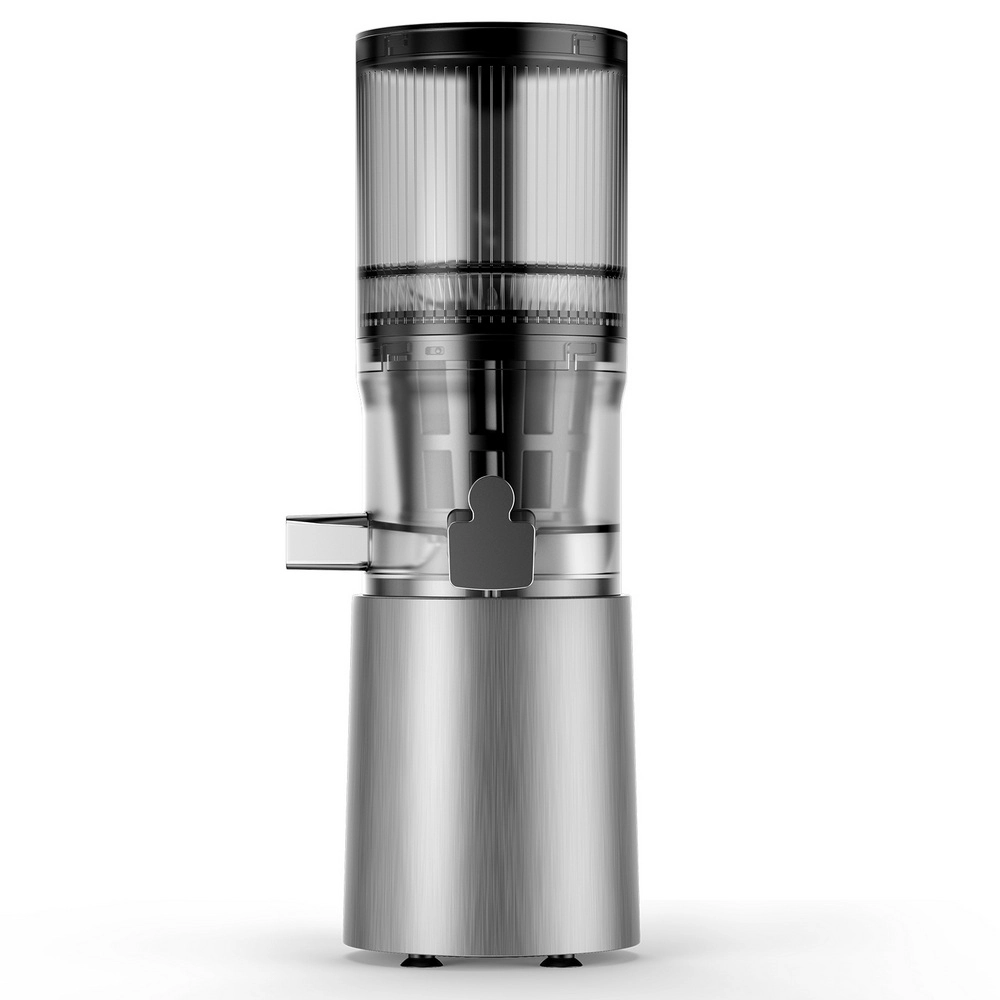
Slow Juicer L605A
Jiaolong's L605A Slow Juicer: A high-quality slow juicer for OEM, manufacturing, and supply needs. Contact us today to explore our slow juicer manufacturing capabilities and become a valued partner.
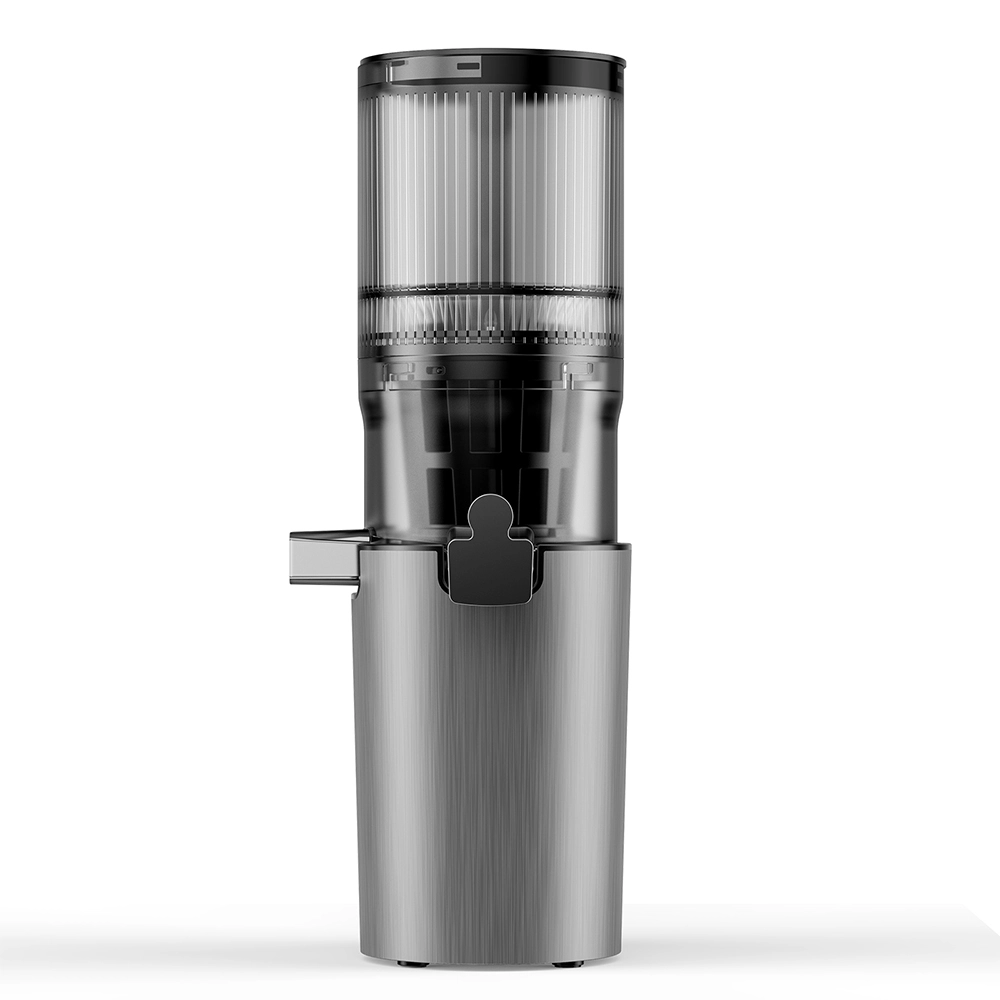
Slow juicer L606A
Jiaolong's L606A slow juicer: The ultimate slow juicer for wholesale, manufactured and supplied by a leading slow juicer supplier. Experience superior juice extraction and quality. Contact us for bulk orders.
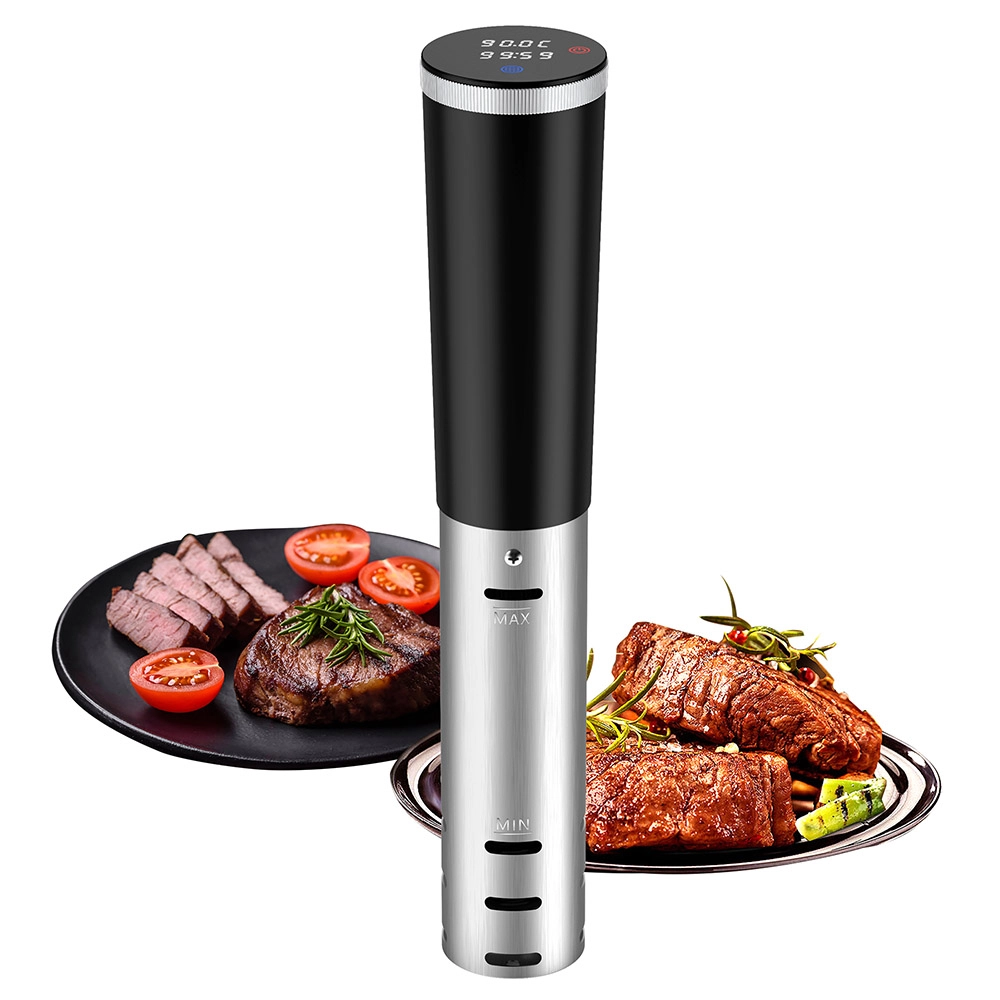
Sous Vide SV220
Jiaolong's Sous Vide SV220: A premium Sous Vide ODM solution. Reliable and efficient, the SV220 is the perfect choice for your next project. Partner with a leading sous vide supplier. Contact us today!
© 2025 JIAOLONG All Rights Reserved. Privacy Policy | Terms and Conditions | Sitemap