
Chamber vacuum sealer vs external vacuum sealer: key differences
- Understanding chamber vs external vacuum sealers: which fits your kitchen or business?
- What is a chamber vacuum sealer — core concept and typical uses
- What is an external (clamp) vacuum sealer and when it fits
- Technical differences: how they work and why it matters (includes comparison table)
- Performance in real workflows: liquids, sous-vide preparation and product protection
- Operational cost, ROI and scale considerations
- Maintenance, serviceability and uptime — what to expect
- Choosing by application: practical decision guide
- Jiaolong — manufacturer profile and how we support customers
- Buying checklist: tips to select the right chamber vacuum sealer
- Installation, commissioning and warranty: expectations and best practices
- Final recommendations: which type should you choose?
- FAQ — common questions about chamber vacuum sealers vs external vacuum sealers
- 1. Can an external vacuum sealer handle sous-vide?
- 2. Do chamber vacuum sealers extend shelf life more than external sealers?
- 3. Are chamber vacuum sealers worth the investment for small restaurants?
- 4. How often should a chamber vacuum pump be serviced?
- 5. What safety or regulatory considerations exist for vacuum packaging?
- 6. Can I retrofit existing packaging lines from external sealers to chamber sealers?
- References
Understanding chamber vs external vacuum sealers: which fits your kitchen or business?
What is a chamber vacuum sealer — core concept and typical uses
A chamber vacuum sealer creates a vacuum by extracting air from an internal chamber that contains both the product and the open bag. The bag mouth is placed over a sealing bar inside the chamber; when the lid closes, the machine pumps air out of the entire chamber, then seals the bag and returns the chamber to atmospheric pressure. Because the external pressure compresses the bag tightly around the product during the cycle, chamber vacuum sealers achieve uniform seals and are ideal for liquids, marinades and high-volume packaging. The term chamber vacuum sealer appears frequently in commercial food-packaging and sous-vide workflows due to its robust handling of wet products and high throughput.
What is an external (clamp) vacuum sealer and when it fits
An external vacuum sealer (often called an 'external' or 'clamp' sealer) evacuates air only from within the bag by placing the open end of the bag outside the machine on a vacuum channel. The internal pump pulls air out of the bag while atmospheric pressure compresses the contents. External vacuum sealers are generally more compact and less costly, making them popular for home kitchens and small businesses that mainly package dry goods, portioned meats or foods with minimal liquid.
Technical differences: how they work and why it matters (includes comparison table)
Mechanics and design produce practical differences that determine which machine is right for your application. The following table summarizes the most important technical and operational distinctions.
| Characteristic | Chamber vacuum sealer | External vacuum sealer |
|---|---|---|
| Vacuum method | Evacuates entire chamber containing bag and product | Evacuates only the inside of the bag (bag mouth outside machine) |
| Handling liquids & wet foods | Excellent — suitable for marinades, raw seafood, stews, sous-vide | Limited — liquids can be sucked into pump and damage the unit |
| Vacuum level & consistency | High and repeatable; precise control possible | Good for dry products; variable with fragile items |
| Bag types | Can use smooth or textured bags; thicker gauge supported | Usually requires embossed/textured vacuum bags designed for channeling air |
| Cycle time | Longer per cycle but suitable for batches | Shorter cycle for single items |
| Size & footprint | Larger; bench or floor machines typical | Compact countertop models common |
| Typical price range (indicative) | $1,000 to $30,000+ (commercial models) | $60 to $1,200 (home/prosumer to light commercial) |
| Best for | Restaurants, food manufacturers, sous-vide operations, high-liquid packaging | Home cooks, small catering, dry/solid portion packaging |
Sources for typical price ranges and use cases include manufacturer product lines and industry overviews (see references).
Performance in real workflows: liquids, sous-vide preparation and product protection
If your priority is working with liquids (marinades, brines, soups) or preparing multiple sous-vide portions reliably, a chamber vacuum sealer is strongly preferable. Because the chamber equalizes pressure around the product, liquids stay inside the bag and do not rush to the sealing bar during evacuation. This prevents seal failure and avoids contaminating the pump. For sous-vide, true vacuum or controlled low-pressure cycles reduce bag buoyancy that can cause uneven cooking.
External vacuum sealers can perform well for dry goods, cured meats and foods pre-frozen to immobilize surface liquids. However, they require embossed bags and careful technique (pre-freezing liquids, using drip baskets, or manual partial sealing) to avoid pump damage and seal failures.
Operational cost, ROI and scale considerations
Choosing between the two types is not only about purchase price but total cost of ownership and throughput needs. A chamber vacuum sealer has higher capital cost but can process large batches with fewer failures and lower per-pack labor when liquids or delicate items are included. External sealers have much lower capital cost, but if you must pre-freeze, rework leaks or replace pumps frequently, operating costs and downtime may rise.
| Cost element | Chamber sealer | External sealer |
|---|---|---|
| Initial purchase | High ($1k–$30k+ depending on size and features) | Low–moderate ($60–$1,200) |
| Consumables (bags) | Comparable: chamber-compatible bags (can be cheaper per unit at scale) | Embossed bags often required; similar or slightly higher per-bag cost |
| Maintenance | Regular pump/oil service, seals; designed for heavy use | Pumps vulnerable to liquids; lower-cost pumps but may need more frequent replacement if misused |
| Labor and throughput | Higher throughput per operator for batch packing | Good for intermittent use; lower continuous throughput |
When calculating ROI, factor in reduced product loss from failed seals, labor time saved on rework and the ability to sell higher-value sous-vide items or extended shelf-life goods — areas where chamber units commonly pay back faster in commercial settings.
Maintenance, serviceability and uptime — what to expect
Chamber vacuum sealers are engineered for industrial use and typically include serviceable vacuum pumps (sometimes with oil baths), replaceable sealing wires and robust lids/hinges. External units are simpler and cheaper to replace, but because many are smaller consumer machines, spare parts and long-term robustness vary widely by brand.
For businesses, access to local technical support and spare-parts supply is a crucial selection criterion. Machines used in food production must also adhere to local food safety standards and have cleaning protocols — chamber machines generally allow easier interior cleaning since the pump and motor are isolated from the bag contents.
Choosing by application: practical decision guide
Ask these questions before buying:
- Do you regularly package liquids, marinades or high-moisture products? If yes, prioritize a chamber vacuum sealer.
- Is initial cost the primary constraint and are your products mostly dry or pre-frozen? An external sealer may suffice.
- What is your daily throughput (packs per hour)? Higher volumes favor chamber machines for efficiency.
- Do you need flexible bag sizes and thicker film capability? Chamber machines handle more film types and gauges.
- What local service/support and warranty does the supplier offer?
Jiaolong — manufacturer profile and how we support customers
Jiaolong is a professional kitchen appliance manufacturer integrating R&D, design, production, and sales. The company has a motor production subsidiary, which has realized the independent control of the entire industry chain from core components to complete machine assembly. While ensuring the excellent quality of products, it optimizes production costs and provides cost-effective kitchen appliances for global customers.
From product installation and commissioning to rapid response to faults to daily maintenance optimization, our professional engineer team provides technical support to ensure efficient and stable operation of the equipment. We promise a one-year free warranty service to allow customers to enjoy a worry-free after-sales experience.
Our vision is to become the world's leading manufacturer of small kitchen appliances. Jiaolong's core product categories include Slow Juicer, Sous Vide, Vacuum Sealer, Coffee Grinder, Milk Frother and Hair Dryer. Key competitive advantages:
- Vertical integration — in-house motor production reduces supply-chain risk and improves quality control.
- Cost-efficiency — component-level control allows competitive pricing without sacrificing robustness.
- After-sales engineering support — on-site installation, commissioning and rapid troubleshooting from a professional team.
- Warranty and service — one-year free warranty and planned maintenance guidance for stable long-term operation.
For businesses considering chamber vacuum sealers, Jiaolong offers models engineered for reliable handling of liquids and commercial throughput, backed by manufacturing-level control of key components and direct technical support. Visit our product pages to compare models and request a quotation: https://www.jiaolongappliances.com/.
Buying checklist: tips to select the right chamber vacuum sealer
When selecting a chamber vacuum sealer (or choosing between chamber and external), confirm the following:
- Maximum bag dimensions and chamber size — ensure it fits your largest products.
- Pump type and capacity — check service intervals and whether it uses an oil-sealed pump (higher performance) or a dry pump.
- Sealing bar length and wattage — power influences seal quality for thick films.
- Control options — programmable cycles, vacuum level control, and gas flush (MAP) capability for packaged produce or cooked foods.
- Cleanability and sanitary design — food-contact surfaces should be accessible and corrosion-resistant.
- Warranty and local technical support — verify response times and spare-parts availability.
Installation, commissioning and warranty: expectations and best practices
Proper installation and commissioning reduce early failures. Important steps include verifying electrical supply and grounding, calibrating vacuum level and seal temperature for the chosen film, and running acceptance tests with representative products. Ask the supplier for an installation checklist and training for operators. Jiaolong’s engineering team provides installation, rapid fault response and daily maintenance optimization as part of its service offering, plus a one-year free warranty to cover manufacturing defects.
Final recommendations: which type should you choose?
Summary guidance:
- Choose a chamber vacuum sealer if: you handle liquids frequently, operate in a restaurant or processing environment, need consistent high-vacuum packaging or MAP (modified atmosphere packaging), or require heavy daily throughput.
- Choose an external vacuum sealer if: you are a home cook or small caterer with mostly dry, portioned products, need a compact and lower-cost option, and can manage liquids through pre-freezing or manual techniques.
Remember: the right machine minimizes product loss, increases shelf life, and delivers operational efficiency. For many commercial kitchens and sous-vide producers, the higher initial investment in a chamber vacuum sealer is justified by reduced downtime, fewer failed seals, and safer handling of liquids.
FAQ — common questions about chamber vacuum sealers vs external vacuum sealers
1. Can an external vacuum sealer handle sous-vide?
Yes, external sealers can be used for sous-vide if you take care to remove as much air as possible and avoid liquid contact with the pump. Pre-freezing wet items or using a water-immersion method (displacing air by submerging the bag in water before sealing) helps. For frequent sous-vide preparation or liquid-rich items, a chamber vacuum sealer is safer and more reliable.
2. Do chamber vacuum sealers extend shelf life more than external sealers?
Both types remove oxygen and can extend shelf life. Chamber vacuum sealers often achieve deeper and more consistent vacuums and support MAP and thicker film, which can improve shelf life for perishable products. Shelf life gains depend on product type, film quality and storage conditions.
3. Are chamber vacuum sealers worth the investment for small restaurants?
For restaurants that frequently package sous-vide items, marinate in vacuum, or prepare large volumes, chamber vacuum sealers often pay back through labor savings and reduced product loss. For very small operations with limited liquid packaging needs, an external sealer may suffice as a lower-cost option.
4. How often should a chamber vacuum pump be serviced?
Service intervals depend on the pump type and usage. Oil-sealed pumps usually require periodic oil changes and scheduled maintenance; many commercial units have recommended servicing every 6–12 months under normal use. Always follow the manufacturer’s maintenance schedule and keep records to ensure reliable operation.
5. What safety or regulatory considerations exist for vacuum packaging?
Food safety regulations vary by jurisdiction. Key concerns include preventing anaerobic pathogen growth (e.g., Clostridium botulinum) in vacuum-packaged foods, correct temperature control for refrigerated products, and using appropriate packaging materials. Follow local health authority guidance (for example, USDA or local food safety agencies) for processing and labeling requirements.
6. Can I retrofit existing packaging lines from external sealers to chamber sealers?
Often yes, but retrofitting requires assessment of floor space, electrical supply, production flow and operator training. Consult your equipment supplier or an OEM (such as Jiaolong) for engineering support and integration planning.
Need tailored advice or want to compare chamber vacuum sealer models that match your production needs? Contact Jiaolong’s technical sales team for a consultation, pilot testing or a quotation. Visit our website to explore product specs and request service: https://www.jiaolongappliances.com/.
References
- Vacuum packaging. Wikipedia. https://en.wikipedia.org/wiki/Vacuum_packaging (accessed 2025-11-28).
- USDA Food Safety and Inspection Service — Sous vide and food safety. https://www.fsis.usda.gov/food-safety/safe-food-handling-and-preparation/cooking/sous-vide (accessed 2025-11-28).
- FoodSaver — Vacuum sealer 101 (manufacturer overview and consumer guidance). https://www.foodsaver.com/learn/vacuum-sealer-101/ (accessed 2025-11-28).
- Multivac — Chamber vacuum packaging (industry overview and commercial product lines). https://shop.multivac.com/us/en_US/chamber-vacuum-packaging (accessed 2025-11-28).
- Industry product pages and price listings from commercial and consumer vacuum sealer manufacturers (accessed 2025-11-28) — used to estimate typical cost ranges and usage scenarios.
Top best domestic sous vide Manufacturers and Suppliers in UK
How to start the best quality vacuum sealer business ?
Custom sous vide cooker for sale Manufacturers and Suppliers in Africa
What are the application scenarios of slow juicer best?
Service
What if there is a problem with the equipment during use?
You can contact our technical support team at any time through the contact information we provide, and we will solve the problem for you as soon as possible.
How should I perform regular maintenance of the equipment?
We provide regular maintenance services and can also provide you with specific maintenance suggestions and guidance.
FAQ
How do I choose the right kitchen appliance for my needs?
Our kitchen appliance series is categorized according to different needs. You can choose the right product according to your cooking habits, the number of family members, and the frequency of use. For example, if you like healthy drinks, you can choose our slow juicer; if you need a multi-functional kitchen assistant, we recommend our 3-in-1 blender or 4-in-1 juicer. You can also contact our customer service team, and we will provide you with professional advice based on your needs.
OEM & ODM
What is the minimum order quantity for customized products?
The minimum order quantity (MOQ) usually depends on the type of product, customization requirements and production cycle. Generally speaking, our MOQ is usually 500 to 1000 units, and the specific number can be adjusted according to your needs and the complexity of the project.
What functions and appearance of products can I customize?
We provide comprehensive OEM and ODM customization services, and customers can customize the following:
⦁ Product functions: such as adding additional functions, adjusting operation methods, adding additional accessories, etc.
⦁ Appearance design: including color, shell material, LOGO and logo position, packaging design, etc.
⦁ Size and shape: adjust the size and appearance of the product according to customer needs.
⦁ Technical parameters: such as technical requirements such as power, efficiency, speed, etc.
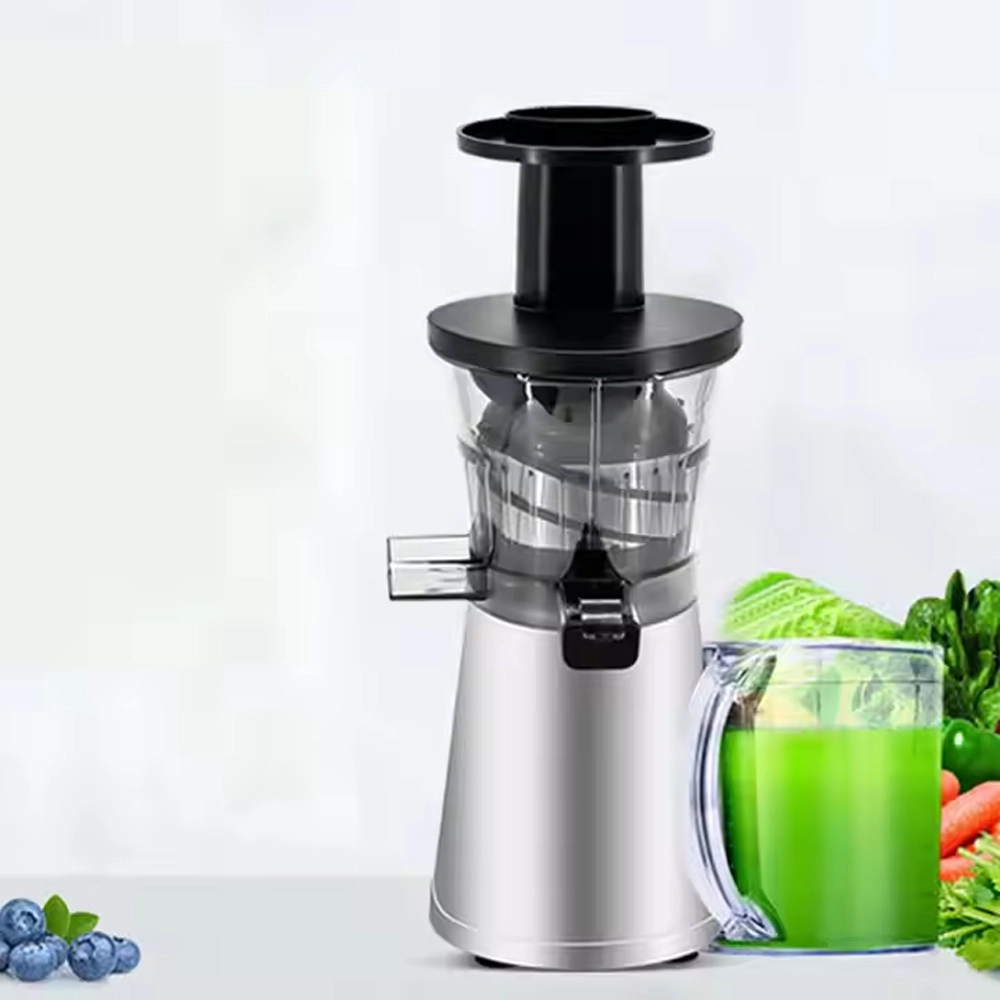
Slow Juicer L601
Jiaolong's L601 Slow Juicer: The perfect choice for slow juicer manufacturers, suppliers, and wholesalers. High-quality, efficient extraction. Contact us for wholesale inquiries.
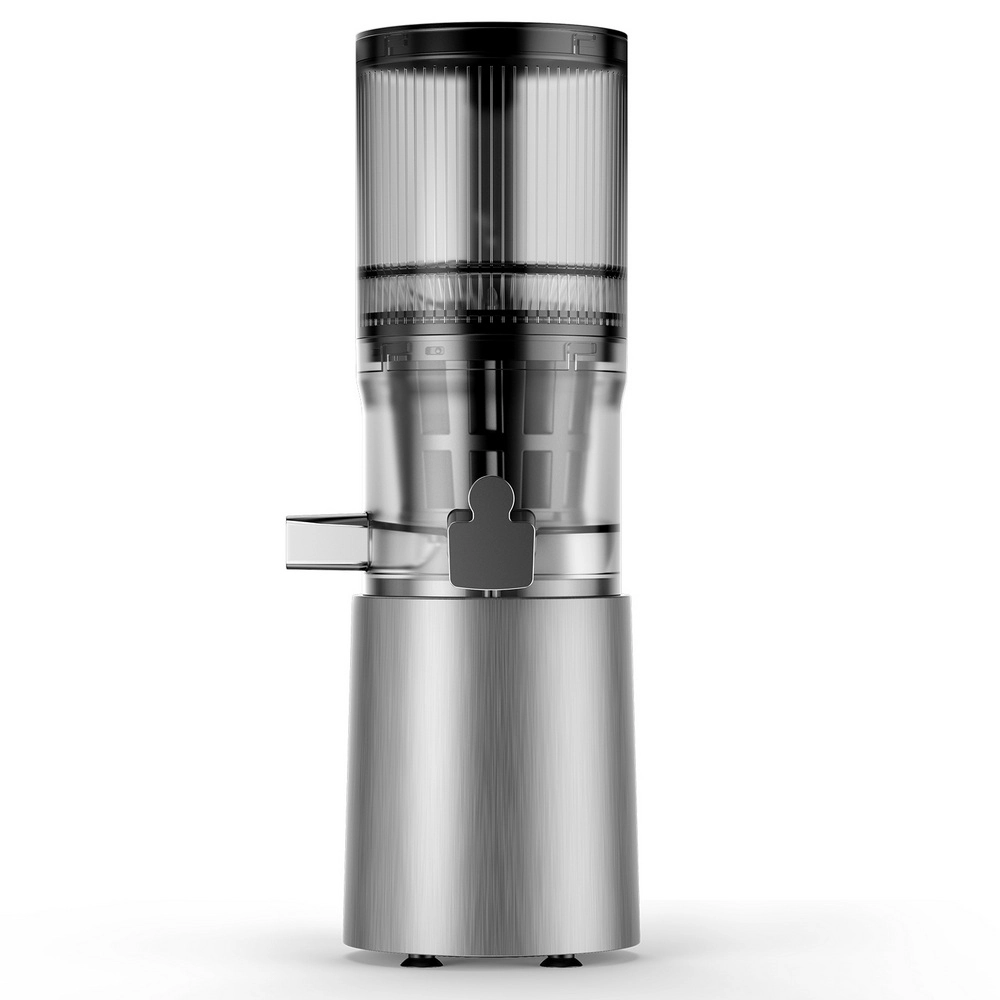
Slow Juicer L605A
Jiaolong's L605A Slow Juicer: A high-quality slow juicer for OEM, manufacturing, and supply needs. Contact us today to explore our slow juicer manufacturing capabilities and become a valued partner.
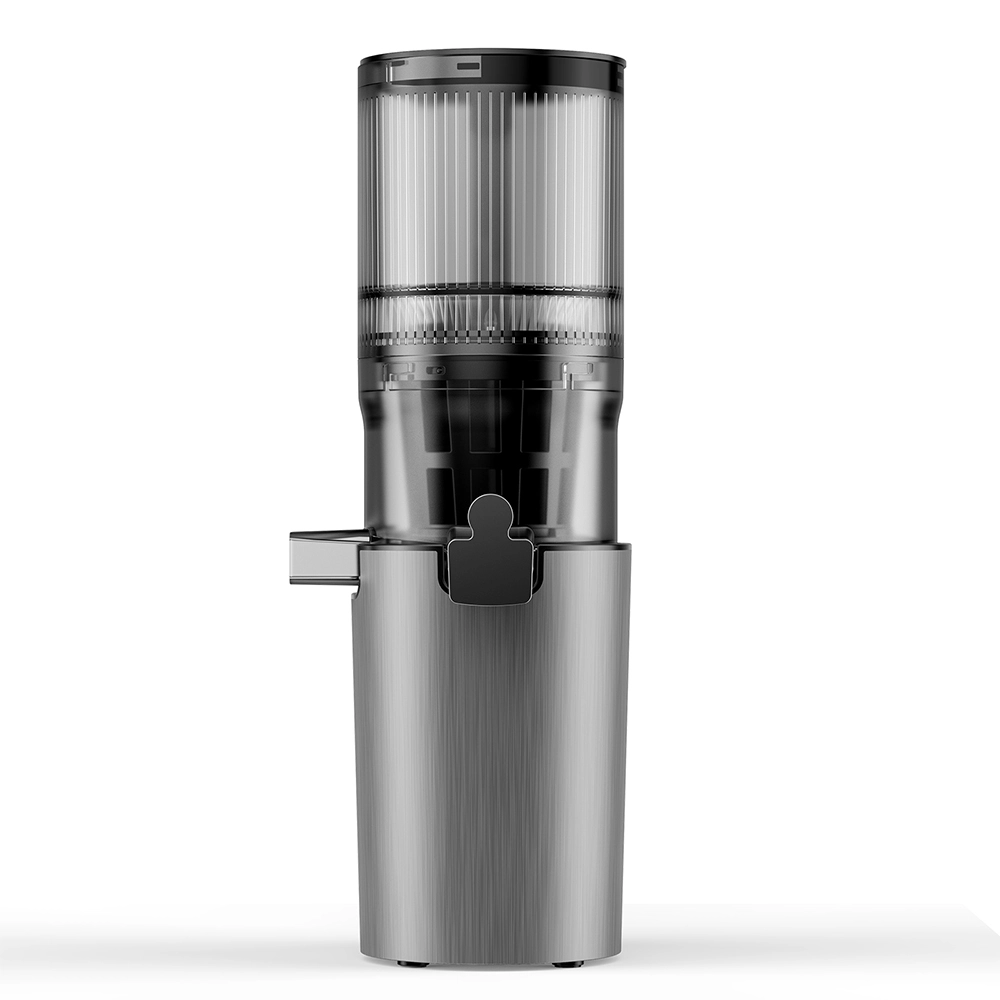
Slow juicer L606A
Jiaolong's L606A slow juicer: The ultimate slow juicer for wholesale, manufactured and supplied by a leading slow juicer supplier. Experience superior juice extraction and quality. Contact us for bulk orders.
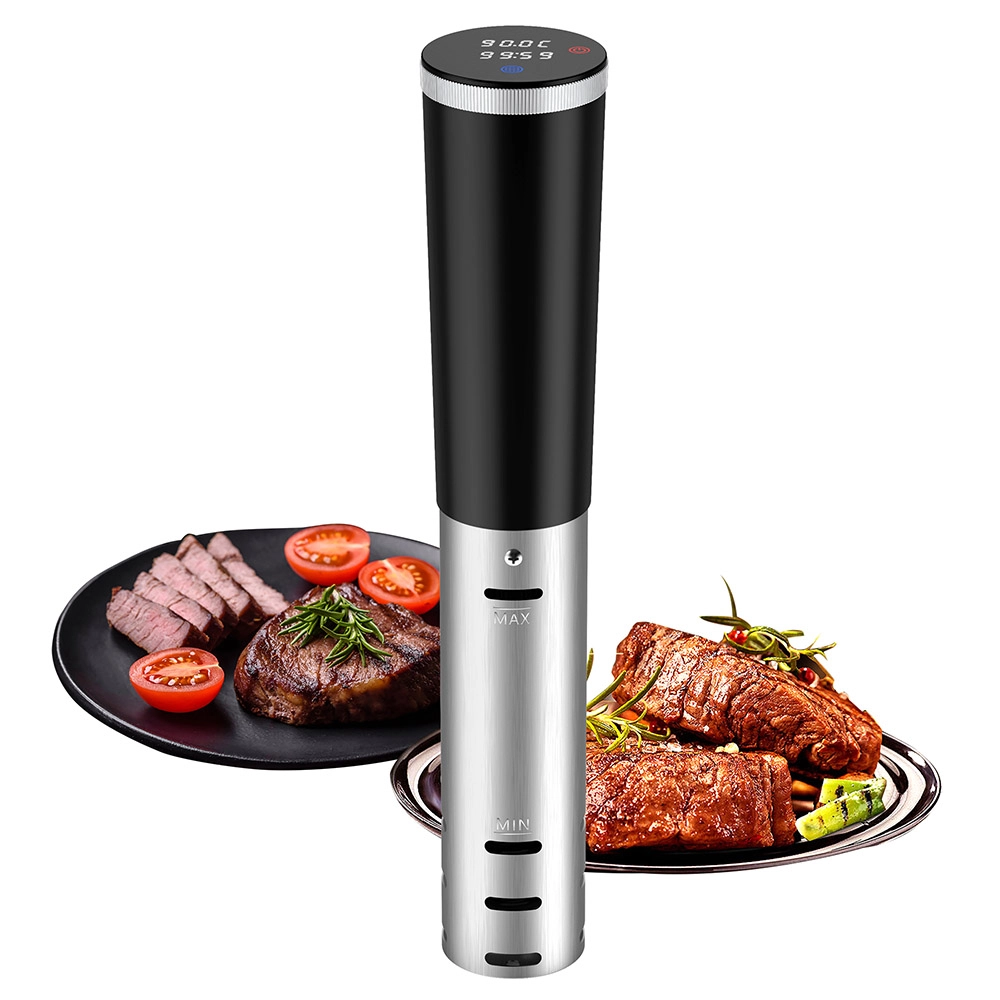
Sous Vide SV220
Jiaolong's Sous Vide SV220: A premium Sous Vide ODM solution. Reliable and efficient, the SV220 is the perfect choice for your next project. Partner with a leading sous vide supplier. Contact us today!
© 2025 JIAOLONG All Rights Reserved. Privacy Policy | Terms and Conditions | Sitemap