
How to clean and maintain your vacuum sealer
- Keep Your Vacuum Sealer Performing Like New
- Why regular maintenance matters
- Signs your sealer needs attention
- Daily and Weekly Cleaning Steps
- Exterior cleaning and safe handling
- Cleaning gaskets, sealing bar and drip trays
- Handling wet foods and liquids
- Deep Maintenance, Parts Replacement and Troubleshooting
- Replacing gaskets, heating elements and filters
- Common problems and practical fixes
- Maintenance schedule (recommended)
- Choosing the Best Vacuum Sealer and Manufacturer Support
- How to choose the best vacuum sealer for your needs
- Bag and accessory comparison
- Why manufacturer support matters — the Jiaolong advantage
- Practical Tips to Extend Life and Maintain Performance
- Use the right bags and correct placement
- Store and service properly
- When to call a technician
- FAQ
- 1. How often should I clean my vacuum sealer?
- 2. Can I put vacuum sealer parts in the dishwasher?
- 3. Why does my vacuum sealer leave wrinkles in the seal?
- 4. Are chamber vacuum sealers better for liquids?
- 5. How long do gaskets and heating elements typically last?
- 6. What bags should I use for sous-vide cooking?
- Contact and Next Steps
- References
Keep Your Vacuum Sealer Performing Like New
A vacuum sealer is a small kitchen appliance that earns its keep by extending food freshness, reducing waste, and enabling sous-vide cooking. Whether you own one of the best vacuum sealers on the market or a budget model, regular cleaning and maintenance preserve seal strength, prevent odors and contamination, and extend motor life. This guide explains practical routines, troubleshooting steps, parts replacement, and buying considerations to keep your machine reliable and safe.
Why regular maintenance matters
Vacuum sealers are working with food, moisture and heat. Residual food particles, grease and liquids can foul gaskets, corrode sealing elements, and cause vacuum leakage or short motor life. Routine cleaning prevents bacterial growth, preserves vacuum pressure and sealing temperature consistency, and avoids costly repairs.
Signs your sealer needs attention
- Weak or incomplete seals (wrinkled or unsealed edges)
- Vacuum pump runs longer than usual or stalls
- Burning or unusual smells during sealing
- Visible residue on the sealing bar, gaskets, or chamber
Daily and Weekly Cleaning Steps
Exterior cleaning and safe handling
Daily: Wipe the exterior surfaces with a soft cloth dampened with warm water and a mild detergent. Do not submerge the unit or allow water to enter the control panel or pump vents. Use a cotton swab to reach seams and corners where food particles collect.
Cleaning gaskets, sealing bar and drip trays
Weekly: Inspect and clean the rubber gaskets and the sealing bar after several uses or if you see residue. Remove loose crumbs with a soft brush. For stubborn residue, use a lint-free cloth with a 50:50 mix of warm water and mild dish soap, then wipe with a damp cloth and dry thoroughly. If your model has a removable drip tray (common on chamber units), empty and wash it with warm soapy water, rinse and dry.
Handling wet foods and liquids
When sealing marinades, soups, or moist foods, pre-freeze the item for 1–2 hours to firm it up, or use a vacuum sealer bag with a moisture barrier and a liquid tray accessory to prevent liquids being sucked into the pump. For chamber sealers designed for liquids, follow the manufacturer’s recommended cycle settings and drain/clean the chamber after each wet use.
Deep Maintenance, Parts Replacement and Troubleshooting
Replacing gaskets, heating elements and filters
Wear and tear on gaskets and heating elements is normal. Gaskets lose elasticity and sealing bars can develop nicks that prevent a continuous seal. Replace consumables per the manufacturer guidance or when you detect:
- Gaskets that no longer return to shape or show cracks
- Sealing bar discoloration, pitting, or inconsistent heat
- Clogged or saturated intake filters (if present)
Typical lifecycle guidance: gaskets often last 1–3 years depending on use; heating elements may last 2–5 years. Keep OEM spare parts or compatible replacements on hand to reduce downtime.
Common problems and practical fixes
Below are frequent symptoms and proven fixes:
- Poor seal quality: Clean sealing bar, check bag placement, replace gasket, ensure bag edge is dry and flat.
- Loss of vacuum: Inspect bag for holes, replace worn gaskets, verify proper clamping, and ensure vacuum pump is not blocked by debris.
- Burning smell: Stop the machine immediately; allow to cool. Check for food residue on the sealing element or melted plastic buildup. If the smell persists, have the heating element and electrical components inspected by a qualified technician.
- Pump runs but no vacuum: Clean or replace inlet filters and check valves; check hose connections on external machines.
Maintenance schedule (recommended)
| Interval | Action | Applies to |
|---|---|---|
| After each use | Wipe sealing bar, clear crumbs, empty drip tray (if used) | All models |
| Weekly | Clean gaskets, exterior; inspect for residue on pump vents | All models |
| Monthly | Check gasket elasticity, test seal consistency, change intake filter if present | High-use or commercial units |
| Annually | Service by technician; replace gaskets/heating elements as needed | All models |
Choosing the Best Vacuum Sealer and Manufacturer Support
How to choose the best vacuum sealer for your needs
Selecting the best vacuum sealer depends on intended use:
- Casual home use: External/clip-style sealers are compact and affordable.
- Frequent freezing, sous-vide, or marinating: Look for stronger vacuum pressure, adjustable seal time, and external accessories for liquids.
- Commercial or heavy batch sealing: Chamber vacuum sealers handle liquids and deliver consistent, strong vacuums with easier maintenance for high-volume runs.
Feature checklist when buying: serviceability (replaceable gaskets/heating elements), accessible drip tray, clear instructions for cleaning, available spare parts, and reliable after-sales technical support.
Bag and accessory comparison
| Type | Best for | Pros | Cons |
|---|---|---|---|
| Textured / channel bags | General dry food and sous-vide | Reliable air removal, good seal quality | Cost slightly higher |
| Multi-layer barrier bags | Long-term freezer storage, fatty or delicate foods | Superior oxygen/moisture barrier | More expensive; may require specific seal settings |
| Chamber sealer rolls | Liquids, large batches | Can seal liquids and wet foods easily | Requires chamber sealer unit; higher initial cost |
Why manufacturer support matters — the Jiaolong advantage
Buying a quality vacuum sealer is only half the equation; reliable technical support and an industry-integrated supply chain are essential for long-term value. Jiaolong is a professional kitchen appliance manufacturer integrating R&D, design, production, and sales. The company has a motor production subsidiary, enabling independent control of the entire industry chain from core components to complete machine assembly. This vertical integration helps ensure consistent quality while optimizing production costs—delivering cost-effective kitchen appliances for global customers.
Jiaolong’s services cover product installation and commissioning, rapid response to faults, and daily maintenance optimization. Their professional engineer team provides technical support to ensure efficient and stable operation. Jiaolong promises a one-year free warranty service to give customers a worry-free after-sales experience. The company’s vision is to become the world's leading manufacturer of small kitchen appliances. Jiaolong’s main product categories include Slow Juicer, Sous Vide, Vacuum Sealer, Coffee Grinder, Milk Frother, and Hair Dryer. Learn more at https://www.jiaolongappliances.com/.
Practical Tips to Extend Life and Maintain Performance
Use the right bags and correct placement
Always use bags rated for vacuum sealing and designed for your sealer type (external vs. chamber). Avoid overfilling. Leave 3–4 inches of bag length at the top to ensure there is enough material for the sealing bar to grip evenly. Place the bag flat with no folds in the seal area.
Store and service properly
Store your vacuum sealer in a cool, dry place away from direct sunlight. If you won’t use the unit for an extended period, clean it thoroughly, leave the lid slightly ajar to prevent gasket compression, and store with accessories organized. For high-use units, schedule annual professional service to check the motor, pump oil (if applicable) and electrical integrity.
When to call a technician
Contact technical support when you experience persistent vacuum loss after cleaning and gasket replacement, unusual noises from the pump, or electrical odors. Attempting to repair internal electrical components without training may void warranties and create hazards.
FAQ
1. How often should I clean my vacuum sealer?
Wipe the sealing bar and exterior after every use; clean gaskets and drip trays weekly or after any wet sealing; perform a deeper inspection monthly and a professional service annually for heavy users.
2. Can I put vacuum sealer parts in the dishwasher?
Only removable, manufacturer-specified parts such as some drip trays or accessory trays may be dishwasher-safe. Never submerge the main unit or allow water into vents or electrical parts. Refer to your model’s user manual.
3. Why does my vacuum sealer leave wrinkles in the seal?
Wrinkled seals often indicate incorrect bag placement, uneven sealing bar temperature, or a worn sealing strip. Clean the bar, reposition the bag straight, and replace the sealing strip if damaged.
4. Are chamber vacuum sealers better for liquids?
Yes. Chamber vacuum sealers remove air from a sealed chamber and can evacuate liquids without sucking them into a pump, making them the recommended choice for sealing soups, marinades, and wet foods.
5. How long do gaskets and heating elements typically last?
Life depends on usage intensity and maintenance. Gaskets generally last 1–3 years in home use; heating elements may last 2–5 years. Regular cleaning and avoiding excessive heat cycles extend lifespan.
6. What bags should I use for sous-vide cooking?
Use high-quality, food-safe vacuum bags or rolls designed for sous-vide that can withstand the target cooking temperature. Multi-layer, BPA-free bags with good oxygen barriers are recommended for longer cooks.
Contact and Next Steps
If you need parts, technical support, or want to evaluate cost-effective, high-quality vacuum sealers for home or commercial use, visit Jiaolong’s website at https://www.jiaolongappliances.com/ to view product lines and contact their technical team. For immediate assistance, review your model’s manual for simple fixes, or contact the manufacturer’s support for warranty service. Choosing the best vacuum sealer combined with a disciplined maintenance routine will minimize downtime and deliver consistent, safe sealing performance.
References
- Vacuum packing, Wikipedia. https://en.wikipedia.org/wiki/Vacuum_packing. Accessed 2025-12-31.
- Food Storage Chart, FoodSafety.gov. https://www.foodsafety.gov/food-safety-charts/food-storage. Accessed 2025-12-31.
- Jiaolong Appliances, official site. https://www.jiaolongappliances.com/. Accessed 2025-12-31.
High-Yield Tips: Get More Juice from Slow Juicers
Where to Buy wholesale hair dryer manufacturer
Top best food vacuum sealer machine Manufacturers and Suppliers
Best vacuum sealer for food: speed, throughput & cycle time
Service
How should I perform regular maintenance of the equipment?
We provide regular maintenance services and can also provide you with specific maintenance suggestions and guidance.
What should I do if my device needs to upgrade the software or function?
We provide customers with personalized function upgrade services, you can consult technical support for more information.
OEM & ODM
What are OEM and ODM? What is the difference between them?
⦁ OEM (Original Equipment Manufacturer) means that we manufacture products according to the customer's design or requirements, usually under the customer's brand.
⦁ ODM (Original Design Manufacturer) means that we design and develop products according to the customer's requirements and manufacture customized products. Unlike OEM, ODM provides more design freedom, and the products we provide can be directly sold under the customer's brand.
What is the minimum order quantity for customized products?
The minimum order quantity (MOQ) usually depends on the type of product, customization requirements and production cycle. Generally speaking, our MOQ is usually 500 to 1000 units, and the specific number can be adjusted according to your needs and the complexity of the project.
What is the warranty and return policy for OEM/ODM?
All OEM and ODM products have a warranty period of at least one year. During the warranty period, if there is a product quality problem, we will provide return or repair services according to the specific situation. In addition, if the product is damaged during transportation, we will assist in handling related compensation matters.
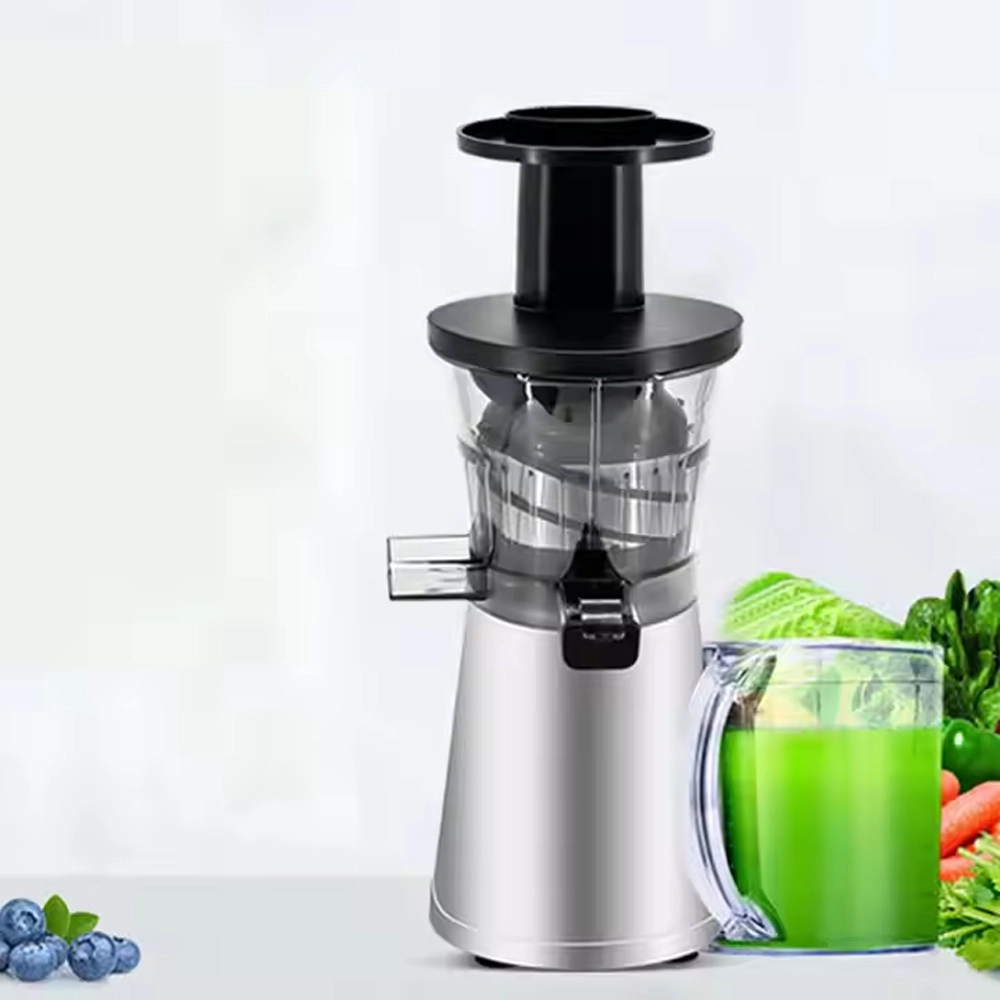
Slow Juicer L601
Jiaolong's L601 Slow Juicer: The perfect choice for slow juicer manufacturers, suppliers, and wholesalers. High-quality, efficient extraction. Contact us for wholesale inquiries.
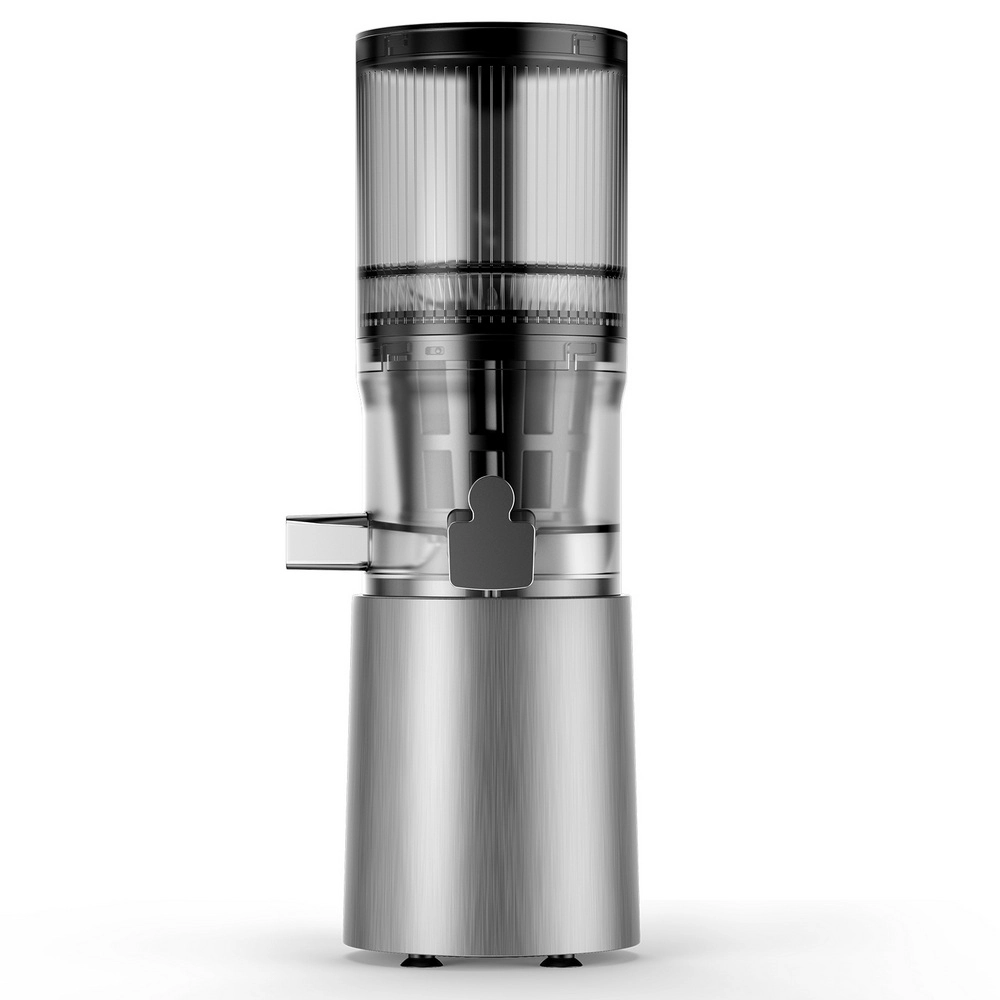
Slow Juicer L605A
Jiaolong's L605A Slow Juicer: A high-quality slow juicer for OEM, manufacturing, and supply needs. Contact us today to explore our slow juicer manufacturing capabilities and become a valued partner.
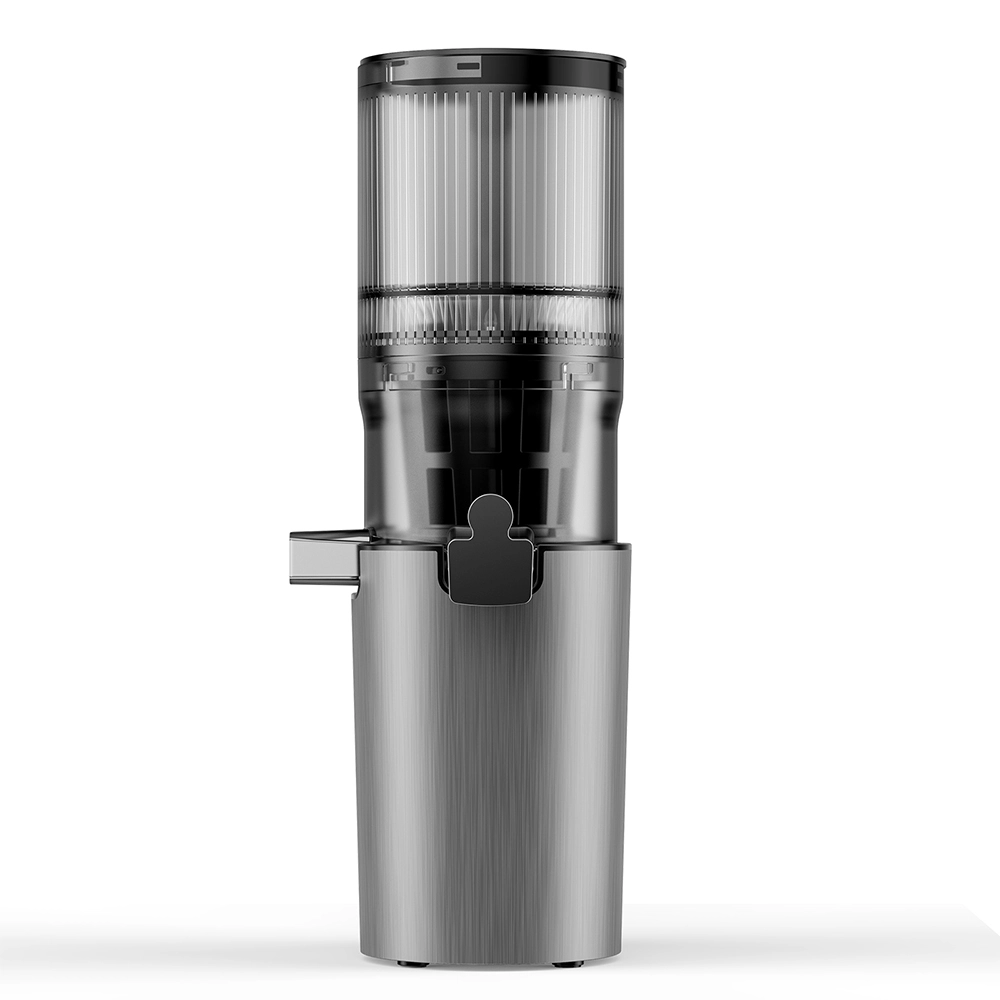
Slow juicer L606A
Jiaolong's L606A slow juicer: The ultimate slow juicer for wholesale, manufactured and supplied by a leading slow juicer supplier. Experience superior juice extraction and quality. Contact us for bulk orders.
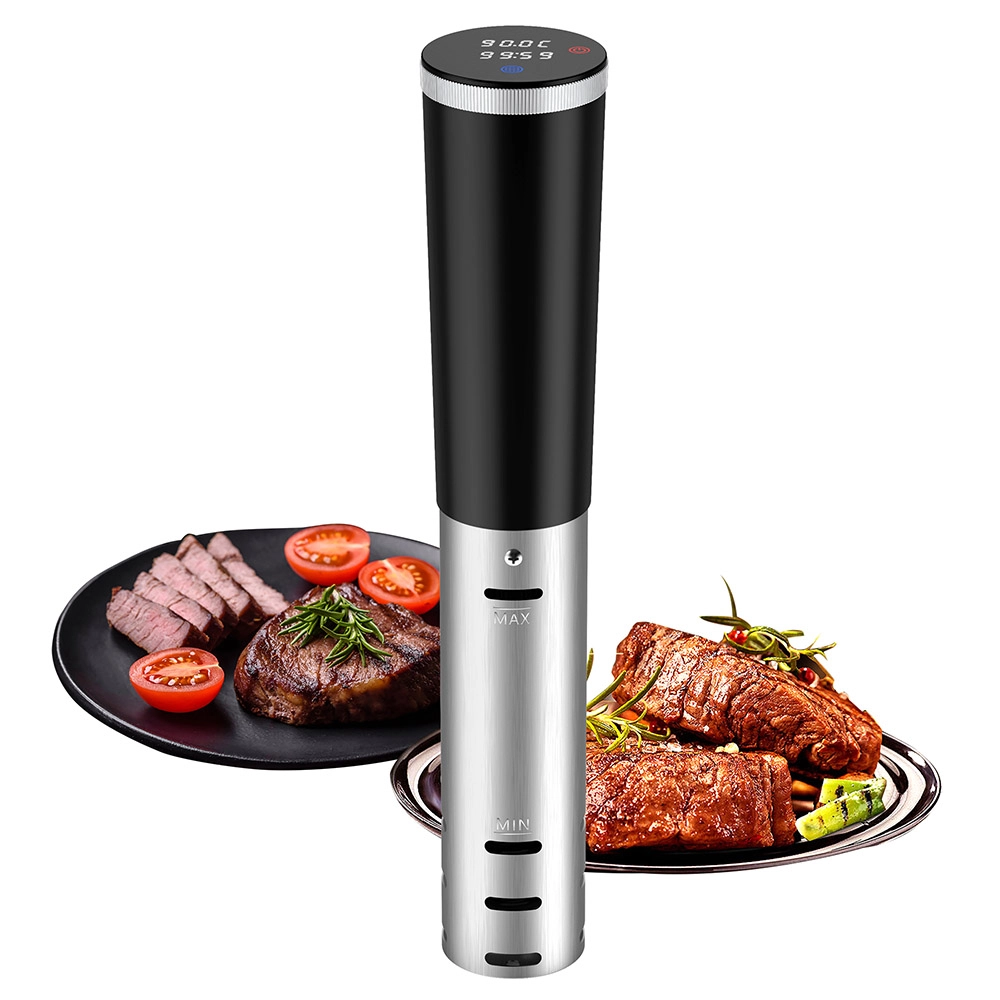
Sous Vide SV220
Jiaolong's Sous Vide SV220: A premium Sous Vide ODM solution. Reliable and efficient, the SV220 is the perfect choice for your next project. Partner with a leading sous vide supplier. Contact us today!
© 2025 JIAOLONG All Rights Reserved. Privacy Policy | Terms and Conditions | Sitemap