
Commercial vs home vacuum sealers: key differences
- Why vacuum sealing matters for food safety and business efficiency
- Food preservation benefits
- Commercial drivers and ROI
- Key technical differences: commercial vs home vacuum sealers
- Pump types, vacuum level and cycle speed
- Chamber vs external sealers and liquids handling
- Operational, maintenance and regulatory considerations
- Duty cycle, build materials and sanitation
- Safety and compliance (botulism risk, HACCP)
- Choosing the best vacuum sealer for your needs
- For home cooks and sous vide fans
- For restaurants, catering and food processors
- Direct, side-by-side comparison
- Practical decision-making: cost, capacity and use-case scenarios
- Small restaurant or caterer
- Large-scale processor or manufacturing line
- Cost of ownership and return on investment
- Quantifying ROI
- Consumables and compatibility
- Jiaolong: manufacturer strengths, product range and support
- Company capabilities and strategic advantages
- Products, technical support and warranty
- Feature checklist: choosing the best vacuum sealer by application
- FAQs (Frequently Asked Questions)
- 1. What is the best vacuum sealer for sous vide cooking?
- 2. Can a home vacuum sealer handle liquids?
- 3. How much does a commercial vacuum sealer cost?
- 4. Do vacuum-sealed foods need to be refrigerated?
- 5. How often should pump oil be changed on a commercial vacuum sealer?
- 6. Is vacuum sealing safe—are there botulism risks?
- Contact and next steps
- References and further reading
Why vacuum sealing matters for food safety and business efficiency
Food preservation benefits
Vacuum sealing removes air from packaging to slow oxidation, microbial growth and freezer burn. For consumers and businesses alike, this extends shelf life, preserves flavor and reduces food waste. When properly performed, vacuum sealing combined with refrigeration or freezing can double or more the storage life of many foods compared with ordinary storage—important whether you’re a home cook buying in bulk or a food service operation managing inventory.
Commercial drivers and ROI
For restaurants, caterers and food manufacturers the measurable benefits include lower spoilage rates, improved portion control, streamlined sous vide operations and lower logistics costs (smaller packaging volume). The initial investment in commercial equipment is often offset within months by reduced food cost, longer inventory turns and greater labor efficiency. Choosing the best vacuum sealer for your operation requires understanding throughput needs, product types and compliance requirements.
Key technical differences: commercial vs home vacuum sealers
Pump types, vacuum level and cycle speed
One of the primary technical differences is the vacuum pump. Home sealers generally use low-capacity diaphragm or small rotary vane pumps adequate for intermittent household use. Commercial machines most commonly use robust rotary vane pumps (often oil-sealed) or larger dry pumps that reach deeper vacuums and sustain repeated cycles. Higher pump capacity yields faster cycle times and higher achievable vacuum levels—important for liquid-rich products and bulk packaging.
Chamber vs external sealers and liquids handling
Chamber (vacuum chamber) sealers remove air from the entire chamber, not just the bag, allowing reliable sealing of liquids and wet foods without product migration into the pump. External (edge) sealers extract air from the bag mouth only and are common in home units. For liquid-heavy items (marinades, soups, fresh fish) and high-volume operations, chamber sealers are preferred. For dry foods, sous vide pouches, and home freezing, external units can be adequate and more cost-effective.
Operational, maintenance and regulatory considerations
Duty cycle, build materials and sanitation
Commercial sealers are engineered for continuous or near-continuous cycles, with duty cycles and cooling systems designed to handle high throughput. They use stainless steel housings and food-safe seals for frequent washdowns. Consumer models are designed for intermittent home use and may overheat if run continuously. Maintenance for commercial units often includes scheduled pump oil changes (for oil-sealed pumps), replacement of wear parts and regular calibration; these costs should be budgeted into total cost of ownership.
Safety and compliance (botulism risk, HACCP)
Vacuum packaging creates an anaerobic environment that can support Clostridium botulinum growth if temperature and processing controls are inadequate. Commercial users should integrate vacuum sealing into HACCP plans, monitor storage temperatures closely, and follow regulatory guidance for time/temperature controls. Home users should follow safe practices: rapid chilling of hot items before vacuum sealing, using proper freezer temperatures, and understanding that vacuum sealing is not a substitute for correct cooking or refrigeration.
Choosing the best vacuum sealer for your needs
For home cooks and sous vide fans
If your priority is home sous vide, bulk-buy freezing and occasional marinating, look for an external vacuum sealer that offers: preset modes for dry and moist foods, pulse/manual vacuum control (to protect delicate items), a reliable seal bar of sufficient length for your bag size, and compatibility with food-grade rolls or pre-cut bags. These units are budget-friendly, compact and easy to use—the best vacuum sealer for most households balances price, bag compatibility and ease of maintenance.
For restaurants, catering and food processors
Professional kitchens should evaluate chamber machines or heavy-duty external sealers with a high-duty pump, stainless steel construction, and serviceability. Consider these attributes: pump capacity (L/min), maximum vacuum level (mbar or torr), seal bar length and dual-seal options, ability to handle liquids, and compliance documentation. Additional features such as gas flush (MAP), programmable cycle settings, and integration for vacuum-seal pouch labeling improve traceability and shelf-life control.
Direct, side-by-side comparison
Below is a concise table contrasting common attributes of commercial and home vacuum sealers. This helps identify which machine class matches specific operational needs.
| Attribute | Home Vacuum Sealer | Commercial Vacuum Sealer |
|---|---|---|
| Typical pump type | Small diaphragm or compact rotary | Large rotary vane (often oil-sealed) or industrial dry pump |
| Vacuum level | Moderate (suitable for dry/sous vide) | High (better for liquids, longer shelf life) |
| Chamber available? | Rare, mostly external models | Common; chamber models standard for liquids |
| Duty cycle | Low—intermittent use | Designed for continuous/high-volume use |
| Materials & sanitation | Plastic and metal—limited washdown | Stainless steel—washdown and food-safe designs |
| Cost | Low–moderate (USD 50–400) | Moderate–high (USD 1,000–10,000+) |
| Liquid handling | Limited—risk of drawing liquids into pump | Excellent—chamber units can handle liquids |
| Maintenance | Minimal | Regular (pump oil changes, part replacements) |
Practical decision-making: cost, capacity and use-case scenarios
Small restaurant or caterer
A small restaurant that packages sauces, sous vide proteins and pre-portions will benefit from a compact chamber sealer or a high-end external unit with liquid-handling accessories. The best vacuum sealer here balances throughput (bags per hour), ability to handle wet products and reliability—select a model with serviceable pumps and local technical support.
Large-scale processor or manufacturing line
For continuous packaging lines or high-volume processors, choose heavy-duty chamber machines, possibly with gas-flush (modified atmosphere packaging) capability, integrated conveyors and automation. These systems require planning for preventive maintenance, spare pumps, and compliance documentation to meet food safety audits.
Cost of ownership and return on investment
Quantifying ROI
To evaluate the true cost, consider acquisition price, consumables (bags/rolls), maintenance (pump oil, seals), energy use and downtime risk. Savings come from reduced spoilage, smaller storage footprint, improved portion control and extended product shelf life. Many commercial operators see payback within 6–18 months depending on volumes and product values.
Consumables and compatibility
Bag quality directly affects seal integrity and shelf life. Commercial operations often use thicker, multi-layer barrier pouches rated for MAP or sous vide. Home users can achieve excellent results with quality food-grade rolls and compatible bags that reduce oxygen permeability. When selecting the best vacuum sealer, confirm bag compatibility and availability in your market.
Jiaolong: manufacturer strengths, product range and support
Company capabilities and strategic advantages
Jiaolong is a professional kitchen appliance manufacturer integrating R&D, design, production, and sales. The company has a motor production subsidiary, which has realized the independent control of the entire industry chain from core components to complete machine assembly. While ensuring the excellent quality of products, it optimizes production costs and provides cost-effective kitchen appliances for global customers.
Products, technical support and warranty
Jiaolong’s portfolio includes Slow Juicer, Sous Vide, Vacuum Sealer, Coffee Grinder, Milk Frother and Hair Dryer. From product installation and commissioning to rapid response to faults to daily maintenance optimization, our professional engineer team provides technical support to ensure efficient and stable operation of the equipment. We promise a one-year free warranty service to allow customers to enjoy a worry-free after-sales experience. Our vision is to become the world's leading manufacturer of small kitchen appliances. Visit our website: https://www.jiaolongappliances.com/
Feature checklist: choosing the best vacuum sealer by application
Use this short checklist to match features to use case when searching for the best vacuum sealer.
| Use case | Must-have features |
|---|---|
| Home sous vide | Pulsed vacuum control, reliable seal bar, bag compatibility, compact size |
| Small restaurant | Chamber or high-end external unit, liquid handling, stainless construction, service contract |
| Bulk freezing/retail | Fast cycle, large seal bar, high-capacity pump, MAP option |
| Industrial packaging | Automated feeders, gas flush, integrated labeling, redundant pumps |
FAQs (Frequently Asked Questions)
1. What is the best vacuum sealer for sous vide cooking?
The best vacuum sealer for sous vide is one that offers reliable seals, pulse/manual control to protect delicate foods, and compatibility with BPA-free, heat-safe bags. Many home-use external sealers meet these needs; if you cook large volumes, a chamber sealer may be preferable.
2. Can a home vacuum sealer handle liquids?
Most basic home external sealers struggle with liquids because liquid can be drawn into the pump. Techniques like pre-freezing liquids or using chamber sealers avoid this problem. For frequent liquid packaging, choose a chamber unit or a model with liquid-handling features.
3. How much does a commercial vacuum sealer cost?
Commercial units vary widely: entry-level heavy-duty external sealers can start around USD 1,000, while industrial chamber systems and automated lines can exceed USD 10,000 depending on features. Factor in maintenance and consumable costs when budgeting.
4. Do vacuum-sealed foods need to be refrigerated?
Yes—vacuum sealing alone does not stop bacterial growth. Perishable foods still require refrigeration or freezing. Vacuum packaging reduces oxygen but may promote anaerobic bacteria if temperature controls are not maintained.
5. How often should pump oil be changed on a commercial vacuum sealer?
For oil-sealed pumps, manufacturers typically recommend changing pump oil based on running hours (for example, every 500–2,000 hours) or annually—follow the pump manufacturer's guidance. Regular oil changes prolong pump life and maintain vacuum performance.
6. Is vacuum sealing safe—are there botulism risks?
Vacuum sealing can create conditions favorable to Clostridium botulinum if low-acid foods are stored at improper temperatures. Commercial operations should integrate vacuum sealing into HACCP systems and follow regulatory time/temperature controls. Home users should refrigerate/freeze perishable items promptly and follow tested guidance for long-term storage.
Contact and next steps
If you’re evaluating solutions or need assistance selecting the best vacuum sealer for your operation, Jiaolong’s engineering team can help assess capacity, recommend models and provide installation and after-sales support. Explore Jiaolong products and contact sales at: https://www.jiaolongappliances.com/
References and further reading
- Vacuum packing — Wikipedia. https://en.wikipedia.org/wiki/Vacuum_packing (accessed 2026-01-01)
- Vacuum pump — Wikipedia. https://en.wikipedia.org/wiki/Vacuum_pump (accessed 2026-01-01)
- USDA Food Safety and Inspection Service, Safe Sous Vide guidance. https://www.fsis.usda.gov/food-safety/safe-food-handling-and-preparation/cooking/sous-vide (accessed 2026-01-01)
- CDC, Botulism—information on Clostridium botulinum risks. https://www.cdc.gov/botulism/index. (accessed 2026-01-01)
- Good Housekeeping, Best Vacuum Sealers buyer guide. https://www.goodhousekeeping.com/appliances/ (accessed 2026-01-01)
OEM/ODM hair dryer manufacturer europe Manufacturers and Suppliers
Wholesale best rated sous vide machine manufacturer and supplier in UK
The latest trends for best vacuum sealing machine | Jiaolong Ultimate Insights
What is best commercial food vacuum sealer ?
OEM & ODM
Can I change the product design or function?
In ODM services, customers can completely change the design or function, and we will make corresponding modifications according to your needs. In OEM services, if the modification does not affect the core function of the original design, appropriate adjustments can also be made. We will provide samples for your review after confirming any design and functional changes.
What is the delivery time for customized products?
The delivery time usually depends on the complexity of the product, the degree of customization, and the production schedule. Generally speaking, the delivery time for OEM products is 30-60 days, and ODM products may take longer for design, sample production and testing. We will confirm the delivery time with the customer based on the specific situation.
What is the warranty and return policy for OEM/ODM?
All OEM and ODM products have a warranty period of at least one year. During the warranty period, if there is a product quality problem, we will provide return or repair services according to the specific situation. In addition, if the product is damaged during transportation, we will assist in handling related compensation matters.
FAQ
Where can I buy Jiaolong Electric's products?
Our products can be purchased through our official website. In addition, we also cooperate with many dealers and retailers around the world. You can find our products in local appliance stores and online e-commerce platforms (such as Amazon, Tmall, JD.com, etc.). If you have any questions about the purchase channel, you can also contact our customer service team at any time and we will help you.
Service
How do I contact technical support?
You can contact the technical support team through our official website, service hotline, email or online customer service.
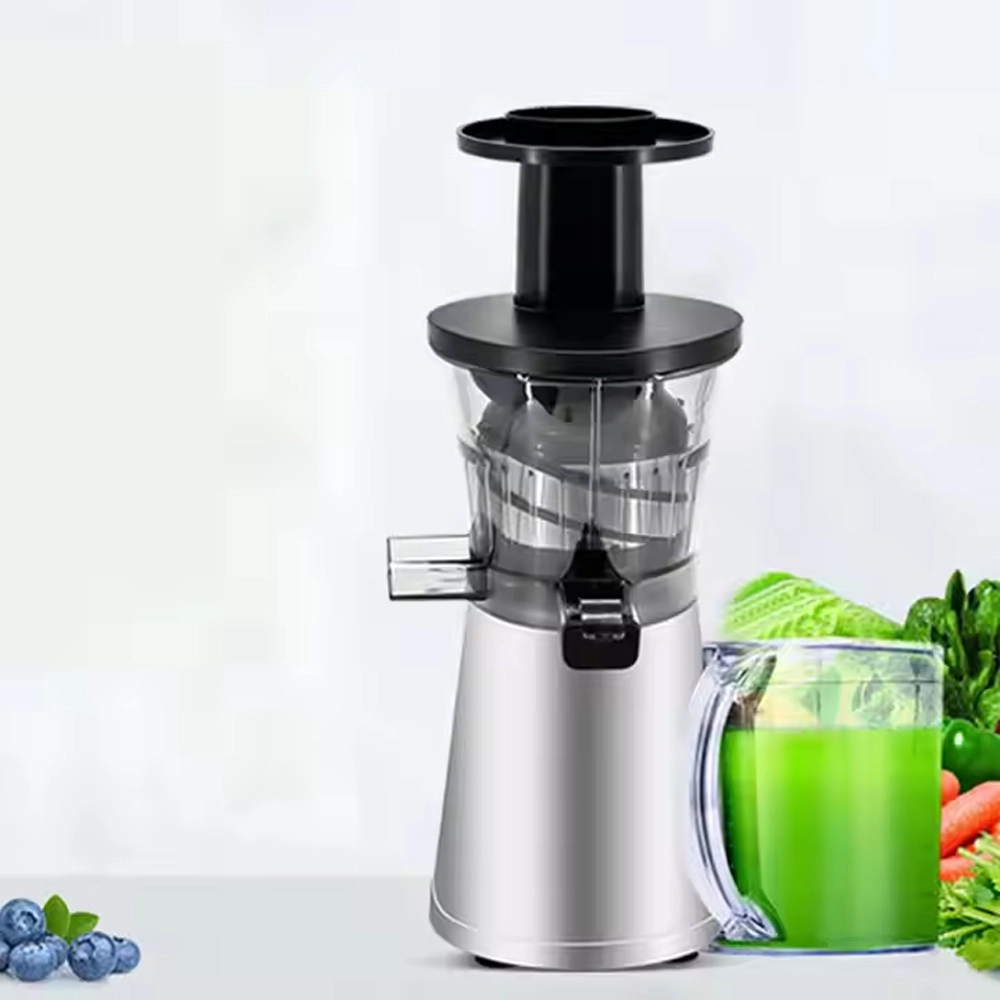
Slow Juicer L601
Jiaolong's L601 Slow Juicer: The perfect choice for slow juicer manufacturers, suppliers, and wholesalers. High-quality, efficient extraction. Contact us for wholesale inquiries.
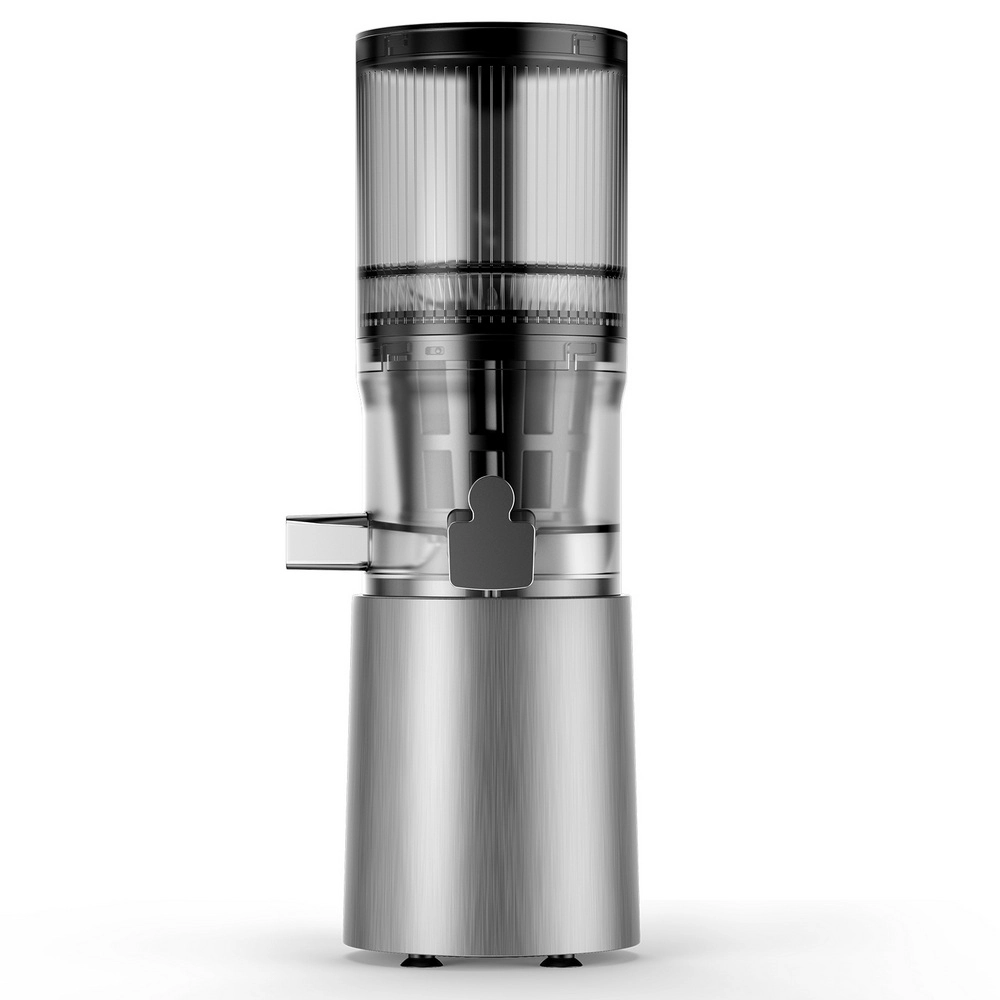
Slow Juicer L605A
Jiaolong's L605A Slow Juicer: A high-quality slow juicer for OEM, manufacturing, and supply needs. Contact us today to explore our slow juicer manufacturing capabilities and become a valued partner.
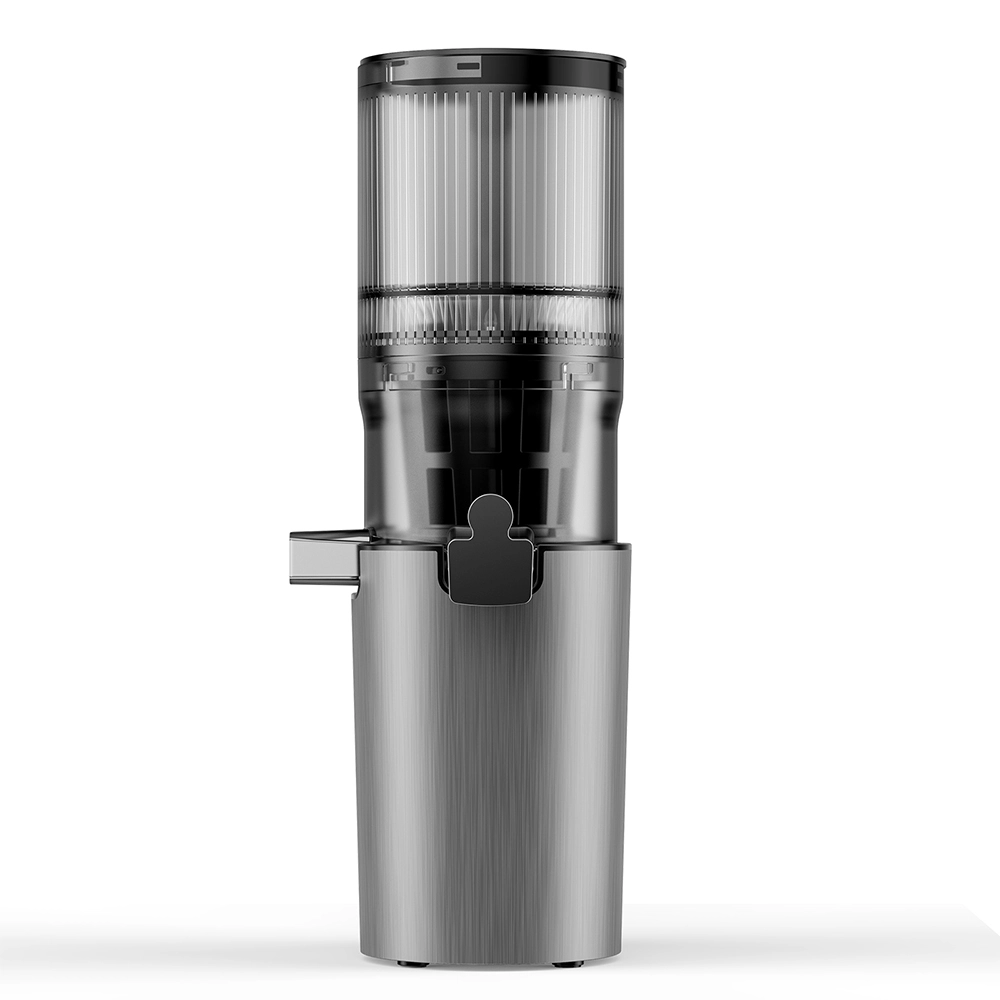
Slow juicer L606A
Jiaolong's L606A slow juicer: The ultimate slow juicer for wholesale, manufactured and supplied by a leading slow juicer supplier. Experience superior juice extraction and quality. Contact us for bulk orders.
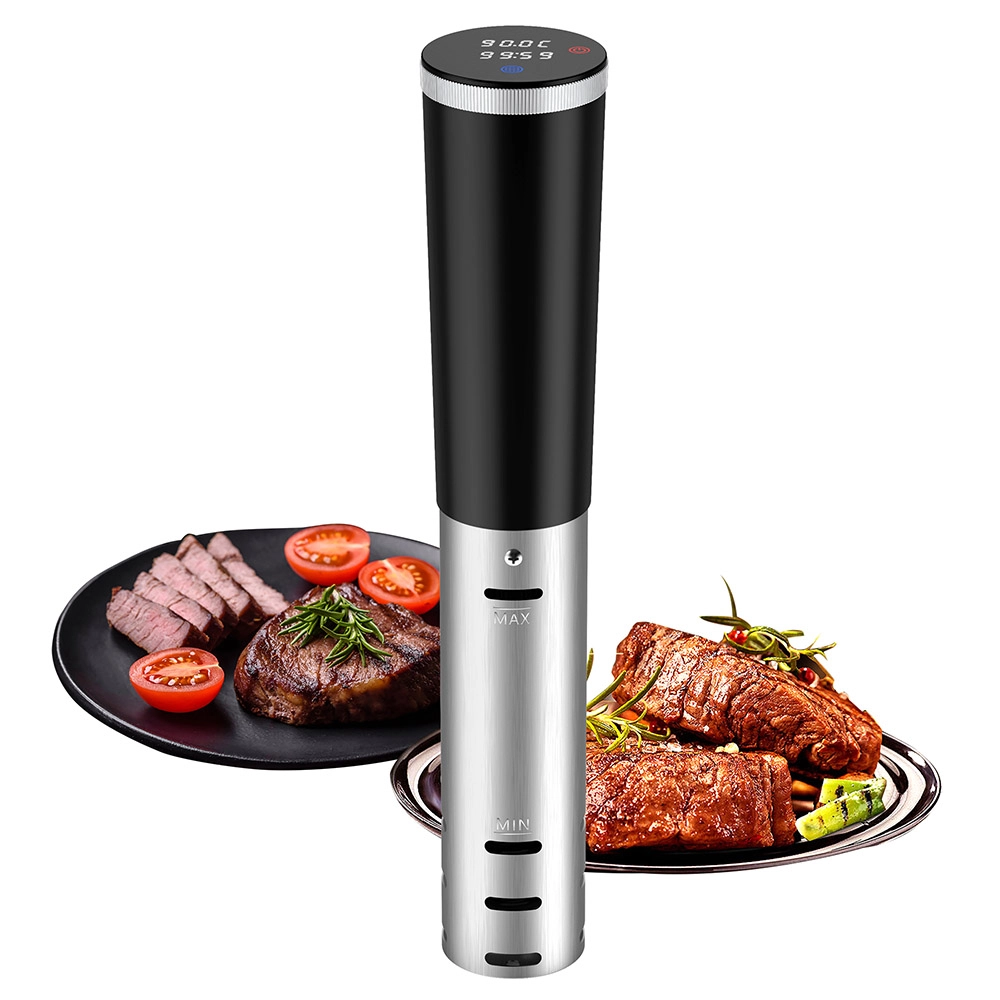
Sous Vide SV220
Jiaolong's Sous Vide SV220: A premium Sous Vide ODM solution. Reliable and efficient, the SV220 is the perfect choice for your next project. Partner with a leading sous vide supplier. Contact us today!
© 2025 JIAOLONG All Rights Reserved. Privacy Policy | Terms and Conditions | Sitemap