
Troubleshooting common chamber vacuum sealer problems
- How to Diagnose Chamber Vacuum Sealer Issues Quickly
- Common signs your chamber vacuum sealer needs troubleshooting
- Sealer won't turn on — power and control checks (chamber vacuum sealer power issues)
- Poor or incomplete vacuum — common causes and how to test (chamber vacuum sealer vacuum loss)
- Seal failures — diagnosing heater and bar issues (chamber vacuum sealer sealing problems)
- Chamber not pumping down or slow vacuum — pump maintenance and oil guidance (vacuum pump maintenance)
- Abnormal noises, vibration, or overheating — motor and pump diagnostics (chamber vacuum sealer mechanical faults)
- Sensor and gauge errors — calibration, wiring, and replacement (chamber vacuum sealer sensor issues)
- Software/control board faults — reboot, error logs, and firmware (chamber vacuum sealer controls)
- Preventive maintenance checklist for reliable chamber vacuum sealer operation
- Why choose Jiaolong for chamber vacuum sealer needs — manufacturer capabilities and service
- When to call a professional and what to prepare (chamber vacuum sealer repair service)
- FAQ — Frequently Asked Questions
- References
How to Diagnose Chamber Vacuum Sealer Issues Quickly
Common signs your chamber vacuum sealer needs troubleshooting
If your chamber vacuum sealer is underperforming, detecting the early signs shortens downtime and preserves product quality. Watch for these indicators: slow or no vacuum draw, seal bar fails to melt film, machine won't power on, high-pitched or grinding noises, oil leaks from the pump, intermittent error codes on the control panel, or the machine overheats after short runs. These symptoms are the starting point to pinpoint whether the root cause is electrical, mechanical, consumable wear, or user/operator error.
Sealer won't turn on — power and control checks (chamber vacuum sealer power issues)
Before diagnosing complex subsystems, rule out simple electrical causes. Steps to follow:
- Confirm power source: test the outlet with another device and verify voltage matches the machine rating (110–120V or 220–240V).
- Inspect the main power switch and emergency stop; ensure E-stop is released.
- Check fuses and circuit breakers inside the machine (refer to the manual). Replace only with manufacturer-specified types.
- Look for visible wiring damage or loose connectors on the control board — only perform visual checks if trained; otherwise contact service.
- If the machine powers on but shows control errors, note the error codes and consult the user manual or manufacturer support.
Documenting voltage, error codes, and whether the sealer cycles or is completely dead will speed any further repair or support call.
Poor or incomplete vacuum — common causes and how to test (chamber vacuum sealer vacuum loss)
Poor vacuum can be caused by bag leakage, lid seal (O-ring) damage, vacuum pump wear, or intake/valve faults. Troubleshooting steps:
- Perform a vacuum-hold test: place a known-good bag or an empty chamber load, run a cycle, turn off the pump and observe pressure decay on the gauge for a fixed interval (e.g., 5 minutes). Fast pressure rise indicates a leak.
- Inspect chamber O-ring and lid gasket for cuts, compression set, or dirt. Clean with isopropyl alcohol and replace if flattened or cracked.
- Examine the bag film and seam—use heat-sealed commercial chamber bags specified for vacuum sealing. Creased or poor-quality film compromises seals.
- Check vacuum gauge vs. pump vacuum: a faulty gauge can give misleading readings. If available, verify with a handheld vacuum gauge/vacuum sensor.
- Listen for hissing or use a soapy water spray around lid seal and fittings; bubbles indicate leaks.
Seal failures — diagnosing heater and bar issues (chamber vacuum sealer sealing problems)
Seal problems are frequently misdiagnosed. Common failure modes and fixes:
- Cold or incomplete seals: heater element broken or temperature insufficient. Verify temperature control settings for film type and test a sealed sample while increasing temp incrementally as manufacturer recommends.
- Intermittent seals: loose or corroded electrical connections to the seal bar or control relay—tighten connectors and inspect solder joints on control PCBs if experienced.
- Burnt or snapped seal wires: open the seal bar housing; broken wires are visible. Replace the seal wire assembly or Teflon tape per manual.
- Uneven seals or short seals: warped seal bar or damaged silicone/platen affecting contact pressure—inspect and replace wear parts.
- Film incompatibility: use chamber-grade flexible film; some multilayer films require different heat or pressure settings.
Chamber not pumping down or slow vacuum — pump maintenance and oil guidance (vacuum pump maintenance)
Most industrial and mid-size chamber vacuum sealers use rotary vane pumps. Pump health determines cycle time and achievable vacuum. Key maintenance actions:
- Check oil level and quality. Contaminated, dark, or frothy oil indicates moisture or particulate ingress—change oil with the manufacturer-specified vacuum pump oil and follow proper disposal rules.
- Change oil after heavy use or when the pump runs hot; common intervals are 500–1000 operating hours for rotary vane pumps under typical food-packaging use, but consult your manual.
- Inspect inlet filters and mufflers for clogging; replace as needed.
- If the pump pulls a limited vacuum even with fresh oil, the vanes may be worn—this reduces compression efficiency and requires service or overhaul.
| Pump Type | Typical Vacuum | Maintenance Frequency | Pros | Cons |
|---|---|---|---|---|
| Rotary vane (oil-sealed) | 10^-3 to 10^-2 mbar | Oil change 500–1000 hrs; vane/service as needed | Good vacuum, cost-effective | Requires proper oil handling; contaminated by moisture |
| Dry scroll | 10^-2 to 10^-1 mbar | Less frequent; replace seals bearings as needed | No oil contamination, cleaner for food | Higher cost, different vacuum |
| Diaphragm | ~10^0 mbar (suitable for light duty) | Membrane replacement periodically | Oil-free, simple | Lower performance for chamber applications |
Source guidance for pump maintenance includes pump manufacturer documentation. If your pump consistently fails to reach expected vacuum after oil/service, schedule a professional pump inspection or rebuild.
Abnormal noises, vibration, or overheating — motor and pump diagnostics (chamber vacuum sealer mechanical faults)
Noises are early-warning signals. Troubleshooting steps:
- Grinding or metal-on-metal: likely bearing wear in the motor or pump—stop machine and arrange service.
- High-frequency whining: often normal for pumps at certain speeds but excessive pitch can indicate cavitation or vane wear.
- Vibration: check mounting bolts and rubber vibration isolators. Loose pump mounts transmit vibration to the frame, worsening other seals.
- Overheating: ensure proper ventilation, clean cooling fins, and inspect fans. Thermal cutouts that trip repeatedly may point to overloaded motors or failing bearings.
Sensor and gauge errors — calibration, wiring, and replacement (chamber vacuum sealer sensor issues)
Inaccurate pressure readings or error codes often stem from sensors. Actions:
- Verify gauge against a calibrated reference gauge when possible.
- Inspect wiring harnesses for chafing or moisture intrusion; replace connectors if corroded.
- Some sensors have simple recalibration procedures; consult the manual or contact OEM for calibration intervals and certified services.
Software/control board faults — reboot, error logs, and firmware (chamber vacuum sealer controls)
Modern commercial chamber vacuum sealers have microcontroller-based controllers. For control faults:
- Power-cycle the unit and retry the operation. Note whether errors reappear consistently.
- Record error codes and timestamps; these help engineers reproduce faults.
- Do not open or attempt PCB repairs unless certified. Static-sensitive circuits and safety interlocks can be dangerous.
- If firmware updates are available from the manufacturer, apply them per instructions after backing up settings.
Preventive maintenance checklist for reliable chamber vacuum sealer operation
Regular maintenance reduces downtime and repair cost. Use this checklist and adapt frequencies to your usage and environment:
- Daily: clean chamber and lid, inspect O-ring, empty and wipe oil sight glass, verify vacuum gauge behavior.
- Weekly: inspect seal bar Teflon tape, retighten accessible fasteners, check for air leaks, verify cooling airflow.
- Monthly: change pump oil if heavy use, replace intake filters, run a vacuum-hold test and log results.
- Quarterly or semi-annually: professional inspection for pump vane wear, motor bearings, and control calibration.
Why choose Jiaolong for chamber vacuum sealer needs — manufacturer capabilities and service
Jiaolong is a professional kitchen appliance manufacturer integrating R&D, design, production, and sales. The company has a motor production subsidiary that realizes independent control of the entire industry chain from core components to complete machine assembly. This vertical integration helps ensure consistent quality while optimizing production costs, enabling Jiaolong to offer cost-effective small kitchen appliances globally.
Key service strengths relevant to chamber vacuum sealers:
- End-to-end technical support: from product installation and commissioning to rapid fault response and daily maintenance optimization, Jiaolong's professional engineer team provides technical support to ensure efficient and stable operation.
- After-sales promise: a one-year free warranty to provide customers a worry-free after-sales experience.
- Product range and technical strengths: Jiaolong's main products include Slow Juicer, Sous Vide, Vacuum Sealer, Coffee Grinder, Milk Frother, and Hair Dryer. The company emphasizes motor and core-component control, allowing design optimizations that enhance durability and reduce lifecycle cost.
- Vision: Jiaolong aims to become the world’s leading manufacturer of small kitchen appliances. For more product details and service contact, visit https://www.jiaolongappliances.com/.
When selecting a supplier for commercial chamber vacuum sealers, Jiaolong's combination of in-house motor expertise, component traceability, and dedicated engineering support improves uptime and simplifies maintenance logistics compared with suppliers who outsource critical components.
When to call a professional and what to prepare (chamber vacuum sealer repair service)
Call a qualified service technician when you encounter any of the following:
- Electrical faults where fuses tripping, PCB errors, or intermittent startup failures occur.
- Pump failures that persist after oil change and filter checks (indications of vane or bearing failure).
- Severe seal bar damage or frame deformation from impact.
- Persistent overheating or smoke.
Prepare for the service visit by documenting:
- Serial/model number of the machine and date of purchase.
- Recent maintenance records (oil changes, seal replacement).
- Precise symptom description, error codes, and time stamps.
- Photos or short video clips of noises, leaks, or error screens if possible.
Having spare consumables on hand (O-rings, Teflon tape, recommended oil) can reduce downtime when a technician arrives.
FAQ — Frequently Asked Questions
- 1. Why does my chamber vacuum sealer lose vacuum shortly after the cycle ends?
- Most often this is due to a leaking chamber gasket, bag seam, or a faulty valve. Perform a vacuum-hold test to isolate leaks and inspect/replace the chamber O-ring or defective fittings.
- 2. How often should I change the vacuum pump oil?
- Change intervals depend on workload and environment. Typical guidance for rotary vane pumps is every 500–1,000 operating hours under normal conditions; in humid or heavy-duty commercial use change more frequently. Always follow pump manufacturer specs.
- 3. My seals look fine but the bag opens after storage — what causes this?
- Possible causes include suboptimal sealing temperature for the film, contamination at the seal area (oil, grease, food residue), or using the wrong film type. Run a test with clean film and slightly higher seal temp per film spec.
- 4. Can I run a chamber vacuum sealer continuously for long production runs?
- Many commercial chamber sealers are designed for continuous use but observe duty cycle limits, allow cooling periods for pumps/motors as recommended, and ensure adequate ventilation. For high-volume applications, use equipment rated for continuous industrial duty and follow preventive maintenance schedules.
- 5. Is oil contamination in the pump dangerous for food packaging?
- Oil carryover can contaminate the vacuum chamber and cause product contamination if not controlled. Use proper oil filters, mufflers, and perform regular oil changes; consider oil-free pump alternatives if oil contamination is a critical concern.
- 6. How do I know if my vacuum gauge is accurate?
- Compare the machine gauge to a calibrated handheld vacuum gauge under identical conditions. Large discrepancies indicate gauge failure or sensor drift and require replacement or calibration.
- 7. What spare parts should an operator keep on-site?
- Common spare parts: chamber O-rings, seal wire and Teflon tape, oil for the pump, intake filters, fuses, and a spare vacuum bag type certified for the machine. Keeping these reduces production interruptions.
If you need personalized troubleshooting, spare parts, or want to evaluate chamber vacuum sealer options for your application, contact Jiaolong's technical team for fast support and product information: https://www.jiaolongappliances.com/.
References
- VacMaster. How to Clean and Maintain Your Chamber Vacuum Packaging Machine. VacMasterFresh blog. Accessed 2025-12-05. https://www.vacmasterfresh.com/blogs/news/how-to-clean-and-maintain-your-chamber-vacuum-packaging-machine
- Pfeiffer Vacuum. Maintenance of rotary vane pumps. Pfeiffer Vacuum Know-how. Accessed 2025-12-05. https://www.pfeiffer-vacuum.com/en/know-how/maintenance/maintenance-of-rotary-vane-pumps/
- Wikipedia. Vacuum pump. Accessed 2025-12-05. https://en.wikipedia.org/wiki/Vacuum_pump
- Jiaolong Appliances. Company website. Accessed 2025-12-05. https://www.jiaolongappliances.com/
How to Choose the best slow juicer on the market manufacturer and supplier ?
Top 10 slow juicer Manufacturers and Supplier Brands in us
What is best compact vacuum sealer ?
Slow Juicer vs Masticating Juicer: Clearing Confusion
FAQ
Where can I buy Jiaolong Electric's products?
Our products can be purchased through our official website. In addition, we also cooperate with many dealers and retailers around the world. You can find our products in local appliance stores and online e-commerce platforms (such as Amazon, Tmall, JD.com, etc.). If you have any questions about the purchase channel, you can also contact our customer service team at any time and we will help you.
What should I do if my product fails?
We provide a full range of after-sales services. If your product fails, please first check the common troubleshooting methods in the product manual. If the problem is not solved, you can contact us through our after-sales support channels, provide purchase information and fault description, and we will handle it for you as soon as possible and provide repair or replacement services.
Service
Is there a charge for installation service?
We provide free installation and commissioning services.
OEM & ODM
What functions and appearance of products can I customize?
We provide comprehensive OEM and ODM customization services, and customers can customize the following:
⦁ Product functions: such as adding additional functions, adjusting operation methods, adding additional accessories, etc.
⦁ Appearance design: including color, shell material, LOGO and logo position, packaging design, etc.
⦁ Size and shape: adjust the size and appearance of the product according to customer needs.
⦁ Technical parameters: such as technical requirements such as power, efficiency, speed, etc.
If I am not satisfied with the customized sample, can it be revised again?
After you review the sample, if you are not satisfied with the sample, we will modify it according to your feedback until you confirm that the sample meets the requirements. We guarantee that the samples provided are made according to your needs and standards, and can be adjusted before large-scale production.
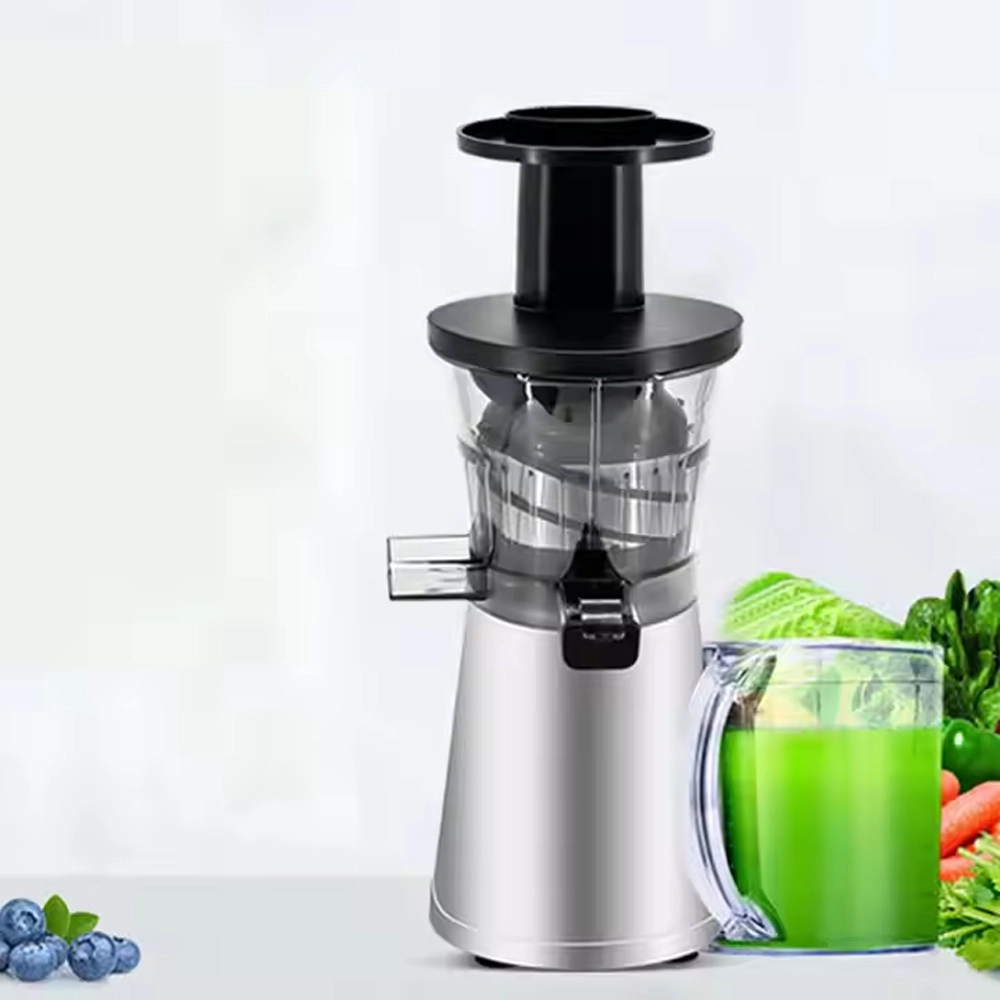
Slow Juicer L601
Jiaolong's L601 Slow Juicer: The perfect choice for slow juicer manufacturers, suppliers, and wholesalers. High-quality, efficient extraction. Contact us for wholesale inquiries.
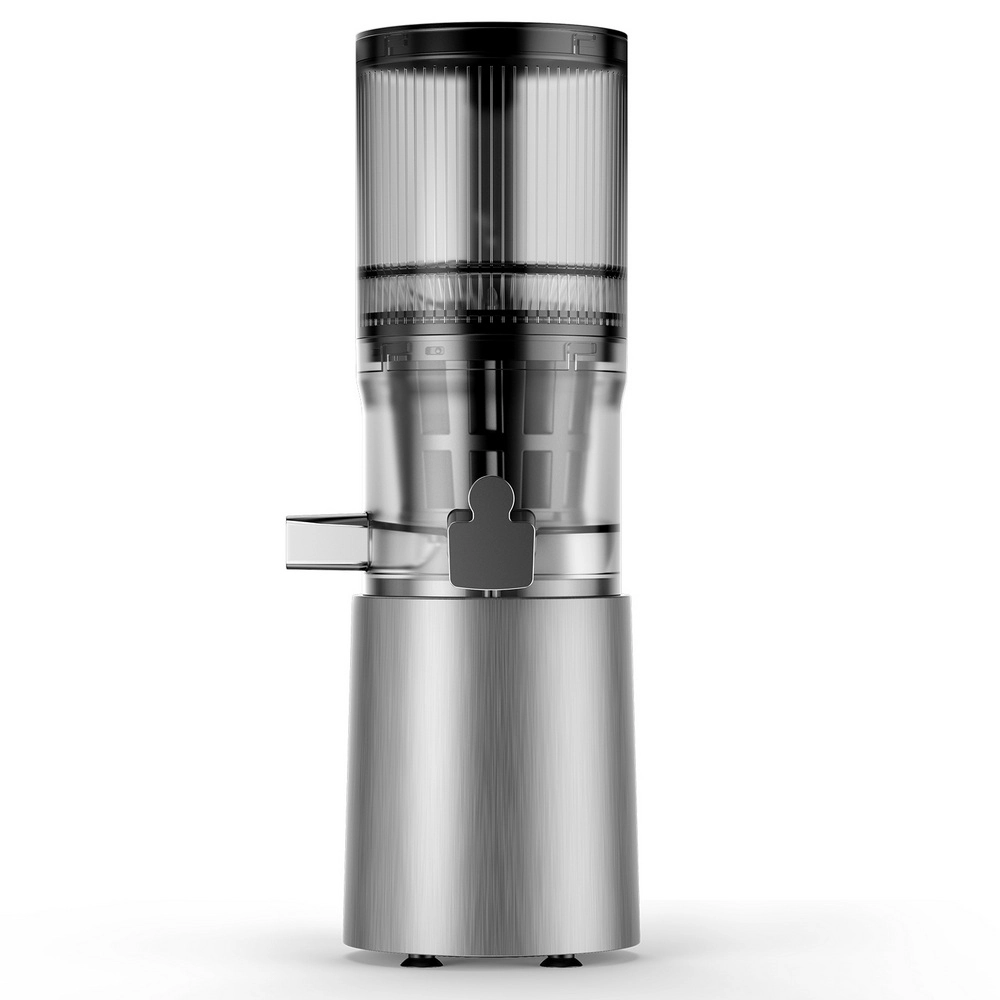
Slow Juicer L605A
Jiaolong's L605A Slow Juicer: A high-quality slow juicer for OEM, manufacturing, and supply needs. Contact us today to explore our slow juicer manufacturing capabilities and become a valued partner.
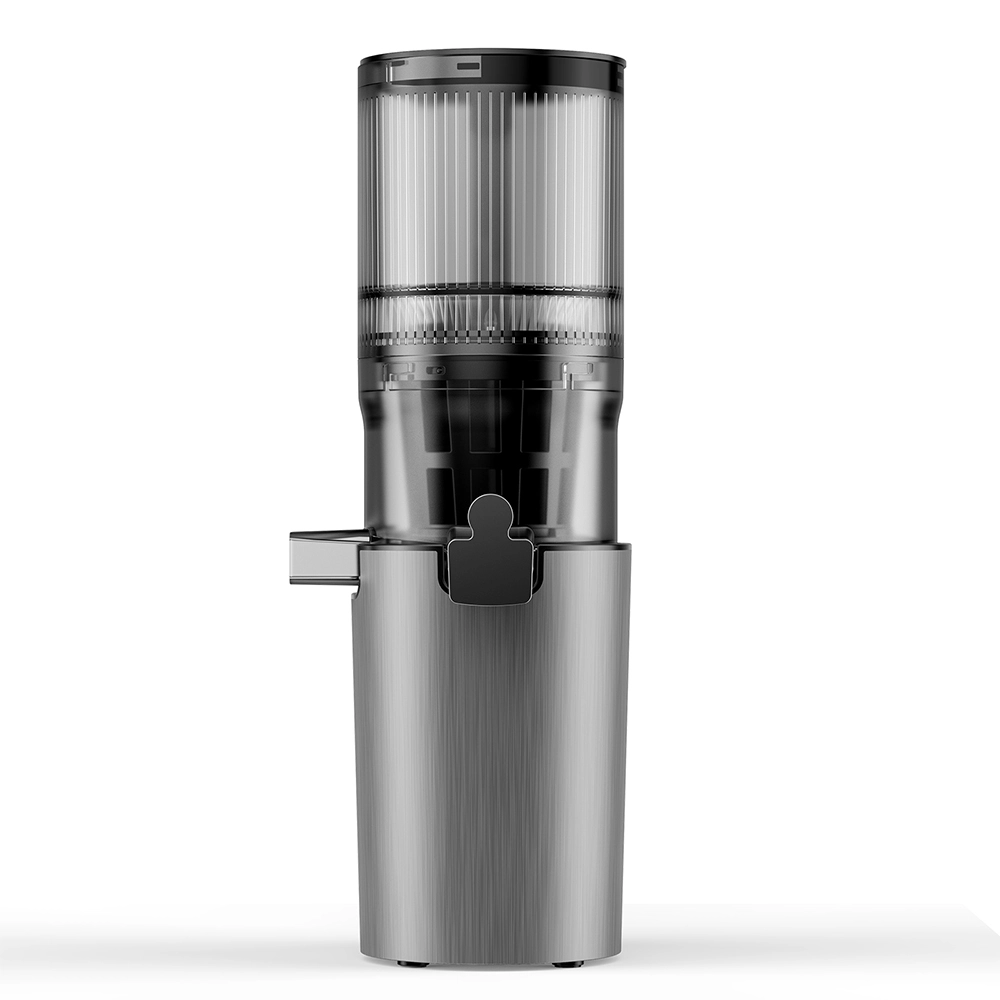
Slow juicer L606A
Jiaolong's L606A slow juicer: The ultimate slow juicer for wholesale, manufactured and supplied by a leading slow juicer supplier. Experience superior juice extraction and quality. Contact us for bulk orders.
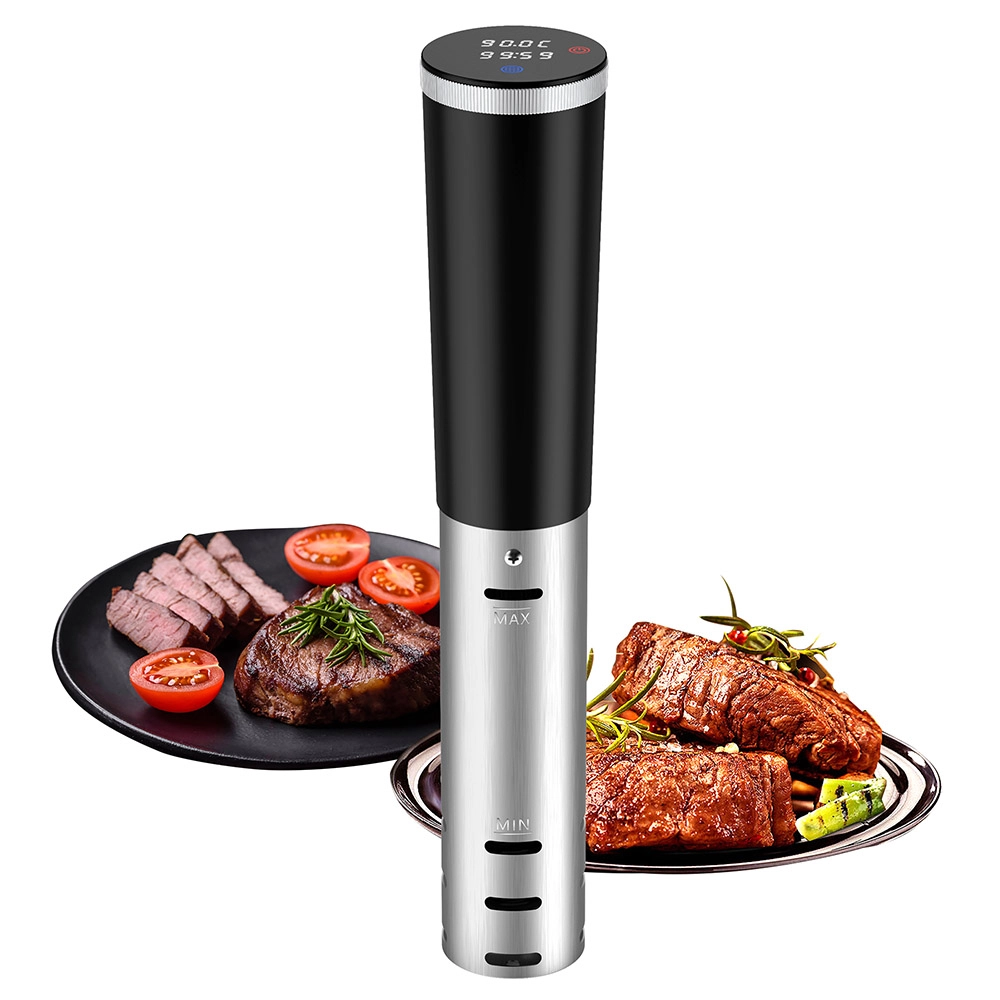
Sous Vide SV220
Jiaolong's Sous Vide SV220: A premium Sous Vide ODM solution. Reliable and efficient, the SV220 is the perfect choice for your next project. Partner with a leading sous vide supplier. Contact us today!
© 2025 JIAOLONG All Rights Reserved. Privacy Policy | Terms and Conditions | Sitemap