
Vacuum Sealer Tips for Sous Vide Cooking
- Mastering vacuum sealing with a food sealer vacuum machine for precision sous vide
- Why a quality food sealer vacuum machine matters for sous vide
- Choosing the right food sealer vacuum machine: features to prioritize
- Comparing food sealer vacuum machine types
- Food bag and material selection with your food sealer vacuum machine
- Sealing techniques for liquids and delicate proteins with a food sealer vacuum machine
- Food safety and sous vide: time, temperature, and your food sealer vacuum machine
- Troubleshooting common issues with your food sealer vacuum machine
- Maintenance checklist for your food sealer vacuum machine
- Batching, portion control, and workflow with a food sealer vacuum machine
- Jiaolong support and products: integrating a food sealer vacuum machine into your kitchen
- Final practical checklist: getting perfect sous vide with your food sealer vacuum machine
- FAQ — Common questions about food sealer vacuum machine and sous vide
- Contact and product inquiry
- References
Mastering vacuum sealing with a food sealer vacuum machine for precision sous vide
Sous vide is a precision cooking technique that depends on consistent heat transfer and an oxygen-free environment. Using a food sealer vacuum machine correctly is essential for even cooking, flavor retention, and food safety. This guide consolidates practical sealing techniques, material recommendations, troubleshooting, and safety data so home cooks and professionals can get predictable sous vide results every time.
Why a quality food sealer vacuum machine matters for sous vide
The primary functions of a food sealer vacuum machine in sous vide cooking are removing air (which improves thermal contact), keeping flavor and moisture locked in, and preventing cross-contamination in water baths. Poor or inconsistent seals create air pockets that act as insulators; this causes uneven cooking and increases the risk of surface microbial growth. Investing in a reliable machine reduces failed seals, bag failures, and food-safety risks. For professional kitchens, the right equipment saves time and reduces food waste.
Choosing the right food sealer vacuum machine: features to prioritize
Not all vacuum sealers are equally suited to sous vide. Consider these features when selecting a machine:
- Vacuum strength and control: Look for adjustable vacuum levels and an accurate gauge. Delicate proteins (e.g., fish) benefit from gentler vacuum settings to avoid crushing.
- Seal bar length and dual seals: Longer bars provide flexibility for larger bags; dual sealing bars produce more reliable seals.
- External (hose) port: Allows sealing of rigid containers and zipper bags—useful for marination or delicate items.
- Pulse mode and moist/dry settings: Pulse mode helps control suction on liquids; moist settings prevent liquid from being sucked into the pump.
- Built-in cutter and bag roll storage: Convenience features save time in busy kitchens.
- Commercial vs. consumer: Commercial machines have stronger pumps, larger seal bars, and continuous-use duty cycles. Consider usage volume and expected life span.
Comparing food sealer vacuum machine types
| Type | Best for | Pros | Cons |
|---|---|---|---|
| External (chamber) vacuum sealer | Commercial kitchens, high-liquid items | Removes vacuum from entire chamber; excellent for liquids; consistent deep vacuum | Higher cost, larger footprint |
| External (non-chamber) vacuum sealer | Home cooks, low-to-moderate volume | Affordable, compact, easy to use | Can struggle with liquids; risk of pump contamination |
| Handheld/portable sealer | Occasional users, trips | Cheap, compact | Weak vacuum, unreliable for sous vide |
Food bag and material selection with your food sealer vacuum machine
Material choice directly affects safety, seal strength, and heat performance. For sous vide, choose bags that are:
- Food-grade and BPA-free: Use bags certified for food contact and safe at the target cooking temperature.
- Multi-layer and heat-stable: Multi-layer (PA/PE or EVOH) bags resist puncture and are stable up to 90–100°C (194–212°F) depending on composition.
- Vacuum roll bags vs. pre-cut bags: Rolls allow custom sizing and fewer seams, reducing failure points.
- Thickness: 3-4 mil bags work for most sous vide tasks; thicker (5 mil+) for sharp bones or long-term storage.
For professional or repeat use, consider chamber bags or sous-vide-specific pouches that tolerate higher temperatures and repeated use.
Sealing techniques for liquids and delicate proteins with a food sealer vacuum machine
Liquids are the main challenge when vacuum sealing for sous vide. Use these practical techniques:
- Pre-freeze liquids: Partially freeze sauces, marinades, or high-moisture proteins (e.g., marinated fish) into a slushy state before vacuum sealing; this prevents liquid from getting drawn into the pump.
- Use chamber sealers for liquids: Chamber vacuum sealers handle liquids best because vacuum is applied to the whole chamber, preventing liquids from being pulled out of the bag.
- Use pulse mode: For non-chamber machines, use the pulse function in short bursts to allow liquid to redistribute and avoid pump contamination.
- Double seal: After vacuuming, apply a secondary seal 1–2 cm from the first to create redundancy.
- Edge trimming: Cut excess bag material beyond the seal to avoid folds or wrinkles that can compromise the seal.
Food safety and sous vide: time, temperature, and your food sealer vacuum machine
Sous vide safety requires understanding both temperature and time. Pasteurization is a function of temperature and time: lower temperatures require longer times to achieve the same microbial reduction. Using a food sealer vacuum machine helps by removing air and ensuring uniform heat transfer, but it does not replace proper time-temperature control.
Below is a practical table of recommended sous vide target temperatures and approximate minimum times for safely pasteurizing common proteins. Use as a practical reference; adjust based on thickness and recipe specifics. Sources and full pasteurization tables are listed in References.
| Protein | Typical Sous Vide Temp (°C) | Approx. Min Time at Target Temp (hours) | Notes |
|---|---|---|---|
| Fish (salmon) | 50–54°C (122–129°F) | 0.5–1 hr (thin fillets); 1–2 hr (thicker) | Lower temps require precise timing and immediate chilling if not serving hot |
| Chicken (whole pieces) | 60–65°C (140–149°F) | 1–4 hr depending on thickness | Longer times increase tenderness; consult pasteurization charts for exact log reductions |
| Pork (chops) | 58–65°C (136–149°F) | 1–4 hr | Low-temp pork requires full pasteurization for safety |
| Beef (steak, medium) | 54–57°C (129–135°F) | 1–3 hr | Longer times tenderize tougher cuts |
Authoritative pasteurization charts (e.g., Douglas Baldwin) provide exact time-to-pasteurize curves based on thickness and temperature and should be consulted for professional kitchens. Always follow local food safety regulations (USDA/FDA guidelines) for commercial service.
Troubleshooting common issues with your food sealer vacuum machine
Common problems and quick fixes:
- Weak vacuum: Check for bag wrinkles, ensure bag opening lies flat on seal bar, inspect gaskets and valves for wear, and replace the vacuum pump oil if applicable (per manufacturer instructions).
- Seal failure: Clean seal bars and silicone gaskets; ensure the bag mouth is dry and free from crumbs; apply an extra seal line if needed.
- Liquid in pump: Immediately stop the machine if liquids reach the pump. Follow the manufacturer’s maintenance instructions to clean and service the pump; for chamber machines, drain and clean the chamber.
- Punctured bags: Use thicker bags or add a protective layer (paper towel or perforated tray) between sharp bones and the bag's interior; vacuum at a gentler setting for delicate items.
Maintenance checklist for your food sealer vacuum machine
Regular maintenance ensures reliable performance:
- Daily: Wipe seal bar and chamber (if present); check for debris.
- Weekly: Inspect sealing gaskets and replace if cracking; test vacuum strength with a calibrated gauge if available.
- Monthly: Replace or service inlet filters; for oil-lubricated pumps, change oil per manual.
- Annually: Professional servicing for commercial units or if vacuum strength declines despite basic maintenance.
Batching, portion control, and workflow with a food sealer vacuum machine
Efficiency in a production environment depends on good workflow:
- Portion first: Cut proteins into desired service portions before sealing; consistency reduces sous vide time variability and simplifies finishing.
- Labeling and FIFO: Date and note intended cook temperature/time on sealed bags; implement First-In-First-Out to reduce waste.
- Pre-assembled trays: For restaurants, pre-portion and pre-seal sous vide batches for service days. Chill quickly after sealing if not cooking immediately.
Jiaolong support and products: integrating a food sealer vacuum machine into your kitchen
Jiaolong is a professional kitchen appliance manufacturer integrating R&D, design, production, and sales. The company has a motor production subsidiary, which has realized the independent control of the entire industry chain from core components to complete machine assembly. While ensuring the excellent quality of products, it optimizes production costs and provides cost-effective kitchen appliances for global customers.
From product installation and commissioning to rapid response to faults to daily maintenance optimization, our professional engineer team provides technical support to ensure efficient and stable operation of the equipment. We promise a one-year free warranty service to allow customers to enjoy a worry-free after-sales experience.
Our vision is to become the world's leading manufacturer of small kitchen appliances.
Jiaolong’s competitive advantages:
- Vertical integration: In-house motor production and component control reduce supply-chain risk and allow consistent quality across product lines.
- Cost-effective manufacturing: Optimized production lowers unit cost while maintaining quality, useful for business buyers seeking value without sacrificing reliability.
- Engineering support and warranty: Professional technical support from installation to maintenance, and a one-year free warranty to reduce operational downtime.
- Product range: Jiaolong specializes in small kitchen appliances including Slow Juicer, Sous Vide, Vacuum Sealer, Coffee Grinder, Milk Frother, and Hair Dryer—suitable for both home and commercial use.
Discover Jiaolong products and technical services at https://www.jiaolongappliances.com/ to evaluate models, specs, and support options for integrating a food sealer vacuum machine into your workflow.
Final practical checklist: getting perfect sous vide with your food sealer vacuum machine
Follow this quick checklist before every sous vide cook:
- Choose correct bag material and size; pre-freeze liquids if needed.
- Set vacuum level appropriate for the food (gentle for delicate items).
- Ensure bag mouth is clean and dry; position flat on seal bar.
- Apply double seal for long cooks or wet items.
- Label bag with cook temp/time and date; store chilled if not cooking immediately.
- Monitor water bath temperature with a calibrated thermometer or high-quality circulator.
FAQ — Common questions about food sealer vacuum machine and sous vide
Q1: Can I sous vide without a vacuum sealer vacuum machine?
A: Yes. You can use high-quality, BPA-free zip-lock freezer bags and the water-displacement (Archimedes) method to expel air. However, a dedicated food sealer vacuum machine provides more consistent results, reduces bag float, and offers better long-term storage and food-safety control.
Q2: Are all vacuum bags safe for sous vide?
A: Only use bags labeled food-grade and safe for high temperatures. Avoid standard single-use grocery bags or uncertified plastics. Sous-vide-specific bags or multi-layer PA/PE bags are recommended.
Q3: What do I do if liquid is pulled into my non-chamber vacuum sealer?
A: Immediately stop the unit to prevent pump damage. Clean per manufacturer instructions. Prevent recurrence by pre-freezing liquids, using pulse mode, or switching to a chamber sealer for liquid-heavy items.
Q4: How thick should my vacuum sealer bags be for sous vide?
A: For most home sous vide cooks, 3–4 mil bags are sufficient. For sharper bones or long-term storage, choose 5 mil or thicker. Commercial operations often use thicker, multi-layer bags or chamber bag materials.
Q5: How can I tell if a bag is fully pasteurized after sous vide?
A: Pasteurization is determined by time and temperature, not visual cues. Consult verified pasteurization tables (e.g., Douglas Baldwin) for required time at your target temperature based on thickness. Use calibrated thermometers when verifying internal temps.
Q6: Do vacuum sealers remove oxygen completely, and does residual oxygen matter?
A: Vacuum sealers remove most, but not always all, oxygen. Residual oxygen can allow aerobic spoilage or discoloration in some proteins. For long-term storage, consider adding oxygen absorbers or using modified atmosphere packaging where appropriate in commercial settings.
Contact and product inquiry
If you need tailored advice for selecting or integrating a food sealer vacuum machine into your kitchen or production line, Jiaolong’s engineering and support team can help. Visit https://www.jiaolongappliances.com/ to view product specifications (Slow Juicer, Sous Vide, Vacuum Sealer, Coffee Grinder, Milk Frother, Hair Dryer), request quotes, or arrange technical consultation. For business buyers, Jiaolong offers installation, commissioning, rapid fault response, and a one-year free warranty for peace of mind.
References
- Douglas Baldwin. A Practical Guide to Sous Vide. https://www.douglasbaldwin.com/sous-vide. — accessed 2025-12-13. (Comprehensive time/temperature pasteurization tables.)
- United States Department of Agriculture (USDA) Food Safety and Inspection Service. Safe Minimum Internal Temperatures. https://www.fsis.usda.gov/food-safety/safe-food-handling-and-preparation/food-safety-basics/safe-minimum-internal-temperature — accessed 2025-12-13.
- FoodSafety.gov. Food Safety and Shelf Life. https://www.foodsafety.gov/ — accessed 2025-12-13. (General food-safety guidance.)
- FoodSaver. How to Vacuum Seal. https://www.foodsaver.com/learn-how-to-vacuum-seal — accessed 2025-12-13. (Practical vacuum-sealer operation and maintenance tips.)
- ChefSteps / Serious Eats articles on sous vide technique and safety (representative guides). Example: Serious Eats: Sous Vide 101 https://www.seriouseats.com/sous-vide-101 — accessed 2025-12-13.
- Jiaolong Appliances official site. https://www.jiaolongappliances.com/ — accessed 2025-12-13. (Company profile, products, and support services.)
Top 10 china hair dryer manufacturer Manufacturers and Supplier Brands in Africa
Top 10 best coffee machine milk frother Manufacturers and Supplier Brands in Asia
How to Choose Right best slow press juicer manufacturer and supplier in America?
What are the application scenarios of china plastic milk frother factory?
OEM & ODM
What functions and appearance of products can I customize?
We provide comprehensive OEM and ODM customization services, and customers can customize the following:
⦁ Product functions: such as adding additional functions, adjusting operation methods, adding additional accessories, etc.
⦁ Appearance design: including color, shell material, LOGO and logo position, packaging design, etc.
⦁ Size and shape: adjust the size and appearance of the product according to customer needs.
⦁ Technical parameters: such as technical requirements such as power, efficiency, speed, etc.
Can I conduct a small batch production trial?
Yes, we strongly support small batch production trials, especially in ODM services. You can conduct a small batch production first to verify the market demand and quality of the product before deciding whether to proceed with large-scale production.
Can I combine multiple customized items into one order?
Yes, you can combine multiple customized products into one order for production according to your needs, which can optimize production efficiency and save costs. We will coordinate the production plan according to your order requirements.
Service
What to do after the warranty period of the equipment?
After the warranty period, we still provide you with high-quality after-sales service, including paid repairs, parts replacement, etc.
FAQ
Do Jiaolong Electric's products meet international certification standards?
Yes, all Jiaolong Electric's products meet international quality and safety certification standards, such as CE, RoHS, ISO9001, etc. We strictly comply with various safety and environmental protection requirements to ensure that each product is of high quality and safety to meet the needs of the global market.
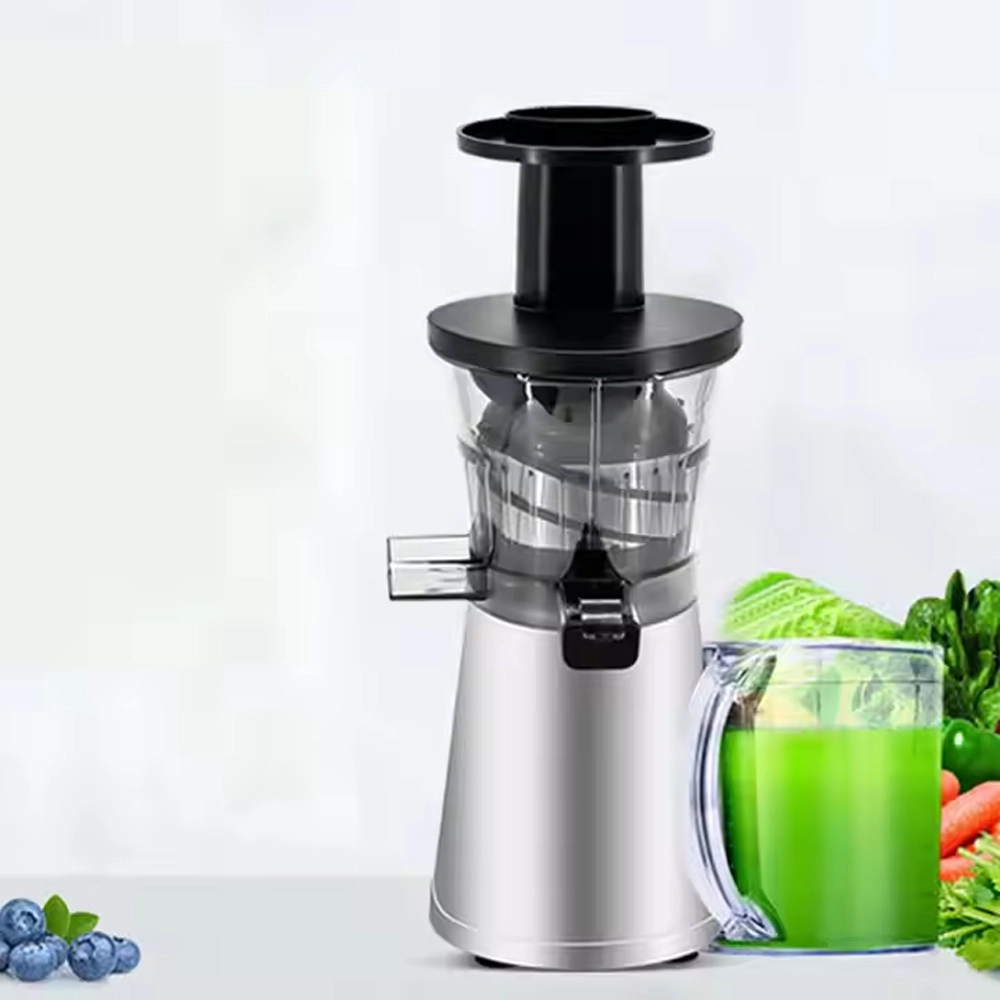
Slow Juicer L601
Jiaolong's L601 Slow Juicer: The perfect choice for slow juicer manufacturers, suppliers, and wholesalers. High-quality, efficient extraction. Contact us for wholesale inquiries.
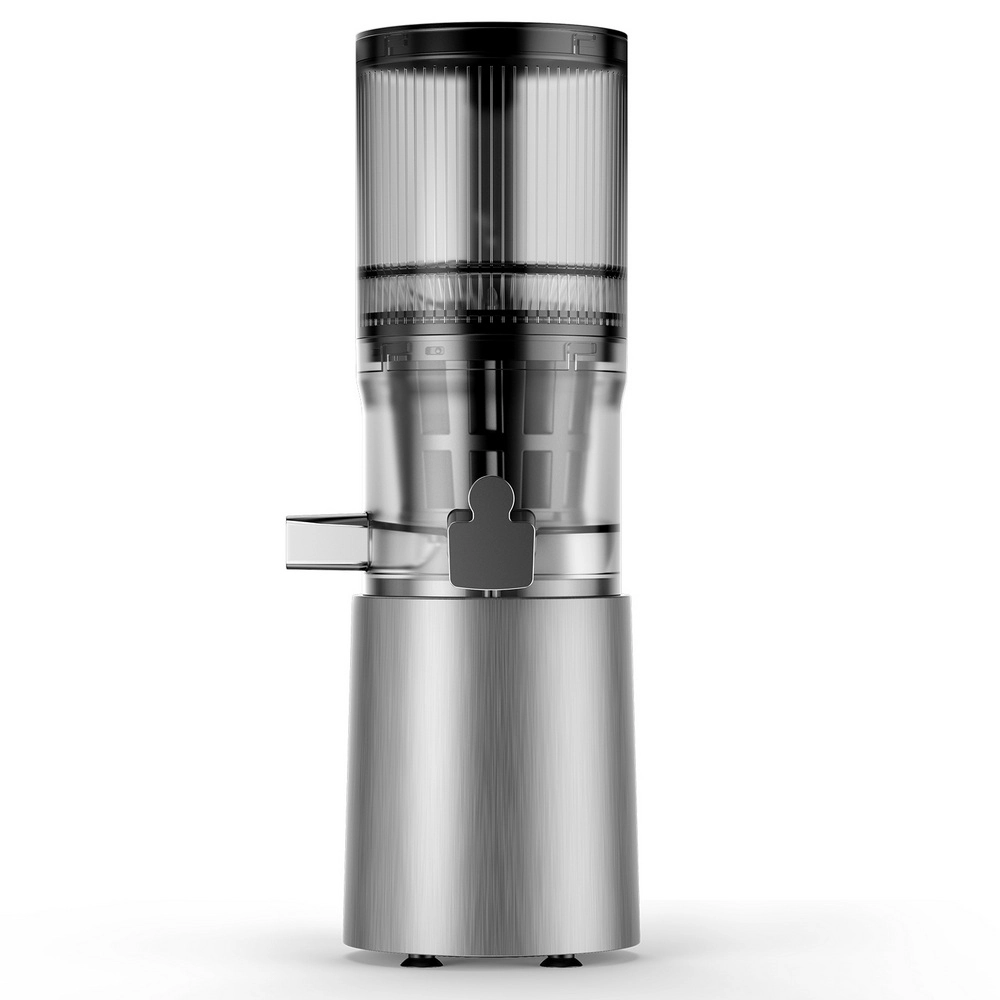
Slow Juicer L605A
Jiaolong's L605A Slow Juicer: A high-quality slow juicer for OEM, manufacturing, and supply needs. Contact us today to explore our slow juicer manufacturing capabilities and become a valued partner.
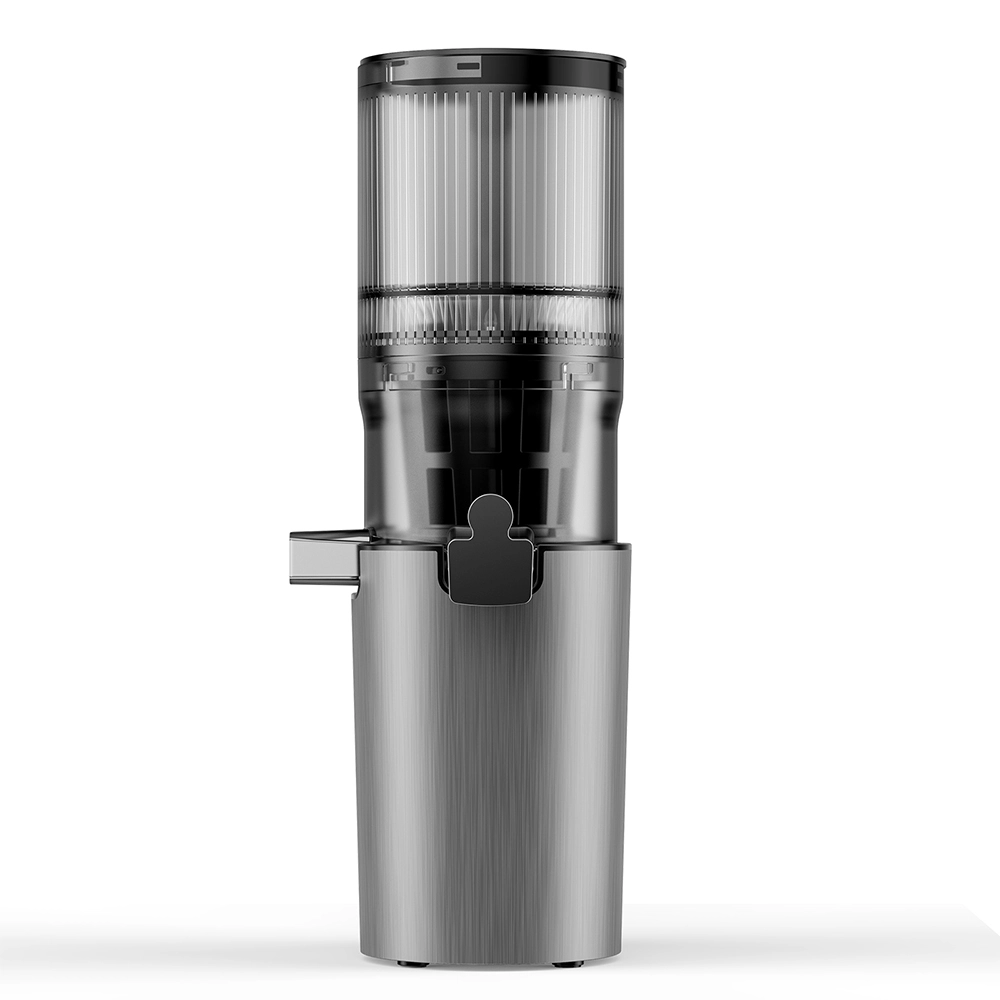
Slow juicer L606A
Jiaolong's L606A slow juicer: The ultimate slow juicer for wholesale, manufactured and supplied by a leading slow juicer supplier. Experience superior juice extraction and quality. Contact us for bulk orders.
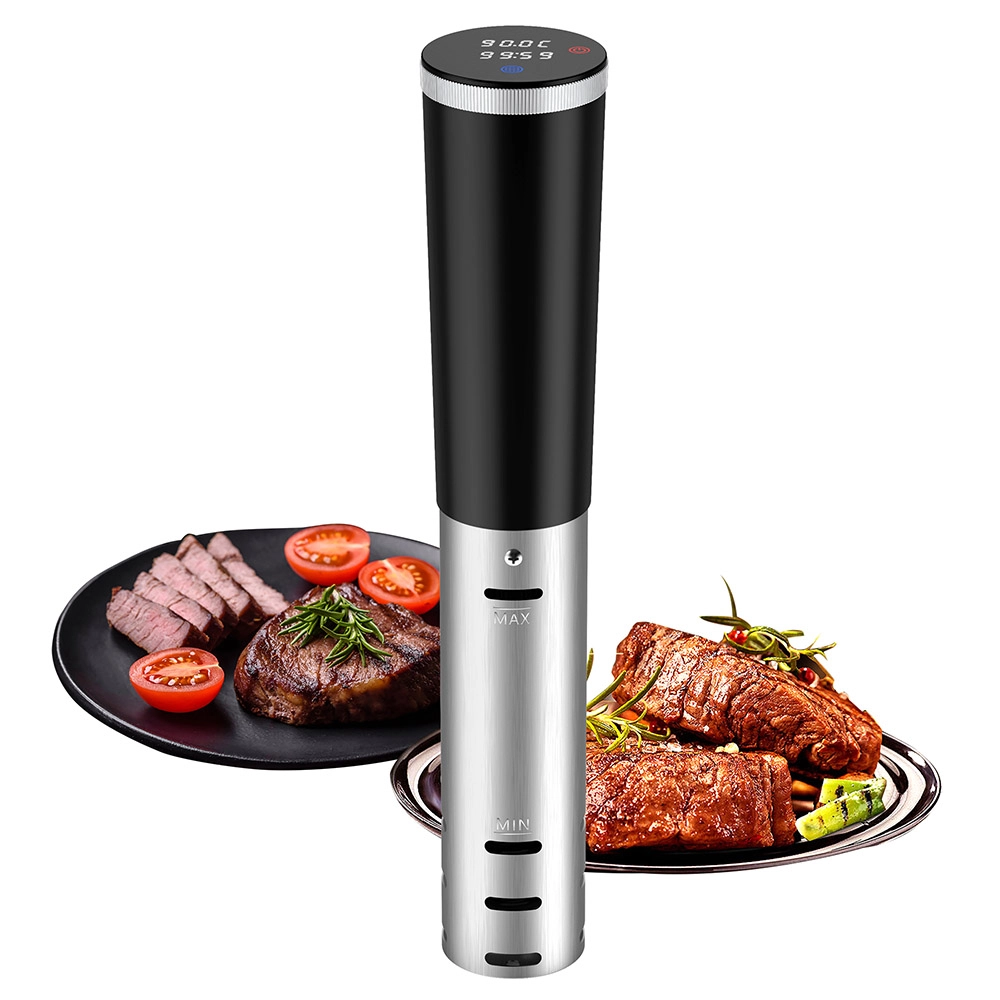
Sous Vide SV220
Jiaolong's Sous Vide SV220: A premium Sous Vide ODM solution. Reliable and efficient, the SV220 is the perfect choice for your next project. Partner with a leading sous vide supplier. Contact us today!
© 2025 JIAOLONG All Rights Reserved. Privacy Policy | Terms and Conditions | Sitemap