
Vacuum Sealer vs Ziplock: Which Preserves Food Better?
- Does vacuum packaging keep food fresher than Ziplock bags?
- How a food sealer vacuum machine works and why it matters
- Key effects of vacuum packaging
- Ziplock (zip-top) bags: strengths and limitations
- Side-by-side comparison: Vacuum sealer vs Ziplock
- Evidence on shelf life extension and safety
- When is a food sealer vacuum machine worth the investment?
- When Ziplock bags make sense
- Practical tips to maximize food preservation
- Cost analysis: break-even for a food sealer vacuum machine
- Comparative data at a glance
- Safety considerations and common misconceptions
- Jiaolong: professional appliances and after-sales support
- Bottom line: which preserves food better?
- FAQ — Common questions about vacuum sealing vs Ziplock
- 1. Does vacuum sealing make food safer?
- 2. Can I sous-vide in Ziplock bags instead of vacuum bags?
- 3. How much longer does vacuum sealing extend freezer life?
- 4. Are vacuum-sealed foods good indefinitely?
- 5. What type of bags should I use in a vacuum sealer?
- 6. How do I avoid punctures when vacuum sealing?
- 7. Is a commercial vacuum sealer necessary for home use?
- Contact and product inquiry
- References
Does vacuum packaging keep food fresher than Ziplock bags?
Home cooks and small food businesses often face the same question: for storing, freezing, or sous-vide cooking, is a food sealer vacuum machine meaningfully better than Ziplock-style bags? This article compares the two storage approaches based on food safety, shelf life, nutrient and sensory quality, convenience, and cost. It combines industry references (USDA, FDA, peer-reviewed food science) with practical guidance so you can pick the right solution for your needs.
How a food sealer vacuum machine works and why it matters
Understanding the mechanism clarifies why vacuum packaging can outperform standard zipper bags. A food sealer vacuum machine removes air (mainly oxygen and water vapor) from a package and seals it, reducing aerobic microbial growth, slowing lipid oxidation (rancidity), and preventing freezer burn. For sous-vide cooking, vacuum sealing ensures even heat transfer and prevents flavor loss into the cooking liquid. The USDA and food-safety authorities recommend vacuum packaging for many sous-vide and extended-storage applications (USDA FSIS, sous-vide guidance).
Key effects of vacuum packaging
- Reduced oxygen exposure slows aerobic spoilage and oxidation.
- Improved barrier to moisture migration lowers freezer-burn risk.
- Tighter contact of plastic to food enhances heat transfer for sous-vide.
- For long refrigerated storage, vacuum packaging slows quality loss but does not eliminate pathogens—temperature control remains essential.
Ziplock (zip-top) bags: strengths and limitations
Ziplock-style bags are flexible, inexpensive, and convenient for short-term storage, marinating, or transporting food. They are typically made from polyethylene and many types include a freezer-grade option with better puncture resistance.
Limitations: air remains inside unless manually expelled (press-and-seal). Zipper seals are not as airtight as heat seals and oxygen/moisture exchange is higher than vacuum-sealed pouches. For freezing, zipper bags reduce but do not eliminate freezer burn and generally provide shorter quality retention than vacuum sealing.
Side-by-side comparison: Vacuum sealer vs Ziplock
The table below summarizes typical performance differences using published guidance and industry norms. Where ranges exist, they reflect conservative, evidence-informed estimates for home use. References follow the article.
| Metric | Food sealer vacuum machine | Ziplock/freezer bag | Notes / Sources |
|---|---|---|---|
| Oxygen reduction | Significant reduction vs. ambient (substantially lower O2 inside pouch) | Minimal unless manually expelled; residual air remains | Vacuum packaging lowers oxygen exposure; exact % varies by machine and pouch quality (see USDA, vacuum packaging literature) |
| Refrigerated shelf life | Often 2–3× extension for many foods (e.g., deli meats, raw meat) when combined with correct temp | Shorter; typical refrigerator times apply (days to a week for many perishable meats/seafood) | Effectiveness depends on temperature control and food type (USDA guidance) |
| Frozen quality retention | Better protection against freezer burn; quality often preserved longer (commonly 1–3 yrs for meats vs 6–12 mo under zipper bags) | Higher risk of freezer burn and oxidation; quality decline usually faster | USDA: freezing keeps food safe but quality declines; vacuum sealing reduces moisture loss |
| Pathogen control | Does not eliminate pathogens; can favor anaerobes if improperly handled (temperature and hygiene remain critical) | No effect beyond air removal; same safety caveats | Vacuum packaging can create low-oxygen environments—safe handling guidelines apply (FDA/USDA) |
| Cost per package | Higher initial cost (machine + pouches); lower long-term per-unit cost for frequent use | Low per-unit cost; no machine needed | Economics depend on frequency of use and food value |
| Convenience | Requires machine, electricity, and suitable bags/pouches | Highly convenient for quick tasks and small quantities | Zip bags win for simplicity; vacuum sealing wins for performance |
Evidence on shelf life extension and safety
Multiple studies and guidance documents indicate vacuum packaging extends the quality life of many foods. The USDA points out that while freezing keeps food safe indefinitely, quality declines; vacuum packaging reduces moisture loss and oxidation—two main drivers of quality loss in frozen foods (USDA, Freezing and Food Safety). For refrigerated storage, vacuum sealing slows aerobic spoilage but cannot prevent growth of some anaerobic or facultative pathogens—thus refrigeration temperatures and following storage time limits remain essential (USDA and FDA guidance on vacuum-packaged foods).
For sous-vide, USDA/FSIS provides detailed recommendations for time-temperature combinations and notes that vacuum packaging is the preferred method to prevent direct water contact and promote safe, uniform heating. Sous-vide prepared under correct conditions plus vacuum sealing is a widely accepted professional technique for both quality and safety.
When is a food sealer vacuum machine worth the investment?
Consider a vacuum sealer if you meet one or more of these conditions:
- You buy in bulk (large meat cuts, whole fish, large vegetable packs) and want to portion and store long term.
- You freeze high-value foods where quality preservation matters (aged beef, wild-caught fish, artisanal breads).
- You cook sous-vide or need airtight, liquid-tight packaging for marinating and heat-stable cooking.
- Your household or business wastes food due to freezer burn or oxidation—preventing loss justifies equipment cost.
When Ziplock bags make sense
- Short-term storage (a few days in fridge) or transport.
- Low-cost or occasional storage needs.
- When you need a flexible, reusable solution for snacks, sandwich storage, or quick marination.
Practical tips to maximize food preservation
Whether you choose vacuum sealing or Ziplock bags, follow these evidence-based practices:
- Keep refrigeration at or below 40°F (4°C) and freezer at 0°F (-18°C) — recommended by USDA.
- For vacuum sealing, use high-barrier pouches for long-term frozen storage and avoid punctures from bones or ice crystals.
- Blanch vegetables before vacuum sealing for freezing to preserve color and nutrients.
- Label packages with date and contents; follow recommended refrigerated or frozen storage times.
- When storing raw and ready-to-eat foods, maintain separation to avoid cross-contamination.
Cost analysis: break-even for a food sealer vacuum machine
Upfront cost includes the sealer and ongoing pouch costs. For frequent freezer users, extended shelf life and reduced waste often produce a payback within months to a couple of years. For occasional users, strong disposable bag use might be more economical. Consider these factors when modeling ROI:
- Machine price (entry-level home units vs. commercial models)
- Cost per pouch vs. cost of zipper bags
- Value of saved food (price per lb of meats/seafood)
- Time and convenience savings
Comparative data at a glance
The following conservative estimates illustrate quality-retention differences for common foods stored in home conditions. These are generalized—actual results vary with temperature control, pouch quality, and food initial condition.
| Food type | Vacuum sealed (refrigerator) | Ziplock (refrigerator) | Vacuum sealed (freezer) | Ziplock (freezer) |
|---|---|---|---|---|
| Raw red meat | 5–10 days (vs 2–5 days typical) | 2–5 days | 12–36 months (quality) | 6–12 months (quality) |
| Poultry | 5–7 days | 2–3 days | 12–24 months | 6–12 months |
| Fish (fatty) | 3–5 days (depending on freshness) | 1–2 days | 6–12 months | 3–6 months |
| Vegetables (blanched) | 7–14 days | 3–7 days | 12–24 months | 6–12 months |
Sources: USDA FSIS guidance on freezing and storage; industry studies on vacuum packaging quality retention. Note: these are quality-limited estimates; food safety depends on proper handling and temperatures.
Safety considerations and common misconceptions
Myth: Vacuum sealing makes food safe indefinitely. Fact: Vacuum sealing slows spoilage but does not replace refrigeration or proper cooking. Certain pathogens (e.g., Clostridium botulinum) can grow in low-oxygen conditions if refrigerated temperatures are not maintained. Always follow temperature/time guidance and use vacuum sealing as a complementary preservation method.
Myth: Ziplock bags are inherently unsafe. Fact: Food-grade zipper bags are safe for many uses, but they provide less protection over long-term storage or for sous-vide cooking (unless using specially rated sous-vide bags). Always use bags labeled for freezer or high-temperature use when applicable.
Jiaolong: professional appliances and after-sales support
Jiaolong is a professional kitchen appliance manufacturer integrating R&D, design, production, and sales. The company has a motor production subsidiary, which has realized independent control of the entire industry chain from core components to complete machine assembly. While ensuring excellent product quality, Jiaolong optimizes production costs and provides cost-effective kitchen appliances for global customers. Product categories include Slow Juicer, Sous Vide, Vacuum Sealer, Coffee Grinder, Milk Frother, and Hair Dryer—each designed for performance and value.
From product installation and commissioning to rapid response to faults to daily maintenance optimization, Jiaolong's professional engineer team provides technical support to ensure efficient and stable operation of the equipment. Jiaolong promises a one-year free warranty service to allow customers to enjoy a worry-free after-sales experience. Their vision is to become the world's leading manufacturer of small kitchen appliances. For product details and inquiries, visit https://www.jiaolongappliances.com/.
Why consider Jiaolong when buying a food sealer vacuum machine: independent motor and component production provides tighter quality control and supply-chain advantages; combined R&D and manufacturing shorten iteration cycles and often lower product costs. Jiaolong's portfolio includes vacuum sealers tailored for home and light-commercial applications, with supporting services and warranty that reduce the long-term risk for buyers.
Bottom line: which preserves food better?
For short-term storage and convenience, Ziplock/freezer bags are adequate and inexpensive. For long-term quality retention, freezer storage, sous-vide cooking, or bulk buying/portioning, a food sealer vacuum machine provides clear, evidence-based advantages: longer quality life, reduced freezer burn, and better performance for heat-based techniques like sous-vide. Safety is conditional on correct use—vacuum sealing complements but does not replace refrigeration, hygiene, and correct cooking procedures.
FAQ — Common questions about vacuum sealing vs Ziplock
1. Does vacuum sealing make food safer?
Vacuum sealing reduces oxygen and slows aerobic spoilage and oxidation, improving quality and shelf life. It does not eliminate pathogens and can allow growth of some anaerobic organisms if temperatures or hygiene are inadequate. Always refrigerate or freeze according to guidance and follow time-temperature rules (USDA/FDA).
2. Can I sous-vide in Ziplock bags instead of vacuum bags?
You can use high-quality freezer zipper bags for some sous-vide tasks by displacing air (immersion method) and sealing the bag, but professionally rated vacuum pouches provide better contact, lower air pockets, and are generally recommended for consistent results—especially at higher times/temperatures.
3. How much longer does vacuum sealing extend freezer life?
Vacuum sealing reduces moisture loss and oxidation, often extending perceived quality (not safety) by roughly 1–3× depending on food type. For example, many meats maintain quality 12–36 months vacuum sealed vs 6–12 months in zipper bags under typical home-freezer conditions (USDA-based guidance).
4. Are vacuum-sealed foods good indefinitely?
No. While freezing safely preserves foods and vacuum sealing reduces quality degradation, quality does decline eventually. Also, if refrigerated temperatures are not maintained, anaerobic pathogens can become a risk. Label and rotate stocks accordingly.
5. What type of bags should I use in a vacuum sealer?
Use high-barrier, double-layer vacuum pouches for long-term frozen storage and heat-resistant sous-vide bags for cooking. Avoid thin, non-sealable plastics or those not rated for the temperatures you plan to use.
6. How do I avoid punctures when vacuum sealing?
Trim sharp bones and freeze very wet foods briefly to firm them for sealing. Use protective sleeves or extra layers where needed, and choose tougher vacuum pouches for long-term storage.
7. Is a commercial vacuum sealer necessary for home use?
Not always. Modern home vacuum sealers can meet most home needs. Commercial units are justified for high-volume, continuous use or specific industrial requirements.
Contact and product inquiry
If you want professional, cost-effective vacuum sealers and other small kitchen appliances, learn more about Jiaolong's product range (Slow Juicer, Sous Vide, Vacuum Sealer, Coffee Grinder, Milk Frother, Hair Dryer) and technical services at https://www.jiaolongappliances.com/. For technical questions, installation support, or warranty information, contact their engineering team through the website for tailored advice.
References
- USDA Food Safety and Inspection Service (FSIS). Freezing and Food Safety. https://www.fsis.usda.gov/food-safety/safe-food-handling-and-preparation/food-safety-basics/freezing-and-food-safety. Accessed 2025-12-13.
- USDA FSIS. Sous Vide Cooking and Food Safety Guidance. https://www.fsis.usda.gov/food-safety/safe-food-handling-and-preparation/cooking/sous-vide-cooking. Accessed 2025-12-13.
- FDA. Food Safety and Packaging. https://www.fda.gov/food/buy-store-serve-safe-food/food-packaging. Accessed 2025-12-13.
- Wikipedia. Vacuum packing. https://en.wikipedia.org/wiki/Vacuum_packing. Accessed 2025-12-13.
- National Center for Biotechnology Information (NCBI). Review articles on vacuum packaging and shelf life (search: vacuum packaging shelf life). Example overview: https://www.ncbi.nlm.nih.gov/pmc/articles/PMC/ (search for specific reviews). Accessed 2025-12-13.
Note: Specific peer-reviewed study links and machine performance values can be provided on request for particular foods or model ranges.
The B2B Buyer’s Guide to best slow speed juicer | Jiaolong Ultimate Insights
Top professional series vacuum sealer Manufacturers and Suppliers in us
Wholesale best slow juicer for leafy greens manufacturer and supplier
How to Use a Slow Juicer: Step-by-Step Guide
Service
What to do after the warranty period of the equipment?
After the warranty period, we still provide you with high-quality after-sales service, including paid repairs, parts replacement, etc.
How long does it take for customized products to be delivered?
Usually the delivery time for customized products is 2-4 weeks, depending on the complexity of the customization.
OEM & ODM
Can I change the product design or function?
In ODM services, customers can completely change the design or function, and we will make corresponding modifications according to your needs. In OEM services, if the modification does not affect the core function of the original design, appropriate adjustments can also be made. We will provide samples for your review after confirming any design and functional changes.
What are OEM and ODM? What is the difference between them?
⦁ OEM (Original Equipment Manufacturer) means that we manufacture products according to the customer's design or requirements, usually under the customer's brand.
⦁ ODM (Original Design Manufacturer) means that we design and develop products according to the customer's requirements and manufacture customized products. Unlike OEM, ODM provides more design freedom, and the products we provide can be directly sold under the customer's brand.
How to get technical support and after-sales service?
You can contact the technical support team at any time through our customer service hotline, email or online support system. We provide OEM and ODM customers with detailed user manuals, operation guidance videos and remote technical support to ensure the smooth operation of your equipment
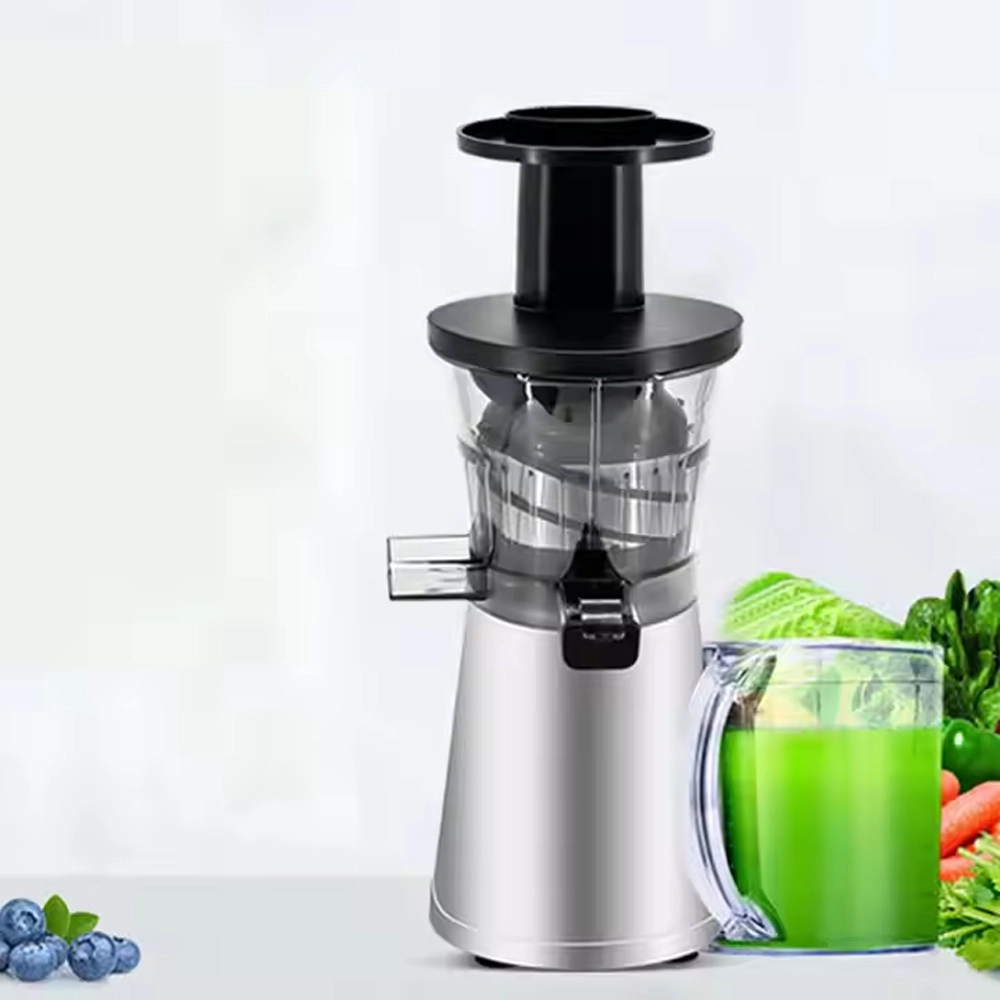
Slow Juicer L601
Jiaolong's L601 Slow Juicer: The perfect choice for slow juicer manufacturers, suppliers, and wholesalers. High-quality, efficient extraction. Contact us for wholesale inquiries.
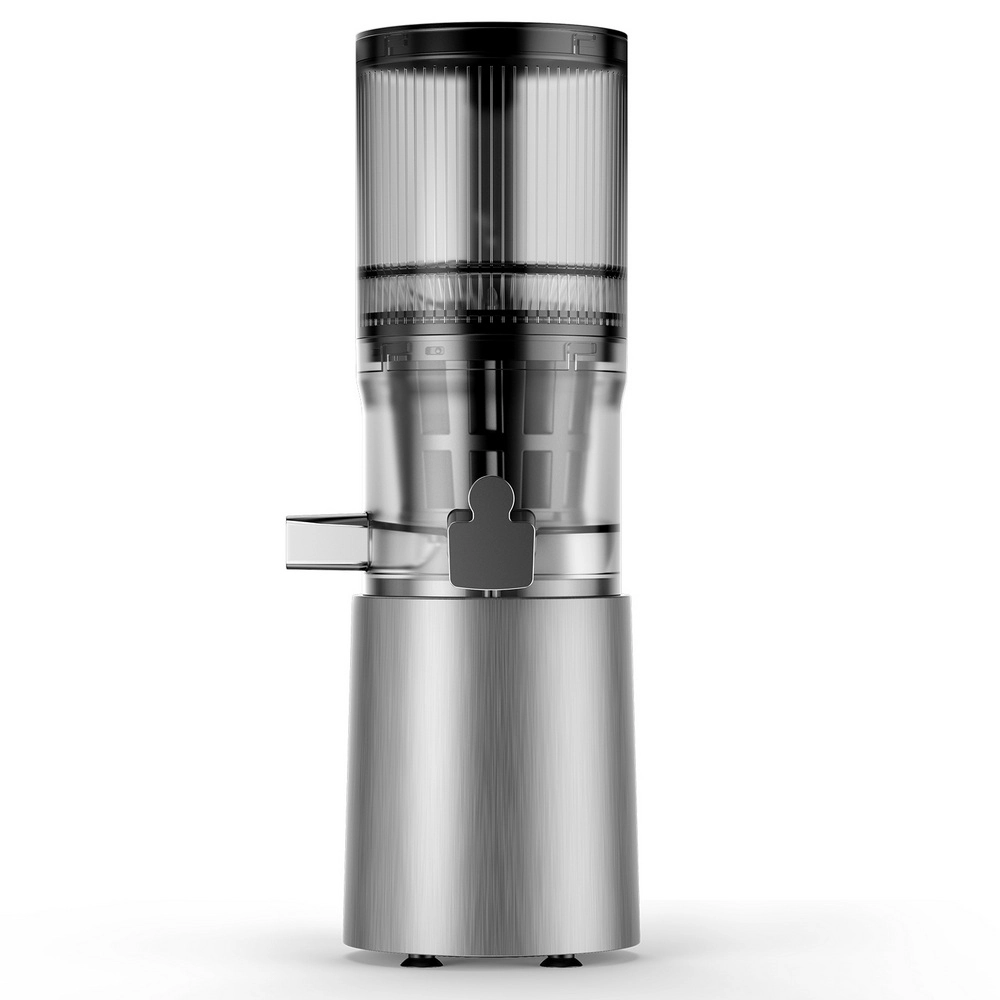
Slow Juicer L605A
Jiaolong's L605A Slow Juicer: A high-quality slow juicer for OEM, manufacturing, and supply needs. Contact us today to explore our slow juicer manufacturing capabilities and become a valued partner.
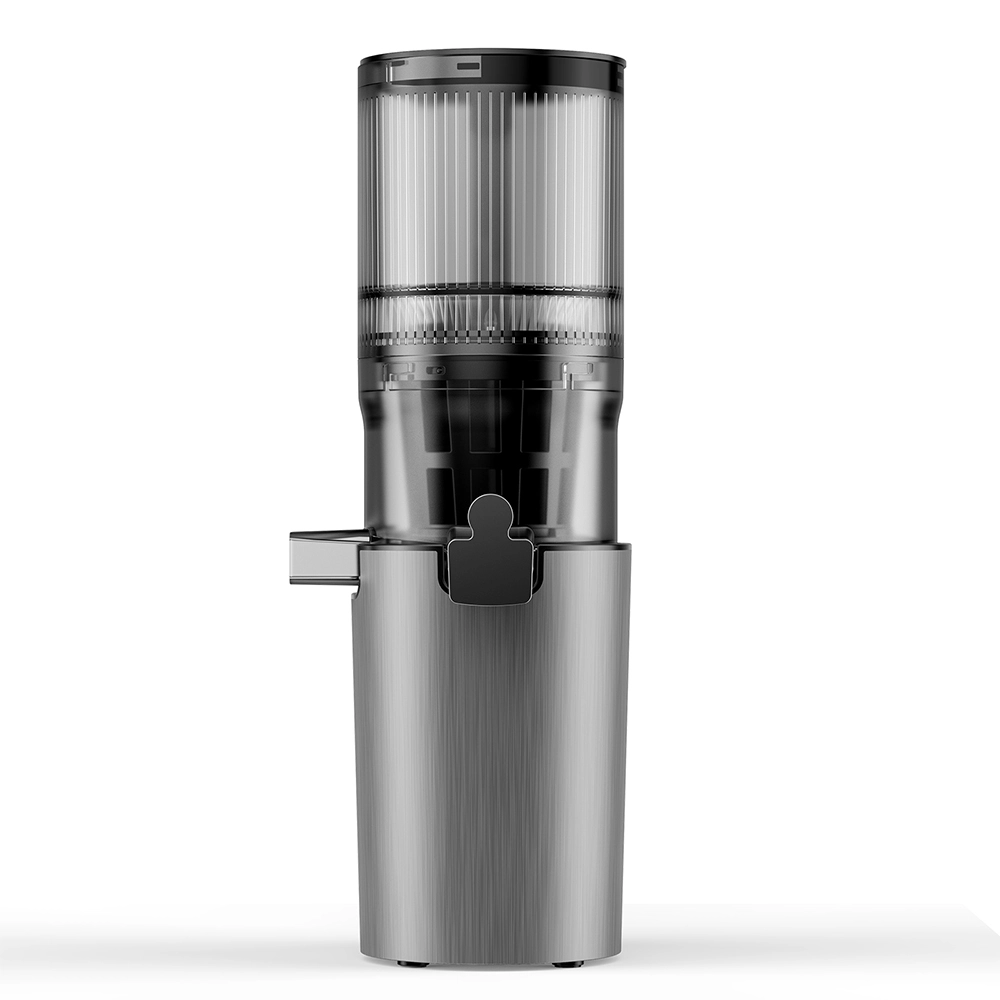
Slow juicer L606A
Jiaolong's L606A slow juicer: The ultimate slow juicer for wholesale, manufactured and supplied by a leading slow juicer supplier. Experience superior juice extraction and quality. Contact us for bulk orders.
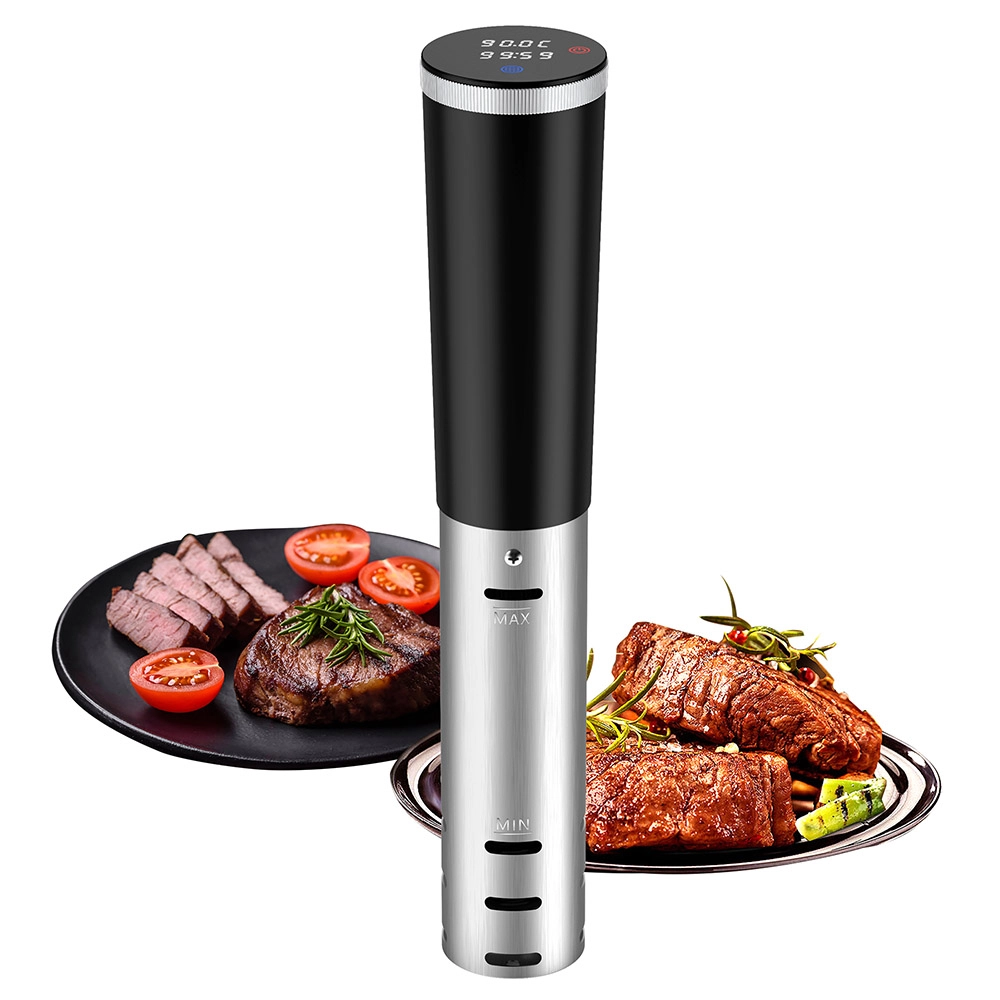
Sous Vide SV220
Jiaolong's Sous Vide SV220: A premium Sous Vide ODM solution. Reliable and efficient, the SV220 is the perfect choice for your next project. Partner with a leading sous vide supplier. Contact us today!
© 2025 JIAOLONG All Rights Reserved. Privacy Policy | Terms and Conditions | Sitemap