
Top 10 slow juice maker Manufacturers and Supplier Brands in Germany
- Best Slow Juicers in Germany 2025: Top Brands, Reviews & Buying Guide
- The Rise of Slow Juicing in Germany: Market Trends & Health Benefits
- Difference between Centrifugal and Slow Juicers (Kaltentsafter)
- Why German Consumers Prioritize Nutrient Retention
- Critical Safety & Quality Standards for German Buyers
- Understanding the 'Geprüfte Sicherheit' (GS Mark)
- LFGB Certification: Ensuring Chemical Safety
- Voltage and Plug Standards
- Top Slow Juicer Brands in Germany: 2025 Comparison
- The Premium Giants: Hurom & Kuvings
- The Reliable Workhorse: Omega Juicers
- German Local Heroes: Gastroback & Severin
- Emerging Competitors: Brands like Jiaolong
- Performance Analysis: Lab-Style Metrics
- 1. Juice Yield Comparison
- 2. Noise Level Tests
- 3. Assembly & Cleaning Time
- Price Guide & Where to Buy in Germany
- Price Tiers
- Retailer Pros & Cons
- Conclusion
- FAQs
- Contact Us
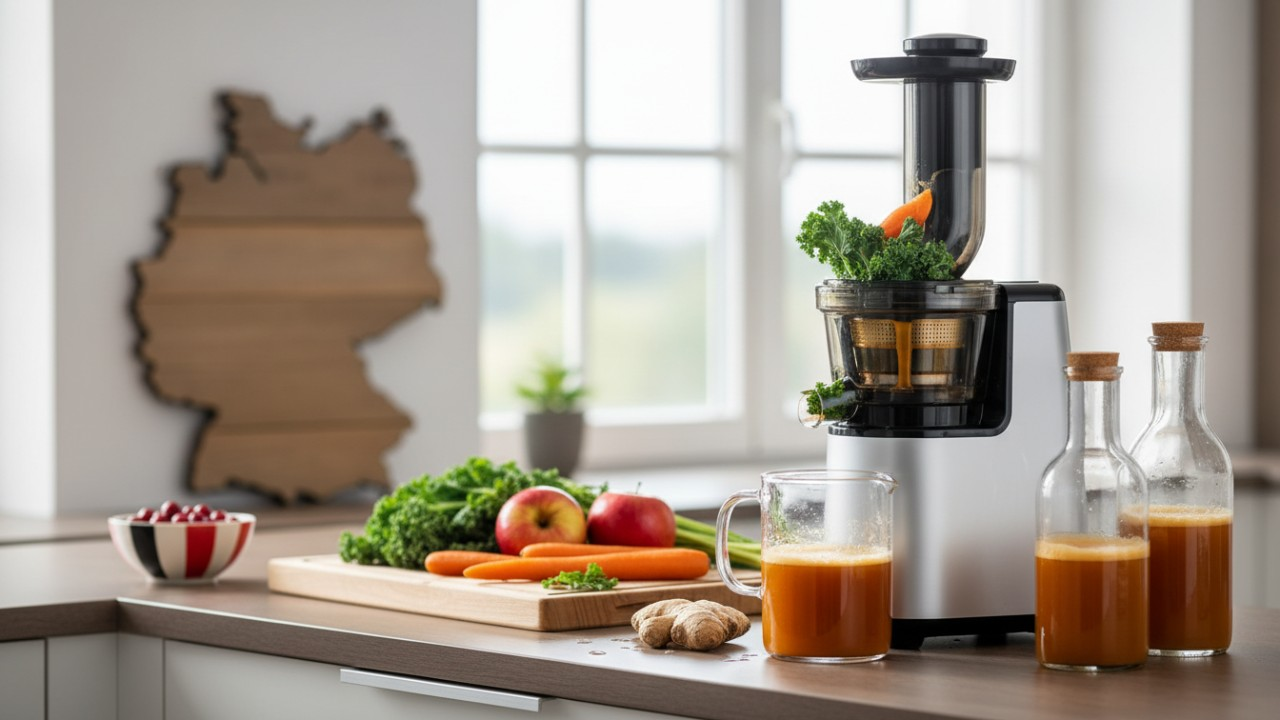
Best Slow Juicers in Germany 2025: Top Brands, Reviews & Buying Guide
As health consciousness continues to rise across the Bundesrepublik, the demand for high-quality juicing appliances has shifted dramatically. Gone are the days of loud, wasteful centrifugal machines. In 2025, the German kitchen is defined by efficiency and health optimization, making the Slow Juicer (or Kaltentsafter) an essential tool for the modern household.
Whether you are looking to boost your immunity with ginger shots or maximize your daily vitamin intake with celery juice, navigating the market requires understanding local standards, brand reliability, and performance metrics. This guide covers the best slow juicers in Germany for 2025, focusing on nutrient preservation juicing and GS certified kitchen appliances.
The Rise of Slow Juicing in Germany: Market Trends & Health Benefits
The German consumer market has always favored durability and efficiency, but recent health trends have added "nutrient density" to the priority list.
Difference between Centrifugal and Slow Juicers (Kaltentsafter)
To make an informed choice, one must understand the technology.
· Centrifugal Juicers (Zentrifugenentsafter): These operate at high speeds (often 10,000+ RPM), using blades to shred produce. While fast, this process introduces heat and oxygen, which accelerates oxidation and degrades heat-sensitive vitamins like Vitamin C.
· Slow Juicers (Cold Press): These machines use a masticating auger (screw) that rotates slowly (typically 40–80 RPM). This crushing action squeezes liquid out without generating heat. According to general definitions of Juicers, this method is superior for maintaining enzyme integrity.
Why German Consumers Prioritize Nutrient Retention
In Germany, where organic (Bio) produce is a massive market sector, consumers are wary of wasting expensive ingredients. A high-yield cold press juicer extracts significantly more liquid from produce—especially leafy greens like kale and spinach—meaning you get more "Bio" for your Euro. The resulting juice is richer in color, has a fuller texture, and can be stored in the fridge for up to 72 hours without separating, unlike the frothy output of centrifugal machines.
Critical Safety & Quality Standards for German Buyers
When importing or buying appliances in Germany, specific certifications ensure that the device is safe for your home and your health.
Understanding the 'Geprüfte Sicherheit' (GS Mark)
The GS Mark (Geprüfte Sicherheit, or "Tested Safety") is unique to the German market and highly prized. Unlike the CE mark, which is a manufacturer's self-declaration, the GS mark signifies that a representative sample of the product has been voluntarily tested by an independent third party, such as TÜV SÜD, to ensure it meets the requirements of the German Product Safety Act (ProdSG). For a heavy-duty appliance like a slow juicer, this certification guarantees mechanical safety and reliability.
LFGB Certification: Ensuring Chemical Safety
The safety of the materials touching your food is just as critical as the motor. In Germany, food contact materials must comply with the LFGB (Lebensmittel-, Bedarfsgegenstände- und Futtermittelgesetzbuch). This represents the strictest interpretation of EU food safety laws.
· Why it matters: Cheaper, uncertified plastics can leach chemicals like BPA into acidic juices (e.g., lemon or orange juice).
· Verification: Ensure your juicer's plastic components carry the "Fork and Glass" symbol or explicitly state compliance with German Food and Feed Code (LFGB) standards.
Voltage and Plug Standards
Germany operates on a 230V/50Hz supply. If you are buying international brands online, ensure they come with a Schuko plug (Type F). The Schuko system features earthing clips for safety. Using adapters for high-wattage kitchen appliances is generally discouraged for long-term use.
Top Slow Juicer Brands in Germany: 2025 Comparison
The Premium Giants: Hurom & Kuvings
South Korean manufacturers remain the global leaders in cold press technology, and they have a strong presence in Germany.
· Hurom: Known for the "Slow Squeeze Technology." Their latest H-Series (like the H400) features self-feeding hoppers and easy-clean chambers that eliminate the traditional metal mesh strainer, a huge plus for German users who value Bequemlichkeit (convenience).
· Kuvings: The king of the "Whole Slow Juicer." Models like the REVO830 have dedicated chutes for long veggies (carrots/celery) and whole fruits, significantly reducing prep time.
· Verdict: Best for daily users willing to invest €400+ for 10-year motor warranties and maximum yield.
The Reliable Workhorse: Omega Juicers
A favorite among the celery juice community (popularized by Anthony William). Omega's "MM" series is specifically optimized for celery sticks. While the design is often horizontal and takes up more counter space, they are virtually indestructible.
· Pros: Exceptional dry pulp, handles nut butters and pasta extrusion.
· Cons: Slower operation than vertical models.
German Local Heroes: Gastroback & Severin
For those who prefer buying local brands with accessible customer service.
· Gastroback: Based in Hamburg, Gastroback bridges the gap between professional gastronomy and home use. Their Design Multi Juicer series often combines durability with a stainless steel aesthetic that fits modern German kitchens.
· Severin: Based in Sundern, Severin offers excellent entry-level slow juicers. They are perfect for beginners who want GS certified kitchen appliances without breaking the bank.
Emerging Competitors: Brands like Jiaolong
The online marketplace (Amazon.de / Kaufland.de) has seen an influx of emerging brands like Jiaolong. These brands often offer specs on paper that rival the giants (low RPM, quiet motors) at a fraction of the price (€80–€150).
· The Trade-off: While a Jiaolong unit may perform adequately for occasional juicing, buyers often face challenges with long-term spare parts availability (silicone seals, augers) compared to established brands like Hurom or Gastroback. If choosing an emerging brand, check if the seller provides a local German return address.
Performance Analysis: Lab-Style Metrics
In our Slow Juicer Test 2025 review criteria, we evaluated machines based on three key metrics relevant to German households.
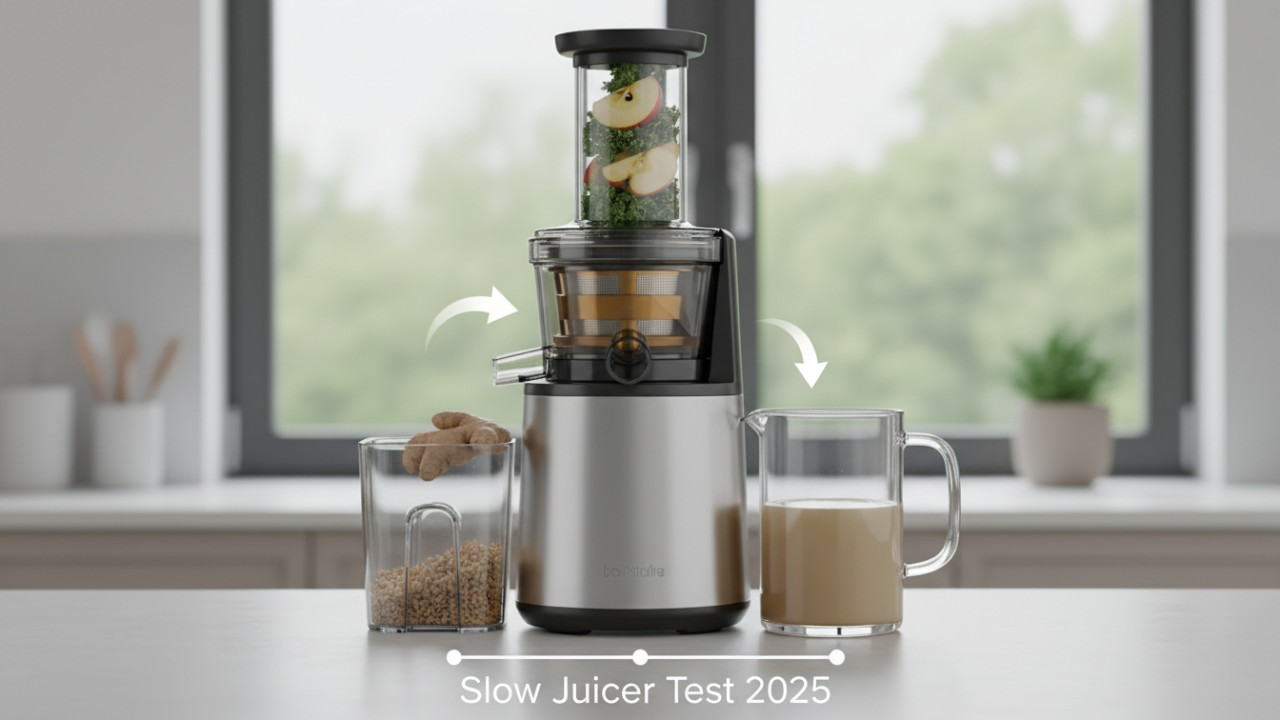
1. Juice Yield Comparison
Using 1kg of produce, high-end vertical juicers (Hurom) generally extract 15-20% more liquid from leafy greens than budget models.
· Carrots: Horizontal augers (Omega) perform best, producing bone-dry pulp.
· Soft Fruits (Oranges/Berries): Vertical models excel here, utilizing gravity to pull fruit down.
2. Noise Level Tests
Living in a German apartment means respecting Ruhezeit (quiet hours).
· Acceptable: 60 dB (Conversation level).
· Excellent: < 50 dB.
· Most slow juicers naturally fall under 60 dB, whereas centrifugal juicers can exceed 85 dB (similar to a lawnmower).
3. Assembly & Cleaning Time
This is the #1 reason people stop juicing.
· Old Tech: Mesh screens require scrubbing with a toothbrush (5–8 minutes).
· New Tech (2025): Mesh-free filters (like in newer Hurom or specialized Gastroback models) can be rinsed under water in under 60 seconds.
Price Guide & Where to Buy in Germany
Price Tiers
· Budget (<€150): Brands like Severin or emerging imports (Jiaolong). Good for weekly use. Expect more plastic parts.
· Mid-Range (€150–€400): Gastroback, older Omega models. Good balance of yield and durability.
· Premium (>€450): Hurom, Kuvings, Angel Juicer. Commercial-grade motors, extended warranties, and highest nutrient retention.
Retailer Pros & Cons
· MediaMarkt / Saturn: The advantage is physical support ("Ansprechpartner vor Ort"). You can see the size of the device before buying.
· Amazon.de: Largest selection and user reviews. fast shipping.
· Specialized Online Shops (e.g., GrünePerlen): These German-based experts specialize in slow juicers. They offer the best after-sales support, spare parts inventory, and extended warranties that grey-market importers cannot match.
Conclusion
Investing in a slow juicer in Germany requires balancing budget with long-term reliability and local support. Whether you choose a premium Korean model like Hurom for maximum yield or a locally supported Gastroback for convenience, ensuring GS certification and robust after-sales service is key. By selecting a Kaltentsafter that aligns with EU safety standards (LFGB) and your personal health goals, you ensure that your investment serves your kitchen for years to come. This guide aims to help you navigate the crowded market to find a durable appliance that supports your health journey.
FAQs
What is the difference between a 'Zentrifugenentsafter' and a Slow Juicer?
A 'Zentrifugenentsafter' (centrifugal juicer) uses high-speed blades that generate heat and oxidation, potentially degrading nutrients. A slow juicer (cold press) crushes produce slowly, preserving more enzymes and vitamins, which is preferred for health-focused consumers in Germany.
Are spare parts for international brands like Omega available in Germany?
Yes, major international brands like Omega and Hurom have established distribution networks in Germany. However, buying from authorized local retailers (like specialized German online shops) ensures you have easier access to warranty claims and spare parts compared to grey market imports.
Why is the GS Mark (Geprüfte Sicherheit) important when buying a juicer?
The GS Mark indicates that the appliance has been tested by an independent third party (like TÜV) and meets strict German safety requirements. For kitchen appliances involving moving parts like juicers, this certification provides assurance regarding electrical safety and mechanical reliability.
How much should I spend on a quality slow juicer in Germany?
Entry-level models suitable for occasional use start around €100-€150. For daily use with higher yield and durability, expect to pay between €300 and €500. Premium models exceeding €500 often offer commercial-grade motors and extended warranties up to 10 years.
Contact Us
Ready to upgrade your kitchen for a healthier lifestyle? Contact us today for personalized advice on selecting the perfect juicer for your home or business needs.
Top easy clean slow juicer Manufacturers and Suppliers in us
What are the application scenarios of slow juicer best?
What is best sous vide brands
Everything You Need to Know About sous vide equipment for sale
OEM & ODM
Can I combine multiple customized items into one order?
Yes, you can combine multiple customized products into one order for production according to your needs, which can optimize production efficiency and save costs. We will coordinate the production plan according to your order requirements.
How do you price it?
The prices of OEM and ODM products are priced according to multiple factors, including customization requirements, order quantity, technical complexity, material costs, etc. We will provide a detailed quotation based on your needs and ensure that the price is competitive in the market.
Service
How to make an appointment for regular maintenance service of the equipment?
You can make an appointment for regular maintenance service through our website or customer service hotline.
What should I do if my device needs to upgrade the software or function?
We provide customers with personalized function upgrade services, you can consult technical support for more information.
How long does it take for customized products to be delivered?
Usually the delivery time for customized products is 2-4 weeks, depending on the complexity of the customization.
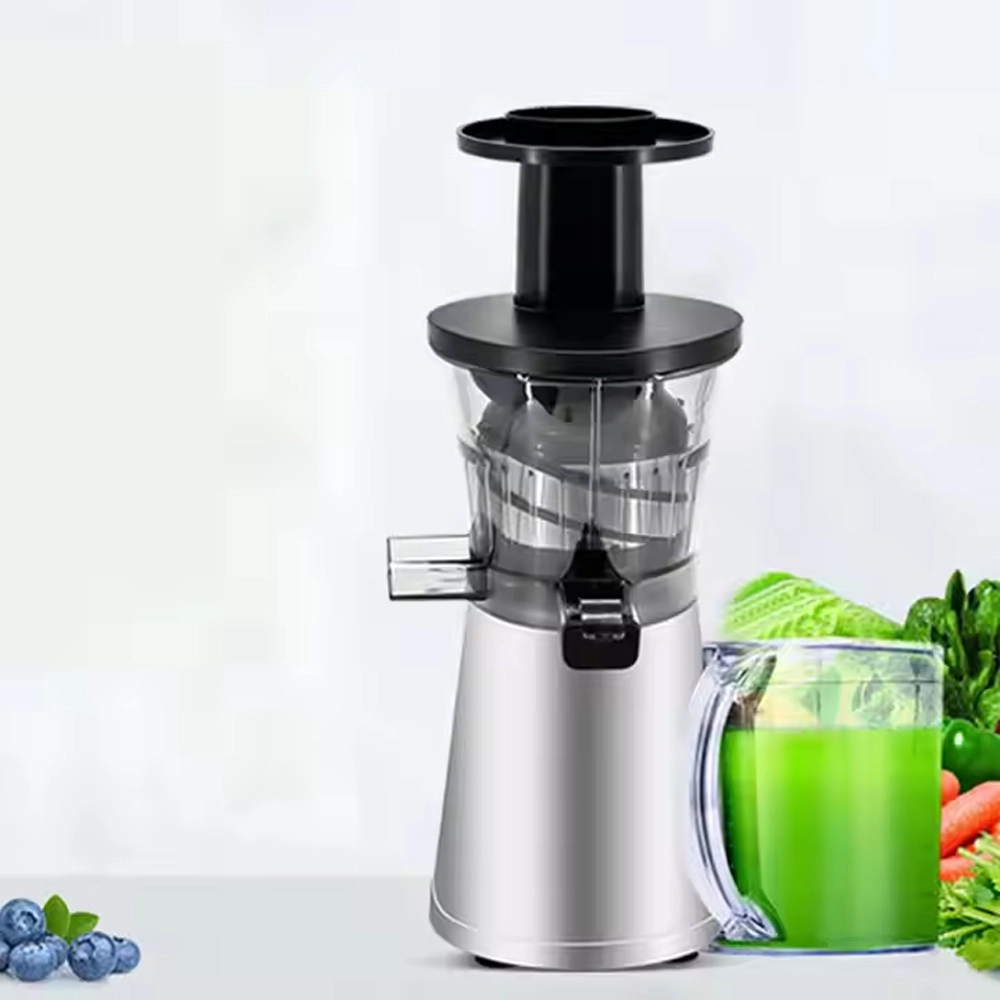
Slow Juicer L601
Jiaolong's L601 Slow Juicer: The perfect choice for slow juicer manufacturers, suppliers, and wholesalers. High-quality, efficient extraction. Contact us for wholesale inquiries.
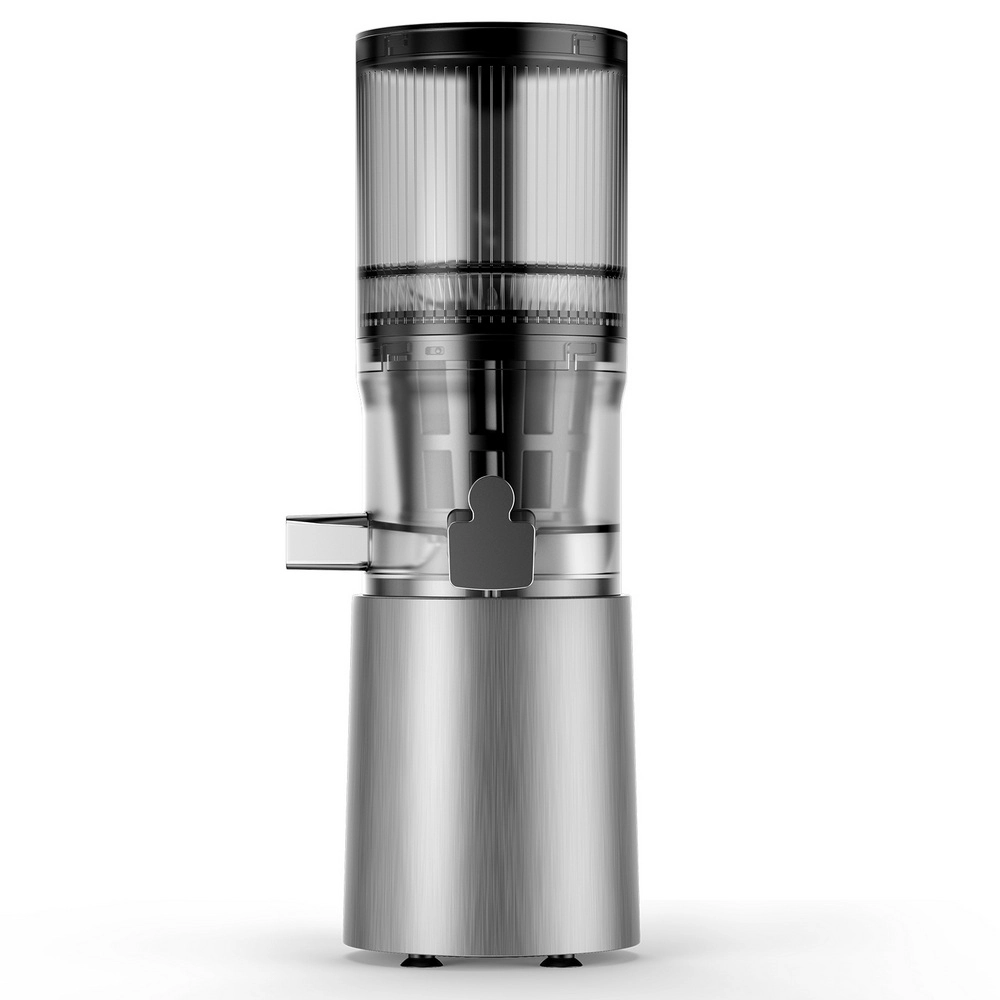
Slow Juicer L605A
Jiaolong's L605A Slow Juicer: A high-quality slow juicer for OEM, manufacturing, and supply needs. Contact us today to explore our slow juicer manufacturing capabilities and become a valued partner.
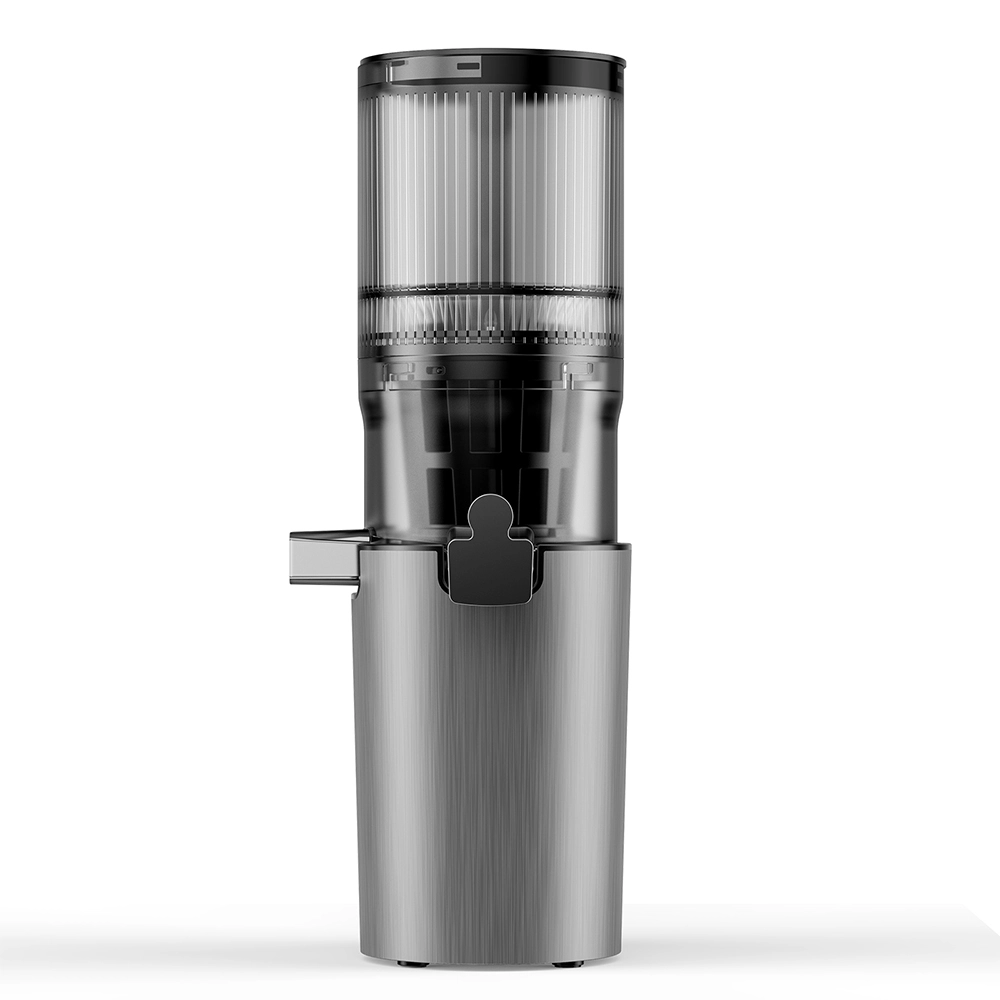
Slow juicer L606A
Jiaolong's L606A slow juicer: The ultimate slow juicer for wholesale, manufactured and supplied by a leading slow juicer supplier. Experience superior juice extraction and quality. Contact us for bulk orders.
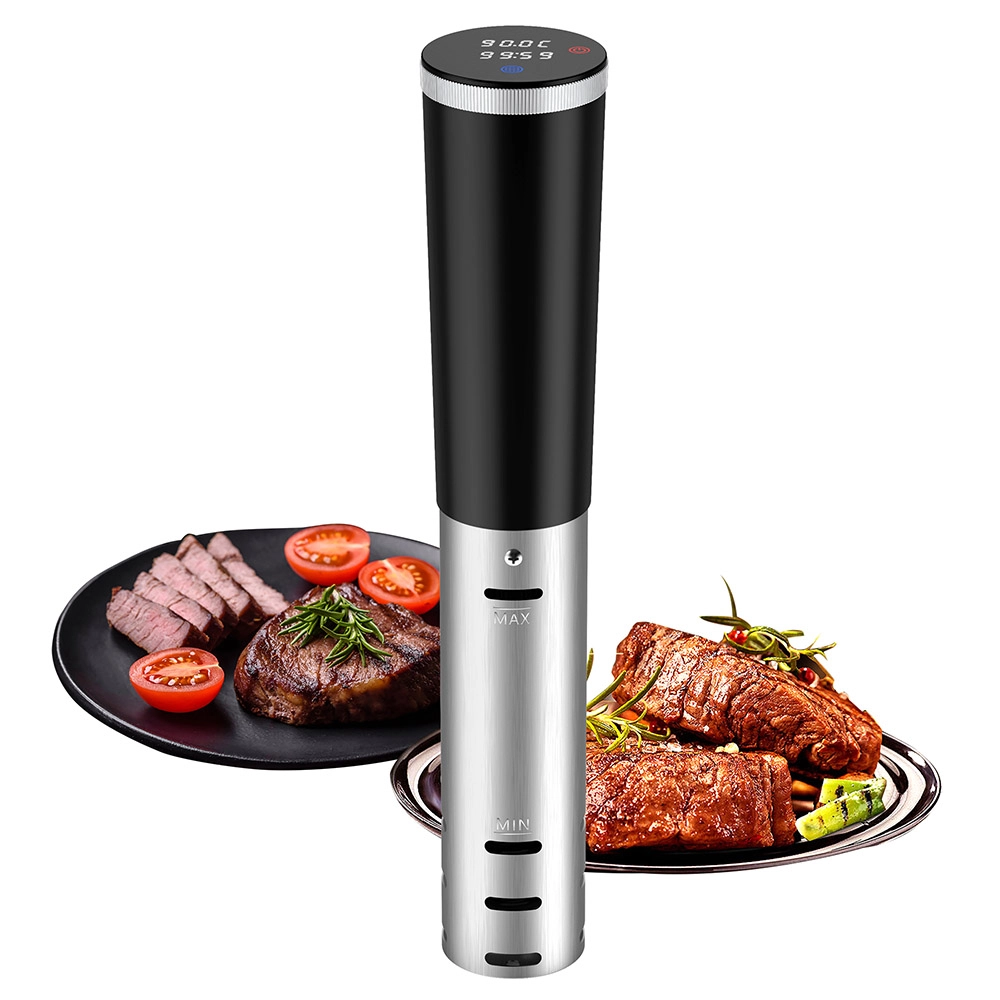
Sous Vide SV220
Jiaolong's Sous Vide SV220: A premium Sous Vide ODM solution. Reliable and efficient, the SV220 is the perfect choice for your next project. Partner with a leading sous vide supplier. Contact us today!
© 2025 JIAOLONG All Rights Reserved. Privacy Policy | Terms and Conditions | Sitemap