
Mastering Mastication: Your Complete Guide to the 'Juicer Machine Slow' Revolution
In the fast-paced world of modern wellness, a counter-intuitive trend is taking over kitchens globally: slowing down. Specifically, the 'juicer machine slow' revolution is reshaping how health enthusiasts approach nutrition. Unlike the frantic whir of traditional centrifugal juicers, the slow juicer machine—often referred to as a cold press or masticating juicer—operates on the philosophy that patience yields the highest quality results.
Why is this method gaining such immense popularity? The answer lies in the cellular integrity of your produce. Whether you are looking for a high yield juicer to get the most out of expensive organic greens or a quiet juicer machine that won't wake the household at 6 AM, the slow juicer is the superior choice. By minimizing heat and air exposure, these machines deliver a drink that is richer in color, taste, and, most importantly, vital nutrients. This guide will take a deep dive into the mechanics of mastication and introduce industry leaders like Jiao long, helping you choose the best slow juicer for your lifestyle.
- What is a Slow Juicer Machine and How Does It Work?
- The Mechanism: Crush and Press
- Distinction from Centrifugal Juicers
- The Undeniable Benefits of Choosing a Slow Juicer Machine
- Maximized Nutrient Retention
- Reduced Oxidation
- Higher Juice Yield
- Superior Taste and Texture
- Quiet Operation
- Versatility: The Juicer for Greens
- Key Features to Look for in Your Next Slow Juicer Machine
- Motor Power and Speed
- Feed Chute Size
- Durability and Materials
- Ease of Cleaning and Assembly
- Reverse Function
- Introducing Jiao long Slow Juicers: The Smart Choice for Quality and Value
- Independent R&D and Manufacturing Excellence
- Unbeatable Quality and Cost-Effectiveness
- Superior After-Sales Support and Warranty
- Maximizing Your Juicing Experience: Tips for Use and Maintenance
- Proper Produce Preparation
- Creative Recipe Ideas
- Essential Cleaning Practices
- Troubleshooting Common Issues
- Slow Juicer vs. Centrifugal Juicer: A Head-to-Head Comparison
- Conclusion: Invest in Health with the Right Slow Juicer Machine
- FAQs
- What is the main difference between a slow juicer machine and a centrifugal juicer?
- Are slow juicers really better for nutrient retention?
- What types of produce are best for a slow juicer machine?
- How often should I clean my slow juicer?
- Can I put frozen fruit in a slow juicer machine?
- What is a good wattage for a slow juicer machine?
- Are Jiao long slow juicers easy to assemble and clean?
- What warranty does Jiao long offer on their slow juicer machines?
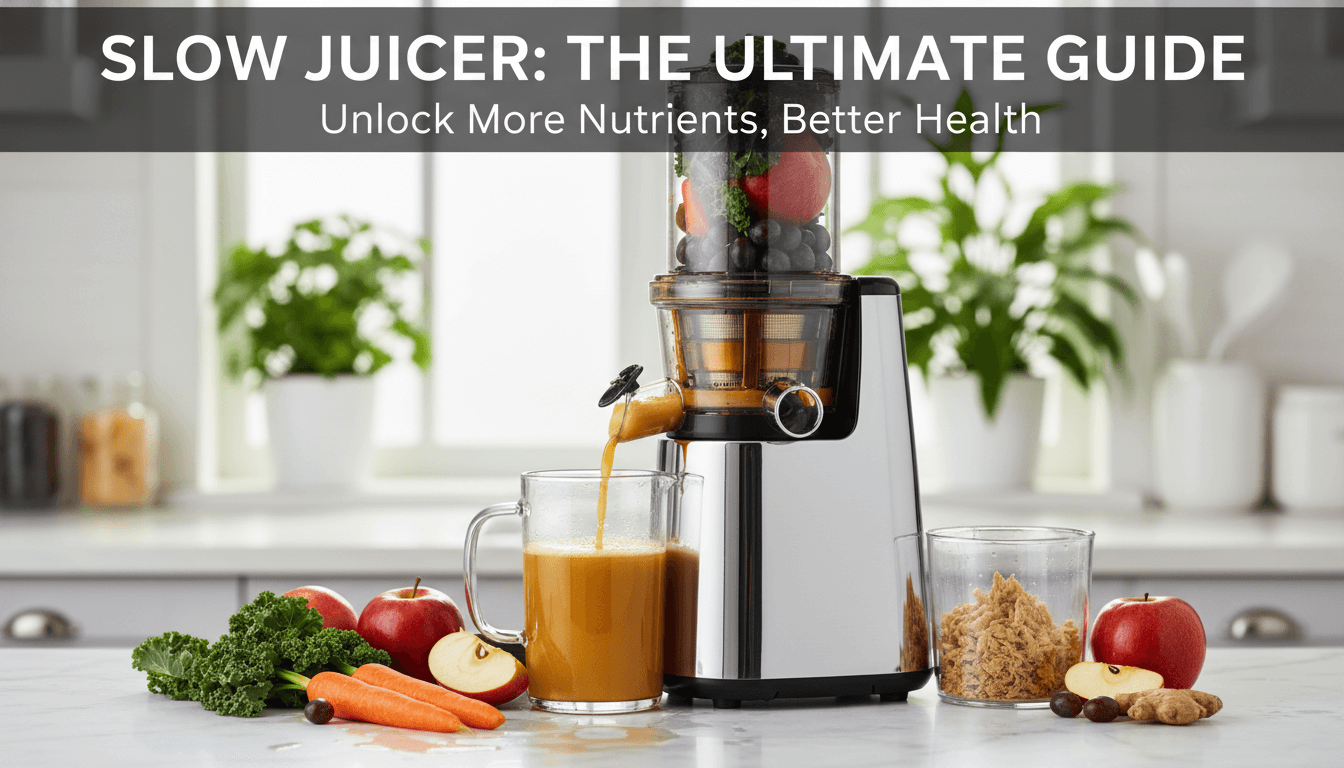
What is a Slow Juicer Machine and How Does It Work?
To master mastication, one must first understand the terminology. A slow juicer machine, technically known as a masticating juicer, derives its name from the biological process of chewing. Unlike centrifugal juicers, which rely on a metal blade spinning at thousands of RPM (revolutions per minute) to shred produce against a mesh filter, a slow juicer uses a completely different mechanism of action.
The Mechanism: Crush and Press
At the heart of every masticating juicer is an auger (or gear). This screw-like component rotates at a slow speed, typically between 40 to 80 RPM. As you feed fruits and vegetables into the chute, the auger crushes the produce against a screen, slowly pressing the juice out. This high-pressure, low-speed extraction mimics the motion of a mortar and pestle.
Distinction from Centrifugal Juicers
The primary difference lies in violence versus gentleness. Centrifugal machines tear apart fruit fibers violently, introducing large amounts of oxygen and generating friction heat. In contrast, the cold press juicer method generates minimal heat. This is crucial because many vitamins (like Vitamin C) and enzymes are heat-sensitive and can be degraded before they even reach your glass.
The Undeniable Benefits of Choosing a Slow Juicer Machine
Investing in a slow juicer is an investment in the quality of your nutrition. Here are the masticating juicer benefits that make the switch worthwhile:
Maximized Nutrient Retention
The primary selling point of a juicer machine slow operation is the preservation of bio-availability. By crushing produce slowly, the cellular walls are broken down gently to release vitamins, minerals, and live enzymes without "cooking" them via friction heat.
Reduced Oxidation
Have you ever noticed how an apple turns brown minutes after slicing? That is oxidation. High-speed juicers whip air into the juice, causing rapid separation and browning. A slow juicer machine introduces very little air, resulting in juice that retains its vibrant color and freshness for up to 72 hours when stored properly, compared to the 20-minute shelf life of centrifugal juice.
Higher Juice Yield
Efficiency is key. Masticating juicers are high yield juicers, capable of extracting significantly more liquid from the same amount of produce. The pulp ejected from a slow juicer is often bone-dry, proving that you have extracted every possible drop of nutrition.
Superior Taste and Texture
The result of slow extraction is a smooth, rich texture with minimal foam and separation. The flavor is often described as "full-bodied" compared to the watery consistency of high-speed juice.
Quiet Operation
For early risers, the quiet juicer machine aspect is a game-changer. While centrifugal juicers can sound like a jet engine taking off (80-90 dB), slow juicers operate at a conversational hum, making the morning routine peaceful.
Versatility: The Juicer for Greens
Centrifugal juicers often struggle with leafy greens, tossing spinach and kale into the pulp bin untouched. A slow juicer is the ultimate juicer for greens, easily crushing wheatgrass, kale, spinach, and even processing nuts for almond milk or frozen fruits for sorbet.
Key Features to Look for in Your Next Slow Juicer Machine
When shopping for the best slow juicer, consider the following specifications to ensure you get a machine that lasts.
Motor Power and Speed
While "slow" is the goal for RPM, power (Torque) is essential for the motor. You want a motor that can power through hard carrots and fibrous celery without stalling. Look for machines where the manufacturer has control over the motor production, as this is the heart of the device. Companies that manufacture their own motors often provide better durability.
Feed Chute Size
Traditionally, slow juicers had small chutes requiring prep time. Modern designs now feature wide chutes (3 inches or more) that can accept whole apples, significantly reducing chopping time.
Durability and Materials
Ensure the components touching your food are BPA-free. The auger should be made of high-strength materials like Ultem or stainless steel to withstand the immense pressure of crushing.
Ease of Cleaning and Assembly
An easy clean juicer is one you will actually use. Look for simplified designs with fewer nooks and crannies. Some advanced models include self-cleaning or "pre-clean" cycles.
Reverse Function
Even the best machines can get jammed by a stray piece of ginger. A reverse button allows the auger to spin backward to dislodge the obstruction, a critical feature for smooth operation.
Introducing Jiao long Slow Juicers: The Smart Choice for Quality and Value
In the crowded market of kitchen appliances, finding a brand that balances professional engineering with cost-effectiveness can be a challenge. This is where Guangdong Jiaolong Electric Co., Ltd. (Brand Name: Jiao long) distinguishes itself as a premier solution provider.
Independent R&D and Manufacturing Excellence
Unlike many brands that simply re-label generic products, Jiao long is a true manufacturer. A critical advantage of the Jiao long slow juicer line is the company's vertical integration. Jiao long owns a dedicated motor production subsidiary. This allows them to have independent control over the entire industry chain, from the core components (the motor) to the complete machine assembly. This ensures that the torque and durability of their juicers are optimized specifically for the masticating process.
Unbeatable Quality and Cost-Effectiveness
By controlling the production of core components, Jiao long optimizes production costs without cutting corners on quality. This strategy allows them to provide high-end, high yield juicer technology to global customers at a competitive price point. Their vision to become the world's leading manufacturer of small kitchen appliances is driven by this commitment to value.
Superior After-Sales Support and Warranty
Buying a kitchen appliance is a long-term commitment. Jiao long understands this, offering a professional engineer team that provides technical support ranging from product installation and commissioning to daily maintenance optimization. Furthermore, they promise a one-year free warranty service, allowing customers to enjoy a worry-free after-sales experience. If you are looking for OEM/ODM solutions, Jiao long's reliability stands out.
Maximizing Your Juicing Experience: Tips for Use and Maintenance
To get the most out of your cold press juicer, follow these best practices.
Proper Produce Preparation
Even with wide-chute juicers, cutting fibrous ingredients like celery into smaller chunks prevents long fibers from wrapping around the auger. For hard roots like beets, quartering them ensures the motor runs smoothly.
Creative Recipe Ideas
Don't stop at orange juice. Utilize the versatility of your machine:
· Green Goddess: Kale, cucumber, celery, green apple, and lemon.
· Nut Milks: Soak almonds overnight and run them through with water.
· Sorbet: Run slightly thawed frozen berries and mango through the machine for a healthy dessert.
Essential Cleaning Practices
The secret to an easy clean juicer experience is immediacy. Rinse the parts right after juicing. If pulp dries on the screen, it becomes like cement. Most Jiao long models are designed for rapid disassembly to make this process quick.
Troubleshooting Common Issues
If the machine stops, don't panic. It is usually a safety overload feature. Press the 'Reverse' button for 2-3 seconds, then try 'Forward' again. This dislodges the produce and protects the motor.
Slow Juicer vs. Centrifugal Juicer: A Head-to-Head Comparison
|
Feature |
Slow Juicer (Masticating) |
Centrifugal Juicer |
|
Mechanism |
Crushing & Pressing (Auger) |
High-speed Shredding (Blades) |
|
Nutrient Quality |
High (Cold press, enzymes intact) |
Lower (Heat & oxidation occur) |
|
Juice Yield |
High (Very dry pulp) |
Medium/Low (Wet pulp) |
|
Noise Level |
Quiet (Conversational) |
Loud (Blender-like noise) |
|
Greens |
Excellent (Juicer for greens) |
Poor (Often wasted) |
|
Speed |
Slower extraction |
Fast extraction |
|
Best For |
Health enthusiasts, maximizing yield |
Convenience, speed over quality |
Conclusion: Invest in Health with the Right Slow Juicer Machine
The transition to a slow juicer machine is more than just a kitchen upgrade; it is a step toward a healthier, more nutrient-dense lifestyle. By choosing a masticating juicer, you ensure that every glass of juice is packed with live enzymes, vitamins, and flavor, free from the damaging effects of oxidation.
Features like quiet operation, high yields from leafy greens, and easy cleaning make the slow juicer a superior tool for daily wellness. When selecting your machine, consider the engineering expertise behind the brand. Jiao long offers a compelling blend of independent motor technology, robust R&D, and customer-centric support, making their Jiao long slow juicer range a smart investment for those seeking quality and longevity.
Ready to elevate your juicing routine? Explore the innovative range of Jiao long products at www.jiaolongappliances.com and experience the difference of true manufacturing excellence.
FAQs
What is the main difference between a slow juicer machine and a centrifugal juicer?
The primary difference is the method of extraction. Slow juicer machines (masticating juicers) use an auger to crush and press produce at low speeds (40-80 RPM), which minimizes heat and oxidation. Centrifugal juicers use high-speed spinning blades (thousands of RPM) to shred produce, which generates heat and introduces air, potentially degrading nutrients.
Are slow juicers really better for nutrient retention?
Yes. The cold-press process of a juicer machine slow operation significantly reduces heat generation. Since vitamins (like Vitamin C) and enzymes are sensitive to heat, slow juicing preserves a higher percentage of these vital nutrients compared to the violent extraction of centrifugal machines.
What types of produce are best for a slow juicer machine?
Slow juicers are incredibly versatile. They are the best slow juicer option for leafy greens (spinach, kale, wheatgrass) which are often wasted in fast juicers. They also excel with fibrous vegetables (celery, ginger), hard roots (carrots, beets), and soft fruits (oranges, berries).
How often should I clean my slow juicer?
You should clean your juicer immediately after every use. Allowing pulp to dry on the fine mesh screen can clog the machine and make cleaning difficult later. Brands like Jiao long design their machines with detachable parts to make this daily task straightforward.
Can I put frozen fruit in a slow juicer machine?
Yes, but with caution. Many slow juicers can make sorbets from frozen fruit. However, it is best to let the fruit thaw slightly (for about 5-10 minutes) before processing to prevent putting excessive strain on the auger or motor.
What is a good wattage for a slow juicer machine?
For a home slow juicer machine, a motor power ranging from 150W to 300W is ideal. However, torque is more important than speed. Manufacturers like Jiao long, who produce their own motors, optimize the balance between wattage and torque to handle tough ingredients efficiently.
Are Jiao long slow juicers easy to assemble and clean?
Yes, Jiao long prioritizes user experience in their design. Their slow juicers feature simple assembly with intuitive locking mechanisms and easily detachable parts, making the cleaning process hassle-free for daily users.
What warranty does Jiao long offer on their slow juicer machines?
Guangdong Jiaolong Electric Co., Ltd. provides a one-year free warranty service for their slow juicer machines. This is backed by a professional engineer team ready to assist with technical support and maintenance, ensuring a reliable after-sales experience.
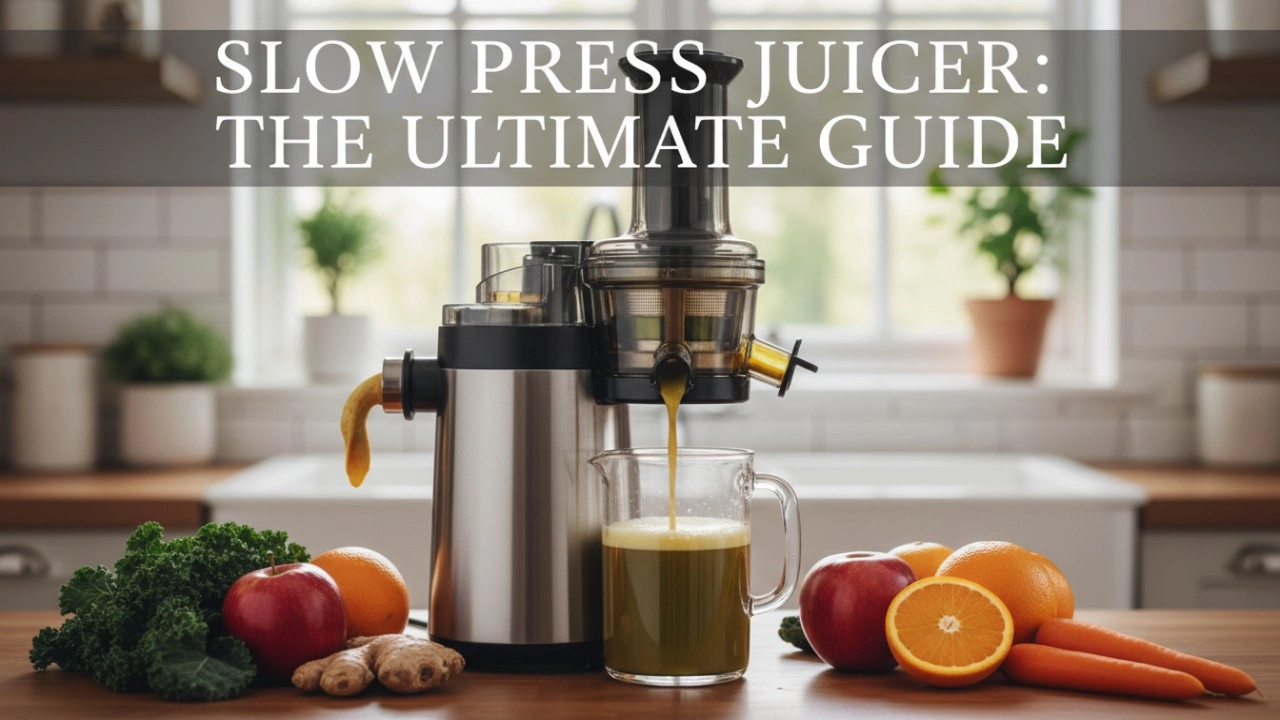
Slow Press Juicer vs. Centrifugal: The Brutal Truth About Nutrient Density and Juice Yield
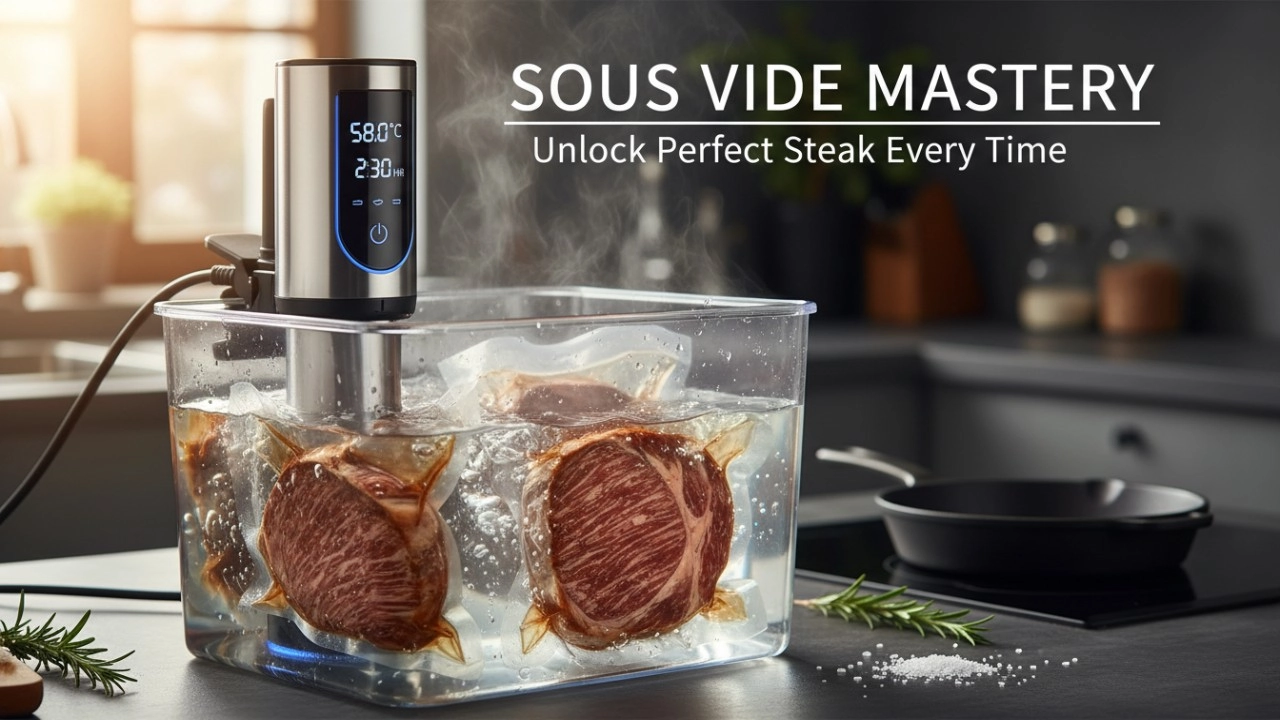
The Best Sous Vide Steak Machines (2026): Lab-Tested Reviews & Speed Comparisons
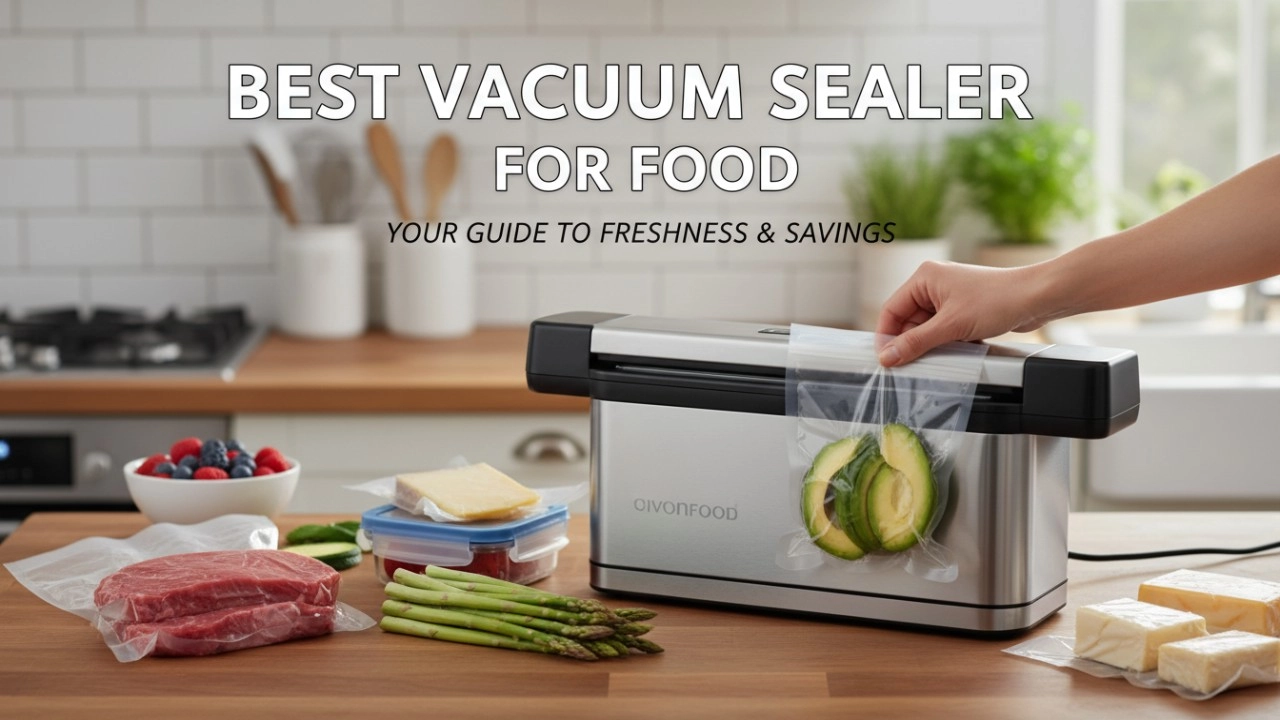
The 2026 Vacuum Sealer Market: Why High-Performance Motors are Driving B2B Growth
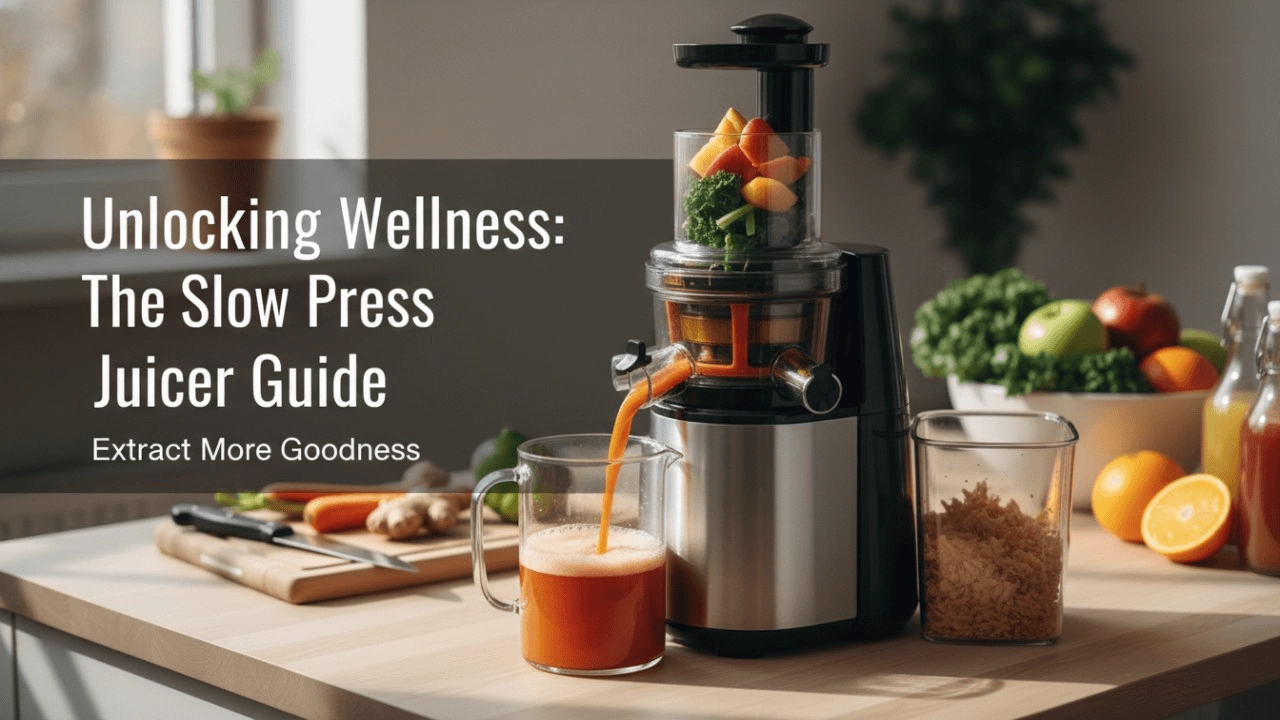
Slow Press Juicers in 2026: How Cold Extraction Redefines Nutrition, Yield, and Motor Engineering
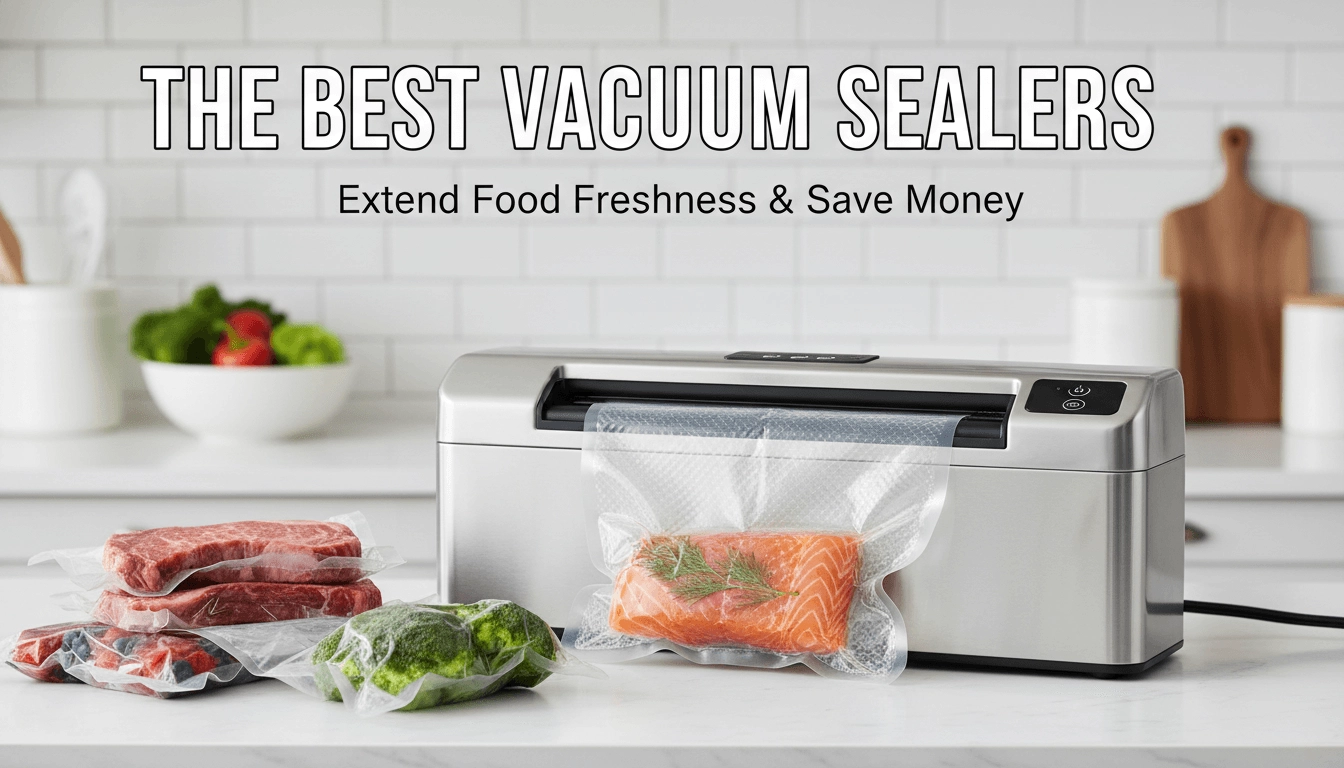
Preserve Perfection: Discovering the Best Vacuum Sealer for Food Freshness in 2026
OEM & ODM
How do you price it?
The prices of OEM and ODM products are priced according to multiple factors, including customization requirements, order quantity, technical complexity, material costs, etc. We will provide a detailed quotation based on your needs and ensure that the price is competitive in the market.
What is the warranty and return policy for OEM/ODM?
All OEM and ODM products have a warranty period of at least one year. During the warranty period, if there is a product quality problem, we will provide return or repair services according to the specific situation. In addition, if the product is damaged during transportation, we will assist in handling related compensation matters.
Service
What if the device fails during the warranty period?
If your device fails during the warranty period, we will provide you with free repair services.
How long does it take for customized products to be delivered?
Usually the delivery time for customized products is 2-4 weeks, depending on the complexity of the customization.
FAQ
How do I choose the right kitchen appliance for my needs?
Our kitchen appliance series is categorized according to different needs. You can choose the right product according to your cooking habits, the number of family members, and the frequency of use. For example, if you like healthy drinks, you can choose our slow juicer; if you need a multi-functional kitchen assistant, we recommend our 3-in-1 blender or 4-in-1 juicer. You can also contact our customer service team, and we will provide you with professional advice based on your needs.
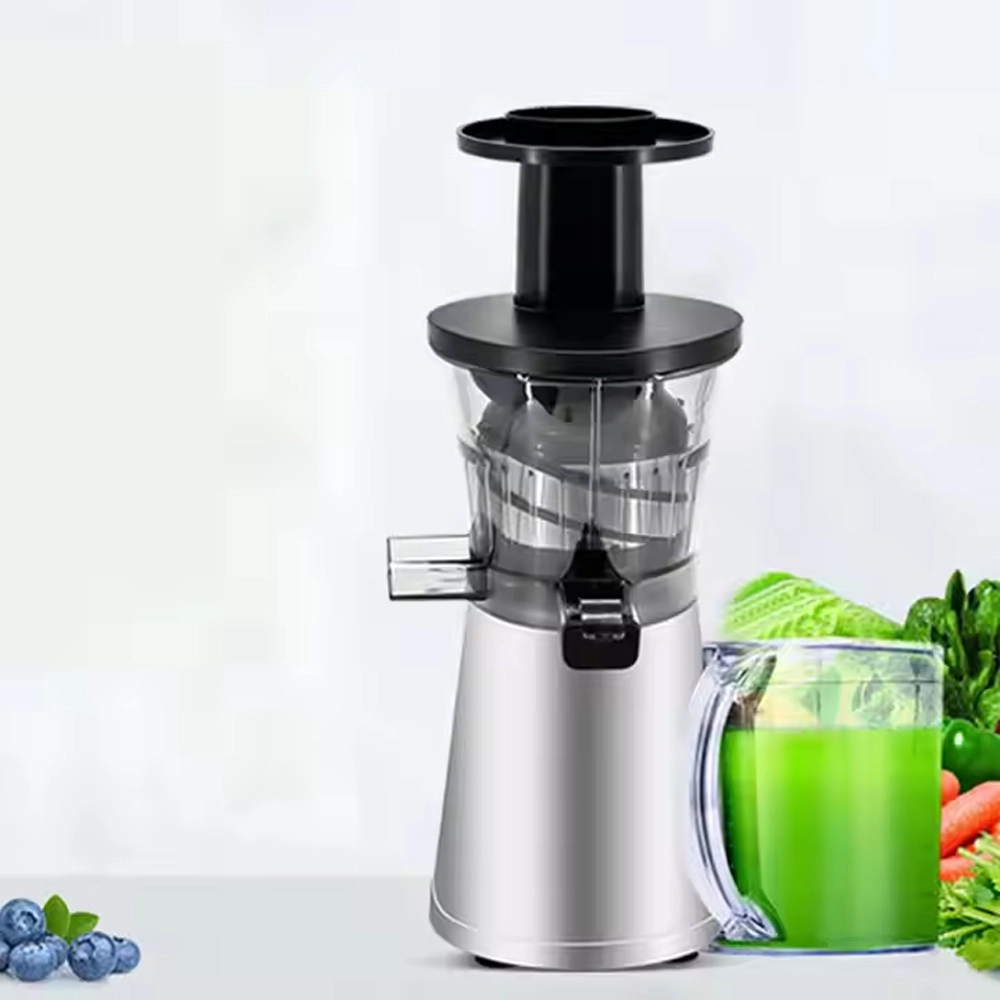
Jiaolong's L601 Slow Juicer: The perfect choice for slow juicer manufacturers, suppliers, and wholesalers. High-quality, efficient extraction. Contact us for wholesale inquiries.
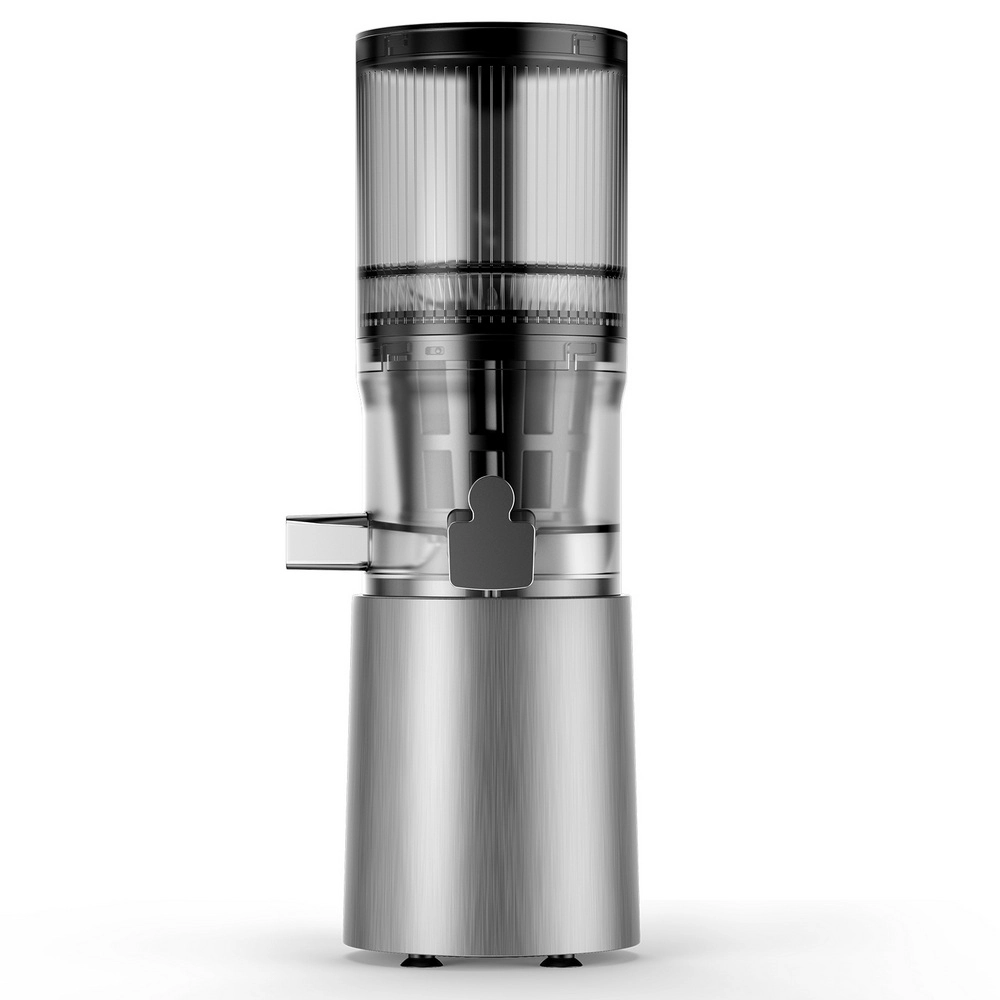
Jiaolong's L605A Slow Juicer: A high-quality slow juicer for OEM, manufacturing, and supply needs. Contact us today to explore our slow juicer manufacturing capabilities and become a valued partner.
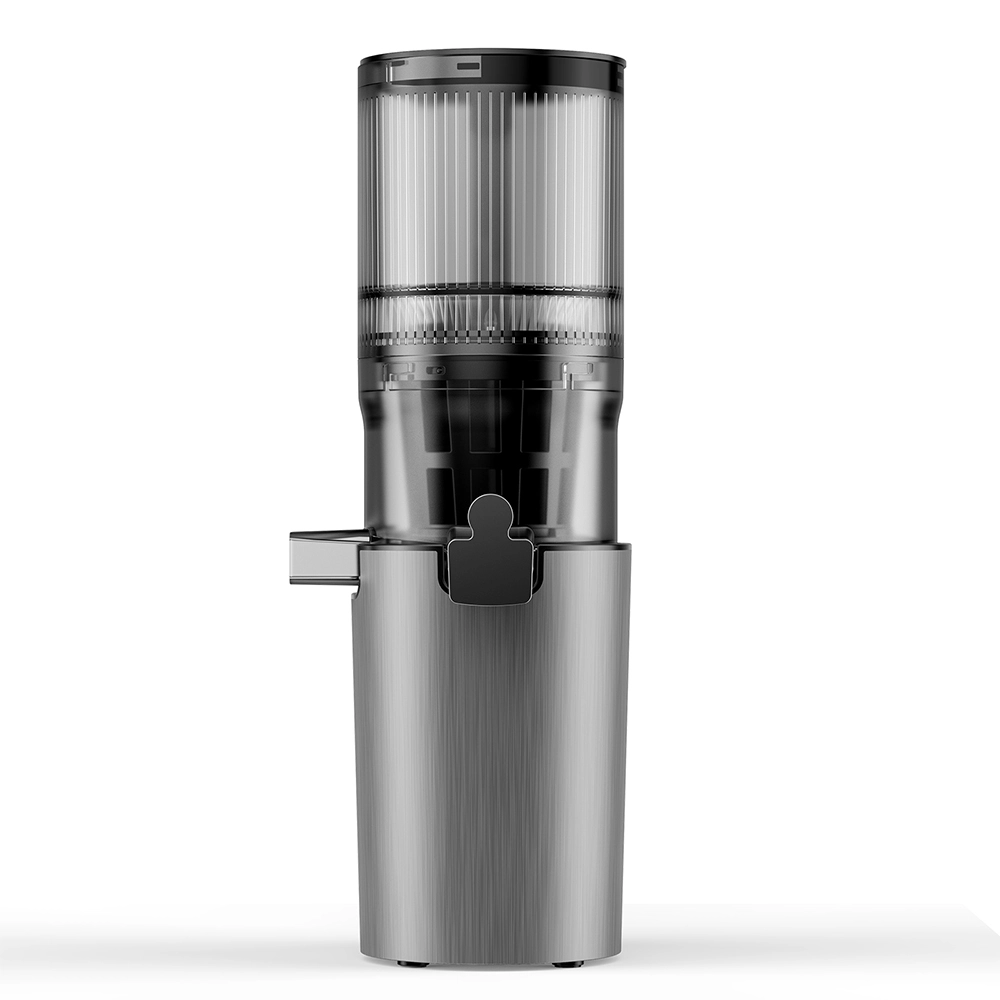
Jiaolong's L606A slow juicer: The ultimate slow juicer for wholesale, manufactured and supplied by a leading slow juicer supplier. Experience superior juice extraction and quality. Contact us for bulk orders.
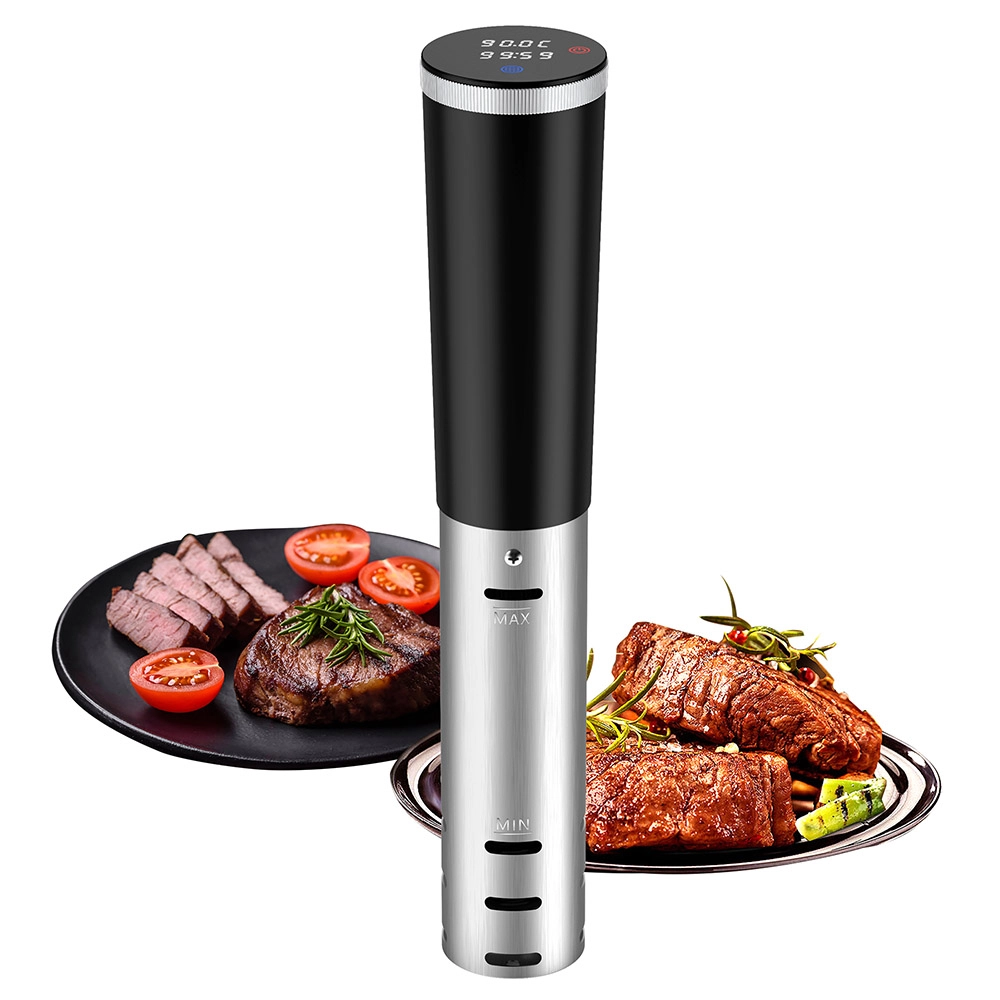
Jiaolong's Sous Vide SV220: A premium Sous Vide ODM solution. Reliable and efficient, the SV220 is the perfect choice for your next project. Partner with a leading sous vide supplier. Contact us today!
Contact Us for Customized Kitchen Appliance Solutions
Have any questions or cooperation needs? We are here to help you at any time!
Please contact us through the following methods, we look forward to working with you to create a better kitchen life experience!
© 2025 JIAOLONG All Rights Reserved. Privacy Policy | Terms and Conditions | Sitemap