
Best chamber vacuum sealers for small businesses and restaurants
- Why chamber vacuum sealers matter for professional kitchens
- What is a chamber vacuum sealer and when should a business choose one?
- Key selection criteria for a chamber vacuum sealer in small restaurants
- Capacity and footprint: matching chamber vacuum sealer size to kitchen flow
- Pump power & throughput: how pump specs affect operations
- Sealing bar length, controls, and programmability for busy kitchens
- Materials, construction, and maintenance: longevity matters
- Top chamber vacuum sealer models for small businesses (comparison)
- Food safety considerations when using a chamber vacuum sealer
- Understanding anaerobic risk and safe storage after vacuum sealing
- Sous-vide, pasteurization and vacuum sealing: best practices
- ROI and cost justification for a chamber vacuum sealer in your restaurant
- How a chamber vacuum sealer pays back: waste reduction, portion control, and extended shelf life
- Installation, commissioning and maintenance for reliable operation
- Getting the most uptime from your chamber vacuum sealer
- Why choose Jiaolong for chamber vacuum sealer procurement and support
- Jiaolong's manufacturing strengths and value proposition for small kitchens
- After-sales support, warranty, and on-site service advantages
- Jiaolong product lineup and competitive advantages
- Practical troubleshooting and maintenance checklist for daily use
- Routine checks to keep your chamber vacuum sealer performing
- Frequently Asked Questions (FAQ)
- 1. What is the difference between a chamber vacuum sealer and an external vacuum sealer?
- 2. Can I vacuum seal hot foods directly after cooking?
- 3. How long does vacuum-sealed food last compared to normal refrigeration?
- 4. Are dry pumps better than oil-lubricated pumps for a restaurant?
- 5. What size chamber vacuum sealer do I need for a 30-seat restaurant?
- 6. How should I calculate ROI for purchasing a chamber vacuum sealer?
- Contact and next steps
- References
Why chamber vacuum sealers matter for professional kitchens
chamber vacuum sealer technology has become a standard in many small restaurants, catering operations, and food producers because it enables safer storage, better yield management, and consistent sous-vide preparation. For chefs and kitchen managers evaluating equipment purchases, understanding how chamber vacuum sealers differ from external vacuum sealers — and which model features translate into real operational gains — is essential.
What is a chamber vacuum sealer and when should a business choose one?
A chamber vacuum sealer removes air from an internal chamber containing both the bagged product and the open end of the bag, then seals it. This approach allows packaging of liquids, semi-liquids and delicate items without the bag collapsing or liquid being sucked into the pump. Small businesses and restaurants should choose a chamber vacuum sealer when they need consistent high-throughput packaging, reliable vacuum levels for sous-vide, or the ability to vacuum-pack broths, marinades, and raw proteins safely.
Key selection criteria for a chamber vacuum sealer in small restaurants
Capacity and footprint: matching chamber vacuum sealer size to kitchen flow
Choose a chamber size that accommodates the largest bag you expect to use plus some headspace for liquids. Common chamber interior dimensions for small-to-medium restaurants run from 12 x 16 (compact) to 20 x 26 (versatile). Consider bench space and pass-through needs: a compact machine can sit on a prep counter, while larger units may require dedicated cabinetry or a mobile stand.
Pump power & throughput: how pump specs affect operations
Pump capacity (often expressed in m3/hr or CFM) affects cycle time — stronger pumps evacuate chamber air faster and reduce per-bag time. For small restaurants, a pump that balances cycle speed and serviceability (oil-lubricated pumps in many professional units) is usually preferred. Expect cycle times from 10–40 seconds for standard portions; thicker product loads can lengthen cycles.
Sealing bar length, controls, and programmability for busy kitchens
Seal bar length determines maximum bag width. Programmable cycles, adjustable vacuum level, and multi-program memory are valuable for kitchens running repeatable sous-vide or portioning tasks — they reduce operator error and speed training of new staff.
Materials, construction, and maintenance: longevity matters
Look for stainless-steel housings, serviceable pumps with available parts, and clear maintenance requirements. Dry pumps reduce oil-change routines but can cost more upfront. Availability of local service or authorized technicians reduces downtime — a critical consideration for restaurants where equipment failure can disrupt service.
Top chamber vacuum sealer models for small businesses (comparison)
The table below compares representative models and categories rather than endorsing a single brand. Specifications and price ranges are for orientation; verify current specs with manufacturers before purchase.
| Model / Category | Typical Chamber Size (L x W x H) | Pump Capacity (typical) | Best for | Approx. Price Range (USD) |
|---|---|---|---|---|
| Compact bench chamber (e.g., small 12–16 category) | 12 x 16 x 6 | Low–Medium | Small cafes, prep kitchens, limited counter space | $1,200–$3,000 |
| Mid-size professional (versatile 16–20 category) | 16 x 20 x 8 | Medium | Most restaurants, sous-vide batches, catering | $3,000–$7,000 |
| Large production chamber (20+ length) | 20 x 26 x 10+ | High | High-volume catering, small food manufacturers | $7,000–$20,000+ |
Notes: Prices and sizes vary by brand and optional features (vacuum pump brand, touch controls, gas flush for MAP, cooling systems). Choose based on daily bag count, bag size distribution, and product types (liquid vs. dry).
Food safety considerations when using a chamber vacuum sealer
Understanding anaerobic risk and safe storage after vacuum sealing
Vacuum sealing reduces oxygen and can create conditions favorable to anaerobic pathogens like Clostridium botulinum if low-acid, temperature-abused foods are stored improperly. For chefs: always follow time/temperature controls for refrigerated vacuum-packed foods, rapidly chill after sous-vide or hot-pack processes, and consider acidification or pasteurization where appropriate. Refer to official food-safety guidance for process decisions.
Sous-vide, pasteurization and vacuum sealing: best practices
A chamber vacuum sealer is the preferred packaging method for sous-vide since it reliably removes air around liquids. When preparing sous-vide items intended for refrigerated storage, apply validated pasteurization time/temperature tables, then rapidly chill to ≤ 3°C (37°F) to minimize bacterial growth risks.
ROI and cost justification for a chamber vacuum sealer in your restaurant
How a chamber vacuum sealer pays back: waste reduction, portion control, and extended shelf life
Key benefits that contribute to ROI include reduced food spoilage (vacuum packaging often extends refrigerated shelf life by 2–5× for many proteins and prepared foods), improved yield through vacuum marination, and labor savings via batch processing for sous-vide and prepping. Calculate ROI by comparing reduced spoilage costs, labor time regained, and cost per bag vs. current packaging. For many operations the equipment amortizes within 12–36 months depending on usage and food costs.
Installation, commissioning and maintenance for reliable operation
Getting the most uptime from your chamber vacuum sealer
Proper installation includes level mounting, dedicated electrical supply that matches unit requirements, and a plan for routine pump oil changes (when applicable), gasket inspection, and seal wire replacement. Keep a small stock of consumables (gaskets, sealing wire, and spare fuse) on hand. Train at least two staff members on basic troubleshooting to minimize service calls during peak periods.
Why choose Jiaolong for chamber vacuum sealer procurement and support
Jiaolong's manufacturing strengths and value proposition for small kitchens
Jiaolong is a professional kitchen appliance manufacturer integrating R&D, design, production, and sales. The company has a motor production subsidiary, which has realized independent control of the entire industry chain from core components to complete machine assembly. This vertical integration helps Jiaolong ensure consistent quality, optimize production costs, and offer cost-effective kitchen appliances for global customers.
After-sales support, warranty, and on-site service advantages
From product installation and commissioning to rapid response to faults and daily maintenance optimization, Jiaolong's professional engineering team provides technical support to ensure efficient and stable operation of the equipment. The company promises a one-year free warranty service, allowing customers a worry-free after-sales experience. Those factors — local service capability, parts availability, and guaranteed warranty — reduce total cost of ownership and downtime for restaurant operators.
Jiaolong product lineup and competitive advantages
Jiaolong specializes in small kitchen appliances including Slow Juicer, Sous Vide, Vacuum Sealer, Coffee Grinder, Milk Frother, and Hair Dryer. The company emphasizes:
- Vertical control of motor and critical components for reliable performance
- Cost-effective pricing enabled by optimized production
- Engineering-led support from installation to maintenance
- Global sales and a one-year warranty to protect buyers
For restaurants seeking a partner that can deliver production-grade chamber vacuum sealers, technical support, and predictable lifecycle costs, Jiaolong is positioned to be a competitive supplier. More details at https://www.jiaolongappliances.com/.
Practical troubleshooting and maintenance checklist for daily use
Routine checks to keep your chamber vacuum sealer performing
- Daily: inspect chamber and remove food debris; wipe gaskets clean; verify seal bar is free of residue.
- Weekly: check oil level in oil-lubricated pumps; inspect pump inlet filters; run a vacuum test with an empty bag to confirm vacuum strength.
- Monthly: test and replace worn gaskets or seal wires; verify control settings and recalibrate if vacuum meter shows drift.
- Annually: professional service for pump maintenance, leak-check, and electrical inspection (or sooner if throughput is high).
Frequently Asked Questions (FAQ)
1. What is the difference between a chamber vacuum sealer and an external vacuum sealer?
Chamber vacuum sealers evacuate the entire chamber containing the bag, allowing you to seal liquids and wet products without drawing liquids into the pump. External vacuum sealers draw air out of an open bag with the pump outside the bag and are generally less suitable for liquids and high-throughput professional use.
2. Can I vacuum seal hot foods directly after cooking?
Sealing very hot foods is technically possible with many chamber units, but for food-safety and food-quality reasons you should follow validated cooling procedures before long-term refrigerated storage. Rapid chilling to safe refrigeration temperatures reduces the risk of bacterial growth.
3. How long does vacuum-sealed food last compared to normal refrigeration?
Vacuum sealing commonly extends refrigerated shelf life by 2–5× for many proteins and prepared foods by reducing oxidation and surface microbial growth. Exact extension varies by product type, initial handling, and storage temperature. Always follow supplier or regulatory guidance for maximum refrigerated storage times.
4. Are dry pumps better than oil-lubricated pumps for a restaurant?
Dry pumps require less routine oil maintenance and are cleaner, but they can cost more upfront and sometimes provide lower vacuum levels at the same price point. Oil-lubricated pumps are common in professional units due to strong performance and repairability; they do require scheduled oil changes and proper disposal of used oil.
5. What size chamber vacuum sealer do I need for a 30-seat restaurant?
For a 30-seat restaurant with moderate prep and sous-vide use, a mid-size professional chamber (chamber length ~16–20) with a medium-capacity pump is a typical recommendation. It balances throughput, bag size flexibility, and countertop footprint. Tailor the choice to your most common bag dimensions and daily bag count.
6. How should I calculate ROI for purchasing a chamber vacuum sealer?
Estimate current waste attributable to spoilage, projected reduction in waste after vacuum packaging, labor time saved through batch preparation, and cost per bag. Compare these savings against purchase price, consumables, and maintenance to estimate payback period. Many small restaurants see payback within 12–36 months.
Contact and next steps
If you want to compare models, validate specifications for your menu, or request installation and commissioning support, contact Jiaolong's sales and engineering team via https://www.jiaolongappliances.com/. For quick guidance, prepare details about your expected daily bag count, average bag size, and the types of products you plan to pack (liquid, solid, sous-vide) to receive a tailored recommendation.
References
- U.S. Food and Drug Administration (FDA) — Botulism and vacuum packaging guidance. https://www.fda.gov/food/foodborne-pathogens/botulism (accessed 2024-06-01)
- U.S. Department of Agriculture (USDA) Food Safety and Inspection Service — Food packaging basics and refrigeration storage. https://www.fsis.usda.gov/ (accessed 2024-06-01)
- VacMaster product information and specifications (representative pump and chamber categories). https://www.vacmasterfresh.com/ (accessed 2024-05-15)
- Henkelman product overview for professional chamber vacuum sealers (product categories and service considerations). https://www.henkelman.com/ (accessed 2024-05-15)
- Jiaolong Appliances — company information and product lines. https://www.jiaolongappliances.com/ (accessed 2024-06-01)
OEM/ODM best commercial vacuum sealer for food Manufacturers and Suppliers
Top 10 customized ionic hair dryer Manufacturers and Supplier Brands in us
Vacuum sealers for food: ROI and total cost of ownership
Best vacuum sealer for food: compatibility with bulk bags & rolls
FAQ
Do Jiaolong Electric's products meet international certification standards?
Yes, all Jiaolong Electric's products meet international quality and safety certification standards, such as CE, RoHS, ISO9001, etc. We strictly comply with various safety and environmental protection requirements to ensure that each product is of high quality and safety to meet the needs of the global market.
Service
How do I contact technical support?
You can contact the technical support team through our official website, service hotline, email or online customer service.
What if there is a problem with the equipment during use?
You can contact our technical support team at any time through the contact information we provide, and we will solve the problem for you as soon as possible.
How to make an appointment for regular maintenance service of the equipment?
You can make an appointment for regular maintenance service through our website or customer service hotline.
OEM & ODM
How to start an OEM or ODM project?
It is very simple to start an OEM or ODM project. You only need to:
1. Provide us with your needs or product design requirements;
2. Our team will provide a preliminary technical solution and quotation;
3. After the design is confirmed, we will make samples for your review;
4. After the sample is passed, formal production and delivery will begin.
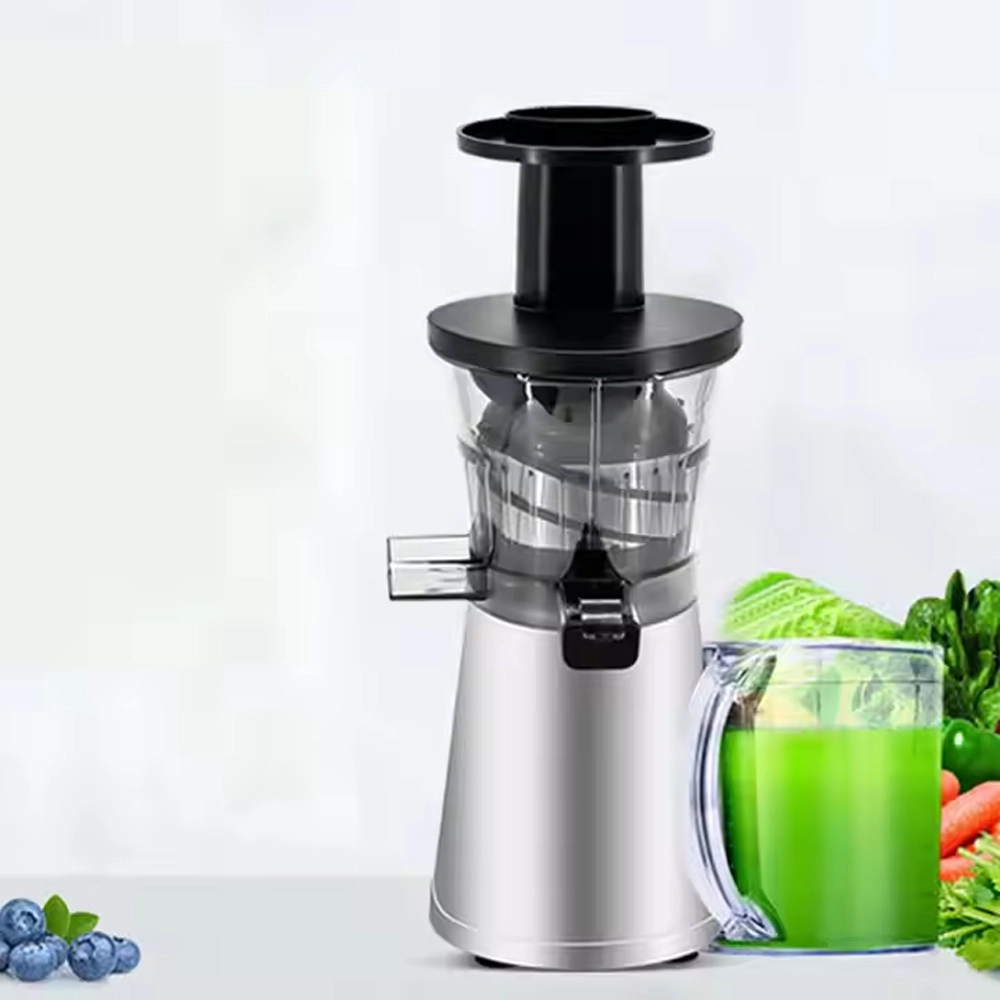
Slow Juicer L601
Jiaolong's L601 Slow Juicer: The perfect choice for slow juicer manufacturers, suppliers, and wholesalers. High-quality, efficient extraction. Contact us for wholesale inquiries.
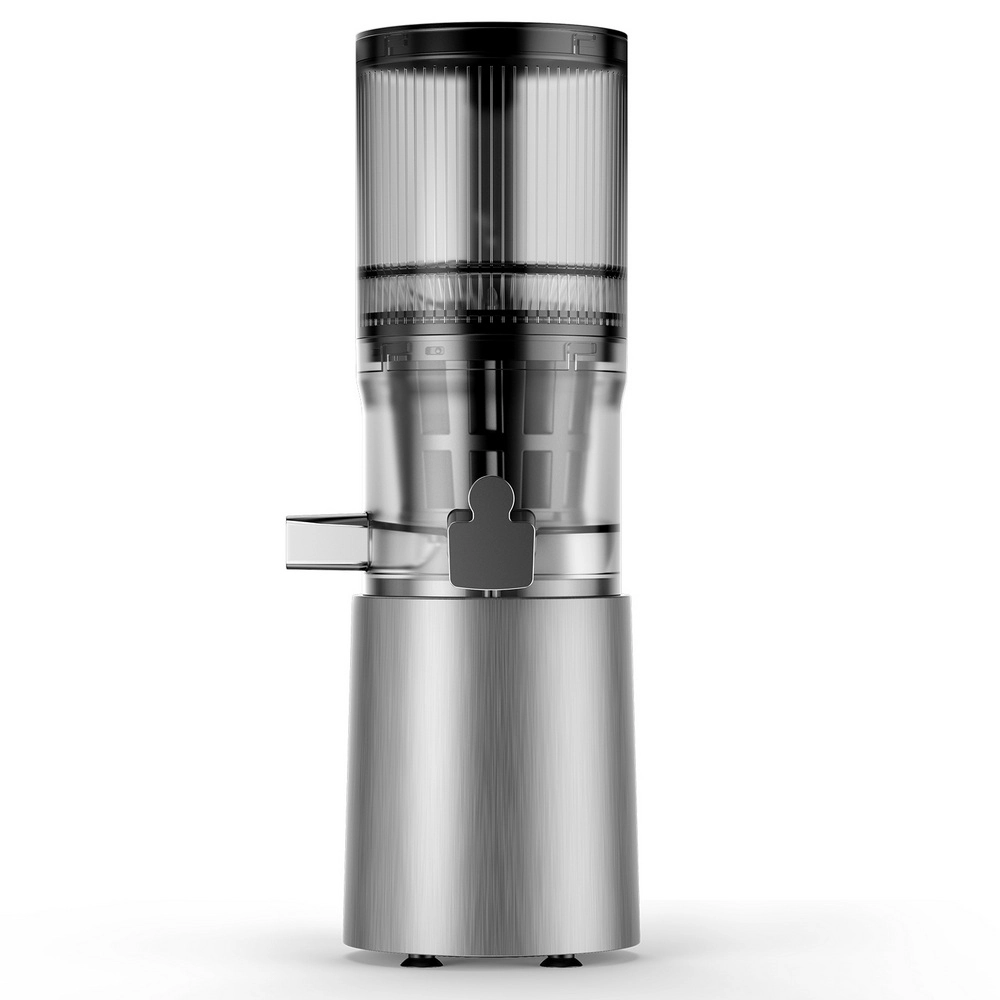
Slow Juicer L605A
Jiaolong's L605A Slow Juicer: A high-quality slow juicer for OEM, manufacturing, and supply needs. Contact us today to explore our slow juicer manufacturing capabilities and become a valued partner.
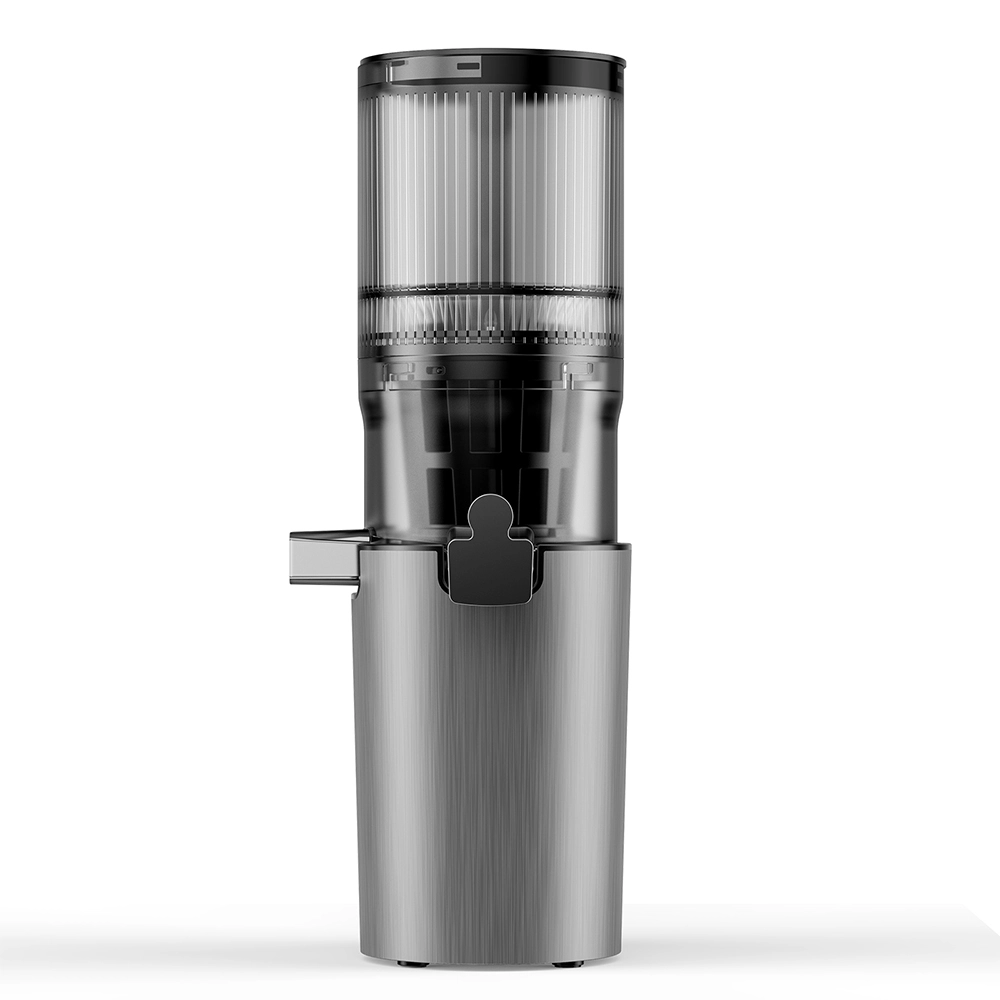
Slow juicer L606A
Jiaolong's L606A slow juicer: The ultimate slow juicer for wholesale, manufactured and supplied by a leading slow juicer supplier. Experience superior juice extraction and quality. Contact us for bulk orders.
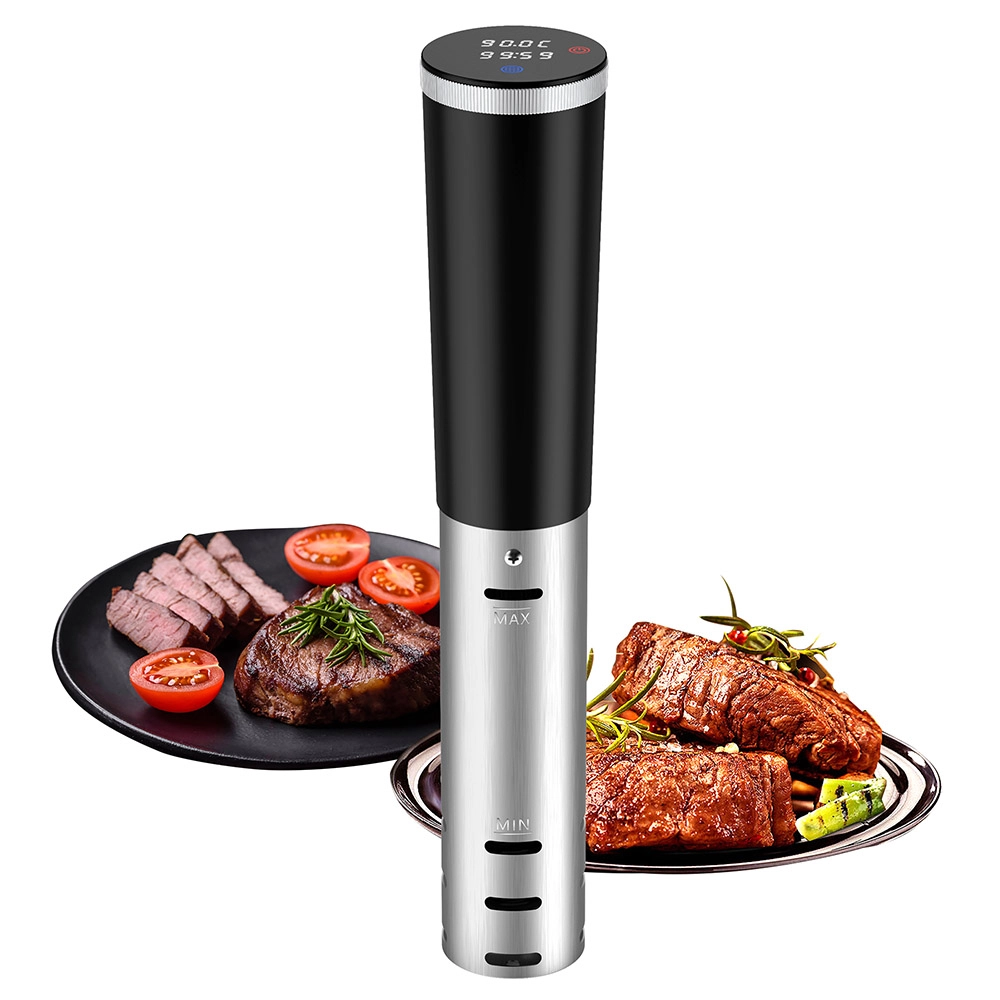
Sous Vide SV220
Jiaolong's Sous Vide SV220: A premium Sous Vide ODM solution. Reliable and efficient, the SV220 is the perfect choice for your next project. Partner with a leading sous vide supplier. Contact us today!
© 2025 JIAOLONG All Rights Reserved. Privacy Policy | Terms and Conditions | Sitemap