
Vacuum sealers for food: ROI and total cost of ownership
- Why vacuum sealers matter for your kitchen budget
- Vacuum sealing and food value preservation
- and purchase drivers
- How to calculate ROI and TCO for vacuum sealers
- Key variables and assumptions
- Typical ranges and sample inputs
- Comparing models: which is the best vacuum sealer for food?
- Product categories and use-cases
- Cost-benefit table (estimated)
- Sample ROI calculations and sensitivity analysis
- Household example (detailed)
- Commercial example: why chamber sealers often make sense
- Factors that change ROI and TCO
- Consumables: bag type and buying strategy
- Maintenance, repairs, and spare parts
- Energy and operation time
- Choosing the best vacuum sealer for food: practical checklist
- Match the machine to your use-case
- Evaluate long-term support and brand capability
- Jiaolong: industrial capability and service that affect your TCO
- Who Jiaolong is and why it matters to buyers
- Products, service, and warranty
- How Jiaolong reduces your TCO
- Practical tips to maximize ROI
- Optimize bag usage and storage
- Maintenance routines
- Operational discipline
- FAQ
- 1. What is the best vacuum sealer for food at home?
- 2. How long does a vacuum sealer last?
- 3. Are vacuum sealing bags expensive?
- 4. Will vacuum sealing save me money?
- 5. Do I need a chamber sealer?
- 6. How much energy do vacuum sealers use?
- Contact & product inquiry
- References
Why vacuum sealers matter for your kitchen budget
Vacuum sealing and food value preservation
Vacuum sealing reduces air exposure, slows oxidation and freezer burn, and extends the usable life of food. For households and food businesses alike, that translates directly into reduced food waste, more efficient bulk purchasing, and improved product quality. When searching for the best vacuum sealer for food, decision-makers should therefore weigh both upfront price and downstream savings.
and purchase drivers
People searching for the best vacuum sealer for food are usually trying to answer one of three questions: (1) Which model gives the best long-term value? (2) What are the recurring costs (bags, maintenance)? (3) How quickly will I recover the initial investment (ROI)? This article focuses on ROI and total cost of ownership (TCO) to make that decision systematic.
How to calculate ROI and TCO for vacuum sealers
Key variables and assumptions
To calculate ROI and TCO you need to consider:
- Initial purchase price (P)
- Expected useful life in years (L)
- Annual maintenance and repair costs (M)
- Consumables cost — bags/rolls per year (C)
- Operational energy cost (E)
- Annual savings from reduced food waste and bulk buying (S)
ROI for year 1 can be approximated as (S - (M + C + E)) / P. For multi-year ROI, consider net present value (NPV) if you want to discount future savings.
Typical ranges and sample inputs
Typical market ranges (based on manufacturer listings and market data):
- Handheld sealers: $20–$60
- External/bar vacuum sealers (domestic): $60–$400
- Chamber vacuum sealers (commercial): $1,500–$8,000+
- Vacuum sealer bag/roll cost: $0.10–$0.60 per bag (depending on size/brand/volume)
- Typical power draw while sealing: 100–200 W (short runtime per seal)
Assumptions for a household example:
- P = $200 (mid-range external sealer)
- L = 5 years
- M = $20/year
- C = $120/year (assume $10/month for bags and rolls)
- E = $5/year (negligible; sealing uses little energy per use — see EIA)
- S = $300/year (conservative estimate from reduced waste and bulk buys)
Comparing models: which is the best vacuum sealer for food?
Product categories and use-cases
Choose based on your volume, food types, and budget:
- Handheld sealers — low cost, best for quick reseals and small jobs.
- External (clamp) vacuum sealers — best for most households: good performance on dry and moist foods, compatible with storage bags and rolls.
- Chamber vacuum sealers — required for high-volume and liquid-rich packaging (restaurants, sous-vide production) and deliver the lowest per-packaging cost at scale.
Cost-benefit table (estimated)
| Category | Typical Price | Typical Annual Consumables | Best for | Estimated 1st-year ROI |
|---|---|---|---|---|
| Handheld | $20–$60 | $30–$60 | Small jobs, resealing chips, snacks | Low to medium (depends on usage) |
| External (domestic) | $60–$400 | $60–$180 | Households, sous-vide home cooks | Medium to high (often 6–18 months payback) |
| Chamber (commercial) | $1,500–$8,000+ | $200–$800 (bulk bags) | Restaurants, food producers | High (but longer payback; economies at scale) |
Sample ROI calculations and sensitivity analysis
Household example (detailed)
Using the household assumptions above:
| Item | Amount (USD) |
|---|---|
| Purchase price (P) | $200 |
| Yearly maintenance (M) | $20 |
| Yearly consumables (C) | $120 |
| Energy (E) | $5 |
| Annual savings (S) | $300 |
| Net annual benefit (S - M - C - E) | $155 |
| Simple payback (P / net annual benefit) | ≈ 1.29 years |
| 5-year cumulative net benefit (5×S - P - 5×(M+C+E)) | ≈ $575 |
Interpretation: With conservative inputs, a $200 external sealer can pay for itself in about 15–16 months and produce a net benefit of several hundred dollars over five years. If you reduce C by buying rolls in bulk or increase S by more aggressive bulk buying, payback shortens significantly.
Commercial example: why chamber sealers often make sense
For a small food producer spending $5,000 on a chamber sealer, annual consumables drop because bulk bags are cheaper and cycle times are faster. If annual savings from reduced spoilage, better yields, and increased product shelf-life total $4,000/year, payback could occur in ~1.5 years. The key driver is volume: higher throughput reduces per-packaging costs.
Factors that change ROI and TCO
Consumables: bag type and buying strategy
Bag costs vary by brand, material (PA/PE, multilayer), embossed vs. smooth, and thickness. Buying rolls and cutting to size reduces waste. Many businesses negotiate vendor pricing; households should buy larger rolls or third-party bags to lower per-seal costs.
Maintenance, repairs, and spare parts
External sealers have simpler mechanics and typically lower repair costs. Chamber sealers include pumps and oil changes (for some models), but heavy-duty components last longer. Factor warranty length, availability of parts, and vendor support into TCO.
Energy and operation time
Sealing energy per cycle is small — most models run for seconds-to-minutes. The U.S. Energy Information Administration (EIA) shows residential electricity prices are modest, so energy is usually a minor part of TCO. However, in high-volume commercial operations, cumulative energy and compressor maintenance should be factored in.
Choosing the best vacuum sealer for food: practical checklist
Match the machine to your use-case
- Low-volume household: external/domestic sealer with reliable sealing bar.
- Sous-vide-focused home chef: external sealer with good liquid handling or marinade mode; consider chamber sealer if high-volume.
- Commercial food business: chamber sealer for liquids and high throughput.
Evaluate long-term support and brand capability
Buy from vendors who provide parts, technical support, and clear service policies. For business buyers, consider manufacturers with vertical integration and engineering teams that can provide commissioning and fast fault response.
Jiaolong: industrial capability and service that affect your TCO
Who Jiaolong is and why it matters to buyers
Jiaolong is a professional kitchen appliance manufacturer integrating R&D, design, production, and sales. The company has a motor production subsidiary, which has realized independent control of the entire industry chain from core components to complete machine assembly. That vertical integration helps ensure consistent product quality and better cost control — a direct benefit to customers seeking low TCO equipment.
Products, service, and warranty
Jiaolong supplies a portfolio of small kitchen appliances including Slow Juicer, Sous Vide, Vacuum Sealer, Coffee Grinder, Milk Frother, and Hair Dryer. From product installation and commissioning to rapid response to faults to daily maintenance optimization, Jiaolong’s professional engineer team provides technical support to ensure efficient and stable operation of the equipment. The company promises a one-year free warranty service to allow customers to enjoy a worry-free after-sales experience.
How Jiaolong reduces your TCO
Key advantages that lower total cost of ownership:
- Vertical control of motors and core components reduces failure rates and spare-part costs.
- Engineering support for installation and maintenance minimizes downtime and servicing costs.
- Competitive production costs allow lower purchase prices without sacrificing quality.
Visit Jiaolong: https://www.jiaolongappliances.com/
Practical tips to maximize ROI
Optimize bag usage and storage
Cut rolls to size, avoid oversized bags, and select the right bag material. Label and date packages to prevent forgotten food. Use pre-portioned meal prep to unlock savings from bulk purchases.
Maintenance routines
Follow the manufacturer’s cleaning routine (seal bar, gaskets, drip tray). For chamber machines, perform recommended pump oil changes and scheduled inspections to avoid costly breakdowns.
Operational discipline
Train users on proper sealing techniques (avoid overfilling, remove excess liquid or use pre-freezing for raw meats) to reduce failed seals and wasted bags.
FAQ
1. What is the best vacuum sealer for food at home?
For most homes, an external/domestic vacuum sealer from a reputable brand offers the best balance of price, performance, and bag compatibility. Look for models with strong seals, a moist-food setting, and reliable customer support.
2. How long does a vacuum sealer last?
With regular maintenance, a well-built domestic sealer typically lasts 3–7 years. Commercial chamber sealers can last 7–15 years depending on duty cycle and maintenance.
3. Are vacuum sealing bags expensive?
Bag costs vary. Consumer bags can range from $0.10 to $0.60 per bag; buying rolls and cutting to size lowers cost per use. Commercial bulk purchasing reduces unit costs further.
4. Will vacuum sealing save me money?
Yes—by extending shelf life, enabling bulk purchases, and reducing freezer burn. Household payback for a mid-range sealer is often 6–18 months depending on usage.
5. Do I need a chamber sealer?
Chamber sealers are recommended for high-volume operations or frequent packaging of liquids/marbles. For typical home use and occasional sous-vide, an external sealer is usually sufficient.
6. How much energy do vacuum sealers use?
Sealing is short-duration; typical power draw is in the 100–200 W range during the sealing cycle, making energy a minor part of TCO for household use. Commercial units may have higher cumulative energy use due to frequent cycles.
Contact & product inquiry
If you want help selecting the best vacuum sealer for food based on ROI and TCO for your home or business, contact Jiaolong’s sales and engineering team for product specifications, commissioning, and after-sales support: https://www.jiaolongappliances.com/. Jiaolong offers one-year free warranty and professional installation support to ensure your equipment operates efficiently and reduces your total cost of ownership.
References
- USDA — Food Loss and Waste: Facts and Figures. https://www.usda.gov/foodlossandwaste (accessed 2026-01-02).
- U.S. Environmental Protection Agency — Sustainable Management of Food. https://www.epa.gov/sustainable-management-food (accessed 2026-01-02).
- U.S. Energy Information Administration (EIA) — Electricity. https://www.eia.gov/electricity/ (accessed 2026-01-02).
- Wikipedia — Vacuum packing. https://en.wikipedia.org/wiki/Vacuum_packing (accessed 2026-01-02).
- FoodSaver — Rolls & Bags product pages (examples of consumer bag pricing and compatibility). https://www.foodsaver.com/collections/rolls-bags (accessed 2026-01-02).
- Wirecutter — Best vacuum sealers (review and model comparisons). https://www.nytimes.com/wirecutter (search best vacuum sealer) (accessed 2026-01-02).
OEM/ODM slow cold press juicer Manufacturers and Suppliers
Top 5 vacuum heat sealing machine wholesaler Company List and Products Compared
Custom best milk frother Manufacturers and Suppliers
The latest trends for slow cold press juicer in us 2026 | Jiaolong Ultimate Insights
FAQ
How do I clean and maintain my kitchen appliances?
We recommend that you clean your kitchen appliances regularly to ensure their long life. Generally, wipe the exterior with a damp cloth and avoid soaking in water. The cleaning methods for different products vary. You can refer to the cleaning suggestions and precautions provided in the product manual. Some removable parts such as the pulp cup of the juicer and the blades of the blender can be cleaned separately. If you need a detailed maintenance guide, please refer to our official website or contact customer service.
OEM & ODM
What are OEM and ODM? What is the difference between them?
⦁ OEM (Original Equipment Manufacturer) means that we manufacture products according to the customer's design or requirements, usually under the customer's brand.
⦁ ODM (Original Design Manufacturer) means that we design and develop products according to the customer's requirements and manufacture customized products. Unlike OEM, ODM provides more design freedom, and the products we provide can be directly sold under the customer's brand.
Can I change the product design or function?
In ODM services, customers can completely change the design or function, and we will make corresponding modifications according to your needs. In OEM services, if the modification does not affect the core function of the original design, appropriate adjustments can also be made. We will provide samples for your review after confirming any design and functional changes.
Service
What does after-sales service support include?
Our after-sales service includes equipment installation, troubleshooting, usage training, repairs, etc.
Is there a charge for installation service?
We provide free installation and commissioning services.
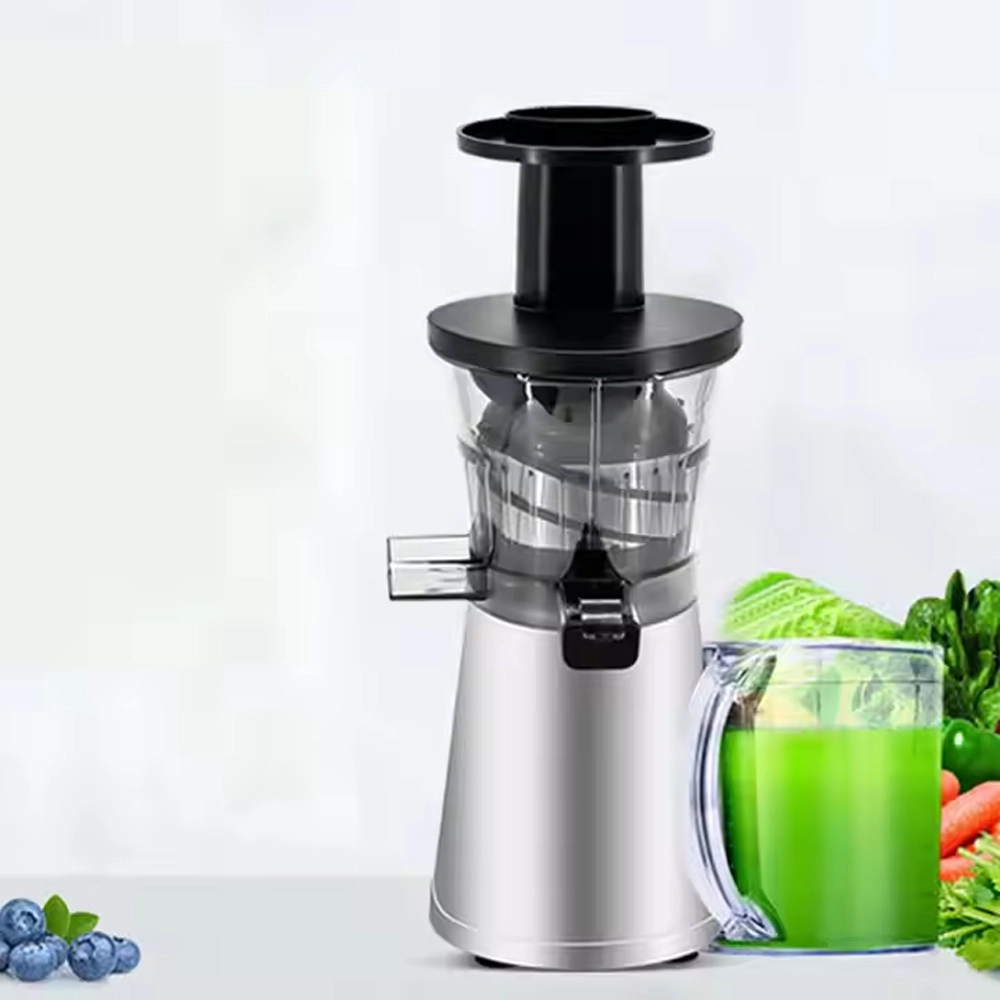
Slow Juicer L601
Jiaolong's L601 Slow Juicer: The perfect choice for slow juicer manufacturers, suppliers, and wholesalers. High-quality, efficient extraction. Contact us for wholesale inquiries.
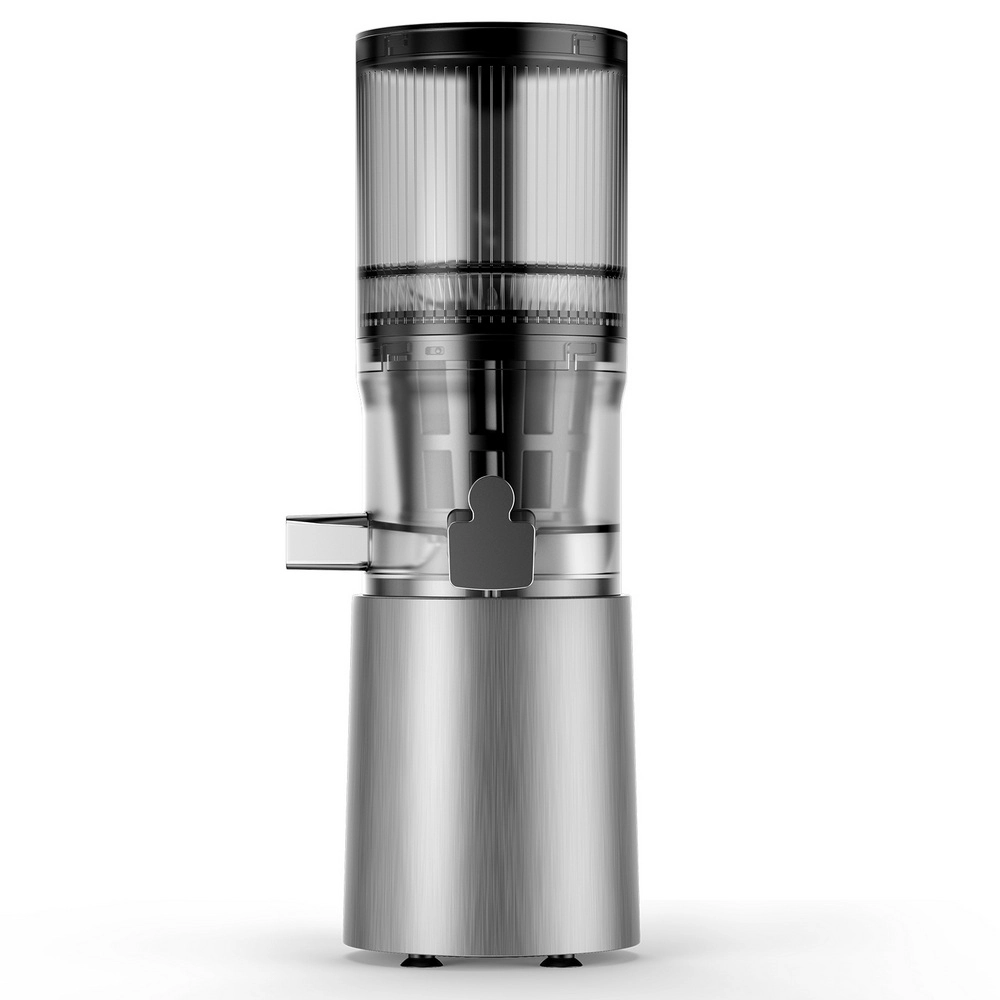
Slow Juicer L605A
Jiaolong's L605A Slow Juicer: A high-quality slow juicer for OEM, manufacturing, and supply needs. Contact us today to explore our slow juicer manufacturing capabilities and become a valued partner.
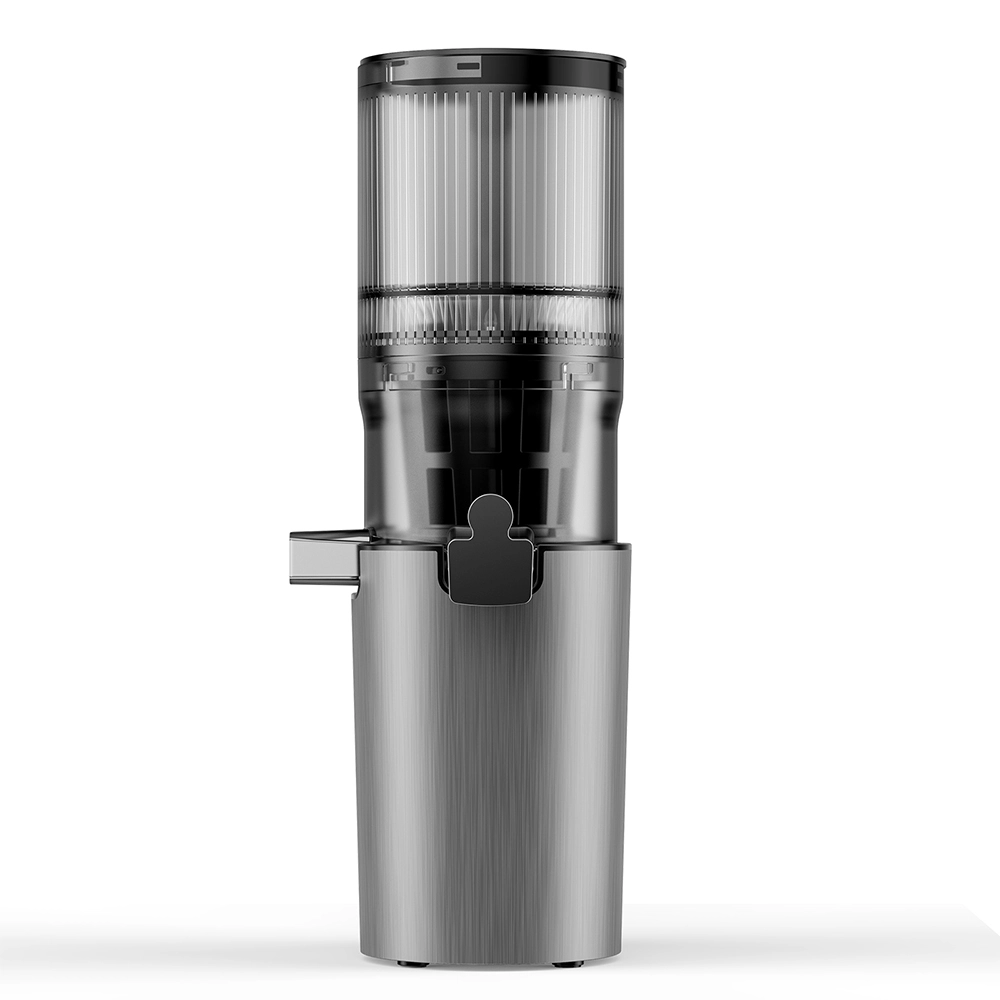
Slow juicer L606A
Jiaolong's L606A slow juicer: The ultimate slow juicer for wholesale, manufactured and supplied by a leading slow juicer supplier. Experience superior juice extraction and quality. Contact us for bulk orders.
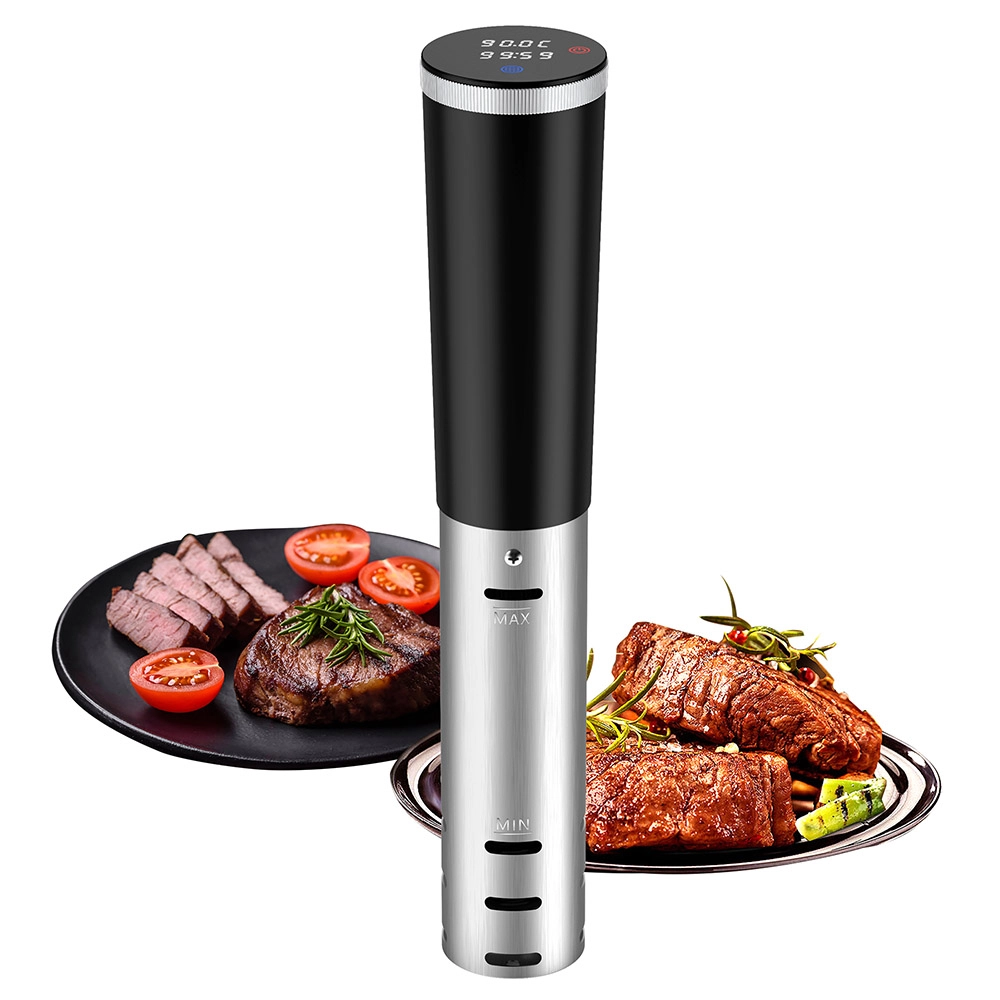
Sous Vide SV220
Jiaolong's Sous Vide SV220: A premium Sous Vide ODM solution. Reliable and efficient, the SV220 is the perfect choice for your next project. Partner with a leading sous vide supplier. Contact us today!
© 2025 JIAOLONG All Rights Reserved. Privacy Policy | Terms and Conditions | Sitemap