
Vacuum sealing tips to extend food shelf life
- How vacuum sealing preserves food: the science behind shelf-life extension
- Choose the best vacuum sealer for effective oxygen reduction
- Why using the best vacuum sealer matters: food safety and quality
- Choose the best vacuum sealer to control microbial and oxidation risks
- Types of vacuum sealers: pick the best vacuum sealer for your needs
- Choosing the best vacuum sealer: external, chamber, or handheld?
- Practical sealing techniques with the best vacuum sealer
- Use the best vacuum sealer settings, bag types, and sealing habits
- Food-specific vacuum sealing tips using the best vacuum sealer
- Adapt technique by food type to get the best vacuum sealer result
- How much longer will food last? Shelf-life comparison table
- Estimate shelf-life extension when using the best vacuum sealer with proper storage
- Combining vacuum sealing and sous vide: best vacuum sealer recommendations
- Pick the best vacuum sealer that supports sous vide cooking workflows
- Maintenance and troubleshooting: keep your best vacuum sealer working
- Maintain the best vacuum sealer for consistent seals and longevity
- Buying guide: features to seek in the best vacuum sealer
- Find the best vacuum sealer by comparing features and costs
- Sealer type comparison table: select the best vacuum sealer for your operation
- Compare common vacuum sealer types to find the best vacuum sealer for your workload
- Jiaolong: industrial strength and after-sales support for vacuum sealing solutions
- Jiaolong: Choose the best vacuum sealer backed by full industry-chain control and support
- Common mistakes to avoid with the best vacuum sealer
- Maximize results from the best vacuum sealer by avoiding these errors
- FAQ
- Common questions readers search when looking for the best vacuum sealer
- Contact and product inquiry (CTA)
- References
How vacuum sealing preserves food: the science behind shelf-life extension
Choose the best vacuum sealer for effective oxygen reduction
Vacuum sealing works by removing most of the air (especially oxygen) from packaging, slowing oxidation and reducing the activity of aerobic spoilage organisms. For consumers and small commercial kitchens, selecting the best vacuum sealer means matching the machine type and bag material to the foods you intend to preserve and the storage method you use (refrigeration, freezing, or room-temperature storage for dry goods).
Why using the best vacuum sealer matters: food safety and quality
Choose the best vacuum sealer to control microbial and oxidation risks
Removing air slows enzymatic and oxidative reactions that degrade flavour, colour, and nutrients. However, vacuum packaging is not a sterilization step: anaerobic pathogens (for example, Clostridium botulinum) can still be a hazard under improper temperature control. Therefore, the best vacuum sealer must be paired with correct temperature management and safe handling practices. For perishable items, refrigeration or freezing combined with vacuum sealing improves safety and quality most effectively (see references at the end).
Types of vacuum sealers: pick the best vacuum sealer for your needs
Choosing the best vacuum sealer: external, chamber, or handheld?
There are three mainstream categories of home and small-kitchen vacuum sealers. Each category performs best for different use cases:
- External (clamp) vacuum sealers — Widely used in homes, affordable, and good for occasional sealing of dry goods and marinated items. They work by removing air from a bag that hangs outside the machine and then sealing the open end.
- Chamber vacuum sealers — More expensive and used in professional kitchens. The entire bag is placed inside a chamber; the chamber air is evacuated, then the bag is sealed. They excel at sealing liquids, soups, and large volumes because they control the internal pressure and avoid liquid being sucked into the pump.
- Handheld/portable sealers — Useful for resealing pre-made zipper bags or for light-duty tasks. They are compact and inexpensive but deliver lower vacuum levels and weaker seals than external or chamber units.
Practical sealing techniques with the best vacuum sealer
Use the best vacuum sealer settings, bag types, and sealing habits
To maximize shelf-life extension while maintaining safety:
- Use high-barrier vacuum bags designed for food preservation rather than generic plastic bags; thicker or multilayer bags reduce gas permeation and moisture transfer.
- Double-seal critical packages: perform two sequential seals to reduce the risk of leaks.
- If sealing liquids with an external sealer, first pre-freeze liquids flat until solid to prevent liquid entering the pump; ideally use a chamber sealer for frequent liquid work.
- Remove as much air as practical but avoid crushing delicate items (berries, bread) — use tray inserts, cushion layers, or partial vacuum modes if available.
- Label bags with content and sealing date; maintain First In, First Out (FIFO) inventory for optimal quality control.
Food-specific vacuum sealing tips using the best vacuum sealer
Adapt technique by food type to get the best vacuum sealer result
Different foods benefit differently from vacuum sealing. Below are practical recommendations for common categories.
- Raw meats: Portion into meal-sized packs, remove air, and refrigerate or freeze immediately. For raw red meats, vacuum sealing plus refrigeration can extend usable life but always follow safe temperature guidelines (below 40°F / 4°C).
- Poultry and ground meat: Handle with extra caution — freeze if not using within 1–2 days even when vacuum sealed. Consider cooking then sealing for longer refrigerated storage.
- Fish and seafood: Best when frozen after sealing. For sashimi-grade or quickly consumed fish, keep refrigerated only for the short term.
- Produce: Many fruits and vegetables respire; vacuum sealing can change humidity and CO2 levels. Blanch and cool most vegetables before vacuum sealing and freezing to preserve texture and nutrients.
- Cheese: Vacuum sealing is excellent to prevent mold and moisture loss; soften hard cheeses first and reseal periodically if storing long-term.
- Dry goods: Vacuum sealing removes oxygen and dramatically reduces staling and insect infestation; use for coffee beans, flour, pasta, and nuts.
How much longer will food last? Shelf-life comparison table
Estimate shelf-life extension when using the best vacuum sealer with proper storage
Below are conservative, practical estimates for common foods when vacuum sealed and stored at recommended temperatures. Actual life depends on starting quality, temperature control, and hygiene.
| Food | Typical refrigerated life (no vacuum) | Vacuum sealed + refrigerated | Vacuum sealed + frozen | Source (guidance) |
|---|---|---|---|---|
| Raw beef | 3–5 days | 7–14 days | 6–12 months (quality) | NCHFP, USDA (see refs) |
| Raw poultry | 1–2 days | 3–7 days | 6–12 months (quality) | USDA, Extension services |
| Fish | 1–2 days | 3–7 days | 3–6 months (quality) | Seafood handling guidance |
| Vegetables (blanched) | 3–7 days | 7–14 days | 1–2 years (quality) | Extension services |
| Dry goods (coffee, nuts) | Weeks–months | Months–years (reduced staling) | Years | Food science literature |
Notes: These are quality-based estimates and conservative. Vacuum sealing can prolong freshness but does not replace correct temperature control or hygiene. Refer to authoritative local guidance for safety-critical decisions.
Combining vacuum sealing and sous vide: best vacuum sealer recommendations
Pick the best vacuum sealer that supports sous vide cooking workflows
Vacuum sealing integrates perfectly with sous vide: removing air prevents bags from floating and improves heat transfer. For sous vide, the best vacuum sealer is often either an external unit with strong vacuum performance or, preferably, a chamber sealer if you frequently prepare liquid-rich marinades or large batches. Seal integrity and bag quality are critical; use thick, food-grade vacuum pouches that tolerate long low-temperature cooking cycles.
Maintenance and troubleshooting: keep your best vacuum sealer working
Maintain the best vacuum sealer for consistent seals and longevity
Routine maintenance will extend machine life and ensure consistent vacuum levels:
- Keep sealing bars and gaskets clean and dry; food residue reduces seal quality.
- Replace gaskets and sealing strips if cracked or deformed.
- For external machines, avoid sucking liquids into the pump; for chamber machines, change oil/filters per manufacturer guidance.
- Periodically test vacuum level with a sealed test bag and check for slow leaks by submerging the sealed bag in water and watching for bubbles.
Buying guide: features to seek in the best vacuum sealer
Find the best vacuum sealer by comparing features and costs
Key factors to evaluate when buying:
- Vacuum strength and adjustable vacuum levels — useful for fragile foods.
- Seal bar length — match to bag size you commonly use.
- Pulse or manual vacuum mode — allows partial vacuum for delicate items.
- Liquid-handling capability — chamber sealers or external units with marinade modes are preferred.
- Build quality, warranty, and after-sales service — important for frequent use.
Sealer type comparison table: select the best vacuum sealer for your operation
Compare common vacuum sealer types to find the best vacuum sealer for your workload
| Type | Best for | Pros | Cons | Typical price range |
|---|---|---|---|---|
| External (home) sealer | Home cooks, dry goods, sous vide | Affordable, compact | Less ideal for liquids, lower vacuum level | $50–$300 |
| Chamber sealer | Professional kitchens, liquids, bulk | Handles liquids, consistent vacuum, industrial duty | High upfront cost, larger footprint | $1,000–$10,000+ |
| Handheld sealer | Casual resealing, small tasks | Portable, cheap | Weak vacuum, short seal length | $15–$80 |
Jiaolong: industrial strength and after-sales support for vacuum sealing solutions
Jiaolong: Choose the best vacuum sealer backed by full industry-chain control and support
Jiaolong is a professional kitchen appliance manufacturer integrating R&D, design, production, and sales. The company has a motor production subsidiary, which has realized independent control of the entire industry chain from core components to complete machine assembly. While ensuring the excellent quality of products, it optimizes production costs and provides cost-effective kitchen appliances for global customers.
From product installation and commissioning to rapid response to faults to daily maintenance optimization, our professional engineer team provides technical support to ensure efficient and stable operation of the equipment. We promise a one-year free warranty service to allow customers to enjoy a worry-free after-sales experience.
Jiaolong's product strengths include precision engineering and quality control across categories like Slow Juicer, Sous Vide, Vacuum Sealer, Coffee Grinder, Milk Frother, and Hair Dryer. The company's vision is to become the world's leading manufacturer of small kitchen appliances. For product information and inquiries, visit https://www.jiaolongappliances.com/.
Common mistakes to avoid with the best vacuum sealer
Maximize results from the best vacuum sealer by avoiding these errors
- Sealing at room temperature with contaminated food or dirty bags — always work with clean hands and sanitized surfaces.
- Relying on vacuum sealing alone for food safety — use correct temperatures and cooking practices.
- Using thin bags for long-term freezer storage — low-barrier bags allow freezer burn and oxygen migration.
- Skipping regular maintenance — failed gaskets or dirty seal bars cause leaks and food spoilage.
FAQ
Common questions readers search when looking for the best vacuum sealer
- Does vacuum sealing make food safe indefinitely?
No. Vacuum sealing slows spoilage and oxidation but does not sterilize food. Proper temperature control, sanitation, and cooking practices remain essential to food safety.
- Which is the best vacuum sealer for liquids?
Chamber vacuum sealers handle liquids best because the entire bag is placed in a chamber and pressure is controlled. For home users, an external sealer with a pre-freeze method for liquids can work occasionally.
- How do I prevent freezer burn with the best vacuum sealer?
Use high-barrier, thick vacuum bags and remove as much air as possible. Maintain steady freezer temperatures (at or below 0°F / -18°C) and avoid frequent thaw-freeze cycles.
- Can I vacuum seal raw meat and then sous vide without cooking first?
Yes — many sous vide workflows start with vacuum-sealed raw meat. Ensure correct sous vide temperatures and times to reach safe pathogen reduction targets, and follow reputable sous vide safety guidelines.
- How often should I service my vacuum sealer to keep it the best vacuum sealer?
Clean seal bars and gaskets after each heavy session, inspect gaskets regularly, and follow the manufacturer's recommended maintenance schedule (e.g., pump oil change for chamber sealers, annual checks for external units).
- Is vacuum sealing suitable for all fruits and vegetables?
Not always. Many vegetables require blanching before vacuum sealing and freezing. Some fruits with high moisture may be crushed under vacuum; use gentle vacuum settings or cushioning.
Contact and product inquiry (CTA)
If you want help choosing the best vacuum sealer for your kitchen, or to explore cost-effective, high-quality appliances from a manufacturer with full industry-chain control, contact Jiaolong's sales and technical team. Visit https://www.jiaolongappliances.com/ to view product specifications, request quotations, or arrange technical support. Our one-year free warranty and responsive engineer team help ensure your equipment runs efficiently and reliably.
References
- National Center for Home Food Preservation (University of Georgia), 'Vacuum Packaging for Home Food Preservation' — https://nchfp.uga.edu/ — Accessed 2025-12-30
- USDA Food Safety and Inspection Service, 'Freezing and Food Safety' — https://www.fsis.usda.gov/food-safety/safe-food-handling-and-preparation/food-safety-basics/freezing-and-food-safety — Accessed 2025-12-30
- FoodSafety.gov, 'Storage Times for the Refrigerator and Freezer' (FoodKeeper resources) — https://www.foodsafety.gov/foodkeeper — Accessed 2025-12-30
- Colorado State University Extension, 'Vacuum packaging for food storage' — https://extension.colostate.edu/topic-areas/nutrition-food-safety-health/vacuum-packaging-for-food-storage-9-365/ — Accessed 2025-12-30
- Wikipedia, 'Modified atmosphere packaging' — https://en.wikipedia.org/wiki/Modified-atmosphere_packaging — Accessed 2025-12-30
- CNET, 'Best vacuum sealers' buyer guides and reviews — https://www.cnet.com/tech/home-entertainment/best-vacuum-sealer/ — Accessed 2025-12-30
Everything You Need to Know About best slow juicer masticating
The latest trends for coffee bean grinder for sale in us 2026 | Jiaolong Ultimate Insights
What is best sous vide brands ?
What are the different types of hair dryer china manufacturers?
Service
What does after-sales service support include?
Our after-sales service includes equipment installation, troubleshooting, usage training, repairs, etc.
How long does it take for customized products to be delivered?
Usually the delivery time for customized products is 2-4 weeks, depending on the complexity of the customization.
OEM & ODM
Can I combine multiple customized items into one order?
Yes, you can combine multiple customized products into one order for production according to your needs, which can optimize production efficiency and save costs. We will coordinate the production plan according to your order requirements.
How do you price it?
The prices of OEM and ODM products are priced according to multiple factors, including customization requirements, order quantity, technical complexity, material costs, etc. We will provide a detailed quotation based on your needs and ensure that the price is competitive in the market.
FAQ
How do I choose the right kitchen appliance for my needs?
Our kitchen appliance series is categorized according to different needs. You can choose the right product according to your cooking habits, the number of family members, and the frequency of use. For example, if you like healthy drinks, you can choose our slow juicer; if you need a multi-functional kitchen assistant, we recommend our 3-in-1 blender or 4-in-1 juicer. You can also contact our customer service team, and we will provide you with professional advice based on your needs.
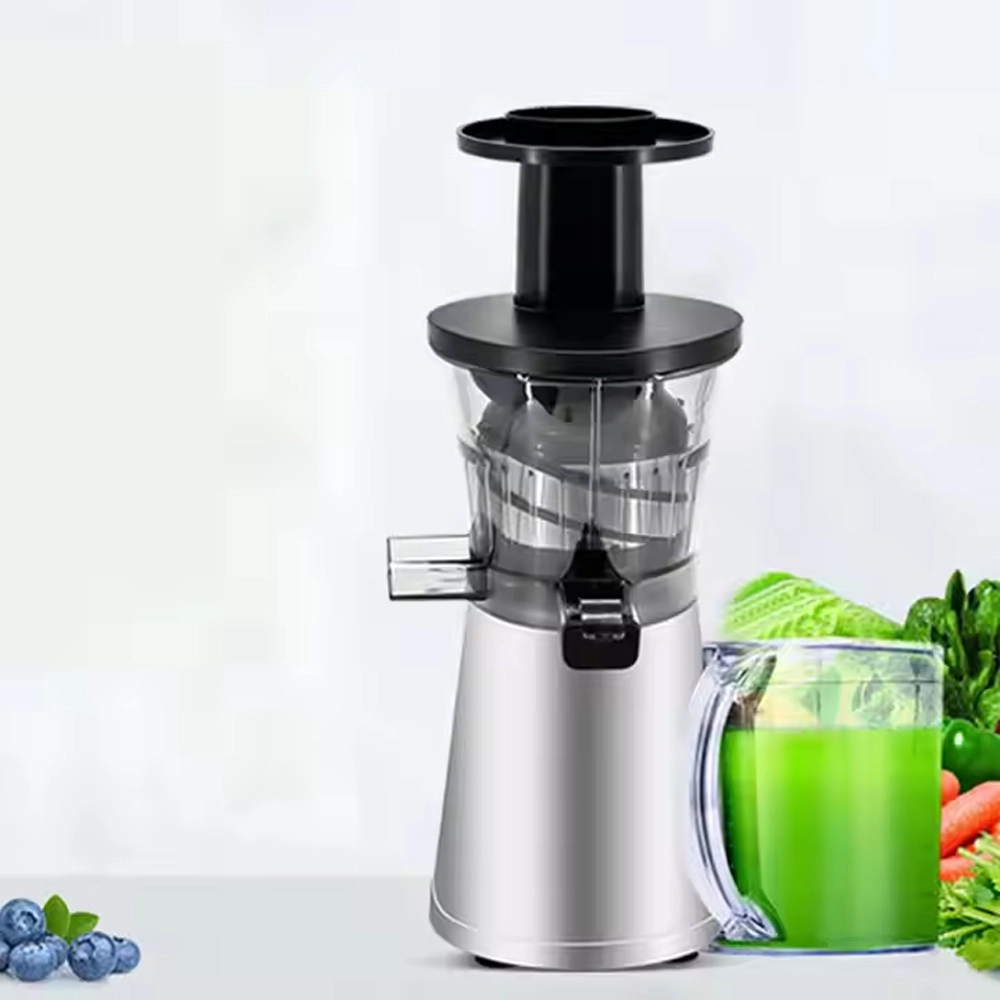
Slow Juicer L601
Jiaolong's L601 Slow Juicer: The perfect choice for slow juicer manufacturers, suppliers, and wholesalers. High-quality, efficient extraction. Contact us for wholesale inquiries.
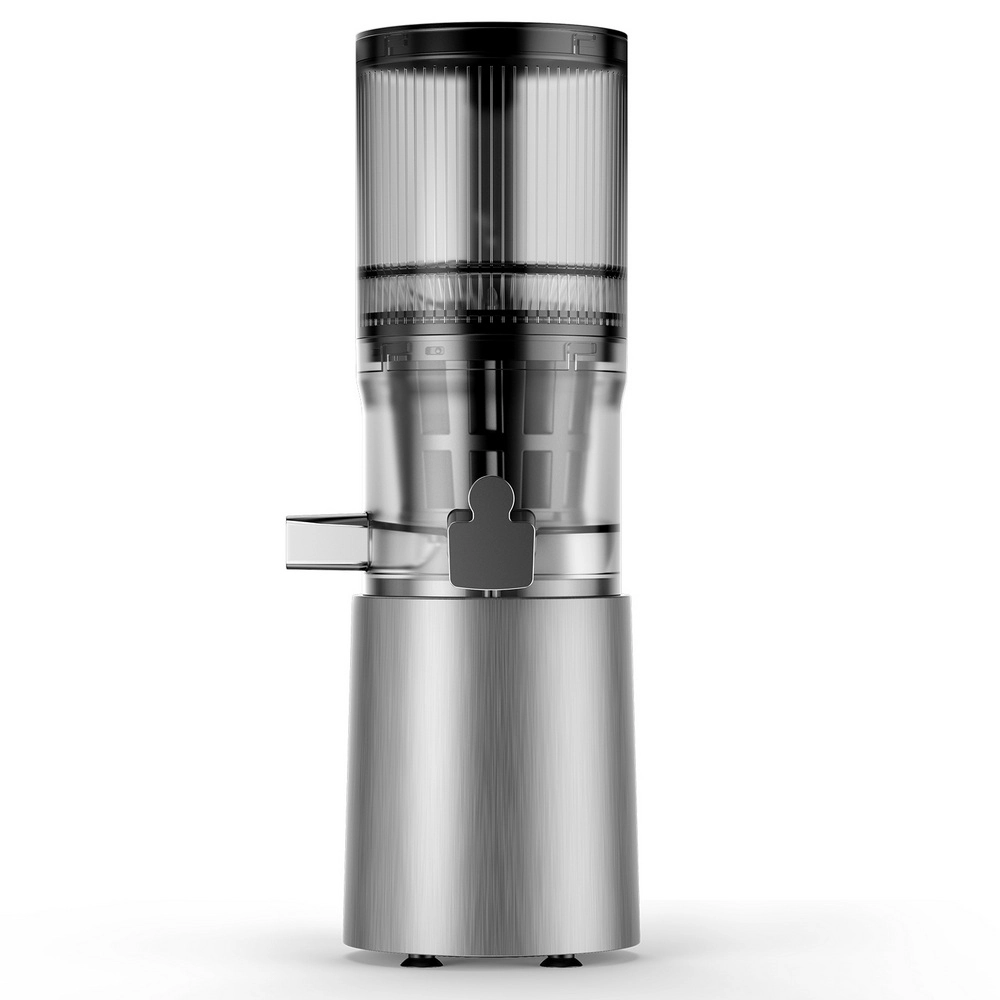
Slow Juicer L605A
Jiaolong's L605A Slow Juicer: A high-quality slow juicer for OEM, manufacturing, and supply needs. Contact us today to explore our slow juicer manufacturing capabilities and become a valued partner.
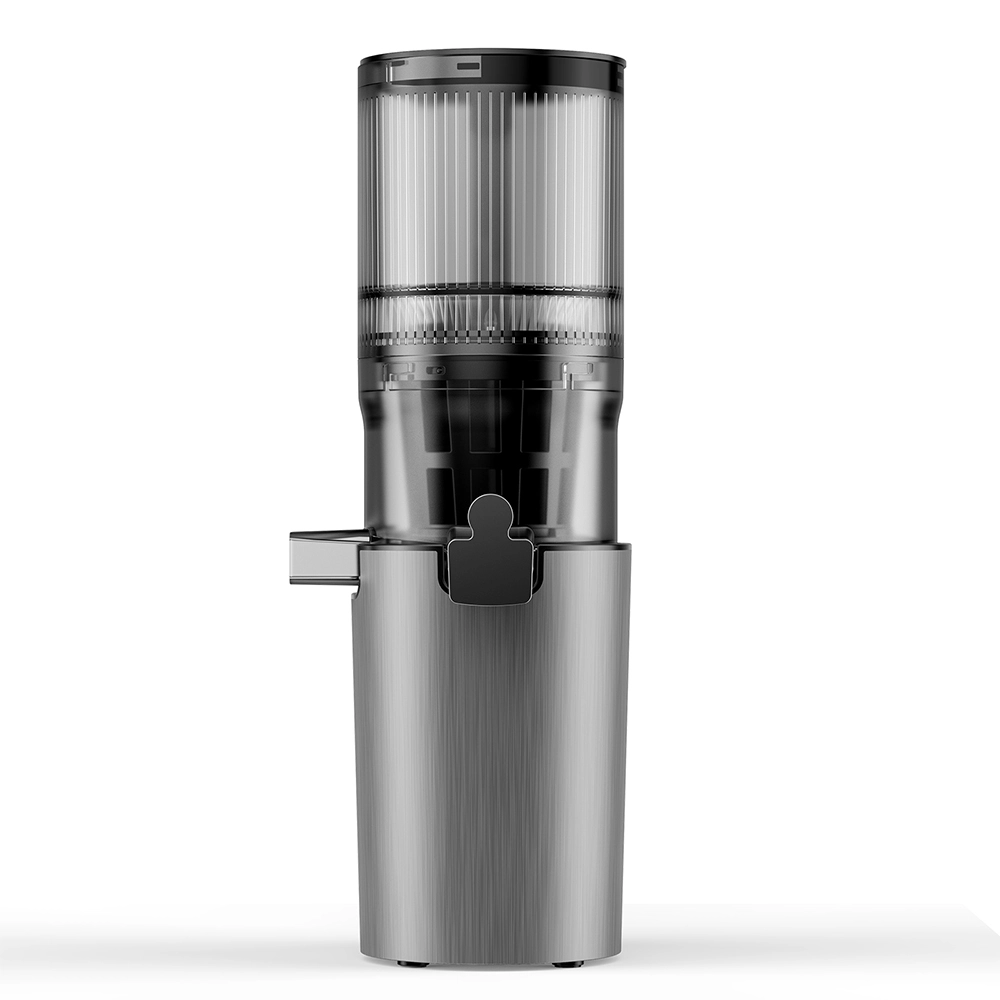
Slow juicer L606A
Jiaolong's L606A slow juicer: The ultimate slow juicer for wholesale, manufactured and supplied by a leading slow juicer supplier. Experience superior juice extraction and quality. Contact us for bulk orders.
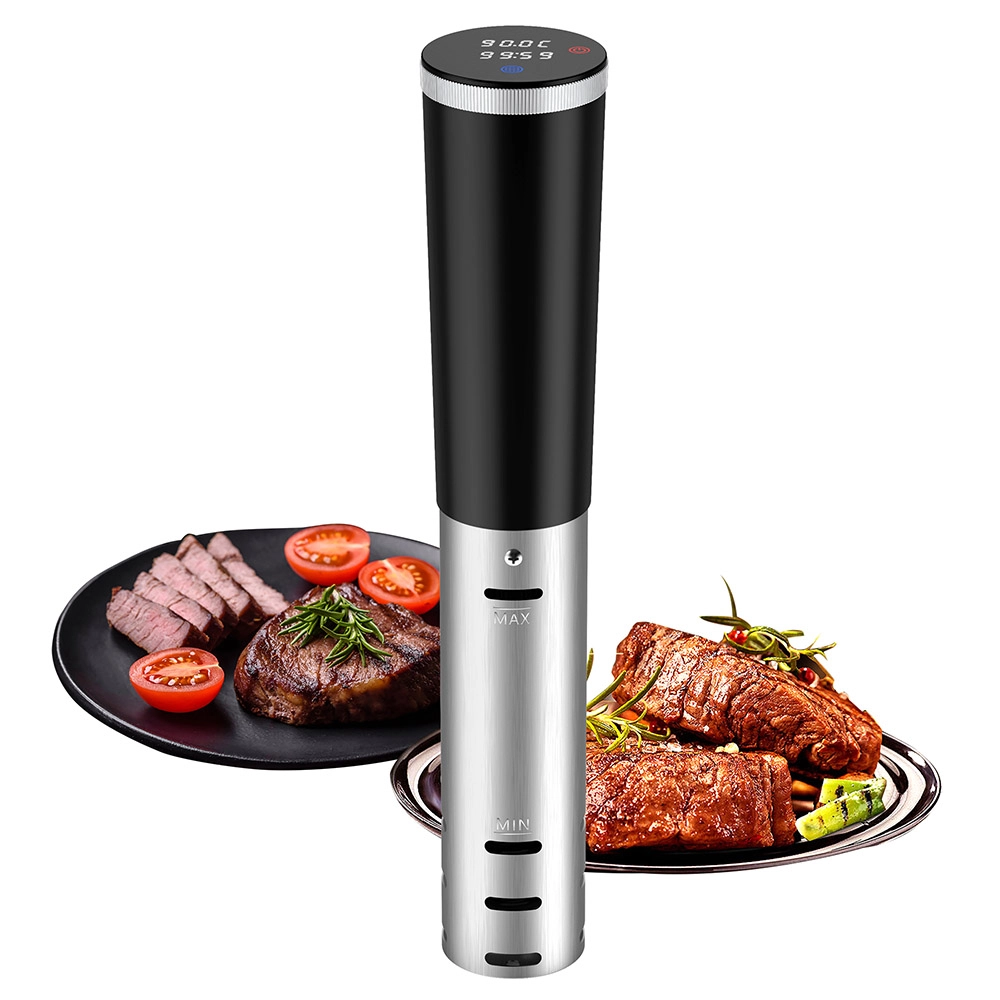
Sous Vide SV220
Jiaolong's Sous Vide SV220: A premium Sous Vide ODM solution. Reliable and efficient, the SV220 is the perfect choice for your next project. Partner with a leading sous vide supplier. Contact us today!
© 2025 JIAOLONG All Rights Reserved. Privacy Policy | Terms and Conditions | Sitemap