
Best vacuum sealer for food: commercial vs home use
- Understanding vacuum sealing for food: what it does and why it matters
- How vacuum sealers work
- Why vacuum sealing extends shelf life (and when it doesn’t)
- Commercial vs home vacuum sealers — core differences and performance expectations
- Key performance and build differences
- Operational costs, throughput and maintenance
- Comparison table: typical ranges and capabilities
- Choosing the best vacuum sealer for food: use-cases and buying checklist
- For home cooks — features that matter
- For restaurants, catering, and food processing — what to prioritize
- Buying checklist — practical steps before purchase
- Installation, operation and food-safety best practices
- Bags, materials and sous-vide considerations
- Cleaning, maintenance and extending pump life
- Safety: refrigeration, freezing, and pathogen control
- Jiaolong — who they are and why their vacuum sealers may be the right choice
- Company capabilities and production advantages
- After-sales, technical support and warranty
- Product range and competitive strengths
- Frequently asked questions (FAQ)
- 1. What is the best vacuum sealer for home use?
- 2. Do I need a chamber vacuum sealer?
- 3. How much longer does vacuum sealing extend freezer life?
- 4. Are vacuum-sealed foods safe at room temperature?
- 5. How do I choose bags for sous-vide?
- Contact and product inquiry
- References and sources
Understanding vacuum sealing for food: what it does and why it matters
How vacuum sealers work
Vacuum sealers remove air from packaging and create an airtight seal to limit oxygen and moisture exposure. Most machines either evacuate air from a bag placed on a seal bar (external or edge sealer) or remove air from an entire chamber containing the product and bag (chamber sealer). Removing oxygen slows microbial growth and oxidation, preserving texture, flavor and nutrients. For sous-vide cooking, vacuum sealing also ensures efficient heat transfer and consistent results.
Why vacuum sealing extends shelf life (and when it doesn’t)
Vacuum packaging reduces aerobic bacterial growth and slows enzymatic and oxidative spoilage, which can extend refrigerated shelf life by several days to weeks depending on food type and storage temperature. However, vacuum sealing doesn't stop anaerobic pathogens (e.g., Clostridium botulinum) from growing if temperature control or pre-treatment is inadequate. Proper refrigeration, freezing, and following safe canning/curing practices remain essential.
Commercial vs home vacuum sealers — core differences and performance expectations
Key performance and build differences
Commercial vacuum sealers are built for high throughput: stronger motors/pumps, metal chassis, replaceable heavy-duty sealing bars, longer duty cycles, and serviceability. Home units prioritize size, ease-of-use, and lower cost. Typical differences include vacuum depth (how close to full vacuum the machine goes), cycle speed, bag sizes supported, and expected daily cycles before maintenance.
Operational costs, throughput and maintenance
Commercial equipment costs more upfront but lowers per-bag labor time and often supports thicker, multi-layer bags. Maintenance access, spare parts and dedicated service are common for commercial units; home models are often replaced rather than repaired. Operational costs include bags, replacement gaskets/seal strips, and pump wear. For busy kitchens, downtime risk favors commercial-grade machines and service agreements.
Comparison table: typical ranges and capabilities
| Feature | Home Vacuum Sealer (Typical) | Commercial Vacuum Sealer (Typical) |
|---|---|---|
| Vacuum type | External (edge) or handheld | Chamber or heavy-duty external with high-capacity pump |
| Vacuum depth | ~26–28 inHg (approx. 88–95 kPa) | Up to ~29–29.9 inHg (near full vacuum); more consistent |
| Seal bar length | 8–14 inches | 14–30+ inches |
| Cycle time / throughput | One bag ~10–30 seconds | Continuous use, faster cycles; engineered for hundreds/day |
| Duty cycle | Limited; cool-down required after repeated cycles | High duty cycle; designed for prolonged operation |
| Price range (USD) | $60–$600 | $1,200–$10,000+ |
| Bag types | Pre-cut/roll, textured vacuum bags (home grade) | Thicker, multi-layer, custom sizes, gusseted bags |
| Serviceability | Limited; often replace whole unit | Designed for part replacement and field service |
Notes: Vacuum depth figures are typical ranges and vary by model and pump design. “InHg” = inches of mercury; 29.92 inHg equals a near-perfect vacuum at sea level. Sources and manufacturer specifications should be consulted for exact performance figures.
Choosing the best vacuum sealer for food: use-cases and buying checklist
For home cooks — features that matter
If your primary goals are meal prep, freezing leftovers, and occasional sous-vide, consider a compact external sealer with these traits:
- Reliable pump and consistent seals — look for units with reputation for durable seal strips.
- Accessory port for canisters or jars — useful for marinating or storing dry goods.
- Adjustable vacuum intensity or moisture settings — protects soft or crushed foods (e.g., bread, berries).
- Compatibility with rolls and pre-cut bags — rolls reduce waste and allow custom sizes.
- Price-to-warranty balance — many reliable consumer units are in the $100–$300 range.
For restaurants, catering, and food processing — what to prioritize
Commercial buyers must prioritize uptime, safety, and throughput. Choose machines with:
- Chamber design for liquid-rich items — prevents liquids from being sucked into the pump.
- High-capacity pumps and industrial-grade motors — for faster cycle times and extended duty cycles.
- Service access and available spare parts — rebuildable pumps and replaceable gaskets.
- CE/UL and food-safety certifications — to comply with local regulations.
- Bag compatibility for thicker materials and custom sizes — longer shelf life and durability in transport.
Buying checklist — practical steps before purchase
- Define use-case (home freezer, sous-vide, high-volume packaging).
- Decide chamber vs external: chamber for liquids/high-volume; external for dry items and lower cost.
- Match seal bar length to largest package you’ll do regularly.
- Estimate daily cycle count — choose duty cycle accordingly.
- Verify bag compatibility and price per bag — operating costs add up.
- Check warranty, service network, and replacement parts availability.
Installation, operation and food-safety best practices
Bags, materials and sous-vide considerations
Use food-grade, multi-layer barrier bags designed for vacuum sealing and, if applicable, sous-vide. For sous-vide, select bags labeled BPA-free and rated for the target cooking temperature. Textured or embossed bags are recommended for external sealers since they allow air channels; chamber sealers work with smooth bags. When vacuum-sealing fresh fish or meat, rapid chilling and cold-chain management remain essential to prevent anaerobic pathogen proliferation.
Cleaning, maintenance and extending pump life
Regular maintenance extends machine life: clean sealing surfaces after each day, replace worn gaskets and seal strips, and change pump oil if applicable. For external units, avoid sucking liquids directly into the pump—use drip trays or pre-freeze wet foods slightly. For chamber machines, routine inspection of the vacuum pump and oil changes per manufacturer guidance are critical to reliable operation.
Safety: refrigeration, freezing, and pathogen control
Vacuum sealing is a preservation method, not a sterilization step. For perishable foods, always refrigerate (<4°C/40°F) or freeze promptly. Do not rely on vacuum sealing alone to control botulism risk when storing cooked low-acid, temperature-abused foods at room temperature. When in doubt, follow guidance from official food-safety agencies and validated HACCP plans for commercial operations.
Jiaolong — who they are and why their vacuum sealers may be the right choice
Company capabilities and production advantages
Jiaolong is a professional kitchen appliance manufacturer integrating R&D, design, production, and sales. The company has a motor production subsidiary, which has realized the independent control of the entire industry chain from core components to complete machine assembly. While ensuring the excellent quality of products, it optimizes production costs and provides cost-effective kitchen appliances for global customers.
After-sales, technical support and warranty
From product installation and commissioning to rapid response to faults to daily maintenance optimization, our professional engineer team provides technical support to ensure efficient and stable operation of the equipment. We promise a one-year free warranty service to allow customers to enjoy a worry-free after-sales experience.
Product range and competitive strengths
Jiaolong’s main small-kitchen products include Slow Juicer, Sous Vide, Vacuum Sealer, Coffee Grinder, Milk Frother and Hair Dryer. The company’s competitive strengths are vertical integration (motor and core parts control), cost-effective production, and a professional engineering team for installation, commissioning and after-sales support. Their vision is to become the world's leading manufacturer of small kitchen appliances. For details, visit: https://www.jiaolongappliances.com/.
Frequently asked questions (FAQ)
1. What is the best vacuum sealer for home use?
The best home sealer depends on needs: for everyday meal prep and occasional sous-vide, a compact external vacuum sealer with adjustable vacuum and an accessory port is ideal. If you vacuum-seal liquids or high volumes, consider a small chamber unit. Evaluate warranty, bag compatibility, and pump reputation when choosing a model.
2. Do I need a chamber vacuum sealer?
Chamber vacuum sealers are recommended when sealing liquid-rich foods, high throughput, or when the deepest, most consistent vacuum is required. They are common in commercial kitchens and high-volume sous-vide operations. For occasional home use with mainly dry foods, a quality external sealer is usually sufficient.
3. How much longer does vacuum sealing extend freezer life?
Vacuum-sealed frozen foods resist freezer burn and can maintain quality much longer than non-sealed items. Typical improvements: meats and fish can keep high quality for 1–3 years when vacuum-sealed and frozen properly, compared with 6–12 months for conventional packaging. Exact times depend on temperature stability and initial food quality.
4. Are vacuum-sealed foods safe at room temperature?
Not generally. Vacuum sealing does not prevent growth of anaerobic pathogens if foods are stored at unsafe temperatures. Perishable foods should be refrigerated or frozen after sealing. Follow local food-safety guidance for shelf-stable products and validated processes if you plan to sell vacuum-packaged foods at ambient temperature.
5. How do I choose bags for sous-vide?
Choose BPA-free, food-grade bags rated for the intended sous-vide temperatures (typically up to 85–95°C for most home use, though some dishes may require higher temps). For external sealers, use embossed/texture vacuum bags; for chamber sealers, smooth bags work. Verify bag composition and temperature ratings from the manufacturer.
Contact and product inquiry
If you need help selecting a vacuum sealer for home or commercial use, or want custom configurations and support, contact Jiaolong: https://www.jiaolongappliances.com/. Our engineering and sales teams can advise on model selection, installation, spare parts and service agreements to match your workflow.
References and sources
- Vacuum packing — Wikipedia. Accessed 2026-01-01. https://en.wikipedia.org/wiki/Vacuum_packing
- National Center for Home Food Preservation (University of Georgia) — General food preservation guidance. Accessed 2026-01-01. https://nchfp.uga.edu/
- U.S. Food & Drug Administration (FDA) — Food safety basics. Accessed 2026-01-01. https://www.fda.gov/food
- Jiaolong Appliances — company site and product pages. Accessed 2026-01-01. https://www.jiaolongappliances.com/
- Industry product specification examples and buyer guides (manufacturer specifications vary by model). Representative sources include manufacturer datasheets and industry buying guides; consult specific model specs for exact vacuum depth and duty cycle data. Accessed 2026-01-01.
Custom vacuum sealer manufacturing Manufacturers and Suppliers in Asia
Reusable vacuum sealer bags: pros and cons
Best professional chamber vacuum sealer for sale manufacturers and supplier brands in Asia
Best Slow Juicers for Leafy Greens and Wheatgrass
OEM & ODM
What is the warranty and return policy for OEM/ODM?
All OEM and ODM products have a warranty period of at least one year. During the warranty period, if there is a product quality problem, we will provide return or repair services according to the specific situation. In addition, if the product is damaged during transportation, we will assist in handling related compensation matters.
FAQ
What should I do if my product fails?
We provide a full range of after-sales services. If your product fails, please first check the common troubleshooting methods in the product manual. If the problem is not solved, you can contact us through our after-sales support channels, provide purchase information and fault description, and we will handle it for you as soon as possible and provide repair or replacement services.
How do I choose the right kitchen appliance for my needs?
Our kitchen appliance series is categorized according to different needs. You can choose the right product according to your cooking habits, the number of family members, and the frequency of use. For example, if you like healthy drinks, you can choose our slow juicer; if you need a multi-functional kitchen assistant, we recommend our 3-in-1 blender or 4-in-1 juicer. You can also contact our customer service team, and we will provide you with professional advice based on your needs.
Service
What if there is a problem with the equipment during use?
You can contact our technical support team at any time through the contact information we provide, and we will solve the problem for you as soon as possible.
What if the device fails during the warranty period?
If your device fails during the warranty period, we will provide you with free repair services.
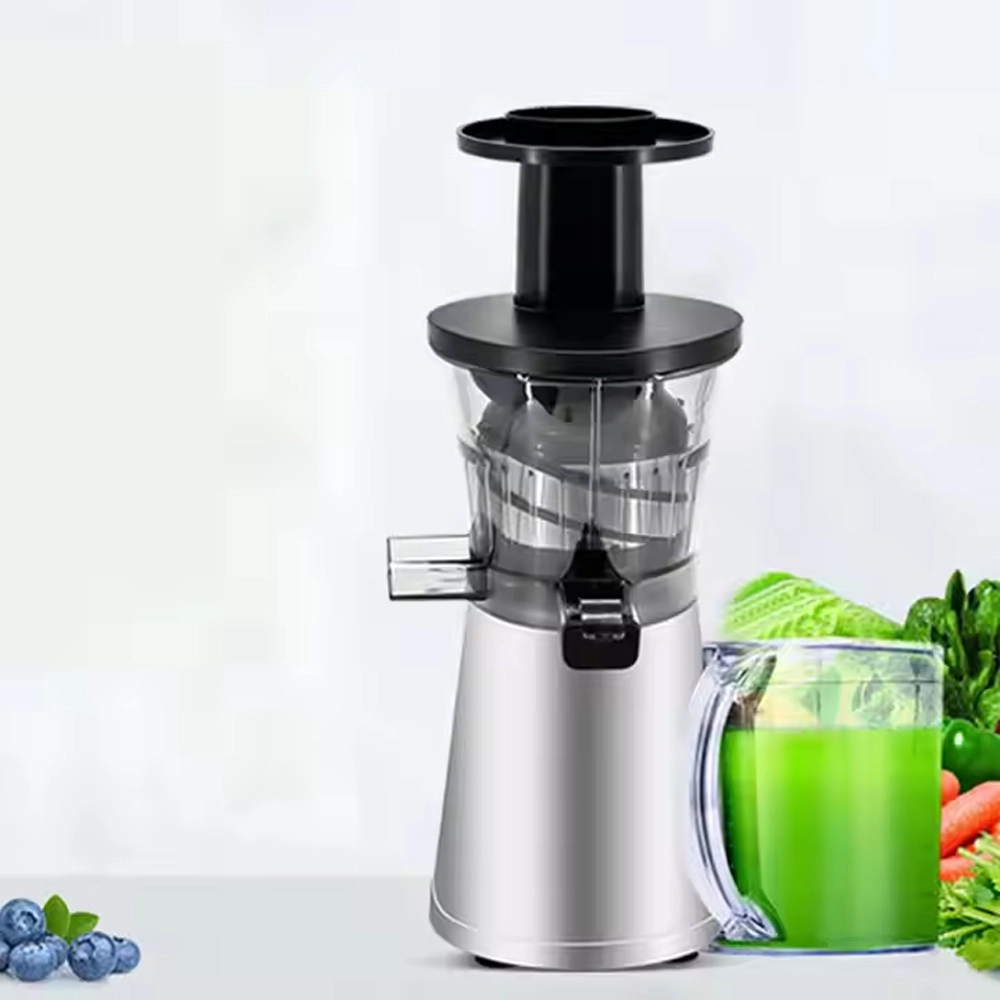
Slow Juicer L601
Jiaolong's L601 Slow Juicer: The perfect choice for slow juicer manufacturers, suppliers, and wholesalers. High-quality, efficient extraction. Contact us for wholesale inquiries.
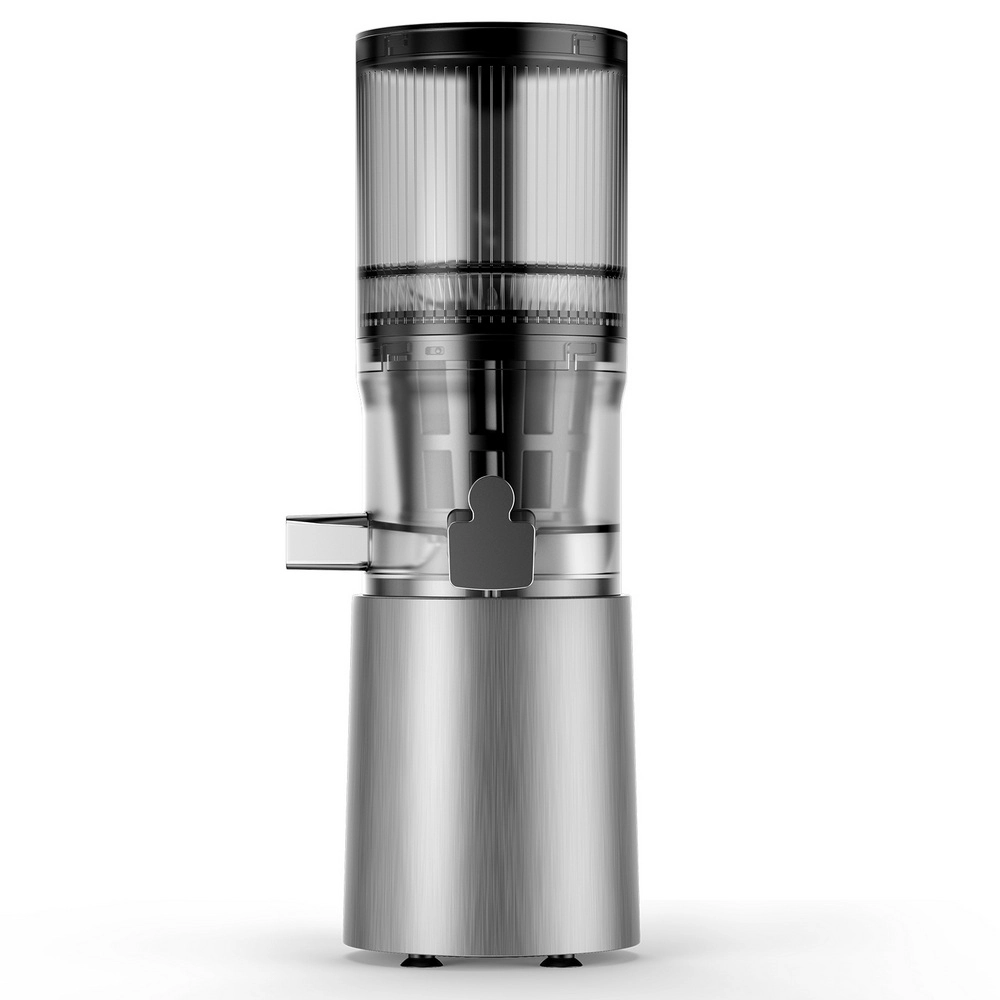
Slow Juicer L605A
Jiaolong's L605A Slow Juicer: A high-quality slow juicer for OEM, manufacturing, and supply needs. Contact us today to explore our slow juicer manufacturing capabilities and become a valued partner.
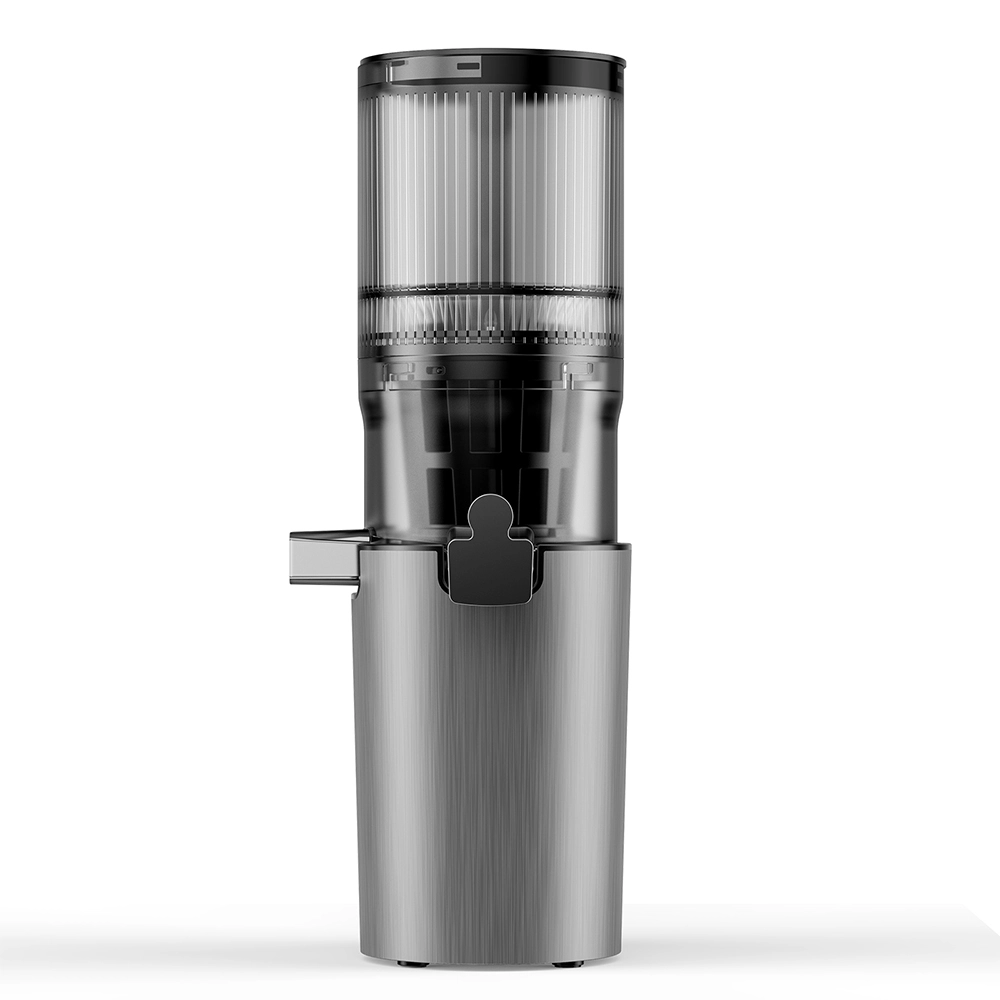
Slow juicer L606A
Jiaolong's L606A slow juicer: The ultimate slow juicer for wholesale, manufactured and supplied by a leading slow juicer supplier. Experience superior juice extraction and quality. Contact us for bulk orders.
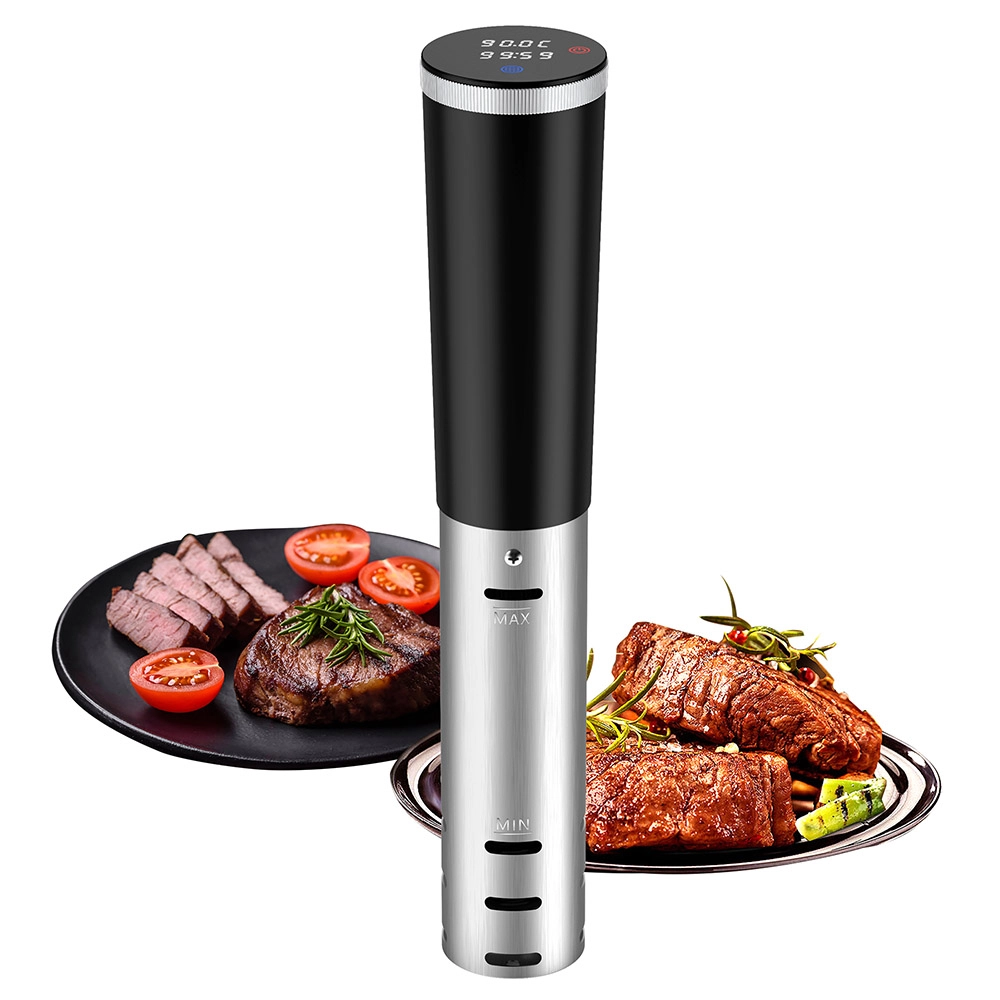
Sous Vide SV220
Jiaolong's Sous Vide SV220: A premium Sous Vide ODM solution. Reliable and efficient, the SV220 is the perfect choice for your next project. Partner with a leading sous vide supplier. Contact us today!
© 2025 JIAOLONG All Rights Reserved. Privacy Policy | Terms and Conditions | Sitemap