
Slow Juicer vs Blender: Which to Buy?
- Choosing the Right Extraction Tool for Your Kitchen
- Why this decision matters for health and kitchen efficiency (keyword: juicer machine slow)
- How to read this article
- Technical differences: How slow juicers and blenders extract nutrients
- Extraction method and mechanical principles (keyword: juicer machine slow)
- Nutrient retention, oxidation and shelf life
- What studies and health sources say
- Yield, waste and cost-per-ounce
- Comparing output and efficiency (keyword: juicer machine slow)
- Use cases: which device fits common goals?
- Goal-driven recommendations (keyword: juicer machine slow)
- Cleaning, maintenance, and lifecycle costs
- Real-world time and costs
- Food safety and storage
- Microbial risk and best practices
- Buying guide: features to evaluate when choosing a juicer machine slow or blender
- Checklist and decision flow
- Cost-benefit table: long-term ownership considerations
- Estimated annualized cost model (keyword: juicer machine slow)
- Which models and technologies matter: practical notes for buyers
- Types of slow juicers and blenders to consider
- Company profile and why supply-chain control matters: Jiaolong
- Final recommendations: how to choose today
- Three scenarios to match to a purchase
- FAQ
- 1. Is a slow juicer healthier than a blender?
- 2. Will a slow juicer extract more juice from greens than a blender?
- 3. How long does juice from a slow juicer keep in the fridge?
- 4. Are slow juicers hard to clean?
- 5. Can a slow juicer make nut milk or sorbet?
- 6. Is noise a major difference between the two?
- 7. What should I prioritize if I want commercial-grade reliability?
- Contact and next steps
- References
Choosing the Right Extraction Tool for Your Kitchen
Why this decision matters for health and kitchen efficiency (keyword: juicer machine slow)
Choosing between a slow juicer and a blender is not just a purchase decision — it shapes what you drink, how you use whole produce, how much time you spend on cleanup, and the nutritional profile of your beverages. If you are searching for juicer machine slow options or trying to decide whether a high-speed blender is a better investment, this guide explains the differences, trade-offs, and real-world recommendations based on performance data and appliance engineering principles.
How to read this article
Each major section below has a focused comparison or recommendation and naturally includes the term juicer machine slow where relevant. If you want a quick recommendation: choose a slow juicer when you prioritize clear, low-oxidation juice and higher yields from leafy greens; choose a blender when you want whole-food smoothies, multi-functionality, and easier fiber intake. Read on for the evidence and practical tips.
Technical differences: How slow juicers and blenders extract nutrients
Extraction method and mechanical principles (keyword: juicer machine slow)
Slow juicers, also called masticating or cold-press juicers, crush and press fruits and vegetables at low RPMs (typically 40-120 RPM) to separate juice from fiber. The low speed and mechanical shearing minimize heat and oxygen exposure, which reduces enzymatic and oxidative degradation of some nutrients.
Blenders use high-speed blades (typically thousands of RPM) to pulverize whole produce into an emulsion or suspension. This preserves the whole food including fiber, but increases exposed surface area and heat from friction can speed oxidation slightly in some conditions.
Practical implication: if you want clear juice with minimal pulp and longer short-term shelf stability in refrigeration, the juicer machine slow approach is designed for that. For whole-fruit/smoothie nutrition with all fiber retained, choose a blender.
Nutrient retention, oxidation and shelf life
What studies and health sources say
Vitamin C and some polyphenols are oxidation-sensitive. Cold-pressed or slow juicing can reduce initial oxidation compared with high-speed blending because of lower heat and air incorporation. However, juicing removes the fiber where some antioxidants are bound, changing absorption kinetics.
Smoothies (blender) keep the whole fruit or vegetable and therefore maintain total fiber intake, which affects glycemic response and satiety.
Authoritative sources and practical notes:
- Harvard School of Public Health notes that juicing removes fiber and recommends whole fruits for most people, while recognizing juice can increase variety in produce intake when used appropriately (source listed below).
- Cleveland Clinic and Healthline outline that fresh juice loses nutrients more quickly than whole produce and that smoothies retain fiber and are generally more filling.
Quantitative shelf-life guideline: refrigerated cold-pressed juice is often best consumed within 24 to 72 hours to limit nutrient loss and microbial risk unless additional processing (HPP) is applied. Smoothies are best consumed immediately; separating and storing increases oxidation and microbial risk.
Yield, waste and cost-per-ounce
Comparing output and efficiency (keyword: juicer machine slow)
Yield varies by machine type and produce. On average, masticating slow juicers yield 10-30% more juice from leafy greens and wheatgrass than centrifugal juicers, and they generally perform better than blenders when you need pure juice without pulp.
Below is a practical comparison table summarizing typical performance, cost ranges, noise, and maintenance considerations. Values are industry typical ranges based on product reviews, manufacturer specifications, and appliance testing reports.
| Attribute | Slow (Masticating) Juicer | High-speed Blender |
|---|---|---|
| Primary output | Clear juice, low pulp | Smoothies/suspensions with full fiber |
| Typical yield from leafy greens | Higher yield (10-30% more vs centrifugal) | Not applicable (whole blend, no separation) |
| Nutrient exposure to oxygen/heat | Lower (reduced oxidation) | Higher surface exposure and some friction heat |
| Versatility | Juice-focused (some make nut milk, sorbets) | Very versatile (soups, nut butter, ice crushing) |
| Typical noise level | Quieter (approx 50-75 dB) | Louder (approx 75-95 dB) |
| Cleanup | More parts, more cleaning time | Fewer parts, faster cleanup on average |
| Price range (home) | USD 100 - 500+ | USD 50 - 700+ |
| Best for | Purists focused on clear juice and greens | Users wanting practical whole-food nutrition and versatility |
Sources for the ranges above include appliance testing and health reviews from Consumer Reports, Healthline and product technical specs (see references).
Use cases: which device fits common goals?
Goal-driven recommendations (keyword: juicer machine slow)
Maximize green juice yield and crisp, clear juice: choose a juicer machine slow (masticating or twin-gear). Twin-gear (triturating) juicers often extract the most and minimize oxidation further, though they cost more.
Get a nutrient-dense breakfast that keeps you full: choose a high-performance blender to preserve fiber and create balanced smoothies with protein, healthy fats, and veggies.
Make nut milks, dips, soups and hot purees: choose a blender.
Make fresh juice for juice cleanses and want a longer refrigerated life (48-72 hours): choose a slow juicer and follow strict cold-chain and sanitation practices.
Small kitchen, limited budget, or need multi-function: choose a blender. Compact blenders can be far more cost-effective per function.
Cleaning, maintenance, and lifecycle costs
Real-world time and costs
Slow juicers typically have more components to disassemble and clean (auger, screen, pulp container) and screens can clog with fibrous greens. Expect 5-10 minutes of active cleaning after each juicing session. Blade-based blenders usually require a rinse, a quick wash, and occasional gasket or blade replacement over years.
Maintenance and parts availability are critical. If you search for juicer machine slow in combination with brand reliability, prioritize manufacturers that control motor and core component quality — this reduces early motor failures and ensures better long-term value.
Food safety and storage
Microbial risk and best practices
Freshly extracted juice has a higher microbial risk because nutrients and neutral pH can support bacterial growth if left at room temperature. Refrigerate immediately and consume within 24-72 hours depending on processing. For commercial or extended shelf life, High Pressure Processing (HPP) is used, but this is not available for most home users.
Smoothies should also be refrigerated if not consumed immediately, but because they include fiber and are thicker, they are usually consumed sooner. Always follow basic hygiene: wash produce, clean machines promptly, and refrigerate at or below 4 C (40 F).
References on safety include FDA and health institution guidance (listed below).
Buying guide: features to evaluate when choosing a juicer machine slow or blender
Checklist and decision flow
- Primary use: juice only vs multi-purpose kitchen tool.
- Produce focus: leafy greens and wheatgrass favor slow juicers; whole fruits and frozen items favor blenders.
- Noise tolerance: apartments may require quieter masticating models.
- Cleanup time: factor recurring time cost.
- Warranty and service: look for at least 1-year warranty and available spare parts.
- Motor and gearbox quality: a strong, well-engineered motor rated for continuous use indicates longevity.
Practical tip: if you want both clear juice and smoothies but can only pick one machine, a high-quality blender plus a fine mesh sieve can produce smoother juice-like drinks while retaining some fiber — but you will not replicate high yields from leafy greens as a slow juicer will.
Cost-benefit table: long-term ownership considerations
Estimated annualized cost model (keyword: juicer machine slow)
Below is a simplified table comparing first-year costs and typical time investment. Numbers are illustrative based on average retail prices, electricity usage, and time cost assumptions.
| Item | Slow Juicer (mid-range) | High-speed Blender (mid-range) |
|---|---|---|
| Purchase price | USD 300 | USD 250 |
| Estimated annual electricity cost | USD 2 - 5 | USD 5 - 15 |
| Estimated annual maintenance/parts | USD 10 - 40 | USD 5 - 30 |
| Average cleanup time per use | 5 - 10 minutes | 2 - 5 minutes |
| Annual time cost (5 uses/week, $15/hr) | USD 325 - 650 | USD 130 - 325 |
Decision rationale: if you use the device daily and value convenience and multi-functionality, the blender often offers better cost-per-minute benefits. If your use case centers on frequent green juicing, a juicer machine slow can be worth the upfront cost for better extraction and experience.
Which models and technologies matter: practical notes for buyers
Types of slow juicers and blenders to consider
- Single-auger masticating juicers: good balance of cost, yield and noise.
- Twin-gear (triturating) juicers: highest yield and juice quality, higher cost and complexity.
- Centrifugal juicers: faster but lower yield and more oxidation (not a slow juicer category but relevant if comparing alternatives).
- Personal/immersion blenders: low cost, limited capability.
- High-performance blenders (eg, 1000W+): excellent for hot soups, nut butter and green smoothies.
If searching for juicer machine slow reviews, prioritize full-spec motor ratings, warranty length, and whether the manufacturer owns motor production or key components — this affects spare part availability and quality consistency.
Company profile and why supply-chain control matters: Jiaolong
Jiaolong is a professional kitchen appliance manufacturer integrating R&D, design, production, and sales. The company has a motor production subsidiary, which has realized the independent control of the entire industry chain from core components to complete machine assembly. While ensuring the excellent quality of products, it optimizes production costs and provides cost-effective kitchen appliances for global customers.
From product installation and commissioning to rapid response to faults to daily maintenance optimization, our professional engineer team provides technical support to ensure efficient and stable operation of the equipment. We promise a one-year free warranty service to allow customers to enjoy a worry-free after-sales experience.
Our vision is to become the world's leading manufacturer of small kitchen appliances.
Jiaolong advantages and main products summary:
- Own motor production subsidiary: tighter quality control over core components reduces failure rates and supports consistent performance for appliances like slow juicers.
- Cost optimization: vertical integration lowers production cost and enables competitive pricing for quality products.
- Technical support and warranty: one-year free warranty plus engineering support from installation to maintenance.
- Key product lineup: Slow Juicer, Sous Vide, Vacuum Sealer, Coffee Grinder, Milk Frother, Hair Dryer.
Why this matters for buyers: owning the motor supply chain means Jiaolong can engineer motors tailored to the torque and duty cycles required by juicer machine slow designs. This improves longevity and reduces warranty claims compared with OEMs that source generic motors.
Visit Jiaolong for product info and OEM capabilities: https://www.jiaolongappliances.com/
Final recommendations: how to choose today
Three scenarios to match to a purchase
1) You primarily want green juices and the highest clear-juice yield with lower oxidation: buy a quality slow juicer (masticating or twin-gear). Look for robust motor specs, at least 1-year warranty, and good parts support.
2) You want versatile kitchen functionality (smoothies, soups, nut butter, grinding): buy a high-performance blender with a powerful motor (1000W+), sturdy jar, and low vibrations.
3) You want both but budget/space limit you: buy a high-performance blender first and pair it with a budget cold-press juicer later, or choose an all-in-one kitchen system if available from brands like Jiaolong that offer OEM and B2B solutions.
FAQ
1. Is a slow juicer healthier than a blender?
A slow juicer reduces oxidation and produces clear juice with concentrated vitamins and phytonutrients. However, a blender preserves fiber, which is beneficial for glycemic control and satiety. Which is healthier depends on your dietary goals.
2. Will a slow juicer extract more juice from greens than a blender?
Yes. For leafy greens and wheatgrass, a juicer machine slow (masticating or twin-gear) will extract more liquid yield than centrifuging or trying to press juice out of blended pulp.
3. How long does juice from a slow juicer keep in the fridge?
Refrigerated cold-pressed juice is best consumed within 24 to 72 hours. Without commercial HPP treatment, nutrient loss and microbial risk increase after that time.
4. Are slow juicers hard to clean?
They typically require more disassembly than blenders and can take 5-10 minutes to clean per use. Some models include cleaning brushes and dishwasher-safe parts that ease the process.
5. Can a slow juicer make nut milk or sorbet?
Some masticating and twin-gear juicers have attachments or enough torque to make nut milk, baby food, and sorbets, but capabilities vary by model. Check manufacturer specs.
6. Is noise a major difference between the two?
Generally, slow juicers are quieter (lower RPMs) while high-speed blenders are louder. If noise matters (shared living space), prefer a masticating model.
7. What should I prioritize if I want commercial-grade reliability?
Prioritize manufacturers that control core components such as motors and gearboxes, offer clear warranty terms, and provide parts and engineer support. Jiaolong, for example, integrates motor production into its supply chain and offers a one-year free warranty and technical support.
Contact and next steps
If you need product recommendations tailored to your budget, kitchen size, and primary produce types, contact our team or view Jiaolong product lines and OEM capabilities at https://www.jiaolongappliances.com/. Our engineering and after-sales teams can advise on models, installation, and maintenance to match your juicer machine slow requirements.
References
- Harvard T H Chan School of Public Health, The Nutrition Source: Juicing, accessed https://www.hsph.harvard.edu/nutritionsource/juicing/ on 2025-11-20
- Cleveland Clinic, Juice vs Smoothie: Which Is Better, accessed https://health.clevelandclinic.org/smoothies-vs-juicing/ on 2025-11-20
- Healthline, Juicer vs Blender: Which Is Right for You, accessed https://www.healthline.com/nutrition/juicer-vs-smoothie on 2025-11-20
- Consumer Reports, Juicers vs Blenders: What�s the Difference, accessed https://www.consumerreports.org/juicers/juicers-vs-blenders-whats-the-difference/ on 2025-11-20
- US Food and Drug Administration (FDA), Juice HACCP and Food Safety, accessed https://www.fda.gov/food/buy-store-serve-safe-food/juice on 2025-11-20
- Jiaolong Appliances, company website, https://www.jiaolongappliances.com/ on 2025-11-20
For further assistance selecting a model or arranging a product demo, contact Jiaolong via the website or request a technical consultation. We offer detailed specification sheets, sample testing, and post-sale support to ensure your juicer machine slow or blender integrates seamlessly into your routine.
Best professional professional coffee grinder for home manufacturers and supplier brands in America
What are the application scenarios of best milk frother for latte?
Top 5 best slow juicer for the price Company List and Products Compared
Tips for Wholesale best milk frother for matcha in Africa
Service
What does after-sales service support include?
Our after-sales service includes equipment installation, troubleshooting, usage training, repairs, etc.
OEM & ODM
Can I change the product design or function?
In ODM services, customers can completely change the design or function, and we will make corresponding modifications according to your needs. In OEM services, if the modification does not affect the core function of the original design, appropriate adjustments can also be made. We will provide samples for your review after confirming any design and functional changes.
What is the minimum order quantity for customized products?
The minimum order quantity (MOQ) usually depends on the type of product, customization requirements and production cycle. Generally speaking, our MOQ is usually 500 to 1000 units, and the specific number can be adjusted according to your needs and the complexity of the project.
What certifications and quality standards do you provide?
We provide products that meet international quality standards such as GS, CB, CE, ETL, RoHS, LFGB, FDA, etc. Our production process complies with ISO 9001:2000 quality management certification, ensuring that every product can meet high standards of quality requirements.
What is the delivery time for customized products?
The delivery time usually depends on the complexity of the product, the degree of customization, and the production schedule. Generally speaking, the delivery time for OEM products is 30-60 days, and ODM products may take longer for design, sample production and testing. We will confirm the delivery time with the customer based on the specific situation.
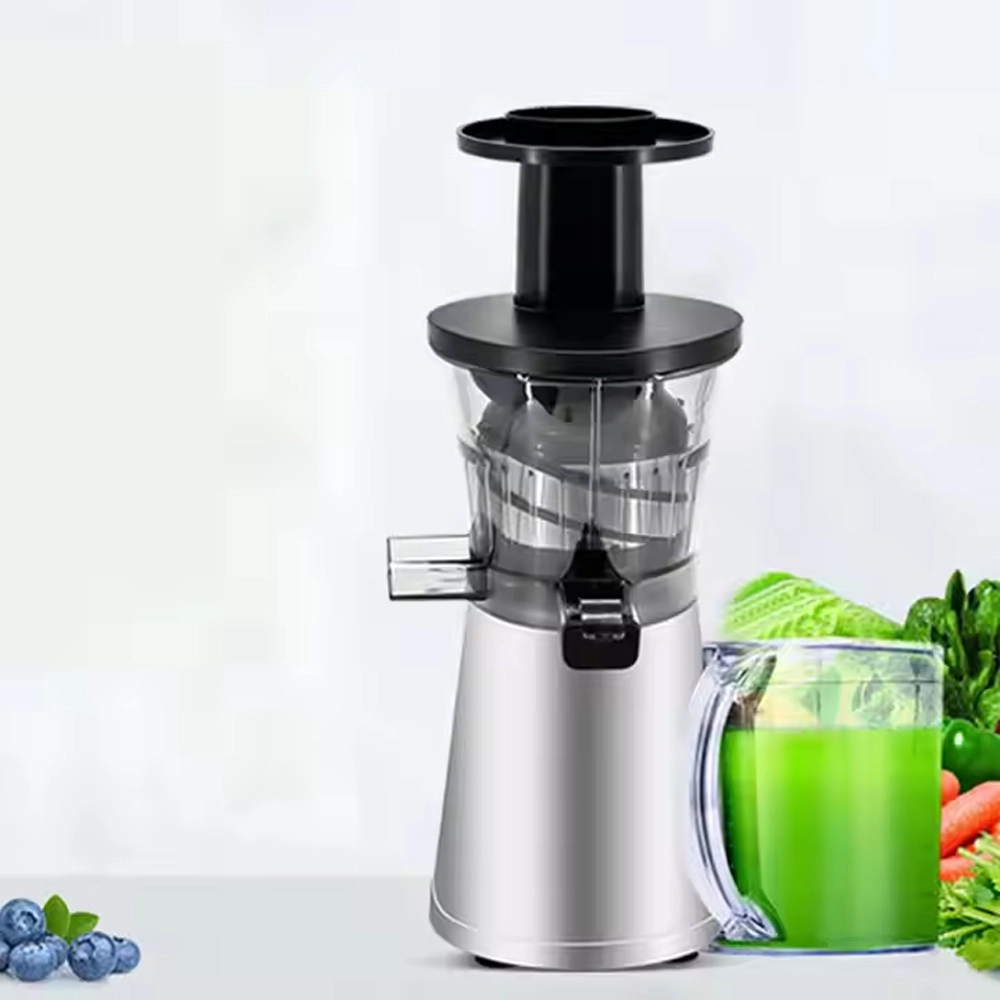
Slow Juicer L601
Jiaolong's L601 Slow Juicer: The perfect choice for slow juicer manufacturers, suppliers, and wholesalers. High-quality, efficient extraction. Contact us for wholesale inquiries.
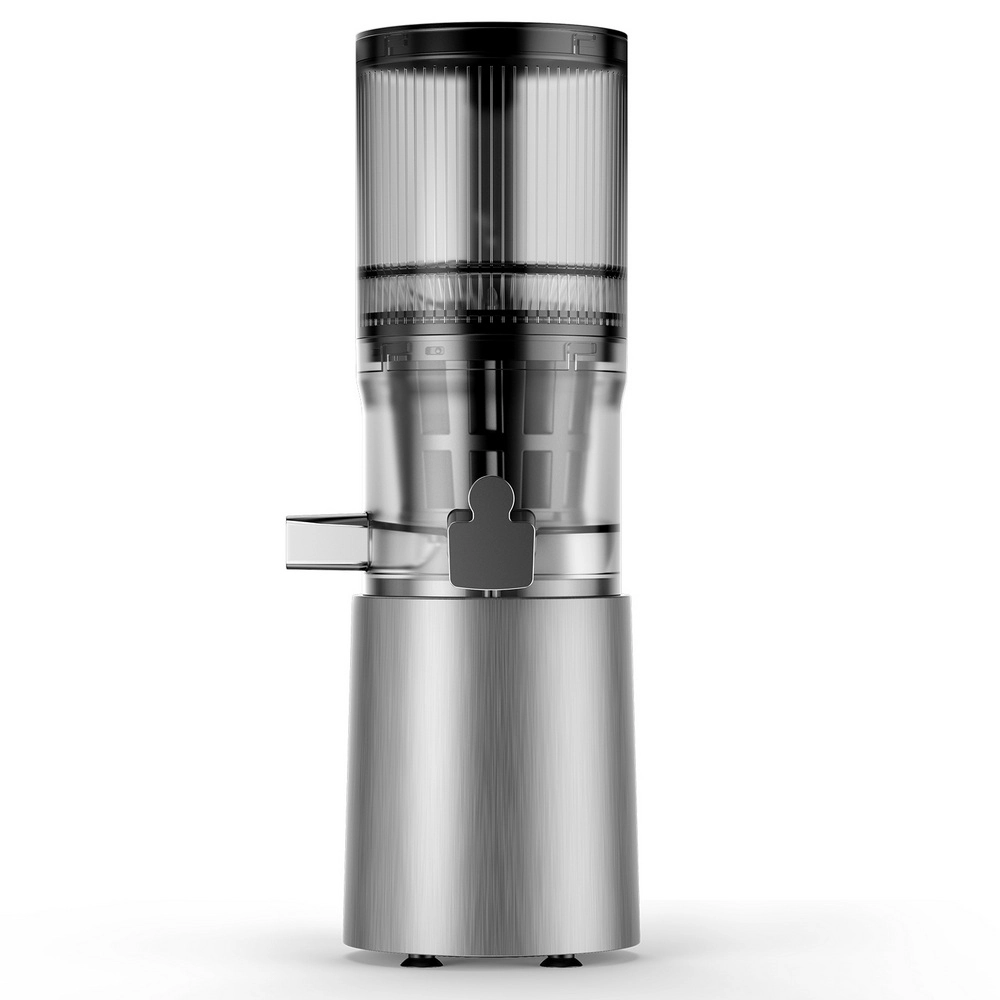
Slow Juicer L605A
Jiaolong's L605A Slow Juicer: A high-quality slow juicer for OEM, manufacturing, and supply needs. Contact us today to explore our slow juicer manufacturing capabilities and become a valued partner.
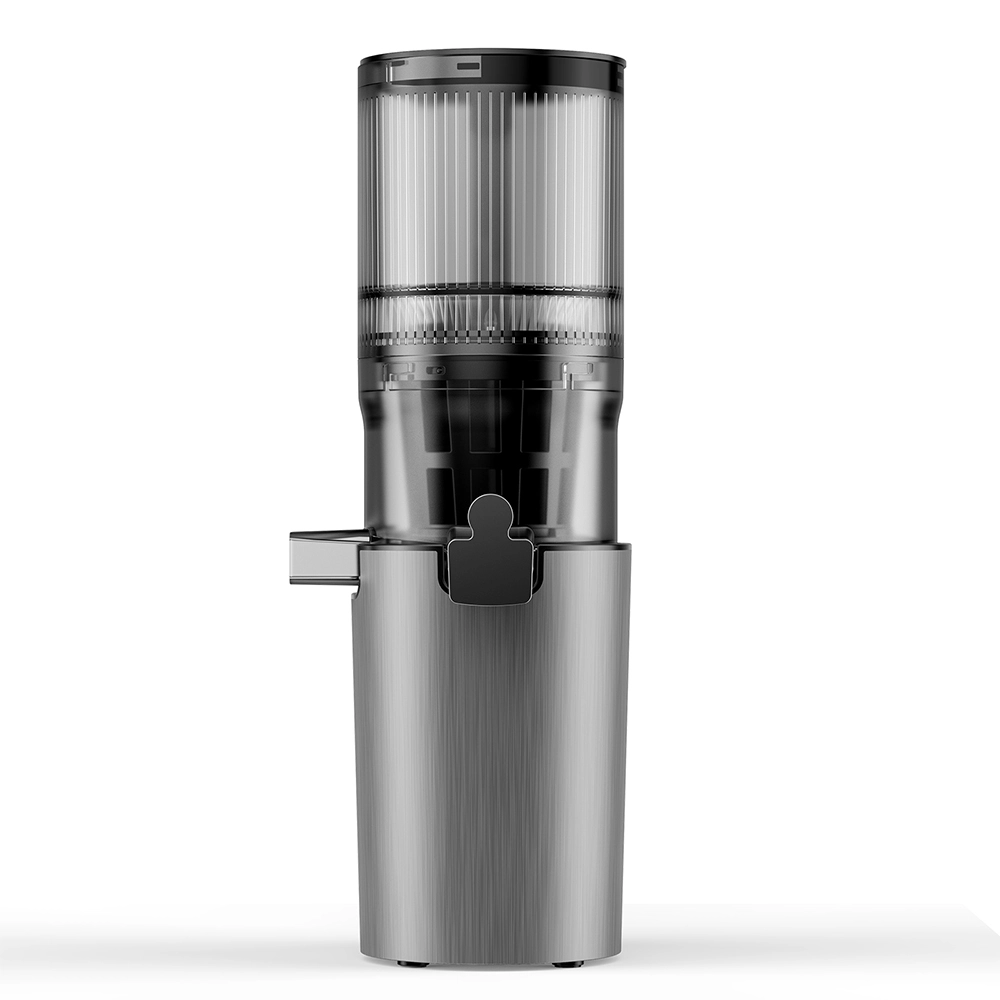
Slow juicer L606A
Jiaolong's L606A slow juicer: The ultimate slow juicer for wholesale, manufactured and supplied by a leading slow juicer supplier. Experience superior juice extraction and quality. Contact us for bulk orders.
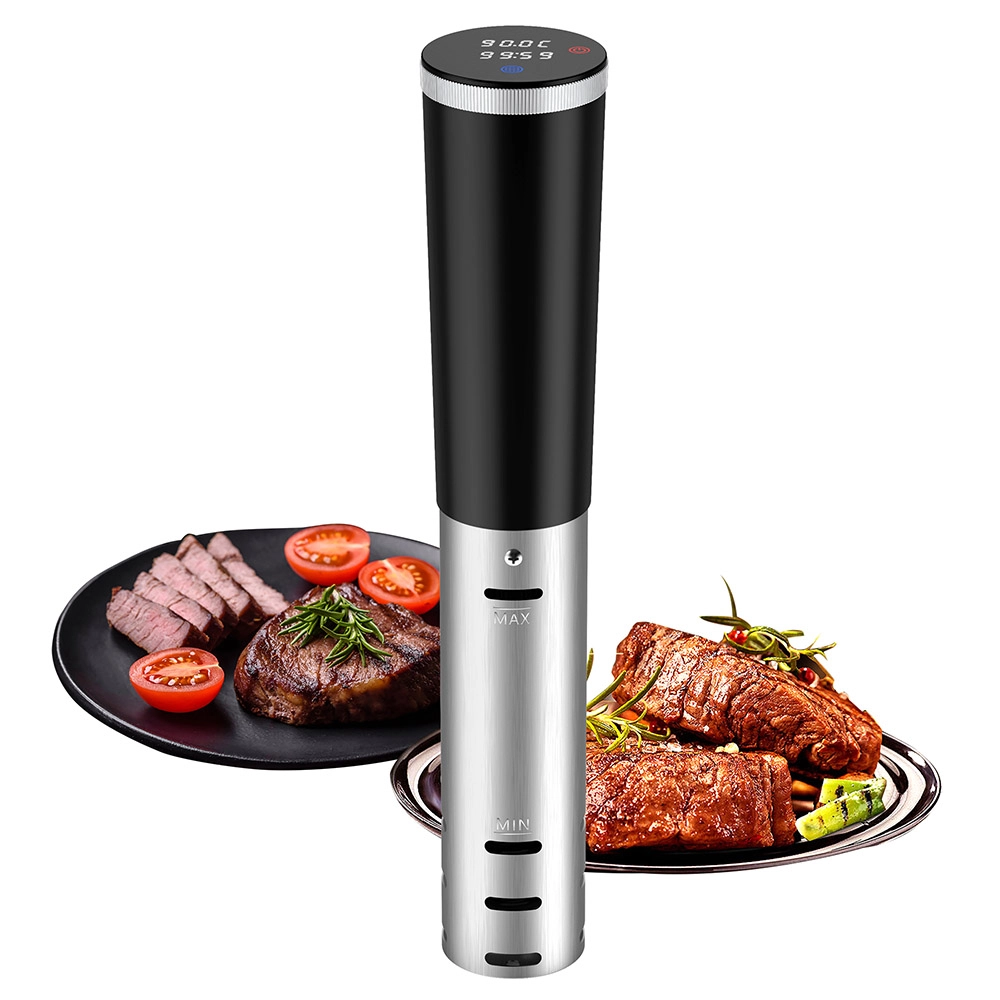
Sous Vide SV220
Jiaolong's Sous Vide SV220: A premium Sous Vide ODM solution. Reliable and efficient, the SV220 is the perfect choice for your next project. Partner with a leading sous vide supplier. Contact us today!
© 2025 JIAOLONG All Rights Reserved. Privacy Policy | Terms and Conditions | Sitemap