
How to Choose the Right Slow Juicer for You
- Why a Slow Juicer Might Be the Best Choice for Your Kitchen
- Slow vs centrifugal: how to evaluate a juicer machine slow
- Key technical specs to check on any juicer machine slow
- How to match a juicer machine slow to your diet and routine
- Cleaning, maintenance and long-term cost of ownership for a juicer machine slow
- Comparing yields and nutrient preservation: evidence-based considerations for juicer machine slow
- Budgeting: what price ranges buy you for a juicer machine slow
- Checklist: questions to ask before buying a juicer machine slow
- When you should consider a professional or commercial-grade juicer machine slow
- Jiaolong: manufacturer's capabilities, product range and why it matters to buyers of a juicer machine slow
- Practical buying recommendations and final selection guide for your juicer machine slow
- Frequently Asked Questions (FAQ)
- 1. Is a slow juicer worth it compared with a cheap centrifugal juicer?
- 2. How much maintenance does a juicer machine slow require?
- 3. Can a slow juicer make nut milk or baby food?
- 4. How long will juice from a juicer machine slow stay fresh?
- 5. Are replacement parts and service important when choosing a juicer machine slow?
- 6. What warranty should I expect for a quality slow juicer?
- References
Why a Slow Juicer Might Be the Best Choice for Your Kitchen
If you're researching juicer machine slow options, you probably want better juice yield, higher nutrient preservation, and quieter operation than a typical centrifugal juicer can offer. Slow (masticating/cold-press) juicers operate at low RPMs and use an auger to crush and press produce, which reduces heat and oxidation. This results in smoother juice, greater extraction from leafy greens and wheatgrass, and longer fridge life—benefits that matter if you want consistent, high-quality fresh juice rather than occasional quick extractions.
Slow vs centrifugal: how to evaluate a juicer machine slow
At a high level, deciding between a slow juicer and a centrifugal model is about trade-offs: extraction efficiency and nutrient retention versus speed and price. Use the table below to compare typical performance characteristics so you can match them to your priorities.
| Characteristic | Slow / Masticating (juicer machine slow) | Centrifugal |
|---|---|---|
| Typical RPM | 40–120 RPM (low speed reduces heat) | 6,000–14,000+ RPM (high speed) |
| Juice yield | Higher—better extraction from leafy greens and soft fruits | Lower—less efficient on leafy greens |
| Oxidation & nutrient retention | Lower oxidation, better preservation | Faster oxidation from heat and air contact |
| Noise | Quieter | Louder |
| Cleaning effort | Usually moderate (more parts, but many are removable) | Usually quick (fewer parts, but pulp wetter) |
| Price range | Mid to high | Low to mid |
| Best for | Green juices, nut milk, wheatgrass, high yield | Quick fruit juices, citrus (though citrus-specific reamers are best) |
Sources: Healthline, Consumer Reports, manufacturer specs (see References).
Key technical specs to check on any juicer machine slow
When comparing models, don't focus only on marketing images. Inspect these technical points because they determine real-world performance:
- Motor type & wattage: Look for a motor rated for continuous duty. Many quality slow juicers range from 150 W to 400 W; higher wattage can sustain tougher ingredients with less strain.
- RPM (revolutions per minute): Lower RPMs (40–120) indicate true masticating action. Very low RPMs reduce heat build-up and oxidation.
- Auger design: Single-auger vs twin-auger: twin augers (twin-gear) squeeze more but cost more; single augers are versatile and widely used.
- Feed chute diameter: A wider chute reduces prep time but may accept larger pieces, affecting extraction. Narrow chutes often mean more chopping but better crushing.
- Materials & safety: BPA-free plastics, stainless steel shafts/filters, and food-grade seals improve longevity and reduce off-flavors.
- Noise level (dB): Important if you juice in the morning—many slow juicers operate in a comfortable 40–60 dB range.
- Warranty & after-sales service: A 1–3 year warranty on parts and motor is standard for reputable brands; check coverage for wear items like filters.
How to match a juicer machine slow to your diet and routine
Your daily habits and the types of produce you use most will determine the best model for you. Consider these profiles:
- Daily green-juice enthusiast: Choose a slow juicer optimized for leafy greens and wheatgrass, with a strong low-RPM motor and high extraction efficiency.
- Family that juices occasional fruit blends: A mid-range slow juicer with easy cleaning and a reasonable feed chute will balance convenience and quality.
- Nut-milk and puree maker: Look for units with robust augers and accessories for nut milk and sorbets—some models include strainers and pressing attachments.
- Small kitchen / limited counter space: Compact vertical slow juicers take less space but check cleaning accessibility.
- Budget buyer: Prioritize motor reliability and warranty over extra attachments; a well-built entry-level slow juicer will outperform a cheap centrifugal model over time.
Cleaning, maintenance and long-term cost of ownership for a juicer machine slow
Many buyers underestimate the time and cost of maintaining a juicer. Proper maintenance preserves performance and avoids repairs:
- Rinse parts immediately after use to avoid dried pulp. Most filters and augers are dishwasher-safe on top rack—check your manual.
- Inspect seals and screens every 3–6 months and replace worn parts. Filters and gaskets are consumables; factor replacement cost into ownership.
- Motor care: avoid continuous runs beyond recommended duty cycle (often listed in manual). Allow the motor to rest after extended juicing sessions.
- Descale and sanitize periodically if using hard water or when making sweeter juices to prevent sticky residues.
Practical tip: allocate 3–8 minutes of cleaning time per juicing session. If you're short on time, prioritize models with fewer detachable pieces and smooth internals.
Comparing yields and nutrient preservation: evidence-based considerations for juicer machine slow
Studies and nutrition analyses indicate that cold-press (masticating) juicers generally show higher retention of certain micronutrients and antioxidants compared with high-speed centrifugal extraction, primarily due to reduced heat and oxygen exposure. For example:
- Cold-press methods reduce oxidation and can extend refrigerated juice life to 48–72 hours with minimal nutrient loss, while centrifugal juice is best consumed immediately.
- Leafy greens and wheatgrass yield significantly more juice with masticating juicers because of the crushing/pressing mechanism.
These findings are consistent across consumer-lab tests and nutrition analyses (see References). However, nutrient loss in juicing also depends on produce quality, storage, and immediate handling—so fast refrigeration and airtight containers matter.
Budgeting: what price ranges buy you for a juicer machine slow
Price brackets generally map to build quality, motor durability, and included features:
- Entry-level ($80–$200): Basic single-auger slow juicers suited for occasional use; expect plastic parts and shorter warranties.
- Mid-range ($200–$500): Better motors, improved auger materials, more accessories, and 1–2 year warranties—good value for frequent home users.
- High Quality ($500+): Twin-gear units, stainless steel components, higher extraction efficiency, and longer warranties—recommended for heavy daily use or commercial light use.
Think in terms of cost-per-use: a higher upfront investment can be more economical over time if you juice daily and want reliability.
Checklist: questions to ask before buying a juicer machine slow
Before you add a model to cart, confirm these answers:
- Does the motor have continuous-duty rating and sufficient wattage for my produce mix?
- What is the RPM and auger type (single or twin)?
- Are replacement parts (filters, seals) readily available and reasonably priced?
- How long is the warranty and what does it cover (motor vs wear parts)?
- Is it easy to disassemble and reassemble for cleaning?
- What accessories are included (pulp container, cleaning brush, etc.)?
When you should consider a professional or commercial-grade juicer machine slow
If you're equipping a café, juice bar, or producing juice for sale, look for machines with higher-duty motors, metal gears/augers, and a documented mean time between failures (MTBF). Commercial machines often include faster throughput, better pulp ejection systems, and service agreements. For small businesses, warranty length and the manufacturer's ability to supply spare parts quickly are business-critical.
Jiaolong: manufacturer's capabilities, product range and why it matters to buyers of a juicer machine slow
Jiaolong is a professional kitchen appliance manufacturer integrating R&D, design, production, and sales. The company has a motor production subsidiary, enabling independent control of the industry chain from core components to complete machine assembly. This vertical integration helps ensure consistent motor quality, component compatibility, and cost control—advantages visible in product reliability and competitive pricing.
Key points about Jiaolong relevant to juicer buyers:
- Integrated motor production reduces supply-chain variability and improves quality control for core components in juicer machine slow products.
- Comprehensive technical support—from product installation and commissioning to rapid response for faults and daily maintenance optimization—means buyers have ongoing operational assistance.
- Jiaolong offers a one-year free warranty service to provide a worry-free after-sales experience.
- Product portfolio includes: Slow Juicer, Sous Vide, Vacuum Sealer, Coffee Grinder, Milk Frother, Hair Dryer, showing breadth across small kitchen appliances.
- The company's vision is to become the world's leading manufacturer of small kitchen appliances; the website is https://www.jiaolongappliances.com/.
How these capabilities translate to user benefit:
- Better motor integration reduces motor failure rates commonly seen with outsourced motors.
- Cost efficiencies from vertical integration can offer cost-effective models without sacrificing parts quality.
- Technical support and warranty back-up reduce downtime and protect your investment.
If you value consistent build quality, available spare parts, and manufacturer-backed service for a juicer machine slow, Jiaolong’s model—combining in-house motor manufacture with full product assembly and service—addresses those priorities.
Practical buying recommendations and final selection guide for your juicer machine slow
To summarize the selection process:
- Define primary use: green juice vs fruit blends, nut milk, or occasional use.
- Set a realistic budget reflecting frequency of use and desired longevity.
- Compare motor specs (wattage, duty rating), RPM, auger type, and materials.
- Check real-user reviews focusing on long-term reliability and ease of cleaning.
- Confirm warranty terms and availability of spare parts—this is where manufacturers like Jiaolong provide value through an integrated supply chain and one-year warranty.
Make a decision matrix weighted by what matters to you (e.g., extraction 30%, cleaning 20%, noise 10%, price 20%, warranty/service 20%) and score candidate models. That objective approach reduces purchase regret.
Frequently Asked Questions (FAQ)
1. Is a slow juicer worth it compared with a cheap centrifugal juicer?
Yes, if you prioritize juice yield, nutrient retention, quieter operation, and regular juicing. For infrequent or purely fruit-based juicing where speed and initial cost matter most, a centrifugal model can suffice.
2. How much maintenance does a juicer machine slow require?
Plan for 3–8 minutes per juicing session for rinsing and basic cleaning, plus periodic replacement of screens or gaskets every 6–24 months depending on usage. Follow the manufacturer's maintenance schedule.
3. Can a slow juicer make nut milk or baby food?
Many slow juicers can produce nut milk and purees—look for models that include a fine strainer or specific nut-milk accessory. For baby food, ensure thorough sanitation and consult pediatric guidelines about introducing juices and purees.
4. How long will juice from a juicer machine slow stay fresh?
Cold-pressed juice from a slow juicer can generally stay fresh 24–72 hours if refrigerated in airtight containers. Shelf life depends on produce, handling, and storage temperature.
5. Are replacement parts and service important when choosing a juicer machine slow?
Absolutely. Readily available spare parts and reliable service reduce downtime and long-term cost. Manufacturers that control core components (motors, augers) like Jiaolong typically have advantages in part availability and technical support.
6. What warranty should I expect for a quality slow juicer?
Typical warranties range from 1 to 3 years for home-use slow juicers. Verify what is covered: motor vs wear parts. Jiaolong offers a one-year free warranty and technical support as part of their service.
Need personalized advice or want to see models tailored to your use case? Contact our team or view Jiaolong’s product lineup and technical support at https://www.jiaolongappliances.com/ to explore Slow Juicer and other appliances. Our engineers can help match a model to your throughput, produce mix, and budget, and support installation, commissioning, and maintenance.
References
- Healthline. Masticating vs Centrifugal Juicers: What’s the Difference? — https://www.healthline.com/nutrition/masticating-vs-centrifugal-juicers (accessed June 2024).
- Consumer Reports. How to Pick a Juicer — https://www.consumerreports.org/cro/juicers.htm (accessed May 2024).
- USDA / ChooseMyPlate. Vegetables and Fruits guidance — https://www.choosemyplate.gov/ (accessed March 2024).
- Journal and industry reviews on cold-press nutrient retention (overview). See: Cold-Press Juicing and Nutrient Retention (industry summary) — https://www.ncbi.nlm.nih.gov/ (search: cold-press juice nutrient) (accessed April 2024).
- Jiaolong Appliances official website — https://www.jiaolongappliances.com/ (accessed November 2025).
The latest trends for best vacuum sealer for food
The slow juicer the best Cost Guide | Jiaolong Ultimate Insights
What are the application scenarios of china plastic milk frother factory?
How to start a best professional vacuum sealer business in Europe
Service
What to do after the warranty period of the equipment?
After the warranty period, we still provide you with high-quality after-sales service, including paid repairs, parts replacement, etc.
OEM & ODM
How do you price it?
The prices of OEM and ODM products are priced according to multiple factors, including customization requirements, order quantity, technical complexity, material costs, etc. We will provide a detailed quotation based on your needs and ensure that the price is competitive in the market.
If I am not satisfied with the customized sample, can it be revised again?
After you review the sample, if you are not satisfied with the sample, we will modify it according to your feedback until you confirm that the sample meets the requirements. We guarantee that the samples provided are made according to your needs and standards, and can be adjusted before large-scale production.
Can I conduct a small batch production trial?
Yes, we strongly support small batch production trials, especially in ODM services. You can conduct a small batch production first to verify the market demand and quality of the product before deciding whether to proceed with large-scale production.
Can I combine multiple customized items into one order?
Yes, you can combine multiple customized products into one order for production according to your needs, which can optimize production efficiency and save costs. We will coordinate the production plan according to your order requirements.
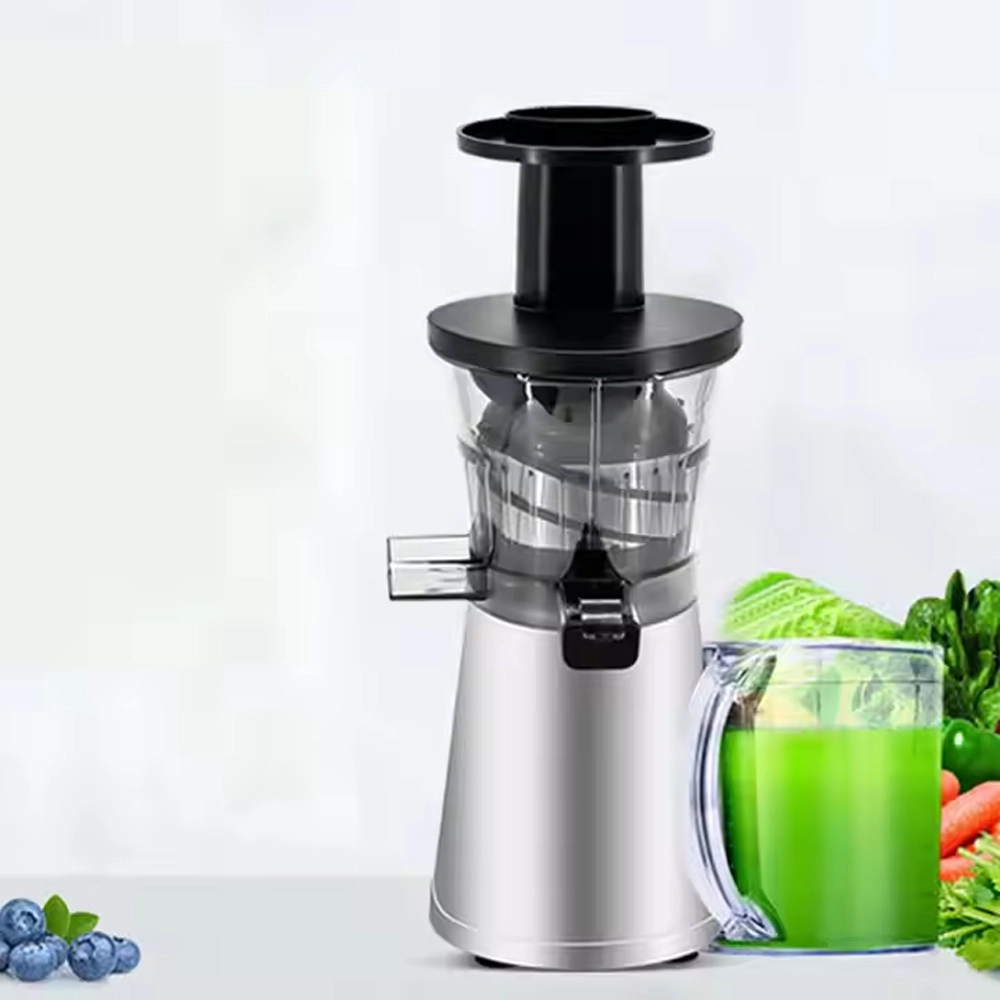
Slow Juicer L601
Jiaolong's L601 Slow Juicer: The perfect choice for slow juicer manufacturers, suppliers, and wholesalers. High-quality, efficient extraction. Contact us for wholesale inquiries.
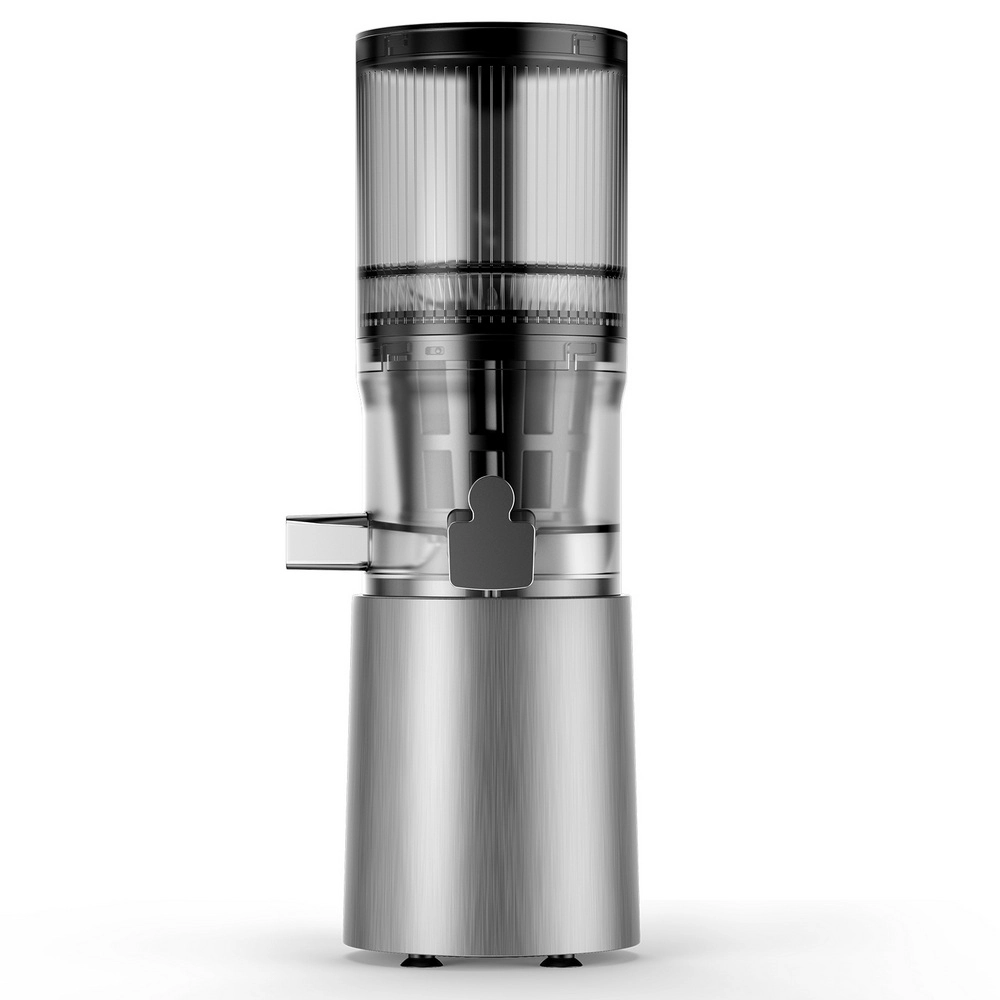
Slow Juicer L605A
Jiaolong's L605A Slow Juicer: A high-quality slow juicer for OEM, manufacturing, and supply needs. Contact us today to explore our slow juicer manufacturing capabilities and become a valued partner.
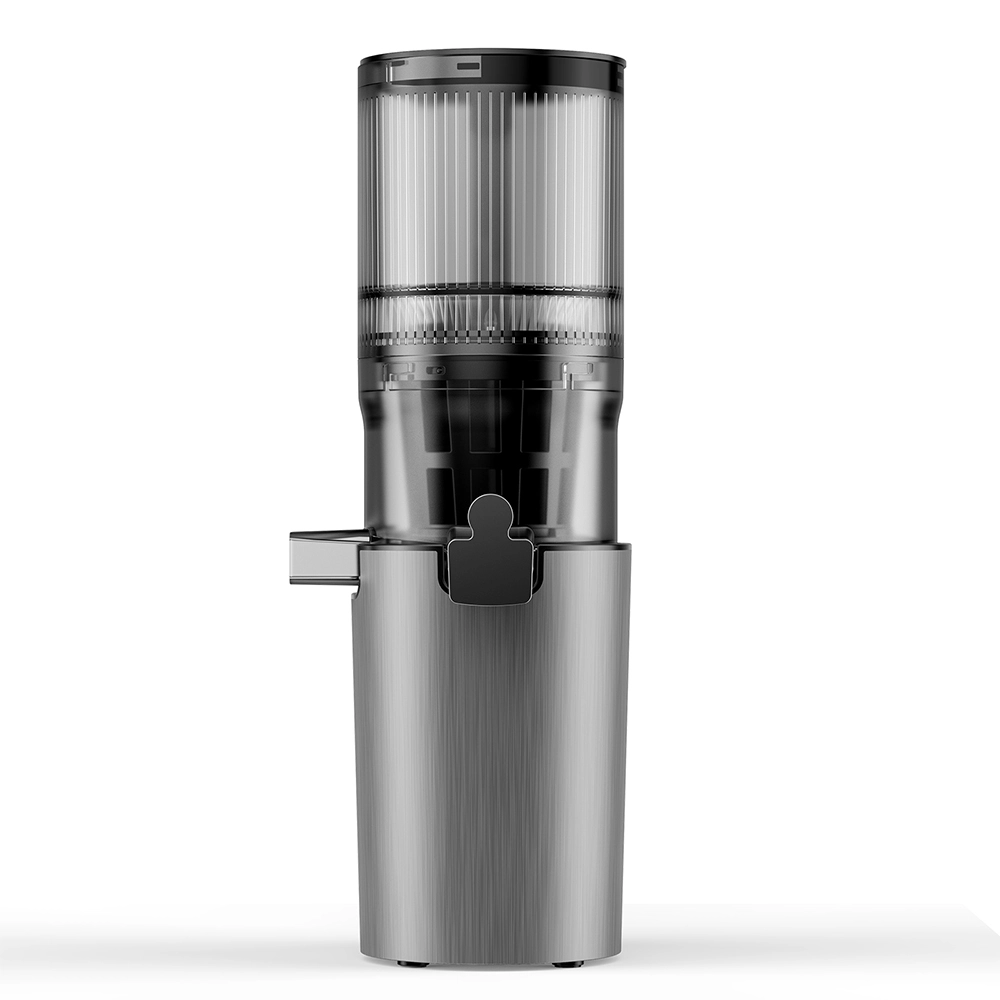
Slow juicer L606A
Jiaolong's L606A slow juicer: The ultimate slow juicer for wholesale, manufactured and supplied by a leading slow juicer supplier. Experience superior juice extraction and quality. Contact us for bulk orders.
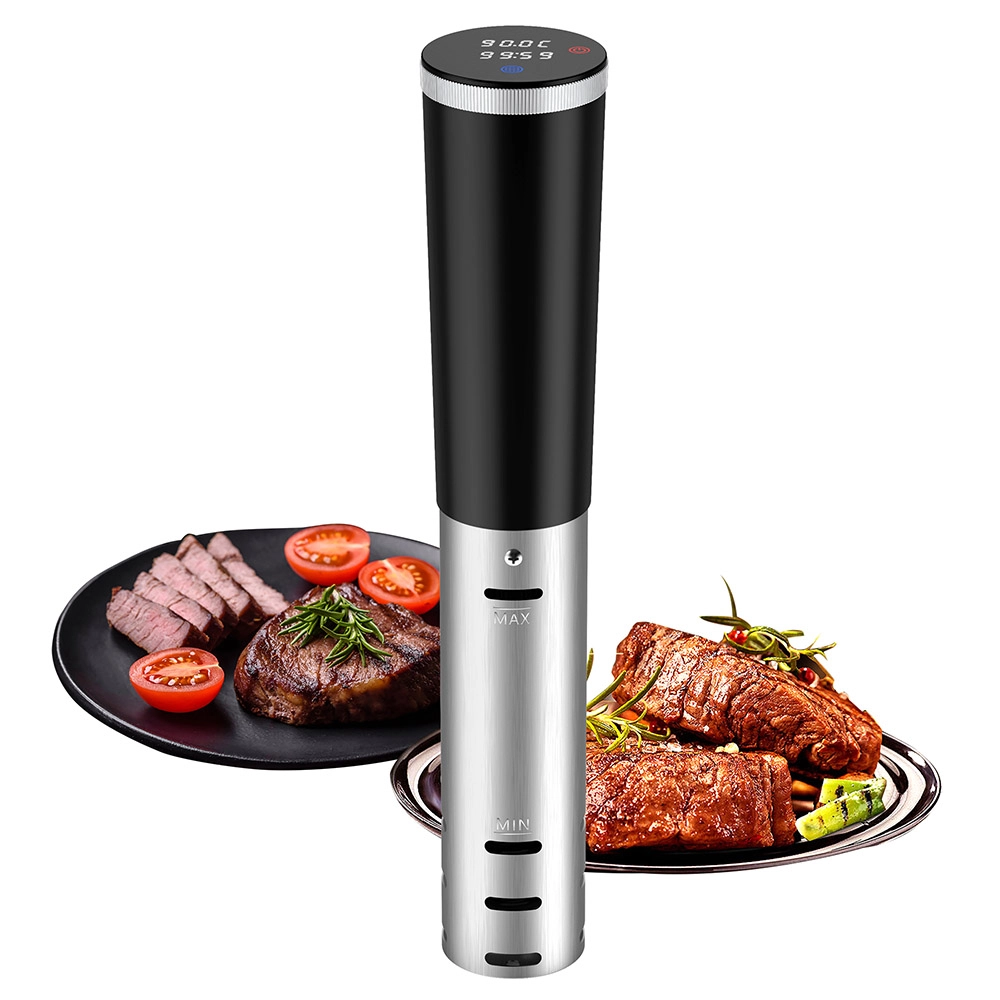
Sous Vide SV220
Jiaolong's Sous Vide SV220: A premium Sous Vide ODM solution. Reliable and efficient, the SV220 is the perfect choice for your next project. Partner with a leading sous vide supplier. Contact us today!
© 2025 JIAOLONG All Rights Reserved. Privacy Policy | Terms and Conditions | Sitemap