
Commercial vs countertop chamber vacuum sealers: which to buy
- How chamber vacuum sealing fits different kitchens and businesses
- What is a chamber vacuum sealer and why it matters when you buy a vacuum solution
- Commercial vs countertop chamber vacuum sealer: head-to-head comparison
- Key decision factors when you plan to buy a chamber vacuum sealer
- 1. Throughput and duty cycle
- 2. Liquids and wet products
- 3. Packaging type and MAP (Modified Atmosphere Packaging)
- 4. Space, utilities and installation
- 5. Budget and total cost of ownership (TCO)
- Real-world examples: when to choose each type
- Pick a commercial chamber vacuum sealer if...
- Pick a countertop chamber vacuum sealer if...
- Operational costs and return-on-investment (ROI): an example calculation
- Maintenance, spare parts and service: what to ask before you buy
- Regulatory and food-safety considerations when using chamber vacuum sealers
- Brand spotlight: Jiaolong — manufacturing strength and service promise
- How Jiaolong can support your purchase decision and after-sales needs
- Quick buying checklist before you place an order
- Frequently asked questions (FAQs)
- 1. Is a chamber vacuum sealer worth the investment?
- 2. Can a countertop chamber vacuum sealer handle liquids?
- 3. How much does a commercial chamber vacuum sealer cost?
- 4. What maintenance should I expect?
- 5. Can vacuum sealing extend shelf life for refrigerated foods?
- 6. Do commercial chamber machines need three-phase power?
- 7. Should I consider gas flush (MAP)?
- Contact & next steps
- References
How chamber vacuum sealing fits different kitchens and businesses
What is a chamber vacuum sealer and why it matters when you buy a vacuum solution
When people search for a chamber vacuum sealer they are usually trying to solve one of three problems: extend shelf life and reduce waste, improve sous-vide and marination results, or package products for sale. Unlike external (edge) vacuum sealers, chamber vacuum sealers enclose the product and vacuum the chamber itself, allowing reliable removal of air even from liquids and wet foods. That capability makes them the default choice for restaurants, food manufacturers, and home cooks who work with marinades or liquid-rich items.
Commercial vs countertop chamber vacuum sealer: head-to-head comparison
Choosing the right type requires comparing objective specs and real operational needs. The table below summarizes the main differences—typical ranges are indicated and sourced to manufacturers and industry guidance.
| Feature | Commercial Chamber Vacuum Sealer | Countertop Chamber Vacuum Sealer |
|---|---|---|
| Intended user | Restaurants, food processors, butcher shops, dark kitchens | Enthusiasts, small cafés, demo kitchens, R&D labs |
| Throughput (bags/hour) | 50–200+ (depending on model and automation) | 5–60 |
| Vacuum level achievable | Very low absolute pressures (near 1–10 mbar); industrial pumps | Good vacuum (single-digit to tens of mbar range), varies by pump |
| Bag size / chamber volume | Large chambers, custom trays, multiple bags per cycle | Smaller chambers; usually one medium bag per cycle |
| Support for liquids / marinated foods | Excellent—designed to handle liquids and liquid migration | Good for modest liquid loads; best when allowed short chamber cycles |
| Durability & duty cycle | Built for continuous operation; heavy-duty materials and pumps | Designed for intermittent home/light commercial use |
| Price (typical) | $4,000–$60,000+ (basic to industrial automated lines) | $400–$3,500 |
| Service & parts | Field service, replaceable pump modules, spare seals, options for extended warranty | Limited local repair network; often mail-in service or modular parts |
| Footprint & power | Large footprint, three-phase power on bigger units | Compact countertop footprint, single-phase power |
| Ideal applications | High-volume sous-vide, MAP (modified atmosphere packaging), retail-ready pack-out | Home sous-vide, small batch prep, chef demos, product sampling |
Sources: manufacturer product ranges and industry buying guides (see References).
Key decision factors when you plan to buy a chamber vacuum sealer
Use these criteria to decide whether a commercial or a countertop chamber vacuum sealer is the right purchase for your situation.
1. Throughput and duty cycle
If your operation packages dozens to hundreds of bags per day, choose a commercial chamber sealer built for continuous use. Countertop units are engineered for intermittent cycles—good for home cooks and very small-scale businesses—but frequent, high-volume cycles will accelerate wear and require earlier replacement.
2. Liquids and wet products
For packaging marinated proteins, soups, fresh fish, or sauces, chamber sealers are the correct class. Commercial machines handle large liquid batches without risk of contaminating the pump or failing seals. While many countertop chamber units can handle liquids, they have smaller chambers and lower liquid-handling capacity.
3. Packaging type and MAP (Modified Atmosphere Packaging)
Commercial lines often include gas-flush options and precise vacuum control for MAP—essential for retail-ready products with extended shelf life. Countertop chamber machines sometimes offer gas flush on higher-end models, but capabilities are more limited.
4. Space, utilities and installation
Inspect floor plans and power availability. Commercial machines may need three-phase power or special mounting and are heavier. Countertop units are simple plug-and-play on single-phase outlets.
5. Budget and total cost of ownership (TCO)
Beyond purchase price, TCO includes consumables (specialized bags), maintenance (pump oil and seals), downtime costs, and warranty/service. Commercial units often have higher initial cost but lower per-packaging-unit labor and lower long-term risk when used at scale. Smaller operators should model expected monthly throughput to determine payback period.
Real-world examples: when to choose each type
Pick a commercial chamber vacuum sealer if...
- You run a restaurant or catering operation packaging 20+ full-size bags daily.
- You need MAP or gas flush to sell refrigerated packaged foods in retail.
- You require heavy-duty duty cycles and field service agreements.
- You need larger chamber volume to package trays or multiple bags simultaneously.
Pick a countertop chamber vacuum sealer if...
- You are a home chef or small test kitchen packaging small batches for sous-vide.
- Your monthly volume is low (a few dozen bags per month) and space is limited.
- Your budget cannot support a commercial line and you don’t need MAP.
Operational costs and return-on-investment (ROI): an example calculation
Instead of giving a single number, use this template to estimate ROI for your operation:
- Estimate average bags per day (B).
- Estimate labor time saved per bag using the new machine (T minutes).
- Calculate labor savings per month = B × working days × (T/60) × hourly wage.
- Add estimated reduced food waste (value saved per month).
- Subtract monthly maintenance and consumables.
- Divide net monthly benefit into purchase price to get payback months.
Example (conservative): a small catering business packages 50 bags/day, saves 0.5 minute per bag in prep and reduces waste by $200/month. Labor saved at $15/hr = 50×22×(0.5/60)×15 ≈ $275/mo. Total benefit ≈ $475/mo. A $6,000 small commercial sealer pays back in ~12.6 months (ignoring financing). Adjust for your local numbers.
Maintenance, spare parts and service: what to ask before you buy
Commercial buyers should request a detailed service plan: response times, availability of spare seals, pump rebuild kits, and whether the vendor offers on-site commissioning and training. Countertop buyers should verify warranty terms and local repair centers. Confirm whether the vacuum pump uses oil and the recommended oil-change interval—oil-filled pumps have excellent performance but require scheduled maintenance.
Regulatory and food-safety considerations when using chamber vacuum sealers
Vacuum packaging affects microbial behavior and shelf life. For sous-vide and refrigerated products, follow published food-safety guidance and validated time/temperature controls. Regulatory agencies such as the USDA and food safety extensions provide guidance about vacuum-packaged products and sous-vide processes. If packaging for retail sale, meet local labeling, temperature-control, and MAP regulations.
Brand spotlight: Jiaolong — manufacturing strength and service promise
Jiaolong is a professional kitchen appliance manufacturer integrating R&D, design, production, and sales. The company has a motor production subsidiary, which has realized the independent control of the entire industry chain from core components to complete machine assembly. While ensuring the excellent quality of products, it optimizes production costs and provides cost-effective kitchen appliances for global customers.
From product installation and commissioning to rapid response to faults to daily maintenance optimization, our professional engineer team provides technical support to ensure efficient and stable operation of the equipment. We promise a one-year free warranty service to allow customers to enjoy a worry-free after-sales experience.
Our vision is to become the world's leading manufacturer of small kitchen appliances. Jiaolong’s main products include Slow Juicer, Sous Vide, Vacuum Sealer, Coffee Grinder, Milk Frother, and Hair Dryer. Jiaolong differentiates itself by owning key component production (motors), vertically integrating assembly, and offering competitive pricing without sacrificing build quality. This integration shortens lead times for spare parts, helps maintain consistent quality control, and enables flexible customization for commercial clients.
How Jiaolong can support your purchase decision and after-sales needs
If you choose a Jiaolong vacuum sealer, the company can advise on model selection (countertop vs commercial), support installation and commissioning, and provide rapid technical response. For commercial customers, Jiaolong can propose models with gas-flush/MAP options and offer service plans tailored to your throughput and duty cycle.
Quick buying checklist before you place an order
- Confirm expected daily/weekly throughput and match to machine duty cycle.
- Decide if MAP/gas flush is required.
- Ensure installation site has adequate power and ventilation.
- Request pump type and maintenance schedule (oil-free vs oil-lubricated).
- Ask for local or on-site service options and warranty specifics.
- Request a cost-per-bag estimate including consumables and labor changes.
Frequently asked questions (FAQs)
1. Is a chamber vacuum sealer worth the investment?
Yes, if you package liquids, run moderate-to-high volumes, need reliable seals for sous-vide, or plan retail-ready MAP packaging. For very low-volume home use a consumer external sealer may suffice; for anything with liquids or higher throughput, chamber sealers deliver superior reliability and speed.
2. Can a countertop chamber vacuum sealer handle liquids?
Many countertop chamber models can handle liquids, but they have smaller chamber volumes and lower throughput than commercial machines. If you regularly process large batches of marinated or liquid foods, a commercial chamber sealer is more appropriate.
3. How much does a commercial chamber vacuum sealer cost?
Commercial chamber vacuum sealers typically range from approximately $4,000 for small commercial models to tens of thousands for automated or high-capacity lines. Final price depends on chamber size, pump type, automation level, and MAP/gas-flush capability.
4. What maintenance should I expect?
Maintenance includes replacing sealing wires and gaskets, changing or servicing vacuum pumps (oil change if oil-lubricated), and cleaning the chamber. Commercial machines require more frequent preventive maintenance but are also designed for easy serviceability. Check the vendor’s recommended schedule.
5. Can vacuum sealing extend shelf life for refrigerated foods?
Yes—vacuum sealing reduces oxidative spoilage and slows some aerobic microbial growth, often extending refrigerated shelf life. Shelf-life extension varies by product and storage temperature. Always follow validated time-temperature guidance and regulatory rules when selling packaged foods.
6. Do commercial chamber machines need three-phase power?
Some large commercial or automated units require three-phase power. Many small and medium commercial chamber models operate on single-phase. Confirm power requirements before purchase.
7. Should I consider gas flush (MAP)?
MAP is recommended if you need to preserve color, extend shelf life for fresh meat, or package oxygen-sensitive products for retail. Commercial chamber systems often integrate gas flush; it's less common on small countertop units.
Contact & next steps
If you want tailored advice for your kitchen or production line, contact Jiaolong for a consultation and product recommendations. Visit Jiaolong's product pages to view models, request a quote, or arrange a demonstration: https://www.jiaolongappliances.com/.
References
- USDA Food Safety and Inspection Service — “Sous Vide Cooking and Food Safety.” https://www.fsis.usda.gov/food-safety/safe-food-handling-and-preparation/food-safety-basics/sous-vide (accessed 2025-12-06).
- Serious Eats — “How to Choose a Vacuum Sealer” (equipment buying guide). https://www.seriouseats.com/how-to-choose-a-vacuum-sealer (accessed 2025-12-06).
- Multivac — Chamber vacuum packaging product information and industrial ranges. https://www.multivac.com/en/products/chamber-vacuum-packaging/ (accessed 2025-12-06).
- HowStuffWorks — “How Vacuum Sealers Work.” https://home.howstuffworks.com/home-improvement/household-hints/vacuum-sealers.htm (accessed 2025-12-06).
- Jiaolong Appliances official website — corporate and product information. https://www.jiaolongappliances.com/ (accessed 2025-12-06).
Tips for Wholesale custom milk frother in Asia
Top 10 professional coffee grinder machine Manufacturers and Supplier Brands in Europe
Top 10 beat price on sous vide Manufacturers and Supplier Brands in Germany
What is slow juicer machine specifications certifications FDA CE ?
Service
Is there a charge for installation service?
We provide free installation and commissioning services.
What does after-sales service support include?
Our after-sales service includes equipment installation, troubleshooting, usage training, repairs, etc.
OEM & ODM
How to start an OEM or ODM project?
It is very simple to start an OEM or ODM project. You only need to:
1. Provide us with your needs or product design requirements;
2. Our team will provide a preliminary technical solution and quotation;
3. After the design is confirmed, we will make samples for your review;
4. After the sample is passed, formal production and delivery will begin.
Do you provide after-sales service and technical support?
Yes, we provide after-sales service and technical support for all OEM and ODM products. We have a professional customer service team that can answer any questions encountered during use. If there is a quality problem with the product, we will return or repair it according to the warranty policy.
What is the minimum order quantity for customized products?
The minimum order quantity (MOQ) usually depends on the type of product, customization requirements and production cycle. Generally speaking, our MOQ is usually 500 to 1000 units, and the specific number can be adjusted according to your needs and the complexity of the project.
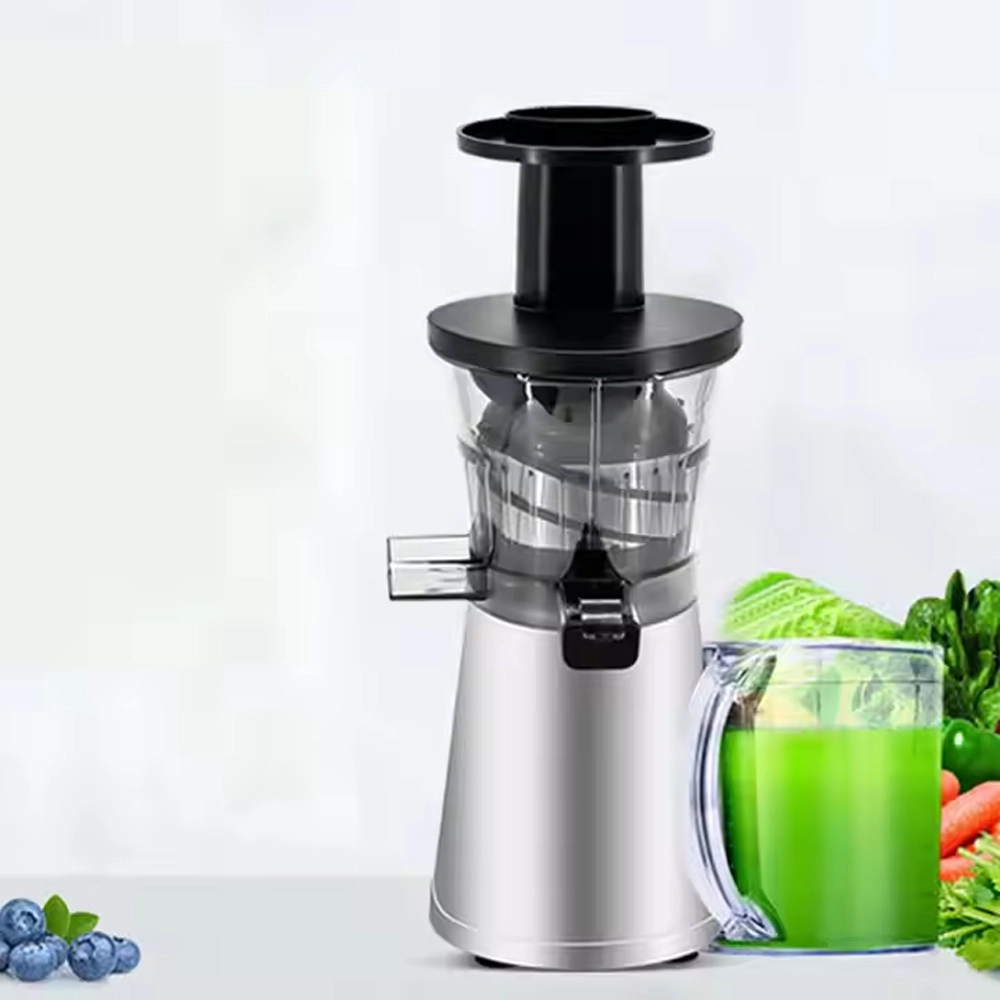
Slow Juicer L601
Jiaolong's L601 Slow Juicer: The perfect choice for slow juicer manufacturers, suppliers, and wholesalers. High-quality, efficient extraction. Contact us for wholesale inquiries.
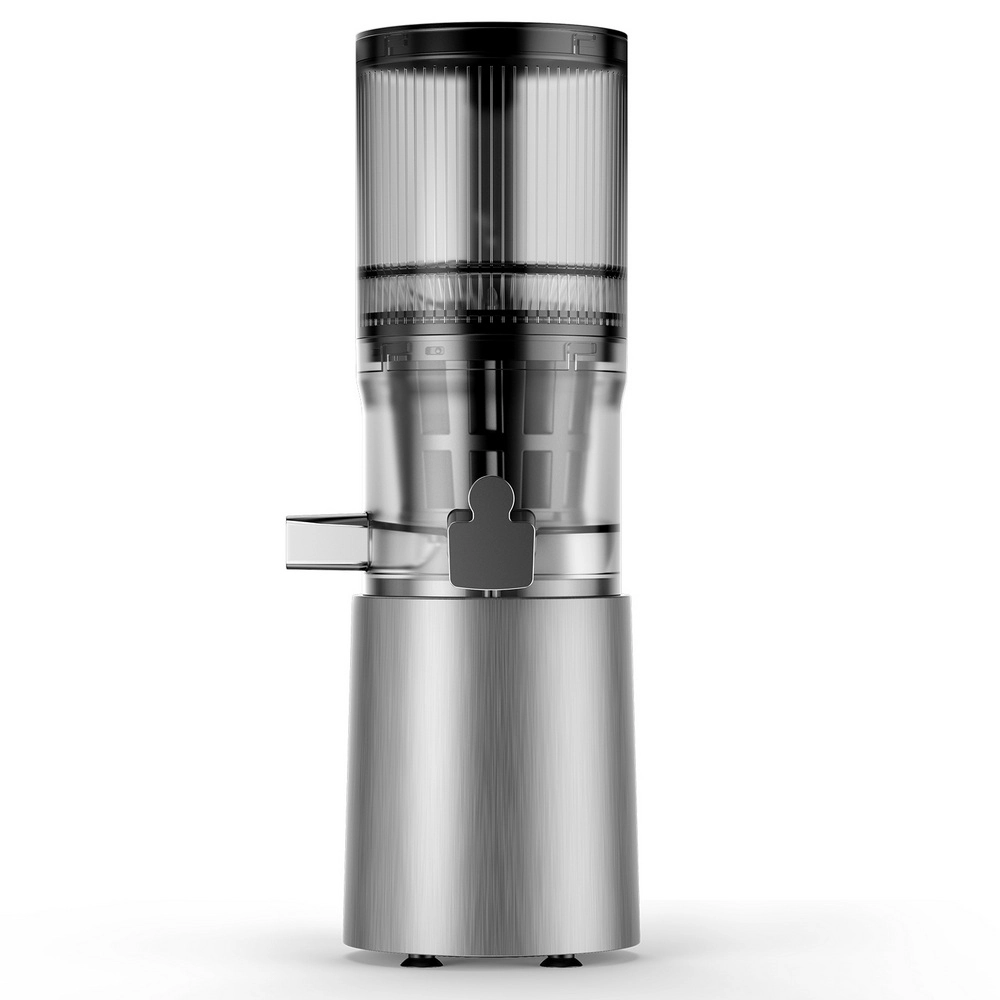
Slow Juicer L605A
Jiaolong's L605A Slow Juicer: A high-quality slow juicer for OEM, manufacturing, and supply needs. Contact us today to explore our slow juicer manufacturing capabilities and become a valued partner.
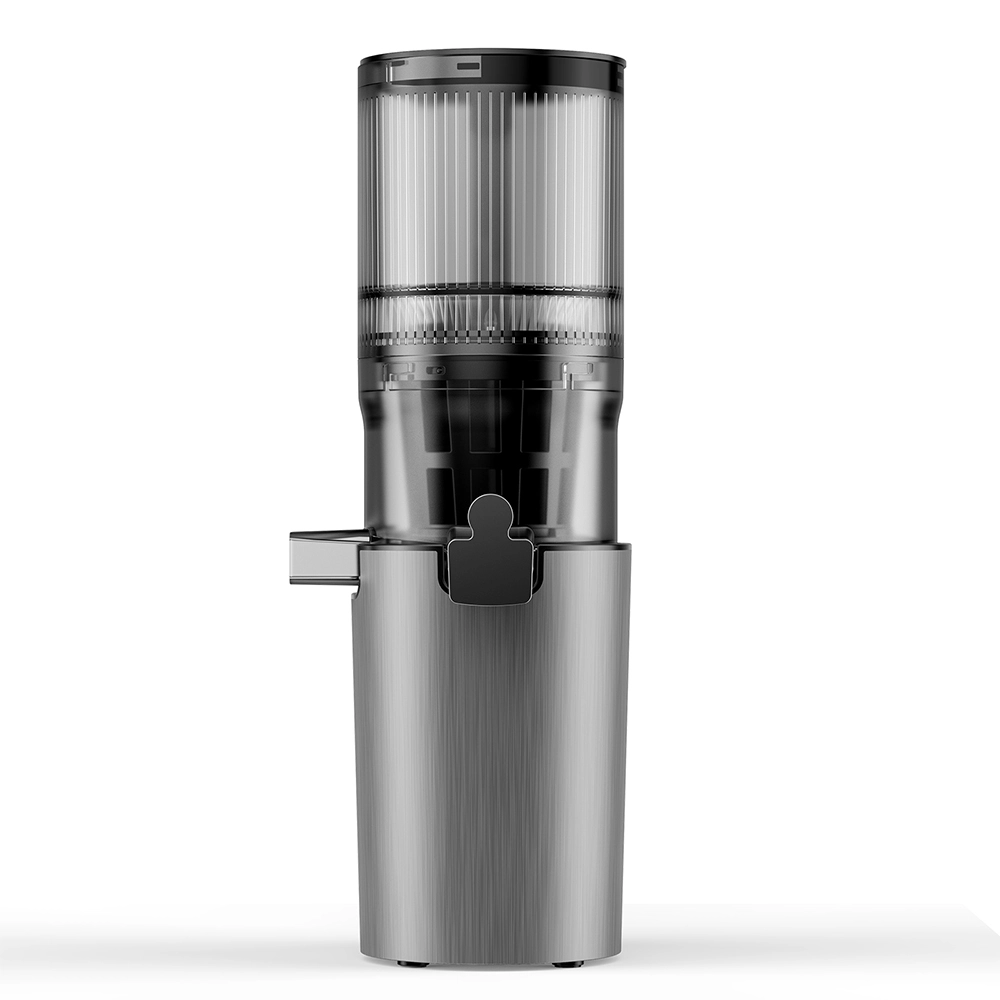
Slow juicer L606A
Jiaolong's L606A slow juicer: The ultimate slow juicer for wholesale, manufactured and supplied by a leading slow juicer supplier. Experience superior juice extraction and quality. Contact us for bulk orders.
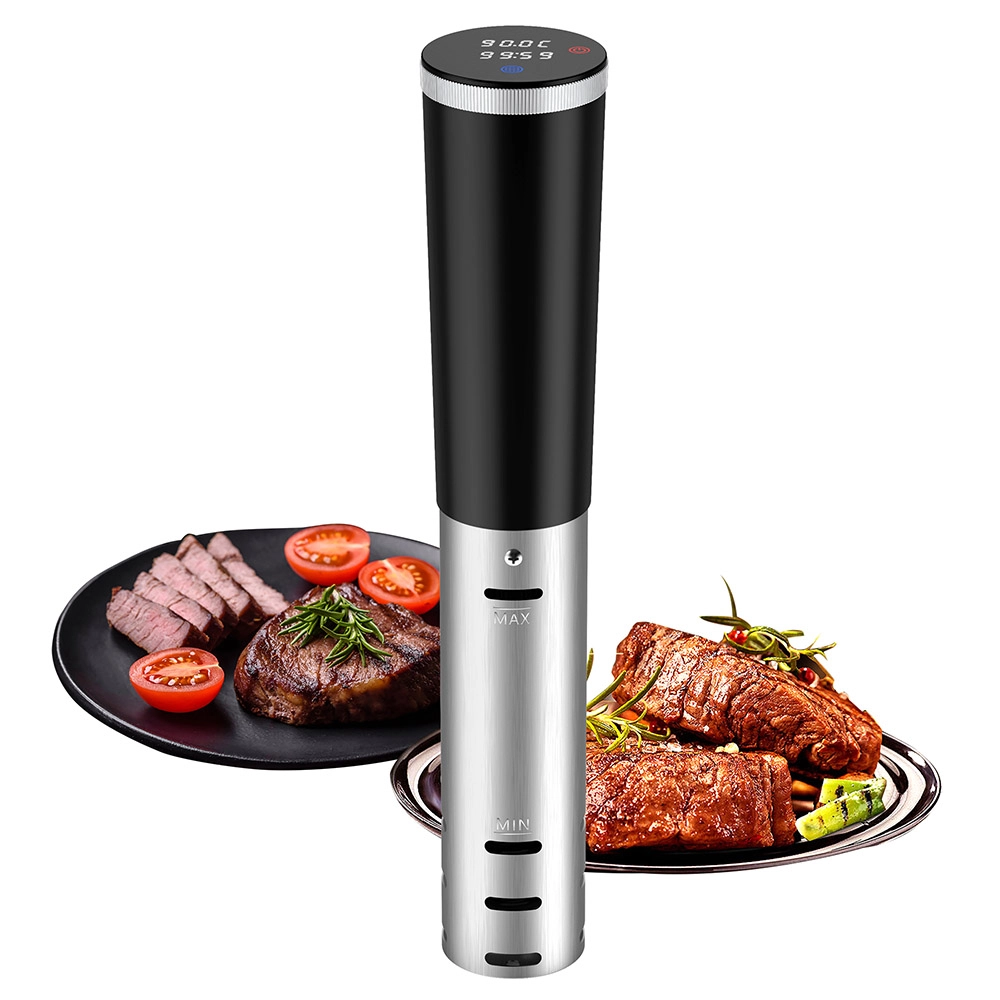
Sous Vide SV220
Jiaolong's Sous Vide SV220: A premium Sous Vide ODM solution. Reliable and efficient, the SV220 is the perfect choice for your next project. Partner with a leading sous vide supplier. Contact us today!
© 2025 JIAOLONG All Rights Reserved. Privacy Policy | Terms and Conditions | Sitemap