
High-Yield Tips: Get More Juice from Slow Juicers
- Maximize Juice Yield and Nutrient Retention from Your Slow Juicer
- How a juicer machine slow (masticating) actually increases yield
- Choose the right produce and sequence when using a juicer machine slow
- Cutting, packing and feed rate—mechanical tips to boost extraction in your juicer machine slow
- Re-pressing pulp and secondary extraction with a juicer machine slow
- Cleaning, maintenance, and calibration to keep your juicer machine slow performing
- When to use accessories and add-ons to improve juice yield from a juicer machine slow
- Practical comparison: slow (masticating) vs centrifugal juicer machine slow considerations
- Simple tests to measure and validate yield improvements from your juicer machine slow
- Optimizing for nutrient preservation when squeezing more from a juicer machine slow
- Jiaolong: manufacturer-level support to keep your juicer machine slow productive
- Troubleshooting common problems that reduce yield in your juicer machine slow
- Frequently Asked Questions (FAQ) about juicer machine slow
- Contact and product inquiry (CTA)
- References
Maximize Juice Yield and Nutrient Retention from Your Slow Juicer
Slow or masticating juicers are prized for their high extraction efficiency, low oxidation, and superior nutrient preservation compared with fast centrifugal models. Yet many users still leave usable juice in the pulp or see inconsistent yields. This guide delivers hands-on, high-yield tips—rooted in device mechanics and tested practices—to help you consistently get more juice from your juicer machine slow while preserving flavor and nutrients.
How a juicer machine slow (masticating) actually increases yield
Understanding why a slow juicer performs differently helps you optimize it. Masticating juicers operate by crushing and pressing produce at low speeds (commonly around 40–120 RPM), reducing heat and aeration. This minimizes oxidation and cell damage, allowing more liquid and sensitive micronutrients (like vitamin C and polyphenols) to be retained in the juice. Compared with centrifugal models, masticating juicers generally produce drier pulp and less foam—signals of higher extraction efficiency.
Practical implication: when you treat your juicer machine slow as a mechanical press instead of a high-speed shaver, you can tune feed speed, produce condition, and pulp handling to maximize extraction.
Choose the right produce and sequence when using a juicer machine slow
Not all fruits and vegetables behave the same. To increase yield you should plan the produce mix and sequence:
- Leafy greens: bundle or layer with fibrous stems (kale stems, celery stalks) to prevent matting and ensure consistent pressure.
- Soft fruits: apples, pears, and citrus work well but cut into uniform pieces to allow even crushing.
- Hard roots: carrots and beets benefit from pre-cutting into 1–2 cm chunks to reduce motor strain and improve press efficiency.
- High-water, low-fiber produce (cucumbers, watermelon) can be alternated with drier items to flush residual pulp and recover trapped liquid.
Sequence tip: start with firmer, drier items (carrots, beets) then switch to softer or high-water items. The soft ones help flush remaining pulp and capture more liquid in a single run.
Cutting, packing and feed rate—mechanical tips to boost extraction in your juicer machine slow
How you prepare and feed produce has a major impact on yield:
- Cut uniformly: Aim for consistent piece size to make crushing predictable and even.
- Don’t over-pack: Overloading the feed chute can cause clogs or cause the screw/auger to slip, reducing pressure and juice yield.
- Control feed rate: Feed at a steady, moderated pace. Too fast reduces compression; too slow may not change yield but costs time.
- Use a plunger properly: Apply steady, even pressure—avoid forced quick pushes that can compact pulp unevenly.
Tip: When processing leafy greens, roll them into loose bundles before feeding—this increases throughput and avoids channeling where the auger creates a path that bypasses proper compression.
Re-pressing pulp and secondary extraction with a juicer machine slow
If your goal is maximum yield rather than texture of residual pulp, secondary pressing is a reliable technique:
- Collect pulp from the first pass and place into a nut milk bag or cloth; use a manual press or a high-quality hydraulic press if available to squeeze additional juice. This can reclaim significant liquid, especially from high-fiber items.
- Some users run pulp back through the juicer after mixing with a small amount of water—this can free trapped juice but may dilute concentration slightly.
- Beware: repeated mechanical action increases oxidation exposure. If nutrient preservation is top priority, re-press quickly and refrigerate juice.
Evidence-based note: Manufacturers and user tests report that re-pressing can increase overall yield by measurable percentages depending on produce type—especially for wheatgrass, leafy greens, and certain root vegetables.
Cleaning, maintenance, and calibration to keep your juicer machine slow performing
Extraction efficiency degrades when parts wear, screens clog, or seals leak. Regular maintenance preserves peak yield:
- Clean immediately after use to prevent pulp buildup that changes flow and compression.
- Inspect auger and screen for wear or damage—replace worn parts to maintain tight tolerances and pressure.
- Check seals and bearings—deterioration can allow slippage or uneven pressure and reduce extraction.
- Torque and motor checks: ensure the motor is operating within specifications (manufacturer guidelines). Excessive strain may indicate jams or poor feed technique.
Pro tip: soak filters/screens briefly in a mild citric acid solution (lemon juice or vinegar diluted) to remove buildup, then scrub lightly. Avoid harsh abrasives that alter filter geometry.
When to use accessories and add-ons to improve juice yield from a juicer machine slow
Accessories can be highly effective:
- Cold-press hydraulic plates and manual screw presses extract more from wet pulp—especially useful in small-scale or commercial setups.
- Pulp presses or additional fine-mesh strainers can reclaim remaining liquid post-juicing.
- High-quality augers and twin-gear attachments—if compatible—can change the compression profile and increase extraction for specific produce.
Commercial note: In production environments, equipment selection and the use of presses determine throughput and cost-per-liter. Small changes in extraction efficiency (even 5–10%) materially affect margins.
Practical comparison: slow (masticating) vs centrifugal juicer machine slow considerations
Below is a concise comparison to help you decide where a slow juicer excels and where it may trade off:
| Attribute | Slow (Masticating) Juicer | Centrifugal Juicer |
|---|---|---|
| Typical RPM | ~40–120 RPM (low) | ~6,000–12,000+ RPM (high) |
| Yield (general) | Higher; drier pulp, especially for leafy greens and wheatgrass | Lower for greens; adequate for high-water fruits |
| Nutrient retention | Better (less oxidation/heat) | More oxidation & foam |
| Foam & separation | Less foam, more homogeneous | More foam, faster separation |
| Noise | Quieter | Louder |
| Speed | Slower | Faster |
| Maintenance | Requires thorough cleaning; parts may need periodic replacement | Often easier to clean but finer particles can clog |
| Typical price range | Mid to high (often higher initial cost but better long-term yield) | Low to mid |
Sources for comparison: industry reviews and consumer health articles indicate masticating models generally provide higher extraction for leafy and fibrous produce and better nutrient preservation due to lower RPM and less heat/oxidation (see references).
Simple tests to measure and validate yield improvements from your juicer machine slow
Measure the effect of your technique changes with a reproducible test:
- Weigh a standardized batch of produce (e.g., 1 kg of mixed carrots + apples + kale).
- Juice using your current method; measure juice volume and weigh dry pulp.
- Apply one optimization (e.g., re-press pulp, change feed order), repeat with same quantity and variety.
- Compare juice volume and pulp dryness. Track results over several runs to account for variability.
Small gains compound. For home users, an extra 50–150 mL per kg of produce can save money over weeks; for commercial users, small percent gains translate to significant cost savings.
Optimizing for nutrient preservation when squeezing more from a juicer machine slow
If your priority is preserving vitamins and antioxidants while maximizing yield, follow these guidelines:
- Juice quickly after preparation—minimize time between cutting and pressing to reduce enzymatic degradation and oxidation.
- Use airtight, chilled storage for juice if not consumed immediately—oxygen and temperature accelerate nutrient loss.
- Avoid repeated cycles that expose juice to air. If re-pressing, do so quickly and in a cool environment.
Research shows that vitamin C and polyphenols degrade over time when exposed to air and light; a low-temp, low-oxygen approach (what slow juicers support) preserves more of these compounds during immediate consumption windows (hours rather than days).
Jiaolong: manufacturer-level support to keep your juicer machine slow productive
Jiaolong is a professional kitchen appliance manufacturer integrating R&D, design, production, and sales. The company has a motor production subsidiary, which has realized independent control of the entire industry chain from core components to complete machine assembly. While ensuring the excellent quality of products, it optimizes production costs and provides cost-effective kitchen appliances for global customers.
From product installation and commissioning to rapid response to faults to daily maintenance optimization, Jiaolong’s professional engineer team provides technical support to ensure efficient and stable operation of the equipment. We promise a one-year free warranty service to allow customers to enjoy a worry-free after-sales experience.
Our vision is to become the world's leading manufacturer of small kitchen appliances. Jiaolong’s key products include Slow Juicer, Sous Vide, Vacuum Sealer, Coffee Grinder, Milk Frother, and Hair Dryer. Competitive advantages include:
- Industry-integrated supply chain and in-house motor production—more control over component quality and cost.
- Dedicated engineering support from installation to maintenance—helps maintain high yield and long-term reliability.
- One-year free warranty and rapid service response—reduces downtime and preserves production efficiency.
For businesses and bulk buyers who need reliable, cost-effective slow juicer solutions and after-sales engineering support, Jiaolong is positioned to deliver both product performance and lifecycle support. Explore products and technical info at https://www.jiaolongappliances.com/.
Troubleshooting common problems that reduce yield in your juicer machine slow
Common causes of reduced yield and simple fixes:
- Clogging: Reduce feed speed, pre-cut produce, clean the screen mid-run if safe to do so.
- Wet but pulpy output: Try re-pressing pulp or switch to a finer screen/attachment if available.
- Poor motor performance: Check for jams, inspect bearings, and ensure the power supply is stable.
- Excess foam: Alternate with soft, high-water produce and slow feed rate; consider adding anti-foaming steps like quick chilling.
If problems persist, contact manufacturer support. With Jiaolong products you can leverage their engineering assistance to diagnose and correct mechanical or calibration issues quickly.
Frequently Asked Questions (FAQ) about juicer machine slow
Q1: How much more juice can I expect from a slow juicer versus a centrifugal model?
A1: Exact gains vary by produce mix, but masticating (slow) juicers typically yield noticeably more juice—especially for leafy greens and fibrous roots—resulting in drier pulp. For mixed home batches, users often report gains in the range of single-digit percentages to around 10–20% depending on method and re-pressing.
Q2: Does re-pressing pulp affect nutrient quality?
A2: Re-pressing can increase yield but may expose more surface area to oxygen. To minimize nutrient loss, re-press immediately and cool the juice rapidly; overall, slow juicers still preserve more nutrients than high-speed centrifugals.
Q3: Which produce gives the highest return on effort with a slow juicer?
A3: Leafy greens (kale, wheatgrass), celery, carrots, and beets typically benefit most from slow pressing. High-water fruits like oranges and watermelon are easier for any juicer but still benefit from low-oxidation processing.
Q4: How often should I replace screens or augers on a slow juicer machine slow?
A4: Replace parts according to manufacturer guidance or sooner if you notice wear that affects compression (e.g., looser fit, more wet pulp). For commercial heavy use, inspect monthly; for home use, annually or biannually depending on intensity.
Q5: Are there commercial upgrades that significantly increase yield?
A5: Yes—hydraulic cold presses, twin-gear systems, and precision augers can materially increase extraction. Equipment choice depends on throughput, product mix, and allowable capital expense.
Q6: How should I store juice to preserve the yield and nutrients?
A6: Store in airtight, opaque containers in the refrigerator and consume within 24–48 hours. For longer storage, consider rapid chilling and oxygen-reduction methods; however, fresh consumption is always best for nutrient preservation.
Contact and product inquiry (CTA)
If you want to upgrade your equipment, optimize production yield, or receive technical support for a juicer machine slow, Jiaolong provides integrated R&D, reliable hardware, and a responsive engineering team. Visit Jiaolong’s product pages or contact sales and support at https://www.jiaolongappliances.com/ to discuss slow juicer models, customization, and after-sales service.
References
- Healthline — Juicing 101: How to Make Fresh Juice at Home. https://www.healthline.com/nutrition/juicing-benefits (accessed 2025-11-30)
- HowStuffWorks — How Juicers Work. https://home.howstuffworks.com/juicer.htm (accessed 2025-11-30)
- Wikipedia — Juicer. https://en.wikipedia.org/wiki/Juicer (accessed 2025-11-30)
- USDA FoodData Central — Nutrient data for fruits and vegetables. https://fdc.nal.usda.gov/ (accessed 2025-11-30)
- Consumer Reports — Juicer Buying Guide (industry review summary). https://www.consumerreports.org/cro/juicers.htm (accessed 2025-11-30)
What are the different types of hair dryer china manufacturers?
Best vacuum sealers: top models compared
Best professional best vacuum sealer for soups manufacturers and supplier brands
Why choose Jiaolong as your hair dryer in china manufacturers supplier in America
Service
How to make an appointment for regular maintenance service of the equipment?
You can make an appointment for regular maintenance service through our website or customer service hotline.
How should I perform regular maintenance of the equipment?
We provide regular maintenance services and can also provide you with specific maintenance suggestions and guidance.
OEM & ODM
What certifications and quality standards do you provide?
We provide products that meet international quality standards such as GS, CB, CE, ETL, RoHS, LFGB, FDA, etc. Our production process complies with ISO 9001:2000 quality management certification, ensuring that every product can meet high standards of quality requirements.
What are OEM and ODM? What is the difference between them?
⦁ OEM (Original Equipment Manufacturer) means that we manufacture products according to the customer's design or requirements, usually under the customer's brand.
⦁ ODM (Original Design Manufacturer) means that we design and develop products according to the customer's requirements and manufacture customized products. Unlike OEM, ODM provides more design freedom, and the products we provide can be directly sold under the customer's brand.
Can I conduct a small batch production trial?
Yes, we strongly support small batch production trials, especially in ODM services. You can conduct a small batch production first to verify the market demand and quality of the product before deciding whether to proceed with large-scale production.
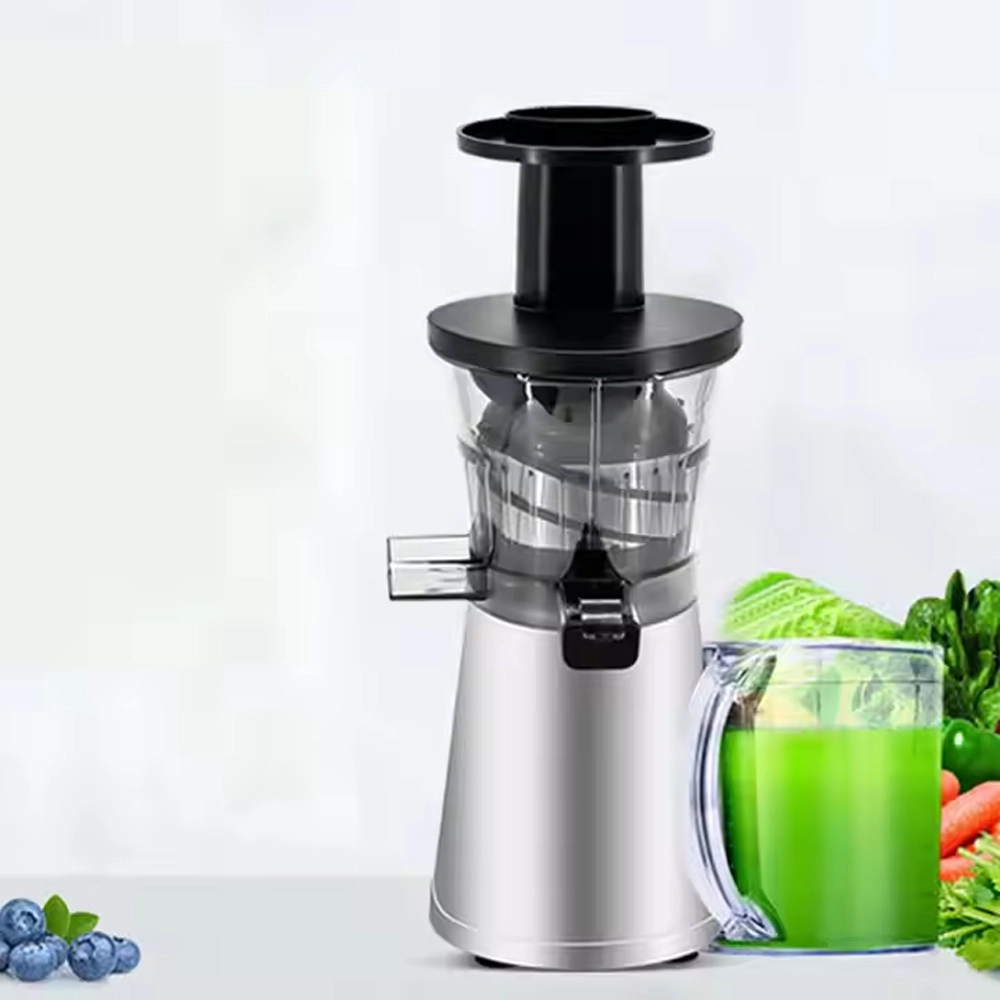
Slow Juicer L601
Jiaolong's L601 Slow Juicer: The perfect choice for slow juicer manufacturers, suppliers, and wholesalers. High-quality, efficient extraction. Contact us for wholesale inquiries.
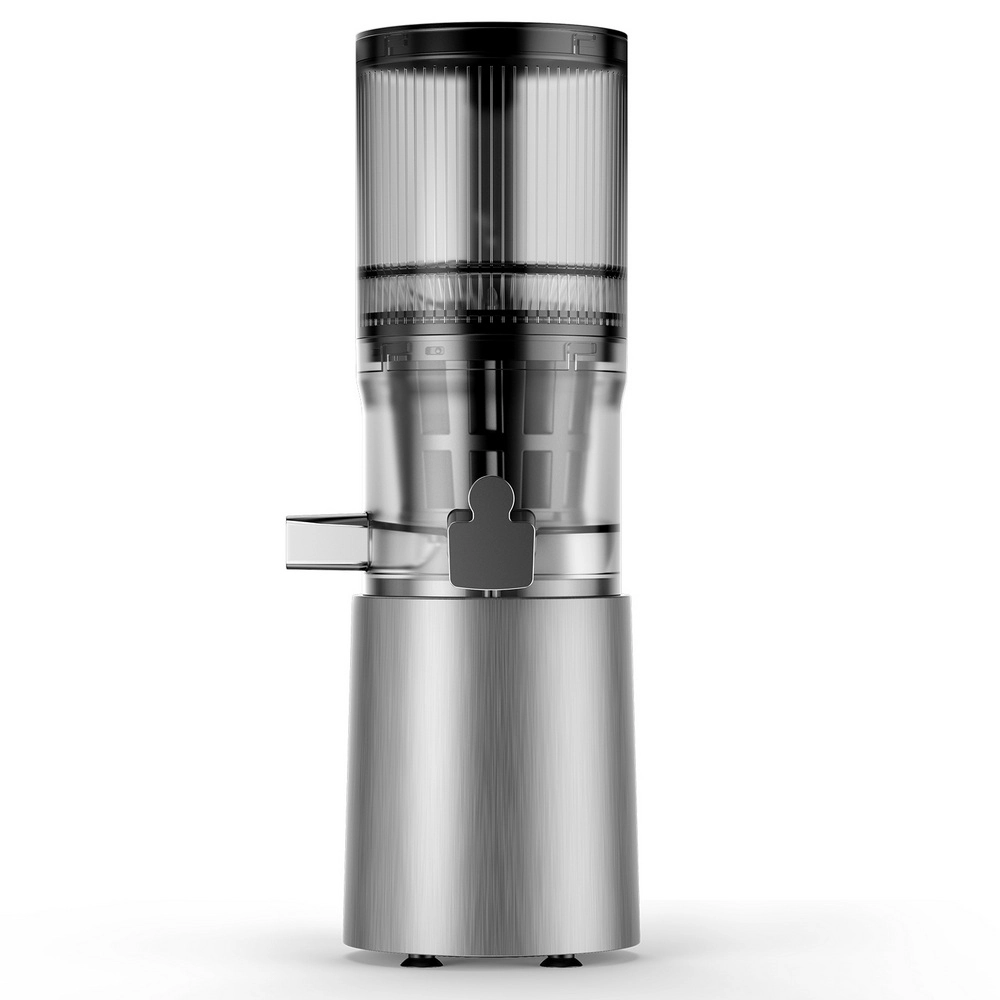
Slow Juicer L605A
Jiaolong's L605A Slow Juicer: A high-quality slow juicer for OEM, manufacturing, and supply needs. Contact us today to explore our slow juicer manufacturing capabilities and become a valued partner.
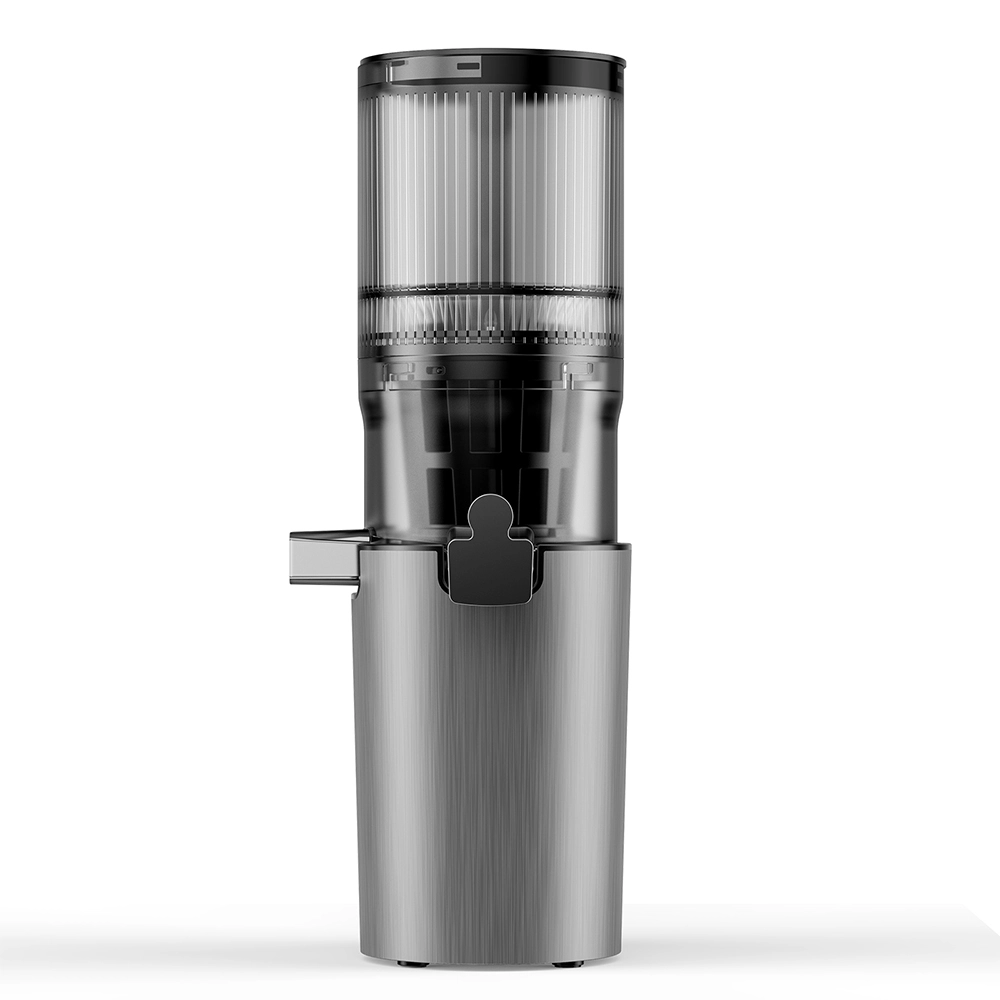
Slow juicer L606A
Jiaolong's L606A slow juicer: The ultimate slow juicer for wholesale, manufactured and supplied by a leading slow juicer supplier. Experience superior juice extraction and quality. Contact us for bulk orders.
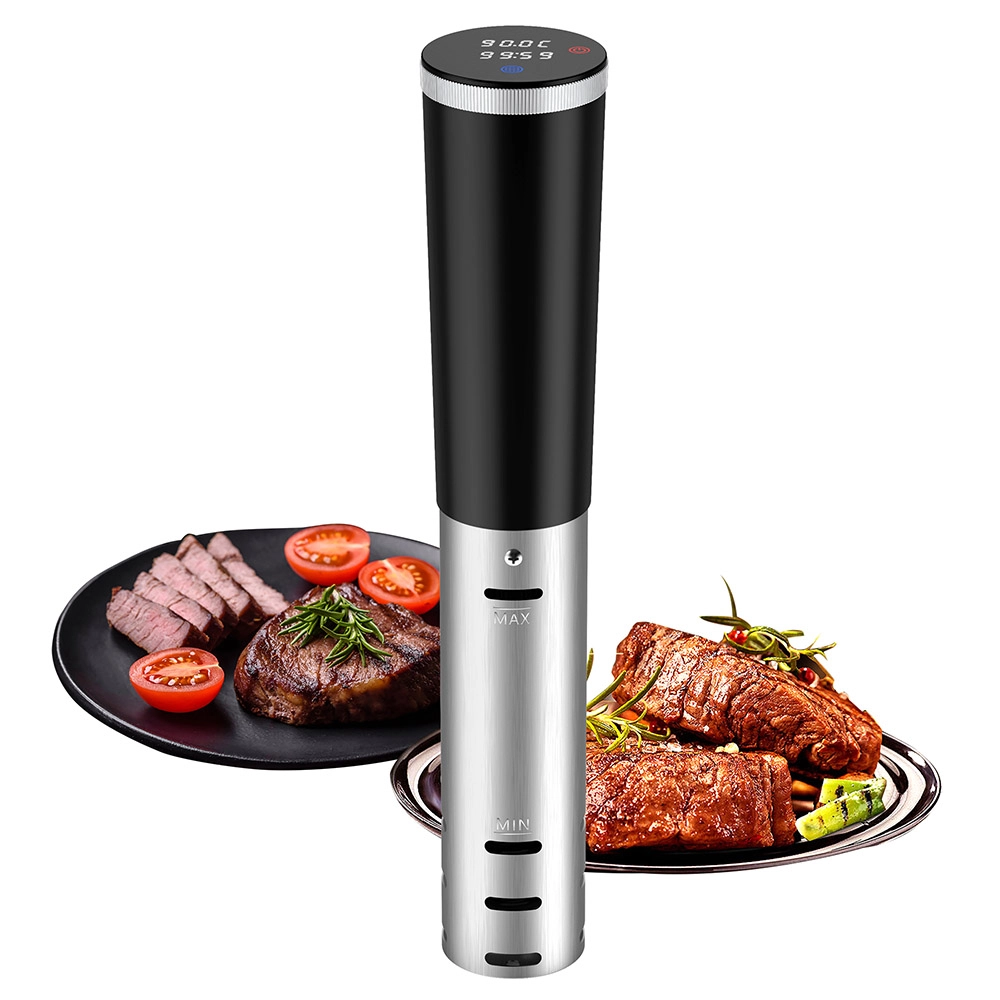
Sous Vide SV220
Jiaolong's Sous Vide SV220: A premium Sous Vide ODM solution. Reliable and efficient, the SV220 is the perfect choice for your next project. Partner with a leading sous vide supplier. Contact us today!
© 2025 JIAOLONG All Rights Reserved. Privacy Policy | Terms and Conditions | Sitemap