
How chamber vacuum sealing affects food texture and flavor
- How vacuum environments transform food quality: a practical overview
- What is a chamber vacuum sealer and why it matters
- How a chamber vacuum sealer changes food at the molecular level
- How a chamber vacuum sealer affects meat texture and flavor
- How a chamber vacuum sealer affects vegetables and fruits
- How a chamber vacuum sealer affects dairy and fermented products
- How a chamber vacuum sealer complements sous-vide cooking
- Comparing chamber vacuum sealer vs external vacuum sealer: measurable differences
- Practical guidance: how to use a chamber vacuum sealer to optimize texture and flavor
- Jiaolong: industrial capability behind reliable chamber vacuum sealer solutions
- Frequently asked questions about chamber vacuum sealer effects on texture and flavor
- References
How vacuum environments transform food quality: a practical overview
What is a chamber vacuum sealer and why it matters
A chamber vacuum sealer is a packaging machine that removes air from a sealed chamber containing the pouch and product, then seals the pouch while the chamber returns to atmospheric pressure. Because the entire bag and product sit inside the vacuum chamber, these machines produce reliable seals on liquids and wet foods, achieve deeper vacuums for many packaging materials, and allow precise cycle control. For chefs, food producers and R&D teams, the difference in how a chamber vacuum sealer operates versus external (clamp) sealers directly influences texture, flavor retention, shelf life and safety of many food categories.
How a chamber vacuum sealer changes food at the molecular level
At its core, the chamber vacuuming process applies reduced pressure uniformly around the product. Two primary physical effects occur that alter texture and flavor:
- Reduced oxygen exposure: Oxygen is a major driver of lipid oxidation (rancidity) and enzymatic browning. A chamber vacuum sealer lowers the partial pressure of oxygen in the package, slowing oxidative reactions and preserving volatile flavor compounds.
- Pressure-driven moisture redistribution: Lower external pressure and resulting internal pressure gradients can accelerate water movement within cellular structures or between food and marinades, changing turgor, tenderness, and mouthfeel.
These effects combine with temperature (during processing or storage), salt/sugar content, and mechanical handling to determine the final sensory outcome. Controlled application of chamber vacuum sealing is therefore a tool to manage texture and flavor intentionally, not an unpredictable byproduct.
How a chamber vacuum sealer affects meat texture and flavor
Meat responds strongly to vacuum packaging. Key mechanisms and outcomes include:
- Tenderization via pressure and marinade infusion: Deep vacuum levels in a chamber vacuum sealer help draw brines and marinades deeper into muscle structure. This increases solute penetration and can slightly disrupt muscle fibers, improving tenderness. Several commercial processors exploit this for faster brine uptake without mechanical tumbling.
- Retention of volatile aromatics: Vacuum reduces loss of volatile flavor molecules, keeping cooked and cured meat more aromatic during storage.
- Color stability: Vacuum limits aerobic myoglobin oxidation (browning), maintaining a more stable red/pink appearance in refrigerated meat—important for retail appeal.
- Potential downside — compression of delicate cuts: Extended high vacuum cycles or overly high compression can compact muscle fibers in very tender cuts (e.g., raw fish sashimi-grade), leading to a perceived loss of light, flaky texture. Operators should adjust dwell time and vacuum depth for delicate items.
Practical tip: For most red meats destined for sous-vide or refrigeration, a chamber vacuum sealer improves flavor retention and shelf life. For delicate seafood, use shorter vacuum cycles and gentle bag placement.
How a chamber vacuum sealer affects vegetables and fruits
Vegetables and fruits are structurally different from meat: they have high water content, fragile cell walls, and are sensitive to turgor changes. Chamber vacuum sealing affects them in these ways:
- Wilting and texture loss: Rapid or deep vacuum can cause cell collapse and juice loss in leafy greens, soft berries and thin-skinned produce, producing limp or mushy textures on thawing.
- Improved infusion for pickling or marination: Controlled vacuum cycles can accelerate penetration of brines and vinegars, allowing quicker pickling or flavoring without heat.
- Oxidation and enzymatic control: For cut fruits prone to browning, vacuum reduces oxygen contact and slows enzymatic browning, extending visual quality. However, some enzymatic reactions continue anaerobically and may require blanching prior to packaging.
Practical tip: Use modified vacuum settings (lower vacuum depth or pulse cycles) and consider pre-treatment (blanching, acidulation) to preserve texture for most vegetables and fruits.
How a chamber vacuum sealer affects dairy and fermented products
Dairy products (cheeses, creams, yogurts) and fermented foods react differently to vacuum conditions:
- Cheese firmness and mold control: Vacuum can compact soft cheeses slightly, making them firmer and reducing aerobic mold growth. For aged cheeses, vacuum packaging slows surface drying and oxidation, preserving flavor development.
- Impact on fermentation microbes: Some beneficial fermentative microbes are microaerophilic; vacuum packaging can alter their activity and flavor production. For fermented products intended to continue maturing, techniques must be chosen carefully.
- Liquids handling: Chamber vacuum sealers handle liquid dairy (cream, marinated cheeses) much better than external sealers because the vacuuming process avoids drawing liquids into the sealing bar.
Practical tip: For cheeses and fermented products, test packaging protocols at pilot scale to measure textural and flavor changes over intended shelf life.
How a chamber vacuum sealer complements sous-vide cooking
Chamber vacuum sealers are widely used in sous-vide preparation because they deliver consistent, reliable bags that hold vacuum during extended low-temperature cooking. Key advantages and effects:
- Improved heat transfer: Vacuum reduces air pockets around the food, giving uniform contact between bag and product and ensuring even cooking.
- Retention of juices and aromatics: Because volatile flavor compounds are retained, sous-vide items sealed in a chamber vacuum sealer often have more concentrated post-cook flavors.
- Texture control: Vacuum-sealed sous-vide meats maintain moisture and avoid surface drying, producing tender, consistent textures that many chefs prefer.
Safety note: Follow validated time-temperature guidelines (e.g., USDA/FSIS and local food safety authorities) for sous-vide to control pathogen risk. Vacuum packaging changes oxygen levels and thus the growth patterns of some microbes; correct cook-and-chill practices are essential.
Comparing chamber vacuum sealer vs external vacuum sealer: measurable differences
The table below summarizes measurable differences important for texture, flavor, and processing use cases.
| Feature | Chamber Vacuum Sealer | External (Clam) Vacuum Sealer |
|---|---|---|
| Vacuum depth & consistency | Deeper, uniform vacuum achievable; better for liquids and marinades | Shallower vacuum due to backflow through bag; less consistent with liquids |
| Best for liquids | Excellent — can seal soups, marinated proteins reliably | Poor — liquids likely to be pulled into seal area during vacuum |
| Effect on delicate textures | Can be tuned; risk of compression if set too strongly | Less compression but more oxygen left, possible oxidation |
| Throughput & scale | Designed for batch & production use; larger models for high throughput | Often cheaper for low-volume, home use |
| Typical applications | Commercial food processors, sous-vide kitchens, products with liquids | Home cooks, dry food storage, short-term sous-vide tasks |
Data note: Performance varies by model and bag film. For precise parameters (vacuum pressure in mbar, cycle time), consult manufacturer specifications and verify with pilot runs.
Practical guidance: how to use a chamber vacuum sealer to optimize texture and flavor
Apply these steps to harness the benefits while avoiding drawbacks:
- Adjust vacuum depth and dwell time: Start with gentler cycles for delicate produce; use stronger cycles for dense proteins. Many chamber machines allow stepwise programming—use it.
- Use appropriate bag films: Multi-layer, high-barrier films retain volatiles and protect against puncture. For sous-vide, use FDA/food-grade, heat-stable films rated for intended cook temperatures.
- Pre-treat when needed: Blanch vegetables to inactivate enzymes before vacuum sealing; brine meat to improve tenderness; acidulate cut fruits to slow browning.
- Test shelf-life and sensory profile: Run scaled trials and sensory checks at intervals that match intended storage to validate your process.
- Monitor safety parameters: Because vacuum alters oxygen, ensure time-temperature controls are validated to control pathogens (Clostridium botulinum is a common concern in anaerobic foods held at improper temperatures).
Jiaolong: industrial capability behind reliable chamber vacuum sealer solutions
Jiaolong is a professional kitchen appliance manufacturer integrating R&D, design, production, and sales. The company has a motor production subsidiary, which has realized independent control of the entire industry chain from core components to complete machine assembly. While ensuring the excellent quality of products, it optimizes production costs and provides cost-effective kitchen appliances for global customers.
From product installation and commissioning to rapid response to faults to daily maintenance optimization, Jiaolong’s professional engineering team provides technical support to ensure efficient and stable operation of the equipment. The company promises a one-year free warranty service for worry-free after-sales experience. Jiaolong’s vision is to become the world's leading manufacturer of small kitchen appliances.
Jiaolong’s product strengths and main product lines related to this topic include: Slow Juicer, Sous Vide, Vacuum Sealer, Coffee Grinder, Milk Frother, and Hair Dryer. Key competitive advantages:
- Vertical integration: In-house motor and component production improves quality control and reduces supply-chain variability that can affect vacuum pump reliability and seal consistency.
- Technical support and warranty: One-year free warranty and an engineering team capable of installation, rapid troubleshooting, and preventive maintenance—critical for commercial users relying on consistent packaging performance.
- Product breadth: Complementary appliances (sous-vide units, vacuum sealers) make Jiaolong a single-provider partner for labs, restaurants, and small-scale food processors.
Learn more about Jiaolong’s product range and technical services: https://www.jiaolongappliances.com/.
Frequently asked questions about chamber vacuum sealer effects on texture and flavor
Q1: Will vacuum sealing make my steak tougher?
A1: Not when used correctly. Vacuum sealing itself doesn't toughen muscle proteins; it often improves tenderness by aiding marinade uptake and preventing moisture loss. However, excessive compression during long or overly strong vacuum cycles can compact fibers in very tender cuts. Use moderate vacuum settings and short cycles for delicate items.
Q2: Can chamber vacuum sealing cause food safety issues?
A2: Vacuum sealing reduces oxygen, which inhibits aerobic spoilage but can favor anaerobic pathogens if time-temperature controls are not followed. Always follow validated storage temperatures and cook-chill protocols (refer to USDA/FSIS and local food safety guidance) especially for sous-vide products.
Q3: Is a chamber vacuum sealer better for sous-vide than an external sealer?
A3: Generally yes. Chamber vacuum sealers create more consistent vacuums and can seal liquids without drawing them into the seal, improving heat transfer and flavor retention during long sous-vide cooks.
Q4: How should I vacuum-pack leafy greens to avoid limpness?
A4: Use short, lower-intensity vacuum cycles or pulse modes; pre-cool leaves, and consider gentle modified atmosphere packaging or partial vacuum where some headspace remains. Blanching before sealing can also help retain texture for some vegetables.
Q5: Does vacuum sealing affect cheese flavor development?
A5: Yes. For aged cheeses, vacuum slows surface drying and oxidation and reduces aerobic surface molds, which can preserve flavors. However, for cheeses that rely on aerobic rind development, vacuum is not appropriate during ripening stages.
Q6: How can I test if my vacuum sealing process preserves flavor?
A6: Run sensory panels with controlled storage times and compare sealed vs. control samples. Measure objective markers (lipid oxidation via TBARS assays in labs, pH, water activity) and correlate with sensory outcomes.
Contact & product inquiry
If you need customized chamber vacuum sealer solutions, technical support for process optimization, or want to evaluate Jiaolong’s appliances (Slow Juicer, Sous Vide, Vacuum Sealer, Coffee Grinder, Milk Frother, Hair Dryer), visit https://www.jiaolongappliances.com/ or contact Jiaolong’s sales and engineering team for product specs, warranty details, and pilot testing assistance.
References
- USDA Food Safety and Inspection Service (FSIS) — Sous Vide and food safety guidance. https://www.fsis.usda.gov/food-safety/safe-food-handling-and-preparation/cooking/sous-vide (accessed 2024-05-01).
- Food Safety Authority / General guidance on vacuum packaging and modified atmosphere packaging — European Food Safety Authority (EFSA) official pages on packaging and food safety. https://www.efsa.europa.eu/ (accessed 2024-04-20).
- Peer-reviewed literature overview on vacuum packaging and preservation — review articles in Journal of Food Engineering and Meat Science discuss vacuum packaging impacts on lipid oxidation, microbial dynamics, and texture (see typical review: Vacuum packaging and quality of meat products, Meat Science; consult institutional access for full text) (accessed 2024-03-15).
- ChefSteps / Serious Eats — Practical sous-vide and vacuum-sealing tips for home and professional kitchens. https://www.chefsteps.com/ and https://www.seriouseats.com/ (accessed 2024-05-10).
Why choose Jiaolong as your best milk frother for latte art manufacturer in Europe
How to Choose the low cost slow juicer manufacturer and supplier in France?
Slow Juicer Nutrition: Does It Preserve More?
Everything You Need to Know About contract manufacturing sous vide-ready meals
OEM & ODM
What is the minimum order quantity for customized products?
The minimum order quantity (MOQ) usually depends on the type of product, customization requirements and production cycle. Generally speaking, our MOQ is usually 500 to 1000 units, and the specific number can be adjusted according to your needs and the complexity of the project.
What certifications and quality standards do you provide?
We provide products that meet international quality standards such as GS, CB, CE, ETL, RoHS, LFGB, FDA, etc. Our production process complies with ISO 9001:2000 quality management certification, ensuring that every product can meet high standards of quality requirements.
Can I change the product design or function?
In ODM services, customers can completely change the design or function, and we will make corresponding modifications according to your needs. In OEM services, if the modification does not affect the core function of the original design, appropriate adjustments can also be made. We will provide samples for your review after confirming any design and functional changes.
FAQ
How do I choose the right kitchen appliance for my needs?
Our kitchen appliance series is categorized according to different needs. You can choose the right product according to your cooking habits, the number of family members, and the frequency of use. For example, if you like healthy drinks, you can choose our slow juicer; if you need a multi-functional kitchen assistant, we recommend our 3-in-1 blender or 4-in-1 juicer. You can also contact our customer service team, and we will provide you with professional advice based on your needs.
Service
How to make an appointment for regular maintenance service of the equipment?
You can make an appointment for regular maintenance service through our website or customer service hotline.
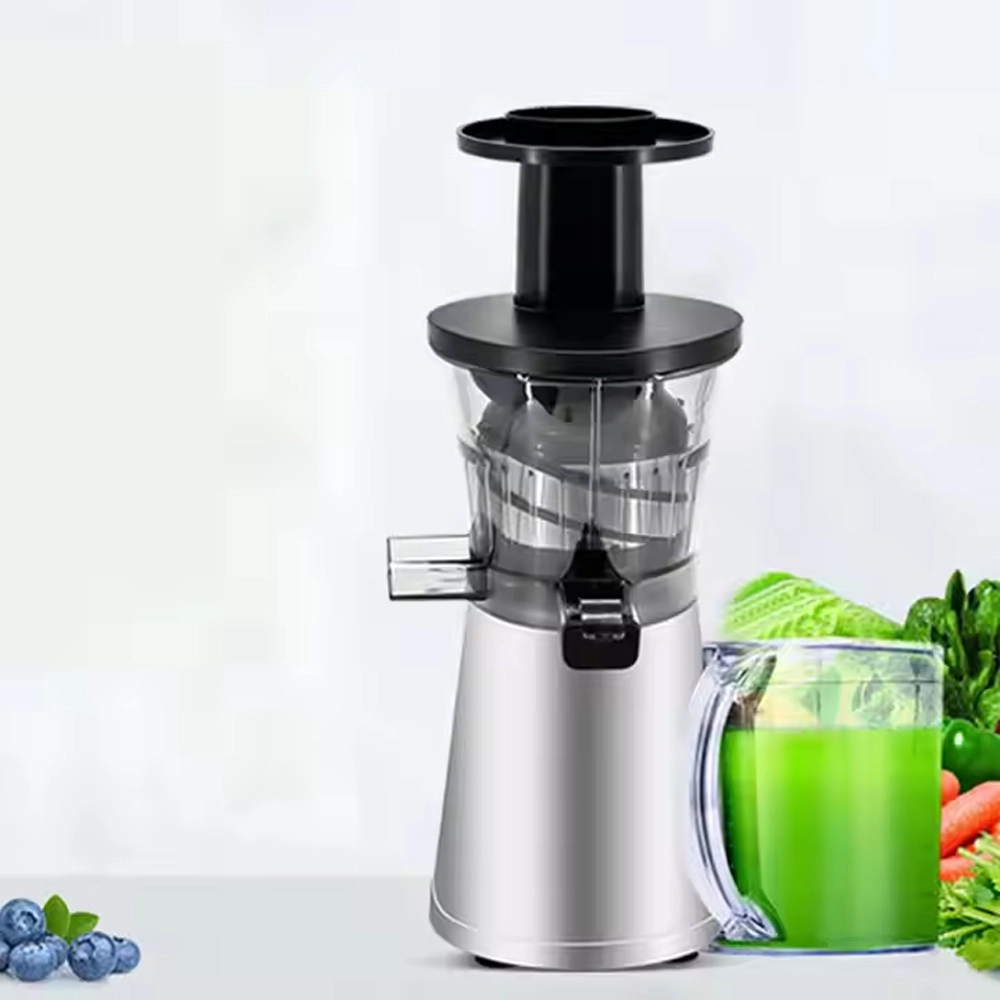
Slow Juicer L601
Jiaolong's L601 Slow Juicer: The perfect choice for slow juicer manufacturers, suppliers, and wholesalers. High-quality, efficient extraction. Contact us for wholesale inquiries.
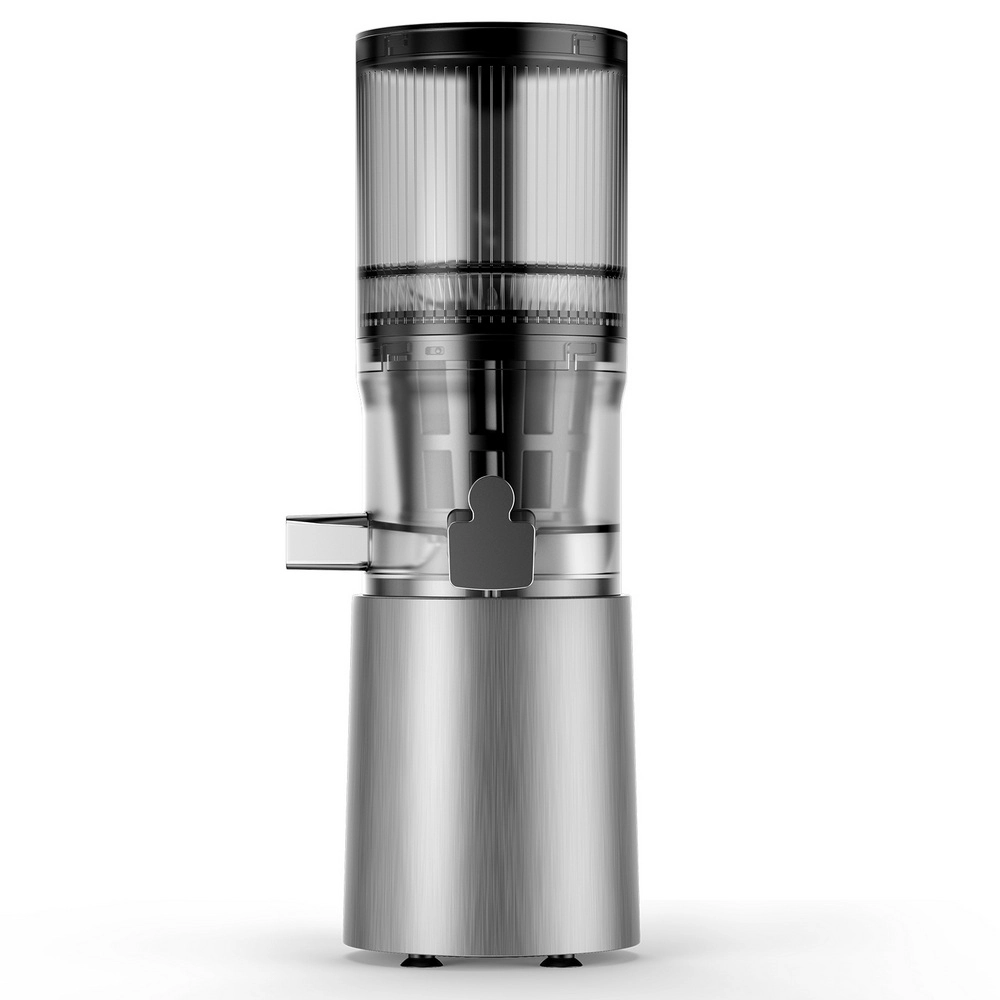
Slow Juicer L605A
Jiaolong's L605A Slow Juicer: A high-quality slow juicer for OEM, manufacturing, and supply needs. Contact us today to explore our slow juicer manufacturing capabilities and become a valued partner.
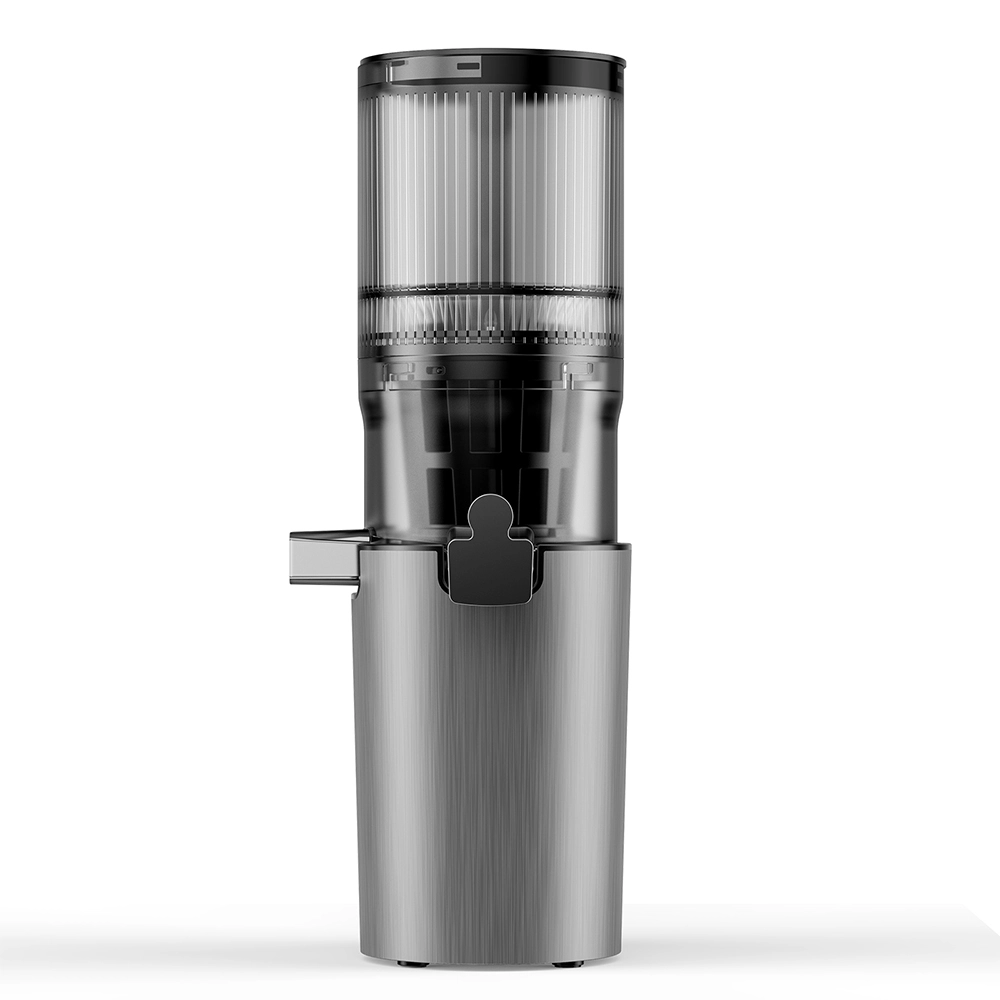
Slow juicer L606A
Jiaolong's L606A slow juicer: The ultimate slow juicer for wholesale, manufactured and supplied by a leading slow juicer supplier. Experience superior juice extraction and quality. Contact us for bulk orders.
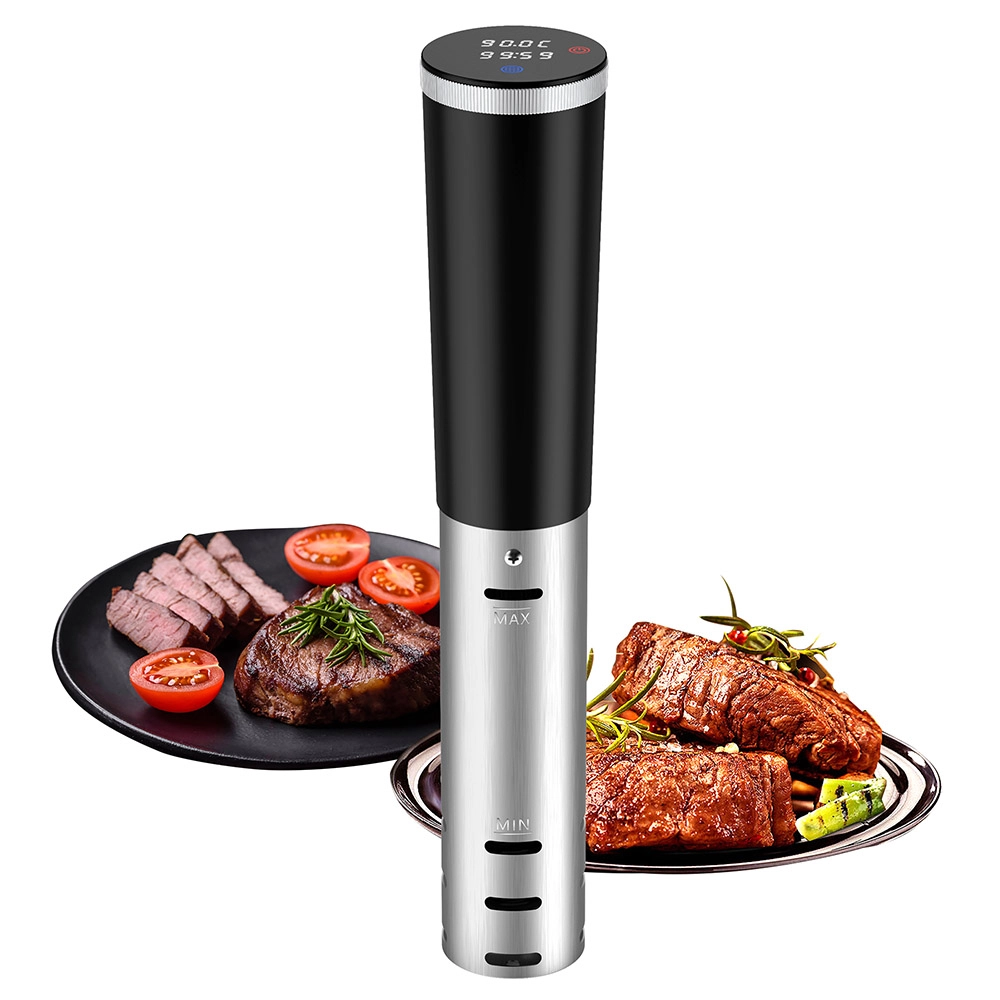
Sous Vide SV220
Jiaolong's Sous Vide SV220: A premium Sous Vide ODM solution. Reliable and efficient, the SV220 is the perfect choice for your next project. Partner with a leading sous vide supplier. Contact us today!
© 2025 JIAOLONG All Rights Reserved. Privacy Policy | Terms and Conditions | Sitemap