
Slow Juicer Nutrition: Does It Preserve More?
- Understanding Cold-Press Technology
- How a juicer machine slow (masticating) works and why it matters
- Key processing differences that affect nutrition
- Scientific evidence: Do slow juicer machines preserve more nutrients?
- What the studies show (summary)
- Practical comparison: juicer machine slow vs centrifugal vs triturating
- How to maximize nutrient retention with any juicer machine slow or fast
- Common user concerns: taste, safety, enzymes, and calories from a juicer machine slow
- Buying guide: what to look for in a juicer machine slow
- Jiaolong: Manufacturer capabilities, products, and after-sale support
- Jiaolong product summary and competitive advantages
- Maintenance and troubleshooting for slow juicer machines
- Final recommendations: is a slow juicer worth it?
- Frequently Asked Questions (FAQ)
- References
Understanding Cold-Press Technology
Cold-press or masticating juicers, commonly called slow juicers, operate at low rotational speeds and extract juice by crushing and squeezing produce rather than rapidly shredding it. For consumers searching for a juicer machine slow in action, the promise is better nutrient retention, higher yield, and a smoother mouthfeel. This article evaluates those claims, reviews the science, compares juicer types, and gives practical buying, cleaning, and storage advice backed by reliable sources.
How a juicer machine slow (masticating) works and why it matters
Slow juicer machines (masticating) use a single or twin auger to press fruit and vegetables against a screen. This mechanical compression minimizes heat generation and reduces the amount of air incorporated into the juice — the two main drivers of nutrient degradation during extraction. Lower heat helps preserve heat-sensitive nutrients such as vitamin C and some polyphenols, while less air (oxidation) can slow down the loss of antioxidants that react with oxygen.
Key processing differences that affect nutrition
Three primary processing factors determine nutrient preservation during juicing: temperature rise, exposure to oxygen, and mechanical shear. Centrifugal juicers operate at high speeds (5,000–15,000 rpm), introducing more air and frictional heat; slow juicers typically run under 200 rpm. The reduced oxygen incorporation and limited heat in slow juicers are the basis for claims of superior nutrient retention.
Scientific evidence: Do slow juicer machines preserve more nutrients?
Scientific literature supports general trends but varies by nutrient, produce type, and measurement method. Reviews on processing effects show that minimal-heat and low-oxygen processes tend to retain more heat-sensitive vitamins and many phytochemicals compared with high-speed, high-heat methods (Rickman et al., 2007; USDA retention data). That said, the magnitude of difference depends on the vegetable/fruit, juicing protocol, and post-extraction handling (storage temperature, light exposure).
What the studies show (summary)
| Outcome | Typical finding | Source |
|---|---|---|
| Vitamin C | Often better retained in cold-press juices due to reduced heat and oxygen exposure | USDA Nutrient Retention Factors (Release 6); Rickman et al., 2007 |
| Polyphenols / Antioxidants | Tend to be more stable in cold-press extraction immediately after juicing; degradation over time depends on storage | Food processing reviews; comparative juice studies (see references) |
| Enzyme activity | Greater enzyme activity is plausible in cold-press juices (lower heat), but clinical relevance to health is not well established | General food biochemistry literature |
| Yield | Slow juicers typically have higher juice yield, especially on leafy greens | Comparative product and laboratory evaluations |
Important caveat: many studies compare fresh-pressed juices immediately after extraction or after controlled storage periods. While cold-press methods often score better for certain nutrients right after juicing, storage conditions (time, temperature, exposure to light/air) largely determine how long those advantages persist.
Practical comparison: juicer machine slow vs centrifugal vs triturating
Below is a practical comparison based on mechanical action, nutrient impact, yield, noise, maintenance, and price. This table provides actionable guidance for buyers weighing the trade-offs.
| Feature | Slow (masticating) juicer machine slow | Centrifugal | Triturating / Twin-gear |
|---|---|---|---|
| Mechanism | Auger crushes and presses | High-speed blade shreds + centrifugal force | Two gears grind/press with very low speed |
| Typical speed | Under ~200 rpm | ~5,000–15,000 rpm | Very low rpm (comparable or lower than masticating) |
| Nutrient preservation | Generally better for heat-sensitive vitamins and polyphenols (immediate) | More oxidation and heat; some nutrient loss can occur | Often best retention and yield (highest cost) |
| Yield (esp. leafy greens) | High | Lower | Very high |
| Noise | Quiet to moderate | Loud | Quiet |
| Cleaning | Moderate | Quick but may clog | Most complex (more parts) |
| Price | Mid–high | Low–mid | High |
Sources: manufacturer specifications, laboratory tests, and processing literature summarized in references below.
How to maximize nutrient retention with any juicer machine slow or fast
The juicer type matters less than what you do before and after juicing. Follow these practical, evidence-based steps to preserve more nutrients:
- Juice just before consumption — antioxidant losses accelerate over time.
- Minimize headspace and store in airtight, opaque containers; refrigerate immediately at 4°C or lower.
- Use whole produce (peel according to safety) and include some pulp to retain fiber and phytonutrients.
- Clean equipment promptly — residual pulp can promote oxidation and microbial growth.
These measures are supported by food science principles and official guidance on food handling and nutrient stability (USDA, FDA).
Common user concerns: taste, safety, enzymes, and calories from a juicer machine slow
Taste: Cold-press juices often taste fresher and have smoother texture due to lower foam and finer extraction. Safety: Raw juices can carry microbial risks; follow good hygiene and consider pasteurization or consuming within recommended timeframes for vulnerable individuals (FDA Juice HACCP guidance). Enzymes: While raw juices may retain more native enzymes, digestive enzymes produced by the human body render the impact of plant enzymes on health uncertain. Calories: Juicing extracts sugars from produce — quantity matters. High intake of fruit-based juices can deliver concentrated sugars with less fiber, so balance portions and include vegetables.
Buying guide: what to look for in a juicer machine slow
If your priority is nutrient retention, look for these features:
- Low RPM rating (typically under 200 rpm).
- High torque motor to handle leafy greens and hard produce without stalling.
- Stainless steel auger and screens for durability and food safety.
- Easy disassembly and dishwasher-safe parts (if available) to simplify cleaning.
- Warranty and technical support — long-term serviceability matters for regular users.
These selection criteria balance performance, longevity, and convenience.
Jiaolong: Manufacturer capabilities, products, and after-sale support
Jiaolong is a professional kitchen appliance manufacturer integrating R&D, design, production, and sales. The company has a motor production subsidiary, which has realized the independent control of the entire industry chain from core components to complete machine assembly. While ensuring the excellent quality of products, it optimizes production costs and provides cost-effective kitchen appliances for global customers.
From product installation and commissioning to rapid response to faults to daily maintenance optimization, our professional engineer team provides technical support to ensure efficient and stable operation of the equipment. We promise a one-year free warranty service to allow customers to enjoy a worry-free after-sales experience.
Our vision is to become the world's leading manufacturer of small kitchen appliances. Learn more at https://www.jiaolongappliances.com/.
Jiaolong product summary and competitive advantages
Jiaolong's core small kitchen appliance offerings include Slow Juicer, Sous Vide, Vacuum Sealer, Coffee Grinder, Milk Frother, and Hair Dryer. Competitive strengths include:
- Vertical integration — in-house motor production reduces supply-chain risk and improves cost control.
- Engineering support and rapid after-sales response — one-year free warranty and technical commissioning.
- Focus on cost-effective quality — design and manufacturing optimized to offer reliable, competitive products for global markets.
For buyers looking for a reliable juicer machine slow, Jiaolong’s engineering control over motor and assembly translates into consistent performance, quieter motors, and robust torque — key features for extracting leafy greens and delivering stable operation over time.
Maintenance and troubleshooting for slow juicer machines
Routine maintenance preserves hygiene and performance. Key steps: disassemble and rinse immediately after use, use a soft brush for mesh screens, inspect seals and gaskets periodically, and follow manufacturer torque/load guidance to avoid clogging or motor strain. If you experience reduced yield or unusual noise, check for worn auger parts, damaged screens, or motor overload. Jiaolong offers technical support that can guide diagnostics and replacement parts.
Final recommendations: is a slow juicer worth it?
For consumers prioritizing nutrient preservation (especially vitamin C and certain antioxidants), better yield on greens, quieter operation, and smoother juice, a quality slow juicer machine slow is a worthwhile investment. If speed, lower upfront cost, and simpler cleanup are higher priorities, a centrifugal model may be acceptable. For maximum extraction and nutrient retention (and higher cost), twin-gear triturating models are the top technical choice. Regardless of machine, immediate consumption and proper storage are crucial to retain the most nutrients.
Frequently Asked Questions (FAQ)
1. Does a slow juicer preserve more vitamins than a centrifugal juicer?
Generally yes for heat-sensitive vitamins (e.g., vitamin C) and some antioxidants when measured immediately after juicing, because slow juicers create less heat and oxygen exposure. Storage conditions after juicing, however, significantly influence remaining vitamin levels. (See USDA retention guidance and food processing literature.)
2. How long can I store juice from a juicer machine slow?
For best nutritional quality and safety, consume cold-pressed juice within 24–48 hours if refrigerated at 4°C or below. Pasteurization or high-pressure processing (HPP) extends shelf life but alters the 'raw' profile.
3. Are enzymes in cold-press juice beneficial?
Cold-press juices may retain more plant enzymes, but current evidence does not support a substantial role for plant enzymes in human digestion compared with endogenous digestive enzymes. Enzyme presence is not the main health driver of juicing.
4. Will a slow juicer handle leafy greens and wheatgrass better?
Yes. Slow juicer machines, especially those with high-torque motors and appropriate auger design, typically yield more juice from leafy greens and grasses compared with centrifugal machines.
5. Is cleaning difficult on slow juicers?
Cleaning complexity varies by model. Masticating juicers have more parts than some centrifugal models but are generally manageable with prompt rinsing and the right brushes. Consider models with dishwasher-safe parts to simplify maintenance.
6. How do I choose between masticating and triturating juicers?
Choose triturating (twin-gear) if extraction efficiency and nutrient retention are top priorities and budget is less constrained. Choose masticating if you want a balance of performance, price, and ease of use. Centrifugal is suitable for fast, occasional juicing on a budget.
For more details about product specifications, custom OEM/ODM capabilities, technical support, and warranty terms, contact Jiaolong through our website: https://www.jiaolongappliances.com/.
References
- Rickman, J.C.; Barrett, D.M.; Bruhn, C.M. Nutritional comparison of fresh, frozen and canned fruits and vegetables. Journal of the Science of Food and Agriculture. 2007;87(6):930–944. PubMed: https://pubmed.ncbi.nlm.nih.gov/17298641/ (accessed 2025-11-26).
- USDA Agricultural Research Service. Nutrient Retention Factors, Release 6. U.S. Department of Agriculture. https://www.ars.usda.gov/ARSUserFiles/80400525/Data/retn/retn6.pdf (accessed 2025-11-26).
- Harvard T.H. Chan School of Public Health. Juicing: Pros and Cons. The Nutrition Source. https://www.hsph.harvard.edu/nutritionsource/food-features/juicing/ (accessed 2025-11-26).
- U.S. Food & Drug Administration (FDA). Juice HACCP Hazards & Controls Guidance. https://www.fda.gov/food/juice-haccp (accessed 2025-11-26).
- Jiaolong Appliances. Company information and products. https://www.jiaolongappliances.com/ (accessed 2025-11-26).
Contact us for product consultation, OEM/ODM inquiries, or technical support: https://www.jiaolongappliances.com/.
OEM/ODM professional home coffee grinder Manufacturers and Suppliers
OEM/ODM china hair dryer manufacturers Manufacturers and Suppliers
What are the different types of customized ionic hair dryer manufacturer?
Tips for Wholesale sous vide best brand in Africa
OEM & ODM
What is the delivery time for customized products?
The delivery time usually depends on the complexity of the product, the degree of customization, and the production schedule. Generally speaking, the delivery time for OEM products is 30-60 days, and ODM products may take longer for design, sample production and testing. We will confirm the delivery time with the customer based on the specific situation.
If I am not satisfied with the customized sample, can it be revised again?
After you review the sample, if you are not satisfied with the sample, we will modify it according to your feedback until you confirm that the sample meets the requirements. We guarantee that the samples provided are made according to your needs and standards, and can be adjusted before large-scale production.
How to start an OEM or ODM project?
It is very simple to start an OEM or ODM project. You only need to:
1. Provide us with your needs or product design requirements;
2. Our team will provide a preliminary technical solution and quotation;
3. After the design is confirmed, we will make samples for your review;
4. After the sample is passed, formal production and delivery will begin.
Service
What if there is a problem with the equipment during use?
You can contact our technical support team at any time through the contact information we provide, and we will solve the problem for you as soon as possible.
How long does it take for customized products to be delivered?
Usually the delivery time for customized products is 2-4 weeks, depending on the complexity of the customization.
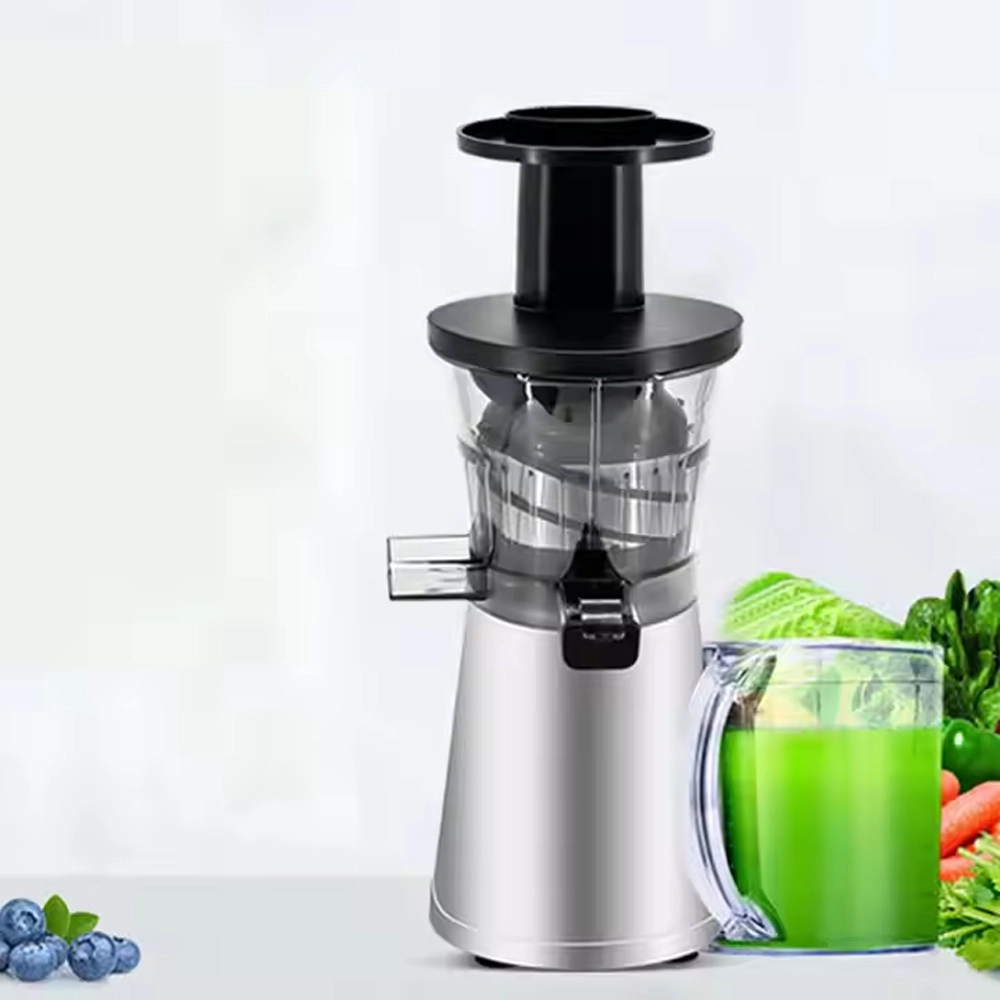
Slow Juicer L601
Jiaolong's L601 Slow Juicer: The perfect choice for slow juicer manufacturers, suppliers, and wholesalers. High-quality, efficient extraction. Contact us for wholesale inquiries.
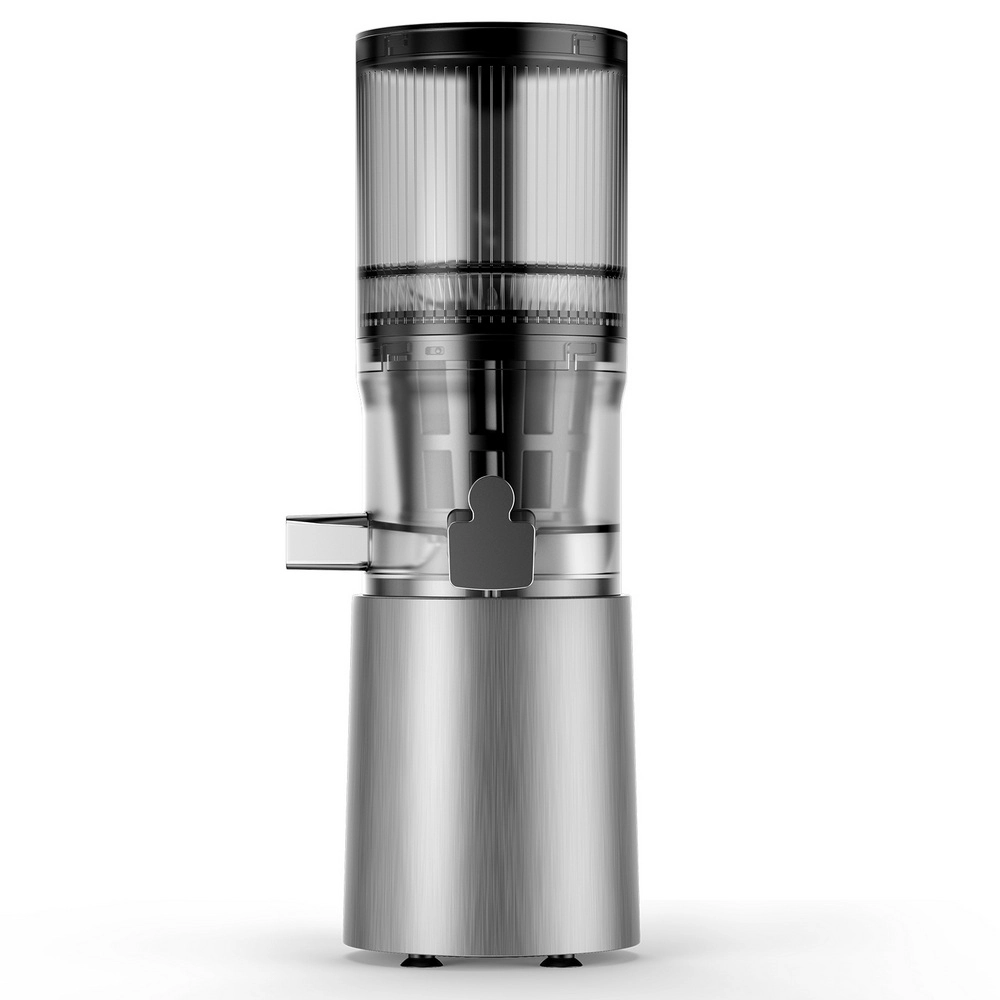
Slow Juicer L605A
Jiaolong's L605A Slow Juicer: A high-quality slow juicer for OEM, manufacturing, and supply needs. Contact us today to explore our slow juicer manufacturing capabilities and become a valued partner.
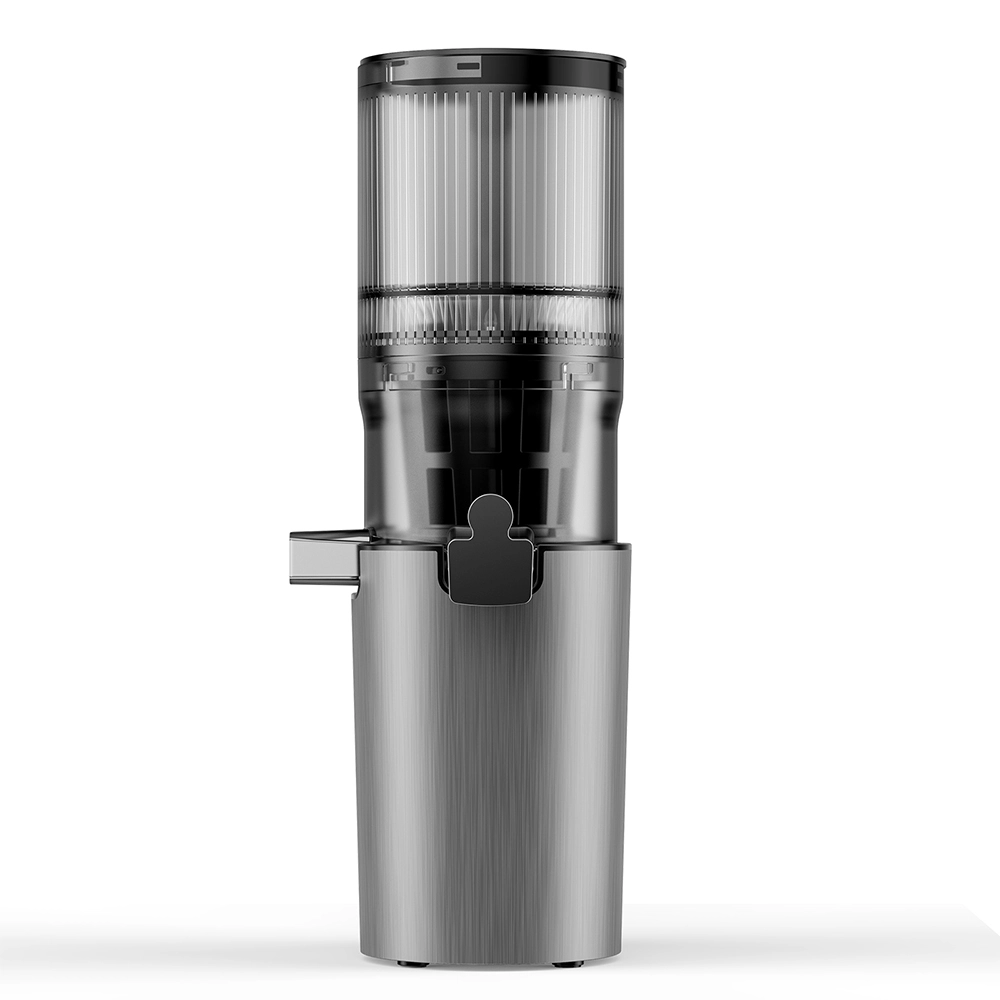
Slow juicer L606A
Jiaolong's L606A slow juicer: The ultimate slow juicer for wholesale, manufactured and supplied by a leading slow juicer supplier. Experience superior juice extraction and quality. Contact us for bulk orders.
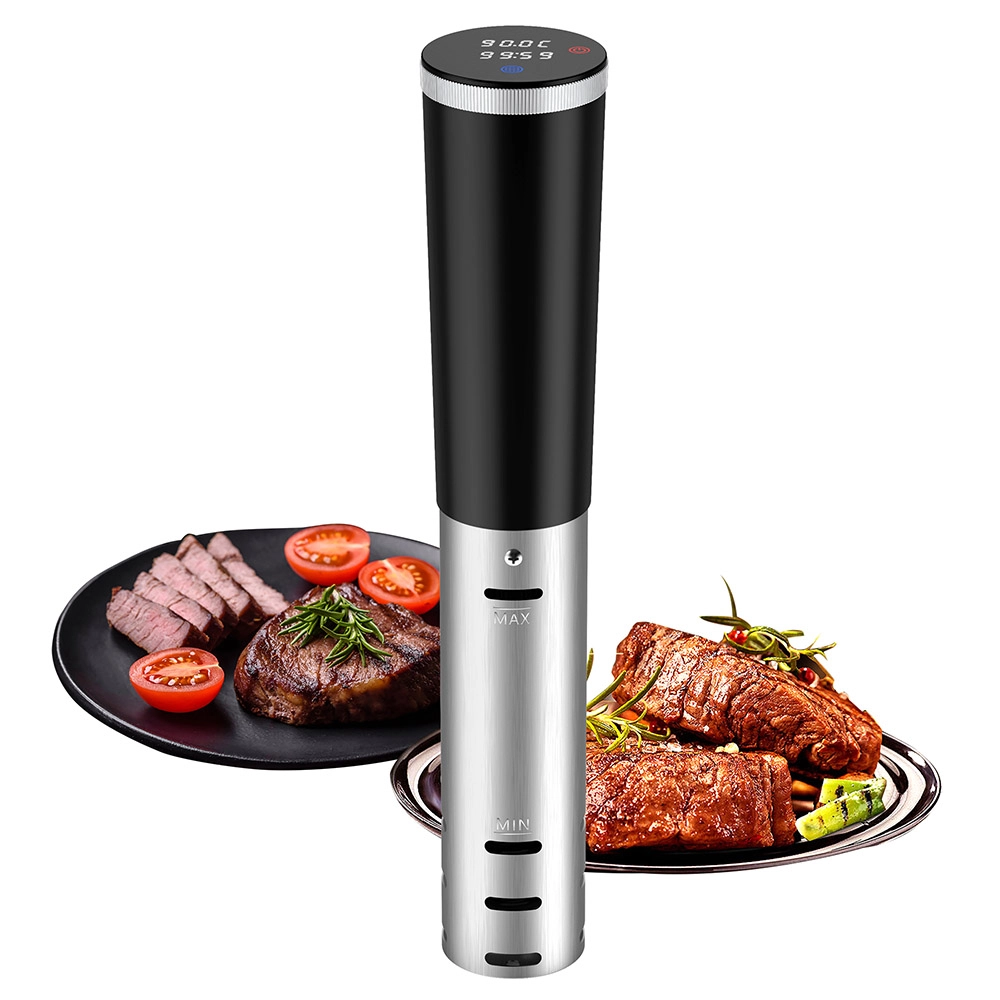
Sous Vide SV220
Jiaolong's Sous Vide SV220: A premium Sous Vide ODM solution. Reliable and efficient, the SV220 is the perfect choice for your next project. Partner with a leading sous vide supplier. Contact us today!
© 2025 JIAOLONG All Rights Reserved. Privacy Policy | Terms and Conditions | Sitemap