
Slow Juicer Troubleshooting: Common Problems
- Why Your Juicer Feels Sluggish and What to Do
- Understanding the issue: when your juicer machine slow becomes a real problem
- How masticating (slow) juicers are supposed to work
- Design and RPM: why slow doesn't always mean broken
- Common causes of a juicer machine slow
- Clogs and pulp build-up
- Incorrect feed rate or produce prep
- Blade, auger or screen wear
- Electrical issues and power supply
- Motor overheating or thermal protection
- Bearing wear or mechanical obstruction
- Drive components failure
- Quick diagnostics checklist for when your juicer machine slow
- Step-by-step checks (safe and effective)
- Troubleshooting table: symptoms, likely causes, and fixes
- Practical fixes you can perform at home
- Cleaning and reassembly
- Lubrication and mechanical checks
- Replace wear parts
- Electrical fixes and outlet checks
- When to call a professional or consider replacement
- Signs you need expert service
- Maintenance schedule to prevent a juicer machine slow
- Simple routine to prolong performance
- Produce selection and feeding technique matters
- How food prep affects speed and yield
- Cost-benefit: repair vs replace (data overview)
- When replacement is the better option
- Manufacturer support and warranties — why it matters for juicer machine slow issues
- What to expect from a reputable manufacturer
- Jiaolong: manufacturer capabilities and support for reliable juicer operation
- Why Jiaolong matters if you need dependable equipment
- Safety precautions when diagnosing a juicer machine slow
- Do not risk electric shock or further damage
- FAQ — Slow Juicer Troubleshooting
- 1. Why is my slow juicer machine slow but the motor still runs?
- 2. My juicer stalls with fibrous produce — how can I prevent this?
- 3. How do I know if the motor itself is failing?
- 4. Can I replace the auger or screen myself?
- 5. How often should I replace wear parts to avoid a juicer machine slow?
- 6. Is a slow juicer always better than a centrifugal juicer?
- 7. What should I do if the juicer emits a burning smell?
- Contact and products — get expert help or replacement parts
- References
Why Your Juicer Feels Sluggish and What to Do
Understanding the issue: when your juicer machine slow becomes a real problem
When a juicer machine slow manifests as slow rotation, lower juice yield, unusual noises, or frequent stalls, it affects performance and creates frustration. This guide explains root causes, step-by-step diagnostics, practical fixes, preventive maintenance, and when to involve professional repair. Throughout, the term juicer machine slow is used to align with common and the exact problems users report.
How masticating (slow) juicers are supposed to work
Design and RPM: why slow doesn't always mean broken
Masticating or slow juicers typically operate at low RPM (often 40–110 RPM) to preserve nutrients and minimize oxidation. If you own a slow juicer, a deliberately low speed is normal — what you want to identify is the difference between designed slow speed and an unexpectedly sluggish or stalled machine. If the machine's rotation is visibly slower than the rated RPM, it's a sign of a problem. Understanding expected performance helps separate normal operation from faults.
Common causes of a juicer machine slow
Clogs and pulp build-up
One of the most common reasons a juicer becomes slow is mechanical resistance caused by clogged screens, augers, or pulp chambers. Fibrous produce (e.g., celery, wheatgrass) can tangle and compact, increasing torque demand on the motor. Regular inspection and cleaning reduce this cause.
Incorrect feed rate or produce prep
Overfeeding, large chunks, or very soft/wet fruits can overload the auger and reduce throughput. A slow juicer requires steady, moderate feeding and sometimes alternate harder and softer produce to maintain consistent flow.
Blade, auger or screen wear
Over time the auger flighting and screens can wear or get nicked, decreasing efficiency. Worn parts increase friction and reduce juice extraction speed and yield.
Electrical issues and power supply
Low voltage, a bad plug, or a weak outlet can cause motors to run underpowered and appear slow. Verify the outlet and circuit. Overloaded circuits or long extension cords can reduce available voltage.
Motor overheating or thermal protection
Most juicer motors have thermal cutoffs. If the motor overheats due to sustained heavy load, it may slow, cycle off, or run intermittently until cooled. Frequent overheating points to obstructions, prolonged overfeeding, or an internal motor issue.
Bearing wear or mechanical obstruction
Noise, grinding, or dragging often indicates bearing wear or foreign objects in the housing. These increase friction and reduce rotation speed.
Drive components failure
In belt-driven machines, belt slippage or stretching reduces effective speed. In direct-drive models, internal gear or motor component failure will produce sluggish behaviour and often unusual noises.
Quick diagnostics checklist for when your juicer machine slow
Step-by-step checks (safe and effective)
- Unplug and visually inspect: clear external pulp build-up, blockages, or foreign objects.
- Disassemble the feed chute, auger, and screen: clean and remove trapped fibers. Reassemble carefully to manufacturer specifications.
- Test without produce: run the empty juicer briefly. Note sound, vibration, and rotation speed compared to normal.
- Check power: plug into a different outlet (same circuit), avoid long extension cords, and confirm voltage stability if possible.
- Feed correctly: cut produce into recommended sizes and feed slowly; alternate hard and soft items if applicable.
- Inspect for wear: look for cracks, warped screens, worn auger flighting, or damaged seals.
- Smell test: a burning smell can indicate motor stress or electrical failure — stop immediately and seek professional help.
Troubleshooting table: symptoms, likely causes, and fixes
Use this quick-reference table to match what you observe with probable causes and practical fixes.
| Symptom | Likely cause | Recommended fix |
|---|---|---|
| Slow motor or low RPM | Clogged screen/auger, low voltage, worn motor | Clean parts, test different outlet, inspect motor; contact service if internal motor weak |
| Low juice yield despite normal feed | Worn screen/auger, improper feed technique, blade alignment | Replace worn parts, cut produce into recommended sizes, alternate produce textures |
| Frequent stalling | Overfeeding, fibrous produce jamming, motor thermal cutoff | Feed slower, clean regularly, allow cooling time, inspect for internal blockages |
| Grating or grinding noises | Bearing wear, foreign object in housing, damaged auger | Disassemble and inspect; replace bearings/auger; professional repair if needed |
| Burning smell | Motor overheating, electrical short | Stop immediately, unplug, do not reuse; seek professional repair |
Practical fixes you can perform at home
Cleaning and reassembly
Thorough cleaning is often the fastest cure. Remove the screen, auger, and pulp collector. Soak stubborn pulp in warm water and use a soft brush. Reassemble ensuring all parts seat correctly — misalignment increases friction and reduces speed.
Lubrication and mechanical checks
Some models have accessible bearings or lubricant points; consult your manual. Use only manufacturer-recommended lubricants. Avoid over-lubrication which attracts pulp and dust.
Replace wear parts
Screens, augers, and seals are consumables. If they show grooves, warping, or permanent deformation, replace them. Using OEM parts usually preserves performance and safety.
Electrical fixes and outlet checks
Test the juicer on a different circuit to rule out supply issues. If the appliance still runs slow, the problem is probably internal. Do not attempt complex motor rewinds unless trained — incorrect work risks safety and voids warranties.
When to call a professional or consider replacement
Signs you need expert service
- Persistent slow operation after cleaning and basic checks.
- Burning smell or visible smoke.
- Exposed electrical damage, arcing, or melted components.
- Repeated motor overheating or thermal cutoff activation.
Professional service can diagnose motor health (bearing condition, armature integrity), electronics (capacitors, control boards), and structural damage. For older machines, compare repair cost to replacement; sometimes a modern replacement offers better efficiency and warranty.
Maintenance schedule to prevent a juicer machine slow
Simple routine to prolong performance
- After every use: disassemble and rinse to prevent fibers from drying in screens.
- Weekly: deep clean screens and brushes using warm soapy water; inspect wear parts visually.
- Monthly: run a maintenance cycle with a coarse vegetable (carrot) to clear residue, then clean.
- Annually: replace screens/auger if used heavily; lubricate bearings if recommended by the manufacturer.
Produce selection and feeding technique matters
How food prep affects speed and yield
Hard produce (carrots, beets) helps clear screens; soft produce (berries, tomatoes) can clog faster. Chop items to recommended sizes and feed steadily. For particularly fibrous items (wheatgrass, celery), alternate with harder produce or use a dedicated setting if available.
Cost-benefit: repair vs replace (data overview)
When replacement is the better option
Repair costs vary. A simple part replacement (screen/auger) is often economical. Major motor repairs or PCB replacements can approach or exceed the cost of a modern slow juicer with improved efficiency and a new warranty. Consider age, frequency of use, and availability of parts.
Manufacturer support and warranties — why it matters for juicer machine slow issues
What to expect from a reputable manufacturer
Trusted manufacturers provide clear manuals, spare parts, technical support, and reasonable warranties. A one-year warranty covering defects and free technical support reduces downtime and repair risk. Look for manufacturers that control motor and core component production, which improves parts availability and repair turnaround.
Jiaolong: manufacturer capabilities and support for reliable juicer operation
Why Jiaolong matters if you need dependable equipment
Jiaolong is a professional kitchen appliance manufacturer integrating R&D, design, production, and sales. The company has a motor production subsidiary, which has realized the independent control of the entire industry chain from core components to complete machine assembly. While ensuring the excellent quality of products, it optimizes production costs and provides cost-effective kitchen appliances for global customers.
From product installation and commissioning to rapid response to faults to daily maintenance optimization, our professional engineer team provides technical support to ensure efficient and stable operation of the equipment. We promise a one-year free warranty service to allow customers to enjoy a worry-free after-sales experience.
Our vision is to become the world's leading manufacturer of small kitchen appliances. Jiaolong's product line includes Slow Juicer, Sous Vide, Vacuum Sealer, Coffee Grinder, Milk Frother, and Hair Dryer, combining technical strength in motor manufacturing and complete machine assembly. This vertical integration enhances quality control, shortens repair lead times, and often reduces cost compared with fragmented suppliers. For product details and support, visit https://www.jiaolongappliances.com/.
Safety precautions when diagnosing a juicer machine slow
Do not risk electric shock or further damage
- Always unplug before disassembling or servicing.
- Do not operate with damaged cords, exposed wiring, or burnt smells.
- Do not immerse the motor base in water; clean with a damp cloth.
- If uncomfortable performing a procedure, contact qualified service or the manufacturer.
FAQ — Slow Juicer Troubleshooting
1. Why is my slow juicer machine slow but the motor still runs?
If the motor runs but output is low, the most common causes are clogged screens/auger, worn parts, or incorrect feed technique. Disassemble and clean, then test empty run. If the motor runs normally without load, replace worn screens or auger.
2. My juicer stalls with fibrous produce — how can I prevent this?
Feed fibrous items (like celery or wheatgrass) slowly and alternate with harder produce (carrot, apple) to clear fibers. Clean more frequently and consider using a machine setting or accessory designed for fibrous material.
3. How do I know if the motor itself is failing?
Signs include burning smells, smoke, persistent loss of torque despite cleaning, loud grinding, or electrical faults. If the motor overheats repeatedly or a bench test at proper voltage still shows weak torque, seek professional evaluation.
4. Can I replace the auger or screen myself?
Yes, many models offer user-replaceable augers and screens. Use OEM parts for best performance and safety. Follow the manual for part numbers and replacement instructions.
5. How often should I replace wear parts to avoid a juicer machine slow?
Replacement intervals vary by use. For daily heavy use, screens or augers may need replacement annually. For occasional use, every 2–3 years may be sufficient. Inspect parts visually: warping, grooves, or significant surface wear indicate replacement is needed.
6. Is a slow juicer always better than a centrifugal juicer?
Masticating (slow) juicers often extract more nutrients and operate quieter, but they require slower feeding and more maintenance. Centrifugal juicers are faster but can be harsher on fibrous produce and may produce more foam. Choose based on use case and tolerance for maintenance.
7. What should I do if the juicer emits a burning smell?
Stop immediately, unplug, and do not use the juicer. A burning smell can indicate motor overheating or electrical failure. Contact manufacturer support or a qualified repair technician.
Contact and products — get expert help or replacement parts
If you still face issues with a juicer machine slow after following the steps above, consider contacting the manufacturer or an authorized service partner. For reliable, cost-effective appliances and technical support, visit Jiaolong's official site: https://www.jiaolongappliances.com/. Jiaolong offers one-year free warranty support, technical assistance from an engineering team, and a product range including Slow Juicer, Sous Vide, Vacuum Sealer, Coffee Grinder, Milk Frother, and Hair Dryer. Contact their sales and service team via the website to get parts, service, or to evaluate replacement options.
References
- Wikipedia — Juicer. https://en.wikipedia.org/wiki/Juicer (Accessed 2025-11-28).
- Hurom — What is a Masticating Juicer? https://www.hurom.com/us/blog/what-is-a-masticating-juicer/ (Accessed 2025-11-28).
- Omega Juicers — Learn & Compare Juicers. https://www.omegajuicers.com/blogs/learn (Accessed 2025-11-28).
- Jiaolong Appliances — Official Website. https://www.jiaolongappliances.com/ (Accessed 2025-11-28).
For further personalized troubleshooting, provide your juicer model, symptoms (noises, smells, specific produce causing stalls), and any error indicators. That information helps identify exact parts or service steps.
What is best vacuum sealer for meat processing ?
Everything You Need to Know About best slow juicer masticating
Everything You Need to Know About best slow juicer masticating
Everything You Need to Know About best slow juicer masticating
OEM & ODM
Can I combine multiple customized items into one order?
Yes, you can combine multiple customized products into one order for production according to your needs, which can optimize production efficiency and save costs. We will coordinate the production plan according to your order requirements.
What are OEM and ODM? What is the difference between them?
⦁ OEM (Original Equipment Manufacturer) means that we manufacture products according to the customer's design or requirements, usually under the customer's brand.
⦁ ODM (Original Design Manufacturer) means that we design and develop products according to the customer's requirements and manufacture customized products. Unlike OEM, ODM provides more design freedom, and the products we provide can be directly sold under the customer's brand.
How can I confirm the quality of OEM or ODM products?
We strictly follow the ISO 9001:2000 quality management system, and all products undergo multiple quality inspections and tests. During the production process, customers can request to participate in process supervision to ensure that the products meet the requirements. For ODM services, we provide sample review and trial production to ensure that the product quality meets the standards.
How to ensure the accuracy of delivery time?
We will plan the production time in advance according to your needs and provide a detailed production schedule and delivery plan. Through advanced production management systems and strict time control, we ensure that products are delivered on time.
FAQ
Do Jiaolong Electric's products meet international certification standards?
Yes, all Jiaolong Electric's products meet international quality and safety certification standards, such as CE, RoHS, ISO9001, etc. We strictly comply with various safety and environmental protection requirements to ensure that each product is of high quality and safety to meet the needs of the global market.
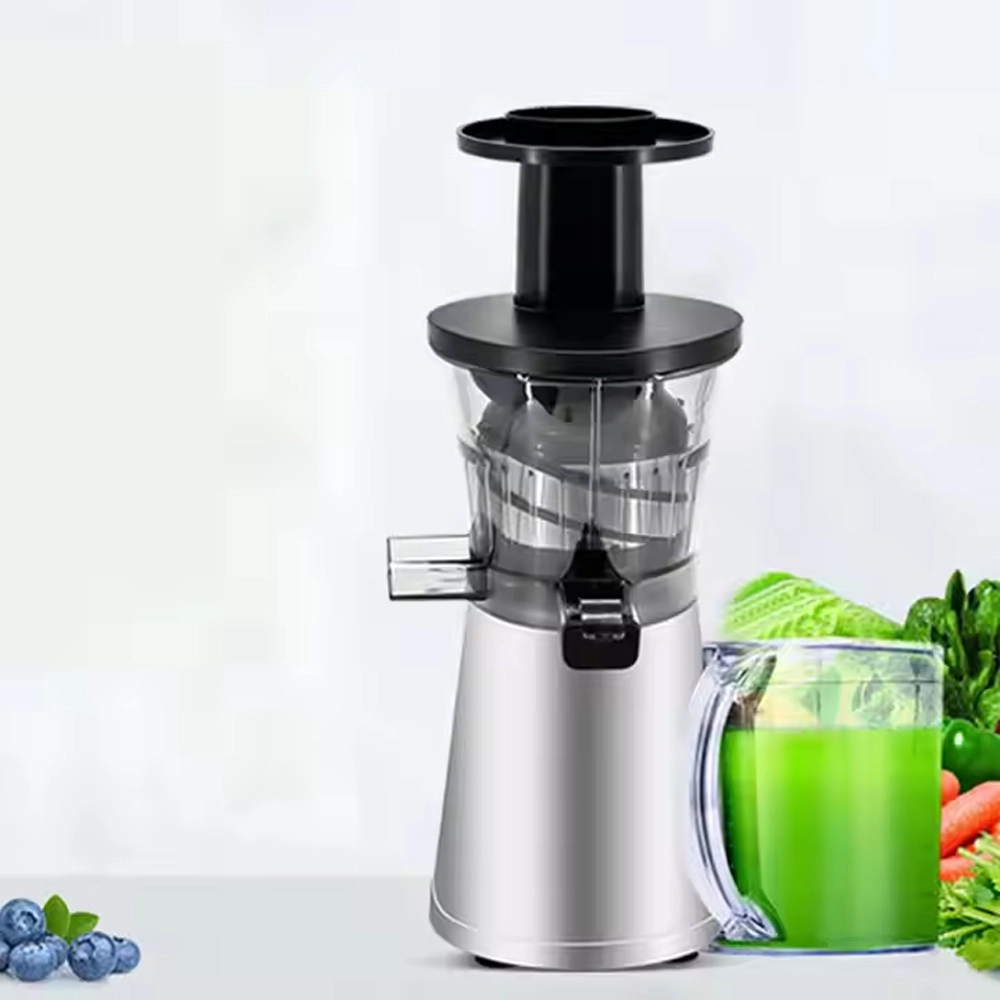
Slow Juicer L601
Jiaolong's L601 Slow Juicer: The perfect choice for slow juicer manufacturers, suppliers, and wholesalers. High-quality, efficient extraction. Contact us for wholesale inquiries.
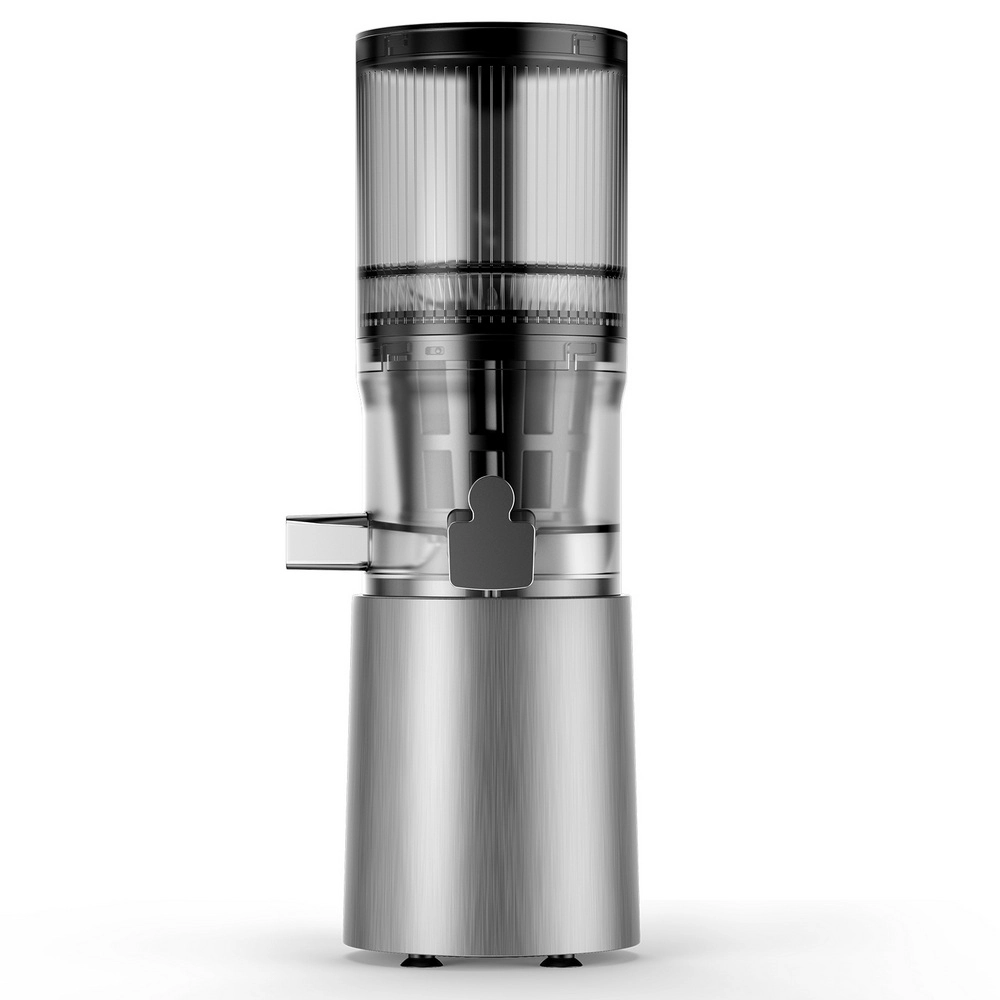
Slow Juicer L605A
Jiaolong's L605A Slow Juicer: A high-quality slow juicer for OEM, manufacturing, and supply needs. Contact us today to explore our slow juicer manufacturing capabilities and become a valued partner.
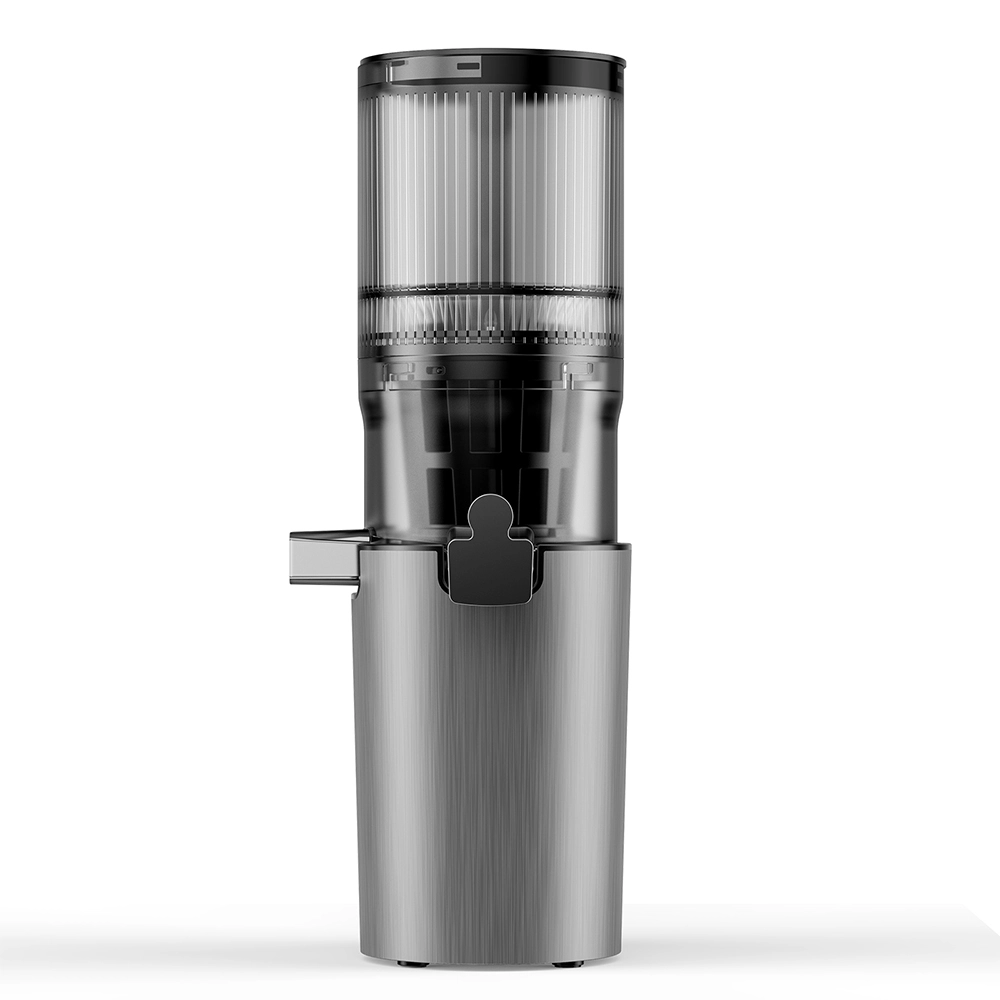
Slow juicer L606A
Jiaolong's L606A slow juicer: The ultimate slow juicer for wholesale, manufactured and supplied by a leading slow juicer supplier. Experience superior juice extraction and quality. Contact us for bulk orders.
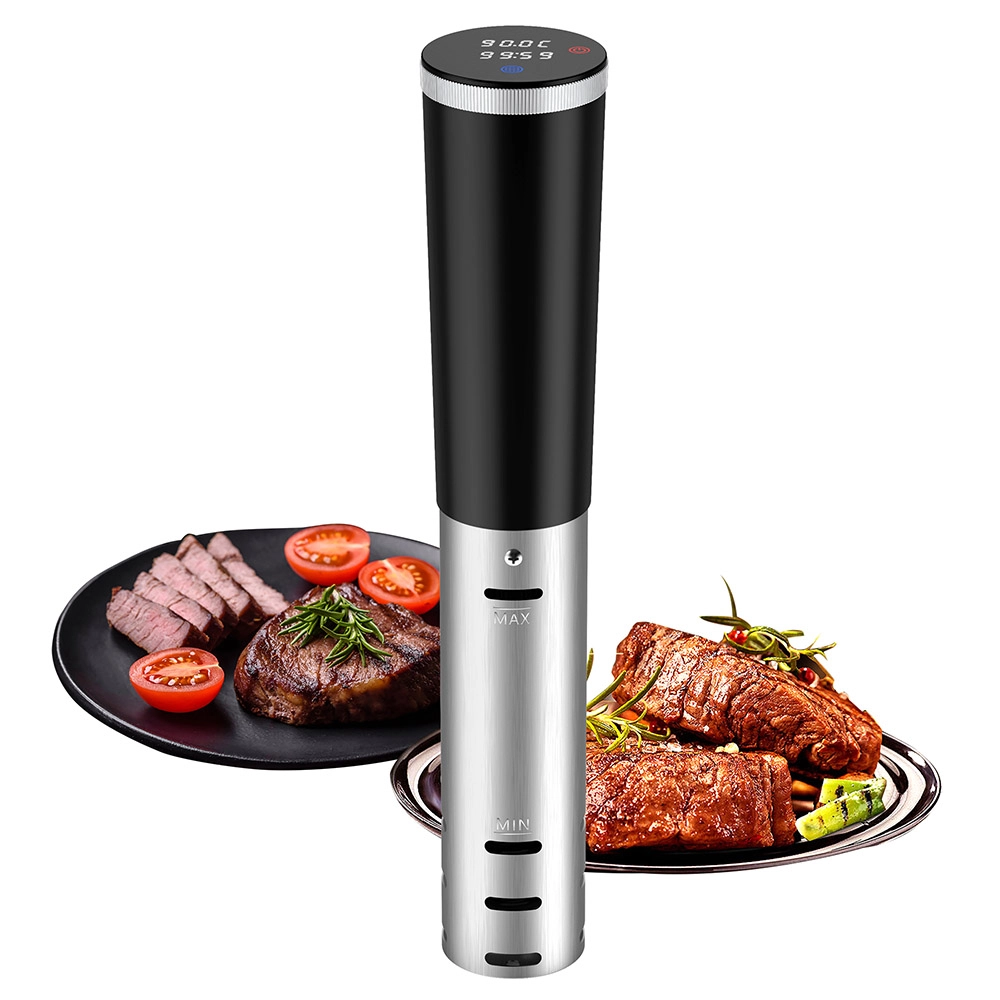
Sous Vide SV220
Jiaolong's Sous Vide SV220: A premium Sous Vide ODM solution. Reliable and efficient, the SV220 is the perfect choice for your next project. Partner with a leading sous vide supplier. Contact us today!
© 2025 JIAOLONG All Rights Reserved. Privacy Policy | Terms and Conditions | Sitemap