
Making Baby Food with a Slow Juicer Safely
- Why choose a masticating approach for homemade baby food
- What is a juicer machine slow and how does it differ from other appliances?
- Key appliance differences (juicer machine slow vs blender vs baby food maker)
- Health and nutritional considerations when using a juicer machine slow
- Food safety basics: preventing contamination when making baby food with a juicer machine slow
- Step-by-step: making safe baby food using a juicer machine slow
- 1. Choose appropriate produce and age-appropriate recipes
- 2. Prepare produce correctly
- 3. Extract or blend
- 4. Strain and adjust texture
- 5. Cool, portion, and store safely
- Storage guidelines: refrigeration and freezing (juicer machine slow outputs)
- Cleaning and sterilization: critical steps for juicer machine slow maintenance
- Age-appropriate textures and choking prevention when using a juicer machine slow
- When not to use a juicer machine slow: limitations and cautions
- Appliance comparison chart — nutrient retention & practical usability (juicer machine slow)
- Practical recipes and troubleshooting for juicer machine slow users
- Choosing a safe juicer machine slow — materials, certifications, and reliability
- How Jiaolong supports parents and manufacturers with reliable juicer machine slow solutions
- Maintenance checklist for long-term juicer machine slow performance
- FAQ — Making Baby Food with a Juicer Machine Slow
- Q1: Is it safe to give juice made with a juicer machine slow to babies?
- Q2: How long can I store baby puree made in a juicer machine slow?
- Q3: Do slow juicers preserve more nutrients than blenders?
- Q4: How do I make thicker purees suitable for older babies if my juicer machine slow makes thin outputs?
- Q5: Can I sterilize all parts of my juicer machine slow?
- Q6: What are the signs that my juicer machine slow needs professional service?
- Final recommendations and next steps
- References
Why choose a masticating approach for homemade baby food
Many parents consider making baby food at home to control ingredients and retain freshness. Using a juicer machine slow (masticating or cold-press juicer) is an increasingly popular method because it gently extracts juice and yields a fine, smooth puree that can be suitable for infants when handled correctly. This article walks you through why a juicer machine slow can be a good option, how to use it safely, and how to maintain food safety and nutritional quality.
What is a juicer machine slow and how does it differ from other appliances?
A juicer machine slow (masticating juicer) crushes and presses produce at low RPMs (often <100–200 rpm) to separate juice from fiber. Unlike high-speed centrifugal juicers, slow juicers use a screw (auger) or gear system that minimizes heat and oxidation during extraction. Compared with blenders and baby food makers, slow juicers tend to produce smoother liquids with less air incorporation — useful when you need a very fine texture for early-stage baby feeding.
Key appliance differences (juicer machine slow vs blender vs baby food maker)
| Feature | Juicer Machine Slow (Masticating) | Blender | Baby Food Maker (Steam & Blend) |
|---|---|---|---|
| Typical output | Fine juice/puree (low pulp) | Thicker puree with fiber | Steamed smooth purees |
| Heat/oxidation | Minimal | Higher (fast blades) | Heat applied (steaming) |
| Cleaning complexity | Moderate (many parts) | Easy | Moderate |
| Best for | Very smooth liquid purees; delicate leafy greens | Thicker purees, older infants | Complete baby food prep (cook + blend) |
Health and nutritional considerations when using a juicer machine slow
Because a juicer machine slow extracts the water and soluble nutrients into a smooth liquid, some fiber and pulp remain in the leftover solids. For infants, this can be an advantage or limitation depending on age and development. For babies 4–6 months starting on single-ingredient purees, very smooth, low-fiber purees can reduce choking risk. Nutrient preservation in slow juicers is generally better than high-speed centrifugal juicers due to less heat and oxidation, but overall differences are modest for many vitamins if produce is fresh.
Recommendations:
- Use a juicer machine slow for single-ingredient, fresh fruits and vegetables intended for early-stage purees (4–7 months), then mix in blended pulp for older infants to increase fiber.
- Include iron-rich foods (e.g., pureed sweet potato with iron-fortified cereal, pureed prunes with fortified grains) because fruit and vegetable juices are not iron sources.
- Avoid giving infants under 12 months cow's milk as a beverage; small dairy additions in purees should follow pediatric guidance.
Food safety basics: preventing contamination when making baby food with a juicer machine slow
Babies have immature immune systems; strict hygiene is essential. The two main contamination risks are (1) bacterial growth in prepared puree due to improper cooling or storage and (2) contamination from dirty equipment. Follow these core safety steps when using a juicer machine slow:
- Wash hands and sanitize work surfaces before preparation.
- Thoroughly wash produce under running water; peel when necessary to reduce surface bacteria.
- Immediately cool and refrigerate batches not used right away (see storage table below).
- Sterilize jars, lids, spoons, and any parts that contact the puree if preparing for infants younger than 6 months.
Step-by-step: making safe baby food using a juicer machine slow
1. Choose appropriate produce and age-appropriate recipes
Start with single-ingredient options like cooked pear, apple, steamed carrot, sweet potato, or avocado (for older infants). For very young babies, prefer low-acid produce and single ingredients to monitor for reactions.
2. Prepare produce correctly
Wash, peel if needed, and cook firm vegetables until very soft (steaming is preferred to preserve nutrients). Some fruits (banana, avocado) don't need cooking but yield better texture when partially mashed.
3. Extract or blend
Feed small pieces into your juicer machine slow. For cooked vegetables, many slow juicers will produce a smoother, more liquid puree. If the output is too watery, reserve some of the pulp and re-blend to get the desired thickness for the baby's age.
4. Strain and adjust texture
For infants under 6 months, pass the puree through a fine sieve or cheesecloth for an ultra-smooth consistency. For older infants, leave in more pulp to introduce texture gradually.
5. Cool, portion, and store safely
Cool purees quickly (place container in an ice bath) and refrigerate at <=4°C (40°F) immediately. Reheat only the portion you will serve and bring to at least 74°C (165°F) for leftovers before serving, then cool a bit to feeding temperature. Discard unused reheated portions—do not reheat multiple times.
Storage guidelines: refrigeration and freezing (juicer machine slow outputs)
Follow conservative storage times for homemade baby food. The table below summarizes safe durations commonly recommended by pediatric and food safety authorities.
| Form | Refrigerator (≤4°C / 40°F) | Freezer (≤ -18°C / 0°F) |
|---|---|---|
| Fresh pureed baby food (small batches) | Up to 48 hours (best within 24–48 hrs) | 2–3 months (best quality) |
| Portion already offered to baby (leftovers from bowl) | Discard after 2 hours at room temp; do not refrigerate for later feeding | Not recommended |
Note: Acidic purees (e.g., citrus) have different textures and may brown; still, keep to the same conservative storage timelines. Freeze in small, single-serve portions (ice cube trays or silicone molds) for easy thawing.
Cleaning and sterilization: critical steps for juicer machine slow maintenance
Hygiene of the juicer machine slow is essential. Bacteria can grow in crevices and in residual pulp. Clean immediately after use to prevent buildup.
- Disassemble the juicer machine slow according to the manufacturer's instructions.
- Rinse large debris under running water, then wash parts with warm, soapy water. Use a small brush to reach crevices.
- For babies under 6 months, sterilize feeding jars and utensils. For juicer parts, follow manufacturer guidance—many parts can be boiled or placed in a sterilizer except electrical motors and certain seals.
- Dry parts completely before reassembly. Regular deep-clean (weekly) to avoid mold.
Age-appropriate textures and choking prevention when using a juicer machine slow
Texture progression matters. For babies 4–6 months: very smooth, thin purees. For 6–9 months: thicker purees and mashed textures. From 9–12 months onward: soft lumps and small pieces. Even when using a juicer machine slow to produce smooth liquids, monitor baby for signs of readiness before advancing textures. Avoid adding small hard pieces (e.g., raw apple chunks) and always supervise feeding.
When not to use a juicer machine slow: limitations and cautions
Do not rely solely on a juicer machine slow for all baby-food needs. Limitations include:
- Low fiber output — whole pureed texture is important later for developing chewing.
- Not ideal for legumes and many meats — these require cooking and blending to safe, iron-rich purees.
- Potential for faster bacterial growth in thin liquids if not cooled quickly.
Appliance comparison chart — nutrient retention & practical usability (juicer machine slow)
| Criteria | Juicer Machine Slow | Blender | Baby Food Maker |
|---|---|---|---|
| Retention of heat-sensitive vitamins | Good (low heat) | Moderate (friction may warm) | Depends (steaming reduces some nutrients but makes produce digestible) |
| Convenience for full baby-meal prep | Partial (needs cooked additions) | Good | Best (cook + blend in one) |
| Cleaning time | Moderate | Low | Moderate |
Practical recipes and troubleshooting for juicer machine slow users
Simple starter recipes:
- Steamed pear puree: Steam peeled pear chunks until soft. Run through juicer machine slow; sieve if needed. Cool and portion.
- Sweet potato + apple: Roast or steam sweet potato and apple; juice sweet potato first, then blend small amount of roasted potato pulp back in for texture.
- Avocado mash (no juicing): For older infants, mash ripe avocado; can combine with juiced apple for smoother consistency.
Troubleshooting tips:
- If output is too watery: add reserved pulp back or briefly pulse in a blender to thicken.
- If the juicer clogs with fibrous vegetables: chop food into smaller pieces and feed slowly; use anti-clog tools provided with the machine.
- If the motor smells or slows: stop, unplug, and consult the manual; overloading can overheat motors.
Choosing a safe juicer machine slow — materials, certifications, and reliability
When selecting a juicer machine slow for baby food, prioritize:
- BPA-free food-contact parts (look for FDA/EU food-grade materials).
- Durable construction and warranties (a reliable motor and good after-sales support matter).
- Ease of disassembly for cleaning and availability of replacement seals/parts.
Note: Investing in a reputable manufacturer reduces risk and ensures parts and service availability over time.
How Jiaolong supports parents and manufacturers with reliable juicer machine slow solutions
Jiaolong is a professional kitchen appliance manufacturer integrating R&D, design, production, and sales. The company has a motor production subsidiary, which allows independent control of the entire industry chain from core components to complete machine assembly. This vertical integration ensures consistent quality control of the motor and drivetrain — crucial for the low-RPM performance of a juicer machine slow.
Key Jiaolong advantages:
- Independent motor production for optimized torque and thermal stability in slow juicers.
- Cost-effective manufacturing enabled by supply-chain integration, helping offer competitive pricing.
- Comprehensive technical support: from product installation and commissioning to rapid fault response and daily maintenance optimization, Jiaolong’s engineering team provides hands-on assistance to ensure efficient, stable operation.
- After-sales assurance: a one-year free warranty service is promised to give customers a worry-free experience.
- Clear product focus: Jiaolong’s core small kitchen appliance lineup includes Slow Juicer, Sous Vide, Vacuum Sealer, Coffee Grinder, Milk Frother, and Hair Dryer.
These strengths position Jiaolong to deliver reliable juicer machine slow products with technical backing. Learn more at https://www.jiaolongappliances.com/.
Maintenance checklist for long-term juicer machine slow performance
Follow this periodic checklist:
- After each use: disassemble, rinse, brush, and dry parts.
- Weekly: deep clean screens and auger; inspect seals for wear.
- Quarterly: check motor housing ventilation and test for unusual noises; contact technical support for irregularities.
- One-year: use warranty service if defects appear; maintain receipt and serial number for claims.
FAQ — Making Baby Food with a Juicer Machine Slow
Q1: Is it safe to give juice made with a juicer machine slow to babies?
A1: Whole fruit juice is not recommended as a primary drink for infants under 12 months due to sugar content and low fiber. However, using a juicer machine slow to make single-ingredient purees (not as a beverage) for spoon-feeding can be safe when texture and portions are appropriate. Follow pediatric guidance on introductions and portion sizes.
Q2: How long can I store baby puree made in a juicer machine slow?
A2: Store refrigerated at ≤4°C (40°F) and use within 24–48 hours for best safety and quality. Freeze portions for longer storage (2–3 months recommended). Do not reuse leftover from a baby’s bowl.
Q3: Do slow juicers preserve more nutrients than blenders?
A3: Slow juicers generally produce less heat and oxidation, which can help retain certain heat-sensitive nutrients. However, differences are often moderate. Steaming (as used in baby food makers) can make some nutrients more bioavailable despite modest losses. Diversity in preparation methods gives the best nutritional profile.
Q4: How do I make thicker purees suitable for older babies if my juicer machine slow makes thin outputs?
A4: Reserve some pulp from the juicer and mix it back into the juice, or briefly pulse the liquid with reserved pulp in a blender to reach the desired consistency. You can also combine juicer output with mashed avocado, cooked cereals, or pureed legumes for thicker textures and added nutrients.
Q5: Can I sterilize all parts of my juicer machine slow?
A5: Many removable food-contact parts are safe to wash and, in some models, boil or sterilize, but you must follow the manufacturer’s manual. Avoid submerging motors or parts with electronic components. If unsure, contact the manufacturer’s support line.
Q6: What are the signs that my juicer machine slow needs professional service?
A6: Unusual burning smells, significant reduction in output, loud grinding noises, or motor overheating are signs to stop using the unit and seek technical service. Jiaolong provides rapid response and engineering support to diagnose and resolve issues.
Final recommendations and next steps
Using a juicer machine slow can be a safe, effective method to create smooth, nutrient-rich baby foods when you follow strict hygiene, correct cooking, and conservative storage practices. Combine the benefits of a juicer machine slow with occasional use of blenders or baby food makers to achieve the right textures as your baby grows.
If you are considering purchasing a reliable juicer machine slow or equipping a small-batch production line, Jiaolong’s vertically integrated manufacturing, motor expertise, technical support, and one-year warranty make it a competitive partner. Explore product offerings and technical resources at https://www.jiaolongappliances.com/.
For personalized guidance on textures, recipes, or appliance selection, contact Jiaolong’s technical team or your pediatrician.
Contact / View products: Visit https://www.jiaolongappliances.com/ for product details, technical support, and warranty information.
References
- American Academy of Pediatrics, HealthyChildren.org — How to Store and Prepare Baby Food Safely. https://www.healthychildren.org/ (accessed 2024-05-10)
- USDA Food Safety and Inspection Service — Safe Handling of Leftovers. https://www.fsis.usda.gov/food-safety/safe-food-handling-and-preparation/food-safety-basics/safe-handling-leftovers (accessed 2024-05-10)
- Centers for Disease Control and Prevention (CDC) — Food Safety. https://www.cdc.gov/foodsafety/index. (accessed 2024-05-10)
- Harvard T.H. Chan School of Public Health — Juices and Smoothies (nutritional considerations). https://www.hsph.harvard.edu/nutritionsource/food-features/juices/ (accessed 2024-05-10)
- Consumer Reports — How to Choose a Juicer (overview of masticating vs centrifugal). https://www.consumerreports.org/cro/juicers.htm (accessed 2024-05-10)
Note: Dates reflect access/check for reference context. For specific medical or nutritional advice for infants, consult a pediatrician or qualified nutritionist.
Need a reliable juicer machine slow for producing safe homemade baby food or small-batch production? Visit Jiaolong to explore products, request engineering support, or inquire about our one-year warranty and OEM capabilities: https://www.jiaolongappliances.com/.
Tips for Wholesale best milk frother for matcha in Africa
How to Maximize Juice Yield from Your Slow Juicer
What are the different types of customized ionic hair dryer manufacturer?
Wholesale slow juicer machine cost manufacturer and supplier
Service
What if the device fails during the warranty period?
If your device fails during the warranty period, we will provide you with free repair services.
What to do after the warranty period of the equipment?
After the warranty period, we still provide you with high-quality after-sales service, including paid repairs, parts replacement, etc.
OEM & ODM
How can I confirm the quality of OEM or ODM products?
We strictly follow the ISO 9001:2000 quality management system, and all products undergo multiple quality inspections and tests. During the production process, customers can request to participate in process supervision to ensure that the products meet the requirements. For ODM services, we provide sample review and trial production to ensure that the product quality meets the standards.
What functions and appearance of products can I customize?
We provide comprehensive OEM and ODM customization services, and customers can customize the following:
⦁ Product functions: such as adding additional functions, adjusting operation methods, adding additional accessories, etc.
⦁ Appearance design: including color, shell material, LOGO and logo position, packaging design, etc.
⦁ Size and shape: adjust the size and appearance of the product according to customer needs.
⦁ Technical parameters: such as technical requirements such as power, efficiency, speed, etc.
FAQ
How do I choose the right kitchen appliance for my needs?
Our kitchen appliance series is categorized according to different needs. You can choose the right product according to your cooking habits, the number of family members, and the frequency of use. For example, if you like healthy drinks, you can choose our slow juicer; if you need a multi-functional kitchen assistant, we recommend our 3-in-1 blender or 4-in-1 juicer. You can also contact our customer service team, and we will provide you with professional advice based on your needs.
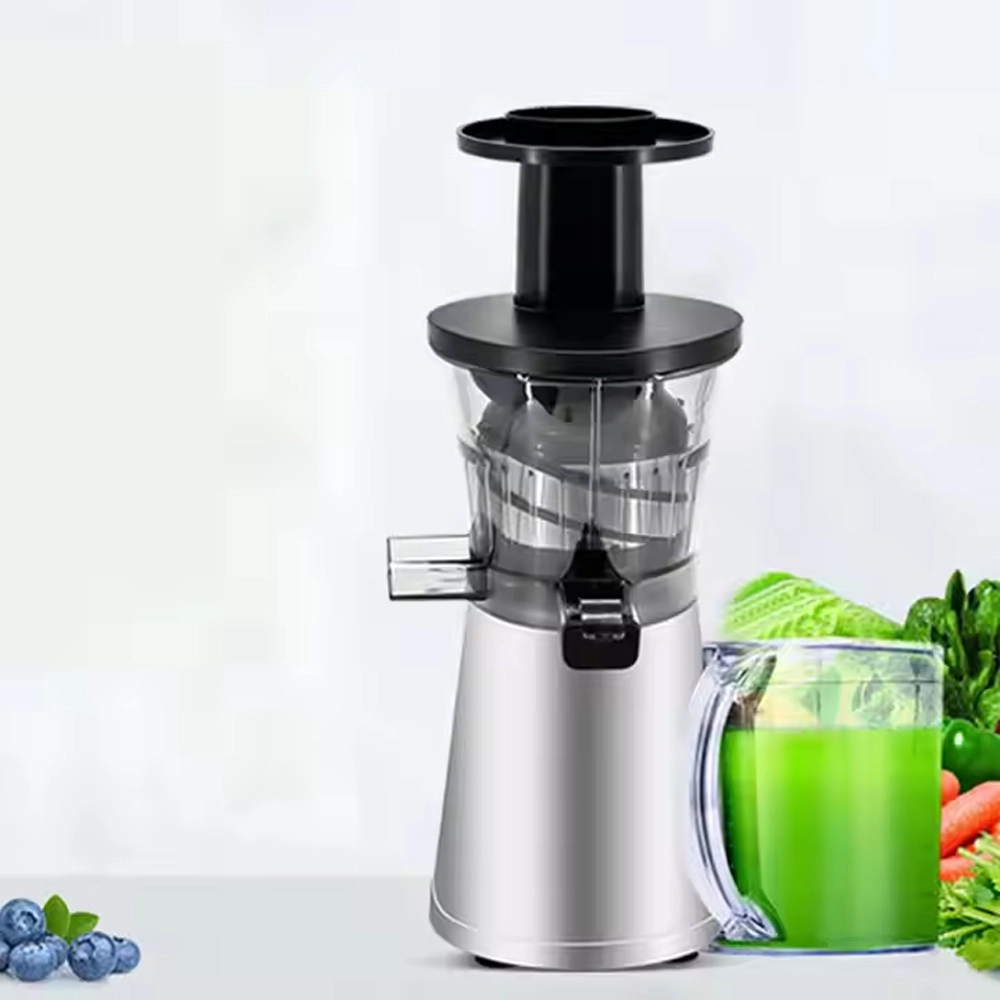
Slow Juicer L601
Jiaolong's L601 Slow Juicer: The perfect choice for slow juicer manufacturers, suppliers, and wholesalers. High-quality, efficient extraction. Contact us for wholesale inquiries.
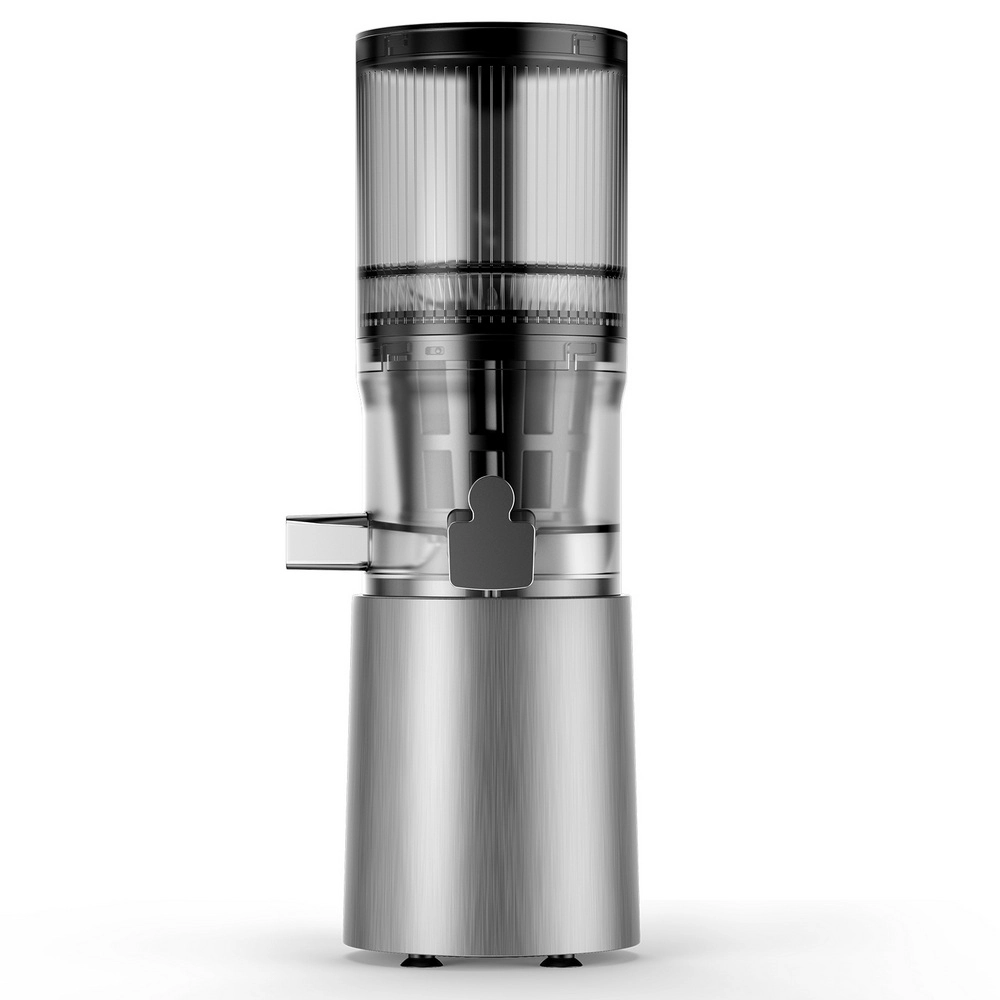
Slow Juicer L605A
Jiaolong's L605A Slow Juicer: A high-quality slow juicer for OEM, manufacturing, and supply needs. Contact us today to explore our slow juicer manufacturing capabilities and become a valued partner.
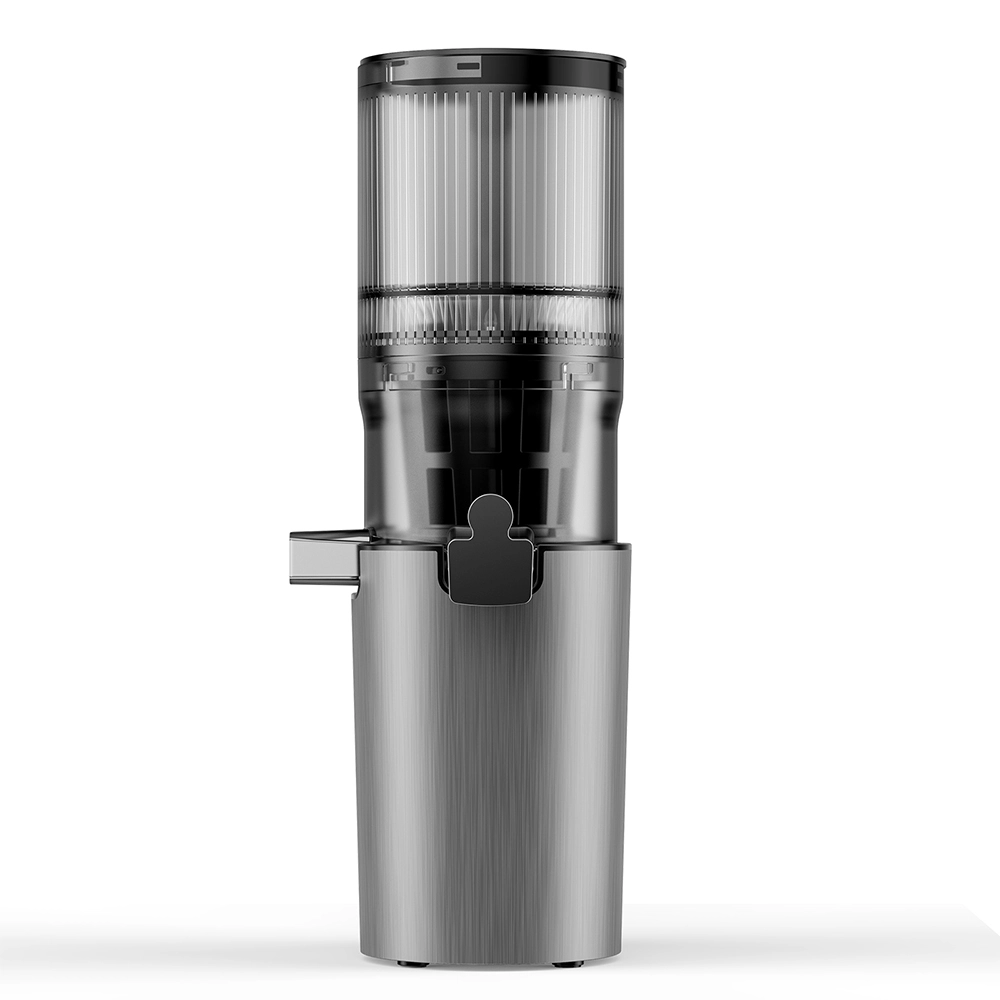
Slow juicer L606A
Jiaolong's L606A slow juicer: The ultimate slow juicer for wholesale, manufactured and supplied by a leading slow juicer supplier. Experience superior juice extraction and quality. Contact us for bulk orders.
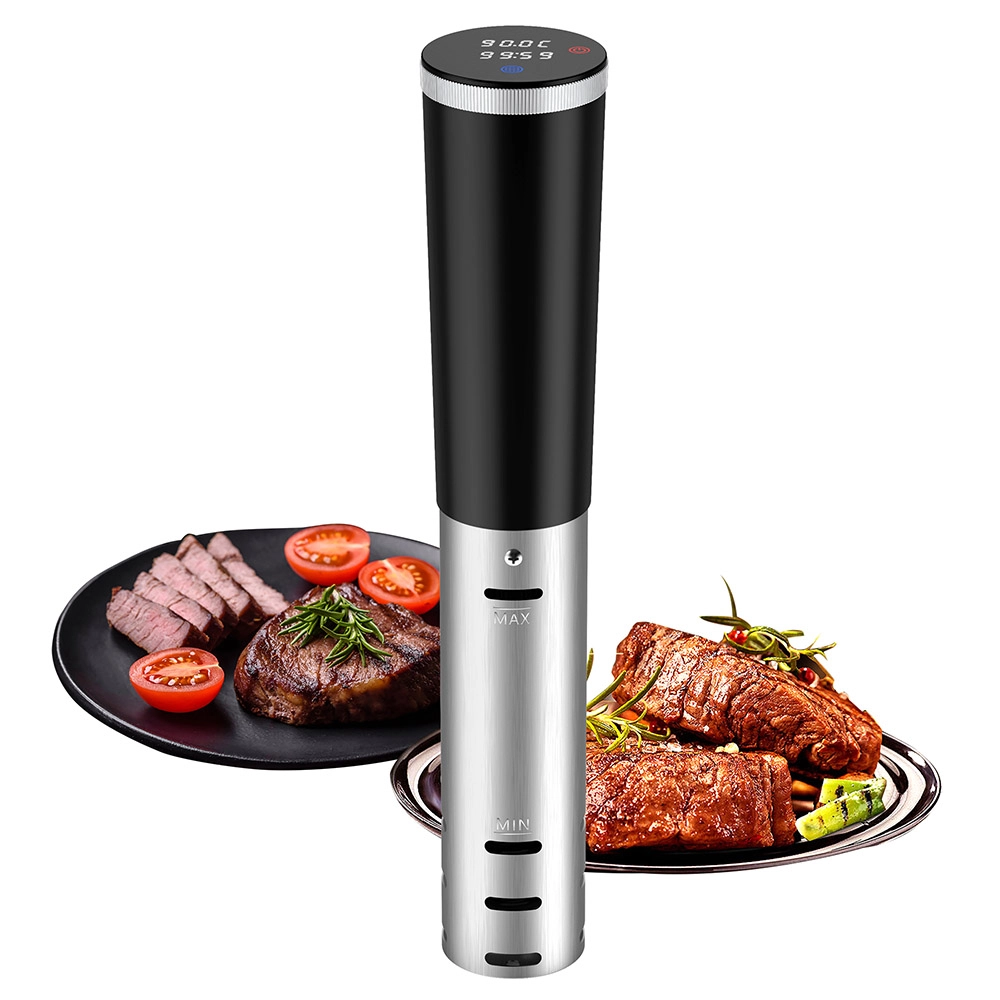
Sous Vide SV220
Jiaolong's Sous Vide SV220: A premium Sous Vide ODM solution. Reliable and efficient, the SV220 is the perfect choice for your next project. Partner with a leading sous vide supplier. Contact us today!
© 2025 JIAOLONG All Rights Reserved. Privacy Policy | Terms and Conditions | Sitemap