
Quiet Slow Juicers for Small Kitchens
- Designing Calm, Compact Kitchens
- Why a juicer machine slow is ideal for small kitchens
- Noise profile: what 'quiet' means for a juicer machine slow
- Space, layout, and placement tips for a juicer machine slow in small kitchens
- Performance: yield, nutrient retention, and what evidence shows for a juicer machine slow
- Buying checklist: essential features for a juicer machine slow tailored to small kitchens
- Maintenance, installation, and tips to keep a juicer machine slow truly quiet
- Jiaolong: a manufacturer profile and why their juicer machine slow stands out
- How Jiaolong supports small-kitchen users specifically
- Cost vs. value: interpreting price for a juicer machine slow
- FAQ — Quiet Slow Juicers for Small Kitchens
- 1. How quiet is a typical juicer machine slow compared to other kitchen appliances?
- 2. Will a juicer machine slow fit under my cabinets?
- 3. Do slow juicers really produce more juice?
- 4. How long can I store juice made by a juicer machine slow?
- 5. Is cleaning a juicer machine slow harder than a centrifugal model?
- 6. What should I do if my slow juicer becomes noisier over time?
- 7. Where can I find Jiaolong products and support?
- Contact & Call to Action
- References
Designing Calm, Compact Kitchens
Small kitchens demand equipment that is both space-efficient and unobtrusive. For home cooks who want fresh juice without a noisy appliance or a countertop takeover, a juicer machine slow (also called a masticating or cold-press juicer) is often the best fit. This article explains why, compares key performance metrics, and gives practical buying, installation, and maintenance guidance tailored to small kitchens.
Why a juicer machine slow is ideal for small kitchens
When countertop real estate is limited, choices must be deliberate. A juicer machine slow suits small kitchens for three main reasons: quieter operation, higher juice yield from the same produce (so less storage of leftovers/pulp), and the potential for longer juice shelf life thanks to lower oxidation. These traits translate into fewer trips to the trash, less countertop clutter, and less need to run a noisy appliance early in the morning or late at night.
Noise profile: what 'quiet' means for a juicer machine slow
Noise is the single most cited pain point for small-kitchen appliance users. To set expectations, here's a practical comparison of typical noise ranges and other performance attributes between slow (masticating) and centrifugal juicers.
| Characteristic | Juicer (Slow / Masticating) | Centrifugal Juicer |
|---|---|---|
| Typical noise level (approx.) | 40–60 dB (room-quiet to normal conversation) | 70–85 dB (loud; similar to dishwasher or vacuum cleaner) |
| Juice yield | Higher (often 10–30% more yield for leafy greens/root veg) | Lower (less efficient with leafy greens) |
| Nutrient oxidation | Lower (slower process, less heat) | Higher (more air incorporated, faster oxidation) |
| Cleaning time | Moderate (more parts but less foam) | Faster to disassemble; may need more frequent deep clean |
| Typical price range | Mid to high | Low to mid |
Sources: product reviews and specifications commonly reported by appliance reviewers and manufacturers (see References). For context, OSHA and public health bodies note that sounds above 70 dB become noticeably intrusive in a home environment; slow juicers often operate below that threshold, making them better suited to shared or compact living spaces (see OSHA reference in Sources).
Space, layout, and placement tips for a juicer machine slow in small kitchens
Maximizing small-kitchen efficiency isn't just about footprint; it's about integration. Consider these practical tactics:
- Countertop footprint: measure both base and height—a tall slow juicer may fit under cabinets or behind a coffee station.
- Dedicated nook: place the juicer near the sink for easy rinsing and cleanup; a shallow pull-out shelf or cutting board over the sink can save space.
- Staging and storage: if you use juice daily, keep the juicer on the countertop; for weekly use, store in a cabinet and use a silicone mat to reduce vibration noise when operating.
- Electrical considerations: use a grounded outlet on the same circuit as other small appliances to avoid overloads; avoid extension cords with high-current appliances.
These choices reduce perceived clutter and make the workflow—prep, juicing, rinse—more fluid and less disruptive in a small kitchen.
Performance: yield, nutrient retention, and what evidence shows for a juicer machine slow
Two buyer-focused performance metrics matter most: how much usable juice you get per kilogram of produce (yield), and how well important nutrients and phytochemicals are preserved.
Independent reviews and appliance tests consistently find that masticating juicer machine slow designs extract more juice from leafy greens and certain root vegetables, and they do so with less heat and foam. Less heat and reduced aeration help slow oxidation, which preserves flavor and some heat-sensitive compounds for a longer window—often 24–72 hours when refrigerated, compared to immediate consumption recommended for high-oxygen juices from centrifugal machines.
While the exact nutrient retention depends on the fruit/vegetable and handling, authoritative nutritional databases such as USDA FoodData Central, and appliance testing by independent reviewers, support the practical conclusion: for frequent juicers who value yield and storage life, a slow juicer often delivers better long-term value.
Buying checklist: essential features for a juicer machine slow tailored to small kitchens
When shopping, prioritize these features to match small-kitchen needs and maximize value:
- Compact base and removable parts: smaller footprint, dishwasher-safe components (if available) speed cleaning.
- Low-noise motor and vibration isolation: look for decibel specs or 'quiet' claims backed by reviews.
- High torque, low RPM motor: typically 40–120 RPM — good for leafy greens and minimal heat build-up.
- Continuous pulp ejection: useful for back-to-back juicing without stopping to empty pulp.
- Reverse function: reduces clogging and prolongs uptime in dense-prep sessions.
- Warranty & service: at least 1 year, with accessible customer service and spare parts.
These capabilities lower daily friction—faster cleanup and less noise—so juicing becomes a habit, not a chore.
Maintenance, installation, and tips to keep a juicer machine slow truly quiet
Quiet performance depends on more than motor specs. To keep your slow juicer functioning quietly and efficiently:
- Place the juicer on a non-resonant surface—rubber matting or a silicone pad reduces transmitted vibration.
- Level the machine: uneven counters amplify noise. Use adjustable feet if provided.
- Perform routine cleaning immediately after use—residual fibers can increase stress and noise over time.
- Follow manufacturer lubrication and brush replacement schedules for auger-driven models.
- If unusual rattles or increased noise occur, check for trapped debris, cracked housings, or loose fasteners; consult service if unsure.
Quick diagnosis and timely maintenance preserve sound performance and extend service life.
Jiaolong: a manufacturer profile and why their juicer machine slow stands out
Jiaolong is a professional kitchen appliance manufacturer integrating R&D, design, production, and sales. The company has a motor production subsidiary, which has realized independent control of the entire industry chain from core components to complete machine assembly. This vertical integration helps ensure consistent quality while optimizing production costs—an advantage passed to global customers in the form of cost-effective, reliable small kitchen appliances.
Key strengths of Jiaolong relevant to buyers of a juicer machine slow:
- Full control of motor production: allows tailored torque and noise characteristics for slow juicers—critical for quiet operation and longevity.
- Integrated engineering support: from installation and commissioning to rapid fault response and daily maintenance optimization, Jiaolong’s engineering team provides technical support to ensure efficient, stable operation.
- After-sales assurance: Jiaolong promises a one-year free warranty, delivering a worry-free after-sales experience.
- Cost competitiveness: by optimizing the supply chain, Jiaolong offers good value without compromising on components or assembly quality.
- Product range: Slow Juicer, Sous Vide, Vacuum Sealer, Coffee Grinder, Milk Frother, Hair Dryer—demonstrating diversified small-kitchen expertise.
Jiaolong’s vision is to become the world's leading manufacturer of small kitchen appliances. Learn more at https://www.jiaolongappliances.com/.
How Jiaolong supports small-kitchen users specifically
For compact kitchens, Jiaolong focuses on designs that balance footprint, noise control, and serviceability. Vertical motor integration enables engineers to design juicer motors that run at low RPM with high torque while minimizing audible frequencies. Combined with a one-year warranty and accessible technical support, this approach reduces buyer risk and ensures sustained quiet operation over the appliance life cycle.
Cost vs. value: interpreting price for a juicer machine slow
Slow juicers generally cost more upfront than basic centrifugal models, but they can deliver better per-use value through higher yields, longer juice life, and quieter operation—especially important in small households or shared living arrangements. When assessing total cost of ownership, include: initial price, expected yield savings (fewer produce purchases), energy use, and maintenance/service costs (warranty and spare parts availability).
| Factor | Short-term cost | Long-term value |
|---|---|---|
| Purchase price | Higher for slow juicers | May be offset by higher yield & durability |
| Electricity | Low (small motor) | Negligible impact |
| Maintenance & parts | Moderate (replacement screens/brushes possible) | Manufacturer support & warranty reduce risk |
FAQ — Quiet Slow Juicers for Small Kitchens
1. How quiet is a typical juicer machine slow compared to other kitchen appliances?
Masticating juicers typically operate around 40–60 dB, which is comparable to normal conversation or background music. Centrifugal juicers are often 70 dB or higher, comparable to a vacuum cleaner. Actual noise levels vary by model; check specifications and independent reviews.
2. Will a juicer machine slow fit under my cabinets?
Measure the height of your cabinet clearance and compare with the product dimensions. Many slow juicers are tall but narrow; some manufacturers design lower-profile models specifically for tight spaces.
3. Do slow juicers really produce more juice?
Yes—especially for leafy greens and fibrous vegetables. Masticating action extracts juice more efficiently than high-speed centrifugal spinning, which often leaves wetter pulp. Independent appliance tests report improved yields, though results depend on produce selection and prep.
4. How long can I store juice made by a juicer machine slow?
Cold-pressed juice from a slow juicer, refrigerated promptly, typically maintains better quality for 24–72 hours compared to centrifugal juice. Use airtight containers, minimize headspace, and keep chilled to preserve flavor and nutrients.
5. Is cleaning a juicer machine slow harder than a centrifugal model?
Cleaning takes a little more time due to additional parts in some slow juicer designs, but fewer foam and less splatter make rinsing easier. Many modern models have removable, dishwasher-safe parts—check each model's specs.
6. What should I do if my slow juicer becomes noisier over time?
First, check for trapped fibers or foreign objects and clean the parts. Ensure the unit is level and on a non-resonant surface. If noise persists, consult your manufacturer's technical support—vibration-related issues may indicate part wear or motor problems covered under warranty.
7. Where can I find Jiaolong products and support?
Visit Jiaolong's website at https://www.jiaolongappliances.com/ for product listings (Slow Juicer, Sous Vide, Vacuum Sealer, Coffee Grinder, Milk Frother, Hair Dryer), technical support contacts, and warranty information. Jiaolong offers a one-year free warranty and professional engineering support from installation through maintenance.
Contact & Call to Action
If you want personalized recommendations for a quiet slow juicer that fits your small kitchen layout, or to learn more about Jiaolong's slow juicer models and technical support, please visit https://www.jiaolongappliances.com/ or contact Jiaolong's sales and engineering team via the website for product specs, MOQ, and warranty details. Our team can advise on model selection, installation guidance, and after-sales support to ensure long-term quiet performance.
References
- Wirecutter — The Best Juicers. The New York Times Wirecutter. Accessed 2024-05-01. https://www.nytimes.com/wirecutter/reviews/best-juicers/
- USDA FoodData Central — nutrient composition and handling guidance. Accessed 2024-05-01. https://fdc.nal.usda.gov/
- Occupational Safety and Health Administration (OSHA) — Noise and Hearing Conservation. Accessed 2024-05-01. https://www.osha.gov/noise
- Jiaolong Appliances — company profile and product information. Accessed 2024-05-01. https://www.jiaolongappliances.com/
What is best foods sous vide ?
Where to Buy best rated vacuum sealer machine
Best professional best buy sous vide manufacturers and supplier brands in Africa
Why choose Jiaolong as your china vacuum sealer manufacturer in Africa
OEM & ODM
What is the minimum order quantity for customized products?
The minimum order quantity (MOQ) usually depends on the type of product, customization requirements and production cycle. Generally speaking, our MOQ is usually 500 to 1000 units, and the specific number can be adjusted according to your needs and the complexity of the project.
If I am not satisfied with the customized sample, can it be revised again?
After you review the sample, if you are not satisfied with the sample, we will modify it according to your feedback until you confirm that the sample meets the requirements. We guarantee that the samples provided are made according to your needs and standards, and can be adjusted before large-scale production.
Can I change the product design or function?
In ODM services, customers can completely change the design or function, and we will make corresponding modifications according to your needs. In OEM services, if the modification does not affect the core function of the original design, appropriate adjustments can also be made. We will provide samples for your review after confirming any design and functional changes.
FAQ
What should I do if my product fails?
We provide a full range of after-sales services. If your product fails, please first check the common troubleshooting methods in the product manual. If the problem is not solved, you can contact us through our after-sales support channels, provide purchase information and fault description, and we will handle it for you as soon as possible and provide repair or replacement services.
How do I clean and maintain my kitchen appliances?
We recommend that you clean your kitchen appliances regularly to ensure their long life. Generally, wipe the exterior with a damp cloth and avoid soaking in water. The cleaning methods for different products vary. You can refer to the cleaning suggestions and precautions provided in the product manual. Some removable parts such as the pulp cup of the juicer and the blades of the blender can be cleaned separately. If you need a detailed maintenance guide, please refer to our official website or contact customer service.
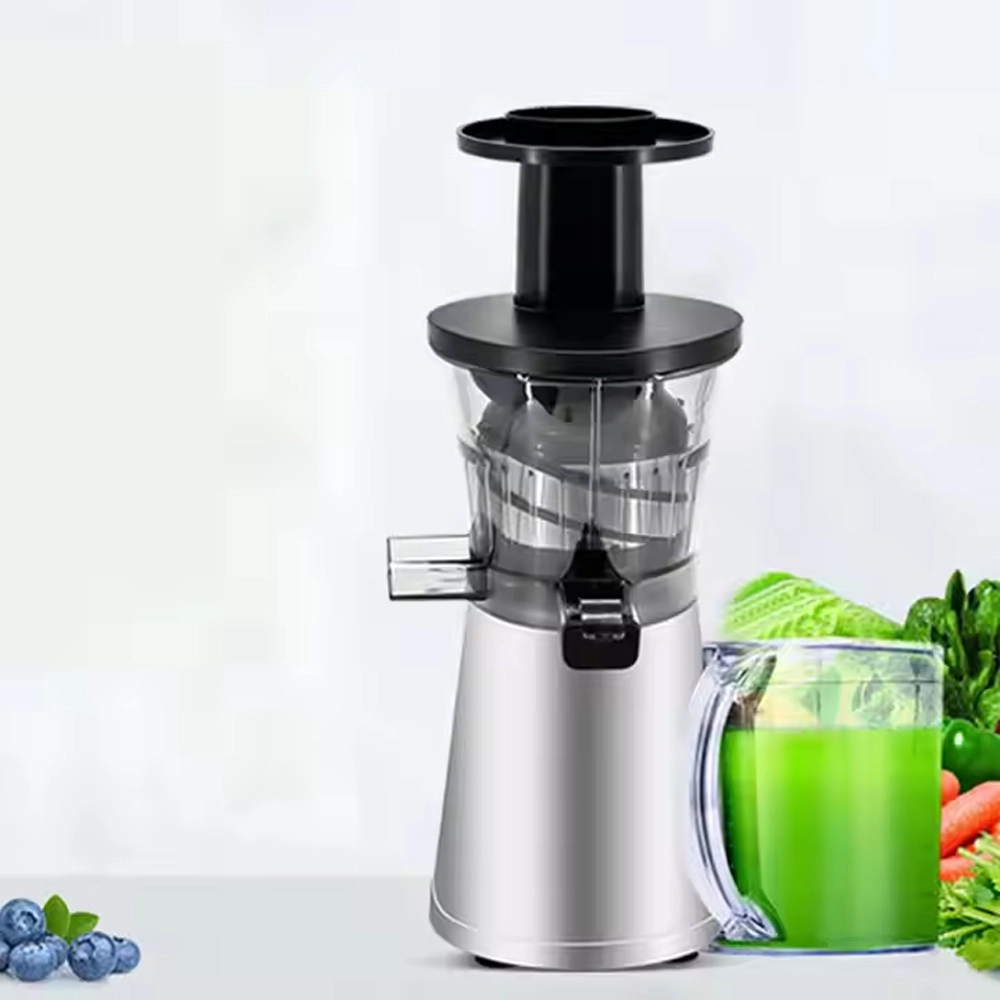
Slow Juicer L601
Jiaolong's L601 Slow Juicer: The perfect choice for slow juicer manufacturers, suppliers, and wholesalers. High-quality, efficient extraction. Contact us for wholesale inquiries.
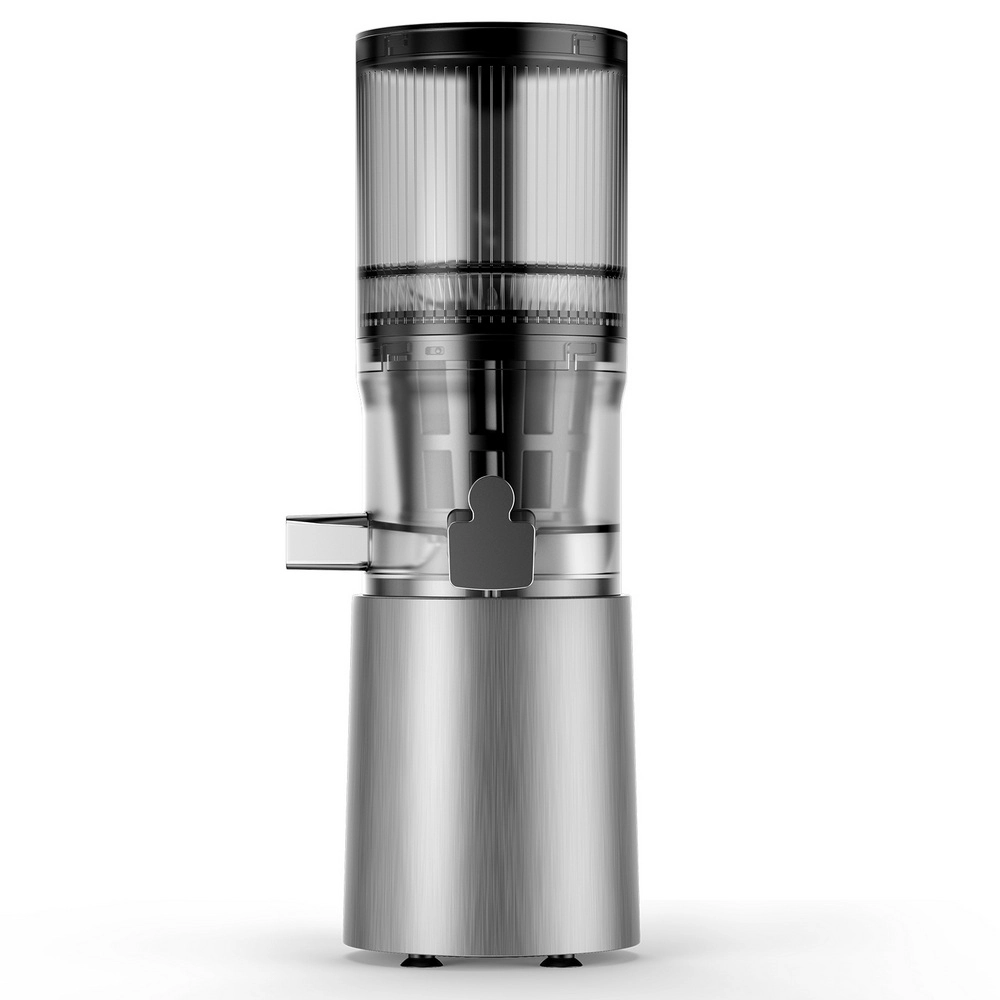
Slow Juicer L605A
Jiaolong's L605A Slow Juicer: A high-quality slow juicer for OEM, manufacturing, and supply needs. Contact us today to explore our slow juicer manufacturing capabilities and become a valued partner.
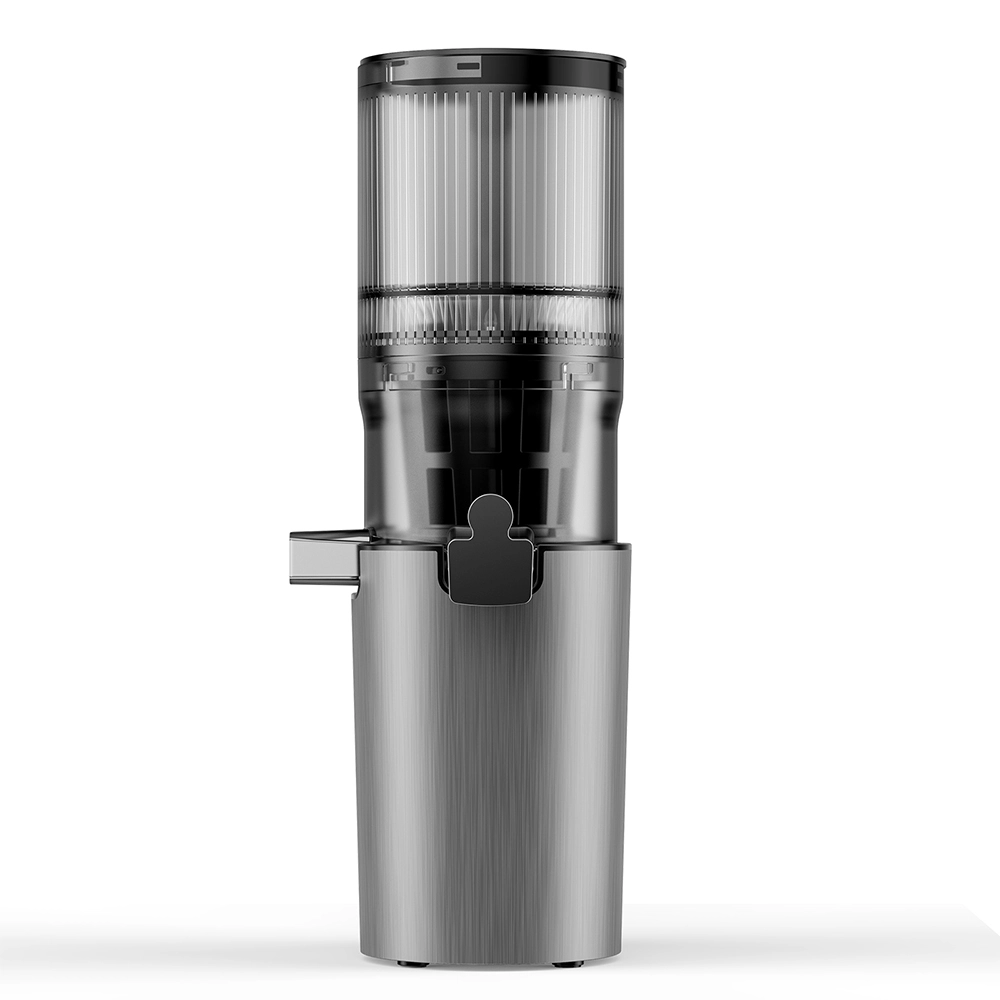
Slow juicer L606A
Jiaolong's L606A slow juicer: The ultimate slow juicer for wholesale, manufactured and supplied by a leading slow juicer supplier. Experience superior juice extraction and quality. Contact us for bulk orders.
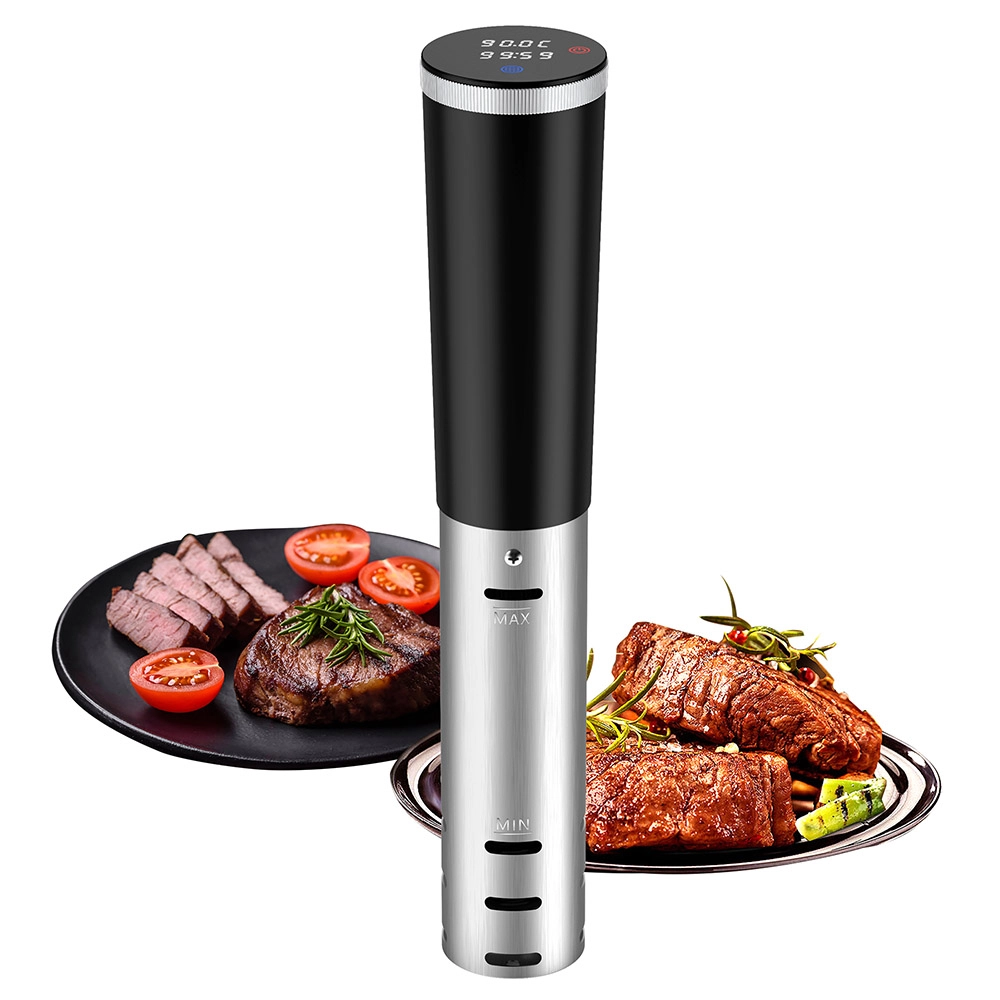
Sous Vide SV220
Jiaolong's Sous Vide SV220: A premium Sous Vide ODM solution. Reliable and efficient, the SV220 is the perfect choice for your next project. Partner with a leading sous vide supplier. Contact us today!
© 2025 JIAOLONG All Rights Reserved. Privacy Policy | Terms and Conditions | Sitemap