
Slow Juicer Maintenance Schedule and Parts Care
- Maximizing Longevity of Your Slow Juicer
- Daily care for your juicer machine slow: quick cleaning and hygiene
- Weekly deep cleaning for your juicer machine slow to prevent buildup
- Monthly inspection: mechanical checks for your juicer machine slow
- Quarterly maintenance tasks specific to juicer machine slow
- Annual servicing and parts replacement guidance for your juicer machine slow
- Parts lifespan and replacement table for juicer machine slow
- Cleaning agents and materials safe for your juicer machine slow
- Motor and thermal protection advice for your juicer machine slow
- Storage and seasonal care for your juicer machine slow
- Troubleshooting common issues with your juicer machine slow
- Cost vs. replacement strategy for owners of a juicer machine slow
- Why following manufacturer guidance matters for your juicer machine slow
- Professional servicing and when to contact support for your juicer machine slow
- Jiaolong: Manufacturer capabilities, after-sales, and how we support juicer machine slow owners
- Checklist: Quick reference maintenance schedule for your juicer machine slow
- Practical tips from appliance professionals on extending juicer machine slow life
- FAQ — Slow Juicer Maintenance and Parts Care
- 1. How often should I clean the filter of a juicer machine slow?
- 2. Can I put juicer parts in the dishwasher?
- 3. What causes my slow juicer to overheat and how do I prevent it?
- 4. How long do juicer machine slow parts typically last?
- 5. Is vinegar safe to use on juicer parts?
- 6. When should I contact professional support for my juicer machine slow?
- References
Maximizing Longevity of Your Slow Juicer
Daily care for your juicer machine slow: quick cleaning and hygiene
Daily cleaning is the single most important habit for owners of a juicer machine slow (masticating juicer). Fruit and vegetable residues dry rapidly and can clog the filter, damage gaskets, and create off-flavors or microbial growth. Immediately after use, unplug the unit, disassemble the removable parts (feed chute, auger, screen, pulp container, and lid), and rinse them under warm running water. Use a soft brush to clear pulp from mesh filters and the auger channels. Wipe down the motor base with a damp cloth—never submerge the motor base.
Weekly deep cleaning for your juicer machine slow to prevent buildup
Once per week (or after heavy use), perform a deeper clean: soak removable parts in warm water with a few drops of mild detergent for 10–15 minutes, then scrub with a soft brush. For stubborn stains or mineral buildup, use a 1:1 mixture of water and white vinegar for a 10-minute soak, followed by a thorough rinse. Inspect silicone gaskets and seals during this clean to check for deformation or discoloration. Replace any parts that show tears, hardening, or permanent warping.
Monthly inspection: mechanical checks for your juicer machine slow
Every month, perform a functionality and wear inspection. Check the screen for holes or tears and the auger for chips or excessive wear. Test the motor for unusual sounds, vibration, or heat during operation. Inspect the power cord for fraying and the control switch for solid contact. Lubricate any manufacturer-recommended bearings or bushings with food-safe lubricant if the manual allows it—do not apply oil to the motor or electrical components. Log any anomalies and their corrective action to build a maintenance history.
Quarterly maintenance tasks specific to juicer machine slow
Quarterly tasks include a more thorough disassembly and inspection of smaller components: remove and inspect seals, gaskets, and the end cap. Descale any parts exposed to hard water using food-safe descalers or a mild citric-acid solution if recommended by your manufacturer. Check the fit of the auger to its drive shaft; excessive play can indicate worn coupling components that reduce extraction efficiency and increase motor stress.
Annual servicing and parts replacement guidance for your juicer machine slow
Plan an annual service that includes replacing wear items such as silicone gaskets, fine mesh screens, and, where applicable, drive couplings or brushes (for motors that use brushes). If your machine has replaceable carbon brushes, measure their length and replace them before they reach the minimum thickness recommended in the manual to prevent motor damage. For commercial or heavy domestic use, consider biannual inspection by a certified technician.
Parts lifespan and replacement table for juicer machine slow
Below is a practical table summarizing common parts, recommended replacement intervals, and typical cost ranges. These are general guidelines—always check the OEM manual for model-specific instructions.
| Component | Typical replacement interval | Why / Risk if not replaced | Estimated cost (USD) |
|---|---|---|---|
| Silicone gaskets / seals | 12–24 months | Prevent leaks and maintain pressure; worn seals cause leaks and motor overload | $5–$20 |
| Fine mesh filter / screen | 12–36 months (or sooner if damaged) | Maintains juice clarity; torn screens reduce extraction and increase waste | $10–$50 |
| Auger (screw) | 2–5 years depending on use | Primary extractor—wear reduces efficiency; fractured augers will jam | $20–$100 |
| Motor brushes (if applicable) | 12–36 months (high-use units sooner) | Worn brushes cause poor motor function or failure | $10–$40 |
| Drive coupling / bearings | 2–5 years | Worn couplings cause slippage and vibration, stressing motor | $15–$80 |
| Pulp container / lid | 3–5 years | Cracked plastics change seals and safety interlocks | $10–$40 |
Cleaning agents and materials safe for your juicer machine slow
Use mild dish detergent, a soft-bristle brush, microfibre cloth, and food-safe descaling agents. Avoid abrasive pads and strong solvents like acetone or bleach that can weaken plastics and silicone. For persistent odors, a baking-soda paste or a 10–15 minute soak in diluted white vinegar (1:1 water to vinegar) followed by a thorough rinse is effective and safe for most parts.
Motor and thermal protection advice for your juicer machine slow
Slow juicers rely on steady, low-speed torque. Overfeeding (packing too much produce at once), processing very hard items (e.g., frozen fruit, hard roots like whole beets), or running continuously beyond manufacturer duty cycles can cause overheating. If the motor base becomes hot, stop and let it cool. Many modern units include thermal cut-outs—allow 15–60 minutes cooling time before reuse. Repeated thermal trips may indicate internal wear or binding and should prompt a professional review.
Storage and seasonal care for your juicer machine slow
If storing for several weeks or months, clean and fully dry all parts to prevent mold. Store with components disassembled slightly so seals retain elasticity. For long-term storage, keep parts in a cool, dry place away from direct sunlight which can degrade plastics and silicone. Label or inventory spare parts (gaskets, screens) so replacements are on hand when needed.
Troubleshooting common issues with your juicer machine slow
- Juicer jams or stalls: Stop unit, remove produce, clear auger and screen, check for foreign objects. If jams recur, reduce feed rate and cut produce into smaller pieces.
- Low juice yield: Clean the screen thoroughly; check auger wear and fit; ensure you are feeding appropriate produce at the recommended consistency.
- Unusual noise or vibration: Inspect for loose parts, worn couplings, or cracked housings. Replace parts per the table earlier.
- Overheating: Allow cool-down period and check for binding in the auger or buildup that increases motor load.
Cost vs. replacement strategy for owners of a juicer machine slow
Regular preventive maintenance is more cost-effective than late-stage repairs. Replace low-cost wear items (gaskets, screens) proactively on the intervals above to avoid larger failures like motor burnout. For high-use or commercial environments, maintain a small stock of critical spares (screen, gasket, auger) to minimize downtime.
Why following manufacturer guidance matters for your juicer machine slow
OEM maintenance guidelines are model-specific; following them preserves warranty coverage and ensures safety. For example, manufacturers specify wash limits, allowable detergents, and duty cycles. Failure to adhere to guidance—such as using non-approved lubricants or submerging the motor base—can void warranties and create safety hazards.
Professional servicing and when to contact support for your juicer machine slow
If you detect burning smells, repeated tripping of thermal protectors, or electrical anomalies (sparks, smoke), discontinue use and contact a certified technician or the manufacturer. For complex motor issues, bearing replacement, or PCB-level faults, professional intervention prevents further damage and ensures compliance with safety standards.
Jiaolong: Manufacturer capabilities, after-sales, and how we support juicer machine slow owners
Jiaolong is a professional kitchen appliance manufacturer integrating R&D, design, production, and sales. The company has a motor production subsidiary, which has realized the independent control of the entire industry chain from core components to complete machine assembly. While ensuring the excellent quality of products, it optimizes production costs and provides cost-effective kitchen appliances for global customers.
From product installation and commissioning to rapid response to faults to daily maintenance optimization, our professional engineer team provides technical support to ensure efficient and stable operation of the equipment. We promise a one-year free warranty service to allow customers to enjoy a worry-free after-sales experience.
Our product portfolio includes Slow Juicer, Sous Vide, Vacuum Sealer, Coffee Grinder, Milk Frother, and Hair Dryer. Jiaolong's advantages are:
- Vertical integration of core motor and assembly lines for improved quality control and competitive pricing.
- Dedicated engineering support from installation to daily maintenance optimization for fast troubleshooting and lower downtime.
- One-year free warranty and global service capability that supports both consumer and commercial customers.
- Focused product design for durability, energy-efficient motors, and user-friendly maintenance.
Because Jiaolong controls motor production and key components, our juicer machine slow products can be serviced effectively with readily available spare parts, reducing repair lead times and total cost of ownership. For product details, customization or to check compatibility of replacement parts, visit our website: https://www.jiaolongappliances.com/.
Checklist: Quick reference maintenance schedule for your juicer machine slow
- After every use: Rinse removable parts; wipe motor base.
- Daily: Brush mesh filters; empty pulp container.
- Weekly: Soak parts, inspect gaskets, clean thoroughly.
- Monthly: Inspect auger, motor noise, power cord; lubricate approved points if applicable.
- Quarterly: Descale and inspect couplings/bearings.
- Annually: Replace gaskets/screens; service motor (brushes, bearings) as needed.
Practical tips from appliance professionals on extending juicer machine slow life
- Feed produce in consistent, moderate-sized pieces to reduce motor strain.
- Alternate soft and harder ingredients (leafy greens with carrots) to avoid continuous high-load runs.
- Keep a small stock of high-wear spare parts (gaskets and fine screens) to avoid operational delays.
- Record maintenance actions and part replacements to identify patterns and optimize replacement timing.
FAQ — Slow Juicer Maintenance and Parts Care
1. How often should I clean the filter of a juicer machine slow?
Clean the filter after every use and deep-clean weekly. If you process fibrous greens or high-starch roots frequently, check the filter more often to prevent clogging.
2. Can I put juicer parts in the dishwasher?
Check the manual: many removable parts are dishwasher-safe on the top rack, but repeated dishwasher exposure can accelerate wear. Hand washing with mild detergent is safest for longevity.
3. What causes my slow juicer to overheat and how do I prevent it?
Overheating is usually caused by overfeeding, processing very hard/frozen items, or binding in the auger. Prevent it by cutting produce smaller, feeding steadily, and following duty-cycle recommendations in the manual. If overheating persists, have a technician inspect the motor and bearings.
4. How long do juicer machine slow parts typically last?
Lifespan varies by use: silicone gaskets typically 12–24 months, screens 12–36 months, and augers 2–5 years. Refer to the parts table above and maintain replacement spares for heavy-use situations.
5. Is vinegar safe to use on juicer parts?
Yes—diluted white vinegar is safe for descaling many parts. Rinse thoroughly after use. Avoid prolonged exposure for certain plastics—consult your manual if unsure.
6. When should I contact professional support for my juicer machine slow?
Contact support if you see smoke, smell burning, notice electrical sparks, repeated thermal trips, or persistent excessive vibration or noise. These signs may indicate motor or electrical faults needing professional repair.
For tailored advice, spare parts, or commercial solutions, contact Jiaolong’s technical team or view our products and service options at https://www.jiaolongappliances.com/. Our engineers can support installation, troubleshooting, and maintenance plans to keep your juicer machine slow operating efficiently.
References
- CNET — How to clean a juicer. https://www.cnet.com/home/kitchen-and-household/how-to-clean-a-juicer/ (accessed 2025-11-30)
- The Spruce Eats — How to Clean a Juicer. https://www.thespruceeats.com/how-to-clean-a-juicer-4147537 (accessed 2025-11-30)
- Hurom — Cleaning & Maintenance (manufacturer guidance). https://www.huromamerica.com/ (accessed 2025-11-30)
- Omega Juicers — Support & Maintenance. https://www.omegajuicers.com/ (accessed 2025-11-30)
- Centers for Disease Control and Prevention (CDC) — Food Safety. https://www.cdc.gov/foodsafety/ (accessed 2025-11-30)
- Jiaolong Appliances — Official site. https://www.jiaolongappliances.com/ (accessed 2025-11-30)
What is best sous vide brands
Custom cost of coffee grinder Manufacturers and Suppliers in France
How to start a vacuum sealer suppliers business in Europe
Top slow cold press juicer Manufacturers and Suppliers in us
OEM & ODM
How to start an OEM or ODM project?
It is very simple to start an OEM or ODM project. You only need to:
1. Provide us with your needs or product design requirements;
2. Our team will provide a preliminary technical solution and quotation;
3. After the design is confirmed, we will make samples for your review;
4. After the sample is passed, formal production and delivery will begin.
How to get technical support and after-sales service?
You can contact the technical support team at any time through our customer service hotline, email or online support system. We provide OEM and ODM customers with detailed user manuals, operation guidance videos and remote technical support to ensure the smooth operation of your equipment
What is the warranty and return policy for OEM/ODM?
All OEM and ODM products have a warranty period of at least one year. During the warranty period, if there is a product quality problem, we will provide return or repair services according to the specific situation. In addition, if the product is damaged during transportation, we will assist in handling related compensation matters.
Can I change the product design or function?
In ODM services, customers can completely change the design or function, and we will make corresponding modifications according to your needs. In OEM services, if the modification does not affect the core function of the original design, appropriate adjustments can also be made. We will provide samples for your review after confirming any design and functional changes.
Service
What to do after the warranty period of the equipment?
After the warranty period, we still provide you with high-quality after-sales service, including paid repairs, parts replacement, etc.
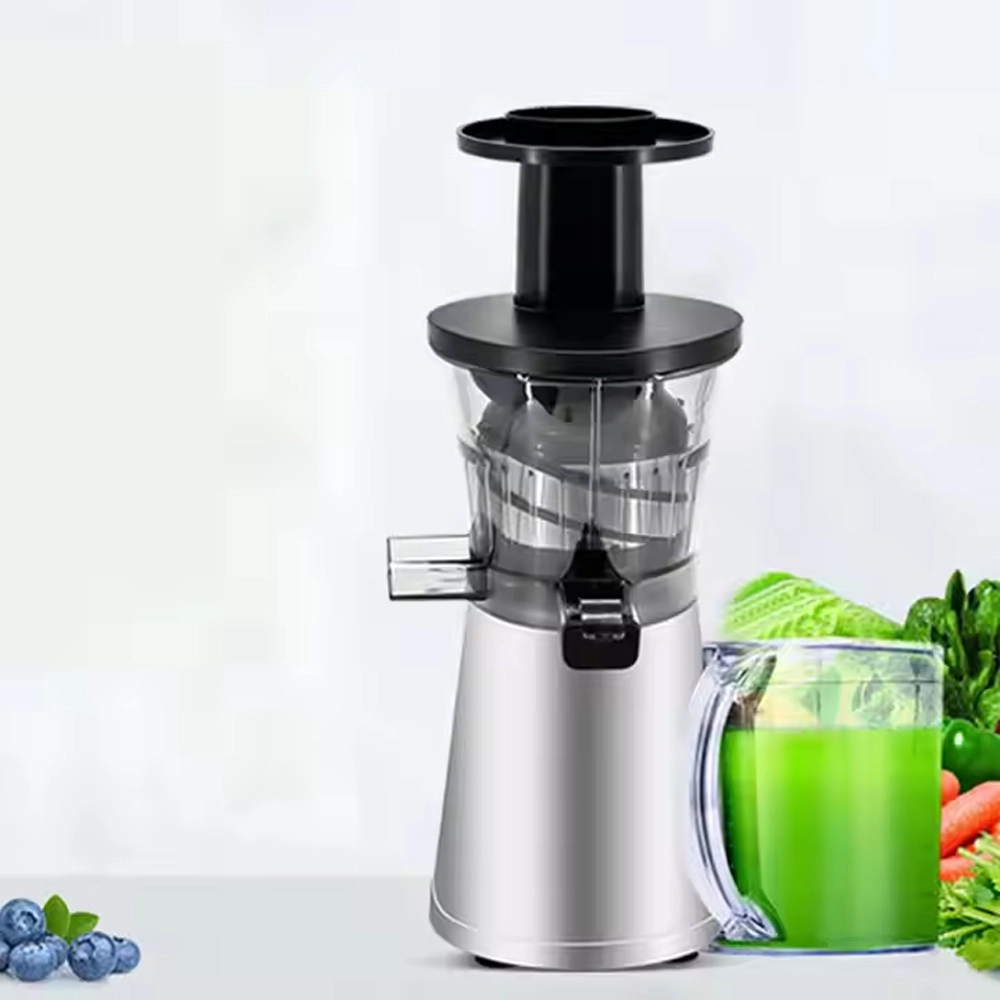
Slow Juicer L601
Jiaolong's L601 Slow Juicer: The perfect choice for slow juicer manufacturers, suppliers, and wholesalers. High-quality, efficient extraction. Contact us for wholesale inquiries.
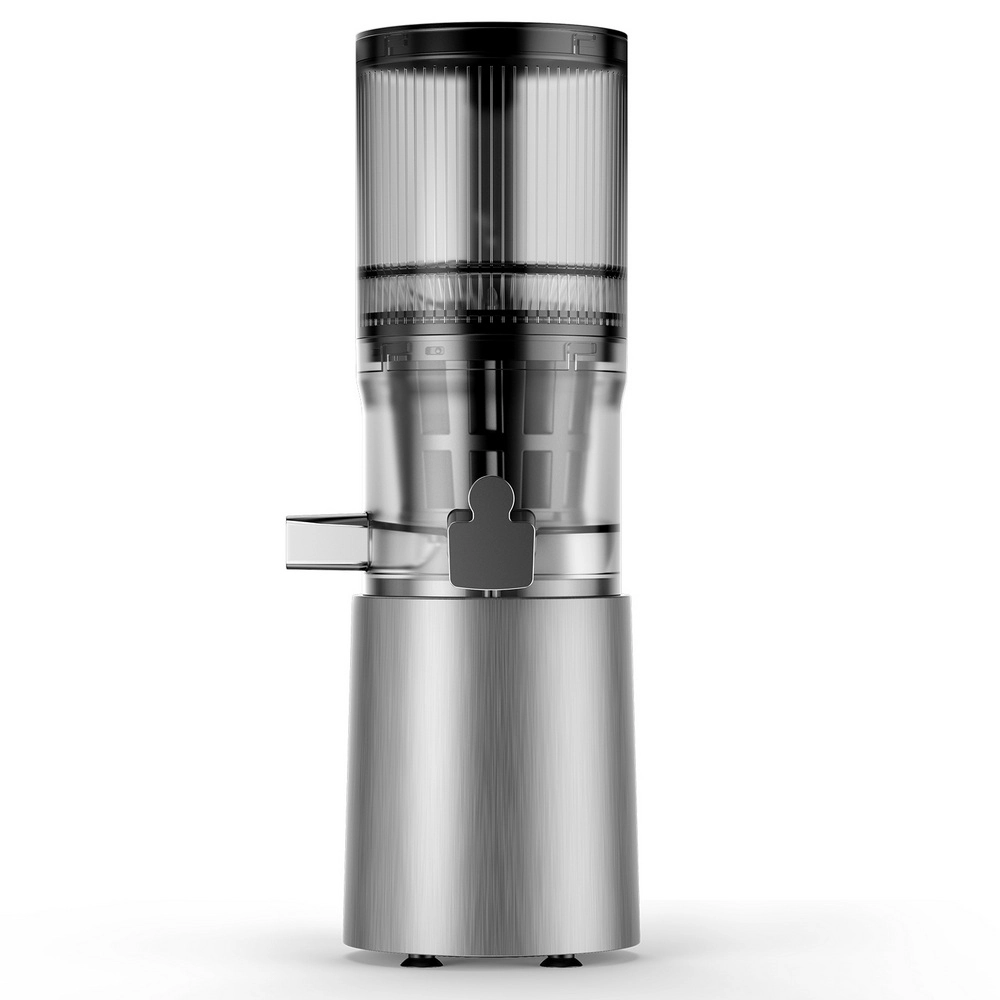
Slow Juicer L605A
Jiaolong's L605A Slow Juicer: A high-quality slow juicer for OEM, manufacturing, and supply needs. Contact us today to explore our slow juicer manufacturing capabilities and become a valued partner.
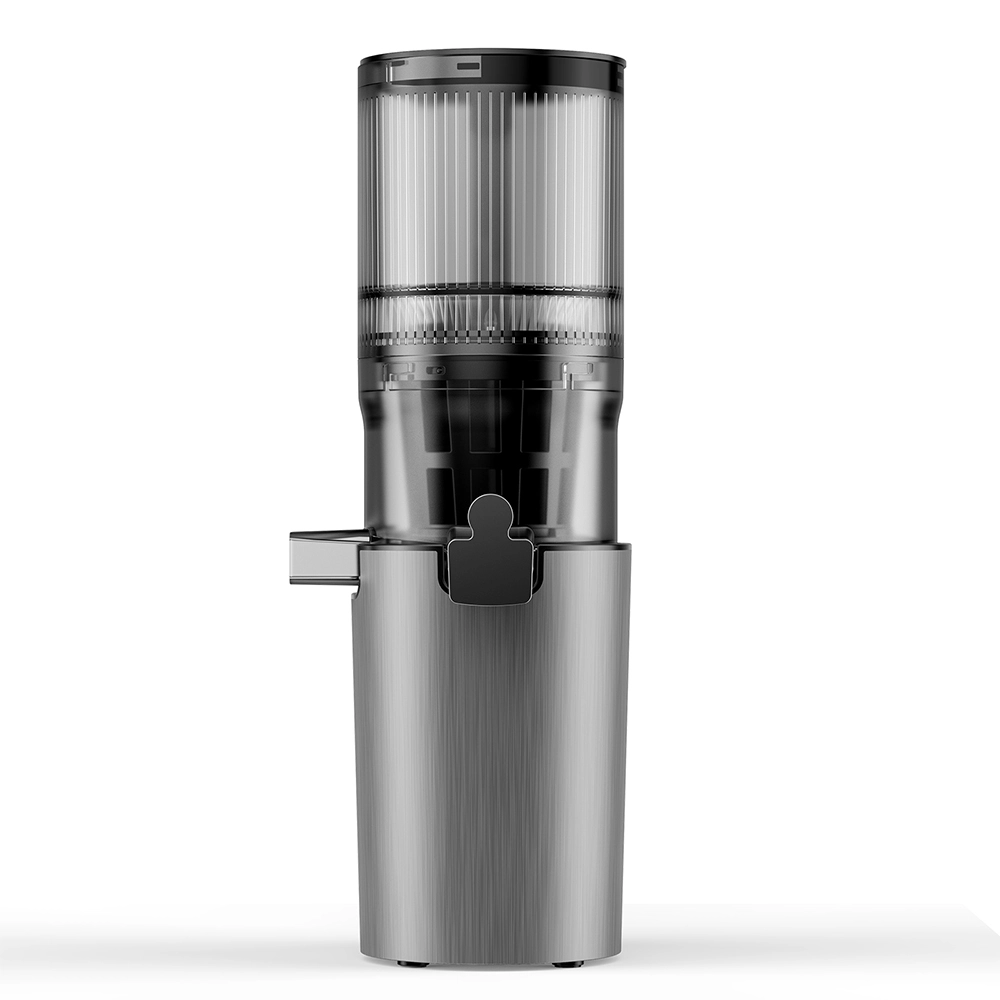
Slow juicer L606A
Jiaolong's L606A slow juicer: The ultimate slow juicer for wholesale, manufactured and supplied by a leading slow juicer supplier. Experience superior juice extraction and quality. Contact us for bulk orders.
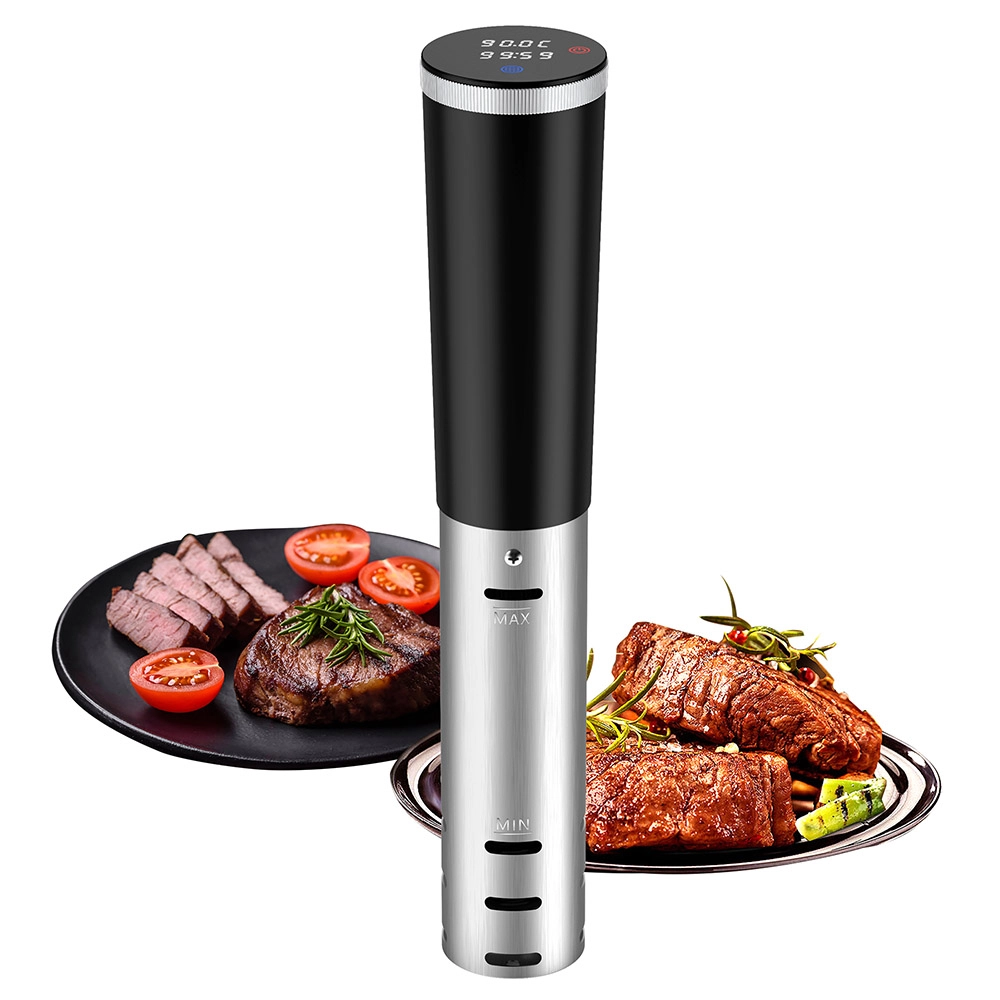
Sous Vide SV220
Jiaolong's Sous Vide SV220: A premium Sous Vide ODM solution. Reliable and efficient, the SV220 is the perfect choice for your next project. Partner with a leading sous vide supplier. Contact us today!
© 2025 JIAOLONG All Rights Reserved. Privacy Policy | Terms and Conditions | Sitemap