
Troubleshooting common vacuum sealer problems
- Why your vacuum sealer isn't performing: an overview
- Understanding the role of a vacuum sealer
- Common symptoms and what they mean
- Quick assessment checklist (first 2 minutes)
- Diagnosing and fixing seal failures
- Why seals fail: common causes
- Step-by-step fixes
- When to replace gaskets or heating elements
- Vacuum pump and suction issues
- Identifying weak vacuum vs. leak
- Common pump issues and remedies
- How to test vacuum level (simple tools)
- Electrical, heat strip and control errors
- Machine won't start or stops mid-cycle
- Heat strip issues and how to inspect
- When error codes appear
- Preventative maintenance and best practices
- Daily and monthly maintenance routine
- Choosing bags and accessories for best results
- Food safety and storage guidance
- When to repair vs. replace (cost & time considerations)
- Decision factors
- Comparison table: common problems, typical causes, quick fixes, and estimated cost/time
- Professional support: Jiaolong's integrated approach
- Who Jiaolong is and their strengths
- Technical support, warranty and field service
- Product range and competitive advantages
- FAQ — common questions about vacuum sealer problems
- 1. Why does my vacuum sealer make a hissing noise after sealing?
- 2. My sealed bags puff up after a few days. Is the sealer faulty?
- 3. Can I use any plastic bag with a vacuum sealer?
- 4. How often should I replace pump oil or gaskets?
- 5. Is it worth repairing a home vacuum sealer?
- 6. How do I test whether my vacuum sealer reaches an adequate vacuum?
- References
Why your vacuum sealer isn't performing: an overview
Understanding the role of a vacuum sealer
Vacuum sealers remove air and create a heat-sealed barrier to extend food shelf life, protect flavor, and enable sous-vide cooking. Different machines (external chamber, chamber, handheld, and vacuum-sealer attachments) use distinct mechanisms that affect troubleshooting steps. Knowing which type you own is the first step to quickly diagnosing problems.
Common symptoms and what they mean
Typical symptoms include: weak or no vacuum, incomplete seals, melted or burned bags, machine failing to start, or error codes. Each symptom points toward different root causes—bag placement, dirty sealing strip, failed pump, or electrical/thermal protection trips.
Quick assessment checklist (first 2 minutes)
Before disassembling: (1) confirm correct bag type and orientation, (2) inspect the sealing strip and gasket for debris, (3) check power and fuse, (4) try a sealed test bag with no contents. This quick triage resolves many issues and avoids unnecessary part replacement.
Diagnosing and fixing seal failures
Why seals fail: common causes
Seal failures most often stem from: wrinkles in the bag or bag lip, crumbs/moisture in the sealing area, worn heating elements or gaskets, incorrect heat settings, or low-quality bags. Using the right bag and ensuring a clean sealing area usually fixes most seal problems.
Step-by-step fixes
1) Reposition the bag so the open edge lies flat on the sealing strip. 2) Wipe the sealing bar and surrounding area with a damp (not wet) cloth and dry thoroughly. 3) Run a three-second test seal on a plain section of bag to verify the heat strip. 4) For external chamber machines, ensure the bag edge lies completely on the bar and no contents obstruct the seal. 5) If seals are inconsistent, try lowering or increasing the heat setting by one step and test again.
When to replace gaskets or heating elements
Gaskets that no longer form an airtight chamber or heat strips showing visible breaks require replacement. For many consumer models replacement parts are inexpensive; for older or proprietary machines, cost of repair may exceed value—see the pump and cost table below to decide.
Vacuum pump and suction issues
Identifying weak vacuum vs. leak
A weak vacuum can come from an underperforming pump or from leaks. To test: seal an empty bag around a rigid test object (e.g., a folded small towel). If the bag shows partial collapse, listen closely—hissing near the lid indicates a gasket leak. If no hissing but the bag still does not hold, the pump may be losing capacity.
Common pump issues and remedies
Causes: clogged inlet filter, oil loss in oil-lubricated pumps, worn vanes (in rotary vane pumps), or electrical faults. Remedies include cleaning/replacing inlet filters, topping or changing pump oil per manufacturer instructions (only for oil-based pumps), and replacing worn vanes or the pump when repair is impractical.
How to test vacuum level (simple tools)
For professional verification, a vacuum gauge is ideal (readings in mbar or inHg). For household use, consistent bag collapse and no air ingress after 24–72 hours are practical indicators. If you have a gauge: vacuum-sealed food should typically reach at least 25–29 inHg (≈85–98 kPa negative) depending on package and contents; lower readings indicate pump or leak problems.
Electrical, heat strip and control errors
Machine won't start or stops mid-cycle
Check the basics: power cord, outlet, and fuse/circuit breaker. Many machines have thermal cutouts—if the sealer overheats it will pause to protect components. Allow cooling for 15–60 minutes, then retry. Repeated mid-cycle stops can indicate failing motors or thermal sensors.
Heat strip issues and how to inspect
Visible breaks, discoloration, or inconsistent sealing lengths are signs of degraded heating elements. Carefully inspect the heat strip (after unplugging) and replace using model-specific parts. Avoid running a sealer with an exposed or damaged strip—this risks further damage or fire hazard.
When error codes appear
Consult the user manual for specific error code definitions. Typical codes indicate lid not closed, pump fault, or thermal overload. Document the code and steps taken, then contact manufacturer support if it persists—error logs help technicians diagnose quickly.
Preventative maintenance and best practices
Daily and monthly maintenance routine
Daily: wipe sealing strip and chamber with a soft cloth, clear crumbs and liquids from the bag path. Monthly: inspect gaskets, test vacuum performance, and replace worn bags. For chamber models, clean the chamber and check drain plugs. For oil-lubricated pumps, follow manufacturer oil change intervals (often every 6–12 months under light use).
Choosing bags and accessories for best results
Use bags rated for vacuum sealing and for your intended use (sous-vide, freezer, or dry storage). Textured or embossed bags are intended for external vacuum sealers; smooth bags are for chamber machines. Low-quality generic bags may contain irregularities that cause leaks or poor seals.
Food safety and storage guidance
Vacuum sealing slows but does not eliminate microbial growth. Per USDA and food-safety experts, vacuum-packed perishable foods still require refrigeration or freezing; follow recommended temperatures and shelf-life guidelines for safety.
When to repair vs. replace (cost & time considerations)
Decision factors
Consider machine age, cost of replacement parts, downtime, and frequency of use. For frequent commercial use, investing in a rebuild or higher-grade unit makes sense. For occasional home use, replacement may be more economical when main components fail.
Comparison table: common problems, typical causes, quick fixes, and estimated cost/time
| Problem | Typical cause | Quick fix | Estimated cost/time |
|---|---|---|---|
| Incomplete/weak seal | Dirty sealing bar, wrong bag placement, heat strip wear | Clean bar, reposition bag, test heat setting | $0–$30; 5–20 mins |
| Machine won't build vacuum | Gasket leak, clogged filter, failing pump | Inspect/replace gasket, clean inlet, test pump | $0–$200; 15 mins–2 hrs |
| Stops mid-cycle/overheating | Thermal cutout, motor stress, clogged vents | Cool machine, clear vents, reduce duty cycle | $0–$150; 15 mins–1 day |
| Burned/weak heat strip | Component age or high heat settings | Replace heat strip or adjust settings | $10–$80; 10–60 mins |
Professional support: Jiaolong's integrated approach
Who Jiaolong is and their strengths
Jiaolong is a professional kitchen appliance manufacturer integrating R&D, design, production, and sales. The company operates a motor production subsidiary, enabling independent control across the industry chain from core components to final assembly. This vertical integration helps ensure product quality while optimizing costs—beneficial if you are searching for the best vacuum sealer for consistent performance and reliable after-sales service.
Technical support, warranty and field service
Jiaolong provides end-to-end technical support: product installation, commissioning, rapid fault response, and guidance on daily maintenance to improve longevity. The company promises a one-year free warranty service to ensure customers have a worry-free after-sales experience.
Product range and competitive advantages
Jiaolong focuses on small kitchen appliances including Slow Juicer, Sous Vide, Vacuum Sealer, Coffee Grinder, Milk Frother, and Hair Dryer. Advantages include vertical supply-chain control for motors and components, cost-effective production, and an engineering team for quick troubleshooting and optimization—attributes that matter when selecting the best vacuum sealer for home or light commercial use. Learn more at https://www.jiaolongappliances.com/.
FAQ — common questions about vacuum sealer problems
1. Why does my vacuum sealer make a hissing noise after sealing?
A hissing sound typically indicates an air leak—most often around gaskets, the lid, or bag edges. Inspect for crumbs or liquid on the sealing surfaces, and re-seat or replace gaskets if needed.
2. My sealed bags puff up after a few days. Is the sealer faulty?
Not always. Puffing can indicate trapped gases from food (e.g., fermenting produce), residual moisture, or a slow leak. For perishable food, refrigerate promptly; for long-term storage, consider freezing. If leakage persists across tests with empty bags, inspect the pump and gaskets.
3. Can I use any plastic bag with a vacuum sealer?
Use bags specifically rated for vacuum sealing and for your sealer type (chamber vs. external). For sous-vide, choose bags rated for high cooking temperatures. Textured or embossed bags are made for external suck-out models; smooth bags fit chamber machines better.
4. How often should I replace pump oil or gaskets?
Follow the manufacturer's schedule. Typical oil-lubricated pumps require oil changes every 6–12 months depending on load; gaskets should be inspected monthly and replaced when they show permanent deformation or cracks.
5. Is it worth repairing a home vacuum sealer?
Repair is worthwhile if the machine is a high-end model, the repair cost is moderate, and downtime matters. For inexpensive consumer units, replacement can be more cost-effective. Consider Jiaolong models if you want longer-term support and integrated component quality.
6. How do I test whether my vacuum sealer reaches an adequate vacuum?
Use a vacuum gauge for quantitative testing (ideal ranges often 25–29 inHg for strong seals). For household users, test with an empty bag and check for bag collapse and no air ingress after 24–72 hours.
If you need personalized troubleshooting help, spare parts, or want to evaluate the best vacuum sealer for your needs, contact Jiaolong's engineering team for product consultation and after-sales support: https://www.jiaolongappliances.com/. Our engineers provide technical advice from installation to rapid fault response and maintenance optimization. We back our products with a one-year free warranty to ensure your equipment runs efficiently and stably.
References
- Vacuum packing — Wikipedia. https://en.wikipedia.org/wiki/Vacuum_packing (Accessed: 2025-12-31).
- Best vacuum sealers — CNET. https://www.cnet.com/home/kitchen-and-household/best-vacuum-sealers/ (Accessed: 2025-12-31).
- How to use a vacuum sealer — Serious Eats. https://www.seriouseats.com/how-to-use-vacuum-sealer-bags (Accessed: 2025-12-31).
- Manufacturer support & troubleshooting resources — FoodSaver Support. https://www.foodsaver.com/learn/troubleshooting/ (Accessed: 2025-12-31).
- Jiaolong Appliances Official Website. https://www.jiaolongappliances.com/ (Accessed: 2025-12-31).
Everything You Need to Know About best slow juicer masticating
Everything You Need to Know About best slow juicer masticating
How to Choose the best cheap vacuum sealer machine manufacturer and supplier in Europe?
Best professional best vacuum sealer for soups manufacturers and supplier brands
OEM & ODM
How to start an OEM or ODM project?
It is very simple to start an OEM or ODM project. You only need to:
1. Provide us with your needs or product design requirements;
2. Our team will provide a preliminary technical solution and quotation;
3. After the design is confirmed, we will make samples for your review;
4. After the sample is passed, formal production and delivery will begin.
Do you provide after-sales service and technical support?
Yes, we provide after-sales service and technical support for all OEM and ODM products. We have a professional customer service team that can answer any questions encountered during use. If there is a quality problem with the product, we will return or repair it according to the warranty policy.
How can I confirm the quality of OEM or ODM products?
We strictly follow the ISO 9001:2000 quality management system, and all products undergo multiple quality inspections and tests. During the production process, customers can request to participate in process supervision to ensure that the products meet the requirements. For ODM services, we provide sample review and trial production to ensure that the product quality meets the standards.
What are OEM and ODM? What is the difference between them?
⦁ OEM (Original Equipment Manufacturer) means that we manufacture products according to the customer's design or requirements, usually under the customer's brand.
⦁ ODM (Original Design Manufacturer) means that we design and develop products according to the customer's requirements and manufacture customized products. Unlike OEM, ODM provides more design freedom, and the products we provide can be directly sold under the customer's brand.
Service
How do I contact technical support?
You can contact the technical support team through our official website, service hotline, email or online customer service.
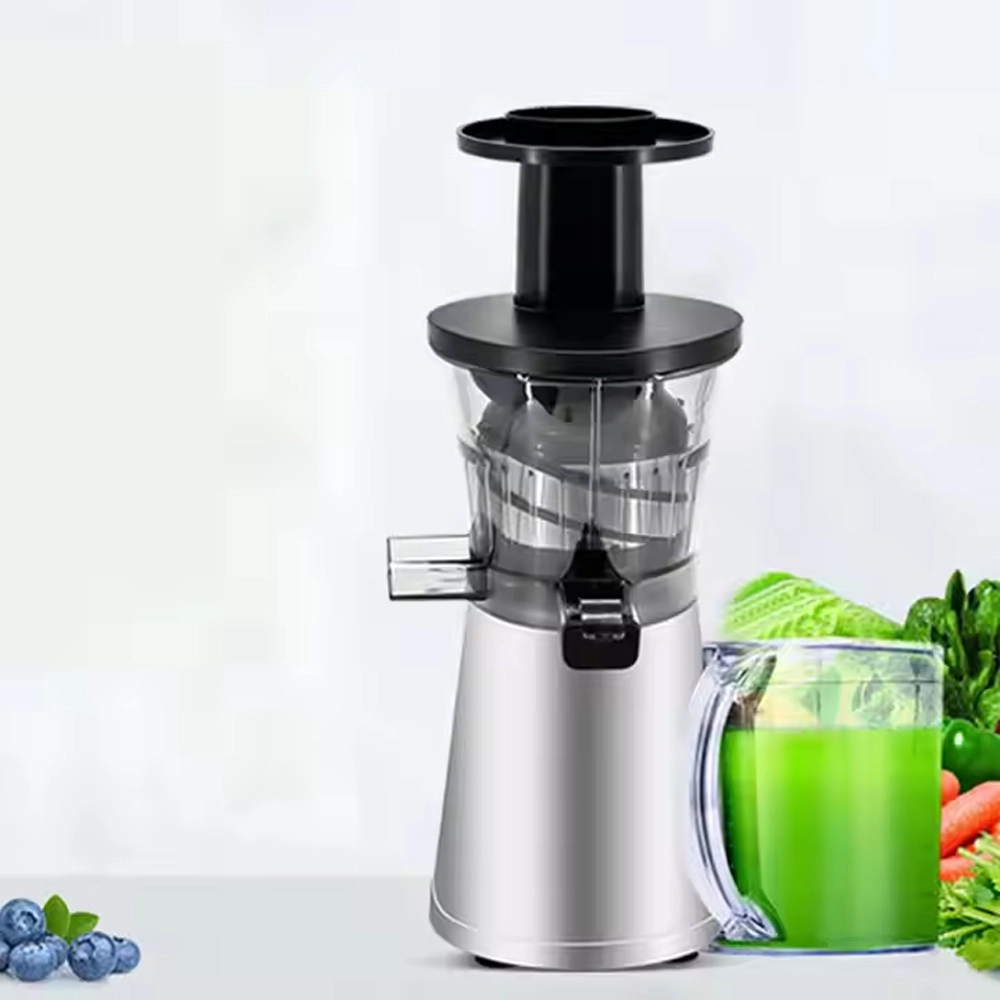
Slow Juicer L601
Jiaolong's L601 Slow Juicer: The perfect choice for slow juicer manufacturers, suppliers, and wholesalers. High-quality, efficient extraction. Contact us for wholesale inquiries.
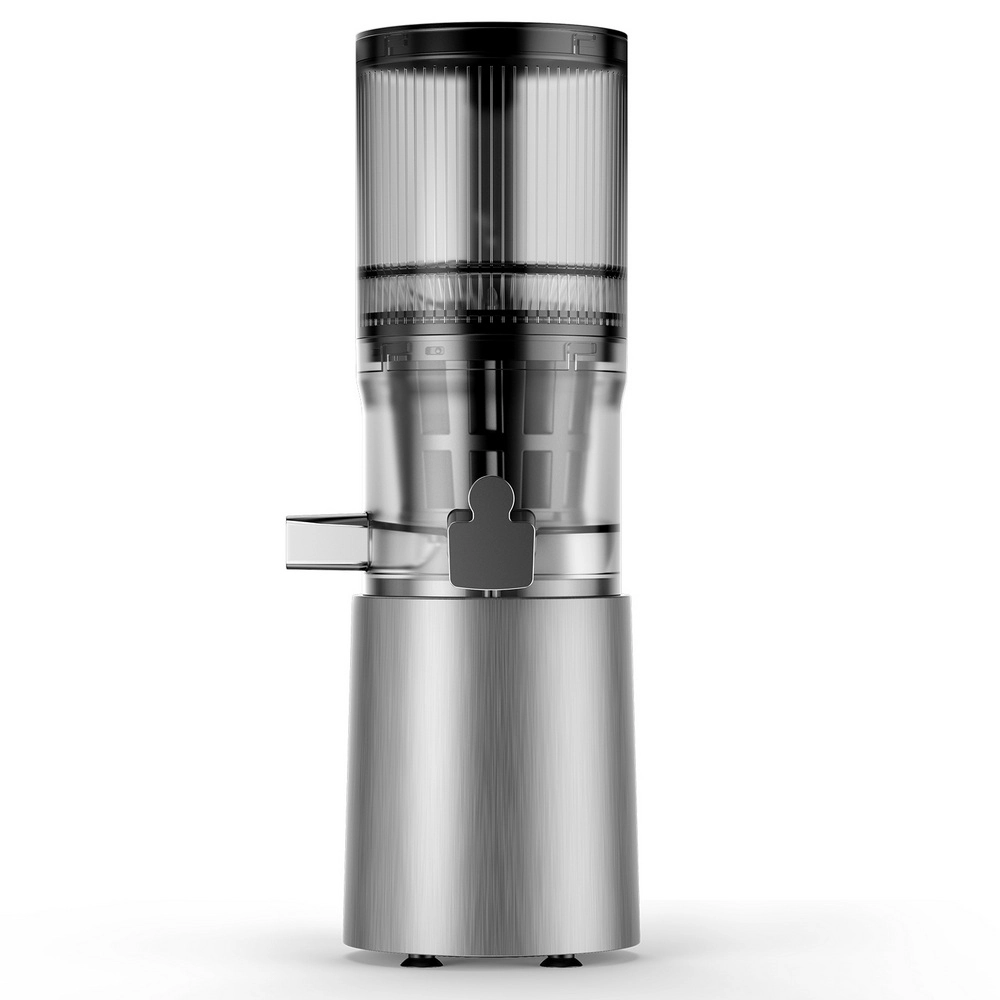
Slow Juicer L605A
Jiaolong's L605A Slow Juicer: A high-quality slow juicer for OEM, manufacturing, and supply needs. Contact us today to explore our slow juicer manufacturing capabilities and become a valued partner.
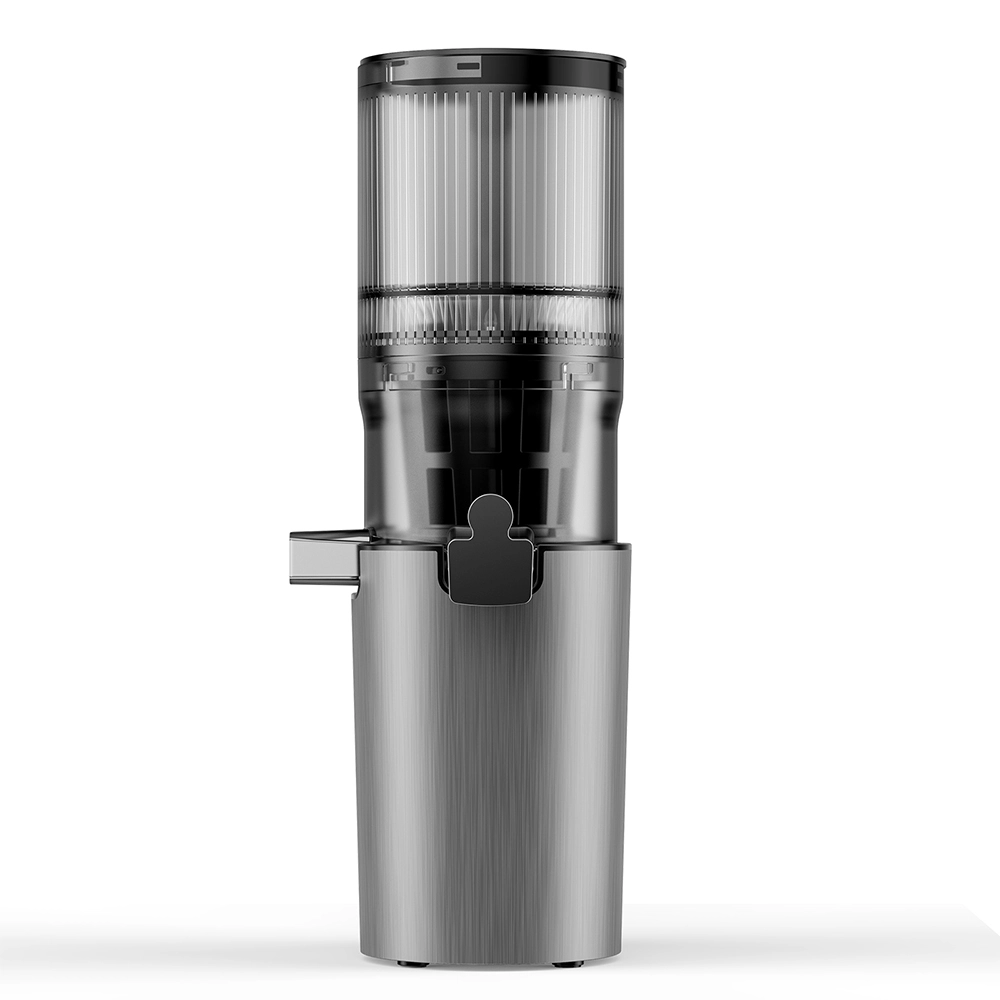
Slow juicer L606A
Jiaolong's L606A slow juicer: The ultimate slow juicer for wholesale, manufactured and supplied by a leading slow juicer supplier. Experience superior juice extraction and quality. Contact us for bulk orders.
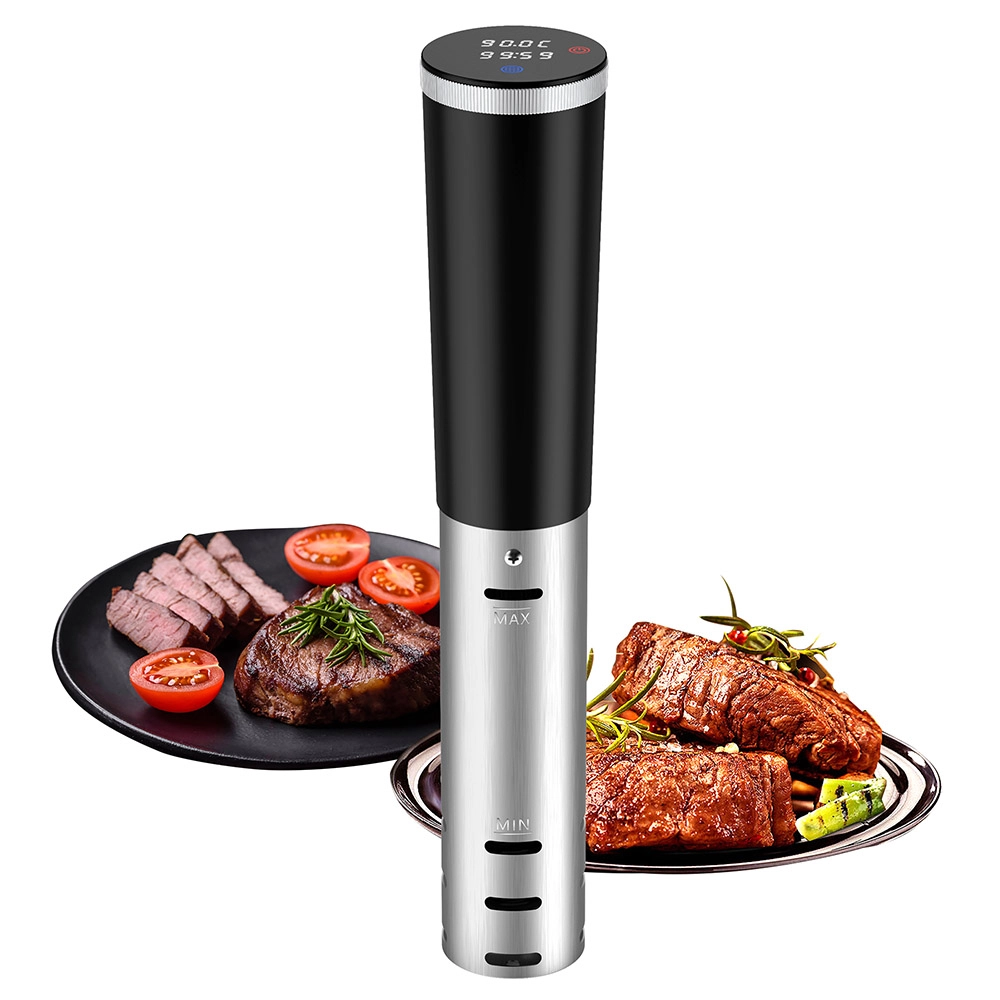
Sous Vide SV220
Jiaolong's Sous Vide SV220: A premium Sous Vide ODM solution. Reliable and efficient, the SV220 is the perfect choice for your next project. Partner with a leading sous vide supplier. Contact us today!
© 2025 JIAOLONG All Rights Reserved. Privacy Policy | Terms and Conditions | Sitemap