
Slow Press Juicer vs. Centrifugal: The Brutal Truth About Nutrient Density and Juice Yield
A no-nonsense comparison of slow press (masticating) and centrifugal juicers. We analyze nutrient retention, oxidation rates, and long-term cost efficiency to help you choose the right machine for 2026.
- What is the Main Difference Between Slow Press and Centrifugal Juicers?
- Quick Summary: The 2026 Juicer Comparison Sheet
- The Mechanism of Action: Crushing vs. Shredding
- The Brutal Truth About Nutrient Density and Oxidation
- Juice Yield Economics: Is the Slower Speed Worth the Price?
- Expert Tips: Avoiding Common Slow Press Mistakes
- Industry Solutions: The Evolution of Extraction Technology
- Conclusion
- FAQ
What is the Main Difference Between Slow Press and Centrifugal Juicers?
A slow press juicer (masticating) operates at low speeds (40-80 RPM) to crush and squeeze produce, minimizing heat and oxidation, whereas a centrifugal juicer uses high-speed blades (3,000-14,000 RPM) to shred produce against a mesh filter, introducing air and heat.
The fundamental difference lies in the extraction method. Centrifugal models act like high-powered blenders with a filter, violently tearing apart fruit and vegetable fibers. This speed creates immediate separation and introduces oxygen bubbles, which is why the juice often turns brown quickly. In contrast, a slow press juicer mimics the mechanical action of chewing. It uses a strong auger to compress the produce against a screen, squeezing out the liquid while leaving the fiber behind. This process preserves the integrity of the cellular walls until the moment of extraction, resulting in a nutrient-dense juice with a significantly longer shelf life.
- Method: Crushing (Slow) vs. Shredding (Fast)
- Speed: 40-80 RPM vs. 10,000+ RPM
- Outcome: Rich, stable juice vs. Frothy, separating liquid
- Preservation: Enzymatic activity retained vs. Accelerated oxidation
Quick Summary: The 2026 Juicer Comparison Sheet
The best slow press juicer models prioritize torque over speed, offering a silent operation that contrasts sharply with the deafening roar of fast machines. Here is the breakdown:
| Feature | Slow Press Juicer (Masticating) | Centrifugal Juicer (Fast) |
| Mechanism | Gentle crushing & squeezing | High-speed shredding & spinning |
| Speed | 40 - 80 RPM | 3,000 - 14,000+ RPM |
| Nutrient Retention | High: Live enzymes remain intact | Low/Medium: High oxidation risk |
| Juice Texture | Smooth, vibrant, rarely separates | Frothy, pale, separates quickly |
| Noise Level | Quiet (like a normal conversation) | Very loud (like a blender) |
| Best For | Leafy greens, wheatgrass, batching | Hard roots, immediate drinking only |
The Mechanism of Action: Crushing vs. Shredding
Masticating juicers utilize a single or twin gear system (auger) to slowly grind ingredients against a static screen, while centrifugal juicers rely on centrifugal force to fling shredded pulp against a mesh basket.
To understand why this matters, imagine squeezing a wet sponge (slow press) versus spinning it in a centrifuge (centrifugal). The slow press method is gentle, ensuring that the "cellular wall" of the plant is opened effectively to release phytonutrients without destroying them. As described by Wikipedia, the masticating process compacts and crushes produce into smaller sections before squeezing, which is essential for extracting liquid from difficult ingredients like wheatgrass or kale—tasks where centrifugal blades simply fail.
- The Auger: A screw-like gear that pulls food in and crushes it.
- The Mesh: In centrifugal models, this spins rapidly, acting as both a grater and a sieve.
- Cellular Integrity: Crushing gently opens cells; shredding tears them apart.
- Visual Proof: Slow press juice is vibrant and consistent; centrifugal juice is foamy and pale.
The Brutal Truth About Nutrient Density and Oxidation
Masticating vs centrifugal nutrient retention comes down to one primary factor: oxidation caused by high-speed air injection, not just heat.
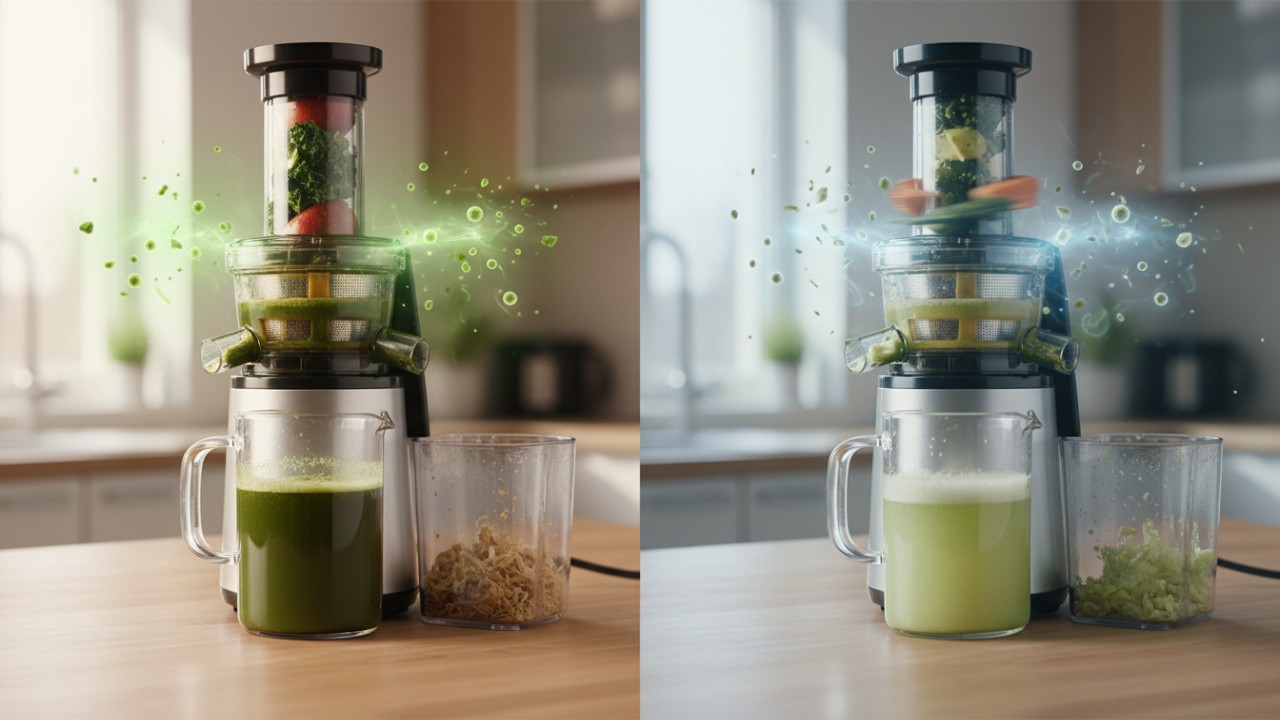
While marketing often blames "heat" for nutrient loss, the real culprit in centrifugal juicing is the vortex of air created by the spinning basket. This injects oxygen directly into the liquid, accelerating the breakdown of live enzymes and vitamins. Scientific discussions, such as those found on the National Institutes of Health (PMC), highlight that while immediate nutrient levels can sometimes be comparable, the storage stability differs significantly. Cold press juice oxidation rate is drastically lower, allowing the juice to maintain its nutritional profile for up to 72 hours, whereas centrifugal juice tastes "flat" and loses potency within 4 hours.
- The Heat Myth: It is not just temperature; it is Oxygen injection.
- Browning Effect: High-RPM spinning forces air into liquid, accelerating enzymatic decay.
- Live Enzymes: Slow press juice retains up to 60% more vitamins A and C over time.
- Shelf Life: Centrifugal juice must be drunk immediately; cold press lasts 3 days.
Juice Yield Economics: Is the Slower Speed Worth the Price?
Juice yield cost efficiency analysis proves that a slow press juicer pays for itself within 6 months through produce savings, extracting up to 30% more liquid from the same amount of fruit.
The most visible proof of this efficiency is the pulp. Masticating juicers eject pulp that is bone-dry and compressed. Centrifugal juicers eject wet, soggy pulp—literally throwing your money into the trash bin. If you juice organic produce, this waste accumulates rapidly. For leafy greens like spinach and kale, centrifugal machines are notoriously inefficient, often flinging whole leaves into the bin without extracting a drop.
- Wet Pulp vs. Dry Pulp: The ultimate visual test of efficiency.
- Cost Calculation: 30% more yield means buying 30% less produce for the same juice volume.
- Leafy Green Test: Centrifugal juicers waste greens; slow press extracts every drop.
- ROI: Higher upfront machine cost is offset by long-term grocery savings.
Expert Tips: Avoiding Common Slow Press Mistakes
To maximize the lifespan of your appliance, do not force-feed the chute; let the auger do the work to prevent jamming and ensure optimal extraction.
Even the best machines require proper technique. Because the tolerance between the auger and the screen is tight (to ensure maximum pressure), overfilling the chute can cause backups. Patience is your best tool here. The slow rotation is a feature, not a bug—it is what ensures the nutrients are preserved.
- Patience is Key: Do not push hard; gravity and the auger will pull the food in.
- Prep Size: Cut fibrous stalks (celery/ginger) into small chunks to prevent clogging the ejection port.
- Rotation Method: Alternate between soft items (oranges) and hard items (carrots) to keep the screen clear.
- Cleaning Hack: Clean the mesh screen immediately—dried fiber acts like concrete.
Industry Solutions: The Evolution of Extraction Technology
Modern slow juicers have evolved to include high-torque AC motors and self-feeding hoppers, solving the historical complaints of "jamming" and "slow prep time."
This is where manufacturing expertise becomes critical. For example, Guangdong Jiaolong Electric Co., Ltd. (Jiaolong) has addressed these engineering challenges head-on. As a professional manufacturer that integrates R&D and production, Jiaolong has a distinct advantage: we own a motor production subsidiary. This allows for independent control over the core component—the motor. By producing our own high-torque motors, we ensure they have the power to crush hard root vegetables without stalling, a common failure point in cheaper generic models.
Furthermore, our professional engineer team provides technical support to optimize daily maintenance, ensuring that the equipment operates stably for years. With a one-year free warranty service, brands like Jiaolong are redefining the standard for durability in the slow press juicer market.
- Self-Feeding Hoppers: Allows you to load produce and walk away.
- High-Torque Motors: Essential for crushing beetroots and ginger without jamming.
- Easy-Clean Screens: New designs minimize scrubbing time.
- Durability: Ultem augers and robust motors ensure longevity.
Conclusion
If you prioritize nutrient density, shelf life, and long-term produce savings, a slow press juicer is the superior investment. While centrifugal models offer speed, they sacrifice yield and quality, making them viable only for immediate consumption. For the modern health enthusiast, the slow press offers a "brutal truth" that is hard to ignore: better juice costs less in the long run.
Contact us today to optimize your slow press juicer strategy.
FAQ
Is a slow press juicer really better than a centrifugal one?
Yes, for nutrient retention and yield. Slow press juicers extract up to 30% more liquid and preserve enzymes by minimizing oxidation.
Does centrifugal juice lose nutrients?
Yes, primarily due to oxidation. The high-speed spinning introduces air, which degrades delicate vitamins and enzymes faster than cold pressing.
How long does cold-pressed juice last?
Slow press juice can be stored in an airtight container for up to 72 hours (3 days) without significant loss of nutrients or taste.
Why are slow press juicers so expensive?
They utilize complex high-torque motors and durable components (like Ultem augers) designed to crush hard produce without burning out, ensuring longevity.
Can I put whole fruits in a slow press juicer?
It depends on the model. Newer 2026 'whole slow juicers' have wide chutes for whole apples, but fibrous items like celery should still be chopped.
Which juicer is better for leafy greens?
Slow press masticating juicers are far superior for leafy greens (kale, spinach, wheatgrass), extracting juice where centrifugal machines mostly eject whole leaves.
Do slow press juicers take longer to clean?
Not necessarily. While they have more parts, modern designs feature 'easy-clean' screens that rinse faster than the clogged mesh of a centrifugal cutter.
What is the RPM difference between slow and fast juicers?
Slow press juicers typically run at 40-80 RPM, whereas centrifugal juicers spin at speeds between 3,000 and 14,000 RPM.
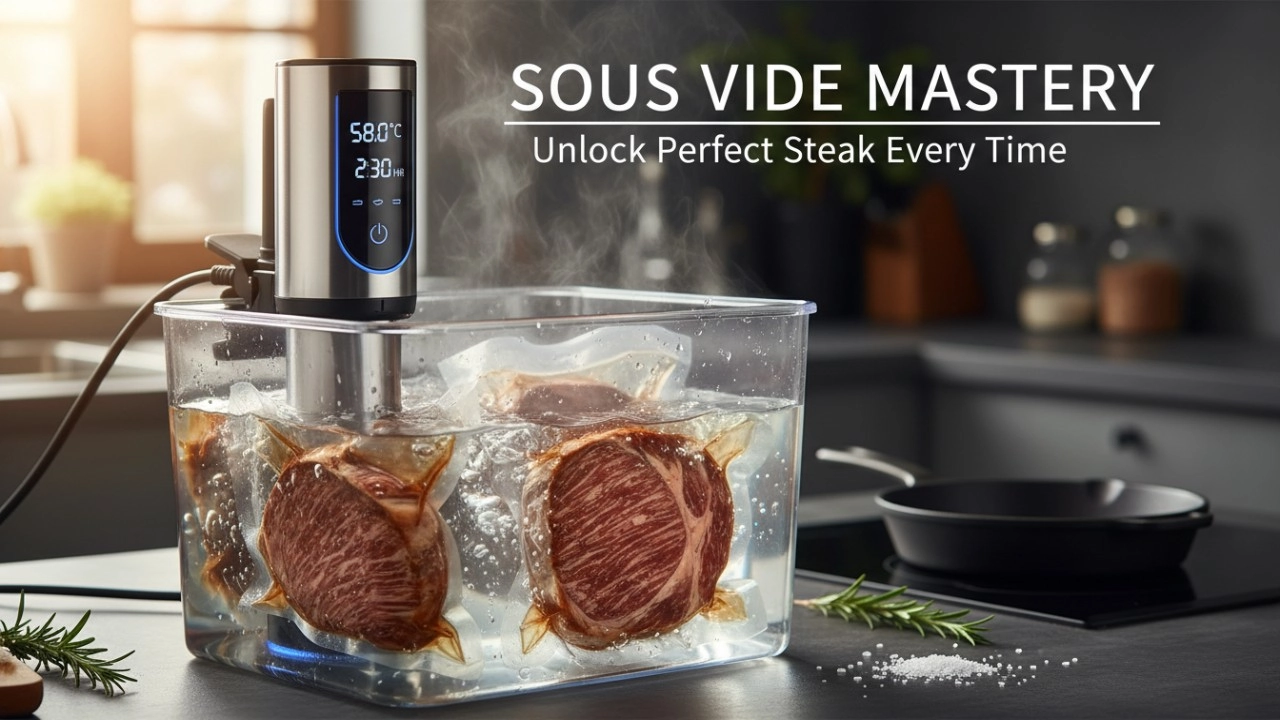
The Best Sous Vide Steak Machines (2026): Lab-Tested Reviews & Speed Comparisons
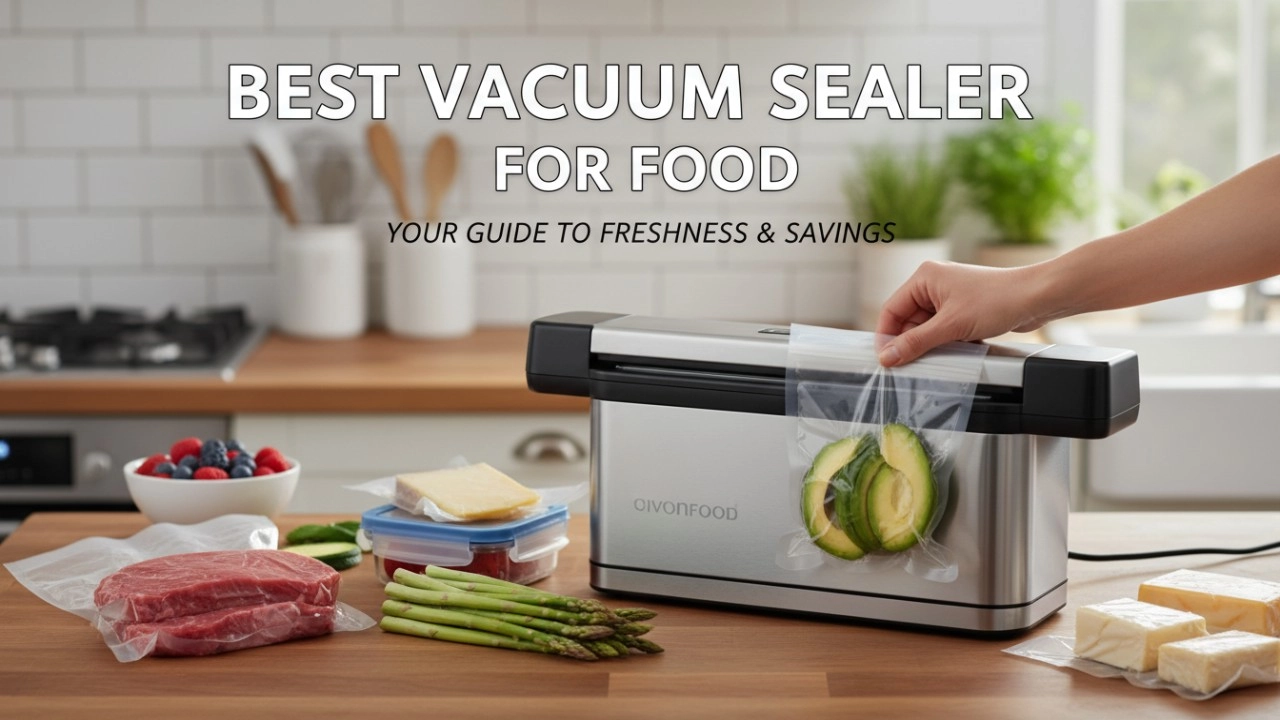
The 2026 Vacuum Sealer Market: Why High-Performance Motors are Driving B2B Growth
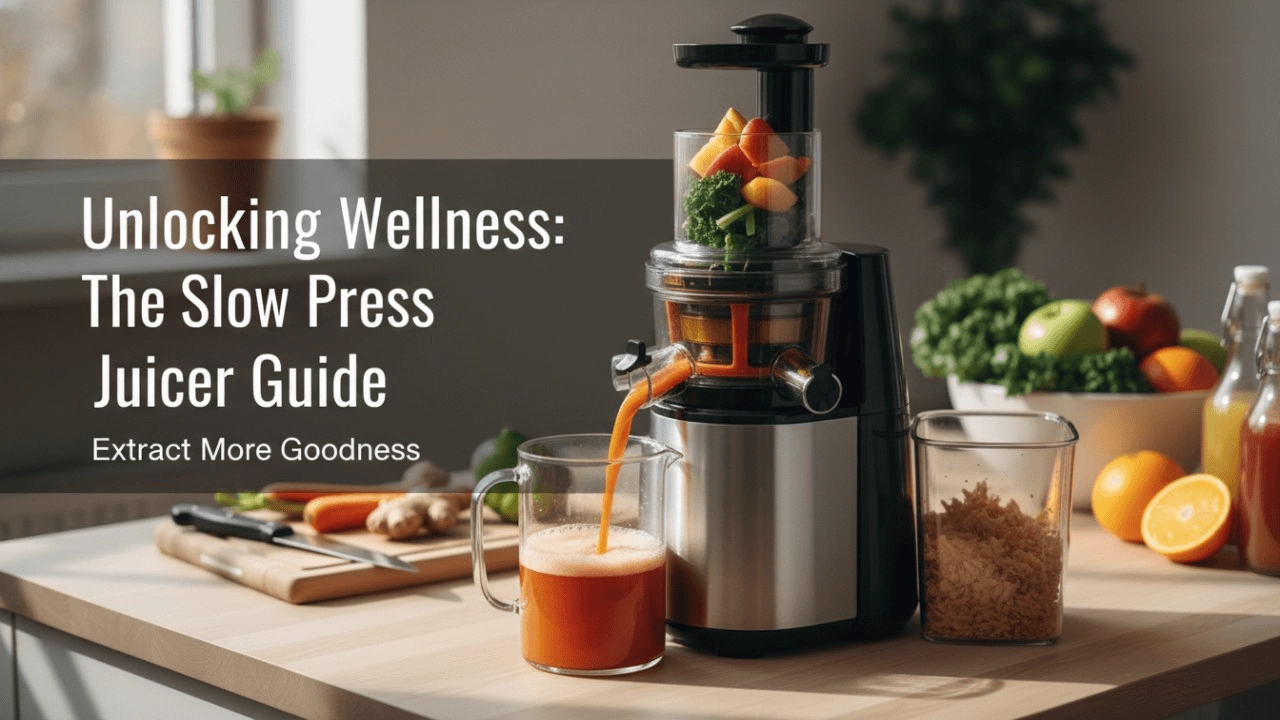
Slow Press Juicers in 2026: How Cold Extraction Redefines Nutrition, Yield, and Motor Engineering
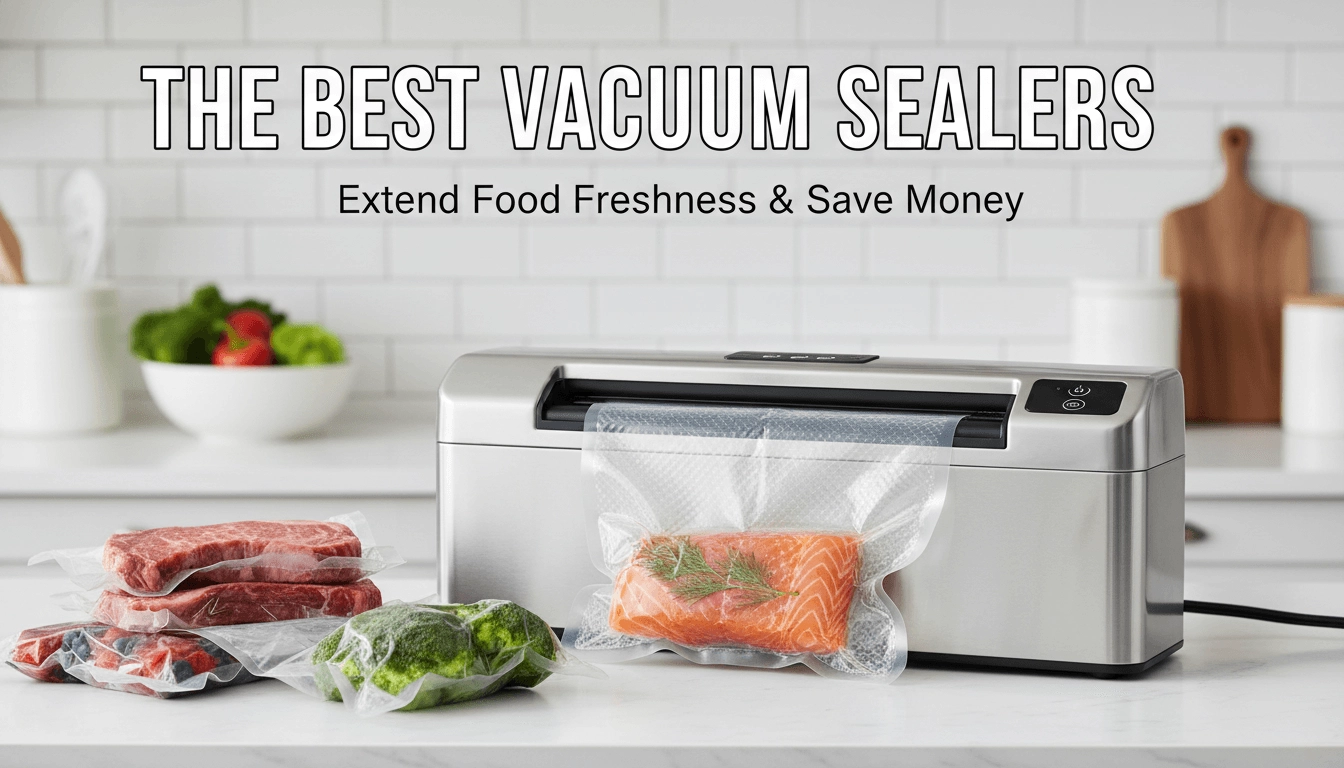
Preserve Perfection: Discovering the Best Vacuum Sealer for Food Freshness in 2026
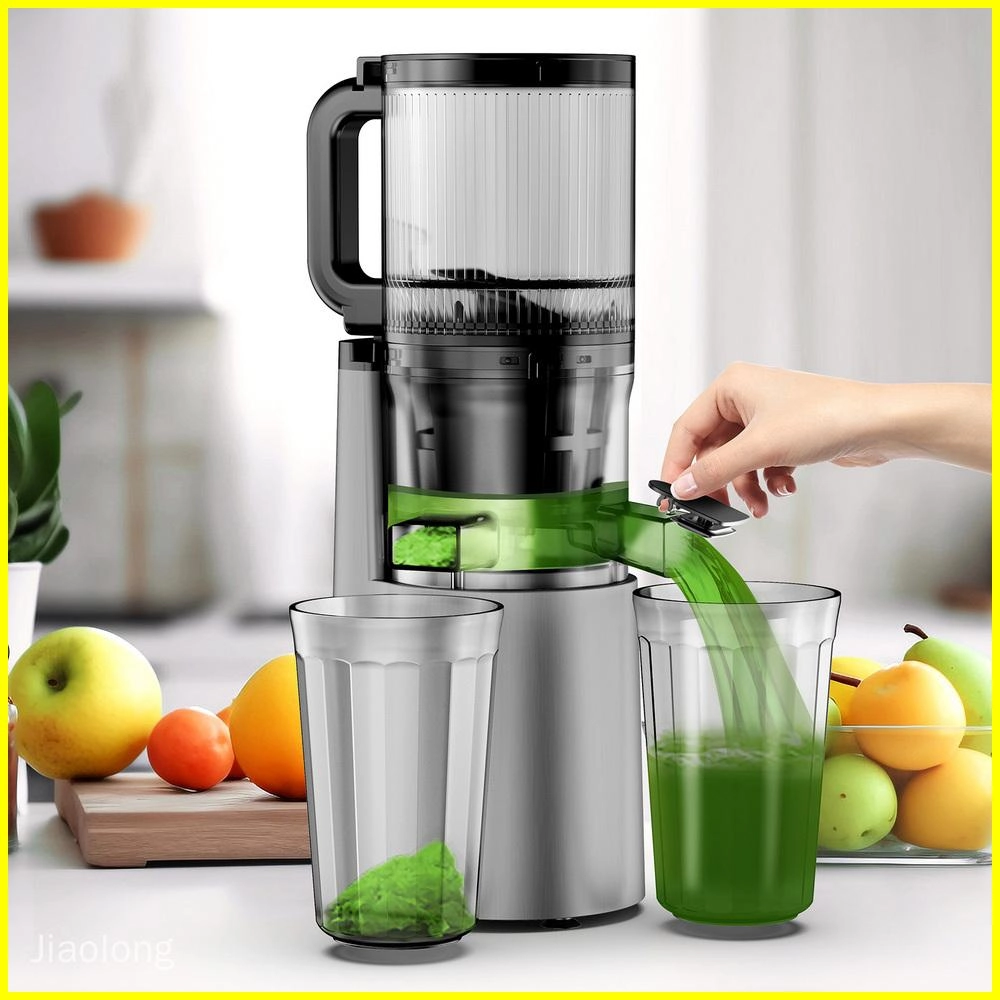
Mastering Mastication: Your Complete Guide to the 'Juicer Machine Slow' Revolution
OEM & ODM
How can I confirm the quality of OEM or ODM products?
We strictly follow the ISO 9001:2000 quality management system, and all products undergo multiple quality inspections and tests. During the production process, customers can request to participate in process supervision to ensure that the products meet the requirements. For ODM services, we provide sample review and trial production to ensure that the product quality meets the standards.
Service
How should I perform regular maintenance of the equipment?
We provide regular maintenance services and can also provide you with specific maintenance suggestions and guidance.
What to do after the warranty period of the equipment?
After the warranty period, we still provide you with high-quality after-sales service, including paid repairs, parts replacement, etc.
What should I do if my device needs to upgrade the software or function?
We provide customers with personalized function upgrade services, you can consult technical support for more information.
FAQ
How do I clean and maintain my kitchen appliances?
We recommend that you clean your kitchen appliances regularly to ensure their long life. Generally, wipe the exterior with a damp cloth and avoid soaking in water. The cleaning methods for different products vary. You can refer to the cleaning suggestions and precautions provided in the product manual. Some removable parts such as the pulp cup of the juicer and the blades of the blender can be cleaned separately. If you need a detailed maintenance guide, please refer to our official website or contact customer service.
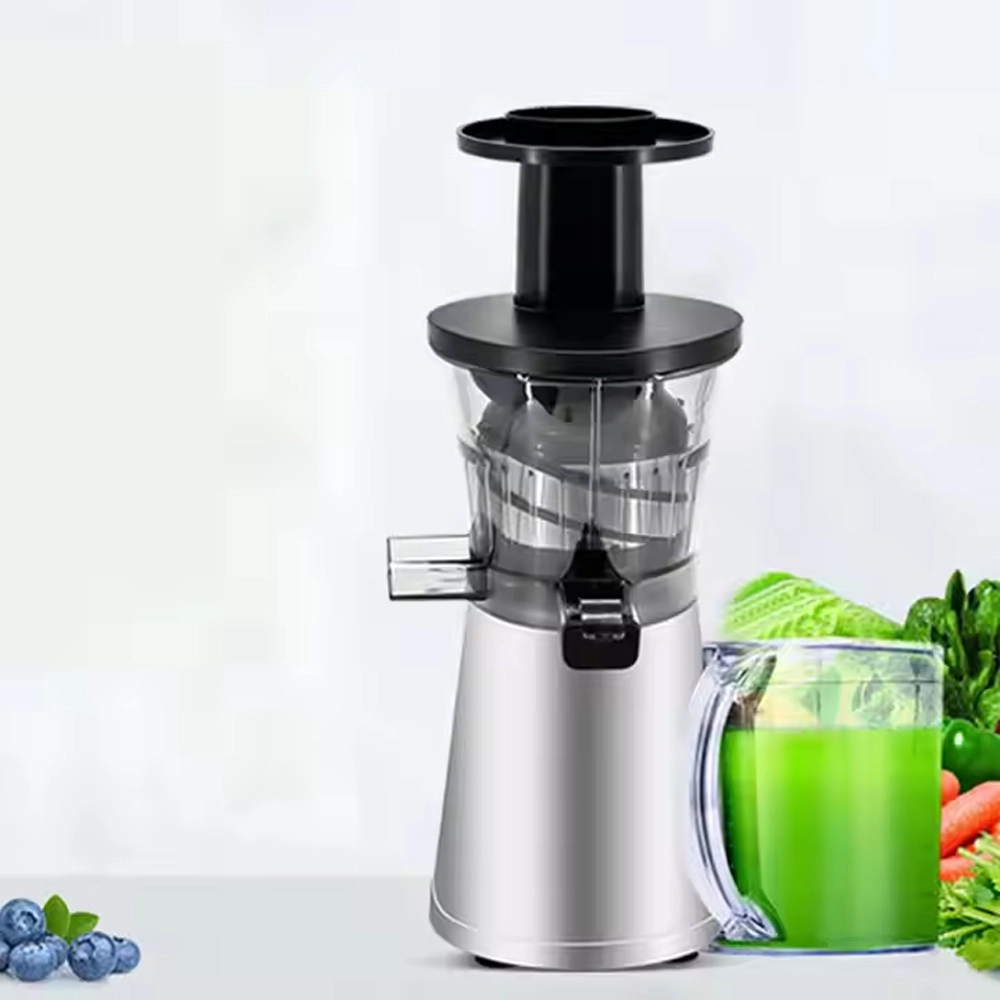
Jiaolong's L601 Slow Juicer: The perfect choice for slow juicer manufacturers, suppliers, and wholesalers. High-quality, efficient extraction. Contact us for wholesale inquiries.
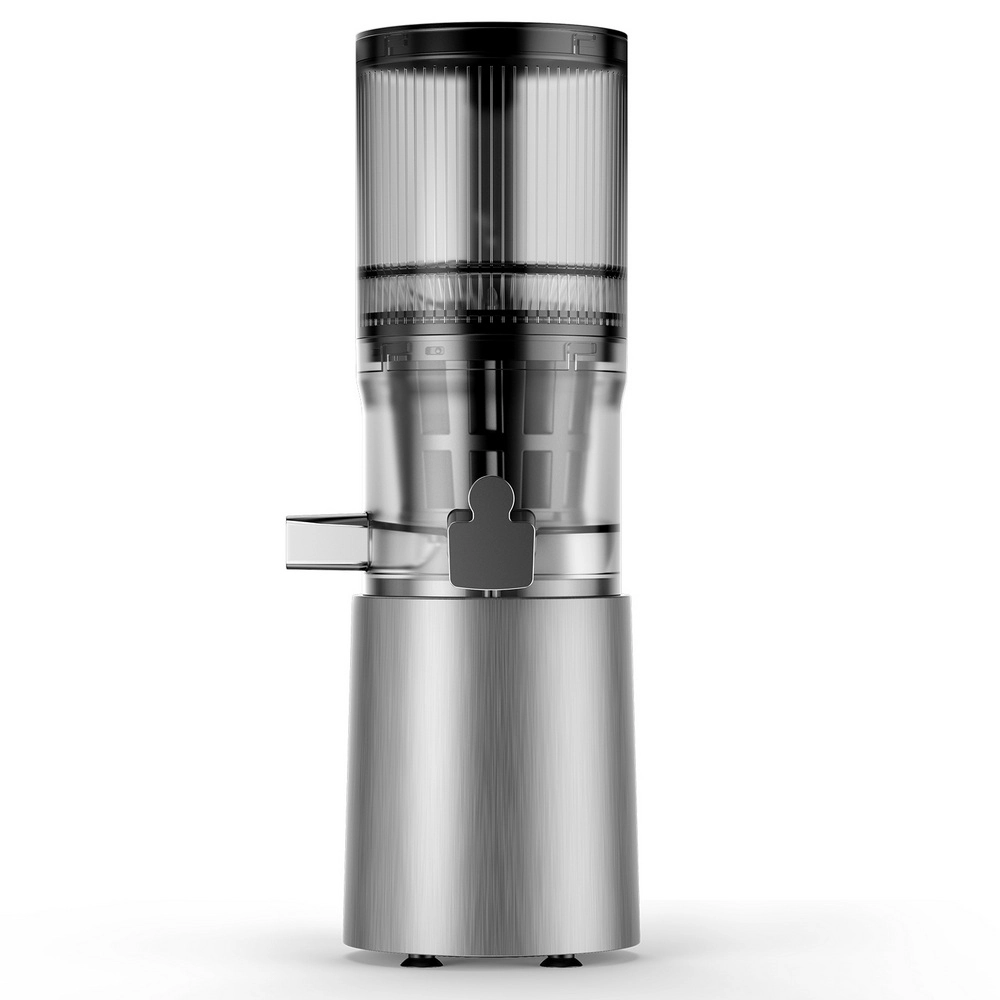
Jiaolong's L605A Slow Juicer: A high-quality slow juicer for OEM, manufacturing, and supply needs. Contact us today to explore our slow juicer manufacturing capabilities and become a valued partner.
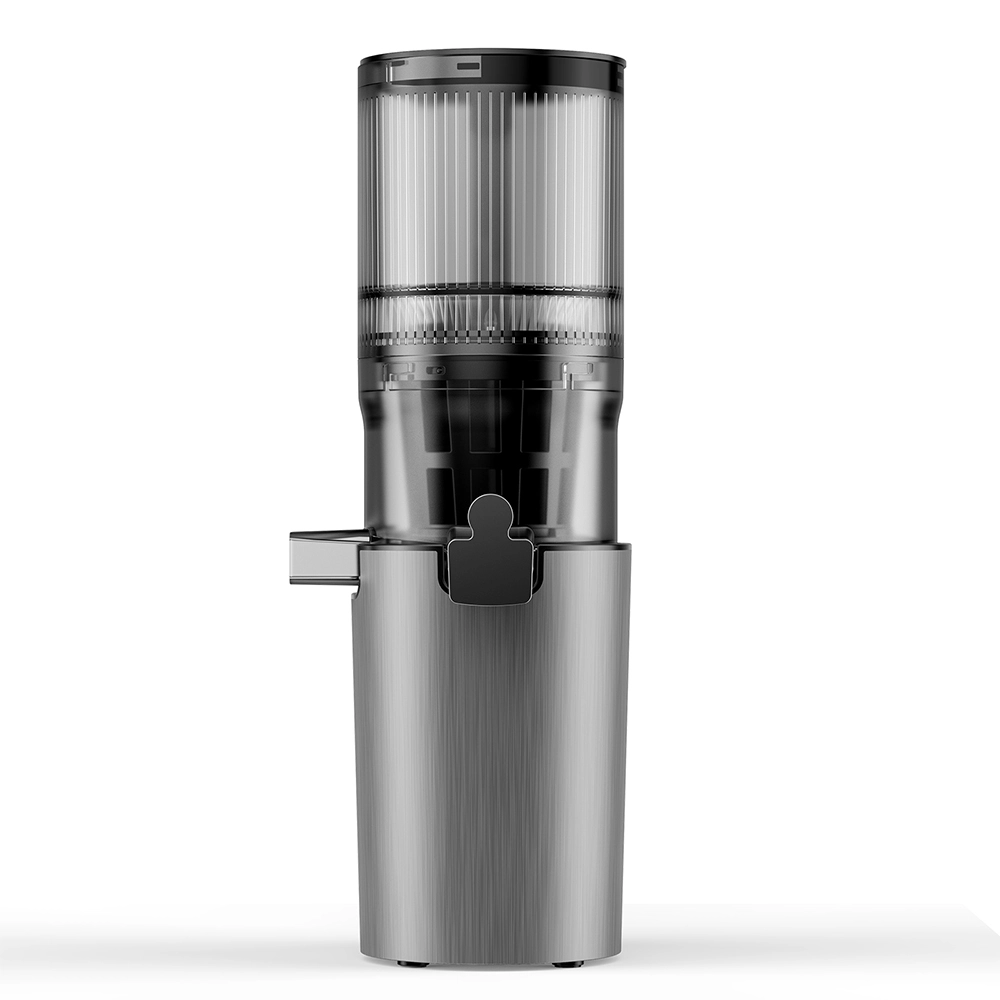
Jiaolong's L606A slow juicer: The ultimate slow juicer for wholesale, manufactured and supplied by a leading slow juicer supplier. Experience superior juice extraction and quality. Contact us for bulk orders.
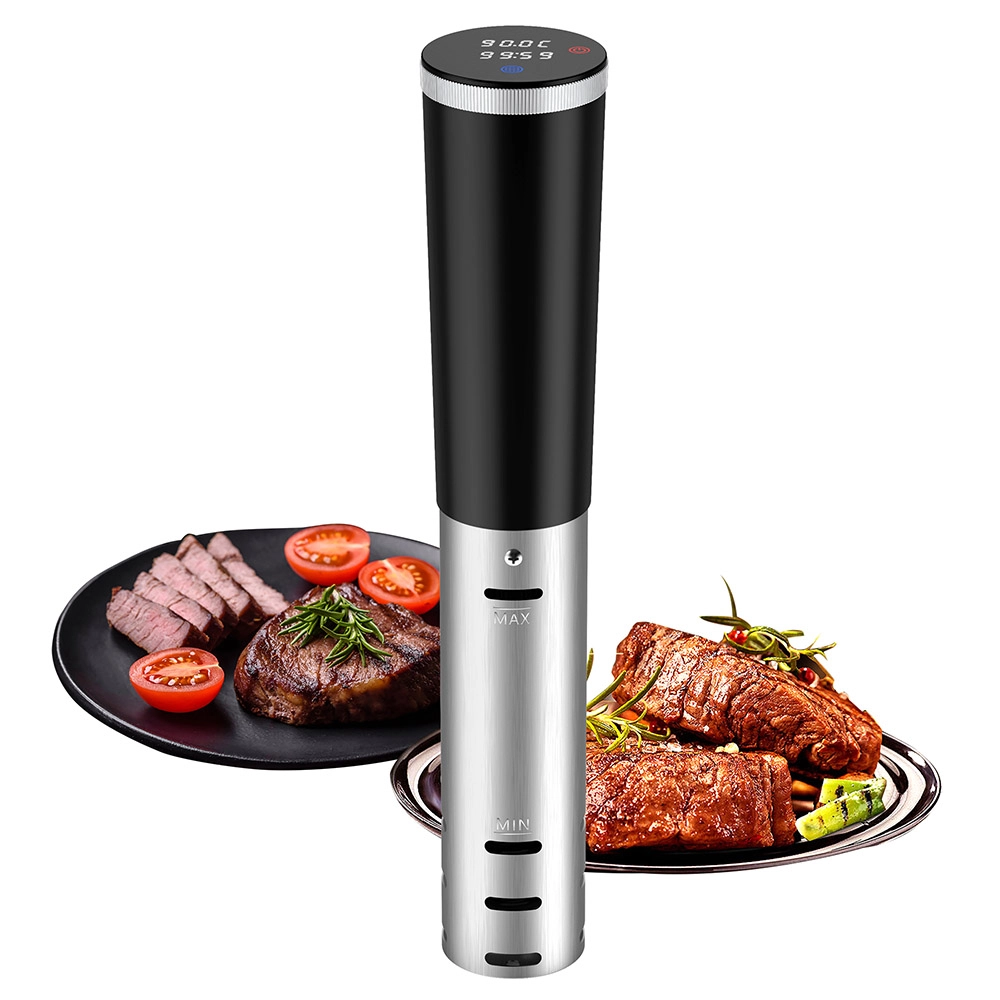
Jiaolong's Sous Vide SV220: A premium Sous Vide ODM solution. Reliable and efficient, the SV220 is the perfect choice for your next project. Partner with a leading sous vide supplier. Contact us today!
Contact Us for Customized Kitchen Appliance Solutions
Have any questions or cooperation needs? We are here to help you at any time!
Please contact us through the following methods, we look forward to working with you to create a better kitchen life experience!
© 2025 JIAOLONG All Rights Reserved. Privacy Policy | Terms and Conditions | Sitemap