
how slow juicer works | Jiaolong Expert Guide
- How Slow Juicers Work: The Science Behind the Technology
- What Are the Benefits of Using a Slow Juicer?
- How to Maintain and Clean a Slow Juicer Efficiently?
- Are Slow Juicers Suitable for All Types of Produce?
- What Factors Should You Consider Before Purchasing a Slow Juicer?
- Is the Investment in a Slow Juicer Worth It Compared to Other Juicers?
How Slow Juicers Work: The Science Behind the Technology
Slow juicers, also known as masticating juicers, operate by slowly crushing and pressing fruits and vegetables to extract juice. Unlike centrifugal juicers that use high-speed spinning blades, slow juicers rotate at around 40-80 RPM (revolutions per minute). This low-speed process minimizes heat and oxidation, preserving nutrients, enzymes, and natural flavors in the juice.
What Are the Benefits of Using a Slow Juicer?
Slow juicers deliver higher juice yield and quality. According to the 2023 Market Research Future report, masticating juicers can yield up to 20-30% more juice compared to centrifugal models. They also produce juice with better nutrient retention and a longer shelf life—up to 72 hours refrigerated—due to lower oxidation.
How to Maintain and Clean a Slow Juicer Efficiently?
Routine cleaning is crucial to maintain performance. Most slow juicers come with detachable parts that can be rinsed with warm water immediately after use. Some models offer dishwasher-safe components. A detailed cleaning with a soft brush to clear pulp buildup, especially around the auger and filter mesh, is recommended weekly. Keeping the juicer clean prevents mold, odors, and mechanical wear.
Are Slow Juicers Suitable for All Types of Produce?
Slow juicers excel at juicing leafy greens (spinach, kale), wheatgrass, and soft fruits (berries, citrus), which centrifugal juicers often struggle with. They handle hard vegetables (carrots, beets) efficiently but at a slower pace. Some models come with attachments for nut milk, sorbets, or baby food, expanding their versatility beyond juice extraction.
What Factors Should You Consider Before Purchasing a Slow Juicer?
Key considerations include juicer speed (RPM), motor power, noise level, ease of cleaning, size, and price. For small kitchens, compact, vertical slow juicers save countertop space. As of 2024, average prices range from $150 for entry-level to over $400 for High Quality models. Warranty and brand reputation are also important; brands like Omega, Hurom, and Kuvings lead the market with strong customer satisfaction.
Is the Investment in a Slow Juicer Worth It Compared to Other Juicers?
Slow juicers represent an upfront investment but often outperform centrifugal juicers in juice quality and durability. According to a 2023 consumer report by Consumer Reports, masticating juicers scored higher in nutrient retention and juice taste tests. Their quieter operation and versatility may justify the cost for health-conscious consumers and those using juicers daily.
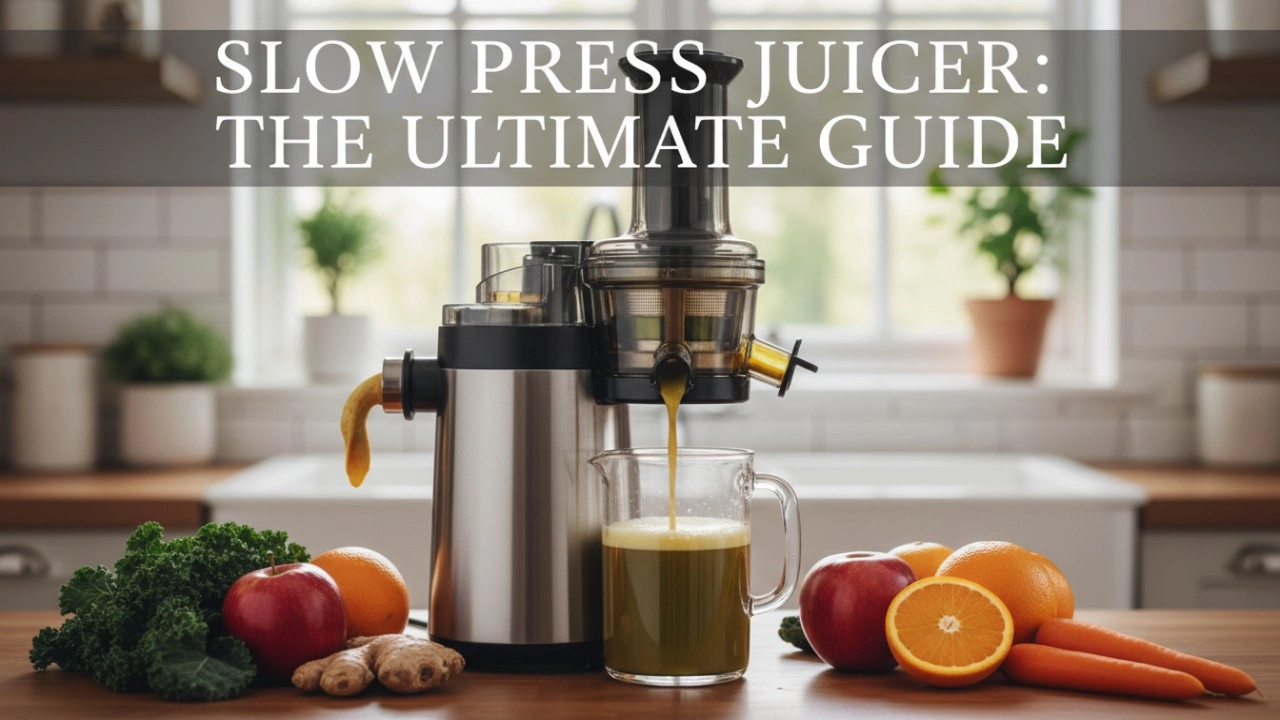
Slow Press Juicer vs. Centrifugal: The Brutal Truth About Nutrient Density and Juice Yield
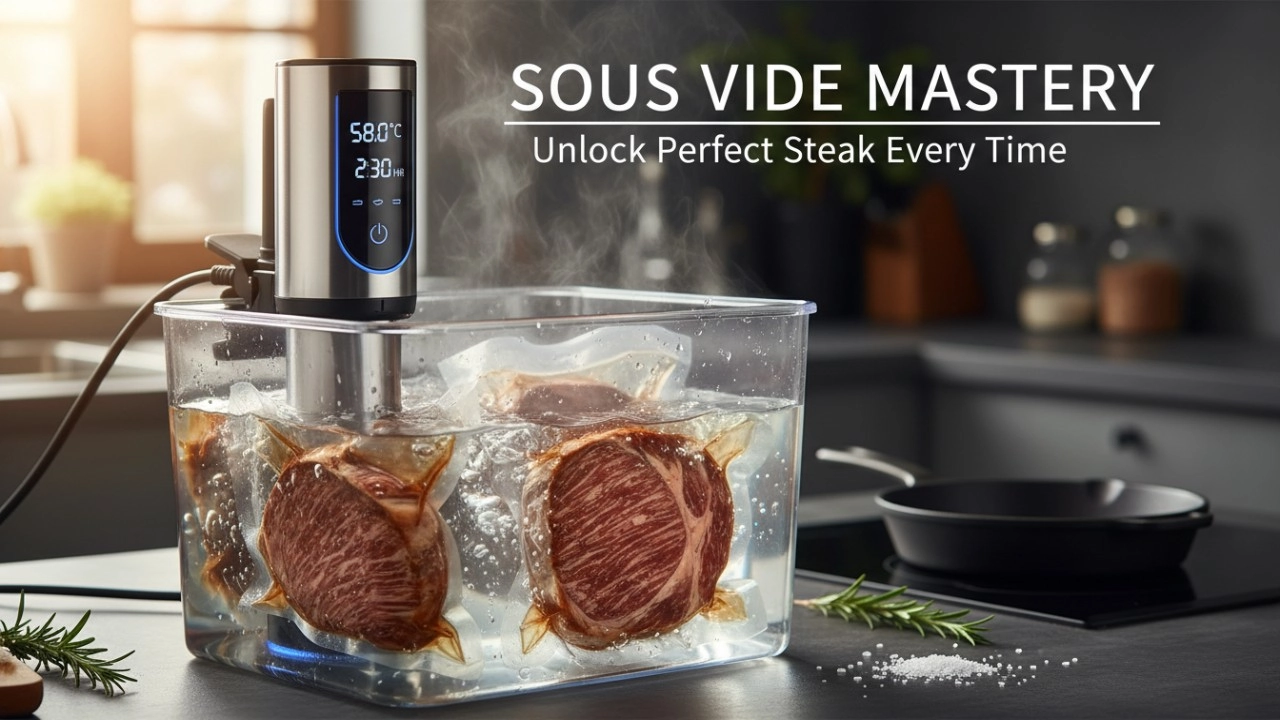
The Best Sous Vide Steak Machines (2026): Lab-Tested Reviews & Speed Comparisons
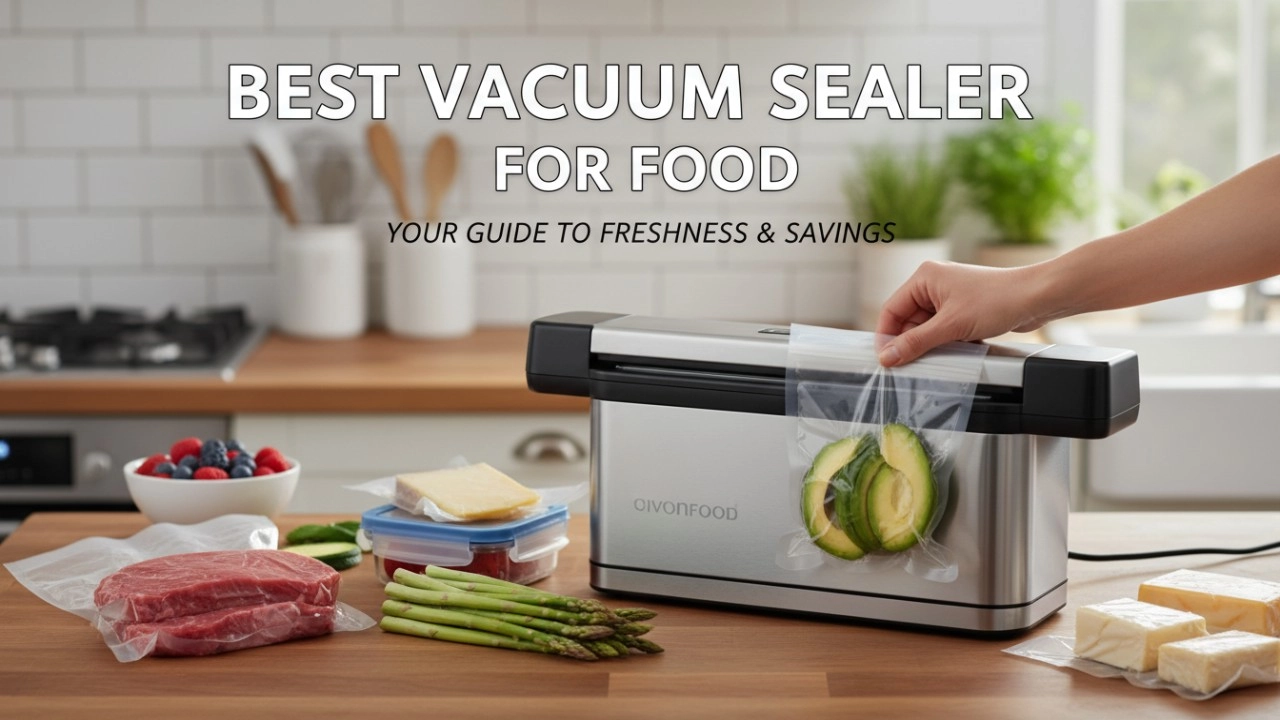
The 2026 Vacuum Sealer Market: Why High-Performance Motors are Driving B2B Growth
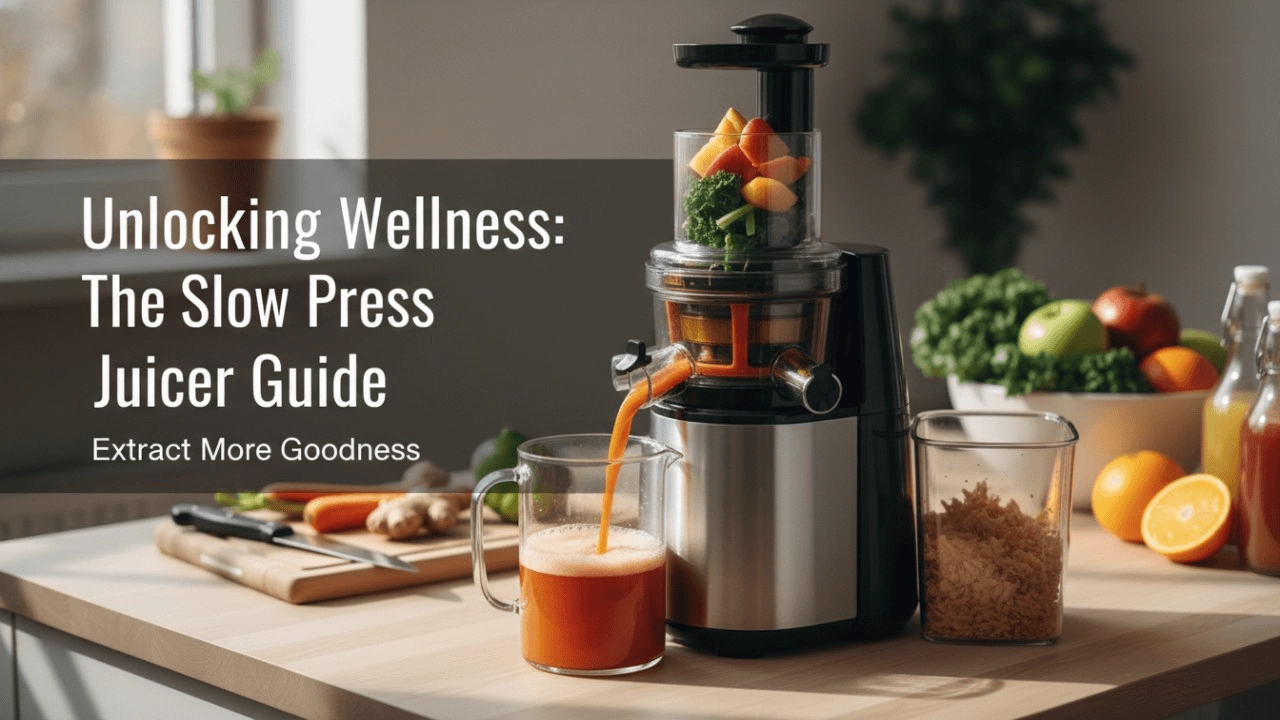
Slow Press Juicers in 2026: How Cold Extraction Redefines Nutrition, Yield, and Motor Engineering
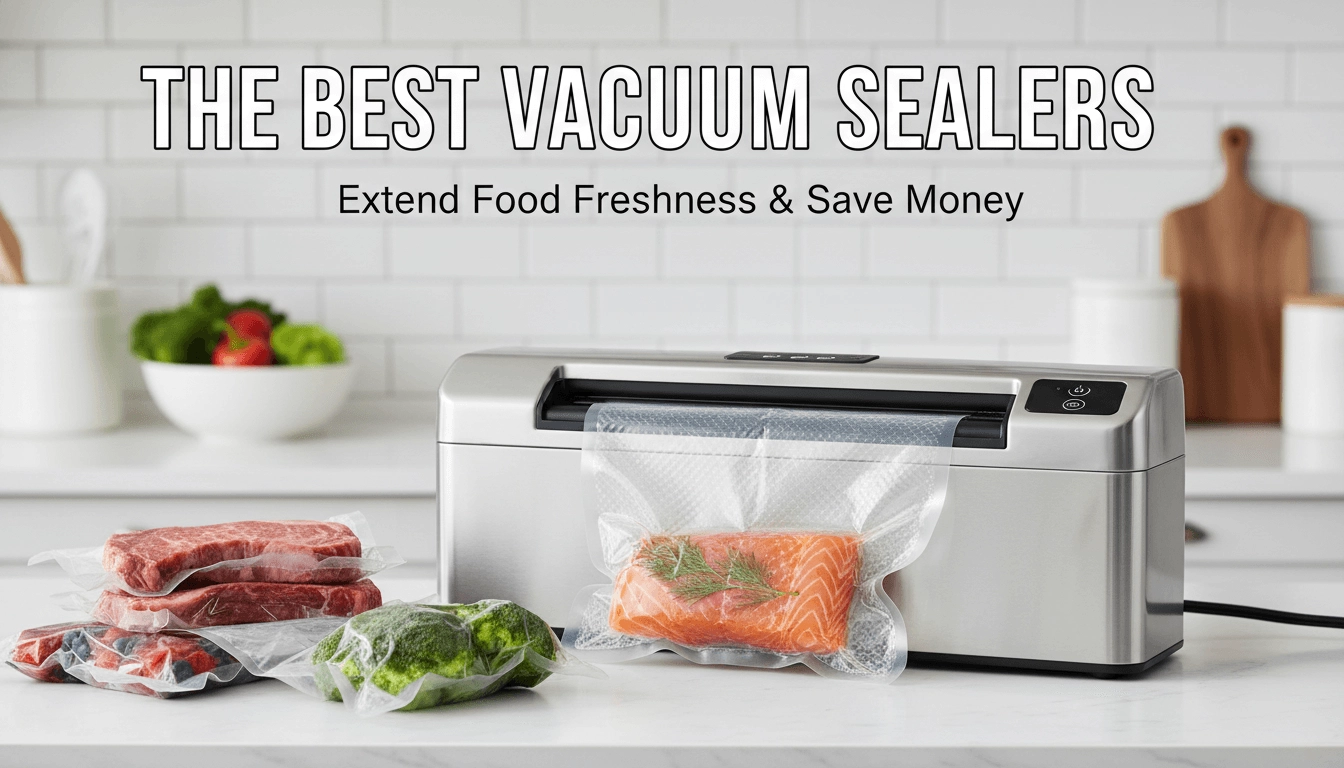
Preserve Perfection: Discovering the Best Vacuum Sealer for Food Freshness in 2026
OEM & ODM
How to get technical support and after-sales service?
You can contact the technical support team at any time through our customer service hotline, email or online support system. We provide OEM and ODM customers with detailed user manuals, operation guidance videos and remote technical support to ensure the smooth operation of your equipment
What is the minimum order quantity for customized products?
The minimum order quantity (MOQ) usually depends on the type of product, customization requirements and production cycle. Generally speaking, our MOQ is usually 500 to 1000 units, and the specific number can be adjusted according to your needs and the complexity of the project.
FAQ
What should I do if my product fails?
We provide a full range of after-sales services. If your product fails, please first check the common troubleshooting methods in the product manual. If the problem is not solved, you can contact us through our after-sales support channels, provide purchase information and fault description, and we will handle it for you as soon as possible and provide repair or replacement services.
Service
How long does it take for customized products to be delivered?
Usually the delivery time for customized products is 2-4 weeks, depending on the complexity of the customization.
What if there is a problem with the equipment during use?
You can contact our technical support team at any time through the contact information we provide, and we will solve the problem for you as soon as possible.
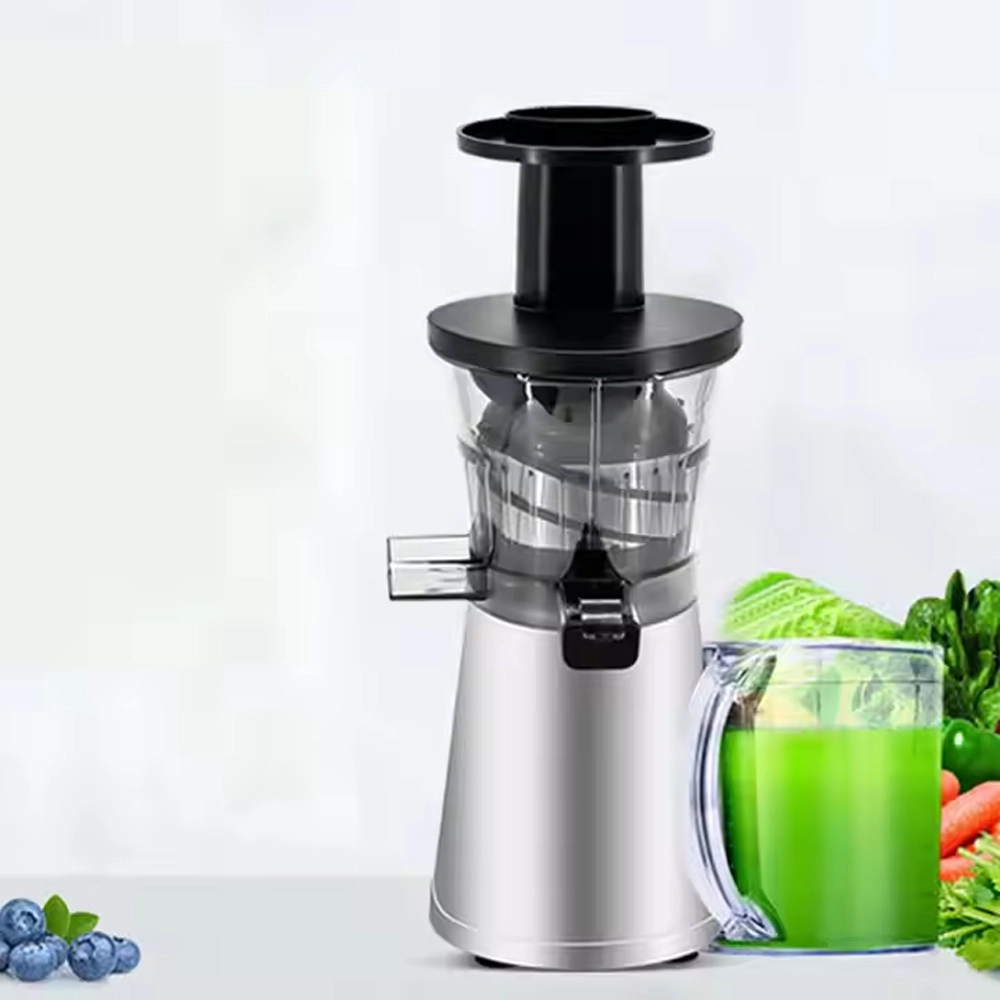
Jiaolong's L601 Slow Juicer: The perfect choice for slow juicer manufacturers, suppliers, and wholesalers. High-quality, efficient extraction. Contact us for wholesale inquiries.
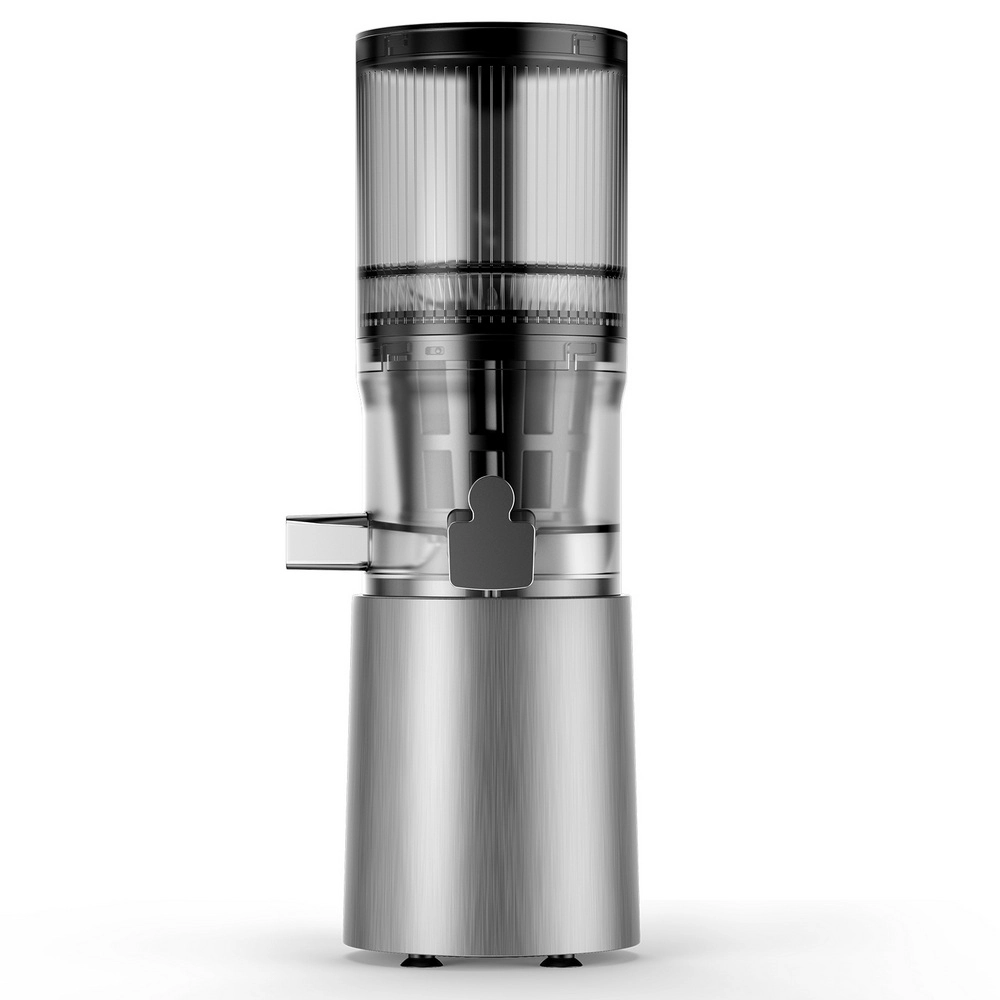
Jiaolong's L605A Slow Juicer: A high-quality slow juicer for OEM, manufacturing, and supply needs. Contact us today to explore our slow juicer manufacturing capabilities and become a valued partner.
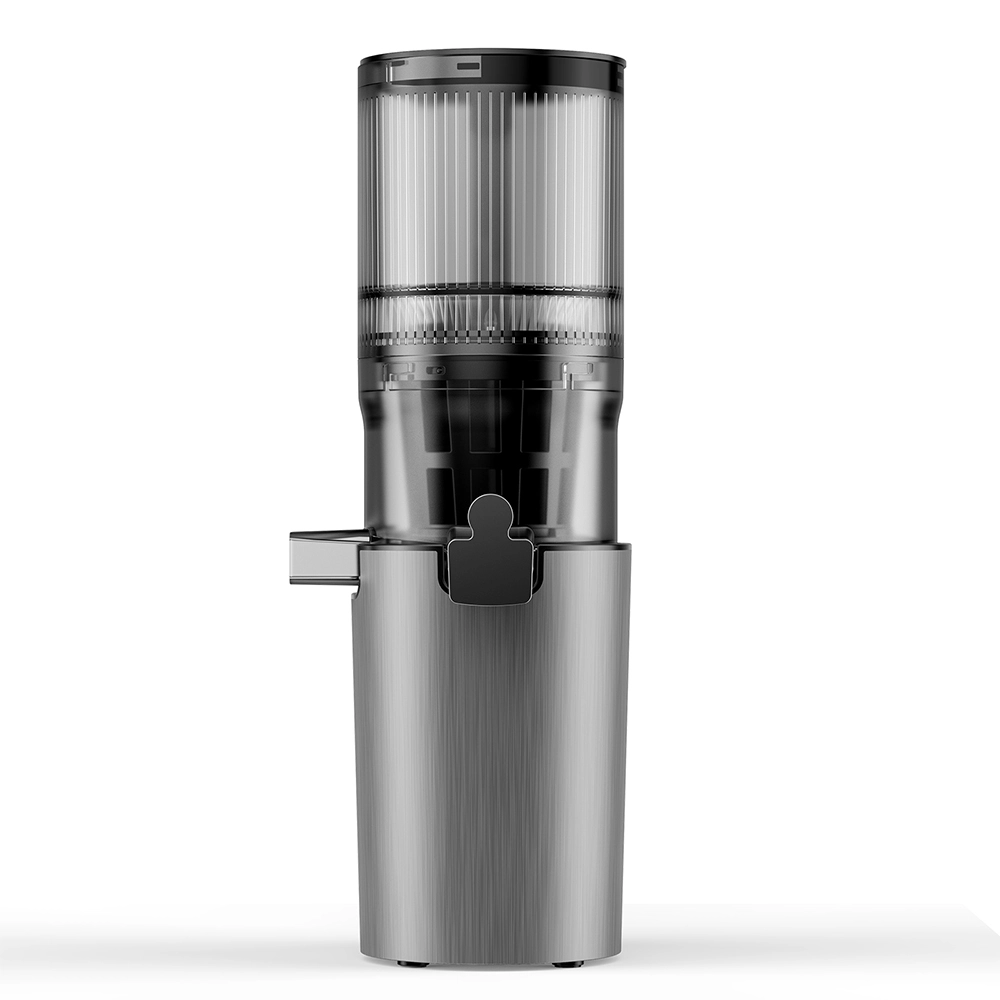
Jiaolong's L606A slow juicer: The ultimate slow juicer for wholesale, manufactured and supplied by a leading slow juicer supplier. Experience superior juice extraction and quality. Contact us for bulk orders.
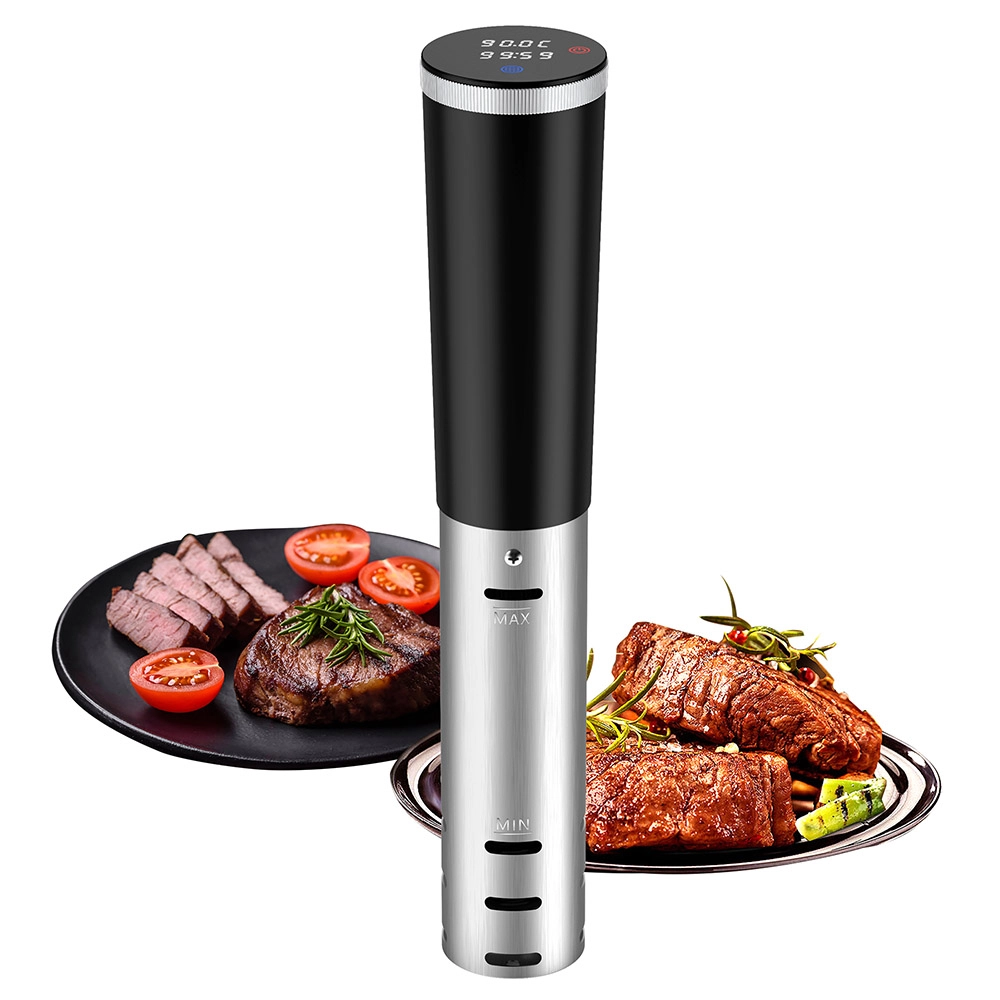
Jiaolong's Sous Vide SV220: A premium Sous Vide ODM solution. Reliable and efficient, the SV220 is the perfect choice for your next project. Partner with a leading sous vide supplier. Contact us today!
Contact Us for Customized Kitchen Appliance Solutions
Have any questions or cooperation needs? We are here to help you at any time!
Please contact us through the following methods, we look forward to working with you to create a better kitchen life experience!
© 2025 JIAOLONG All Rights Reserved. Privacy Policy | Terms and Conditions | Sitemap