
is a slow juicer better than a fast juicer | Jiaolong Guide
Is a Slow Juicer Better Than a Fast Juicer? Expert Insights for Small Appliance Professionals
For small kitchen appliance professionals, choosing between slow juicers and fast juicers is key for product development and customer guidance. This article discusses whether a slow juicer is better than a fast juicer, examining industry facts, performance data, and consumer preferences.
Comparing Slow Juicers and Fast Juicers
Performance & Juice Quality
- Slow Juicers (Masticating/Cold Press):
- Operate at 40–110 RPM
- Extracts more juice, especially from leafy greens (source: Consumer Reports, 2023)
- Yields higher nutrient retention due to reduced oxidation (NIH research, 2022)
- Produces dryer pulp, optimizing yield
- Fast Juicers (Centrifugal):
- Operate at 6,000–14,000 RPM
- Quicker juice extraction (about 5x faster than slow juicers)
- Higher oxidation leads to shorter shelf-life and minor vitamin loss (source: Harvard Health)
- Handles hard fruits and vegetables efficiently, but less effective with greens
User Experience
- Noise Levels:
- Slow juicers typically run below 60 dB—quieter than fast juicers, which operate at 80–90 dB
- Important for residential and open kitchen environments
- Ease of Cleaning:
- Most centrifugal juicers have fewer parts for quicker cleaning
- Masticating juicers often require more thorough disassembly and cleaning
- Price Point:
- Slow juicers: Higher average retail price ($200–$500, Euromonitor 2023)
- Fast juicers: Entry-level prices, often under $100
Consumer Preferences & Trends
- Industry data shows a rising preference for slow juicers among health-conscious consumers (Statista, 2023)
- Fast juicers are preferred in commercial or high-volume scenarios due to speed
Key Points for Professionals
- Durability: Slow juicers generally have longer-lasting motors and components
- Versatility: Slow juicers process a wider variety of produce, including nuts and wheatgrass
- Shelf-Life: Juice from slow juicers can be stored up to 72 hours; centrifugal juice is best consumed immediately
Industry Conclusion
- Is a slow juicer better than a fast juicer?
- For nutrient preservation and quality-conscious clients, slow juicers offer marked benefits
- Fast juicers excel in speed, price, and high-throughput applications
- Stocking a range accommodates diverse market segments and use cases
References:
1. Consumer Reports, Juicer Ratings & Reviews, 2023
2. National Institutes of Health (NIH), Effects of Juicing Methods, 2022
3. Statista, Juice Extractor Market Trends, 2023
4. Harvard Health, Fruit & Vegetable Juicing, 2023
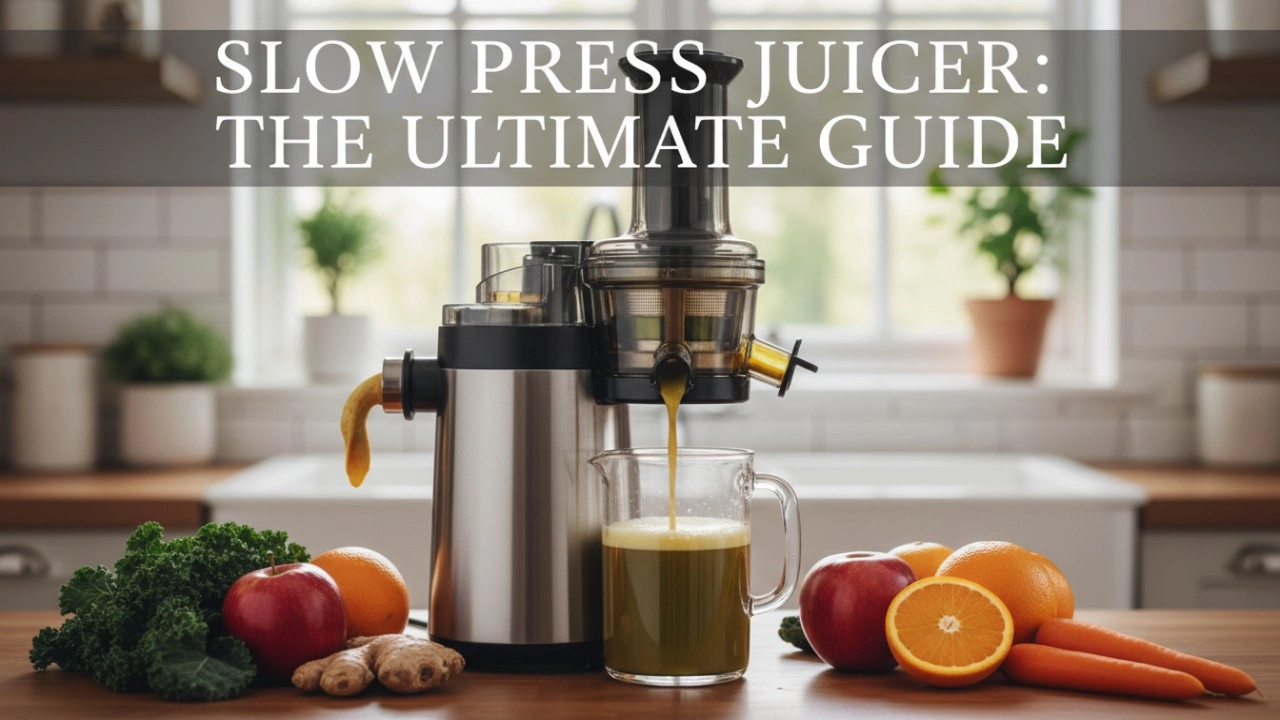
Slow Press Juicer vs. Centrifugal: The Brutal Truth About Nutrient Density and Juice Yield
The Best Sous Vide Steak Machines (2026): Lab-Tested Reviews & Speed Comparisons
The 2026 Vacuum Sealer Market: Why High-Performance Motors are Driving B2B Growth
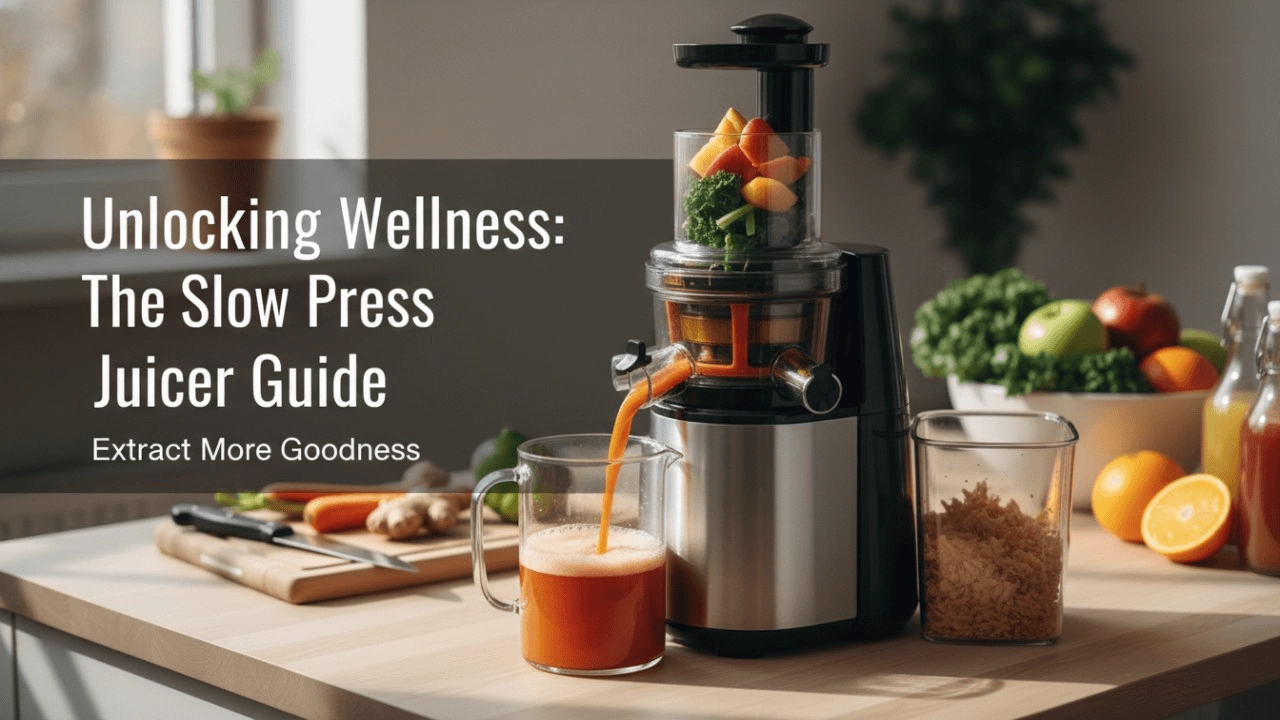
Slow Press Juicers in 2026: How Cold Extraction Redefines Nutrition, Yield, and Motor Engineering
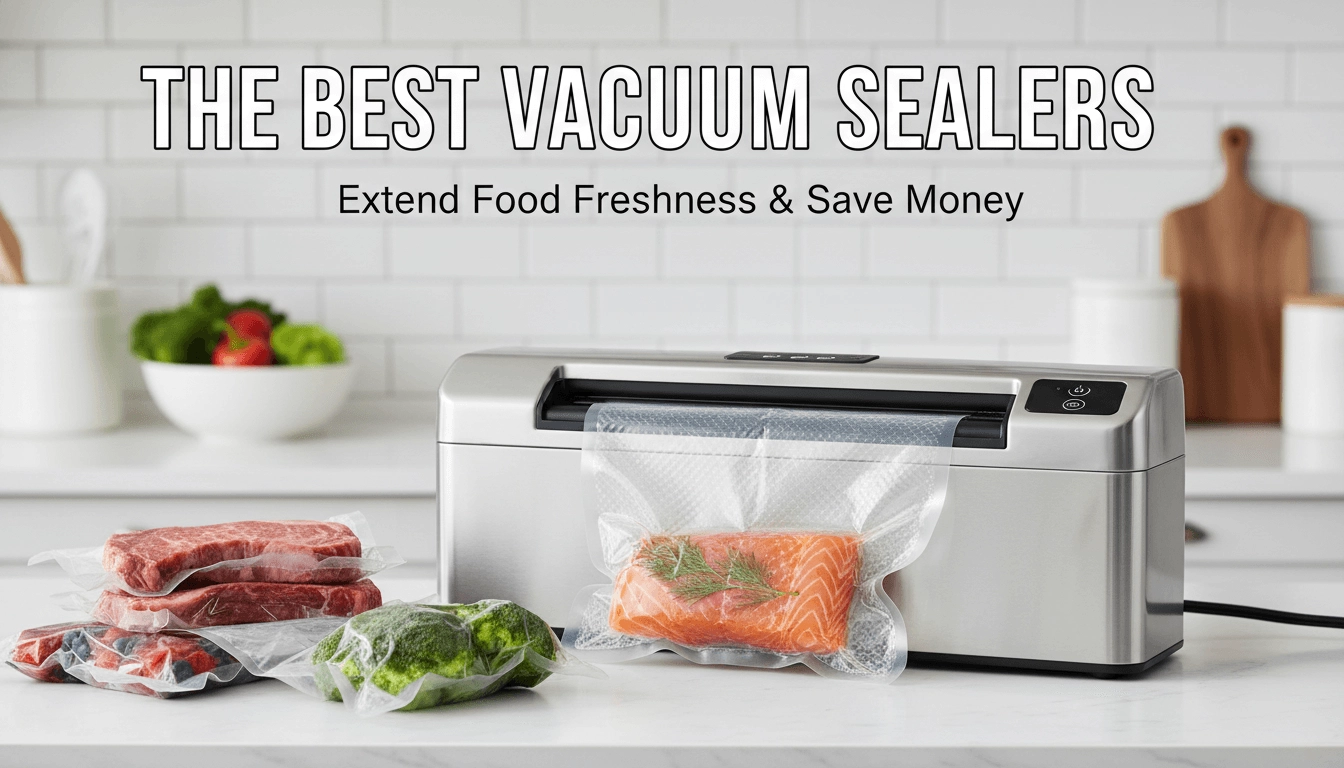
Preserve Perfection: Discovering the Best Vacuum Sealer for Food Freshness in 2026
OEM & ODM
Can I combine multiple customized items into one order?
Yes, you can combine multiple customized products into one order for production according to your needs, which can optimize production efficiency and save costs. We will coordinate the production plan according to your order requirements.
If I am not satisfied with the customized sample, can it be revised again?
After you review the sample, if you are not satisfied with the sample, we will modify it according to your feedback until you confirm that the sample meets the requirements. We guarantee that the samples provided are made according to your needs and standards, and can be adjusted before large-scale production.
What functions and appearance of products can I customize?
We provide comprehensive OEM and ODM customization services, and customers can customize the following:
⦁ Product functions: such as adding additional functions, adjusting operation methods, adding additional accessories, etc.
⦁ Appearance design: including color, shell material, LOGO and logo position, packaging design, etc.
⦁ Size and shape: adjust the size and appearance of the product according to customer needs.
⦁ Technical parameters: such as technical requirements such as power, efficiency, speed, etc.
Can I change the product design or function?
In ODM services, customers can completely change the design or function, and we will make corresponding modifications according to your needs. In OEM services, if the modification does not affect the core function of the original design, appropriate adjustments can also be made. We will provide samples for your review after confirming any design and functional changes.
FAQ
How do I clean and maintain my kitchen appliances?
We recommend that you clean your kitchen appliances regularly to ensure their long life. Generally, wipe the exterior with a damp cloth and avoid soaking in water. The cleaning methods for different products vary. You can refer to the cleaning suggestions and precautions provided in the product manual. Some removable parts such as the pulp cup of the juicer and the blades of the blender can be cleaned separately. If you need a detailed maintenance guide, please refer to our official website or contact customer service.
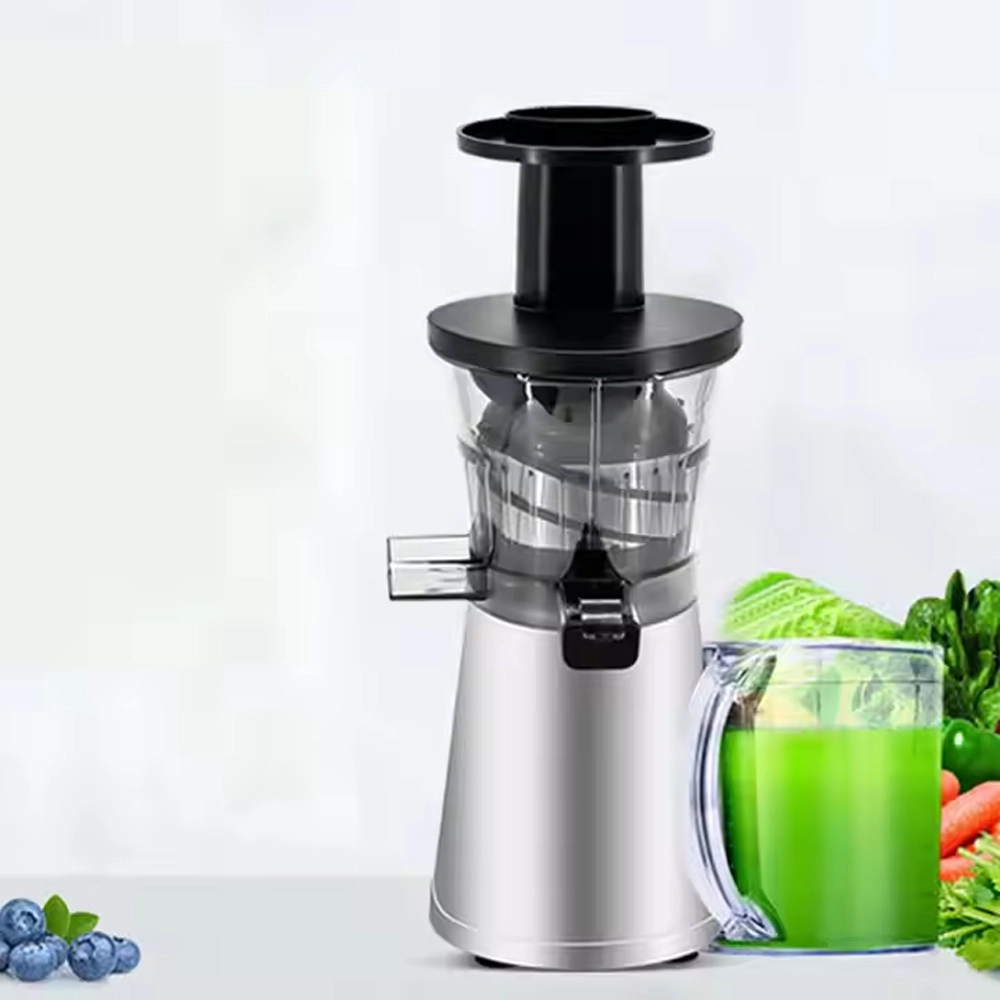
Jiaolong's L601 Slow Juicer: The perfect choice for slow juicer manufacturers, suppliers, and wholesalers. High-quality, efficient extraction. Contact us for wholesale inquiries.
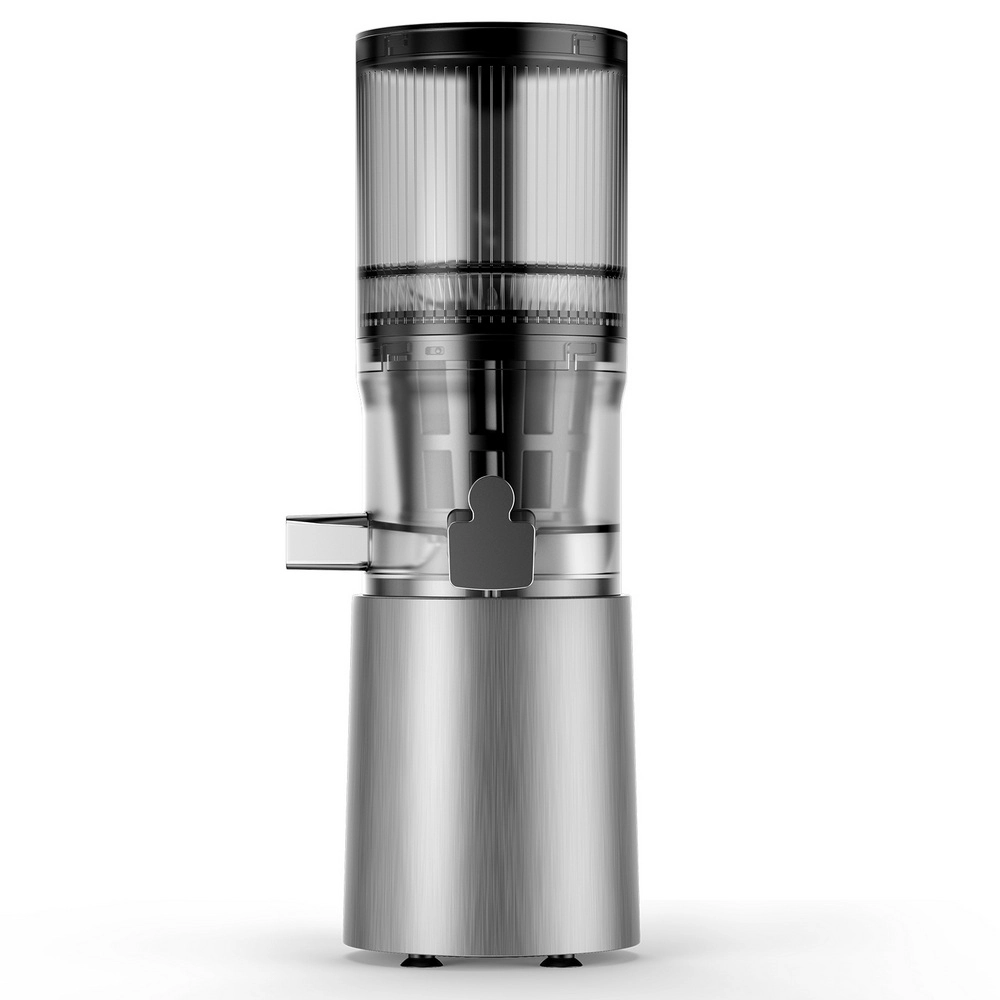
Jiaolong's L605A Slow Juicer: A high-quality slow juicer for OEM, manufacturing, and supply needs. Contact us today to explore our slow juicer manufacturing capabilities and become a valued partner.
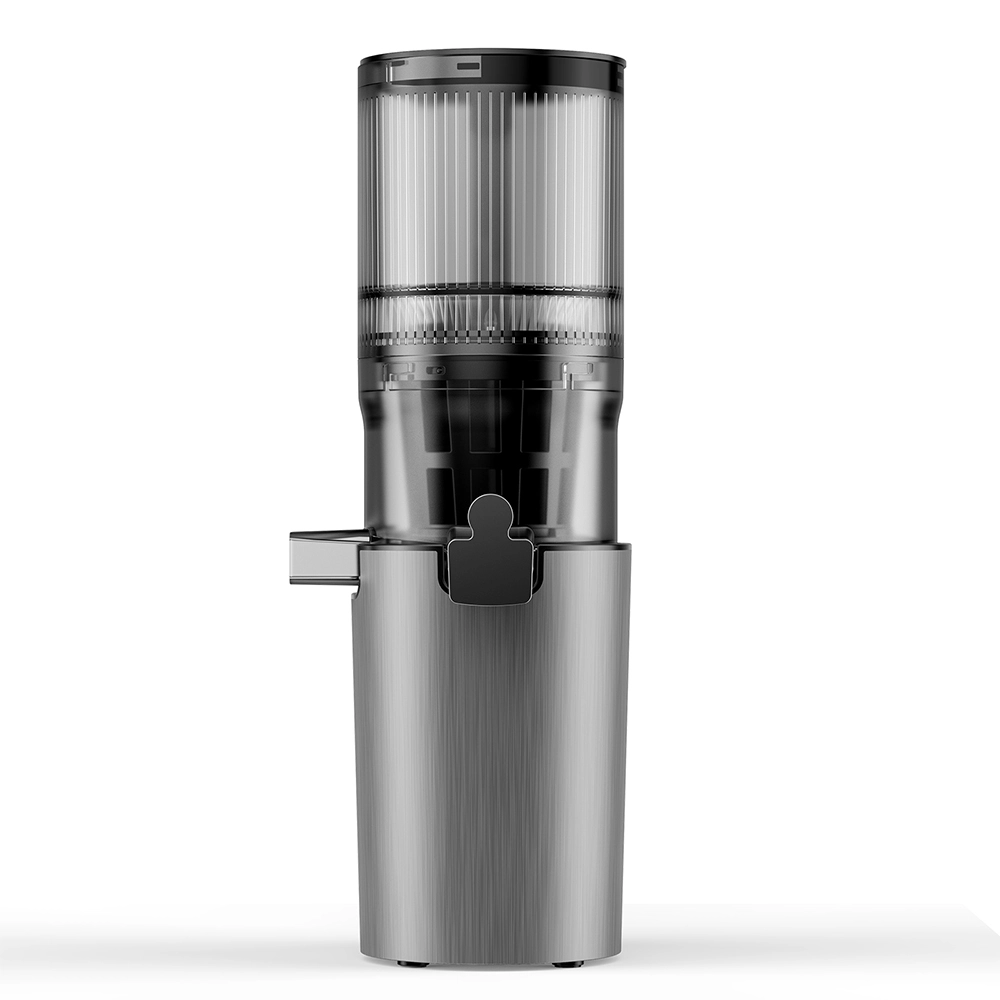
Jiaolong's L606A slow juicer: The ultimate slow juicer for wholesale, manufactured and supplied by a leading slow juicer supplier. Experience superior juice extraction and quality. Contact us for bulk orders.
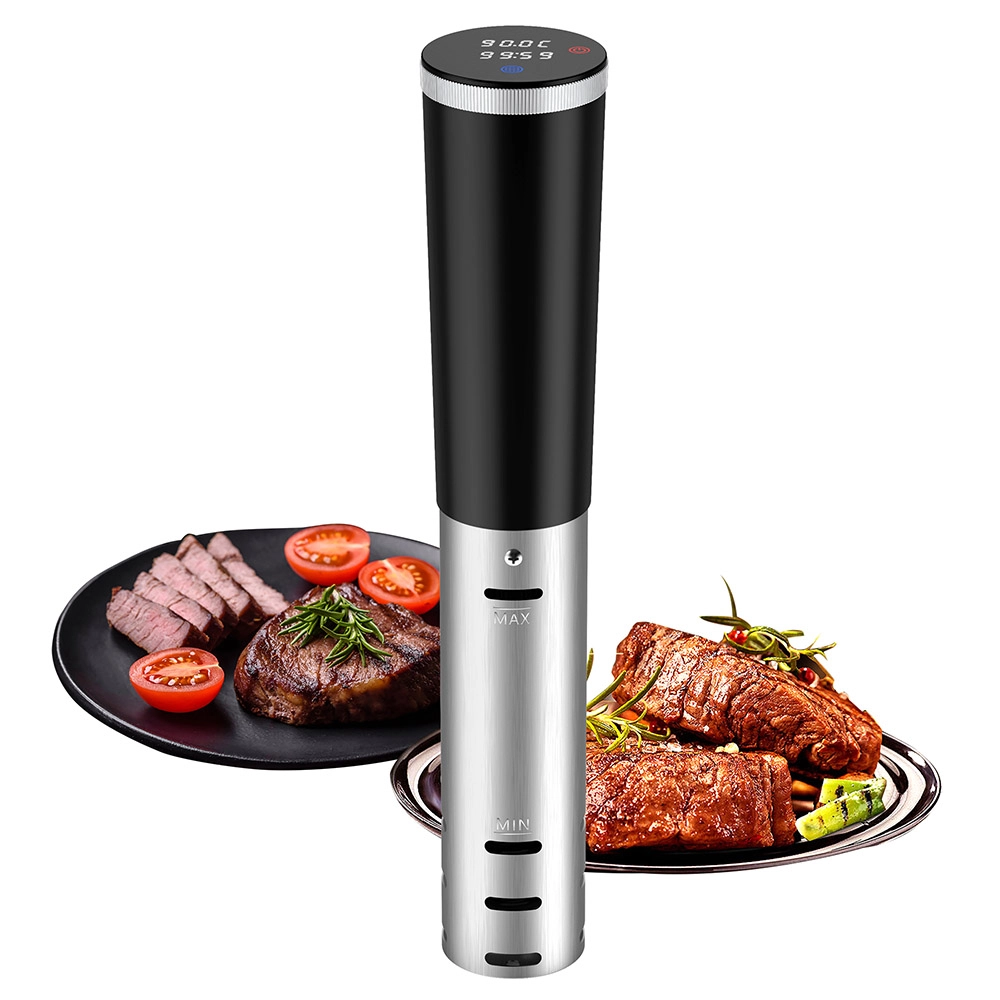
Jiaolong's Sous Vide SV220: A premium Sous Vide ODM solution. Reliable and efficient, the SV220 is the perfect choice for your next project. Partner with a leading sous vide supplier. Contact us today!
Contact Us for Customized Kitchen Appliance Solutions
Have any questions or cooperation needs? We are here to help you at any time!
Please contact us through the following methods, we look forward to working with you to create a better kitchen life experience!
© 2025 JIAOLONG All Rights Reserved. Privacy Policy | Terms and Conditions | Sitemap