
Slow Juicer Recipes: Cold-Pressed Juice Ideas
- Maximizing Nutrition with Cold-Pressed Juices
- Why choose a juicer machine slow for cold-pressed juice?
- Key nutritional advantages of juicer machine slow extraction
- Cold-Pressed Juice Recipes — Energizing & Balanced (using a juicer machine slow)
- Sunrise Energy (Beet + Carrot + Apple + Ginger)
- Green Revive (Kale + Cucumber + Celery + Lemon + Pear)
- Immune Booster (Orange + Carrot + Turmeric + Pineapple)
- Recipe tips specific to a juicer machine slow
- Produce selection, handling, and safety for juicer machine slow users
- Cleaning, maintenance, and troubleshooting your juicer machine slow
- Comparison: juicer machine slow vs centrifugal vs blender (Key metrics)
- Buying guide: how to choose the right juicer machine slow for home or commercial use
- Jiaolong: professional manufacturing and after-sales support for juicer machine slow buyers
- Practical tips to extend the life of your juicer machine slow
- FAQ — Common questions about slow juicer recipes and juicer machine slow
- 1. How long will cold-pressed juice last in the fridge when made with a juicer machine slow?
- 2. Can I make nut milk or plant-based milk with a juicer machine slow?
- 3. Does juicing remove fiber and is that a problem?
- 4. My juicer machine slow is clogging—what can I do?
- 5. Which slow juicer features most affect juice yield and nutrient preservation?
- 6. Where can I get professional technical support for my juicer machine slow?
- Call to action — Need help selecting or maintaining a juicer machine slow?
- References
Maximizing Nutrition with Cold-Pressed Juices
Why choose a juicer machine slow for cold-pressed juice?
Cold-pressed juice made with a juicer machine slow (also called a slow masticating juicer) extracts liquid at low speed using an auger or gear system, minimizing heat and oxidation. That means better preservation of heat-sensitive vitamins (like vitamin C) and phytonutrients, less foam and separation, and generally higher yield from leafy greens and herbs compared with high-speed centrifugal juicers. For consumers seeking nutrient density and longer fridge life for fresh juices, a slow juicer is often the preferred choice.
Key nutritional advantages of juicer machine slow extraction
Several practical benefits explain why health-conscious users choose slow juicers:
- Higher extraction from leafy greens and wheatgrass, reducing waste and cost per serving.
- Lower oxidation rate, which helps preserve antioxidants and enzymes for longer (typically 24–72 hours refrigerated when handled properly).
- Smoother texture and less foam, improving mouthfeel and aesthetics for consumers and foodservice.
Keep in mind that whole fruits and vegetables still provide fiber that juicing removes; cold-pressed juice is best used to complement, not replace, whole-food intake.
Cold-Pressed Juice Recipes — Energizing & Balanced (using a juicer machine slow)
These recipes are written for a typical slow juicer yield of about 250–350 ml per recipe. Adjust ingredient quantities to taste and yield and to match your juicer model's capacity.
Sunrise Energy (Beet + Carrot + Apple + Ginger)
- Ingredients: 1 small beet (peeled), 2 carrots, 1 medium apple, 1-inch piece fresh ginger
- Benefits: Natural nitrates from beet for circulation, beta-carotene from carrots, quick carbs from apple, anti-inflammatory ginger
- Tip: Alternate soft and hard produce into the feed chute to help extraction and minimize clogging.
Green Revive (Kale + Cucumber + Celery + Lemon + Pear)
- Ingredients: 2 cups chopped kale (stems removed if thick), 1 medium cucumber, 2 celery stalks, 1 small pear, juice of 1/2 lemon
- Benefits: Mineral-rich, alkalizing, great for green juice novices due to pear sweetness
- Tip: Use a slow juicer to get higher yield from kale and celery than a centrifugal unit.
Immune Booster (Orange + Carrot + Turmeric + Pineapple)
- Ingredients: 2 oranges (peeled), 2 carrots, 1/2 cup fresh pineapple, 1/2-inch turmeric (or 1 tsp fresh grated)
- Benefits: Vitamin C, beta-carotene, bromelain from pineapple for digestion
Recipe tips specific to a juicer machine slow
- Pass fibrous items (like ginger and turmeric) together with a softer fruit to help push material through and avoid clogging.
- Leafy greens are best paired with a hydrating fruit or cucumber to increase yield.
- Add citrus or apple at the end of the feed to rinse remaining green bits out of the auger and improve total yield.
Produce selection, handling, and safety for juicer machine slow users
Choosing the right produce and preparing it correctly is vital for flavor, safety, and shelf life.
- Wash all fruits and vegetables thoroughly under running water; use a brush on firm-skinned produce.
- Remove bruised or spoiled sections before juicing.
- Peel citrus for reduced bitterness; peel root vegetables when skin is thick or heavily soiled.
Cold-pressed juice should be chilled immediately after extraction and consumed within 24–72 hours depending on handling. For maximum safety and shelf life, keep temperature at or below 4 °C (39 °F).
Cleaning, maintenance, and troubleshooting your juicer machine slow
Proper cleaning extends the life of your slow juicer and maintains hygienic juice. Here’s a practical routine:
- Immediately after juicing, disassemble and rinse parts to remove pulp—this prevents drying and staining.
- Soak screens and augers in warm soapy water; use a soft brush to clear mesh screens.
- For stubborn stains (beet or turmeric), soak in a vinegar solution (1 part white vinegar to 3 parts water) for 10–15 minutes before scrubbing.
Troubleshooting common problems:
- Low yield: Check for clogged screen; alternate soft and firm ingredients.
- Unusual noise or vibration: Ensure all parts are correctly seated, and remove hardened pulp.
- Leaking: Inspect seals and assembly; replace worn gaskets per manufacturer guidance.
Comparison: juicer machine slow vs centrifugal vs blender (Key metrics)
| Metric | juicer machine slow (masticating) | Centrifugal juicer | High-speed blender (for smoothies) |
|---|---|---|---|
| Extraction method | Low-speed mastication (auger) | High-speed shredding & spinning | Blends whole produce, retains fiber |
| Yield from greens | High | Low to medium | Not applicable (keeps fiber) |
| Oxidation & shelf life | Lower oxidation; 24–72 hours refrigerated | Higher oxidation; best immediately | Longer if refrigerated but texture changes |
| Cleaning time | Medium (disassembly & brushing) | Short (fewer parts) but more pulp cleanup | Short (container rinse), but thicker cleanup for sticky blends |
| Best for | Cold-pressed juices, leafy greens, nut milks | Quick fruit juices, harder vegetables | Smoothies, whole-food drinks, soups |
Sources in the references below discuss nutritional differences and processing effects on shelf life.
Buying guide: how to choose the right juicer machine slow for home or commercial use
When evaluating slow juicers, consider these factors:
- Motor power and RPM: Look for stable torque at low RPMs (typically 40–120 RPM for horizontal and vertical slow juicers).
- Build quality and materials: BPA-free, food-grade plastics and stainless steel augers reduce wear and risk of contamination.
- Warranty and after-sales support: A reputable warranty and responsive technical support reduce long-term ownership costs.
- Serviceability: Is the motor serviceable? Are spare parts and replacement screens/gaskets available?
Jiaolong: professional manufacturing and after-sales support for juicer machine slow buyers
Jiaolong is a professional kitchen appliance manufacturer integrating R&D, design, production, and sales. The company has a motor production subsidiary, which has realized independent control of the entire industry chain from core components to complete machine assembly. This vertical integration helps ensure consistent quality of juicer machine slow products and optimized production costs that translate into competitive pricing for global customers.
From product installation and commissioning to rapid response to faults and daily maintenance optimization, Jiaolong’s professional engineer team provides technical support to ensure efficient and stable operation of equipment. Jiaolong promises a one-year free warranty service to allow customers to enjoy a worry-free after-sales experience.
Jiaolong’s main small kitchen appliance products include Slow Juicer, Sous Vide, Vacuum Sealer, Coffee Grinder, Milk Frother, and Hair Dryer. The company's advantages lie in:
- Vertical integration of motor and core components for consistent quality control.
- Professional R&D team and responsive technical support for product commissioning and maintenance.
- Cost optimization that offers competitive pricing without sacrificing durability.
- A one-year warranty and engineer-backed after-sales service.
To explore Jiaolong products and technical services, visit https://www.jiaolongappliances.com/.
Practical tips to extend the life of your juicer machine slow
- Follow manufacturer torque/load guidelines—avoid forcing large uncut pieces into the feed chute.
- Rotate usage: if you juice daily, perform a deeper clean weekly and inspect gaskets monthly.
- Keep a small set of spares (screen, gasket, auger) on hand for models that list replaceable wear parts.
FAQ — Common questions about slow juicer recipes and juicer machine slow
1. How long will cold-pressed juice last in the fridge when made with a juicer machine slow?
When refrigerated immediately to ≤4 °C (39 °F) and stored in an airtight container, cold-pressed juice made with a slow juicer typically keeps well for 24–72 hours. Leafy green juices are best consumed sooner (within 24–48 hours) for optimal nutrient retention and flavor.
2. Can I make nut milk or plant-based milk with a juicer machine slow?
Yes. Many slow juicers are capable of making nut milks by processing soaked nuts (almonds, cashews) with water and then straining the resulting liquid for a smooth milk. Use the juicer’s recommended settings and follow cleaning guidance carefully to remove oily residues.
3. Does juicing remove fiber and is that a problem?
Juicing removes most insoluble fiber because the pulp is separated from the liquid. Fiber is important for digestion and satiety, so use juices as part of a balanced diet—consider pairing juices with whole fruits, smoothies, or fiber-rich meals.
4. My juicer machine slow is clogging—what can I do?
Try alternating soft and hard ingredients, cutting produce into smaller pieces, and ensuring the screen is clean between batches. For persistent clogging, check the mesh for residue and soak it in warm soapy water or a vinegar solution to dislodge buildup.
5. Which slow juicer features most affect juice yield and nutrient preservation?
Auger design, RPM/torque, and sealing quality are key. A well-designed auger with low RPM and strong torque yields more juice from greens and reduces oxidation, improving both yield and nutrient preservation.
6. Where can I get professional technical support for my juicer machine slow?
Manufacturers with in-house engineering and motor production capabilities are usually better equipped to provide rapid and knowledgeable technical support. Jiaolong provides product installation, commissioning, rapid fault response, maintenance optimization, and a one-year free warranty. Visit https://www.jiaolongappliances.com/ to contact their technical team.
Call to action — Need help selecting or maintaining a juicer machine slow?
If you’re looking for a reliable slow juicer or technical support, Jiaolong offers vertical manufacturing strength, engineered motor control, and a one-year warranty that lowers ownership risk. Explore models and contact their team at https://www.jiaolongappliances.com/ for product specifications, OEM/ODM inquiries, or after-sales service.
References
- Healthline — Cold-Pressed Juice vs Fresh Juice: Differences, Nutrition, and How to Choose. Accessed Nov 24, 2025. https://www.healthline.com/nutrition/cold-pressed-vs-regular-juice
- USDA FoodData Central — Nutrient data for fruits and vegetables. Accessed Nov 24, 2025. https://fdc.nal.usda.gov/
- U.S. Food & Drug Administration (FDA) — Information about High Pressure Processing (HPP) and food safety. Accessed Nov 24, 2025. https://www.fda.gov/food
- Consumer Reports — Juicer buying guides and performance comparisons. Accessed Nov 24, 2025. https://www.consumerreports.org/cro/juicers.htm
- Jiaolong Appliances — Official website for product information and technical support. Accessed Nov 24, 2025. https://www.jiaolongappliances.com/
Slow Juicer vs Blender: Which to Buy?
How to Compare Warranty and Service for Slow Juicers
OEM/ODM china hair dryer manufacturers Manufacturers and Suppliers
Where to Buy professional food vacuum sealer in UK
Service
What if there is a problem with the equipment during use?
You can contact our technical support team at any time through the contact information we provide, and we will solve the problem for you as soon as possible.
What to do after the warranty period of the equipment?
After the warranty period, we still provide you with high-quality after-sales service, including paid repairs, parts replacement, etc.
OEM & ODM
How to ensure the accuracy of delivery time?
We will plan the production time in advance according to your needs and provide a detailed production schedule and delivery plan. Through advanced production management systems and strict time control, we ensure that products are delivered on time.
What certifications and quality standards do you provide?
We provide products that meet international quality standards such as GS, CB, CE, ETL, RoHS, LFGB, FDA, etc. Our production process complies with ISO 9001:2000 quality management certification, ensuring that every product can meet high standards of quality requirements.
Can I change the product design or function?
In ODM services, customers can completely change the design or function, and we will make corresponding modifications according to your needs. In OEM services, if the modification does not affect the core function of the original design, appropriate adjustments can also be made. We will provide samples for your review after confirming any design and functional changes.
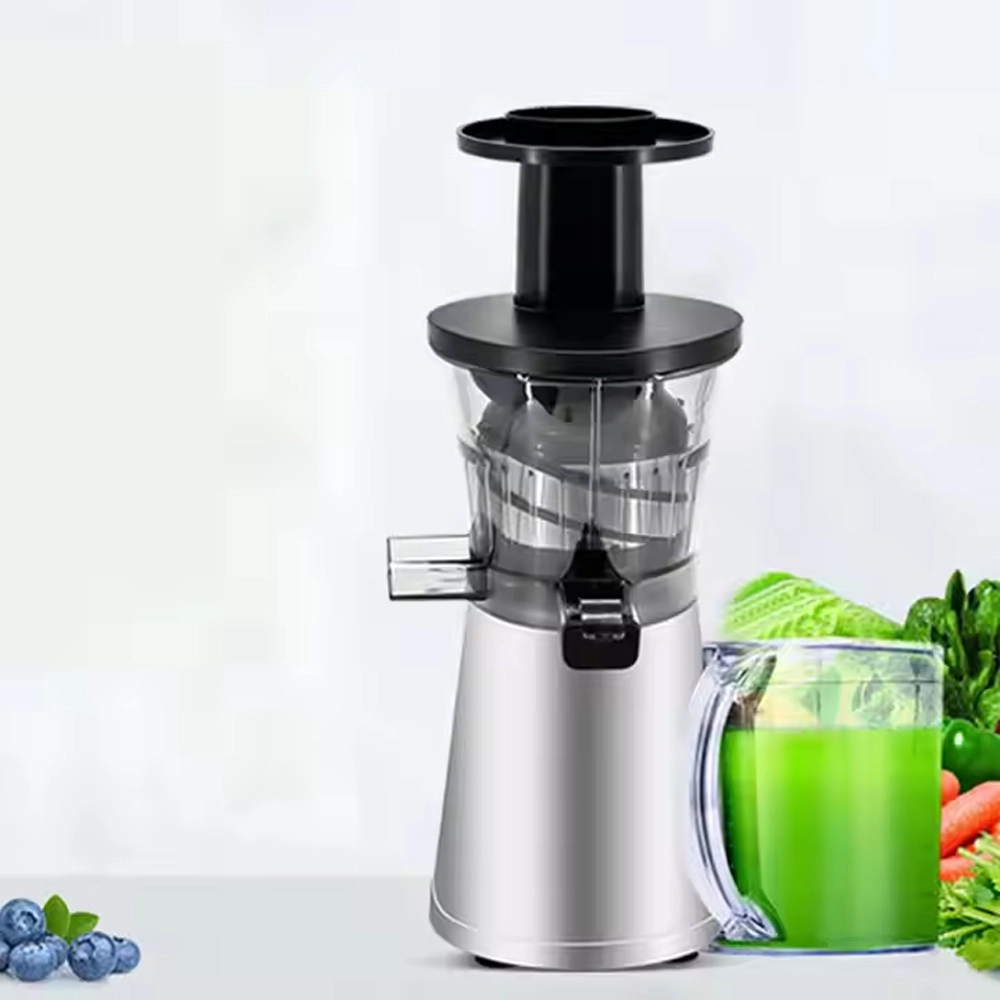
Slow Juicer L601
Jiaolong's L601 Slow Juicer: The perfect choice for slow juicer manufacturers, suppliers, and wholesalers. High-quality, efficient extraction. Contact us for wholesale inquiries.
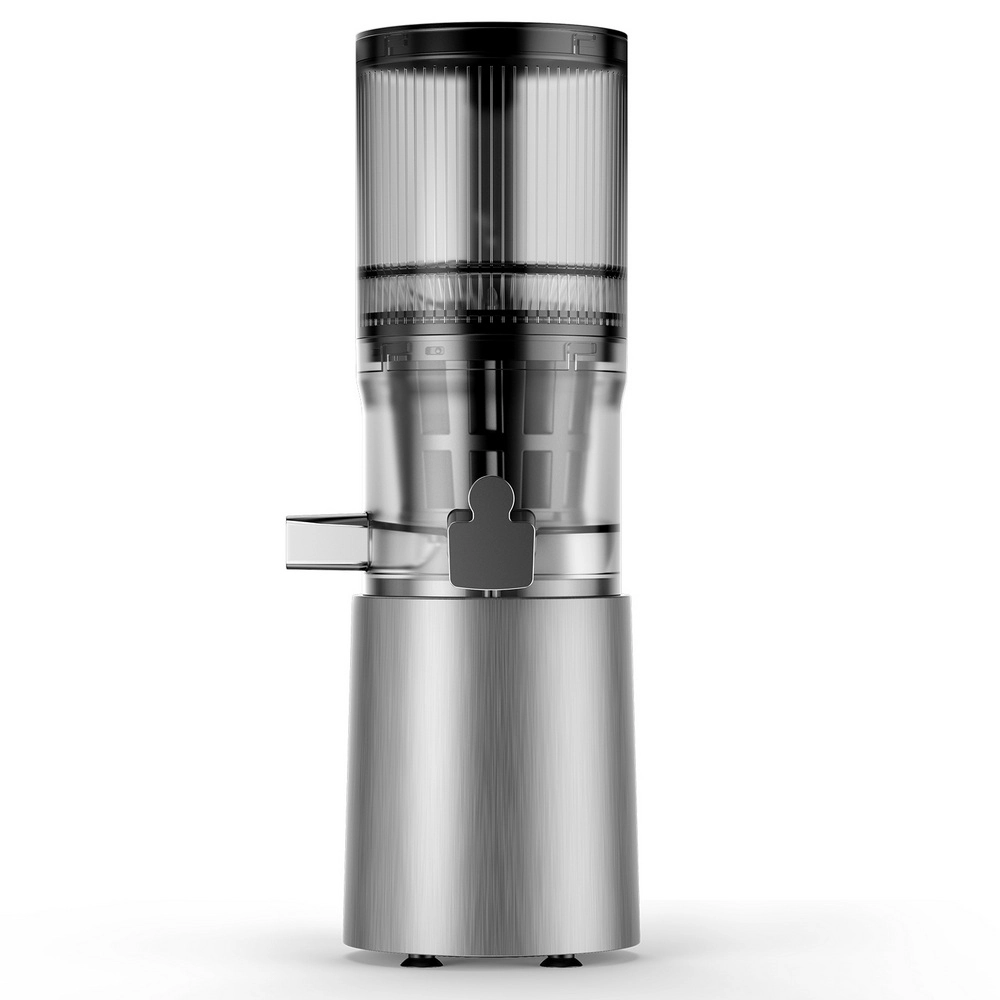
Slow Juicer L605A
Jiaolong's L605A Slow Juicer: A high-quality slow juicer for OEM, manufacturing, and supply needs. Contact us today to explore our slow juicer manufacturing capabilities and become a valued partner.
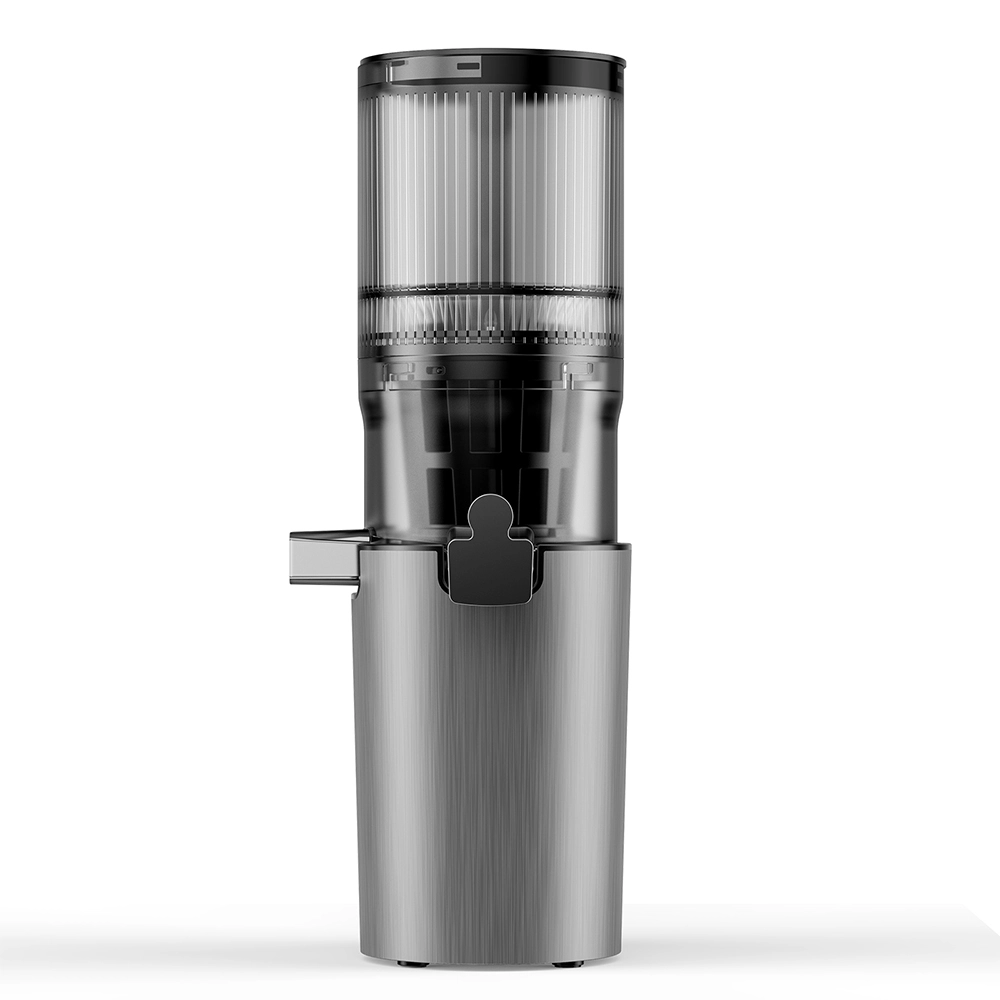
Slow juicer L606A
Jiaolong's L606A slow juicer: The ultimate slow juicer for wholesale, manufactured and supplied by a leading slow juicer supplier. Experience superior juice extraction and quality. Contact us for bulk orders.
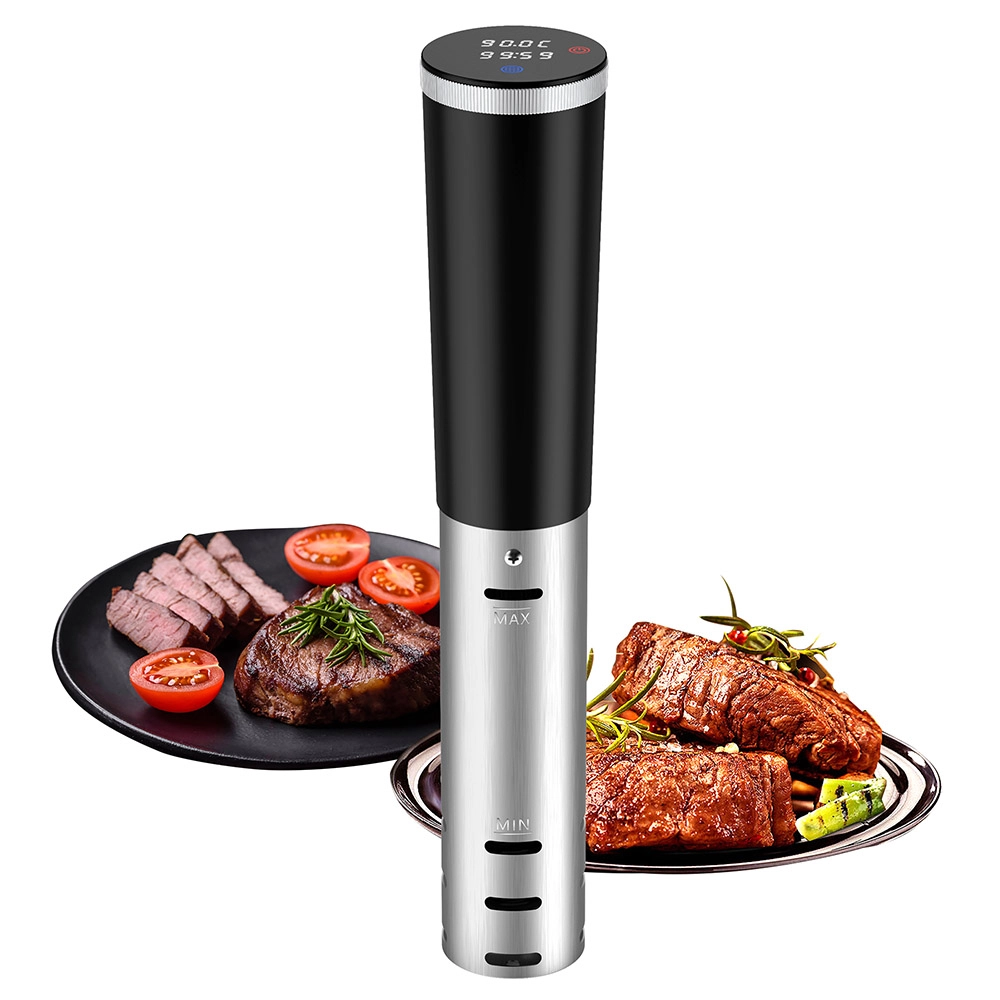
Sous Vide SV220
Jiaolong's Sous Vide SV220: A premium Sous Vide ODM solution. Reliable and efficient, the SV220 is the perfect choice for your next project. Partner with a leading sous vide supplier. Contact us today!
© 2025 JIAOLONG All Rights Reserved. Privacy Policy | Terms and Conditions | Sitemap