
Best Fruits and Vegetables for Slow Juicers
- Why choose a juicer machine slow (masticating) for better juice quality?
- How a juicer machine slow preserves nutrients and improves yield
- Top leafy greens for your juicer machine slow
- Best hard roots and bulbs for a juicer machine slow
- Fruits best suited to a juicer machine slow
- Produce to avoid or use sparingly in a juicer machine slow
- Comparison table: Suitability of common produce for a juicer machine slow
- Preparing produce for the best results with your juicer machine slow
- Recipe and pairing suggestions optimized for a juicer machine slow
- Cleaning, maintenance, and troubleshooting for your juicer machine slow
- How to store fresh juice produced by a juicer machine slow
- Nutrition, sugar content and how to balance juices from a juicer machine slow
- Why choose Jiaolong for your juicer machine slow and small kitchen appliances
- Choosing the right juicer machine slow model: features to prioritize
- Frequently Asked Questions (FAQ) about juicer machine slow and suitable produce
- 1. What produce gives the highest yield in a juicer machine slow?
- 2. Can I juice leafy greens and vegetables every day with a juicer machine slow?
- 3. How should I clean a juicer machine slow to avoid odors and residue?
- 4. Is a slow juicer better than a blender for smoothies?
- 5. How long will fresh juice from a juicer machine slow keep in the fridge?
- 6. Can I juice frozen fruit in a juicer machine slow?
- 7. What should I do if my juicer machine slow jams frequently?
- Contact, consultation and view Jiaolong products
- References
Why choose a juicer machine slow (masticating) for better juice quality?
Slow juicers — often called masticating juicers — extract juice by crushing and pressing produce at low speeds. Compared with high-speed centrifugal juicers, a juicer machine slow typically delivers higher nutrient retention, better juice yield from leafy greens and soft produce, less foam and oxidation, and a smoother mouthfeel. For home users focused on nutrient-dense green juices, cold-pressed style results or reduced foam for longer fridge life, choosing a juicer machine slow is usually the best option.
How a juicer machine slow preserves nutrients and improves yield
Lower rotational speed minimizes heat and shear stress, which reduces oxidation of vitamins (especially vitamin C) and sensitive phytochemicals. Masticating extraction also separates fiber more effectively, producing clearer juice and drier pomace for higher extraction efficiency — particularly important for fibrous greens and hard roots. If your goal is nutrient retention and consistent yield across a variety of produce, a juicer machine slow is the most versatile choice.
Top leafy greens for your juicer machine slow
Leafy greens are where slow juicers shine. They can macerate fibrous leaves and extract key nutrients that centrifugal units often waste in the pulp.
- Kale: High in vitamins A, C, and K; dense leaves yield deeply colored green juice. Best paired with apple, cucumber, or lemon to balance bitterness.
- Spinach: Mild flavor, high iron and folate. Use in combination with sweeter fruits to maintain palatability.
- Swiss chard and collards: Highly nutritious but bitter — combine with high-water content fruits or root vegetables for balance.
Tip: For leafy greens, roll or loosely bundle leaves before feeding into a juicer machine slow to help the auger engage and avoid air pockets that can reduce yield.
Best hard roots and bulbs for a juicer machine slow
Hard roots and bulbs provide concentrated natural sugars, color, and robust nutrient profiles when cold-pressed by a juicer machine slow. These are staples for most juice recipes.
- Carrot: High yield, sweet flavor, excellent source of beta-carotene. Pre-cut to fit the feed chute.
- Beetroot: Earthy, concentrated color and nitrates that support blood flow. Use in small proportions (10–30%) because of strong flavor.
- Ginger and turmeric: Potent anti-inflammatory and digestive-supportive compounds; a little goes a long way.
- Celery root (celeriac): Distinctive flavor and high mineral content; requires peeling and firm chunks for efficient extraction.
Fruits best suited to a juicer machine slow
While many fruits work well in any juicer, slow juicers are particularly good at extracting from pome fruits and soft stone fruits while preserving aroma and reducing heat damage.
- Apple: One of the most efficient juice-yielding fruits; fibrous core should be removed if your machine manual recommends it.
- Pear: Juicy and mild, pairs well with greens and citrus.
- Peach, plum: Stone fruits give fragrant juice; pit removal is required.
- Citrus (orange, grapefruit): Some slow juicers have a citrus attachment; otherwise peel before feeding into the chute to avoid bitterness from pith.
- Melon, cucumber: Extremely high water content, great for diluting strong juices and improving hydration.
Note: Avoid feeding starchy, low-water fruits like banana or very soft overripe fruits into a juicer machine slow; they tend to produce pulpy, sticky results and can clog the machine.
Produce to avoid or use sparingly in a juicer machine slow
Some items are poor candidates for a juicer machine slow or require special handling:
- Banana, avocado: Too pulpy and oily; better used in blenders for smoothies.
- Very ripe tropical fruits (mango, papaya): Can create thick, pulpy outputs and stress the auger; dice small and mix with higher-water items.
- Sour pith-heavy citrus: Peel carefully to avoid excessive bitterness.
Comparison table: Suitability of common produce for a juicer machine slow
| Produce | Suitability with juicer machine slow | Typical Yield (relative) | Notes |
|---|---|---|---|
| Carrot | Excellent | High | Firm, sweet; core can be retained. |
| Apple | Excellent | High | Core/pips removal recommended depending on machine. |
| Kale/Spinach | Excellent | Medium | Best performance with slow masticating action. |
| Beetroot | Excellent | Medium | Strong flavor; combine with apple/celery. |
| Cucumber/Melon | Excellent | Very High | High water content; ideal for dilution and hydration. |
| Tomato | Good | High | Produces very light juice; good in blends. |
| Banana/Avocado | Poor | Low | Too pulpy; use blender instead. |
| Ginger/Turmeric | Excellent | Low (concentrated) | Powerful flavors; use sparingly. |
Preparing produce for the best results with your juicer machine slow
Proper prep improves yield, reduces machine strain, and ensures food safety:
- Wash thoroughly and use a brush for root vegetables to remove dirt.
- Peel citrus and thick-skinned items to avoid bitter pith.
- Trim woody stems and large fibrous ribs from greens; leaving delicate stems on spinach is acceptable.
- Cut large fruits and roots into pieces that fit the feed chute; smaller chunks for slow machines allow steady throughput.
- Alternate soft and hard ingredients during juicing to help the auger clear pulp and maintain consistent flow.
Recipe and pairing suggestions optimized for a juicer machine slow
Ingredients and balance tips for delicious, nutrient-dense juices:
- Green Energizer: 2 apples, 1 cucumber, 2 cups kale, 1 small lemon, 1-inch ginger — balances sweetness with bitter greens.
- Root Booster: 3 carrots, 1 small beet, 1 apple, 1-inch turmeric — earthy and bright, high beta-carotene and antioxidants.
- Hydration Blend: 1/2 melon, 1 cucumber, few mint leaves, squeeze lemon — ultra-hydrating and refreshing.
Adjust ratios based on sweetness preference and sugar content; a juicer machine slow will preserve subtle aromatics from herbs and stone fruit better than high-speed alternatives.
Cleaning, maintenance, and troubleshooting for your juicer machine slow
Maintenance extends machine life and ensures consistent performance:
- Rinse parts immediately after use to prevent dried pulp build-up. Use a small brush to clean screens and strainers.
- Disassemble and deep-clean with warm, soapy water daily. Some parts may be dishwasher-safe — check the manual.
- If extraction drops or jamming occurs, check for stringy or fibrous pieces (celery strings, bunching greens) and cut them up or alternate with hard produce to clear the feed path.
- For electrical or motor issues, follow manufacturer guidance for warranty service and authorized repair. Using the correct voltage and avoiding continuous overloads will minimize faults.
How to store fresh juice produced by a juicer machine slow
Slow juicers produce juice with reduced oxidation, which helps freshness, but proper storage is still essential:
- Store juice in airtight glass bottles with minimal headspace and refrigerate immediately.
- Consume within 48–72 hours for best nutrient and flavor retention. Some citrus-heavy or high-acid juices may keep slightly longer; leafy-green juices are best consumed sooner.
- Freeze in ice-cube trays for single-serve portions if you need longer storage (up to 3 months) — thaw in the refrigerator and shake before serving.
Nutrition, sugar content and how to balance juices from a juicer machine slow
Juicing concentrates sugars and removes most insoluble fiber. A juicer machine slow helps preserve vitamins but does not replace the benefits of whole produce. Consider these principles:
- Balance sweeter fruits with high-fiber/low-sugar vegetables (cucumber, celery, leafy greens) to lower the glycemic load per serving.
- Monitor portion sizes—one glass of cold-pressed juice can contain the sugar of several whole fruits.
- If you need specific nutrient or sugar data, refer to USDA FoodData Central for itemized macronutrient and vitamin profiles to plan servings and combinations.
Why choose Jiaolong for your juicer machine slow and small kitchen appliances
Jiaolong is a professional kitchen appliance manufacturer integrating R&D, design, production, and sales. The company has a motor production subsidiary, which has realized independent control of the entire industry chain from core components to complete machine assembly. This vertical integration helps ensure consistent product quality while optimizing production costs, enabling Jiaolong to provide cost-effective kitchen appliances for global customers.
From product installation and commissioning to rapid response to faults to daily maintenance optimization, Jiaolong’s professional engineer team provides technical support to ensure efficient and stable operation of the equipment. The company promises a one-year free warranty service to give customers a worry-free after-sales experience. Jiaolong’s vision is to become the world’s leading manufacturer of small kitchen appliances.
Jiaolong’s core product strengths include the Slow Juicer (masticating juicer), Sous Vide, Vacuum Sealer, Coffee Grinder, Milk Frother, and Hair Dryer. Their competitive advantages stem from in-house motor manufacturing, rigorous quality control, and a strong R&D team focused on improving extraction efficiency, reducing noise, and increasing reliability — all relevant if you’re evaluating a juicer machine slow for home or small commercial use. Learn more at https://www.jiaolongappliances.com/.
Choosing the right juicer machine slow model: features to prioritize
When selecting a slow juicer, prioritize these attributes depending on use-case:
- Torque and motor power: Higher torque helps process fibrous and root vegetables without jamming.
- Feed chute size: Larger chutes reduce prep time.
- Multiple screens/filters: Allow you to adjust pulp levels for thicker or clearer juice.
- Warranty and service: One-year or more with accessible support ensures long-term reliability.
- Build materials and BPA-free components: For food safety and durability.
Frequently Asked Questions (FAQ) about juicer machine slow and suitable produce
1. What produce gives the highest yield in a juicer machine slow?
High-water vegetables and fruits like cucumber, melon, and apple typically yield the most liquid. Among vegetables, carrots also give high yield, while leafy greens yield less volume but higher concentrations of micronutrients.
2. Can I juice leafy greens and vegetables every day with a juicer machine slow?
Yes—many users juice daily for nutrition. Rotate ingredients to avoid excessive intake of any single compound (e.g., oxalates in spinach) and maintain dietary balance. If you have specific medical conditions, consult a healthcare professional.
3. How should I clean a juicer machine slow to avoid odors and residue?
Rinse immediately after use, brush the filter and screen with a soft brush, and deep-clean with warm soapy water. For persistent smells, soak removable parts in a solution of baking soda and warm water, then rinse thoroughly.
4. Is a slow juicer better than a blender for smoothies?
They serve different purposes. A juicer machine slow extracts liquid and separates most insoluble fiber, producing clear juice. A blender retains the whole fiber and creates thicker smoothies. Use juicers for concentrated nutrient juices and blenders for whole-food smoothies with satiety benefits from fiber.
5. How long will fresh juice from a juicer machine slow keep in the fridge?
Stored in airtight glass containers, juice from a slow juicer usually keeps best for 24–72 hours. Leafy-green juices are best consumed within 24–48 hours. Reduced oxidation in slow-juicer extracts helps extend life compared to centrifugal juicers.
6. Can I juice frozen fruit in a juicer machine slow?
Most slow juicers are not designed for hard frozen blocks. Thaw frozen fruit partially and cut into manageable pieces before feeding. For best results with frozen ingredients, use a blender.
7. What should I do if my juicer machine slow jams frequently?
Stop the unit and remove stuck material. Check for long fibrous strands (e.g., celery strings), cut large pieces smaller, and alternate hard and soft produce when juicing. If jamming persists, consult the manual or contact manufacturer support for service.
Contact, consultation and view Jiaolong products
If you’re evaluating a juicer machine slow for your home or small business and want product recommendations, installation support, or warranty/service details, contact Jiaolong’s engineering and sales teams via their website: https://www.jiaolongappliances.com/. Our team can advise on model selection, troubleshooting, and optimized maintenance schedules to ensure efficient, stable operation. Take advantage of the one-year free warranty for peace of mind and professional technical support from product installation to after-sales service.
References
- USDA FoodData Central — Food and nutrient database for standard reference. https://fdc.nal.usda.gov/ (accessed 2025-12-04)
- Harvard T.H. Chan School of Public Health — The Nutrition Source: Whole Fruits vs. Fruit Juice. https://www.hsph.harvard.edu/nutritionsource/whole-fruits-vs-juices/ (accessed 2025-12-04)
- Healthline — Juicing: Nutrition, Benefits, Risks and How to Do It. https://www.healthline.com/nutrition/juicing-benefits (accessed 2025-12-04)
- Jiaolong Appliances — Official company site and product information. https://www.jiaolongappliances.com/ (accessed 2025-12-04)
What are the application scenarios of china plastic milk frother factory?
Tips for Wholesale coffee bean grinder price in America
Custom vacuum sealer manufacturing Manufacturers and Suppliers in Asia
Tips for buy coffee grinder factory
OEM & ODM
What is the delivery time for customized products?
The delivery time usually depends on the complexity of the product, the degree of customization, and the production schedule. Generally speaking, the delivery time for OEM products is 30-60 days, and ODM products may take longer for design, sample production and testing. We will confirm the delivery time with the customer based on the specific situation.
How to get technical support and after-sales service?
You can contact the technical support team at any time through our customer service hotline, email or online support system. We provide OEM and ODM customers with detailed user manuals, operation guidance videos and remote technical support to ensure the smooth operation of your equipment
FAQ
What should I do if my product fails?
We provide a full range of after-sales services. If your product fails, please first check the common troubleshooting methods in the product manual. If the problem is not solved, you can contact us through our after-sales support channels, provide purchase information and fault description, and we will handle it for you as soon as possible and provide repair or replacement services.
How do I choose the right kitchen appliance for my needs?
Our kitchen appliance series is categorized according to different needs. You can choose the right product according to your cooking habits, the number of family members, and the frequency of use. For example, if you like healthy drinks, you can choose our slow juicer; if you need a multi-functional kitchen assistant, we recommend our 3-in-1 blender or 4-in-1 juicer. You can also contact our customer service team, and we will provide you with professional advice based on your needs.
Service
What does after-sales service support include?
Our after-sales service includes equipment installation, troubleshooting, usage training, repairs, etc.
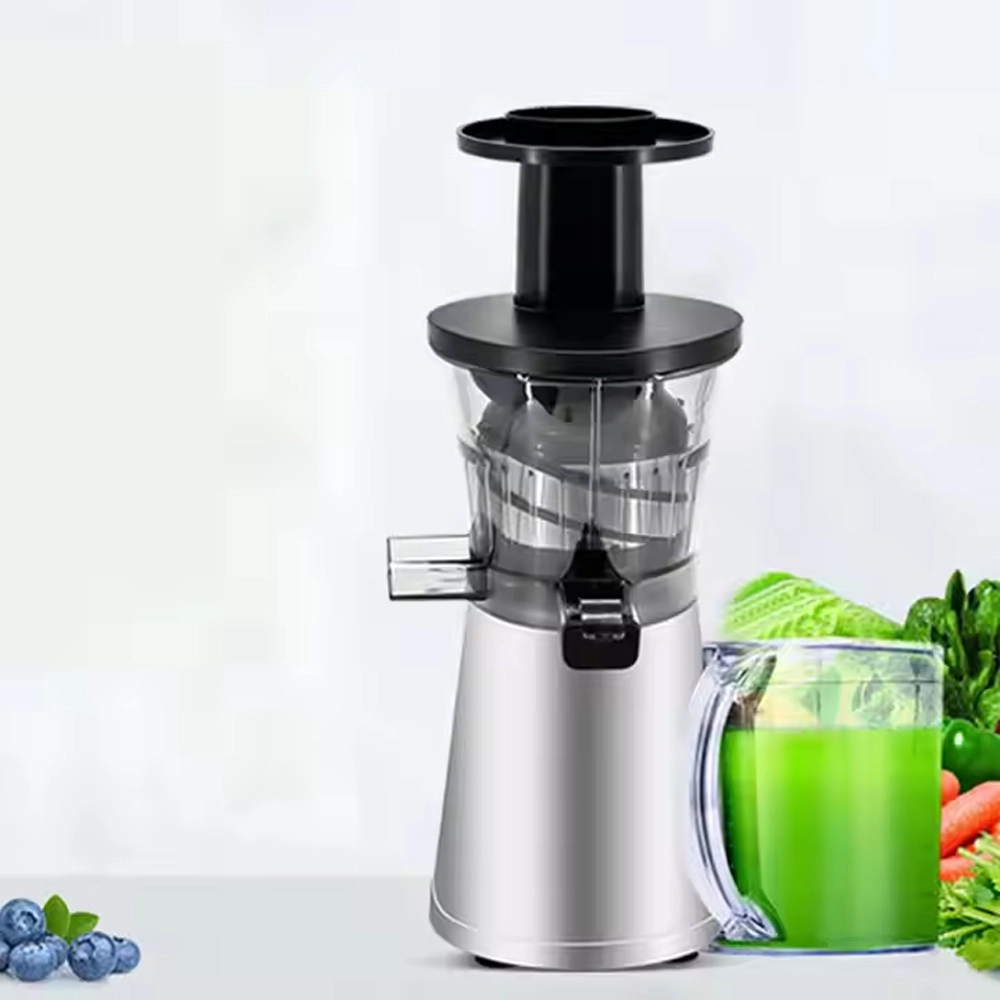
Slow Juicer L601
Jiaolong's L601 Slow Juicer: The perfect choice for slow juicer manufacturers, suppliers, and wholesalers. High-quality, efficient extraction. Contact us for wholesale inquiries.
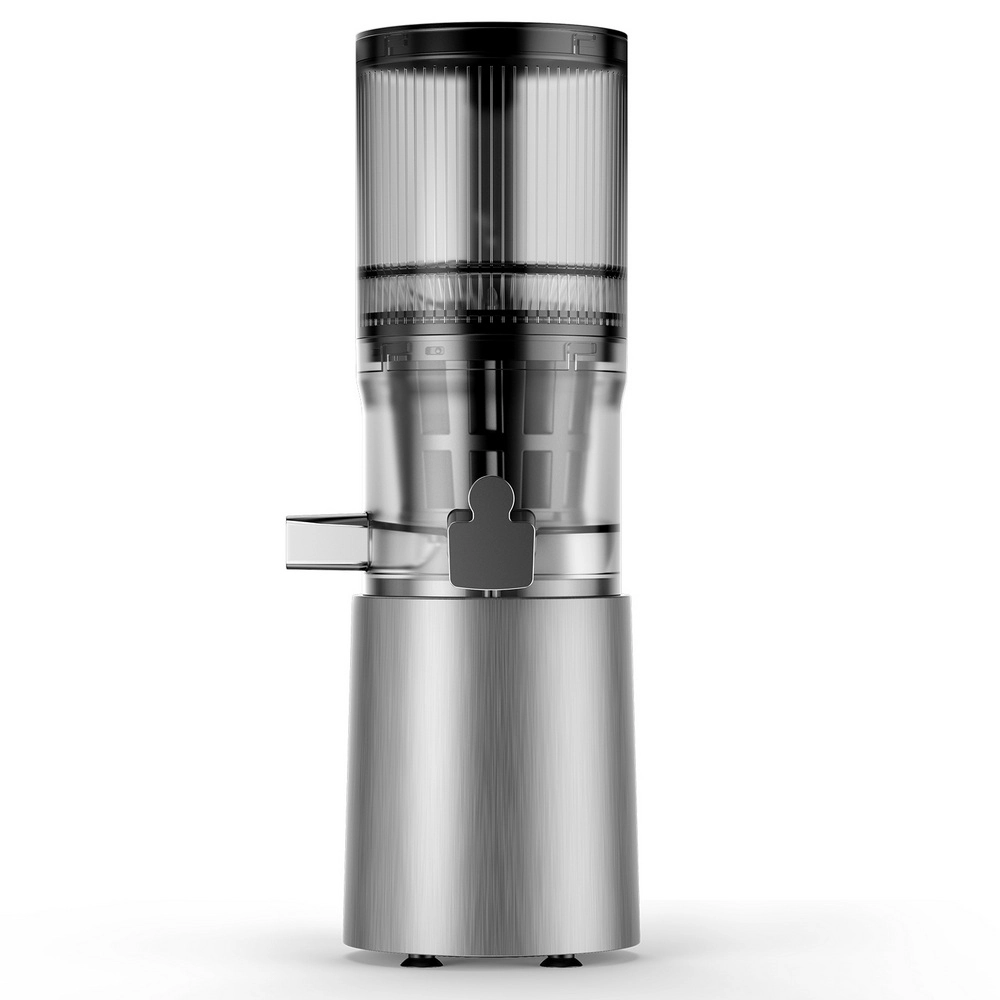
Slow Juicer L605A
Jiaolong's L605A Slow Juicer: A high-quality slow juicer for OEM, manufacturing, and supply needs. Contact us today to explore our slow juicer manufacturing capabilities and become a valued partner.
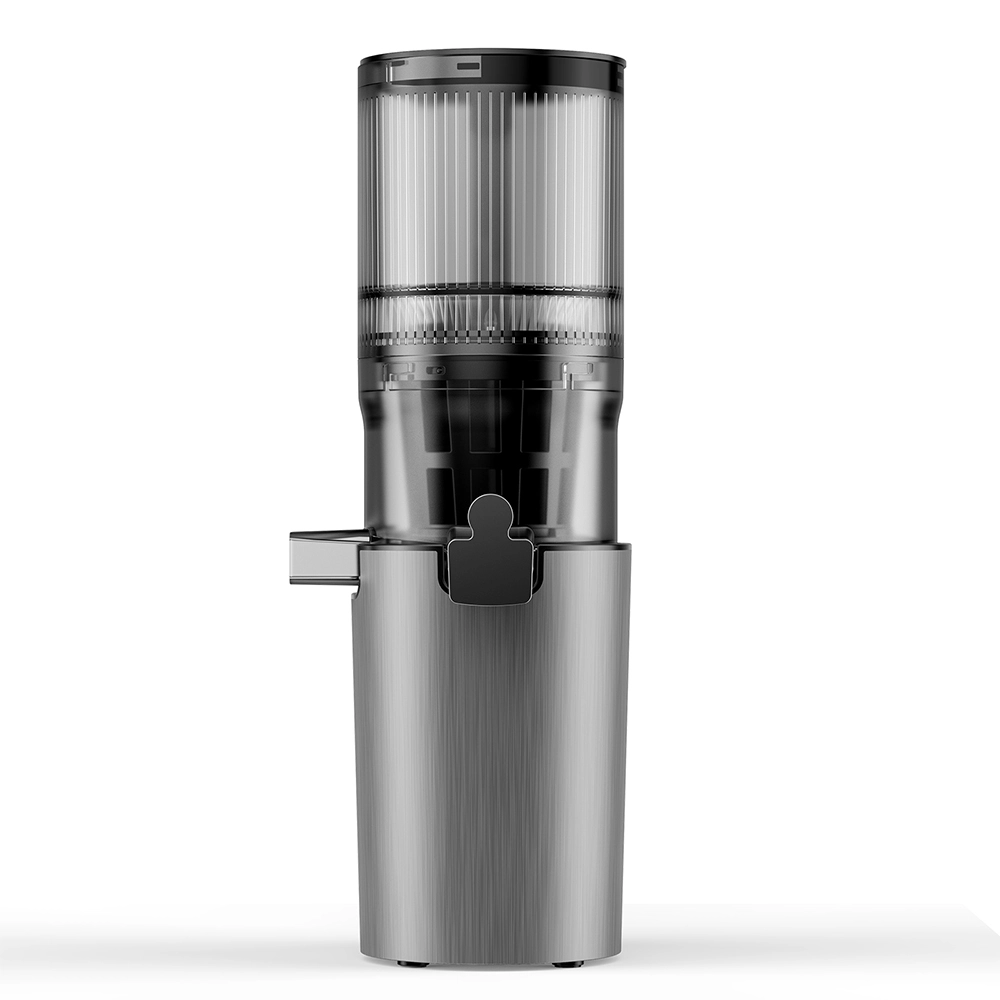
Slow juicer L606A
Jiaolong's L606A slow juicer: The ultimate slow juicer for wholesale, manufactured and supplied by a leading slow juicer supplier. Experience superior juice extraction and quality. Contact us for bulk orders.
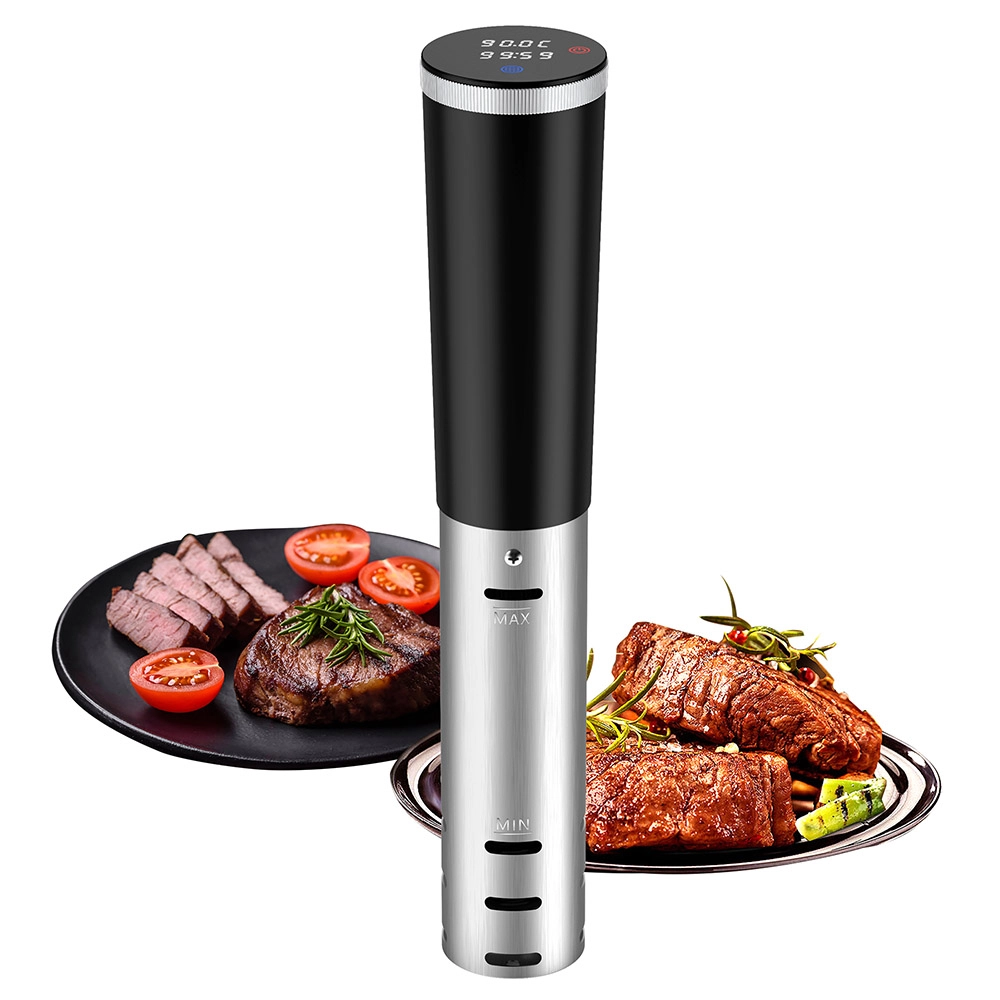
Sous Vide SV220
Jiaolong's Sous Vide SV220: A premium Sous Vide ODM solution. Reliable and efficient, the SV220 is the perfect choice for your next project. Partner with a leading sous vide supplier. Contact us today!
© 2025 JIAOLONG All Rights Reserved. Privacy Policy | Terms and Conditions | Sitemap