
Maintenance and Troubleshooting for Vacuum Sealers
- Essential Maintenance for Your food sealer vacuum machine
- Why regular care matters for a food sealer vacuum machine
- Key maintenance objectives
- Daily and weekly cleaning for your food sealer vacuum machine
- Daily checklist
- Weekly checklist
- Gasket, seal bar and heating element care for a food sealer vacuum machine
- Inspection & replacement tips
- Troubleshooting common faults for a food sealer vacuum machine
- Electrical and motor maintenance for a food sealer vacuum machine
- Electrical checks
- Motor and pump guidance
- Parts, consumables and when to replace them for a food sealer vacuum machine
- Typical consumables and service parts
- Installation, commissioning and optimization for a food sealer vacuum machine
- Installation checklist
- Advanced diagnostics: tools and methods for a food sealer vacuum machine
- Recommended tools
- When to call professional service for your food sealer vacuum machine
- Manufacturer support and Jiaolong's integrated service for your food sealer vacuum machine
- Storage and long-term layup for a food sealer vacuum machine
- Checklist: Monthly, Quarterly and Annual maintenance for a food sealer vacuum machine
- FAQs — maintenance and troubleshooting for your food sealer vacuum machine
- 1. Why is my food sealer vacuum machine not pulling a full vacuum?
- 2. How often should I replace the sealing gasket?
- 3. Can I vacuum-seal liquids and fatty foods?
- 4. My seals are inconsistent — sometimes good, sometimes bad. What's the cause?
- 5. How do I know when to service the pump or motor?
- 6. Where can I get spare parts and technical support?
- References and further reading
Essential Maintenance for Your food sealer vacuum machine
Owning a food sealer vacuum machine brings huge advantages in food preservation, portioning and cost control — but only if the unit runs reliably. This guide provides practical, experience-based maintenance steps and troubleshooting workflows that small business operators, catering teams and serious home users can apply to extend service life, reduce downtime and maintain food safety.
Why regular care matters for a food sealer vacuum machine
Routine maintenance prevents avoidable failures and preserves vacuum performance. A compromised seal, clogged channel or worn pump reduces vacuum level and seal integrity, which directly affects shelf life and food safety. Commercial vacuum sealers are mechanical systems: motors, vacuum pumps, gaskets, heating elements and electronics all age differently. Scheduled care lowers repair costs and minimizes food waste.
Key maintenance objectives
- Maintain consistent vacuum level and seal strength.
- Prevent contamination and food residue buildup.
- Detect wear early — gaskets, heaters, and filters.
- Minimize unplanned downtime with basic diagnostics.
Daily and weekly cleaning for your food sealer vacuum machine
Daily and weekly cleaning routines are the highest-impact activities. They are quick, inexpensive and stop many common faults before they start.
Daily checklist
- Unplug unit before cleaning.
- Wipe chamber and external surfaces with a food-safe detergent and warm water; avoid abrasive pads that damage coatings.
- Remove food debris from the sealing bar and drip tray; empty and sanitize the drip tray.
- Check bags for oil/fat leaks that can contaminate the heater; trim or use barrier bags if necessary.
Weekly checklist
- Inspect and wipe the sealing strip and silicone gasket with isopropyl alcohol or food-grade sanitizer.
- Check the vacuum channel and capillary (if present) for crumbs or grease; use a soft brush to clean.
- Examine electrical cord and plug for wear.
Gasket, seal bar and heating element care for a food sealer vacuum machine
The gasket and heating element determine seal quality. Small tears or uneven pressure cause weak seals and are the most common causes of failure.
Inspection & replacement tips
- Inspect gasket daily for cracks, hardening or embedded debris. A compressible, uniform gasket ensures even pressure.
- If seal bars show corrosion or pitting, replace them — you cannot reliably repair uneven heating surfaces.
- Use manufacturer-approved replacement gaskets and heater wires; mismatched parts can cause overheating or poor seals.
Troubleshooting common faults for a food sealer vacuum machine
Below is a practical fault matrix to diagnose and fix the most common problems quickly. Start from the top — basic cleaning and gasket checks solve a large proportion of issues.
| Symptom | Likely Cause | Immediate Fix | When to Replace/Service |
|---|---|---|---|
| No vacuum/weak vacuum | Air leak (gasket), clogged vacuum channel, worn pump, faulty valve | Check gasket seating, clean channels, verify bag placement and correct sealing area | Replace gasket or pump if leak persists after cleaning |
| Poor or no seal | Damaged heater wire, contaminated sealing strip, incorrect heat setting | Clean sealing bar, increase heat incrementally, inspect for visible damage | Replace heater wire or sealing strip when damaged or inconsistent |
| Bags melt or char | Heat too high, long seal time, incompatible bag type | Lower heat, use correct bag type (poly/nylon multi-layer), shorten seal duration | Replace control board or thermostat if temperature regulation is unstable |
| Pump overheating or tripping | Continuous heavy use, blocked intake, low oil level (if oil pump) | Allow cool-down cycles, clean intake/filter, top up or change oil for oil pumps | Service or replace pump when thermal trips persist |
| Unusual noise or vibration | Loose mounting, worn motor bearings, foreign debris in pump | Turn off and inspect mountings; remove debris; lubricate if applicable | Replace bearings or motor if noise persists |
Electrical and motor maintenance for a food sealer vacuum machine
Electric and motor issues are less frequent but more disruptive. Proper ventilation and duty cycling prevent thermal stress.
Electrical checks
- Verify correct supply voltage and dedicated circuit where required.
- Check fuses, wiring harnesses and connectors for heat discoloration; replace any compromised parts.
- For units with internal electronics, follow anti-static precautions and consult the manual before opening.
Motor and pump guidance
- Allow machines to cool between continuous cycles — many small sealers are not rated for continuous heavy-duty use.
- If your model uses oil-sealed pumps, follow the manufacturer’s oil change intervals and use specified oil grades.
- Dry-running can damage diaphragm pumps; ensure vacuum path is clear of moisture and oils that could reach the pump.
Parts, consumables and when to replace them for a food sealer vacuum machine
Planned replacement of consumables minimizes failures. Keep a small inventory of high-wear items if uptime is important.
Typical consumables and service parts
- Silicone gaskets and sealing strips — replace at first sign of deformation.
- Heater wires and Teflon tape/cover — maintain clean surfaces; replace when performance degrades.
- Filters, valves and pump oil (for oil-based pumps) — follow intervals in the manual and adjust based on use intensity.
- Bags and rolls — use recommended thickness and multi-layer barrier materials for fatty or wet foods.
Installation, commissioning and optimization for a food sealer vacuum machine
Proper installation sets the stage for long life. Even small mistakes in leveling, placement or initial commissioning can cause recurring faults.
Installation checklist
- Place unit on a stable, level surface with adequate ventilation around vents.
- Confirm voltage and plug type match local supply; avoid extension cords for high-power units.
- Run a commissioning test: empty bag seal, then a bag with known item (e.g., water pouch) to verify vacuum level and seal integrity.
Advanced diagnostics: tools and methods for a food sealer vacuum machine
When basic checks fail, a few diagnostic tools accelerate root-cause analysis.
Recommended tools
- Handheld vacuum gauge (to verify vacuum depth).
- Infrared thermometer (check heater uniformity and hotspots).
- Multimeter (check continuity of heater wire and electrical components).
- Small borescope or inspection camera (visualize internal pump areas without full disassembly).
When to call professional service for your food sealer vacuum machine
After you've completed the basic troubleshooting steps in this guide, call professional service if:
- Thermal protection trips repeatedly despite cool-down and cleaning.
- Vacuum gauge readings remain below expected range after gasket and channel checks.
- There is persistent electrical smell or visible burning on components.
- Internal pump failure for oil-sealed units — avoid attempting internal repairs without specialist tools.
Manufacturer support and Jiaolong's integrated service for your food sealer vacuum machine
Jiaolong is a professional kitchen appliance manufacturer integrating R&D, design, production, and sales. The company has a motor production subsidiary, which has realized the independent control of the entire industry chain from core components to complete machine assembly. While ensuring the excellent quality of products, it optimizes production costs and provides cost-effective kitchen appliances for global customers.
From product installation and commissioning to rapid response to faults to daily maintenance optimization, our professional engineer team provides technical support to ensure efficient and stable operation of the equipment. We promise a one-year free warranty service to allow customers to enjoy a worry-free after-sales experience.
Jiaolong's main product lines include Slow Juicer, Sous Vide, Vacuum Sealer, Coffee Grinder, Milk Frother and Hair Dryer. Our vertical integration (including motor manufacturing) gives us better control over quality, cost and spare parts availability — reducing lead times for repairs and ensuring consistent technical compatibility across components.
Why choose Jiaolong for vacuum sealing solutions?
- In-house motor production ensures motors and pumps are matched to design specifications for longevity and efficiency.
- Comprehensive R&D and testing reduce field failures and provide consistent product performance.
- Competitive pricing due to optimized supply chain without sacrificing component quality.
- One-year free warranty and global after-sales support for rapid fault response.
Explore Jiaolong products and technical resources: https://www.jiaolongappliances.com/
Storage and long-term layup for a food sealer vacuum machine
If you plan seasonal downtime or long-term storage, follow these steps to prevent moisture, corrosion and gasket sticking:
- Clean and fully dry the chamber, channel and seals.
- Apply a light coating of food-safe silicone or gasket lubricant to the sealing gasket to prevent drying/cracking.
- Store in a dry, temperature-controlled area and cover the unit to avoid dust ingress.
Checklist: Monthly, Quarterly and Annual maintenance for a food sealer vacuum machine
Keep a maintenance log to track interventions and parts replacements. Below is a high-level schedule.
| Interval | Tasks |
|---|---|
| Monthly | Deep clean chamber, inspect gaskets, test vacuum gauge readings, check filters |
| Quarterly | Inspect heater wire condition, test electrical connections, change oil on oil pumps if used heavily |
| Annually | Replace high-wear consumables (gasket, seals), full pump service, professional calibration if required |
FAQs — maintenance and troubleshooting for your food sealer vacuum machine
1. Why is my food sealer vacuum machine not pulling a full vacuum?
Common causes include poor bag placement, an air leak at the gasket, crumbs in the vacuum channel, or a failing pump. Clean the channel, reseat the gasket, and test with an empty bag. If the problem remains, check vacuum gauge readings and consult professional service.
2. How often should I replace the sealing gasket?
Replace the gasket when you see cracks, deformation, or persistent leaks despite cleaning. For medium-to-heavy use in a commercial setting, inspect monthly and plan replacement every 6–12 months depending on wear.
3. Can I vacuum-seal liquids and fatty foods?
Yes, but liquids and fats can migrate into the pump. Use pre-freezing (slush) methods, use barrier bags, or use a chamber-type vacuum sealer designed to handle liquids. For non-chamber machines, use caution and special techniques to avoid pump contamination.
4. My seals are inconsistent — sometimes good, sometimes bad. What's the cause?
Intermittent seals are often caused by contamination on the sealing strip, inconsistent bag thickness, or a deteriorating heater element. Clean the sealing surfaces and test with the same bag type; if inconsistency persists, replace the heater wire or sealing strip.
5. How do I know when to service the pump or motor?
Service the pump when vacuum readings decline despite gasket and channel checks, when the pump runs unusually hot, or if you hear irregular noises. For oil-sealed pumps, oil discoloration or burnt smell are service indicators.
6. Where can I get spare parts and technical support?
Obtain OEM spare parts for best compatibility. Jiaolong provides spare parts and technical support through its website and service network. Visit https://www.jiaolongappliances.com/ for product support and warranty details.
Contact us for product inquiries, technical consultations or to view our vacuum sealer lineup: https://www.jiaolongappliances.com/. Our engineering team can help with installation, commissioning and rapid fault response.
References and further reading
- Vacuum packaging — Wikipedia. https://en.wikipedia.org/wiki/Vacuum_packaging (accessed 2025-12-14)
- FoodSafety.gov — Basics of vacuum packaging and food safety. https://www.foodsafety.gov/ (accessed 2025-12-14)
- U.S. Department of Agriculture (USDA) — Food preservation and packaging guidance. https://www.usda.gov/ (accessed 2025-12-14)
- Jiaolong Appliances — official website and product support. https://www.jiaolongappliances.com/ (accessed 2025-12-14)
How to Choose the Right Slow Juicer for You
Why choose Jiaolong as your best sous vide supplier
High-Yield Tips: Get More Juice from Slow Juicers
The latest trends for slow juicer machine in us 2026 | Jiaolong Ultimate Insights
Service
What does after-sales service support include?
Our after-sales service includes equipment installation, troubleshooting, usage training, repairs, etc.
Is there a charge for installation service?
We provide free installation and commissioning services.
OEM & ODM
What is the delivery time for customized products?
The delivery time usually depends on the complexity of the product, the degree of customization, and the production schedule. Generally speaking, the delivery time for OEM products is 30-60 days, and ODM products may take longer for design, sample production and testing. We will confirm the delivery time with the customer based on the specific situation.
How to ensure the accuracy of delivery time?
We will plan the production time in advance according to your needs and provide a detailed production schedule and delivery plan. Through advanced production management systems and strict time control, we ensure that products are delivered on time.
How can I confirm the quality of OEM or ODM products?
We strictly follow the ISO 9001:2000 quality management system, and all products undergo multiple quality inspections and tests. During the production process, customers can request to participate in process supervision to ensure that the products meet the requirements. For ODM services, we provide sample review and trial production to ensure that the product quality meets the standards.
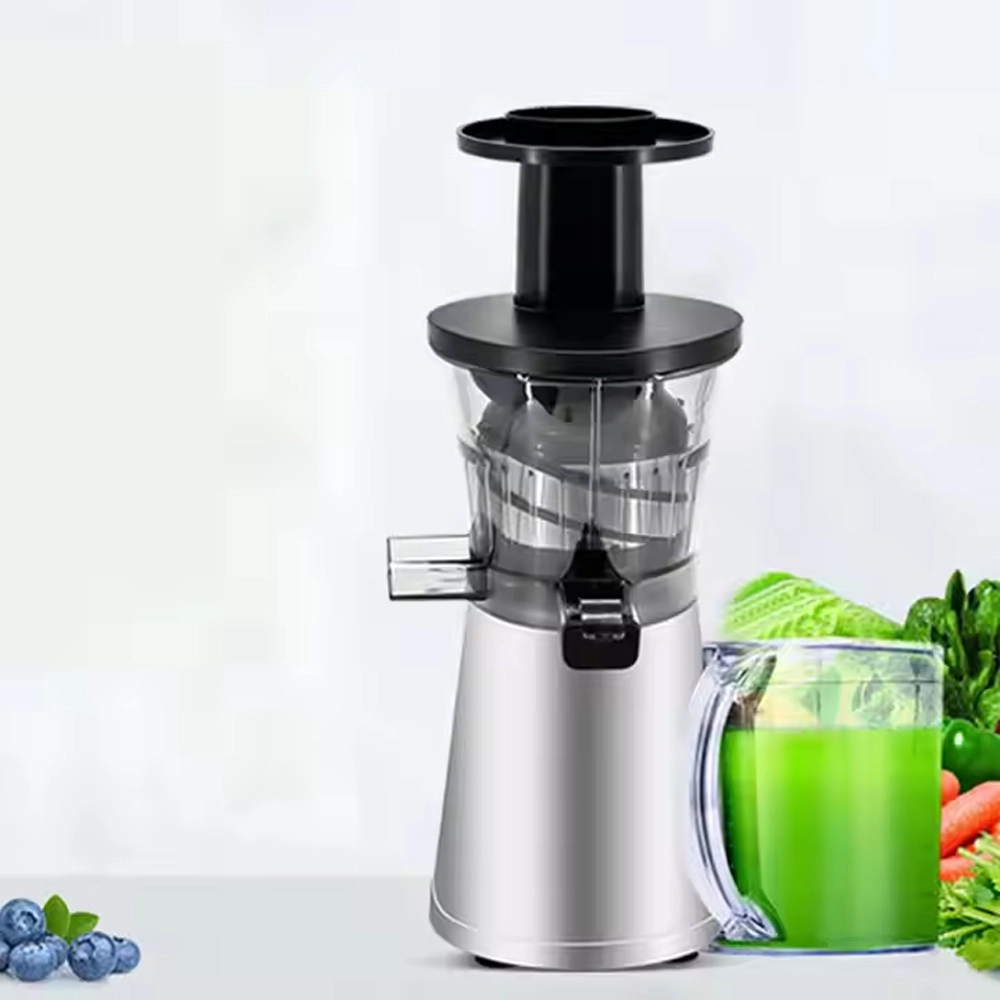
Slow Juicer L601
Jiaolong's L601 Slow Juicer: The perfect choice for slow juicer manufacturers, suppliers, and wholesalers. High-quality, efficient extraction. Contact us for wholesale inquiries.
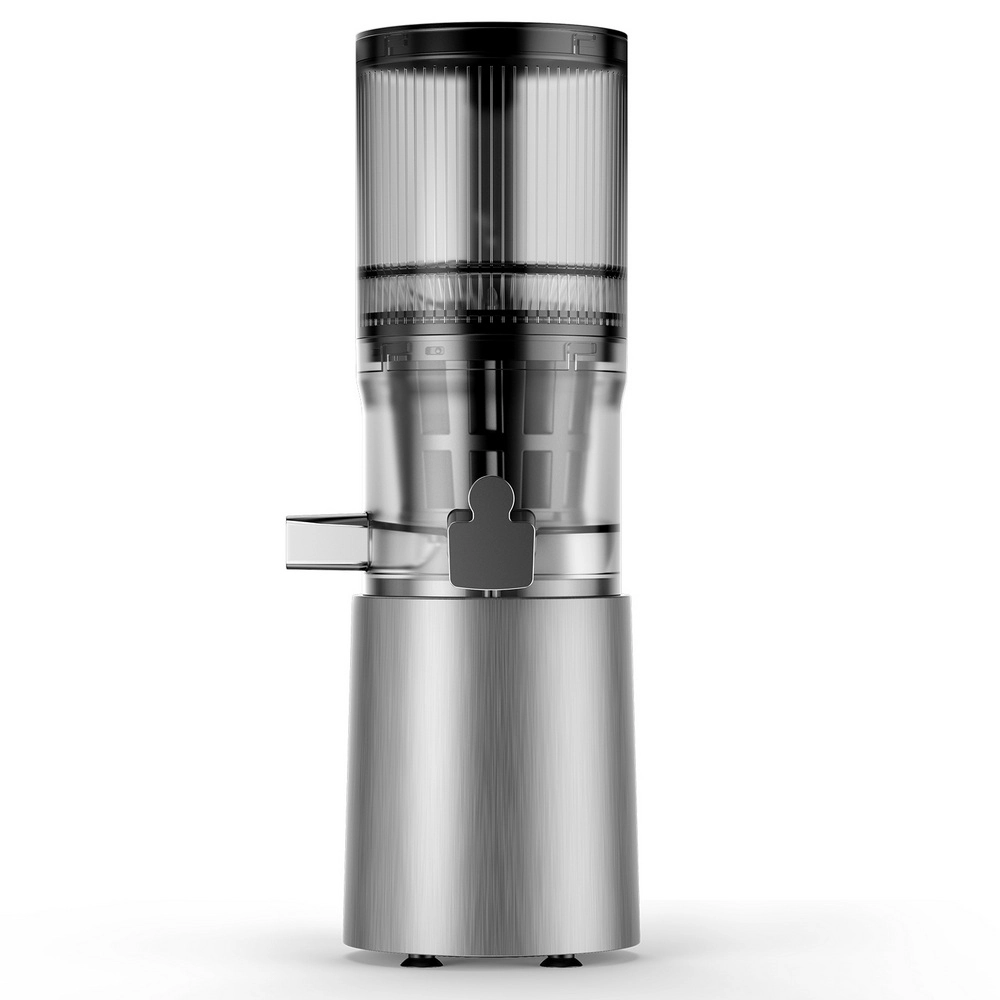
Slow Juicer L605A
Jiaolong's L605A Slow Juicer: A high-quality slow juicer for OEM, manufacturing, and supply needs. Contact us today to explore our slow juicer manufacturing capabilities and become a valued partner.
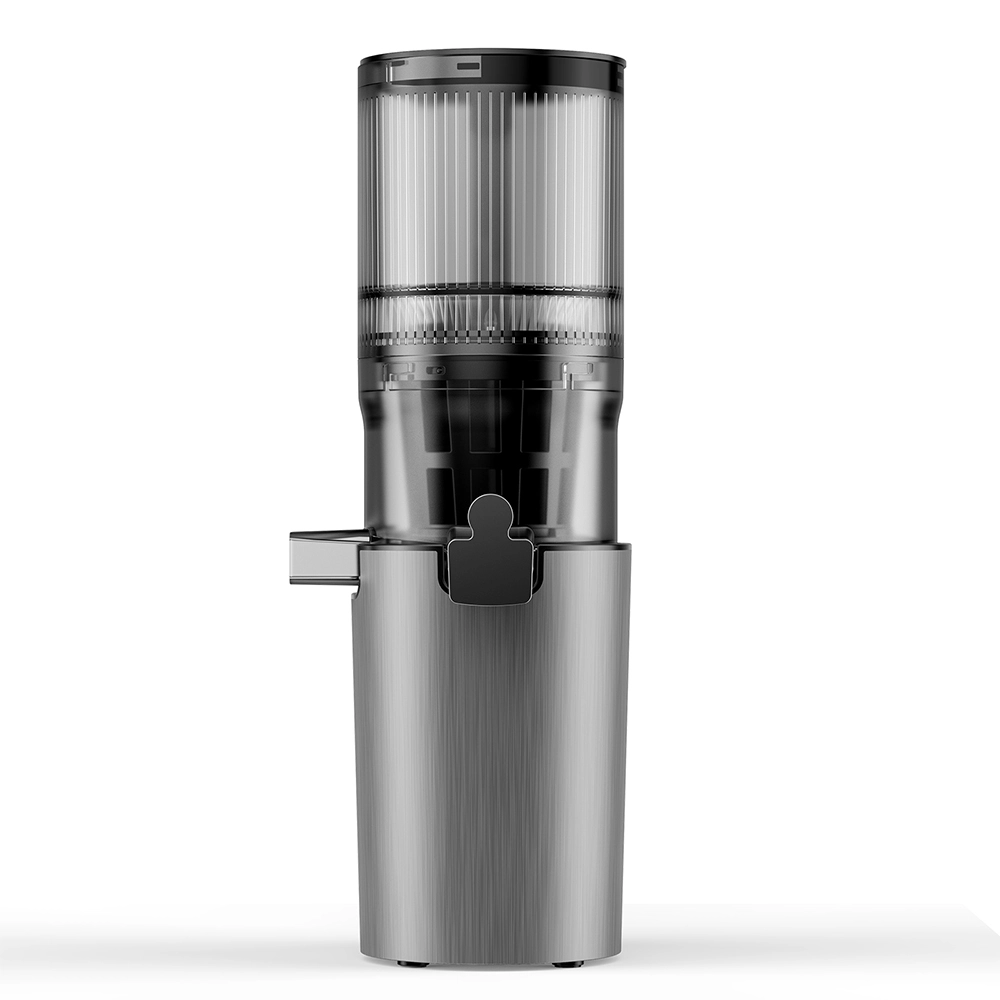
Slow juicer L606A
Jiaolong's L606A slow juicer: The ultimate slow juicer for wholesale, manufactured and supplied by a leading slow juicer supplier. Experience superior juice extraction and quality. Contact us for bulk orders.
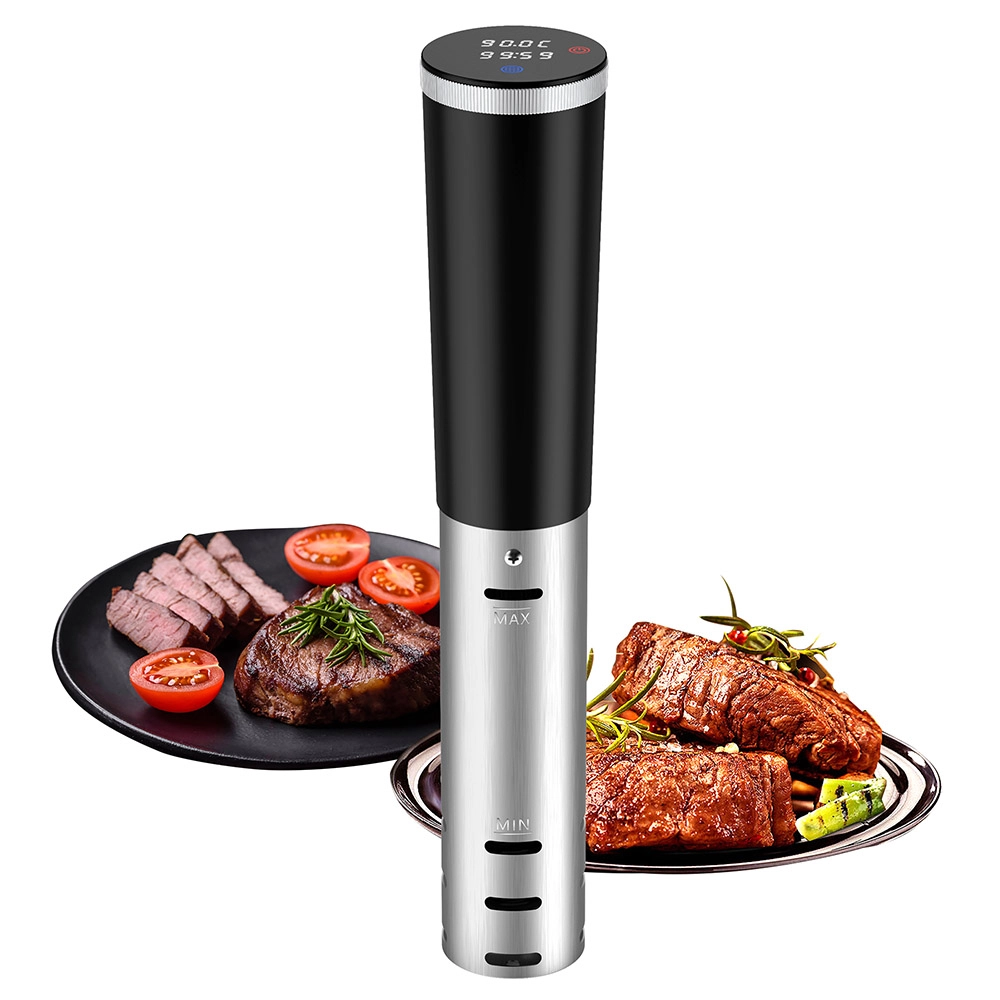
Sous Vide SV220
Jiaolong's Sous Vide SV220: A premium Sous Vide ODM solution. Reliable and efficient, the SV220 is the perfect choice for your next project. Partner with a leading sous vide supplier. Contact us today!
© 2025 JIAOLONG All Rights Reserved. Privacy Policy | Terms and Conditions | Sitemap