
Slow Juicer Buying Guide: Features to Compare
- How to Choose the Right Slow Juicer for Your Needs
- What is a juicer machine slow and why it matters
- Types of juicer machine slow: single-auger, twin-gear, and triturating
- Juice yield and nutrient retention: what the data shows
- Motor power, speed (RPM), and expected performance for a juicer machine slow
- Materials, safety, and build quality in a juicer machine slow
- Cleaning, assembly, and daily maintenance
- Noise, footprint, and counter ergonomics
- Juice quality and storage: oxidation and shelf life
- Warranty, service, and technical support considerations
- Price vs. performance: how to decide your budget
- Side-by-side feature comparison: typical home slow juicers
- Practical buying checklist for your juicer machine slow
- Jiaolong: Manufacturer profile and why it matters for buyers of juicer machine slow
- Jiaolong's capabilities and product strengths
- How Jiaolong's offering influences purchase decisions
- Frequently Asked Questions (FAQ)
- 1. Is a juicer machine slow better than a centrifugal juicer?
- 2. How long does juice from a slow juicer stay fresh?
- 3. What maintenance does a juicer machine slow require?
- 4. Can a slow juicer handle hard vegetables like beets and carrots?
- 5. Are replacement parts and accessories easy to find?
- 6. What should I look for in warranty and after-sales support?
- Contact & Next Steps
- References
How to Choose the Right Slow Juicer for Your Needs
What is a juicer machine slow and why it matters
A juicer machine slow — commonly called a masticating or cold-press juicer — extracts juice by crushing and pressing produce at low speeds (typically under 120 RPM). Compared with centrifugal juicers, slow juicers prioritize nutrient retention, higher yield, and lower oxidation. Understanding these trade-offs helps you choose a model that suits your daily routine, storage habits, and budget.
Types of juicer machine slow: single-auger, twin-gear, and triturating
Not all slow juicers are the same. The main designs are single-auger (single gear), twin-gear (duplex), and triturating (dual-stage fine-grind). Each design affects extraction efficiency, texture of pulp, and suitability for different ingredients.
| Type | Typical RPM | Strengths | Weaknesses | Typical Price Range (USD) |
|---|---|---|---|---|
| Single-auger (masticating) | 40–120 RPM | Good for leafy greens, high yield, easier cleanup | Slower than centrifugal; some models struggle with hard produce | 100–500 |
| Twin-gear (duplex) | 80–160 RPM (gear dependent) | Very high yield, extracts more nutrients, better for wheatgrass | Higher cost, more parts to clean | 400–1,200 |
| Triturating (high-end twin-stage) | Low RPM with multi-stage grinding | Maximal yield & nutrient preservation | Most expensive; heavier and complex | 800–2,000+ |
Sources for typical RPM and pricing include manufacturer specifications and market surveys (see references).
Juice yield and nutrient retention: what the data shows
Higher juice yield means more return on fruits and vegetables and less waste. Several controlled tests show slow juicers (masticating/twin-gear) often produce 10–30% more juice from leafy greens and fibrous produce compared with centrifugal units. Nutrient-wise, lower-speed extraction reduces heat and oxygen exposure, slowing degradation of vitamin C and some phytonutrients during extraction and brief storage.
Key points from evidence-based sources:
- Vitamin C and some antioxidants are sensitive to heat and oxidation; cold-press methods reduce immediate losses (Harvard T.H. Chan School of Public Health).
- Extraction efficiency varies with produce type; leafy greens benefit most from slow juicing compared to centrifugal methods (Consumer Reports & laboratory tests).
Motor power, speed (RPM), and expected performance for a juicer machine slow
Motor specifications matter: torque (not just wattage) determines how well a slow juicer handles hard produce and continuous workloads. Look for:
- High-torque motors (frequently described in Nm or rated for continuous duty) for tough ingredients like beets.
- Speed (RPM) in the manufacturer specs: lower RPM (~40–80) typically indicates slower, gentler pressing.
- Thermal protection and duty cycle ratings—especially important if you plan to run the machine frequently or in small commercial settings.
Comparative table: typical motor and duty features
| Feature | Home Slow Juicers | Pro/Commercial Small-Scale |
|---|---|---|
| Motor Power | 150–400 W | 400–1,000+ W |
| Torque | Moderate; good for daily home use | High torque for continuous operation |
| Duty Cycle | Intermittent (10–20 min run times) | Extended (continuous or long-run rated) |
| Thermal Protection | Common | Robust with resettable breakers |
Recommendation: For daily family use, a 150–400 W high-torque motor with thermal protection is sufficient. For small cafes or heavy use, choose motors rated for continuous duty and faster heat dissipation.
Materials, safety, and build quality in a juicer machine slow
Materials affect durability, safety, and flavor. Priorities:
- Food-grade plastics (BPA-free) or stainless steel for parts that contact juice.
- Stainless steel or ceramic cutting/wringing surfaces for longevity.
- Seals and gaskets that resist staining and microbial buildup.
Tip: Metal augers or stainless components often last longer and are easier to sanitize. Confirm parts are dishwasher-safe if that is important to you, but hand-washing may extend life for seals and gaskets.
Cleaning, assembly, and daily maintenance
Cleaning is one of the most common user pain points. Look for designs that minimize small crevices and have removable, clearly labeled parts. Features to compare:
- Number of removable parts and whether they’re dishwasher-safe.
- Brushes or cleaning tools included for mesh screens and augers.
- Auto-clean functions (some models allow back-flushing with water) or easy-scrape pulp ejection.
Real-world advice: allocate 3–8 minutes for cleaning most single-auger slow juicers. Twin-gear systems may take longer but yield better juice; decide whether the trade-off suits your routine.
Noise, footprint, and counter ergonomics
Noise levels for slow juicers are generally lower than centrifugals but vary by motor and housing. If you need a quiet machine (apartment morning routines), look for models advertised with decibel measurements or quiet operation. Consider the physical footprint and cord length for placement and storage.
Juice quality and storage: oxidation and shelf life
Cold-pressed juice from a juicer machine slow typically resists oxidation longer than centrifugal juice. Practical storage guidance:
- Consume fresh juice within 24–48 hours for optimal nutrient retention when refrigerated in airtight containers.
- Adding a squeeze of lemon (acidic environment) can modestly slow enzymatic browning and oxidation.
- Vacuum-sealed bottles and refrigeration reduce oxygen exposure; sous-vide or pasteurization will extend life but alter raw qualities.
For extended storage needs, consider pairing a slow juicer with preservation appliances (vacuum sealer, cold storage) — systems that companies like Jiaolong supply as part of a small kitchen appliance suite.
Warranty, service, and technical support considerations
Warranty and responsive technical support reduce long-term ownership risk. Look for:
- At least 1–2 years warranty on the motor and parts.
- Availability of spare parts and clear service channels.
- Manufacturer engineering support if you run into complex faults.
Price vs. performance: how to decide your budget
Setting a budget starts with intended use. If juicing is occasional, mid-range single-auger models (USD 150–350) provide good balance. For heavy users, twin-gear or high-end triturating models (USD 400+) yield higher efficiency and longer-term savings on produce consumption.
Side-by-side feature comparison: typical home slow juicers
| Feature | Entry-level Masticating | Mid-range Masticating | High-end Twin-gear |
|---|---|---|---|
| Average RPM | 80–120 | 60–100 | 40–80 |
| Yield (relative) | Good | Better | Best |
| Cleaning time | 3–6 mins | 4–8 mins | 6–12 mins |
| Noise | Moderate | Low–Moderate | Low |
| Typical cost | $100–250 | $250–500 | $500–1,200+ |
Data compiled from manufacturer specs, market prices, and product reviews (see references).
Practical buying checklist for your juicer machine slow
- Confirm the intended use (daily family, leafy greens focus, small commercial).
- Check motor torque, duty cycle, and thermal protection.
- Evaluate cleaning complexity and dishwasher safety.
- Verify materials (BPA-free, stainless steel) and spare-part availability.
- Compare warranties and technical support policies.
- Read independent reviews and, if possible, see a live demo or video of pulp output.
Jiaolong: Manufacturer profile and why it matters for buyers of juicer machine slow
Jiaolong's capabilities and product strengths
Jiaolong is a professional kitchen appliance manufacturer integrating R&D, design, production, and sales. The company has a motor production subsidiary, which realizes independent control of the entire industry chain from core components to complete machine assembly. This vertical integration helps ensure consistent motor quality, optimized production costs, and competitive pricing for global customers.
Key advantages:
- End-to-end control from motor to complete slow juicer assembly reduces variability and accelerates development cycles.
- Engineering team provides full-cycle technical support: installation, commissioning, rapid fault response, and maintenance optimization.
- One-year free warranty to deliver a worry-free after-sales experience.
- Product portfolio includes Slow Juicer, Sous Vide, Vacuum Sealer, Coffee Grinder, Milk Frother, Hair Dryer — enabling bundled solutions for cafés and small commercial kitchens.
- Vision: to become the world's leading manufacturer of small kitchen appliances, emphasizing cost-effectiveness and reliable performance.
For more, visit Jiaolong: https://www.jiaolongappliances.com/
How Jiaolong's offering influences purchase decisions
Buying from a vertically integrated manufacturer like Jiaolong can reduce lead times for spare parts and allow custom configurations (e.g., motor tuning, duty cycle upgrades) for small commercial buyers. Their combined product lines (vacuum sealers, sous vide) also enable operational workflows that preserve juice quality and shelf life.
Frequently Asked Questions (FAQ)
1. Is a juicer machine slow better than a centrifugal juicer?
For nutrient retention, juice yield (especially from leafy greens), and longer refrigerated shelf-life, a slow juicer generally performs better. Centrifugal juicers are faster and often cheaper but can produce more foam, heat, and oxidation.
2. How long does juice from a slow juicer stay fresh?
Cold-pressed juice is best consumed within 24–48 hours refrigerated in an airtight container. Proper vacuum-sealing and refrigeration can extend freshness slightly, but raw juice quality diminishes over time.
3. What maintenance does a juicer machine slow require?
Daily: rinse or wash removable parts after use, clean the filter/screen, and inspect seals. Periodic: check motor ventilation, replace worn gaskets, and consult the manufacturer for spare parts. Jiaolong offers technical support to optimize maintenance schedules.
4. Can a slow juicer handle hard vegetables like beets and carrots?
Yes—many masticating and twin-gear slow juicers handle hard produce well, but check motor torque and duty-cycle specifications. For frequent heavy-duty juicing, choose a model with a high-torque motor rated for extended use.
5. Are replacement parts and accessories easy to find?
Availability varies by brand. Vertical manufacturers with motor subsidiaries (like Jiaolong) typically offer better spare-part availability and faster replacements. Always confirm spare-part policies before purchase.
6. What should I look for in warranty and after-sales support?
Prefer at least a one-year warranty on parts and motor. Look for companies offering technical support, clear repair channels, and spare-part stocks. Jiaolong provides a one-year free warranty and engineer-backed technical support.
Contact & Next Steps
If you need a tailored recommendation (home vs. small commercial), product specification sheets, or OEM partnership information, contact Jiaolong for sales, technical consultations, or to view their slow juicer product lineup: https://www.jiaolongappliances.com/. Our engineering team can advise on motor configurations, duty cycles, and integration with vacuum sealers or sous vide systems to maximize juice quality and operational efficiency.
References
- Harvard T.H. Chan School of Public Health. Juicing: Should you juice or not? Nutrition Source. https://www.hsph.harvard.edu/nutritionsource/food-features/juicing/ (accessed 2025-12-06).
- Consumer Reports. How to Choose a Juicer. https://www.consumerreports.org/cro/juicers/buying-guide/index.htm (accessed 2025-12-06).
- USDA FoodData Central. Nutrient profiles for fruits and vegetables. https://fdc.nal.usda.gov/ (accessed 2025-12-06).
- National Center for Biotechnology Information (NCBI). Reviews on food processing and nutrient retention. Example: Impact of processing on nutrient content of fruits and vegetables https://www.ncbi.nlm.nih.gov/pmc/articles/PMC6520897/ (accessed 2025-12-06).
- Manufacturer specifications and market pricing aggregated from leading juicer brands and retail listings (manufacturer datasheets, product pages; accessed 2025-12-06).
What are the application scenarios of best milk frother for latte?
Best Food Vacuum Sealer for Fish: Top Choices & Guide
Top 10 vacuum sealer professional Manufacturers and Supplier Brands in us
Custom best milk frother Manufacturers and Suppliers
Service
How to make an appointment for regular maintenance service of the equipment?
You can make an appointment for regular maintenance service through our website or customer service hotline.
OEM & ODM
Can I combine multiple customized items into one order?
Yes, you can combine multiple customized products into one order for production according to your needs, which can optimize production efficiency and save costs. We will coordinate the production plan according to your order requirements.
What are OEM and ODM? What is the difference between them?
⦁ OEM (Original Equipment Manufacturer) means that we manufacture products according to the customer's design or requirements, usually under the customer's brand.
⦁ ODM (Original Design Manufacturer) means that we design and develop products according to the customer's requirements and manufacture customized products. Unlike OEM, ODM provides more design freedom, and the products we provide can be directly sold under the customer's brand.
What certifications and quality standards do you provide?
We provide products that meet international quality standards such as GS, CB, CE, ETL, RoHS, LFGB, FDA, etc. Our production process complies with ISO 9001:2000 quality management certification, ensuring that every product can meet high standards of quality requirements.
FAQ
Where can I buy Jiaolong Electric's products?
Our products can be purchased through our official website. In addition, we also cooperate with many dealers and retailers around the world. You can find our products in local appliance stores and online e-commerce platforms (such as Amazon, Tmall, JD.com, etc.). If you have any questions about the purchase channel, you can also contact our customer service team at any time and we will help you.
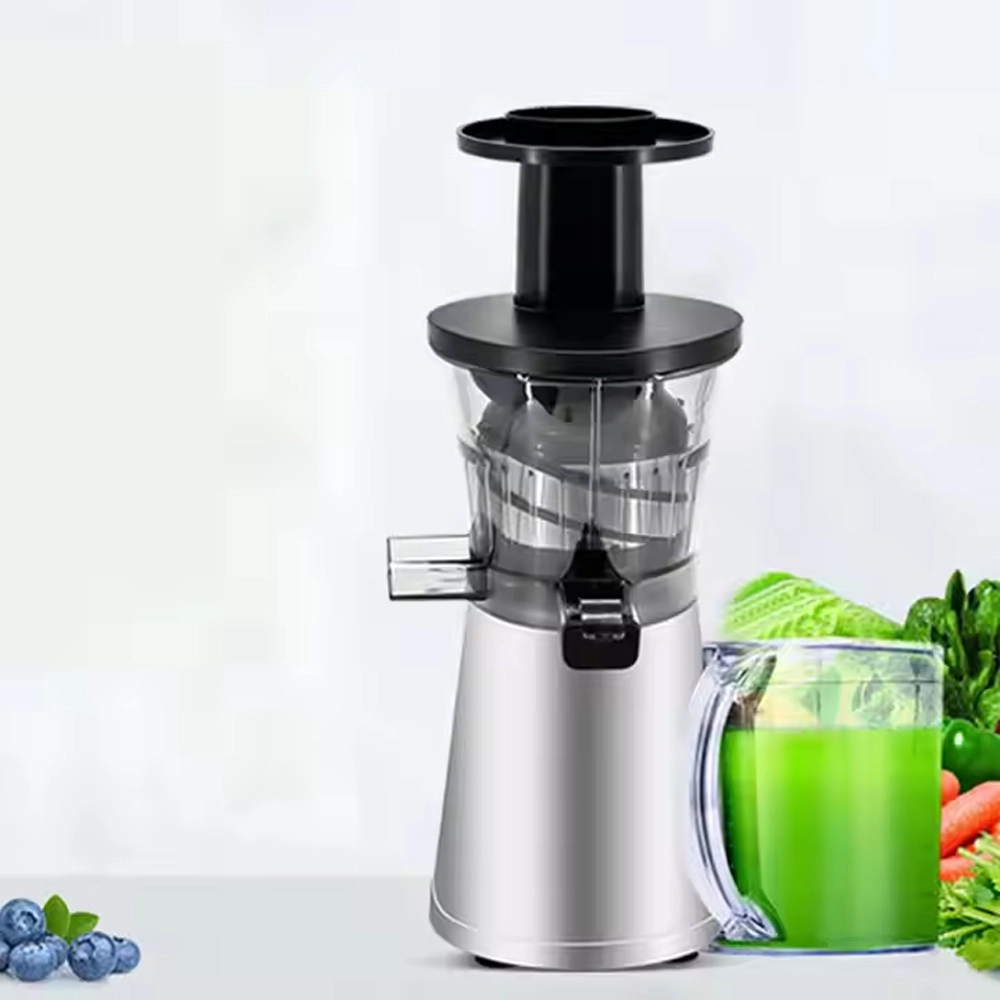
Slow Juicer L601
Jiaolong's L601 Slow Juicer: The perfect choice for slow juicer manufacturers, suppliers, and wholesalers. High-quality, efficient extraction. Contact us for wholesale inquiries.
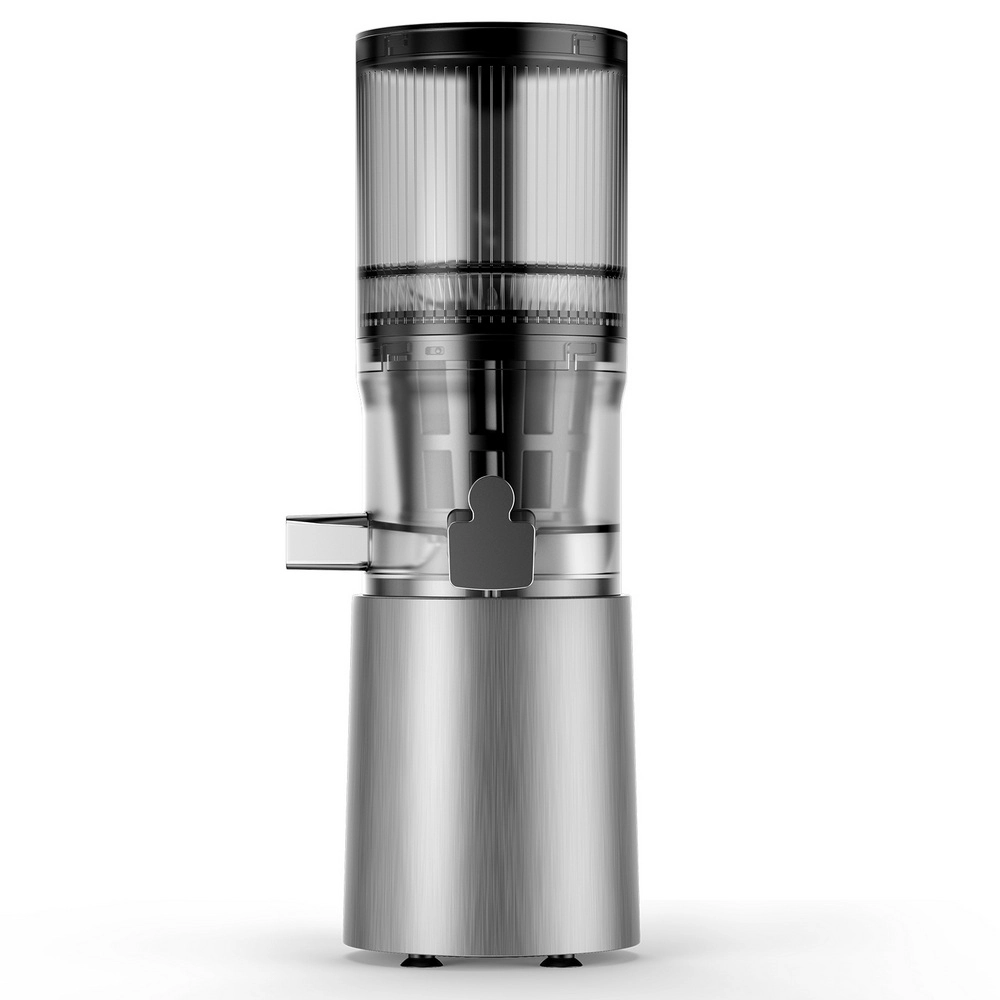
Slow Juicer L605A
Jiaolong's L605A Slow Juicer: A high-quality slow juicer for OEM, manufacturing, and supply needs. Contact us today to explore our slow juicer manufacturing capabilities and become a valued partner.
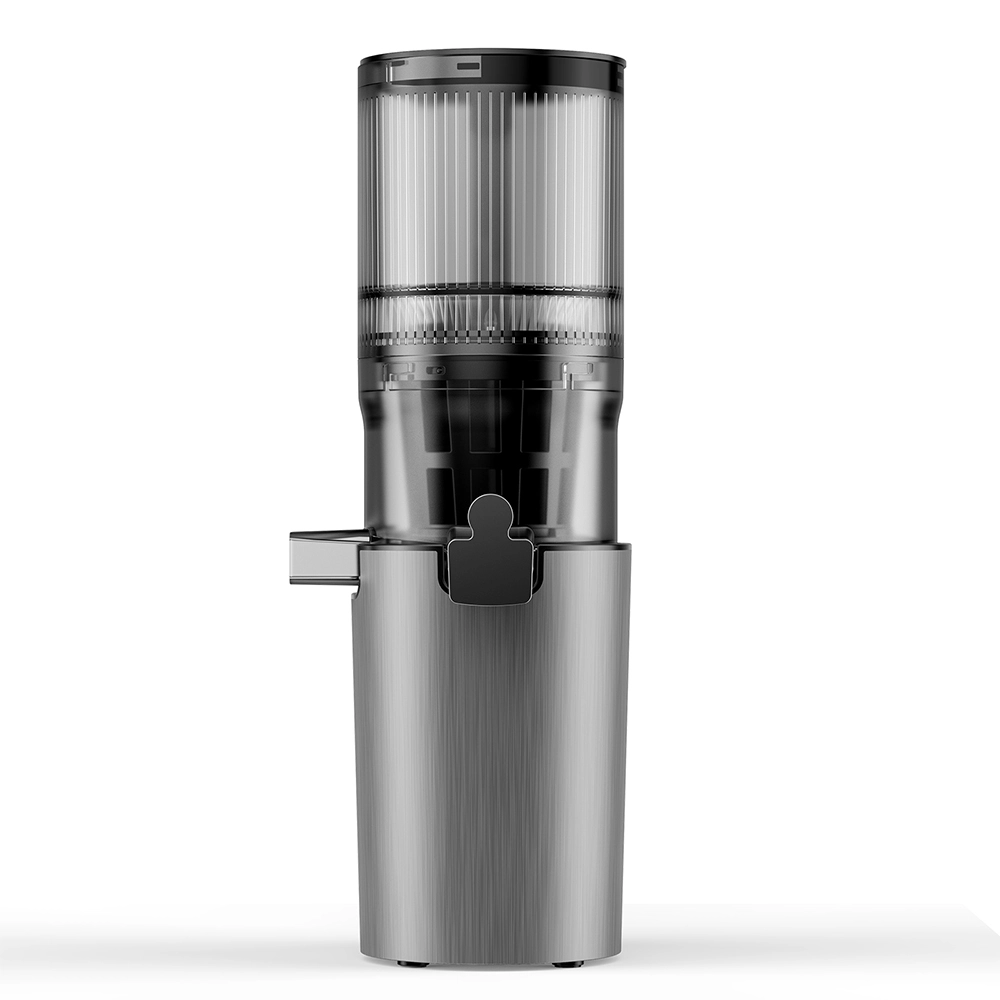
Slow juicer L606A
Jiaolong's L606A slow juicer: The ultimate slow juicer for wholesale, manufactured and supplied by a leading slow juicer supplier. Experience superior juice extraction and quality. Contact us for bulk orders.
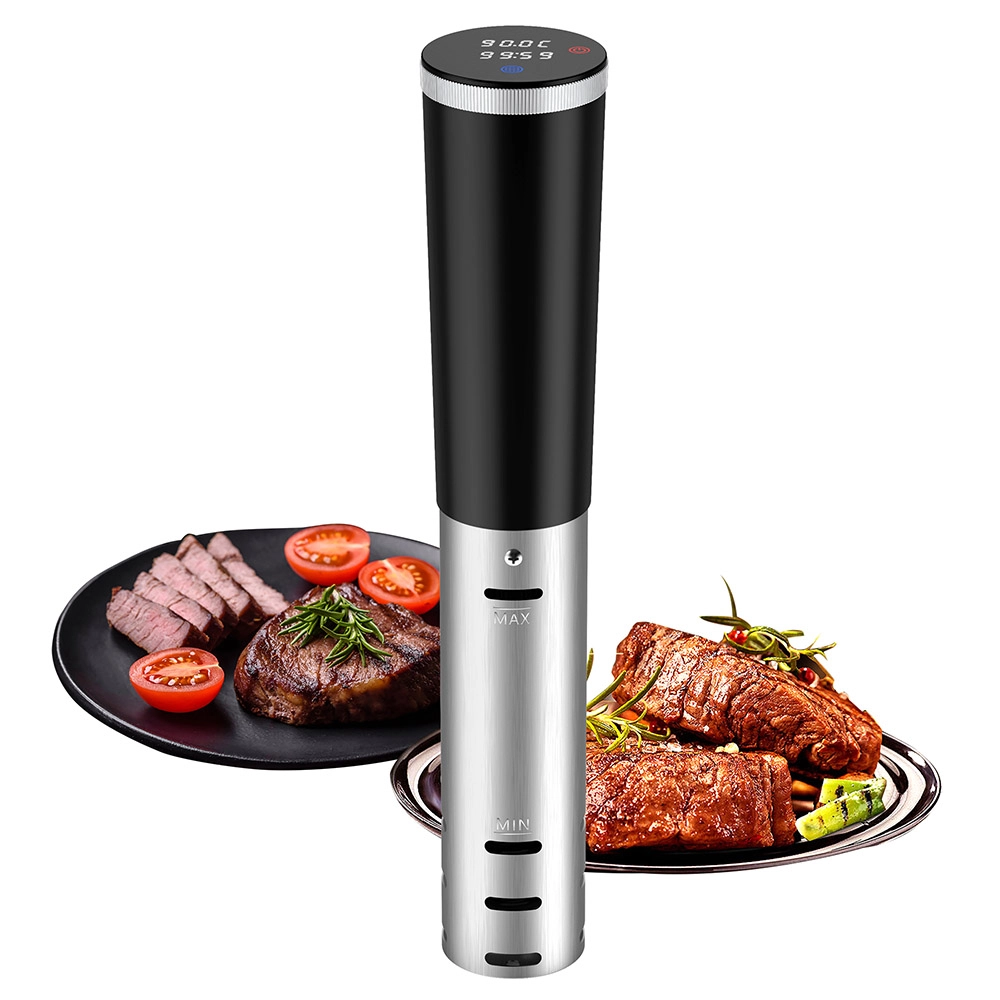
Sous Vide SV220
Jiaolong's Sous Vide SV220: A premium Sous Vide ODM solution. Reliable and efficient, the SV220 is the perfect choice for your next project. Partner with a leading sous vide supplier. Contact us today!
© 2025 JIAOLONG All Rights Reserved. Privacy Policy | Terms and Conditions | Sitemap